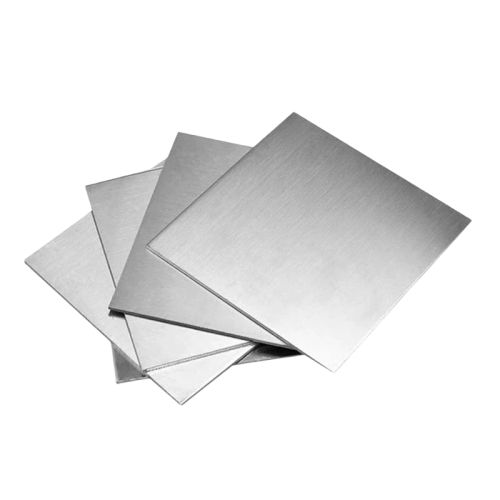
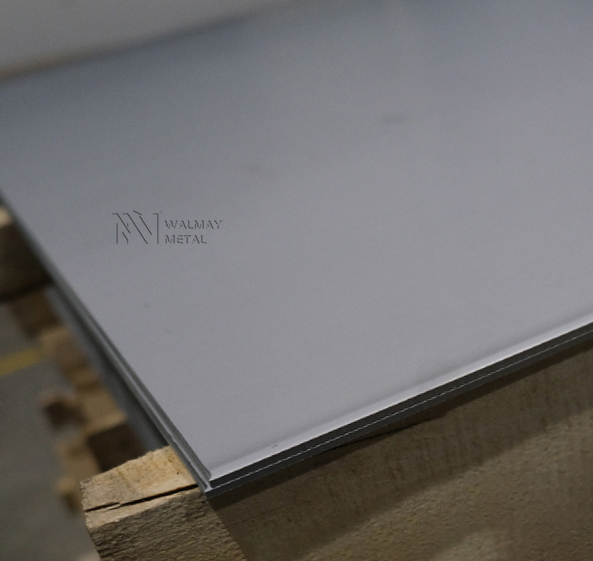
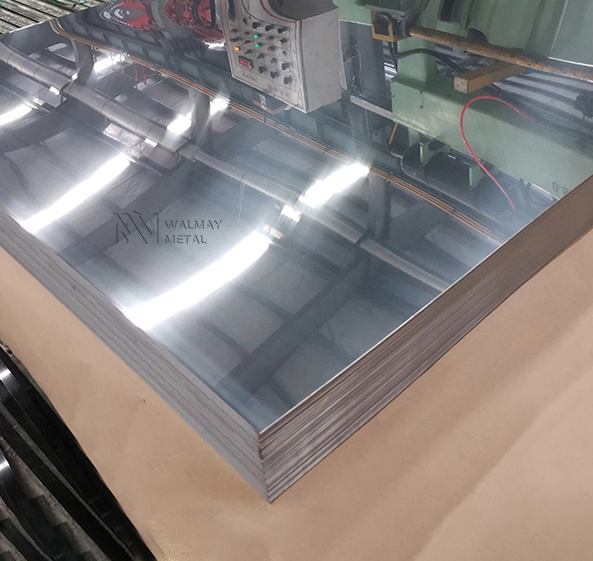
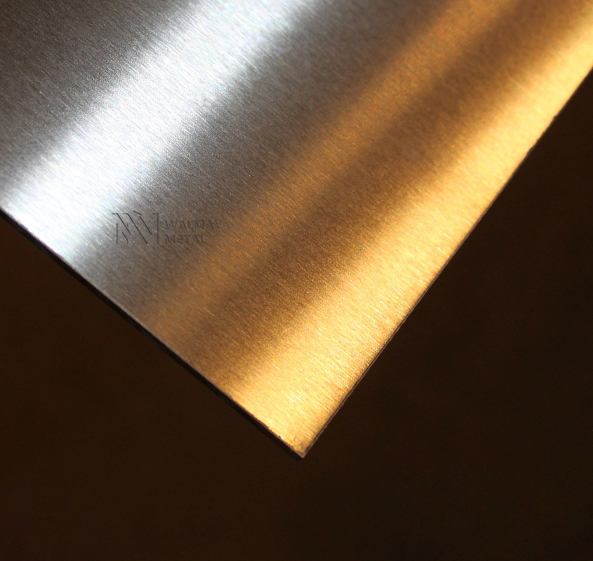
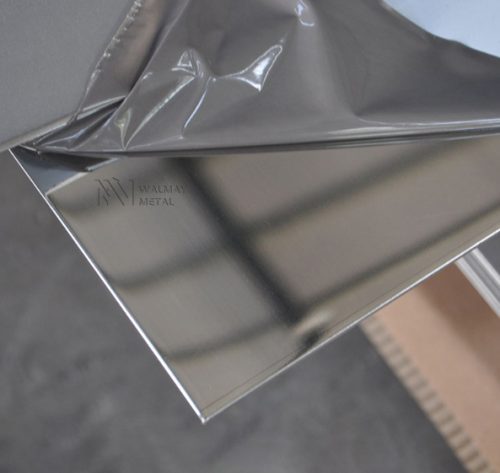
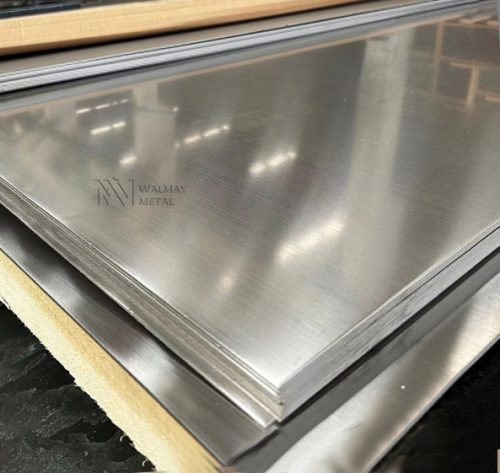
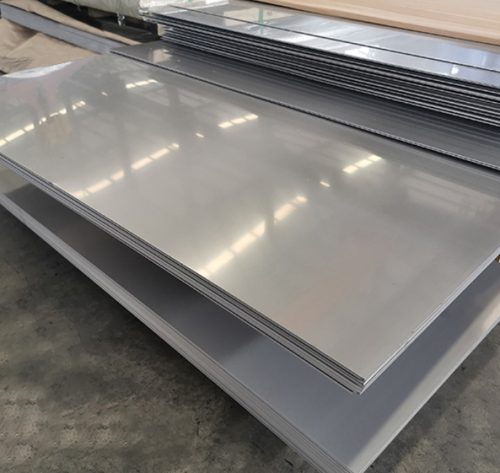
304 stainless steel sheet is the most widely used flat-rolled stainless product in the world, and it is the grade behind roughly two thirds of the material Walmay ships. It carries 18 to 20 percent chromium and 8 to 10.5 percent nickel to ASTM A240, giving good corrosion resistance, full weldability and excellent formability. We stock it from 0.3 mm to 80 mm thick and up to 2,000 mm wide, in 2B, BA, No.4 brushed, hairline and No.8 mirror finishes, including 4x8 ft sheets from stock. Enquiries that arrive written as stainless steel sheet 304, type 304 or A240 304 all describe the same product.
| Item | Detail |
|---|---|
| Grade | 304, UNS S30400, and 304L, UNS S30403 |
| Standards | ASTM A240 / ASME SA240, ASTM A480, EN 10088-2, JIS G4304 / G4305 |
| Thickness | 0.3-80 mm |
| Width | 1,000, 1,219, 1,500, 2,000 mm, or slit to width |
| Length | 2,000, 2,438, 3,000, 6,000 mm, or cut to size |
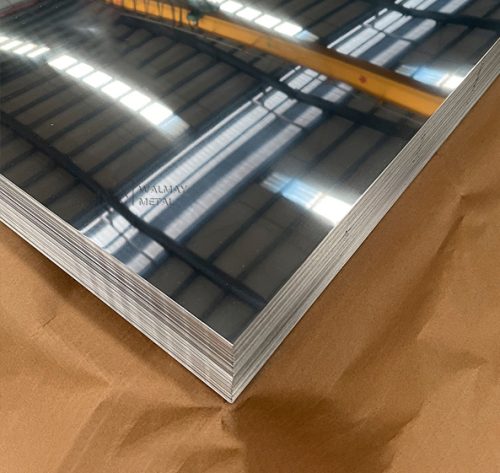
| Finish | 2B, 2D, BA, No.4, HL hairline, No.8 mirror, matte |
| Condition | Cold rolled and annealed below 4.75 mm, hot rolled pickled above |
| Cut tolerance | Plus or minus 0.5 mm on length |
| Certification | EN 10204 3.1 with heat number and full analysis |
Limits to ASTM A240, in percent by mass.
| Element | 304 | 304L |
|---|---|---|
| Carbon | 0.08 max | 0.030 max |
| Chromium | 18.0-20.0 | 18.0-20.0 |
| Nickel | 8.0-10.5 | 8.0-12.0 |
| Manganese | 2.00 max | 2.00 max |
| Silicon | 0.75 max | 0.75 max |
| Nitrogen | 0.10 max | 0.10 max |
| Phosphorus | 0.045 max | 0.045 max |
| Sulphur | 0.030 max | 0.030 max |
Specification minimums in the annealed condition.
| Property | 304 | 304L |
|---|---|---|
| Yield strength, 0.2 percent proof | 205 MPa | 170 MPa |
| Tensile strength | 515 MPa | 485 MPa |
| Elongation in 50 mm | 40 percent | 40 percent |
| Hardness | 92 HRB max | 92 HRB max |
| Density | 8.0 g/cm3 | 8.0 g/cm3 |
| Modulus of elasticity | 193 GPa | 193 GPa |
| Maximum continuous service | About 870 C | About 870 C |
| Magnetic response | Essentially non-magnetic annealed | Essentially non-magnetic annealed |
The 4x8 ft sheet, 1,219 by 2,438 mm, is the most requested size in global procurement. Weights below are calculated for 304 at 8.0 g/cm3 over an area of 2.97 square metres.
| Gauge | Thickness | Weight per 4x8 sheet | Weight in lb |
|---|---|---|---|
| 26 ga | 0.48 mm | 11.4 kg | 25 lb |
| 24 ga | 0.64 mm | 15.1 kg | 33 lb |
| 22 ga | 0.79 mm | 18.8 kg | 41 lb |
| 20 ga | 0.95 mm | 22.6 kg | 50 lb |
| 18 ga | 1.27 mm | 30.2 kg | 67 lb |
| 16 ga | 1.59 mm | 37.8 kg | 83 lb |
| 14 ga | 1.98 mm | 47.1 kg | 104 lb |
| 12 ga | 2.78 mm | 66.1 kg | 146 lb |
| 11 ga | 3.18 mm | 75.6 kg | 167 lb |
| 10 ga | 3.57 mm | 84.9 kg | 187 lb |
| - | 6.00 mm | 142.7 kg | 315 lb |
For any thickness the weight of a 4x8 sheet is 23.8 kg per millimetre. The general formula is thickness in millimetres multiplied by the area in square metres multiplied by 8.0.
| Finish | Description | Typical use |
|---|---|---|
| 2B | Cold rolled, annealed, pickled, lightly skin passed | The default industrial finish for fabrication |
| 2D | Cold rolled and annealed without skin pass, matte | Deep drawing, where lubricant retention helps |
| BA | Bright annealed, near mirror | Appliance panels, reflectors, food equipment |
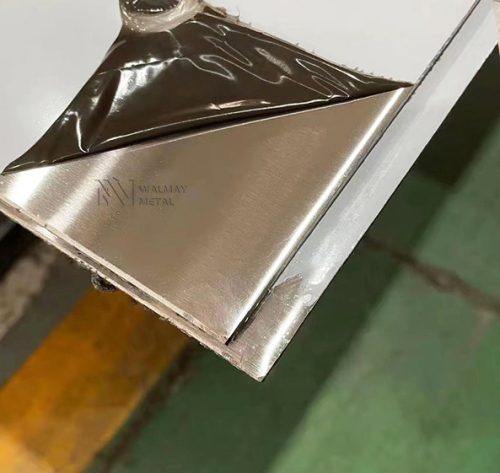
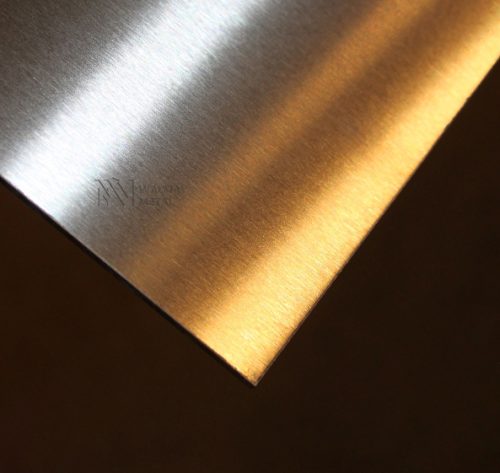
| No.4 | Brushed to roughly 150-180 grit | Kitchen equipment, lift panels, worktops |
| HL hairline | Long continuous grain | Architectural cladding and doors |
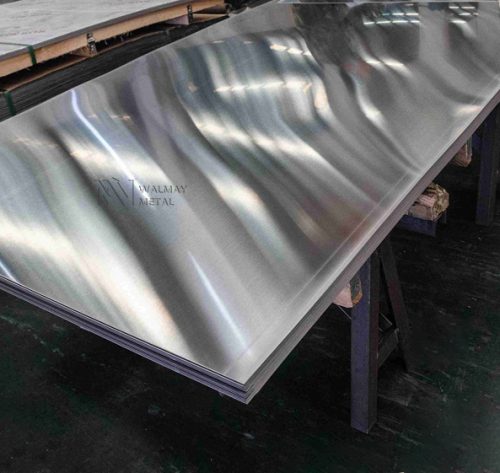
| No.8 mirror | Progressively polished, reflective | Feature walls and decorative work |
Related decorative products in this grade include No.8 mirror sheet, embossed sheet and colour coated sheet.
| Environment | 304 suitable | Better alternative |
|---|---|---|
| Indoor, dry or humid | Yes | - |
| Inland outdoor, urban | Yes | - |
| Food contact and catering | Yes, FDA compliant | 316L where cleaning chemicals are aggressive |
| Potable water | Yes | - |
| Coastal, within a few kilometres of the sea | No, tea staining and pitting | 316L |
| Swimming pool halls and chlorinated air | No | 316L or 2205 duplex |
| De-iced roads and bridges | No | 316L or duplex |
| Sulphuric or phosphoric acid | No | 904L |
| Above 870 C | No, scales and loses strength | 310S or 321 |
| High mechanical stress | Marginal, low yield strength | 2205 duplex |
The comparison guides on 304 versus 316, 430 versus 304 and 201 versus 304 set out the trade-offs against the grades buyers most often weigh against it.
| Item | Detail |
|---|---|
| Minimum order | 1 tonne from stock, 3-5 tonnes for mill-rolled finishes and sizes |
| Lead time from stock | 7-10 days to loading |
| Lead time mill run | 25-40 days |
| Stock sizes | 4x8 ft and 1,219x2,438 mm in 0.5-3.0 mm, plus 1,500 and 2,000 mm widths |
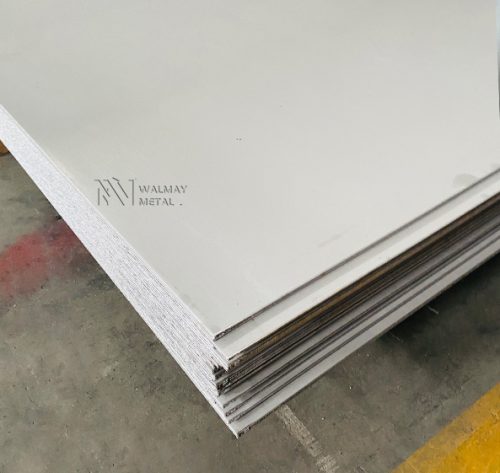
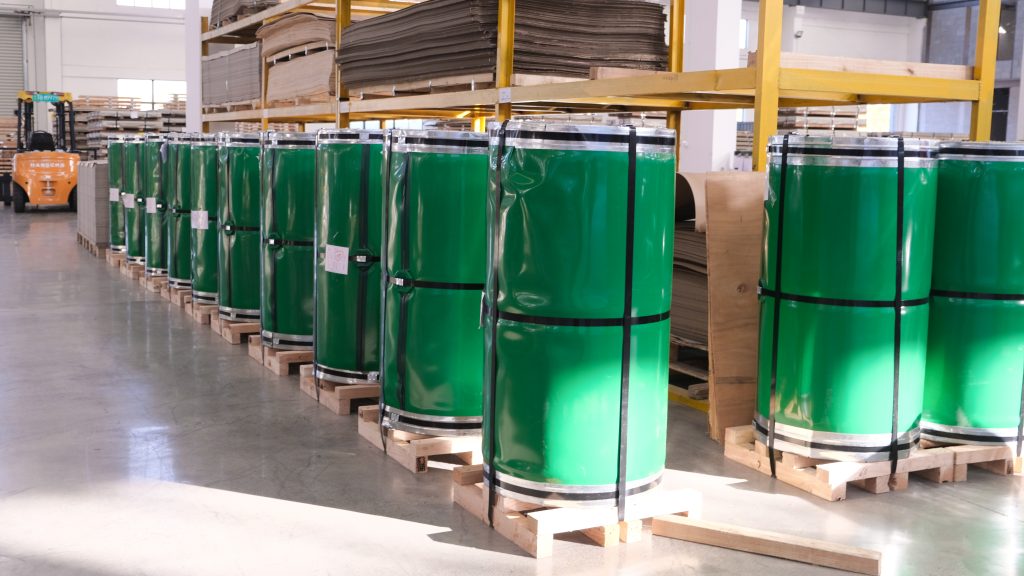
| Packing | Wooden pallet or crate, PVC film, interleaved paper on BA and mirror |
| Incoterms | FOB, CIF, DAP |
Send the thickness or gauge, width, length, finish, quantity and destination port. Where the sheet is being cut anyway, sending the cut list normally removes a shearing operation and the offcut from your own shop.
Related products: 304L plate, 316L sheet, 430 sheet, 304 cold rolled coil and the full sheet and plate range.
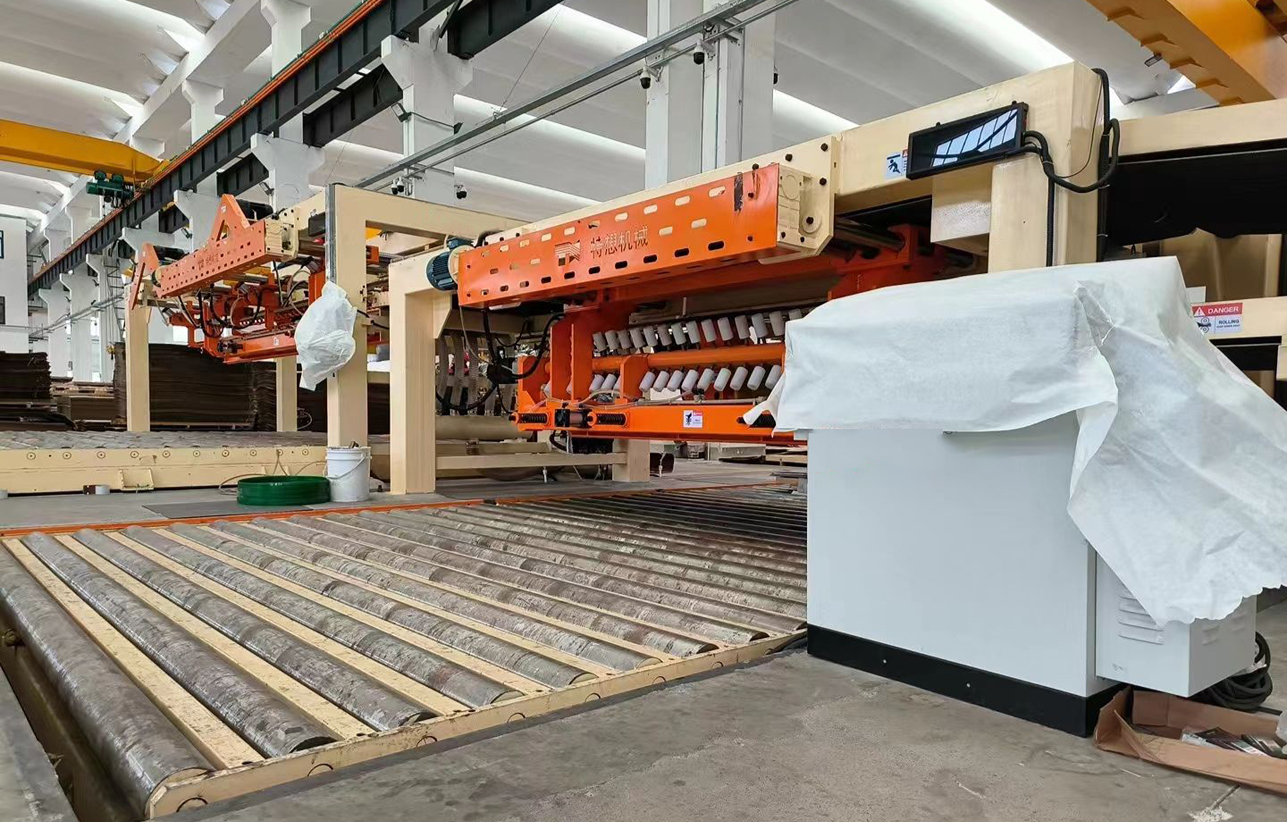
Stainless Steel Plate Bending/Stamping Process
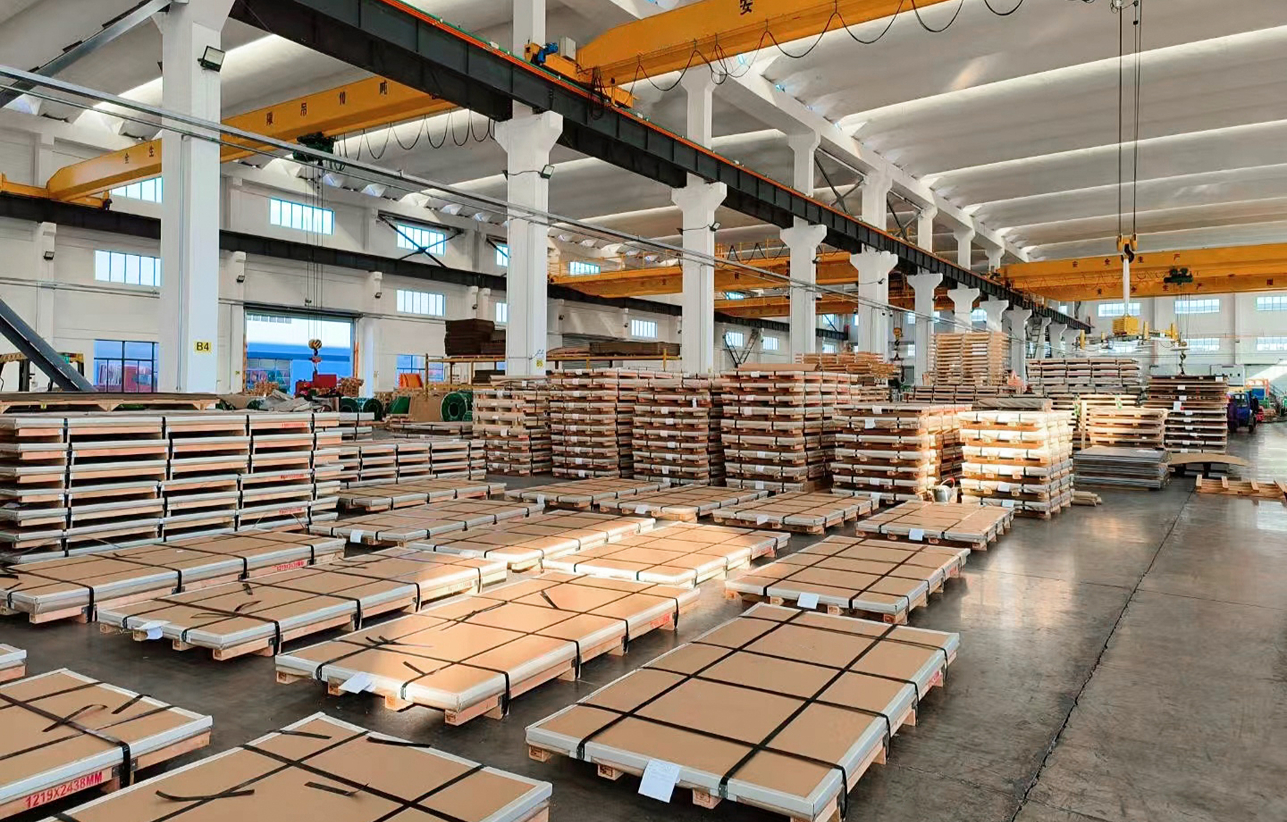
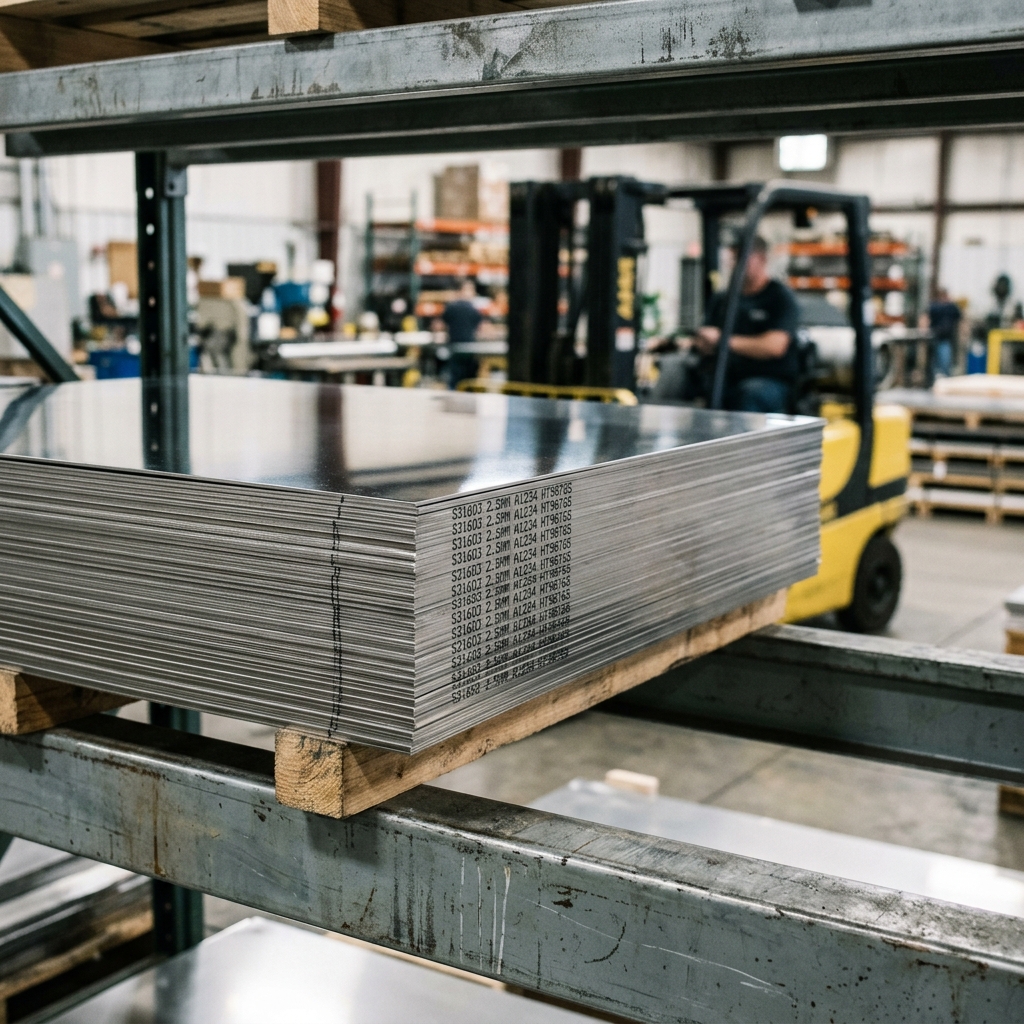
Stainless Steel Plates on Storage Rack
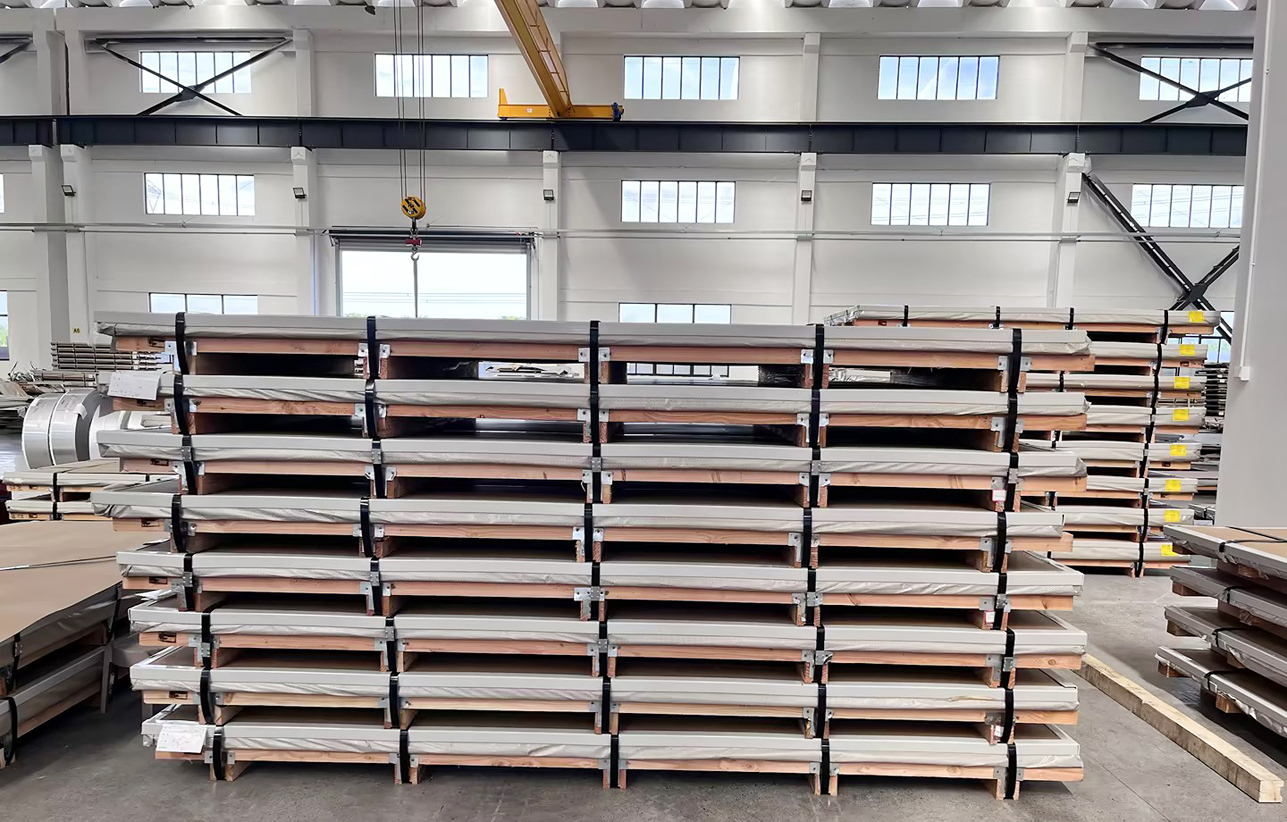
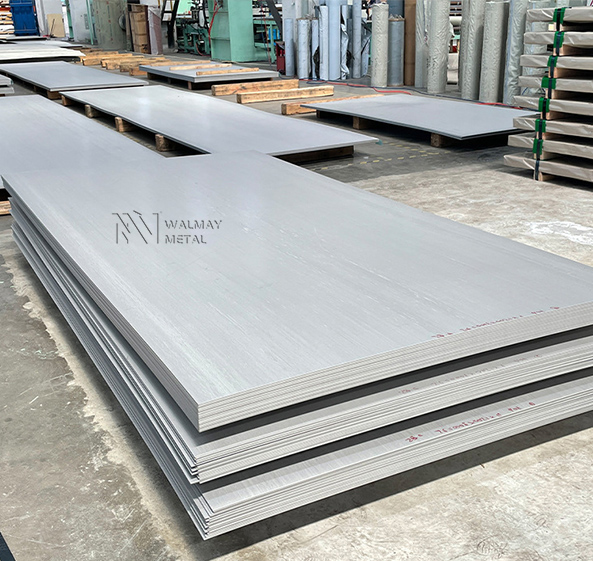
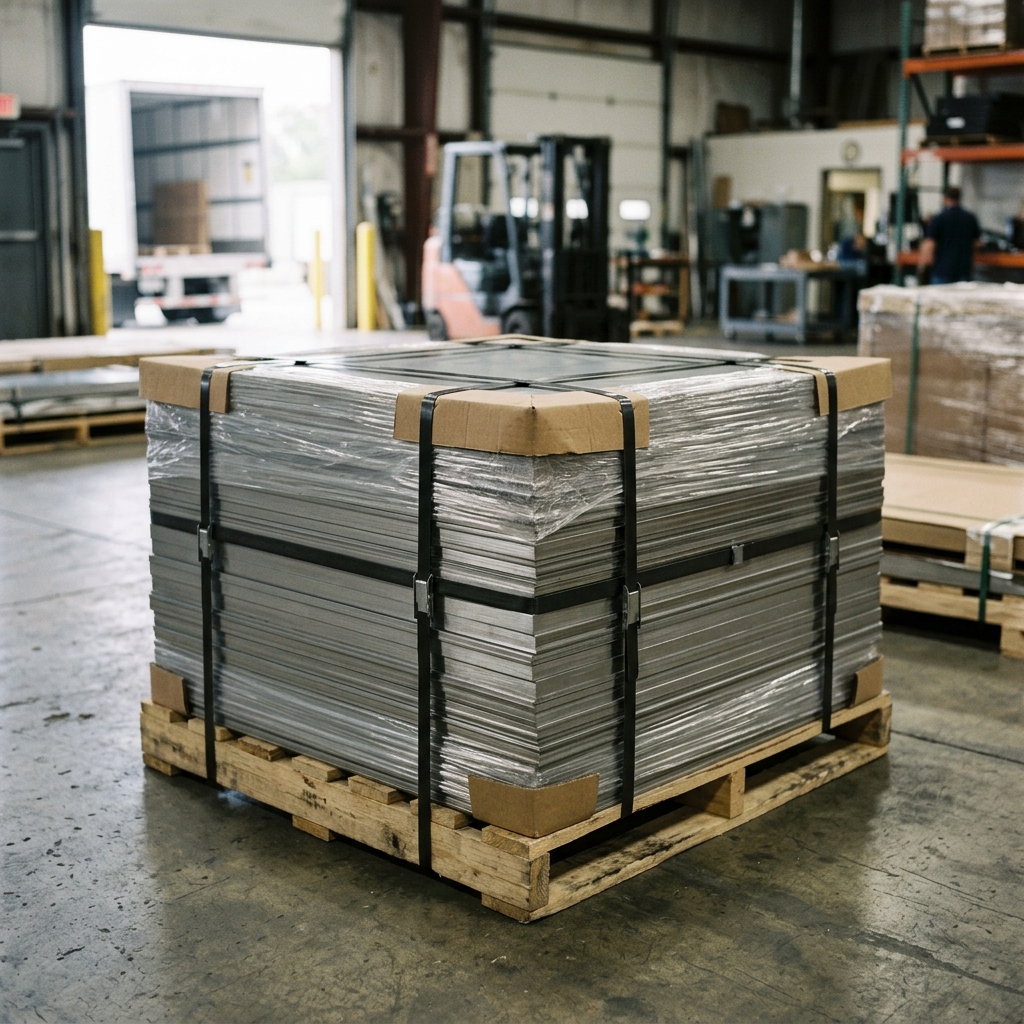
Palletized Stainless Steel Plates
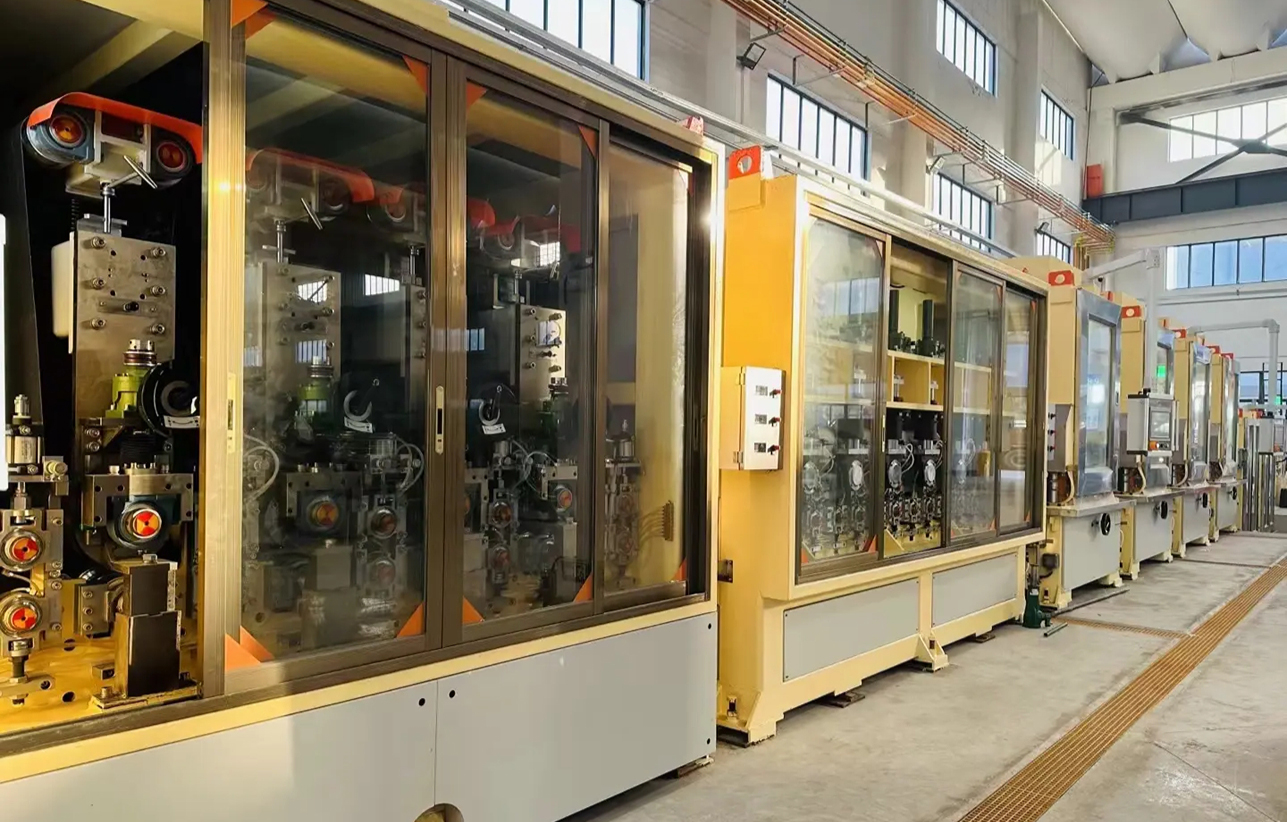
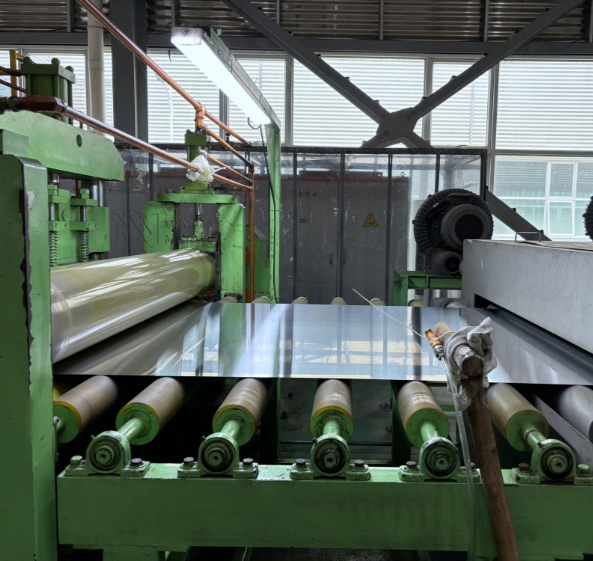
Stainless Steel Plate Rolling Line
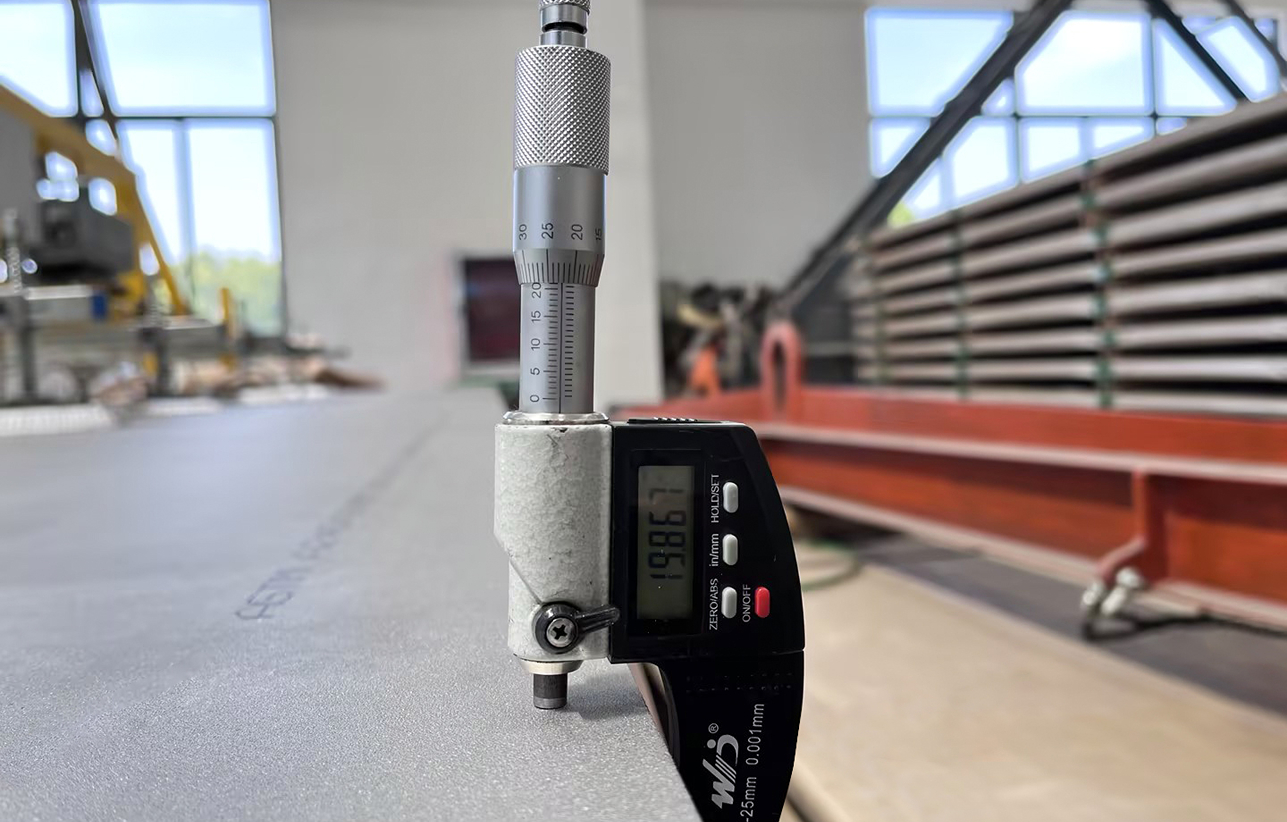
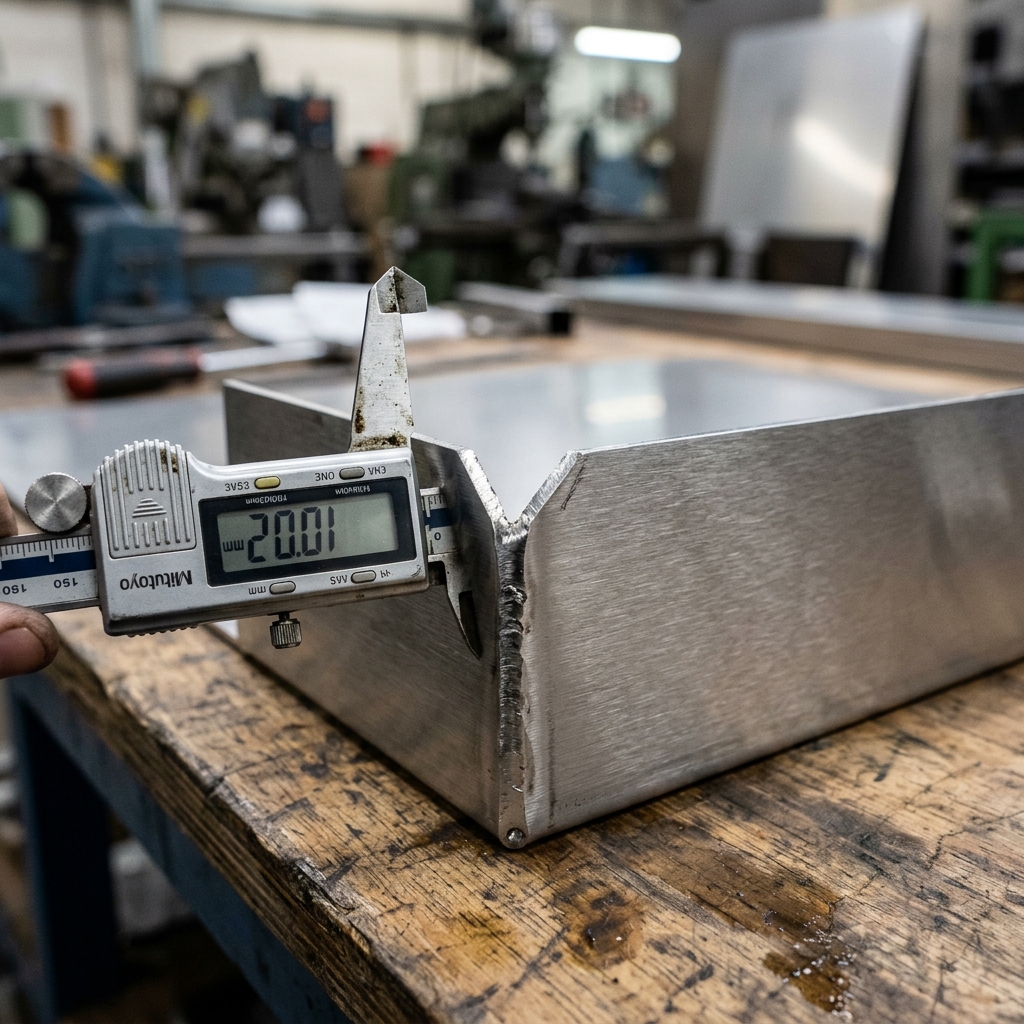
Precision Thickness Inspection of Stainless Steel Plate
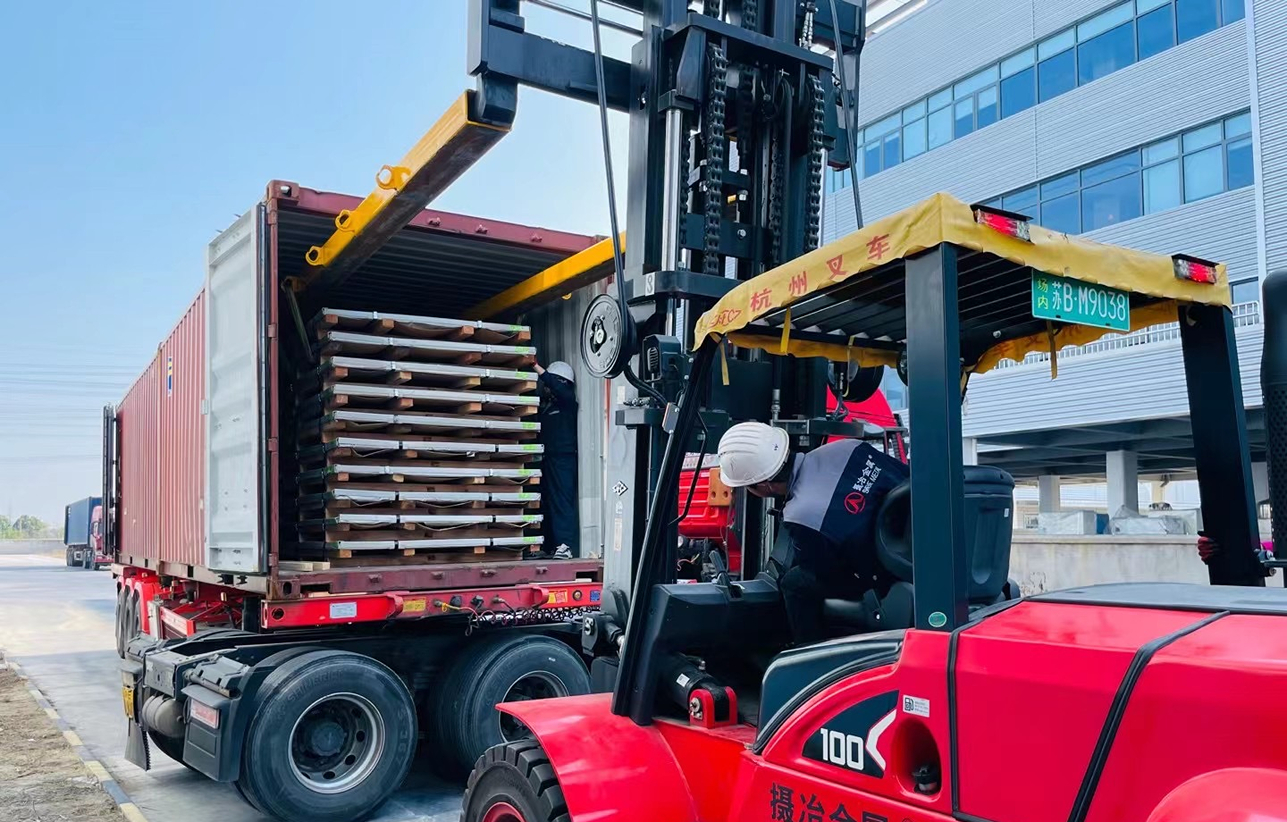
Forklift Loading Stainless Steel Plates for Shipment
304 stainless steel sheet is the most widely used flat-rolled stainless product in the world, and it is the grade behind roughly two thirds of the material Walmay ships. It carries 18 to 20 percent chromium and 8 to 10.5 percent nickel to ASTM A240, giving good corrosion resistance, full weldability and excellent formability. We stock it from 0.3 mm to 80 mm thick and up to 2,000 mm wide, in 2B, BA, No.4 brushed, hairline and No.8 mirror finishes, including 4x8 ft sheets from stock. Enquiries that arrive written as stainless steel sheet 304, type 304 or A240 304 all describe the same product.
Above about 4.75 mm the same grade is called 304 stainless steel plate, and the product genuinely changes. Plate is hot rolled, pickled and annealed rather than cold rolled, so it arrives with a No.1 surface that is duller and rougher, and it is specified by mechanical properties and flatness rather than by finish.
| Thickness band | Product | Surface | Typical specification driver |
|---|---|---|---|
| 0.3-1.5 mm | Cold rolled sheet | 2B, BA, No.4, mirror | Appearance and formability |
| 1.5-4.75 mm | Cold rolled sheet | 2B, No.4 | Appearance and thickness tolerance |
| 4.75-12 mm | Hot rolled plate | No.1 pickled | Flatness and mechanical properties |
| 12-80 mm | Hot rolled plate | No.1 pickled | Mechanical properties, ultrasonic testing |
For welded plate above about 6 mm that will not be solution annealed afterwards, specify 304L plate instead. The lower carbon ceiling prevents chromium carbide precipitation at the grain boundaries in the heat-affected zone, which is what leaves a standard 304 weld line open to intergranular corrosion. Heavier and hot-rolled sections are covered on our hot rolled plate page.
304 is the easiest stainless grade to work, but three properties differ from mild steel and catch shops out.
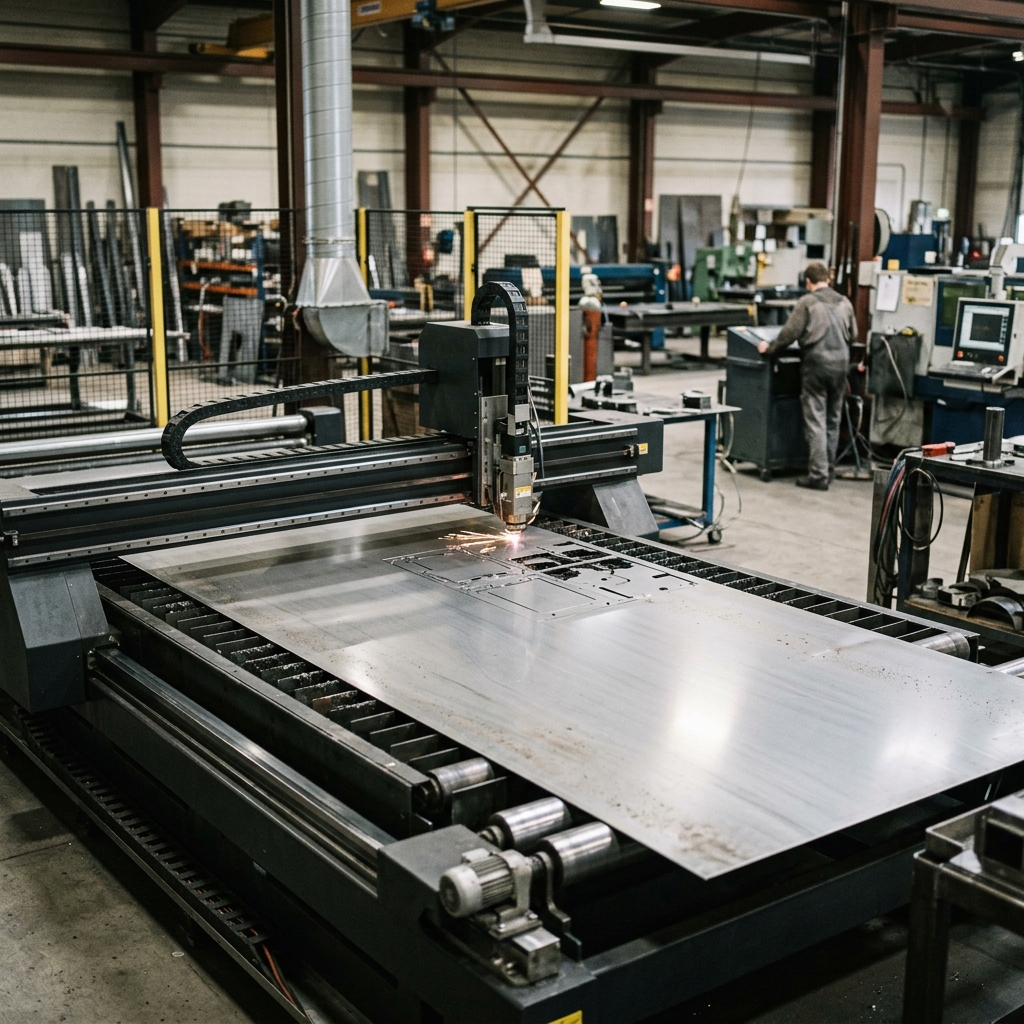
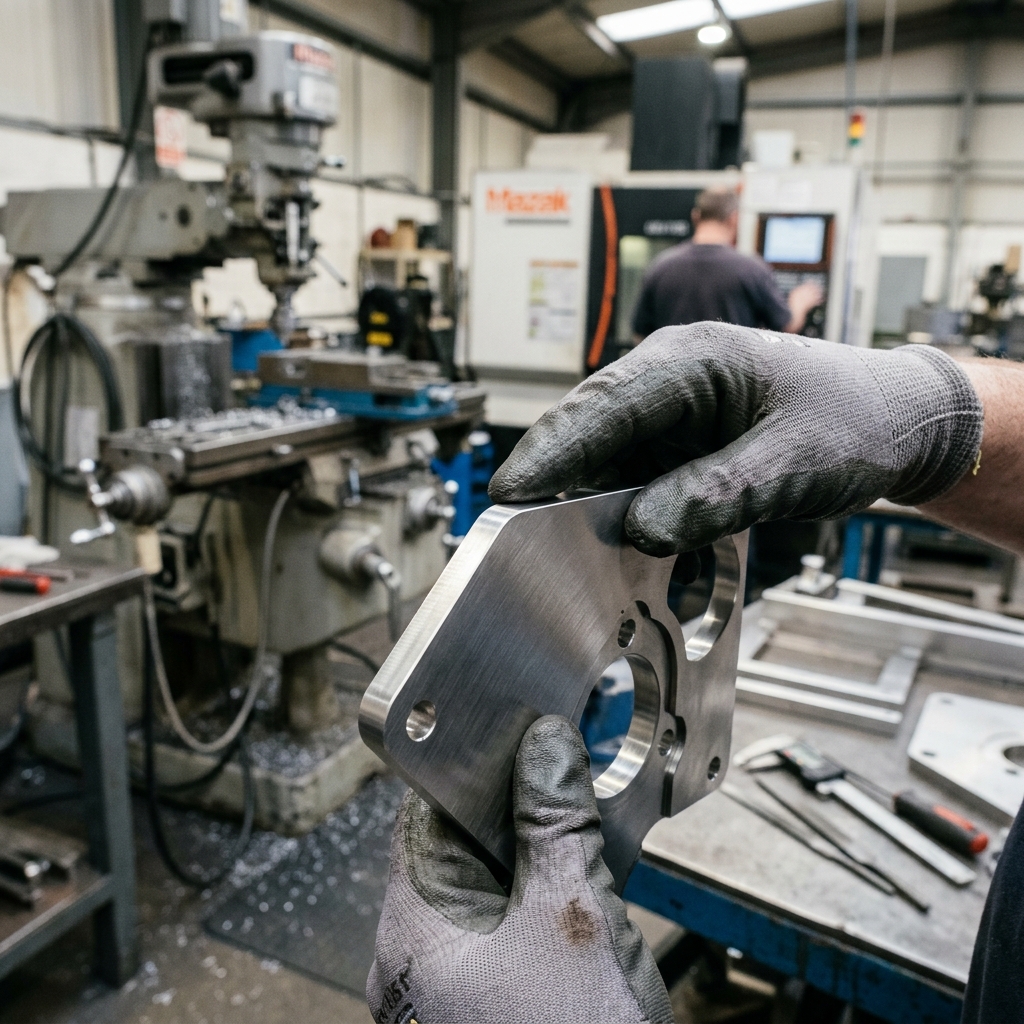
Processing we carry out before dispatch is described on our fabrication page and includes cutting to plus or minus 0.5 mm, levelling to 0.1 mm per square metre, bending, polishing and surface treatment.
Walmay will help match the right stainless product form and specification for your application, confirm quantities and packing needs, and provide requested documents based on order requirements.
Loading form…