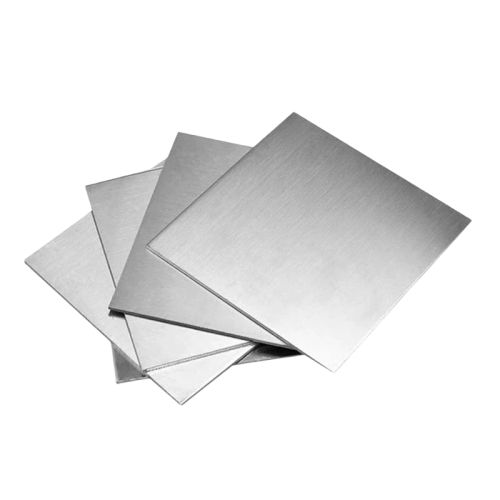
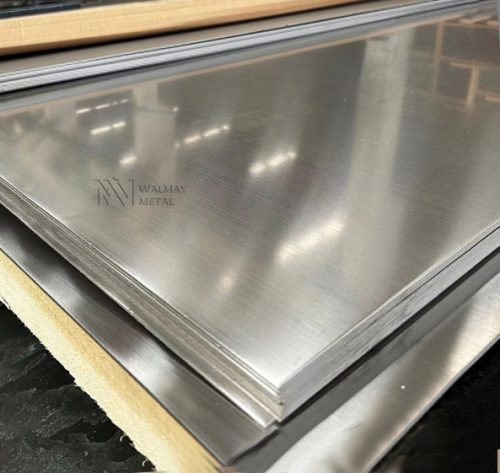
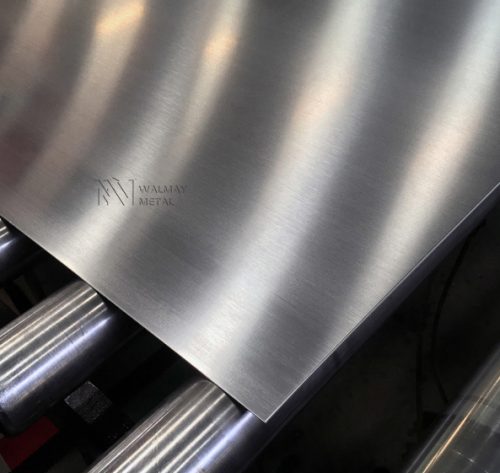
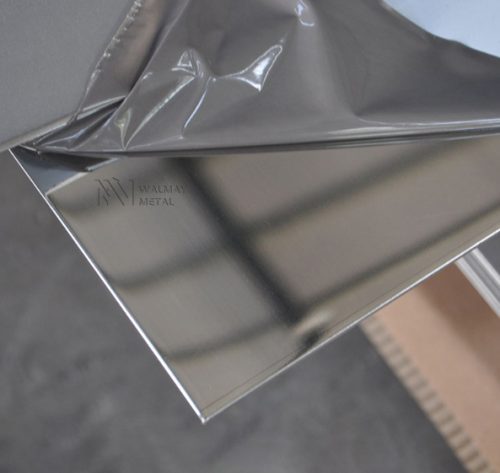
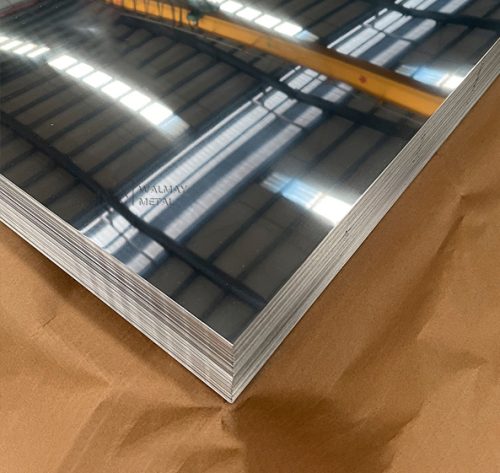
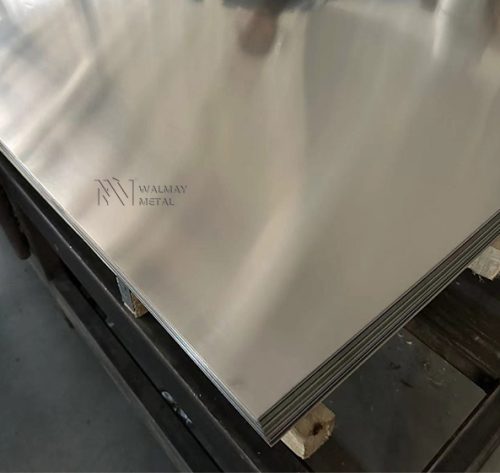
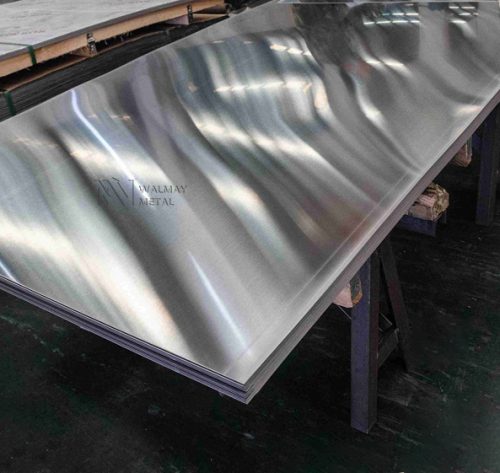
316 stainless steel sheet is the molybdenum-bearing austenitic grade specified whenever chlorides are present. Adding 2 to 3 percent molybdenum to the 18-8 base raises the pitting resistance equivalent number from about 19 for 304 to about 25, which is the difference between a surface that tea stains in coastal air and one that does not. Walmay stocks 316 and 316L to ASTM A240 from 0.4 mm to 60 mm thick, up to 2,000 mm wide, in 2B, BA, No.4 brushed, hairline and No.8 mirror finishes, with an EN 10204 3.1 certificate on every heat. Most of our stock is dual certified 316/316L, so it satisfies either callout.
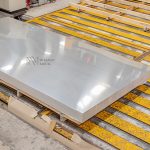
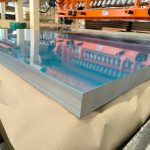
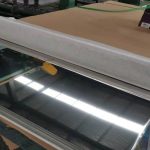
| Item | Detail |
|---|---|
| Grade | 316, UNS S31600, and 316L, UNS S31603 |
| Standards | ASTM A240 / ASME SA240, ASTM A480, EN 10088-2, JIS G4304 / G4305 |
| Thickness | 0.4-60 mm |
| Width | 1,000, 1,219, 1,500, 2,000 mm, or slit to width |
| Length | 2,000, 2,438, 3,000, 6,000 mm, or cut to size |
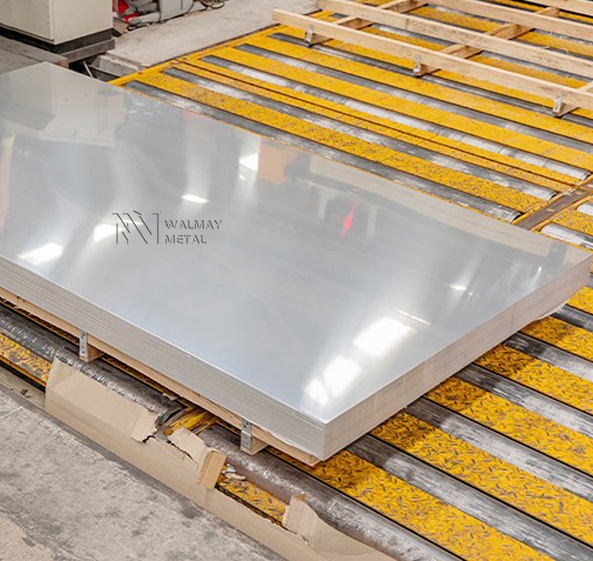
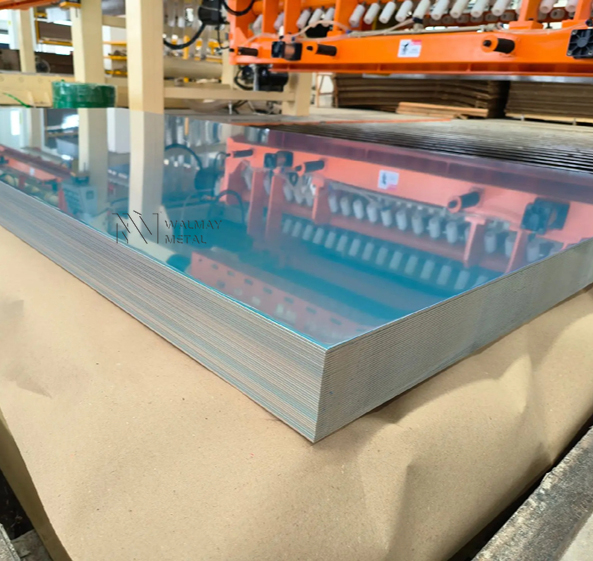
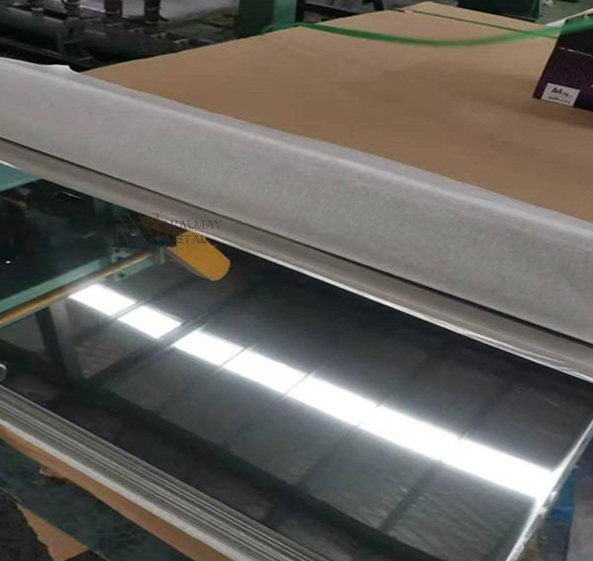
| Finish | 2B, 2D, BA, No.4, HL hairline, No.8 mirror |
| Condition | Cold rolled and annealed below 4.75 mm, hot rolled pickled above |
| PREN | About 25 |
| Certification | EN 10204 3.1, dual certified 316/316L on most heats |
Limits to ASTM A240, in percent by mass.
| Element | 316 | 316L |
|---|---|---|
| Carbon | 0.08 max | 0.030 max |
| Chromium | 16.0-18.0 | 16.0-18.0 |
| Nickel | 10.0-14.0 | 10.0-14.0 |
| Molybdenum | 2.00-3.00 | 2.00-3.00 |
| Manganese | 2.00 max | 2.00 max |
| Silicon | 0.75 max | 0.75 max |
| Nitrogen | 0.10 max | 0.10 max |
| Phosphorus | 0.045 max | 0.045 max |
| Sulphur | 0.030 max | 0.030 max |
Molybdenum is the whole point of the grade, and it is also why 316 costs roughly 25 to 40 percent more per tonne than 304. If a mill test certificate shows molybdenum below 2.00 percent, the material is not 316 whatever the stencil says.
| Property | 316 | 316L |
|---|---|---|
| Yield strength, 0.2 percent proof | 205 MPa | 170 MPa |
| Tensile strength | 515 MPa | 485 MPa |
| Elongation in 50 mm | 40 percent | 40 percent |
| Hardness | 95 HRB max | 95 HRB max |
| Density | 8.0 g/cm3 | 8.0 g/cm3 |
| Modulus of elasticity | 193 GPa | 193 GPa |
| Maximum continuous service | About 870 C | About 870 C |
| PREN | About 25 | About 25 |
| Gauge | Thickness | Weight per 4x8 sheet | Weight in lb |
|---|---|---|---|
| 24 ga | 0.64 mm | 15.1 kg | 33 lb |
| 22 ga | 0.79 mm | 18.8 kg | 41 lb |
| 20 ga | 0.95 mm | 22.6 kg | 50 lb |
| 18 ga | 1.27 mm | 30.2 kg | 67 lb |
| 16 ga | 1.59 mm | 37.8 kg | 83 lb |
| 14 ga | 1.98 mm | 47.1 kg | 104 lb |
| 12 ga | 2.78 mm | 66.1 kg | 146 lb |
| 11 ga | 3.18 mm | 75.6 kg | 167 lb |
| 10 ga | 3.57 mm | 84.9 kg | 187 lb |
| - | 6.00 mm | 142.7 kg | 315 lb |
A 4x8 ft sheet is 1,219 by 2,438 mm, an area of 2.97 square metres, so weight is 23.8 kg per millimetre of thickness.
| Environment | 304 | 316 / 316L | Better still |
|---|---|---|---|
| Indoor, dry | Fine | Unnecessary | - |
| Coastal atmosphere | Tea stains and pits | Correct choice | 2205 in severe marine |
| Swimming pool halls | No | Yes for surfaces, not for load-bearing fixings | 2205 duplex |
| Seawater immersion | No | Marginal, pits over time | 2507 super duplex |
| Food and dairy with chloride cleaning | Marginal | Correct choice | - |
| Pharmaceutical process surfaces | Marginal | Standard | - |
| De-iced highway structures | No | Yes | 2205 duplex |
| Sulphuric acid | No | No | 904L |
| Above 870 C | No | No | 310S |
Our 304 versus 316 guide works through the decision in detail, and understanding PREN explains the number that ranks these grades.
| Item | Detail |
|---|---|
| Minimum order | 1 tonne from stock, 3-5 tonnes for mill-rolled sizes and finishes |
| Lead time from stock | 7-10 days to loading |
| Lead time mill run | 30-45 days |
| Stock sizes | 4x8 ft and 1,219x2,438 mm in 0.5-3.0 mm, plus 1,500 and 2,000 mm widths |
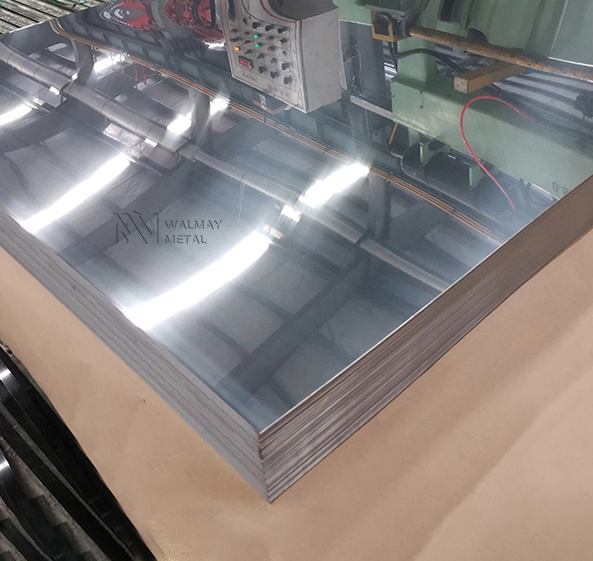
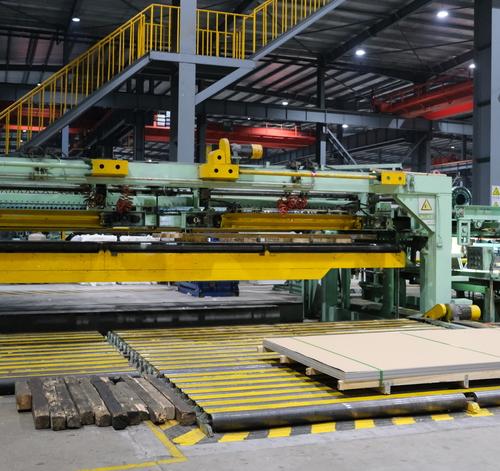
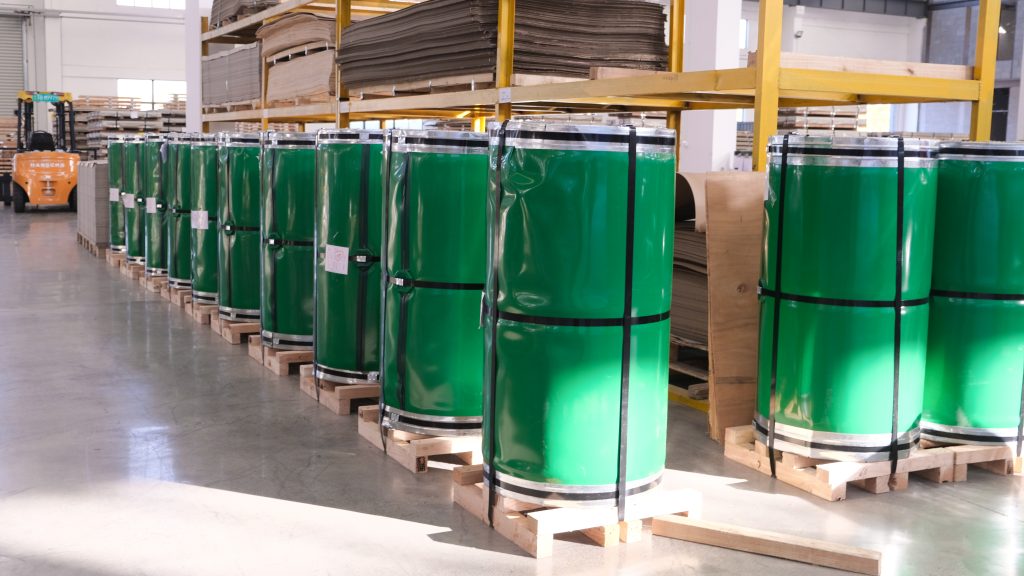
| Packing | Wooden pallet or crate, PVC film, interleaved paper on BA and mirror |
| Incoterms | FOB, CIF, DAP |
State whether you need 316, 316L or dual certified, then the thickness or gauge, width, length, finish, quantity and destination port. Related products: 316 plate, 316L pipe, 316 rod and flat bar, 304 sheet.
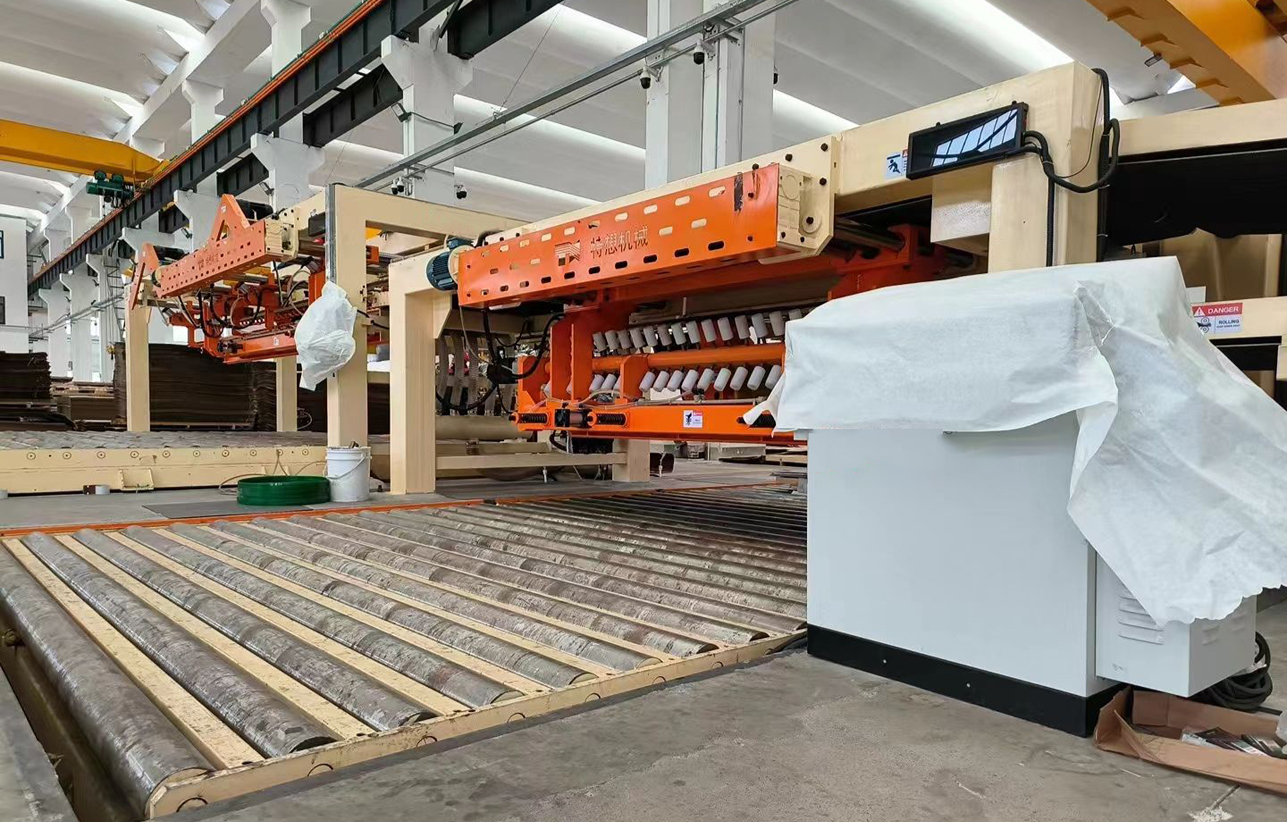
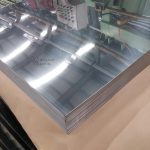
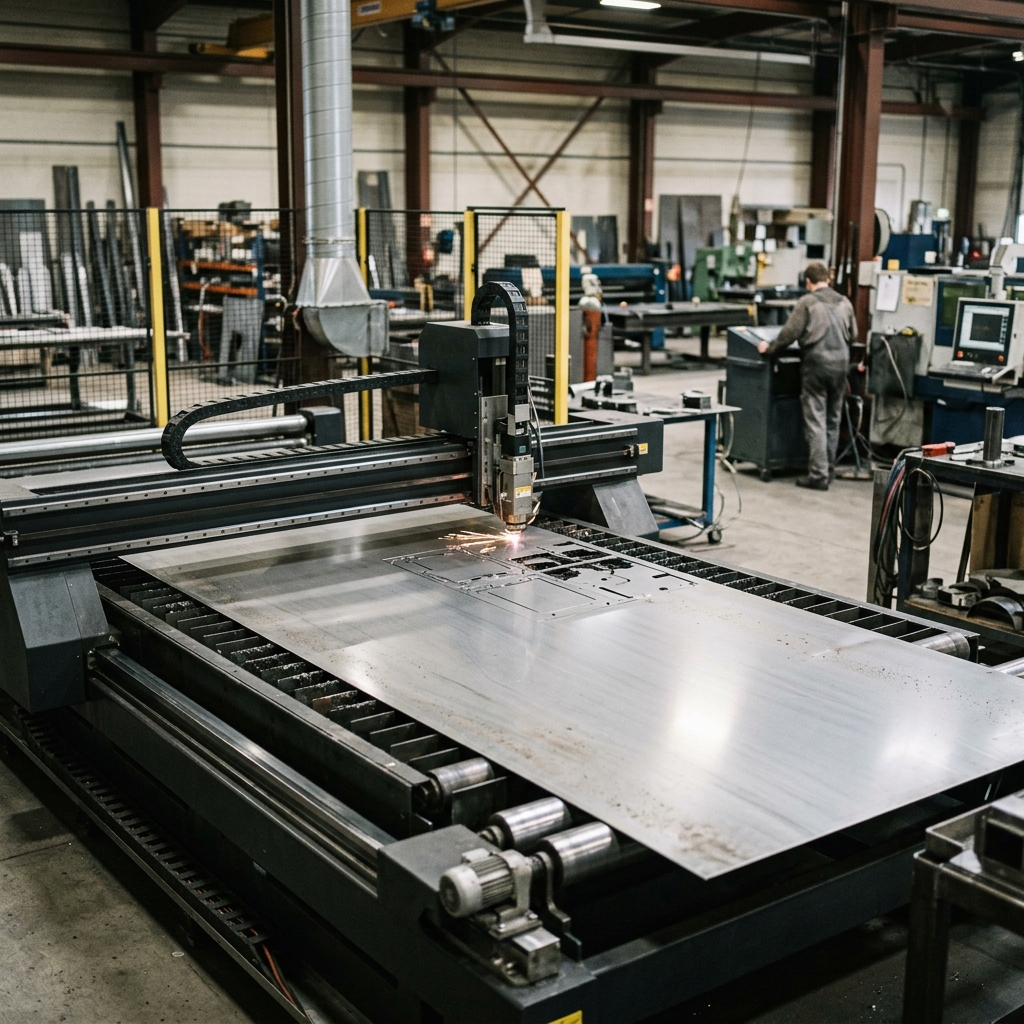
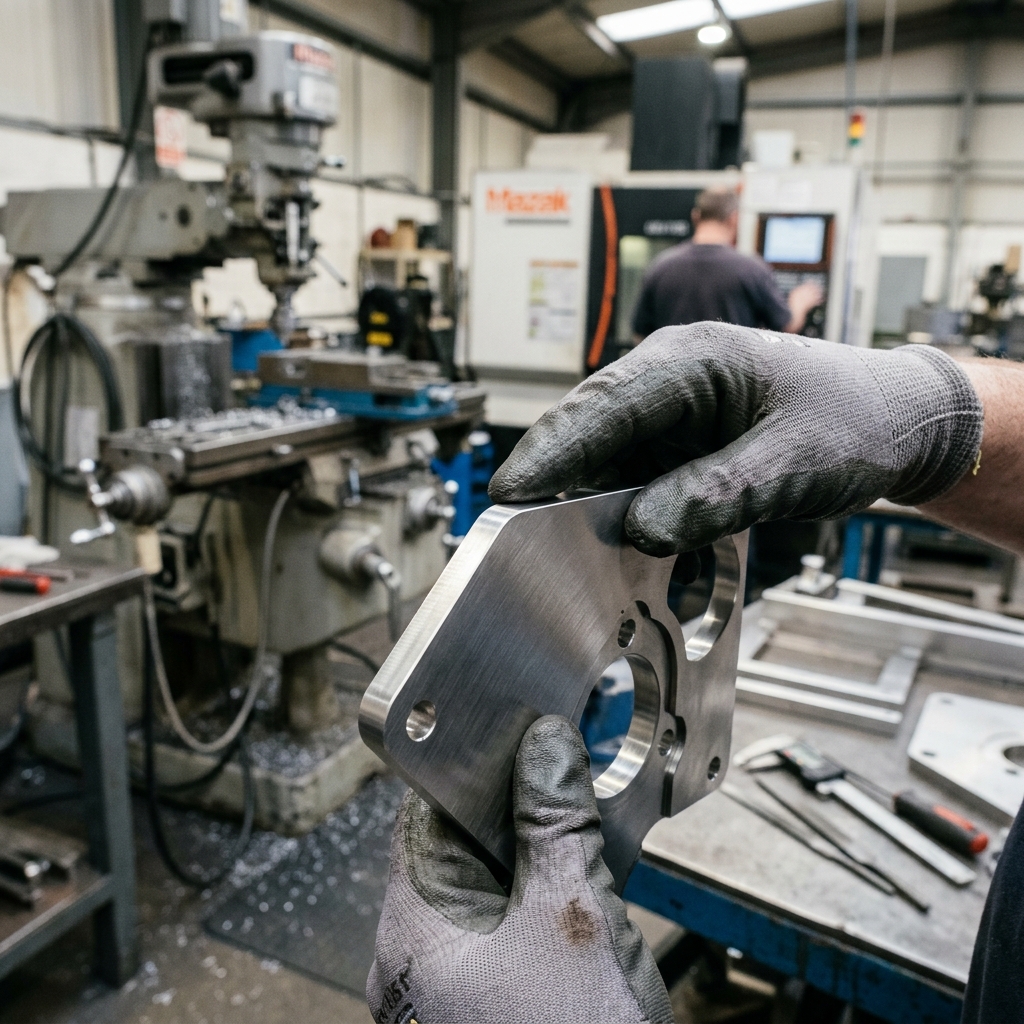
Stainless Steel Plate Bending/Stamping Process
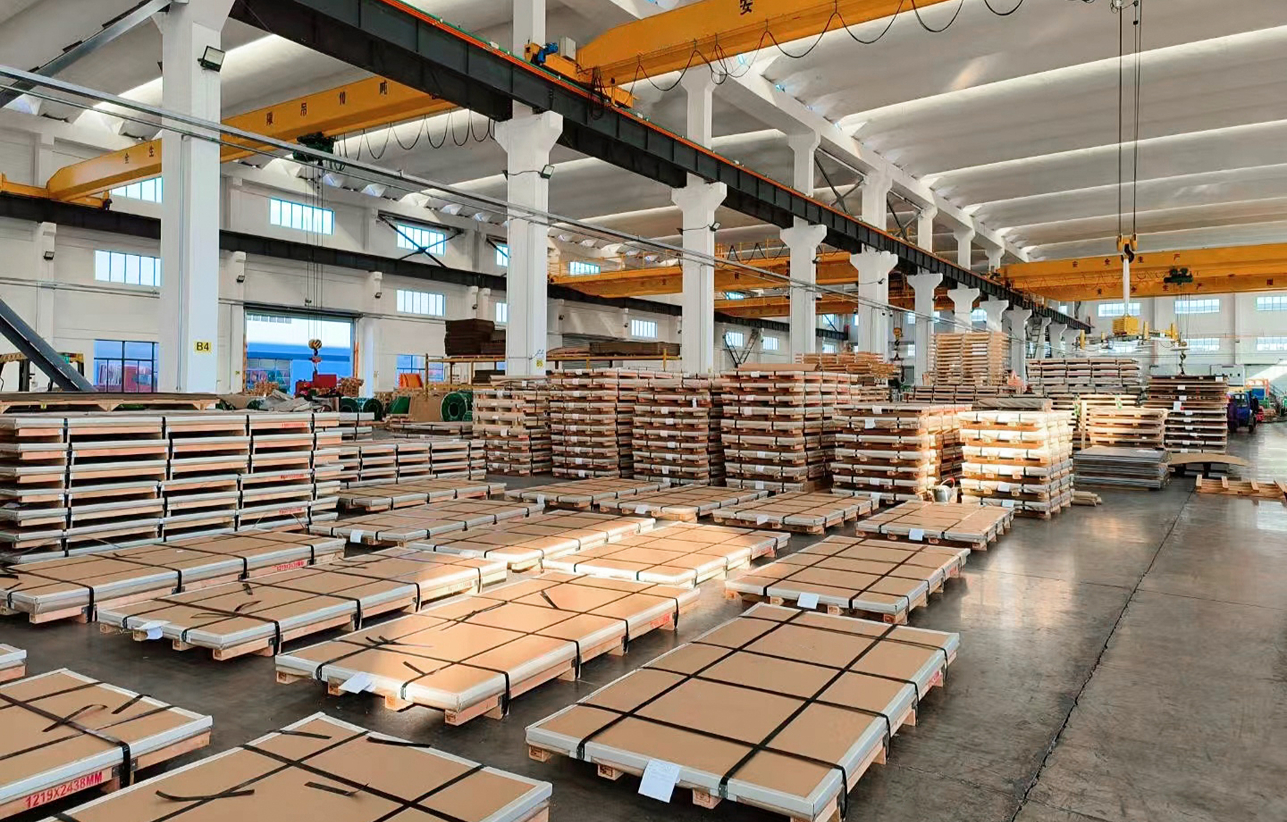
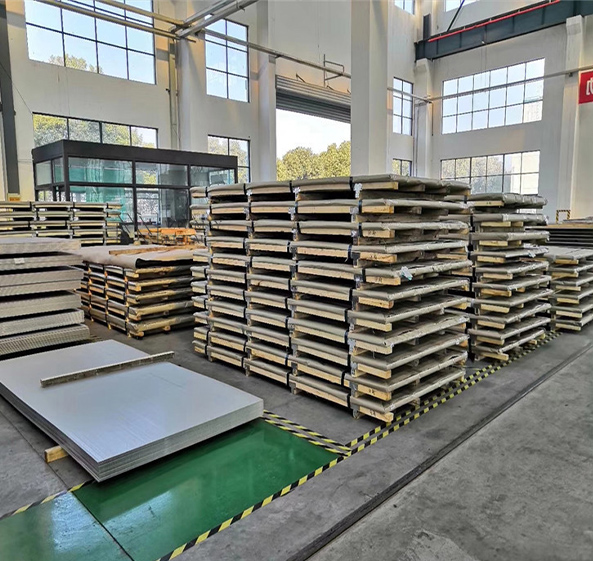
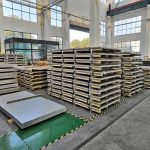
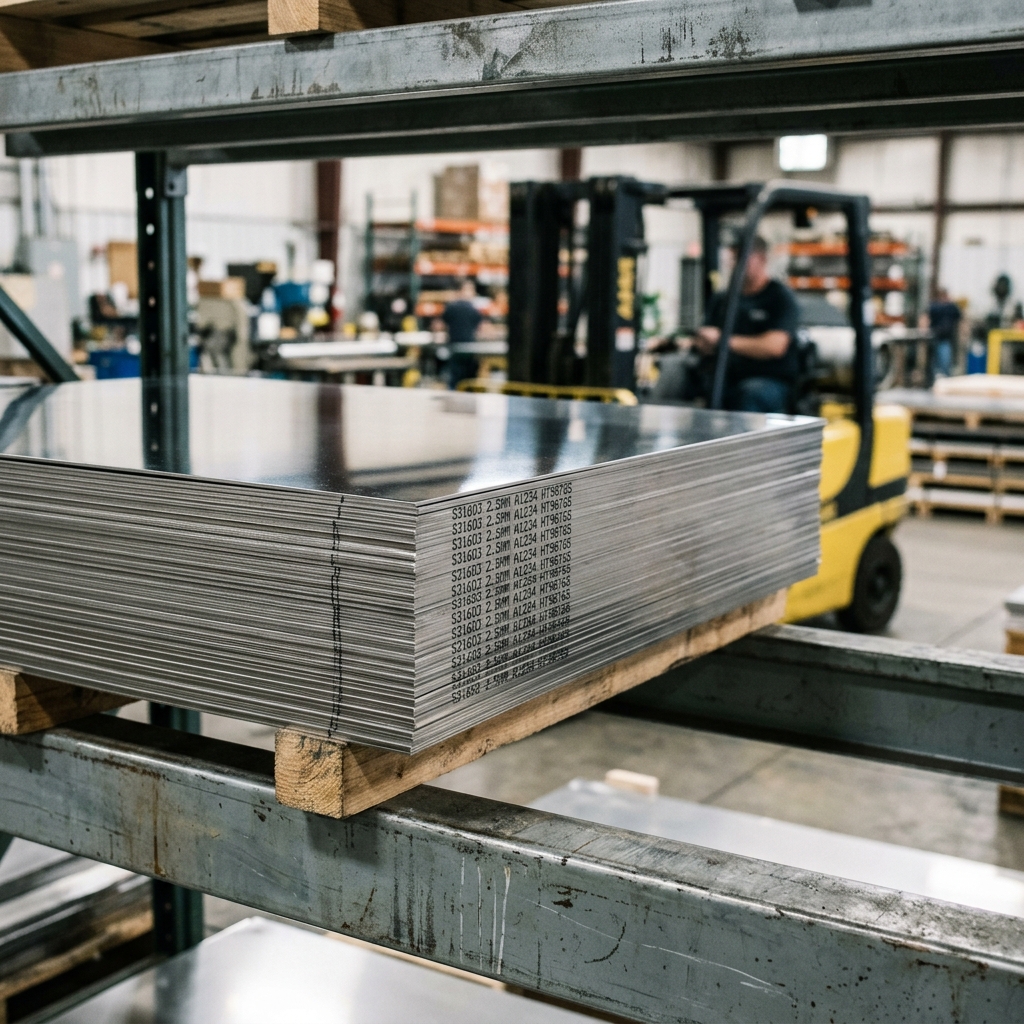
Stainless Steel Plates on Storage Rack
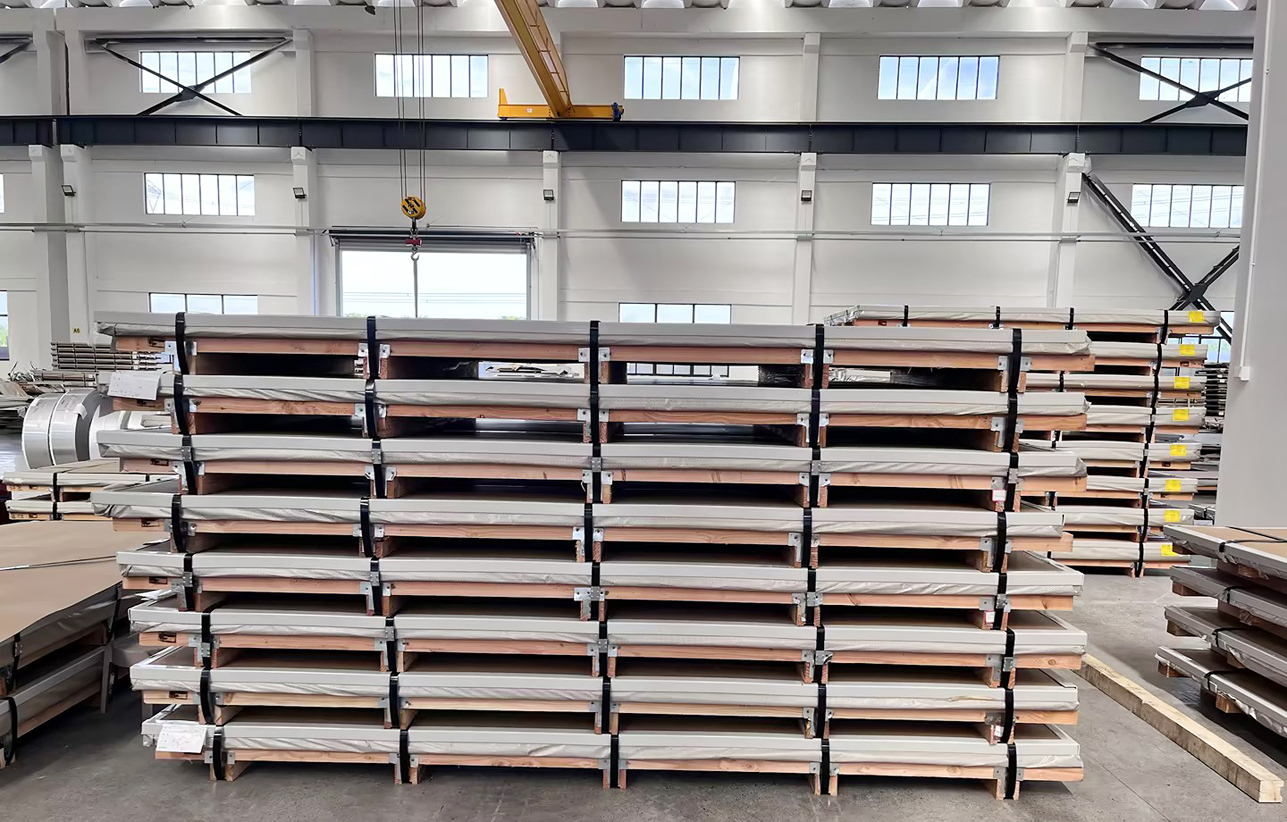
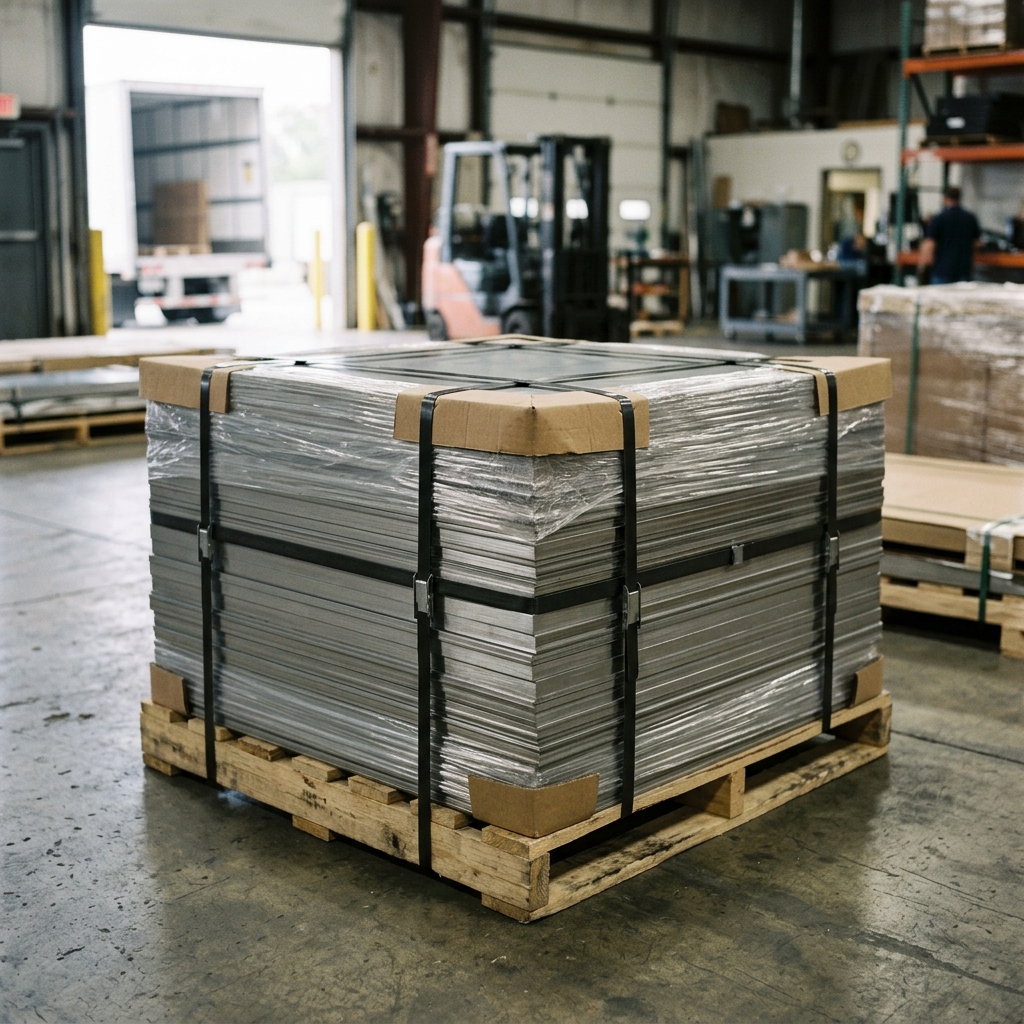
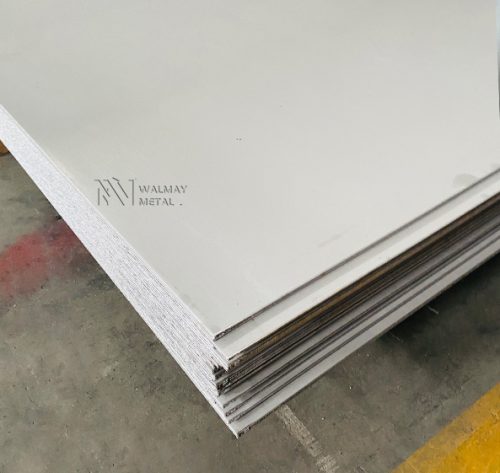
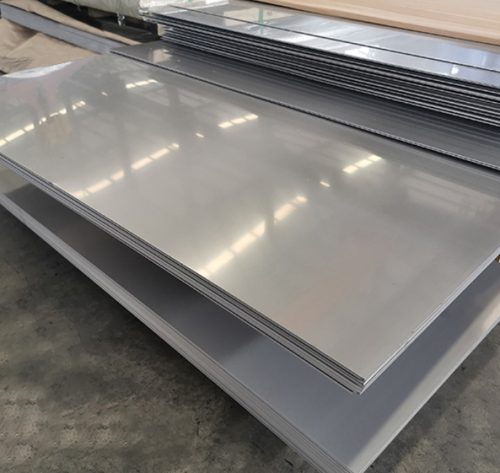
Palletized Stainless Steel Plates
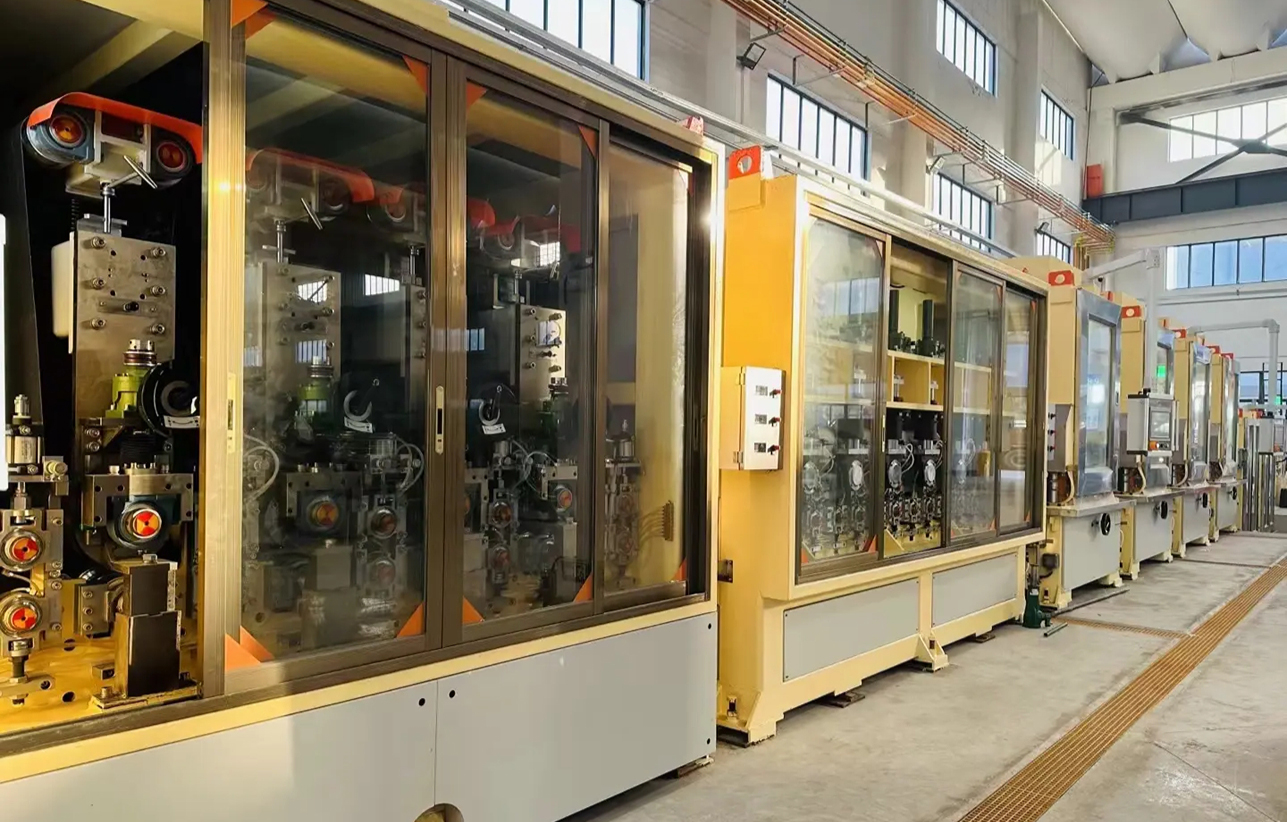
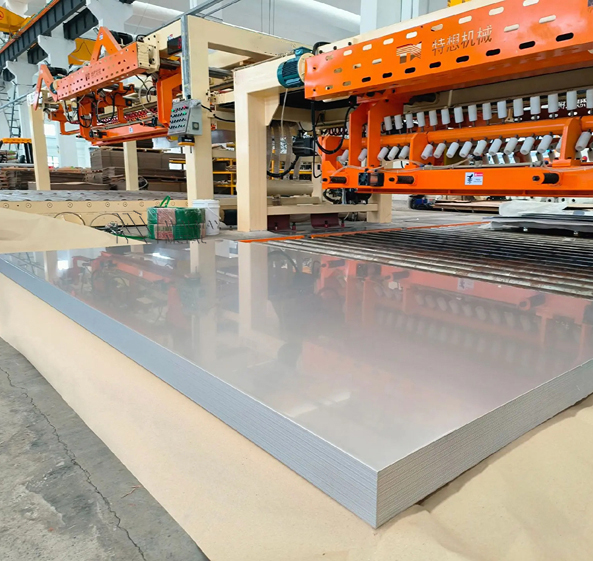
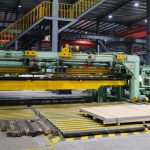
Stainless Steel Plate Rolling Line
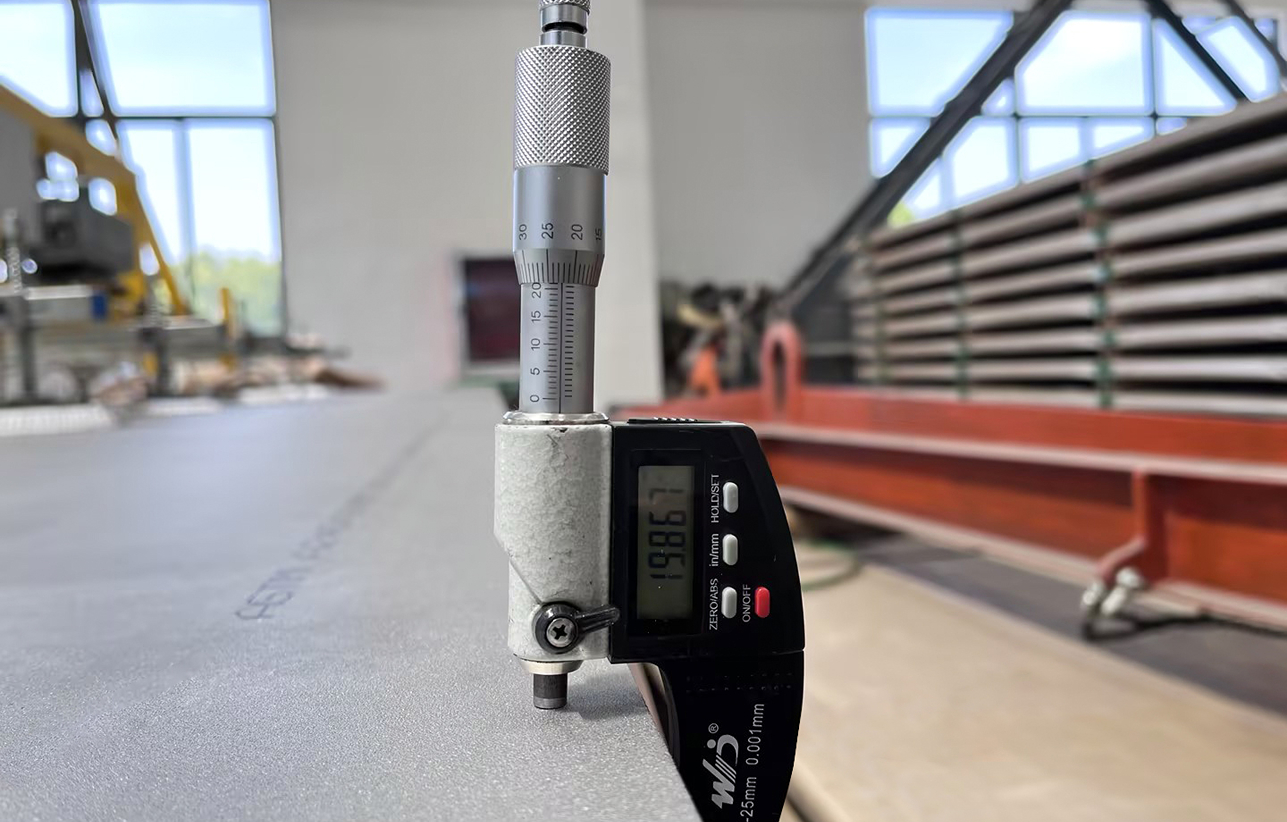
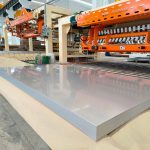
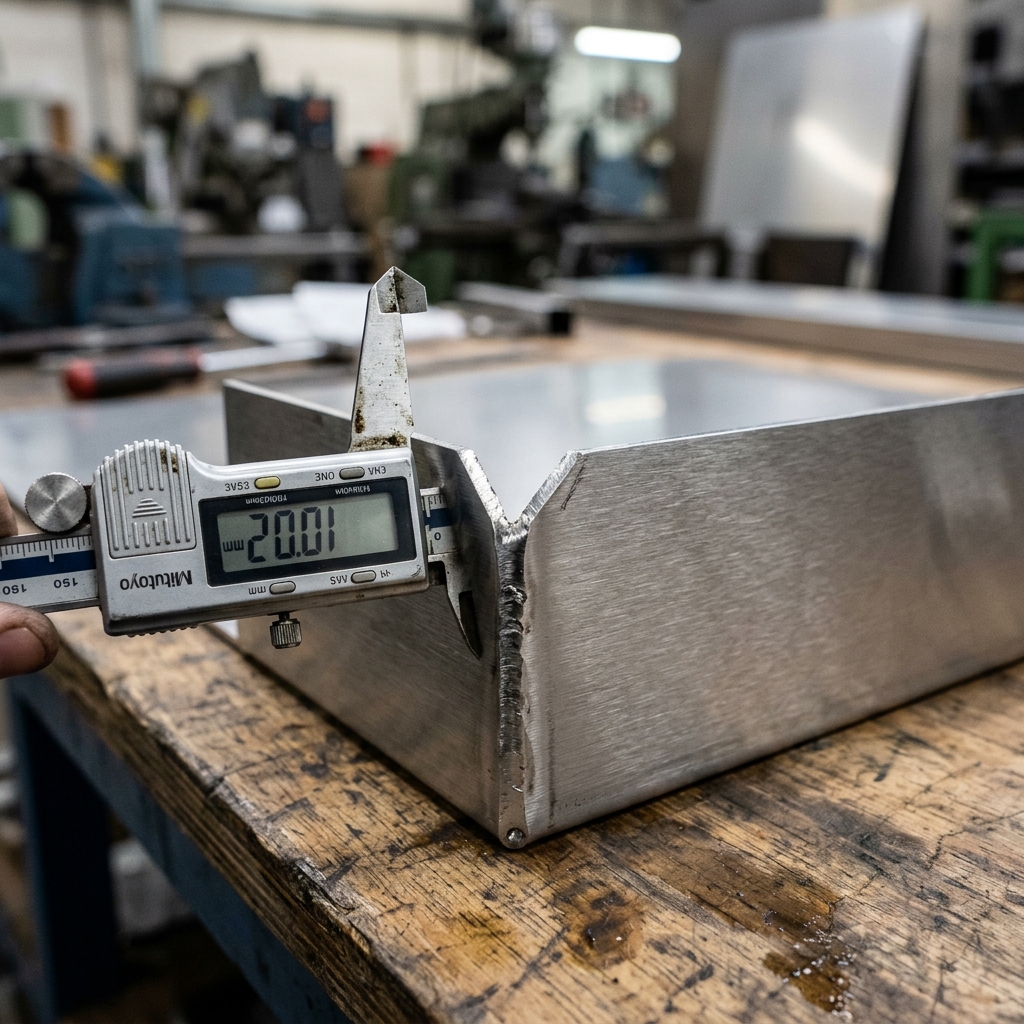
Precision Thickness Inspection of Stainless Steel Plate
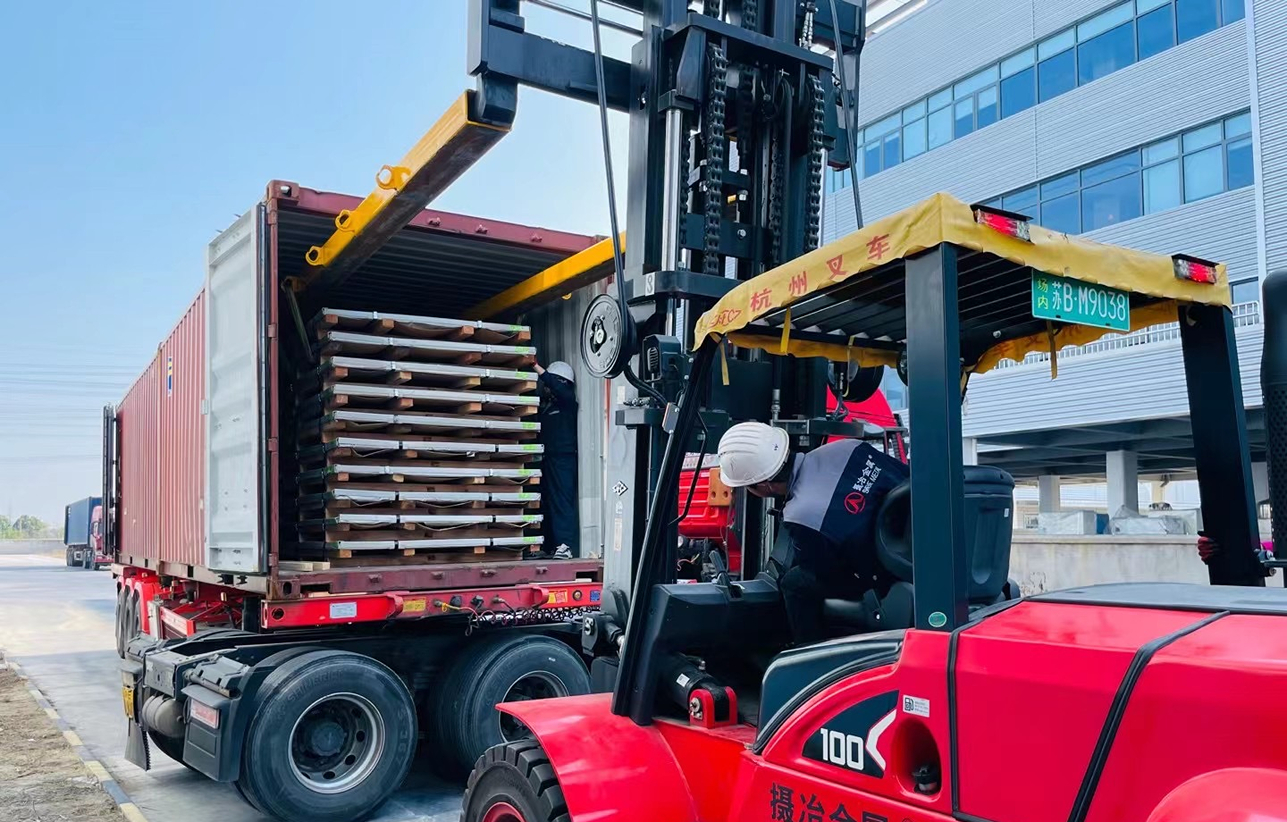
Forklift Loading Stainless Steel Plates for Shipment
316 stainless steel sheet is the molybdenum-bearing austenitic grade specified whenever chlorides are present. Adding 2 to 3 percent molybdenum to the 18-8 base raises the pitting resistance equivalent number from about 19 for 304 to about 25, which is the difference between a surface that tea stains in coastal air and one that does not. Walmay stocks 316 and 316L to ASTM A240 from 0.4 mm to 60 mm thick, up to 2,000 mm wide, in 2B, BA, No.4 brushed, hairline and No.8 mirror finishes, with an EN 10204 3.1 certificate on every heat. Most of our stock is dual certified 316/316L, so it satisfies either callout.
As sheet metal, 316 behaves almost exactly like 304 on the shop floor, with three differences that matter when you quote a job.
After welding or grinding, pickle and passivate. Heat tint on a 316 weld is chromium-depleted oxide and will pit in exactly the service the grade was bought for. We carry out cutting, bending, welding, polishing and surface treatment in house, described on our fabrication page.
| Consideration | 316 | 316L |
|---|---|---|
| Carbon | 0.08 percent max | 0.030 percent max |
| Yield strength | 205 MPa | 170 MPa |
| Welding above 6 mm | Risk of sensitisation without post-weld anneal | Safe as welded |
| Corrosion resistance | Same as 316L when not sensitised | Same, and reliable in the weld zone |
| Cost | Effectively identical | Effectively identical |
| Availability | Widely stocked | Widely stocked, usually dual certified |
Specify 316L for welded fabrication, pressure equipment and anything that will not be solution annealed after welding, which covers most tanks, pipework spools and process vessels. Specify 316 where the extra 35 MPa of yield strength is used and the section is thin or unwelded. Because the two cost the same, the industry default is dual certified material.
For heavier hot-rolled sections the same grade is on our 316 plate page, and the whole flat range sits under sheet and plate.
Walmay will help match the right stainless product form and specification for your application, confirm quantities and packing needs, and provide requested documents based on order requirements.
Loading form…