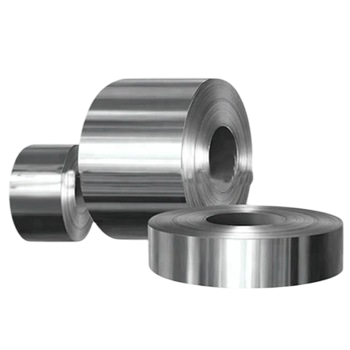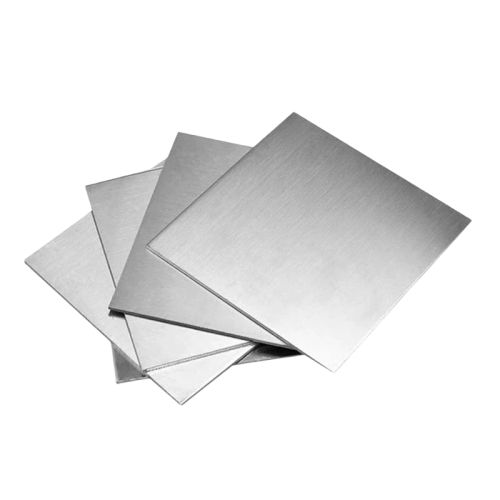
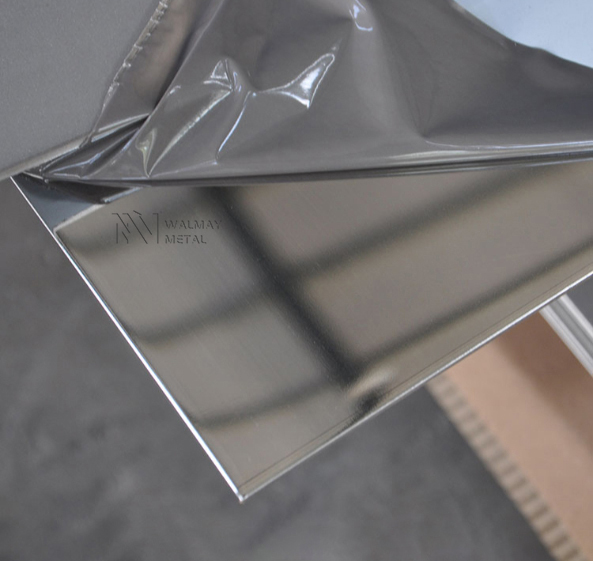
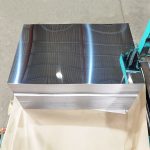
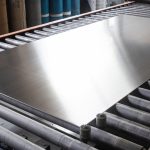
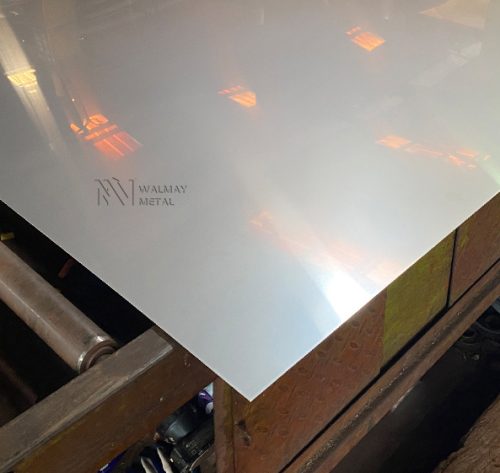
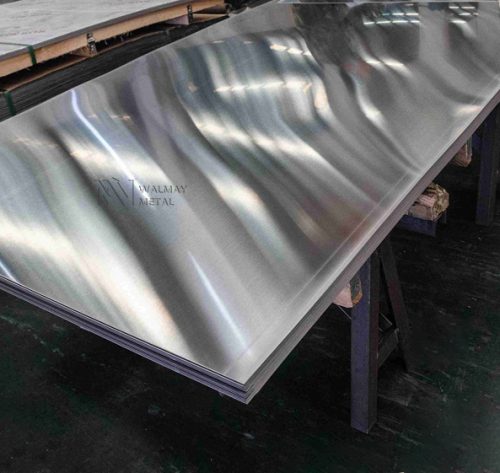
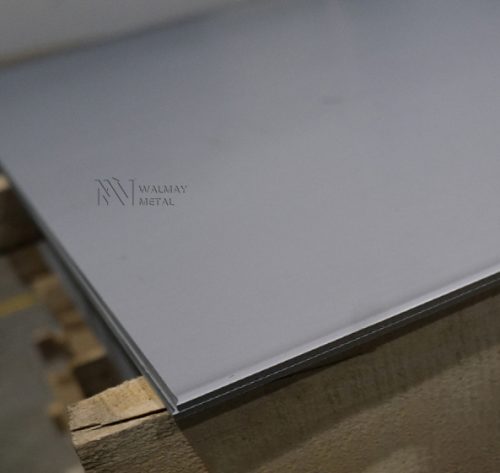
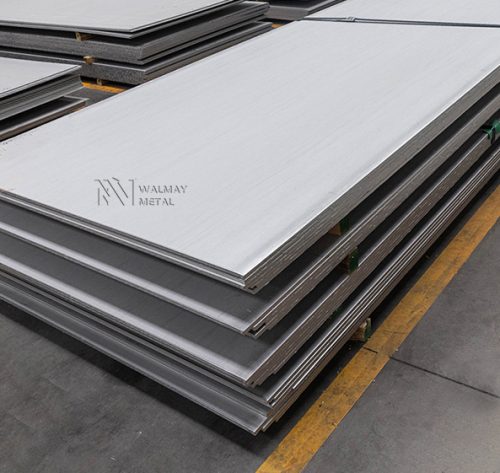
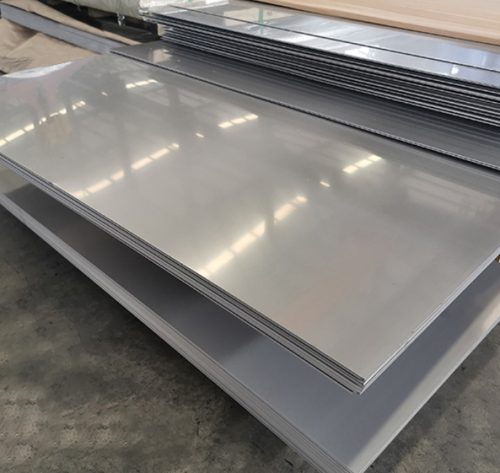
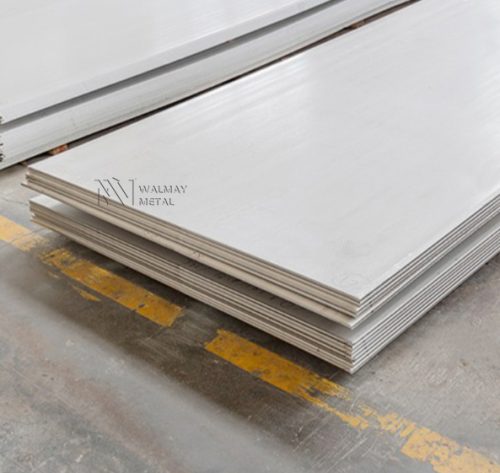
430 stainless steel sheet is the workhorse ferritic grade: 16 to 18 percent chromium and essentially no nickel. Removing nickel takes the most volatile input out of the price, which is why 430 typically lands 20 to 30 percent below 304 for the same size and finish, and it makes the sheet magnetic. Walmay supplies 430 to ASTM A240 from 0.4 mm to 3.0 mm thick, up to 1,500 mm wide, in 2B, BA and No.4 brushed finishes, including 4x8 ft sheets from stock. It is the standard material for appliance panels, decorative trim and dry-service interiors.





| Item | Detail |
|---|---|
| Grade | 430, UNS S43000, EN 1.4016, JIS SUS 430 |
| Standards | ASTM A240 / A480, EN 10088-2, JIS G4305 |
| Thickness | 0.4-3.0 mm |
| Width | 1,000, 1,219, 1,500 mm, or slit to width |
| Length | 2,000, 2,438, 3,000 mm, or cut to size |
| Finish | 2B, BA, No.4 brushed, hairline |
| Structure | Ferritic, magnetic in all conditions |
| Condition | Cold rolled and annealed |
| Certification | EN 10204 3.1 |
| Element | Limit, percent |
|---|---|
| Carbon | 0.12 max |
| Chromium | 16.0-18.0 |
| Nickel | 0.75 max |
| Manganese | 1.00 max |
| Silicon | 1.00 max |
| Phosphorus | 0.040 max |
| Sulphur | 0.030 max |
| Property | 430 | 304 for comparison |
|---|---|---|
| Yield strength minimum | 205 MPa | 205 MPa |
| Tensile strength minimum | 450 MPa | 515 MPa |
| Elongation | 22 percent | 40 percent |
| Hardness | 89 HRB max | 92 HRB max |
| Density | 7.7 g/cm3 | 8.0 g/cm3 |
| Thermal expansion | 10.4 um/m/K | 16.0 um/m/K |
| Thermal conductivity | 26 W/m/K | 16 W/m/K |
| Magnetic | Yes | No, annealed |
| Maximum continuous service | About 815 C | About 870 C |
The physical properties are the reason 430 is chosen for more than price. Its thermal expansion is a third lower than 304 and its conductivity is over half again higher, so panels that heat and cool repeatedly distort less. That is why dishwasher liners, oven trim and cooker surrounds are so often 430 rather than 304.
430 is lighter than austenitic grades, 7.7 against 8.0 g/cm3, so a 4x8 ft sheet, an area of 2.97 square metres, weighs 22.9 kg per millimetre of thickness.
| Gauge | Thickness | Weight per 4x8 sheet | Weight in lb |
|---|---|---|---|
| 26 ga | 0.48 mm | 11.0 kg | 24 lb |
| 24 ga | 0.64 mm | 14.6 kg | 32 lb |
| 22 ga | 0.79 mm | 18.1 kg | 40 lb |
| 20 ga | 0.95 mm | 21.7 kg | 48 lb |
| 18 ga | 1.27 mm | 29.0 kg | 64 lb |
| 16 ga | 1.59 mm | 36.3 kg | 80 lb |
| 14 ga | 1.98 mm | 45.3 kg | 100 lb |
| 12 ga | 2.78 mm | 63.6 kg | 140 lb |
| Criterion | 430 ferritic | 201 austenitic | 304 austenitic |
|---|---|---|---|
| Nickel | None | 1.0-1.8 percent | 8.0-10.5 percent |
| Relative price | Lowest | Low | Baseline |
| Corrosion resistance | Adequate indoors | Better than 430, below 304 | Good |
| Formability | Limited | Good | Excellent |
| Weldability | Poor | Good | Excellent |
| Magnetic | Yes | No, annealed | No, annealed |
| Price stability | High, no nickel exposure | Moderate | Exposed to nickel |
Our 430 versus 304 guide works through the choice in detail, and 201 versus 304 covers the manganese-substituted austenitic alternative.
| Item | Detail |
|---|---|
| Minimum order | 1 tonne from stock, 3 tonnes for mill sizes |
| Lead time from stock | 7-10 days |
| Lead time mill run | 25-35 days |
| Stock sizes | 4x8 ft and 1,219x2,438 mm in 0.5-1.5 mm, 1,500 mm wide coil for slitting |
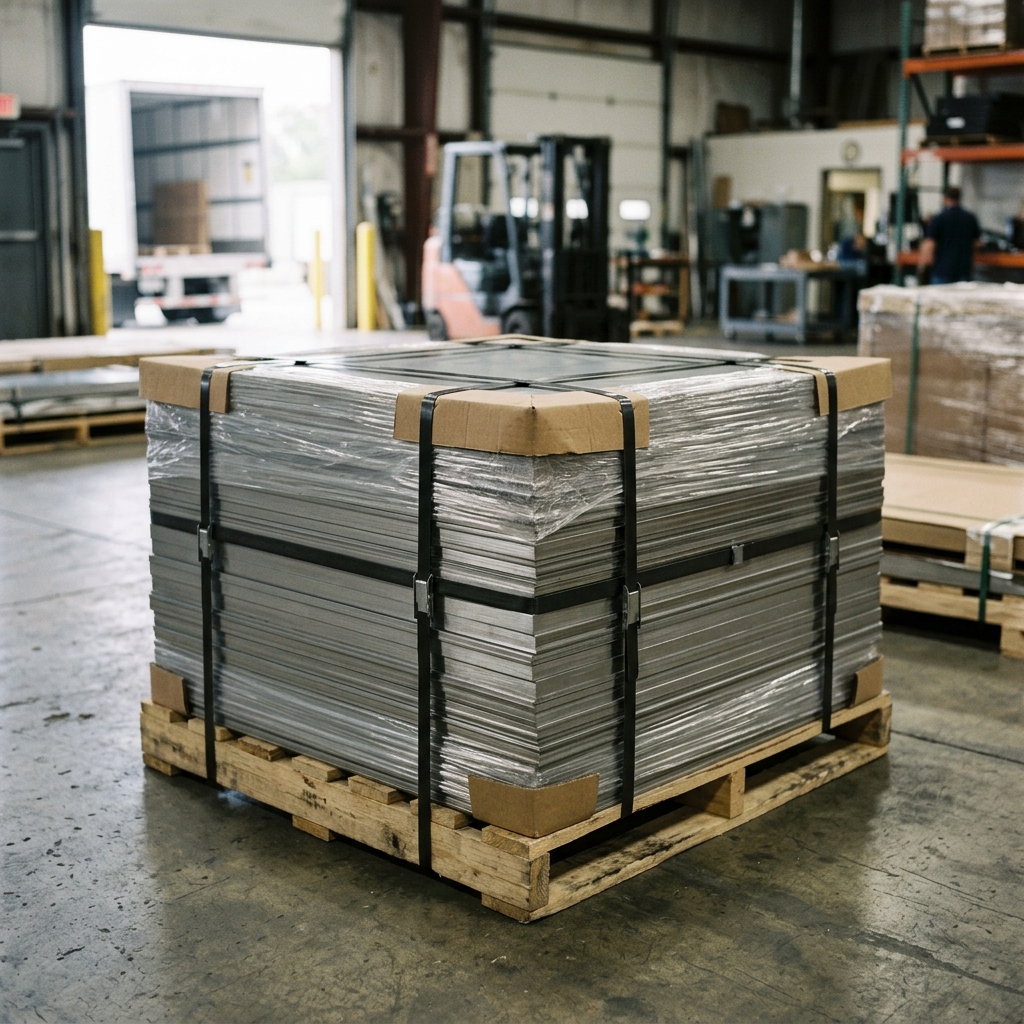
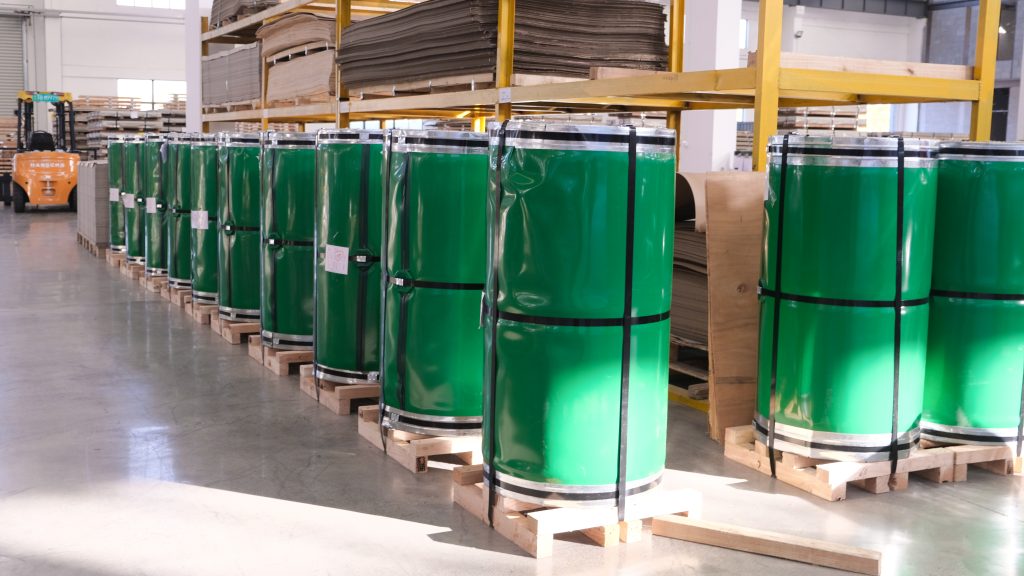
| Packing | Pallet or crate, PVC film on BA and No.4 |
| Incoterms | FOB, CIF, DAP |
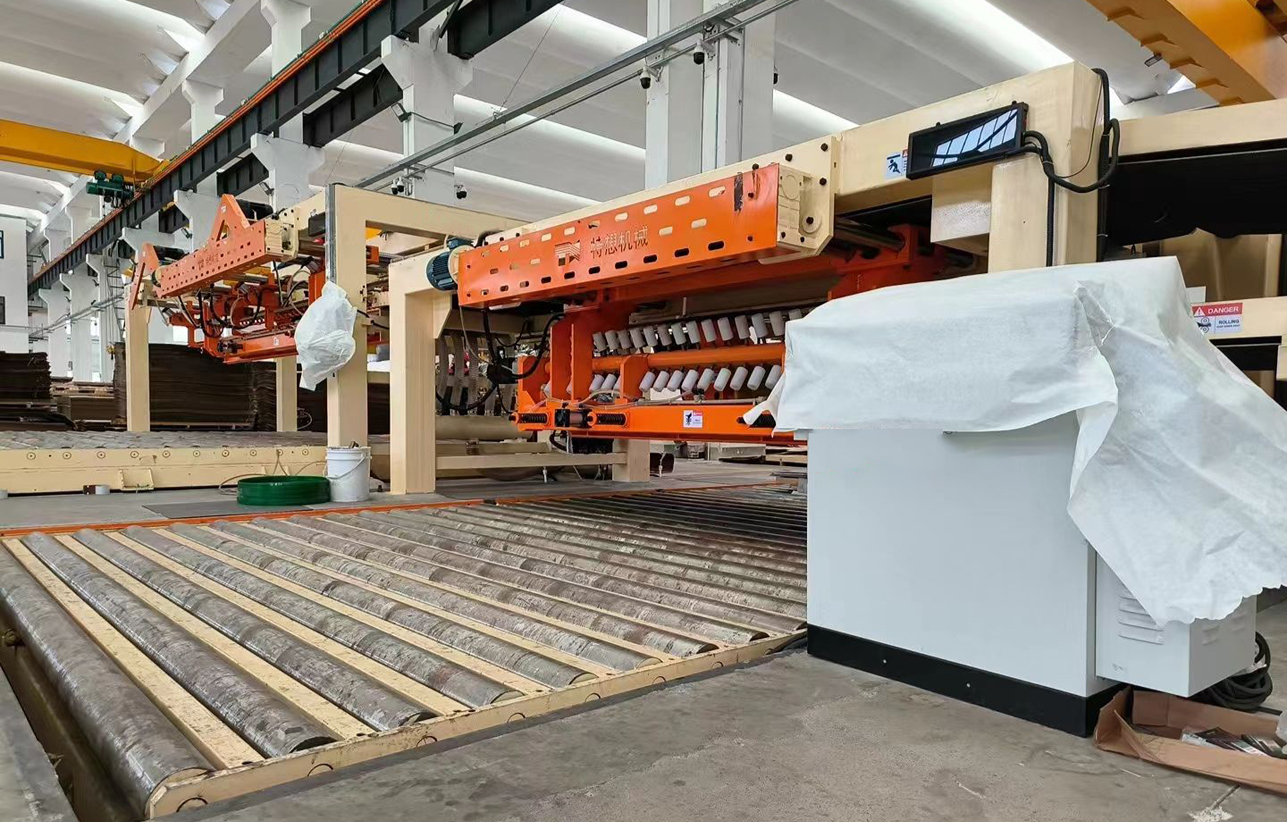
Stainless Steel Plate Bending/Stamping Process
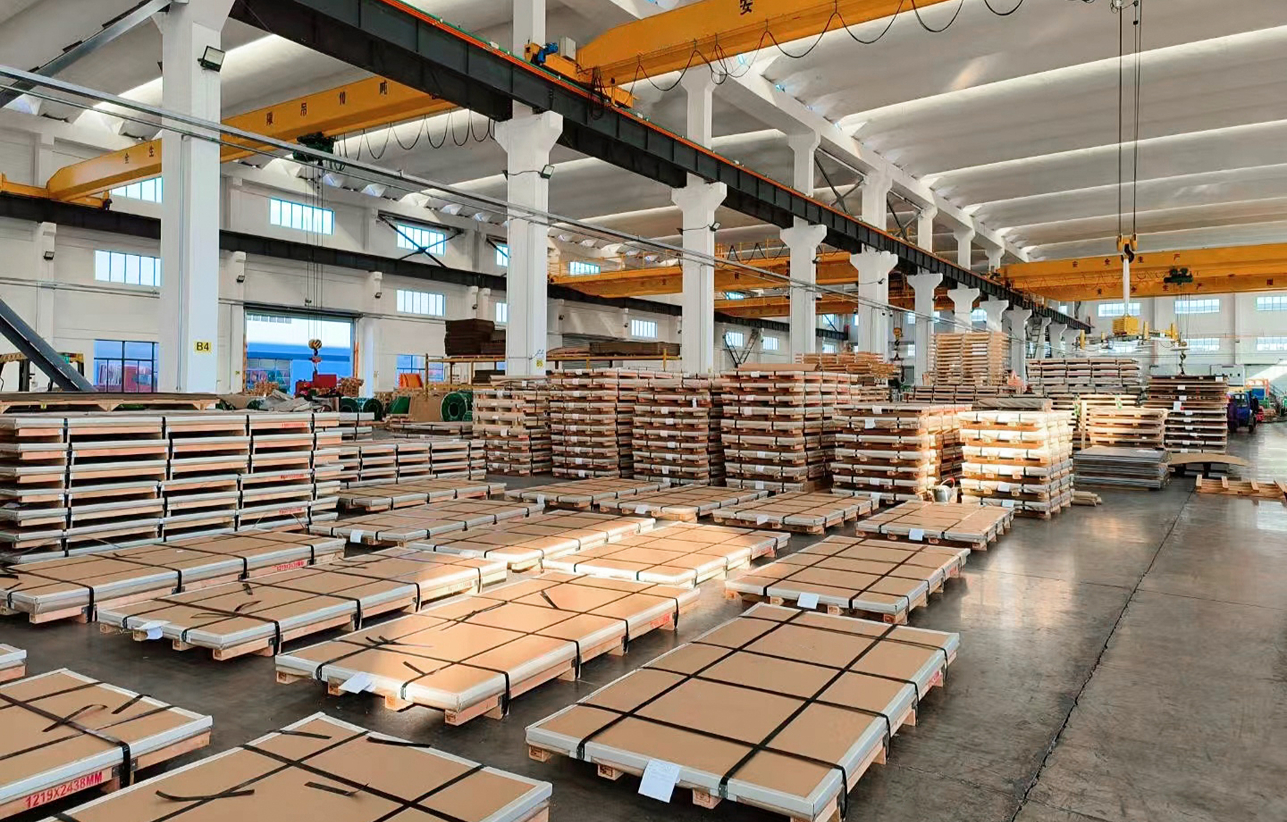
Stainless Steel Plates on Storage Rack
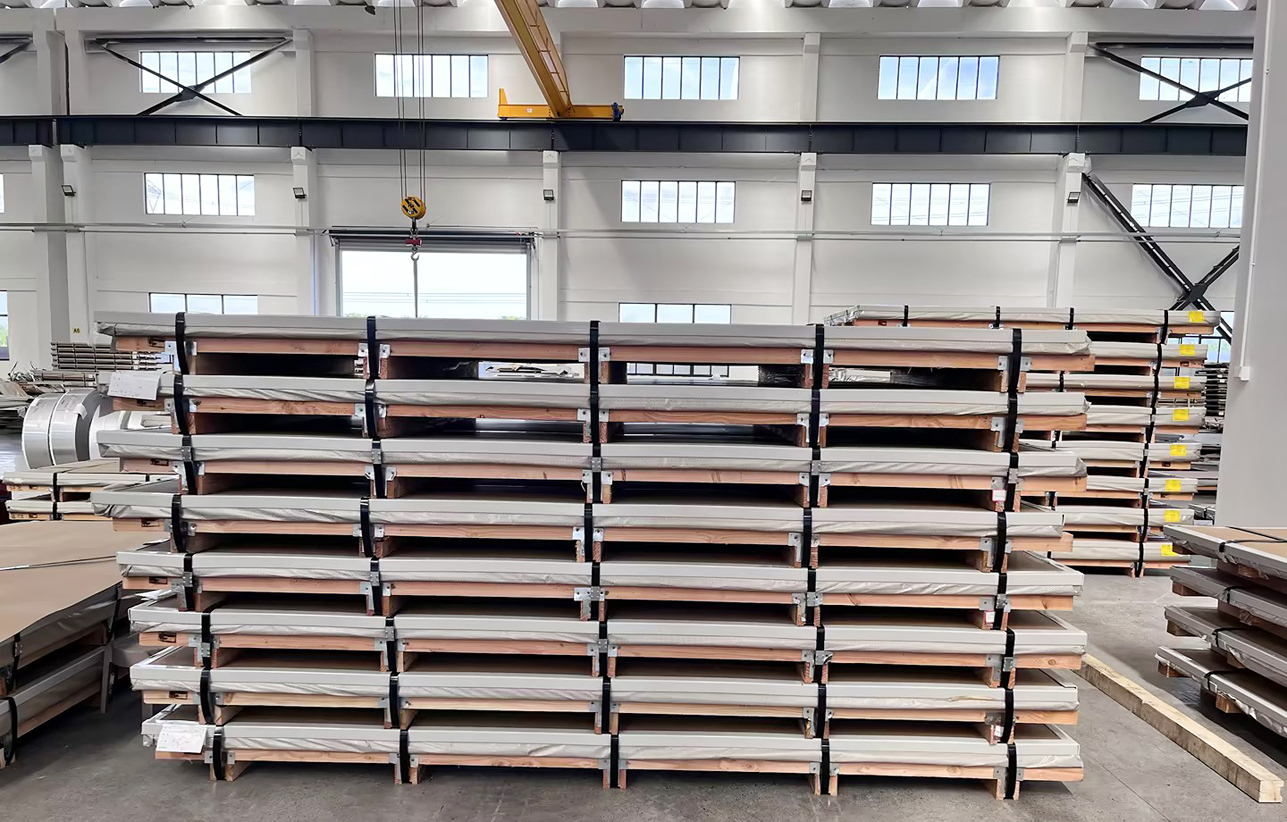
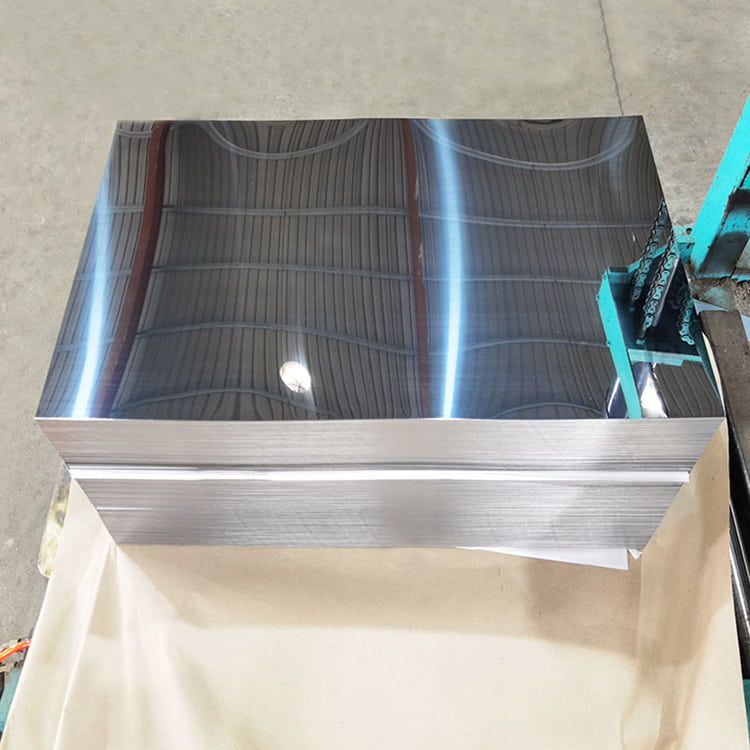
Palletized Stainless Steel Plates
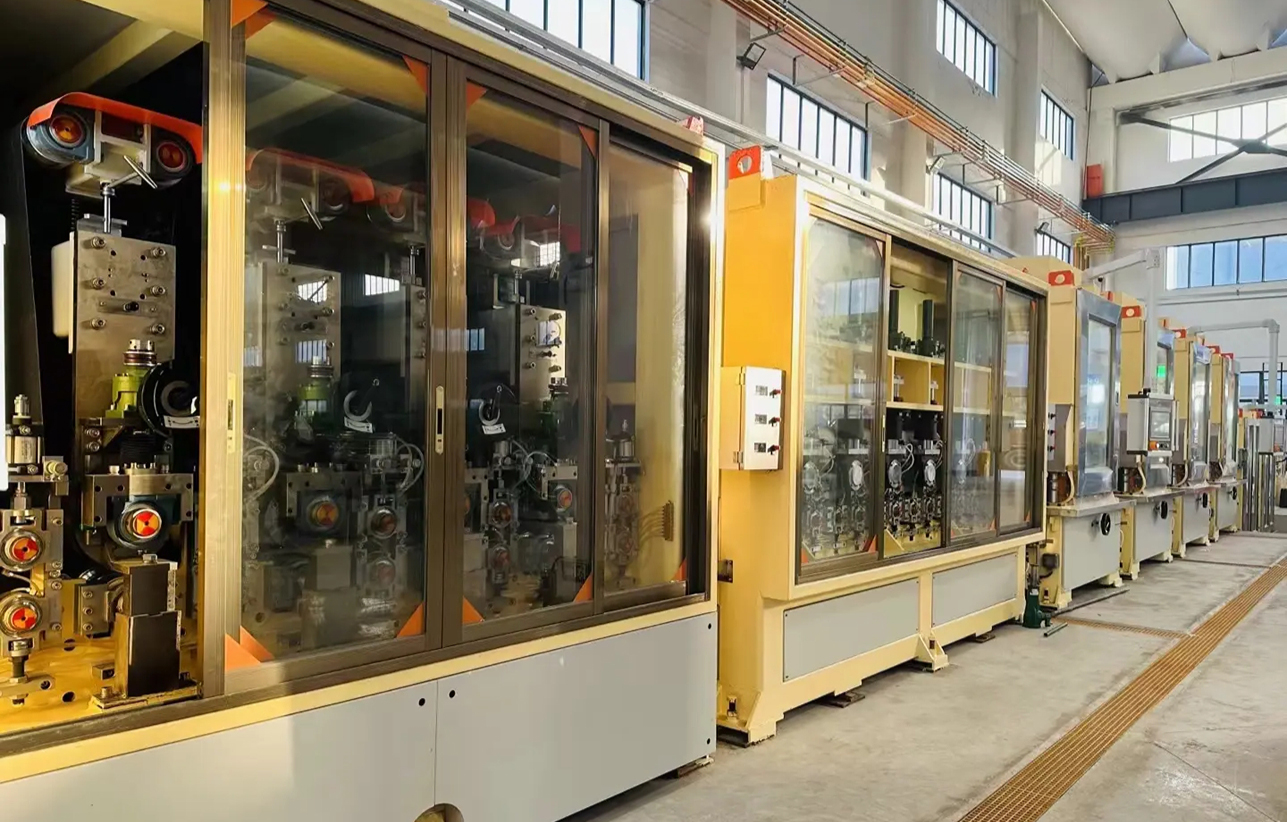
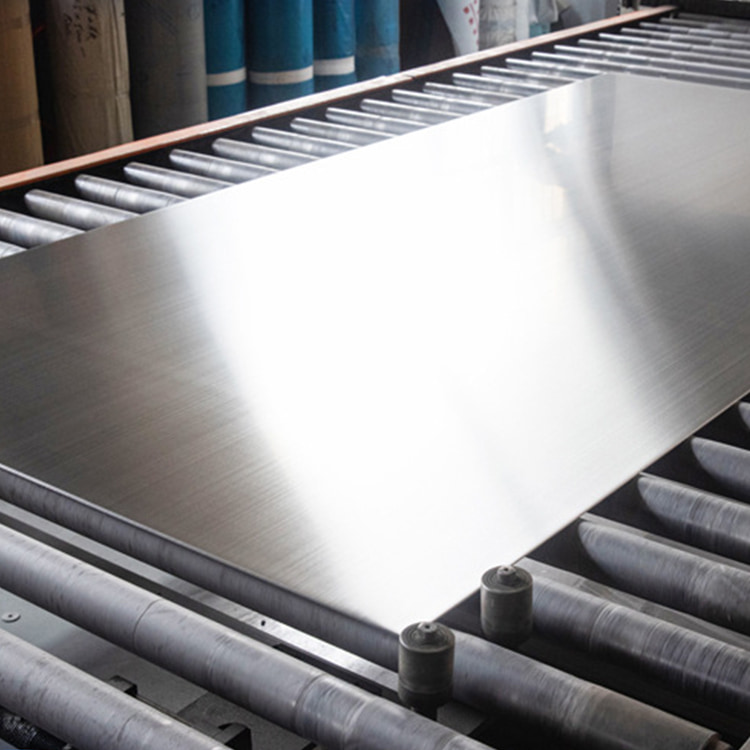
Stainless Steel Plate Rolling Line
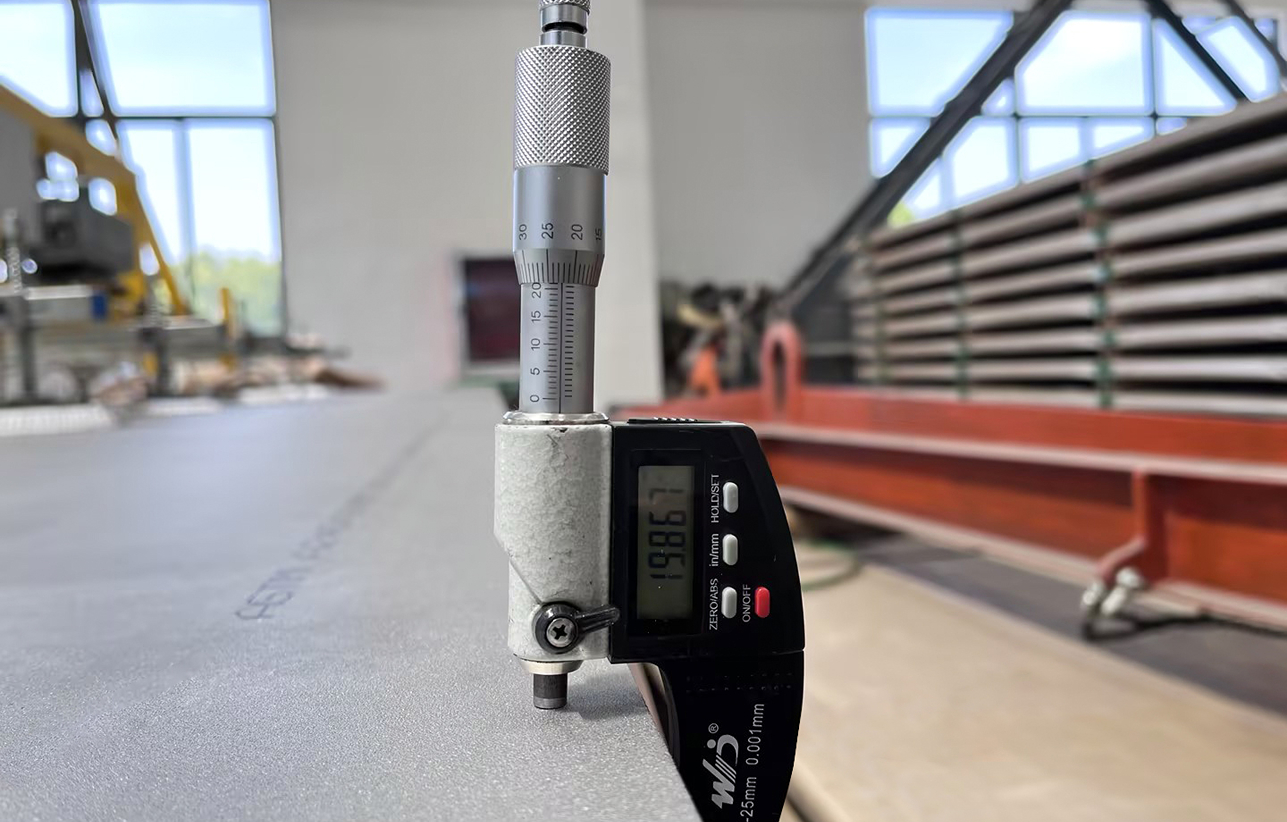
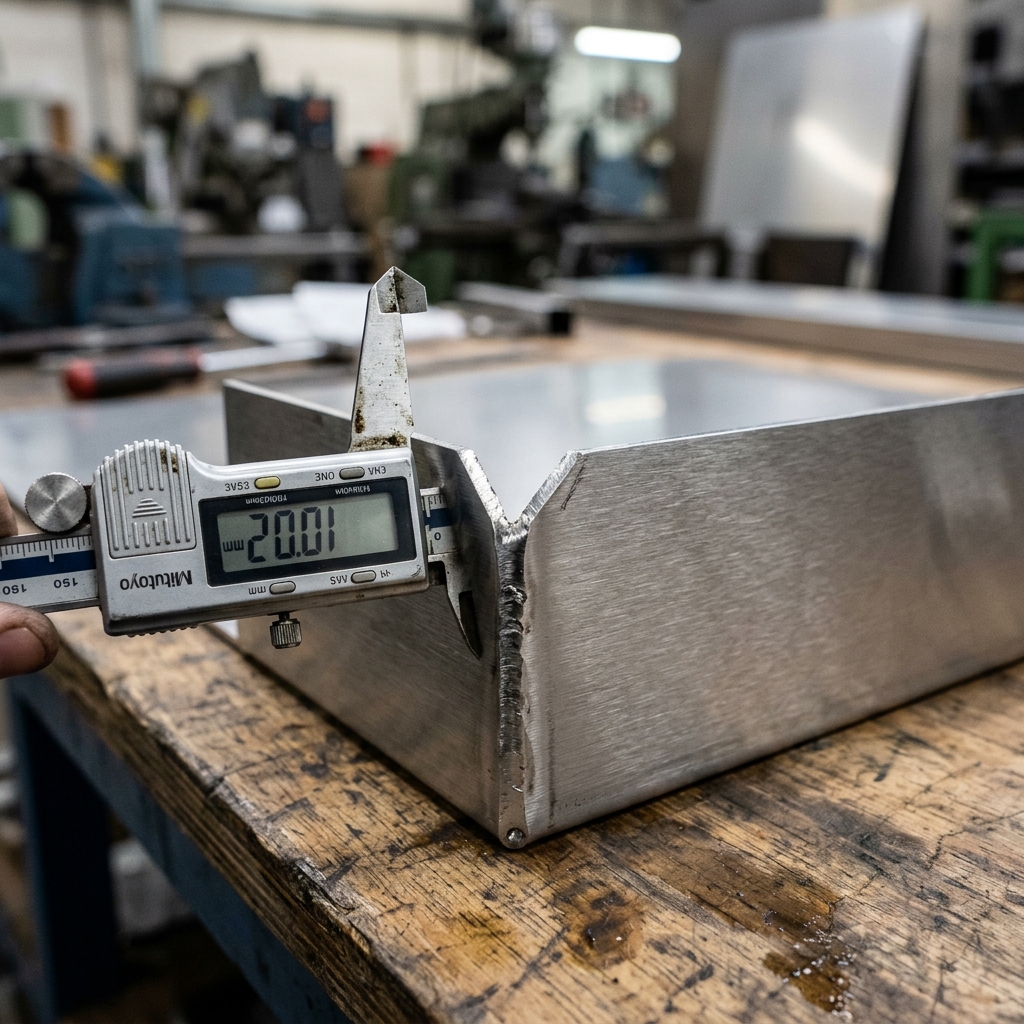
Precision Thickness Inspection of Stainless Steel Plate
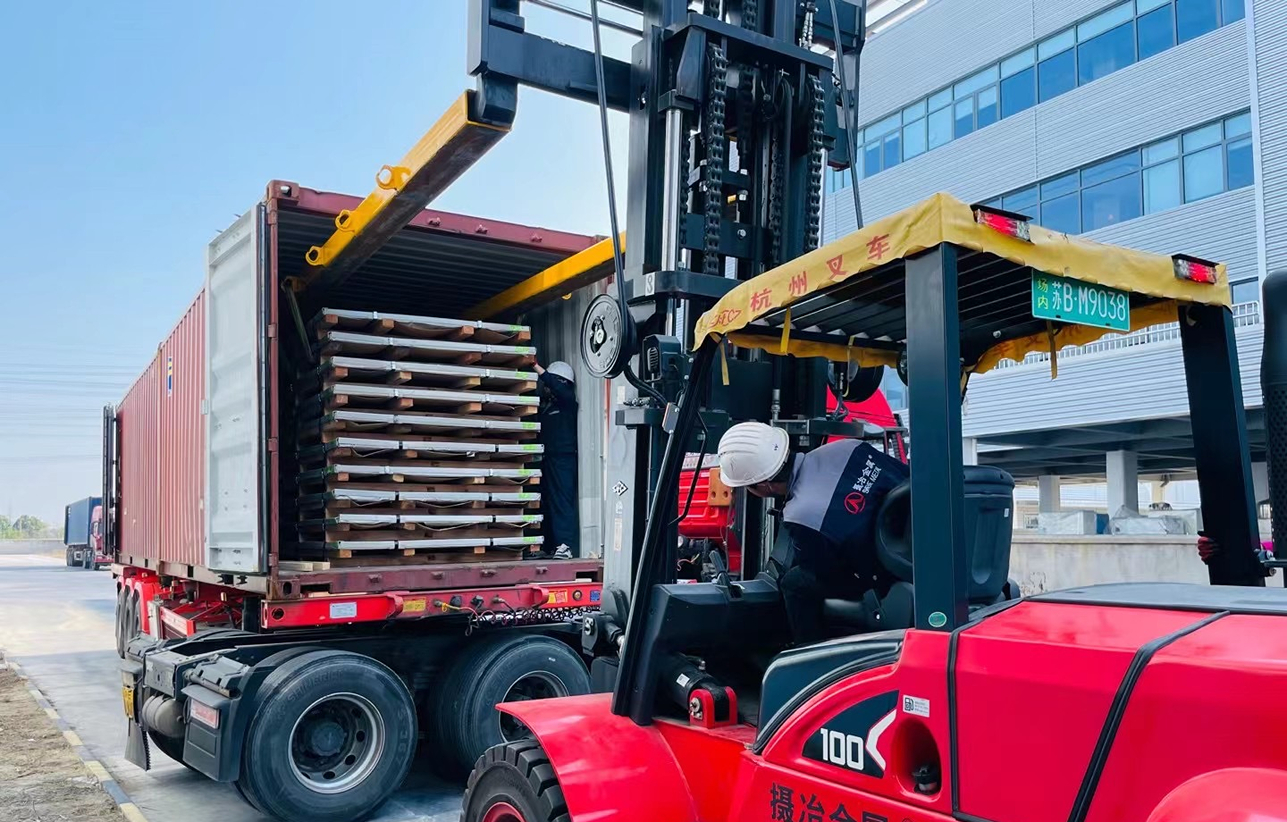
Forklift Loading Stainless Steel Plates for Shipment
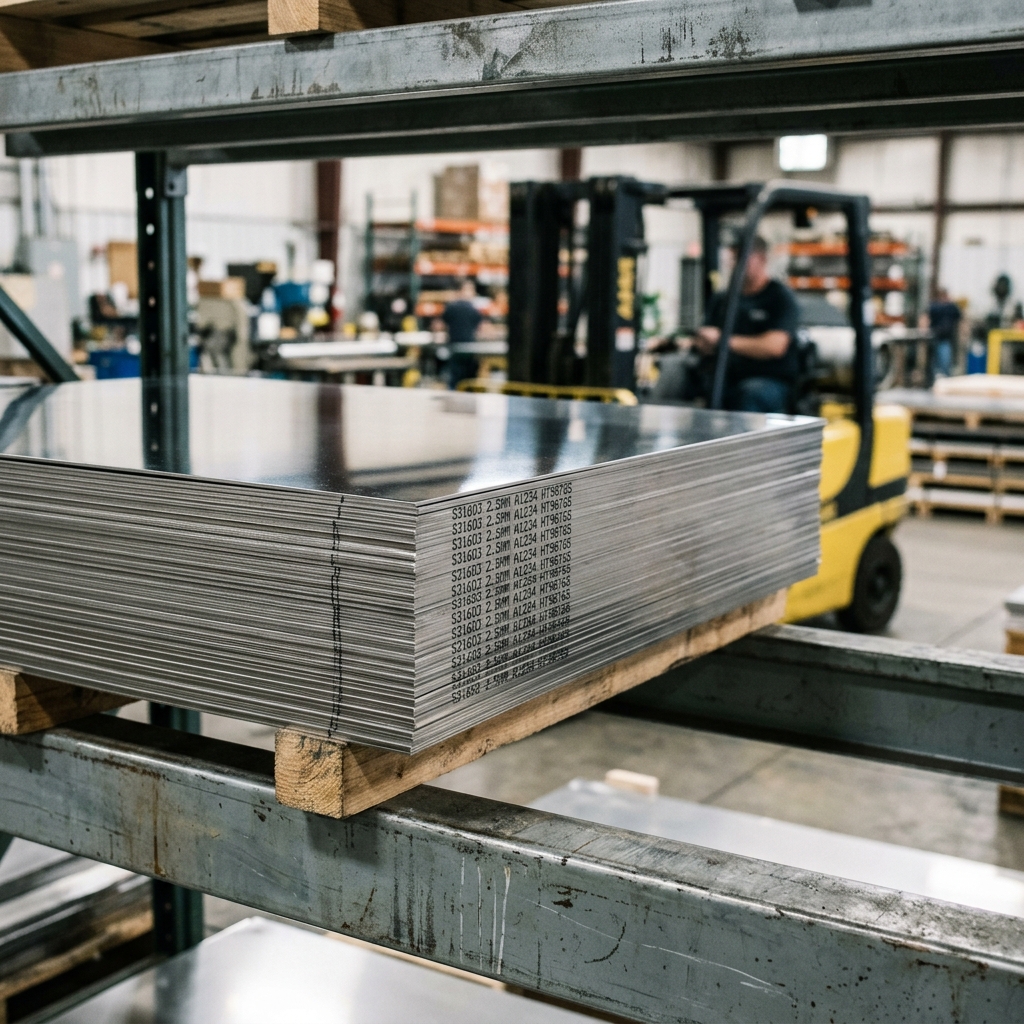
430 stainless steel sheet is the workhorse ferritic grade: 16 to 18 percent chromium and essentially no nickel. Removing nickel takes the most volatile input out of the price, which is why 430 typically lands 20 to 30 percent below 304 for the same size and finish, and it makes the sheet magnetic. Walmay supplies 430 to ASTM A240 from 0.4 mm to 3.0 mm thick, up to 1,500 mm wide, in 2B, BA and No.4 brushed finishes, including 4x8 ft sheets from stock. It is the standard material for appliance panels, decorative trim and dry-service interiors.
The grade is cheap for reasons that matter, and pretending otherwise leads to failed jobs.
| Limitation | Consequence | Where it bites |
|---|---|---|
| Elongation of 22 percent against 40 for 304 | Cracks in deep drawing and tight bends | Sinks, formed bowls, tight radii |
| Poor weldability | Grain coarsening in the heat-affected zone, brittle and low-toughness welds | Welded frames and structures |
| No molybdenum, 16 to 18 percent chromium only | Rusts in coastal air, de-iced roads and pool halls | Any exterior near salt |
| Poor low-temperature toughness | Brittle below about 0 C | Cold-store and outdoor structural parts |
| Lower tensile strength | 450 against 515 MPa | Load-bearing sections |
| Pits under chlorides | Staining from cleaning chemicals and salt | Food plants with chlorinated washdown |
The rule of thumb: 430 is for dry indoor surfaces that are formed gently and joined mechanically. For anything welded, structural, outdoors, or in contact with chlorides, use 304 or 316. If you need a ferritic grade that welds properly, 439 or 441 with a titanium or niobium stabiliser is the right family member.
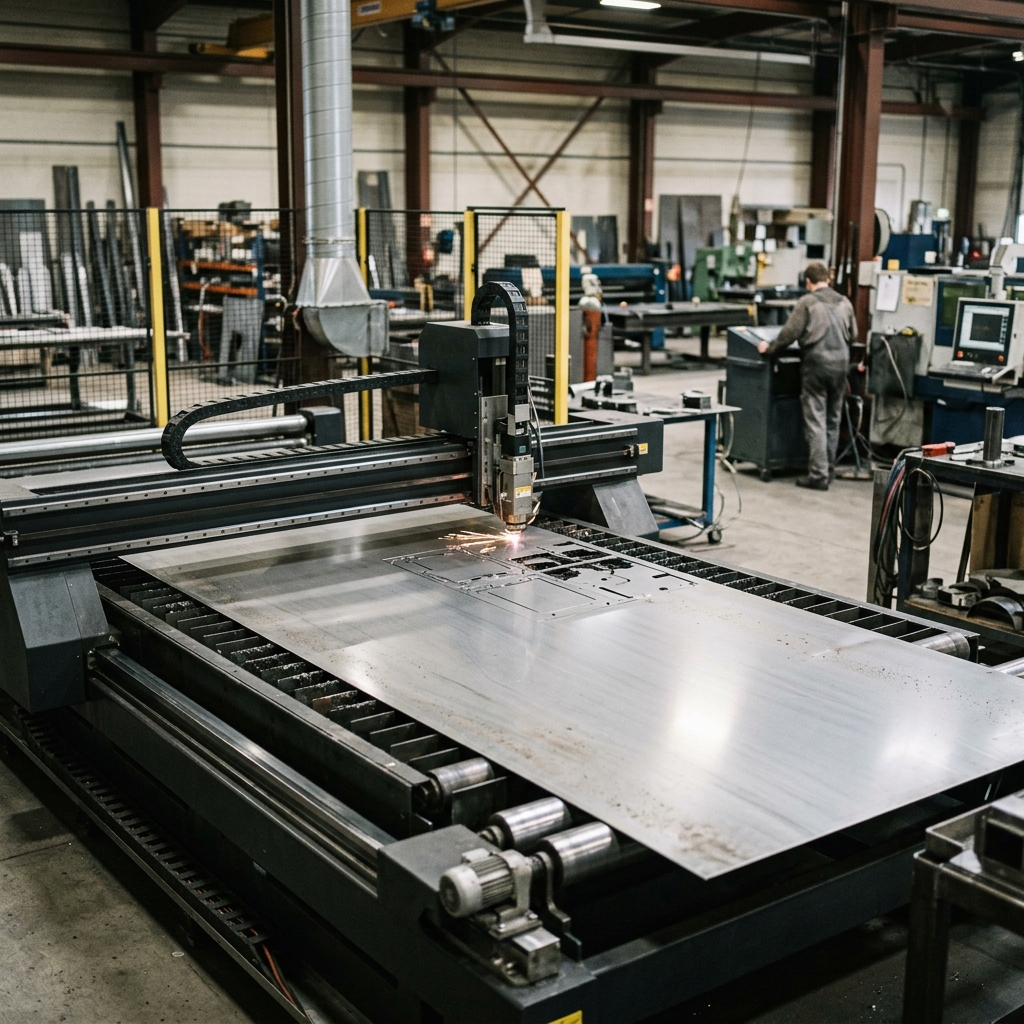
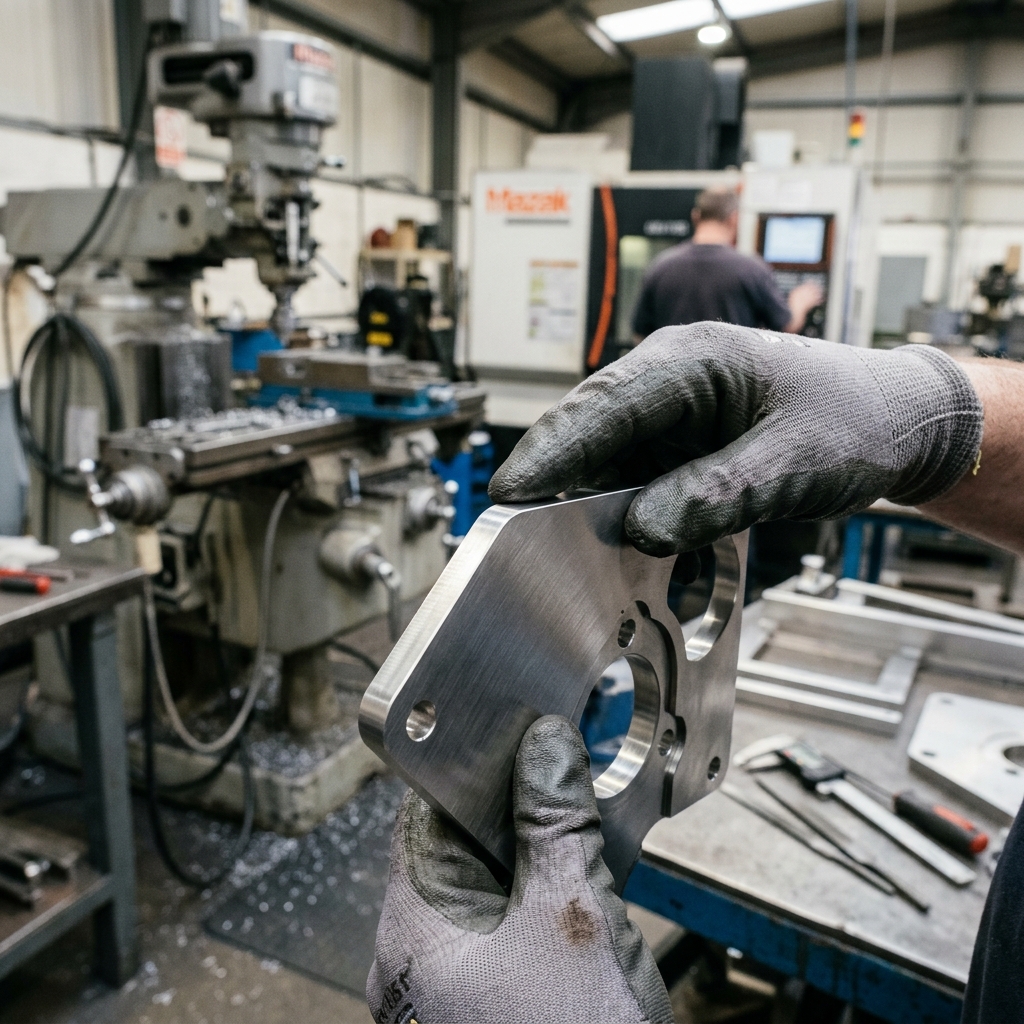
430 shears, punches and roll forms well. Two rules keep parts sound: keep bends generous, with an inside radius of at least one and a half times the thickness and the bend line across the rolling direction wherever the drawing allows, and join mechanically rather than by welding where possible. Where welding is unavoidable, use 309L filler, keep heat input low, and accept that the joint will be less tough than the parent metal.
We supply it cut and finished through our cutting, bending, polishing and surface treatment lines. Related products include 201 brushed sheet, 430 coil and the full sheet and plate range.
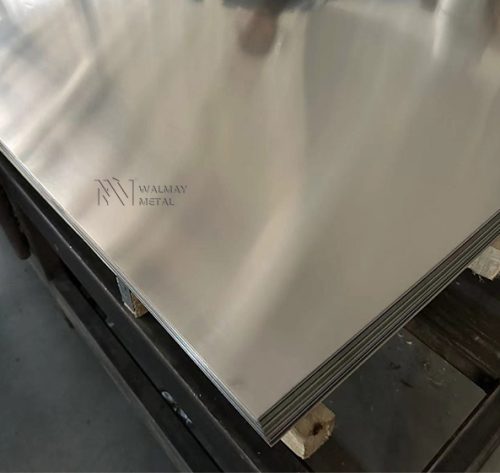
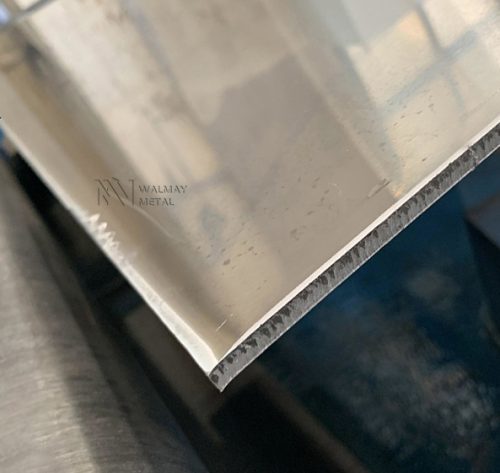
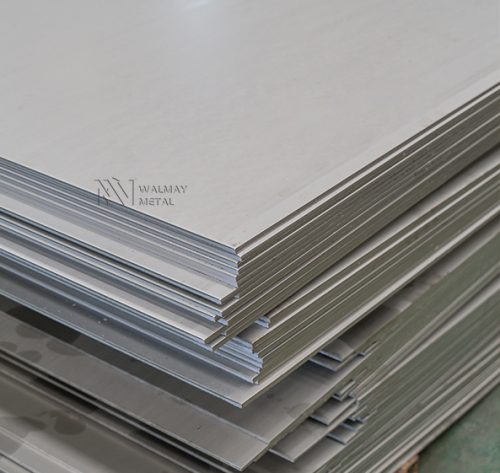
Walmay will help match the right stainless product form and specification for your application, confirm quantities and packing needs, and provide requested documents based on order requirements.
Loading form…