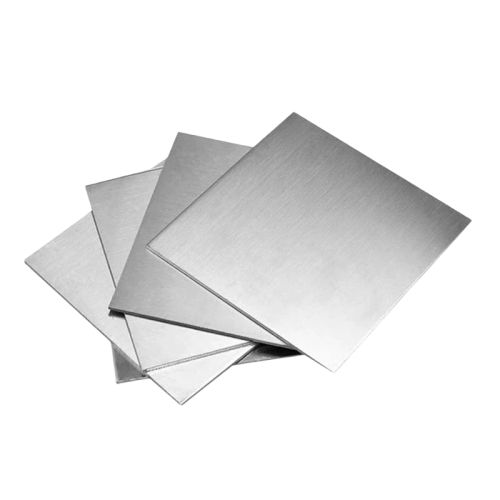
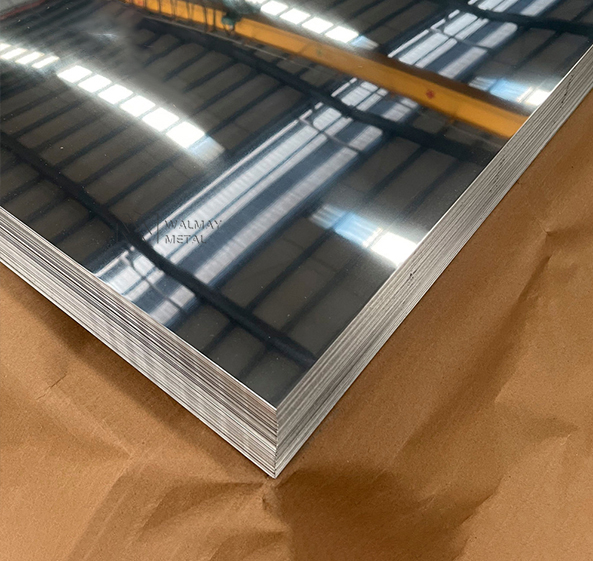
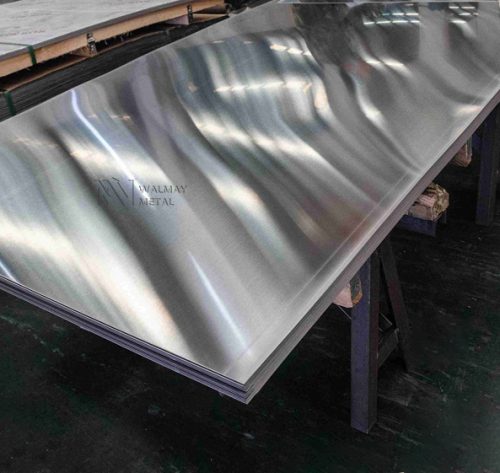
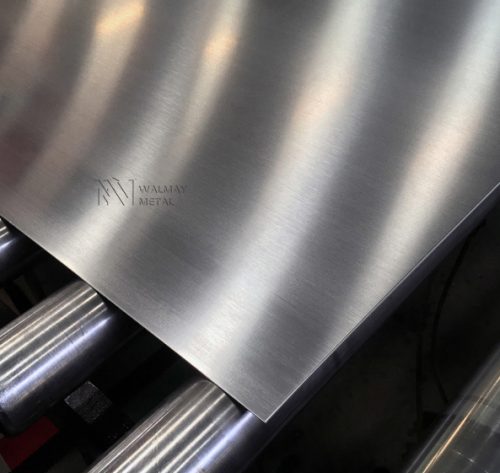
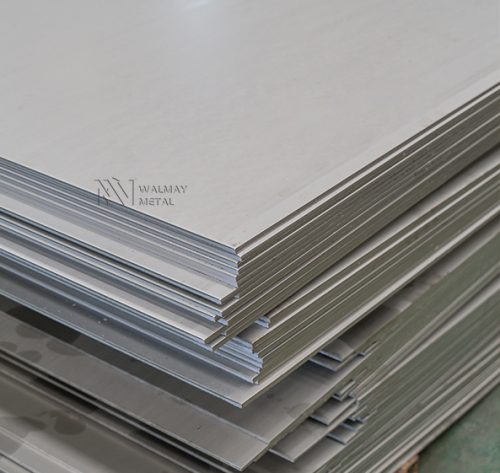
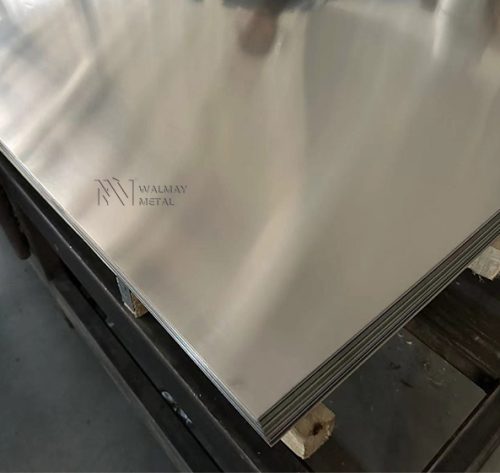
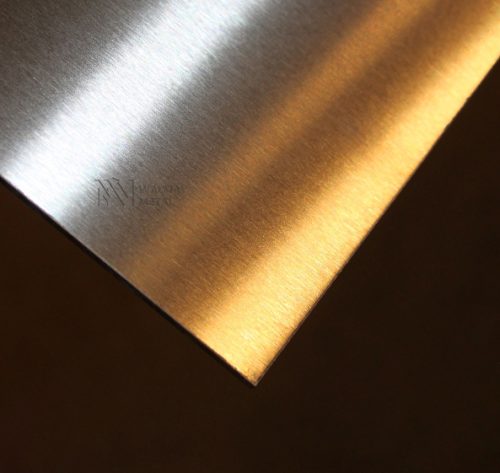
Polished stainless steel sheet is flat product finished by mechanical abrasion rather than by rolling, taking the surface from the standard 2B mill finish to anything from a directional brush to a full reflective mirror. Walmay supplies the whole range in 304 and 316L, from 0.5 mm to 3.0 mm thick and up to 1,500 mm wide, including 4x8 ft sheets from stock. Every polished sheet leaves us with protective PVC film applied, and we state the finish designation and the roughness value in micrometres Ra on the certificate, because a finish name alone is not a specification.




| Finish | Grit or method | Typical Ra | Appearance |
|---|---|---|---|
| 2B | Cold rolled, annealed, skin passed | 0.1-0.5 um | Smooth, slightly reflective mill finish |
| BA | Bright annealed, rolled not polished | 0.05-0.1 um | Highly reflective but not a true mirror |
| No.3 | 100-120 grit | 0.4-1.0 um | Coarse directional grain |
| No.4 | 150-180 grit | 0.2-0.5 um | The standard brushed finish |
| HL hairline | Long uninterrupted 150-240 grit lines | 0.2-0.4 um | Fine continuous grain for architecture |
| No.6 | 240 grit with Tampico brushing | 0.2-0.3 um | Soft satin, low reflectivity |
| No.7 | 320 grit then buffed | 0.05-0.1 um | Highly reflective with visible grain |
| No.8 mirror | 400-800 grit then buffed | Under 0.05 um | Full reflection, no visible grain |
Two points worth fixing on a purchase order. First, BA and No.8 are often confused: BA is produced by rolling and bright annealing, No.8 by progressive polishing, and only No.8 gives a true undistorted reflection. Second, if a food, pharmaceutical or cleanroom specification names an Ra limit, quote the Ra and not just the finish number, since the same No.4 designation covers a range from 0.2 to 0.5 micrometres.
| Item | Detail |
|---|---|
| Grades | 304, 304L, 316L, and 201 for indoor cost-driven work |
| Standards | ASTM A240 / A480, EN 10088-2 finish designations, JIS G4305 |
| Thickness | 0.5-3.0 mm |
| Width | 1,000, 1,219, 1,500 mm |
| Length | 2,000, 2,438, 3,000 mm, or cut to size |
| Finishes | No.3, No.4, HL, No.6, No.7, No.8 mirror, BA |
| Protection | PVC film one side as standard, both sides on request |
| Certification | EN 10204 3.1 plus a finish and Ra report |
Polished sheet is stocked in the same sizes as mill-finish sheet, and weight is unaffected by the finish since polishing removes only a few micrometres.
| Thickness | Weight per m2 | 4x8 ft sheet, 1,219x2,438 mm | 1,219x3,048 mm | 1,500x3,000 mm |
|---|---|---|---|---|
| 0.5 mm | 4.0 kg | 11.9 kg | 14.9 kg | 18.0 kg |
| 0.6 mm | 4.8 kg | 14.3 kg | 17.8 kg | 21.6 kg |
| 0.8 mm | 6.4 kg | 19.0 kg | 23.8 kg | 28.8 kg |
| 1.0 mm | 8.0 kg | 23.8 kg | 29.7 kg | 36.0 kg |
| 1.2 mm | 9.6 kg | 28.5 kg | 35.6 kg | 43.2 kg |
| 1.5 mm | 12.0 kg | 35.7 kg | 44.6 kg | 54.0 kg |
| 2.0 mm | 16.0 kg | 47.6 kg | 59.4 kg | 72.0 kg |
| 3.0 mm | 24.0 kg | 71.3 kg | 89.1 kg | 108.0 kg |
Thickness selection on decorative work is usually governed by flatness rather than by strength. Below 0.8 mm a large flat panel shows oil canning, the slight waviness that a mirror finish exaggerates badly, so feature panels above about a metre square are normally specified at 1.5 mm or bonded to a backing. Where weight or cost rules out thicker material, a rigidized or embossed pattern stiffens a thin sheet and hides waviness at the same time.
A polished finish is not a coating and cannot wear off. It is the metal itself, so its life is the life of the sheet, and 304 and 316L do not lose their reflectivity through age. What changes appearance in service is different:
| Cause | Effect | Prevention |
|---|---|---|
| Free iron contamination | Brown rust spots on an otherwise sound surface | Stainless-only tooling, passivation |
| Chloride exposure on 304 | Pitting and tea staining, visible early on a mirror | Specify 316L near the coast |
| Abrasive cleaning | Fine scratches that dull a mirror | Non-abrasive cleaner, soft cloth, wipe with the grain |
| Chloride-based cleaners | Pitting | pH neutral cleaners only |
| Fingerprints and water spots | Cosmetic only | Rinse and dry, or specify No.4 in high-touch areas |
The practical rule for specification: mirror finishes belong above hand height and in low-traffic areas, and No.4 or hairline belongs where people touch the surface. That single decision does more for long-term appearance than any grade upgrade.
| Item | Detail |
|---|---|
| Minimum order | 1 tonne, or 50 sheets for stock sizes |
| Lead time from stock | 7-12 days |
| Lead time polished to order | 20-30 days |
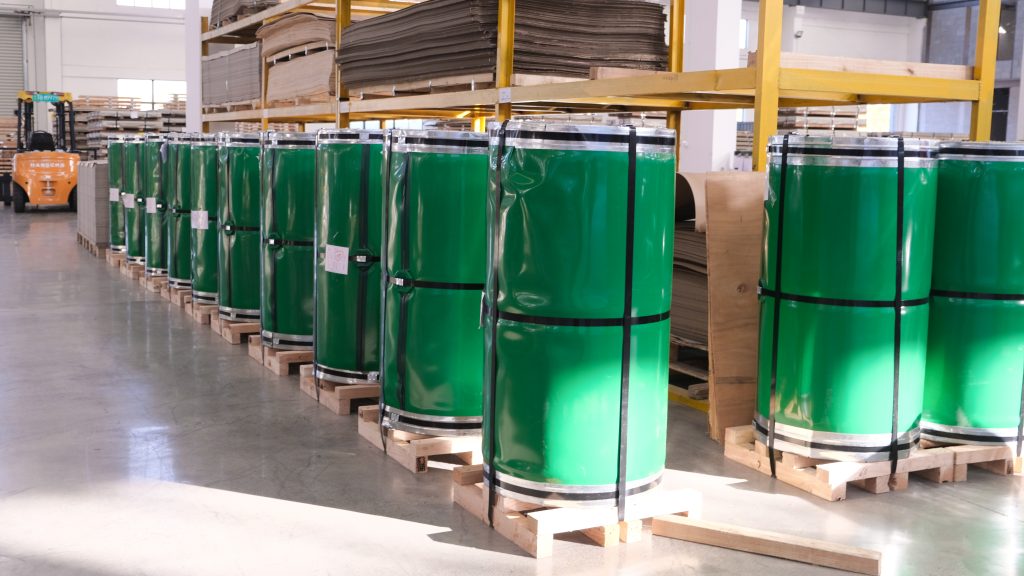
| Packing | PVC film, interleaved paper, wooden crate, face-to-face stacking |
| Documentation | EN 10204 3.1, finish and Ra report |
| Incoterms | FOB, CIF, DAP |
Send the grade, thickness, finish designation, any Ra limit, sheet size or cut list, grain direction, and whether you need film on one or both faces. Related products: 304 sheet, 316 and 316L sheet, brushed sheet, BA mirror coil, polished pipe, and the full sheet and plate range.
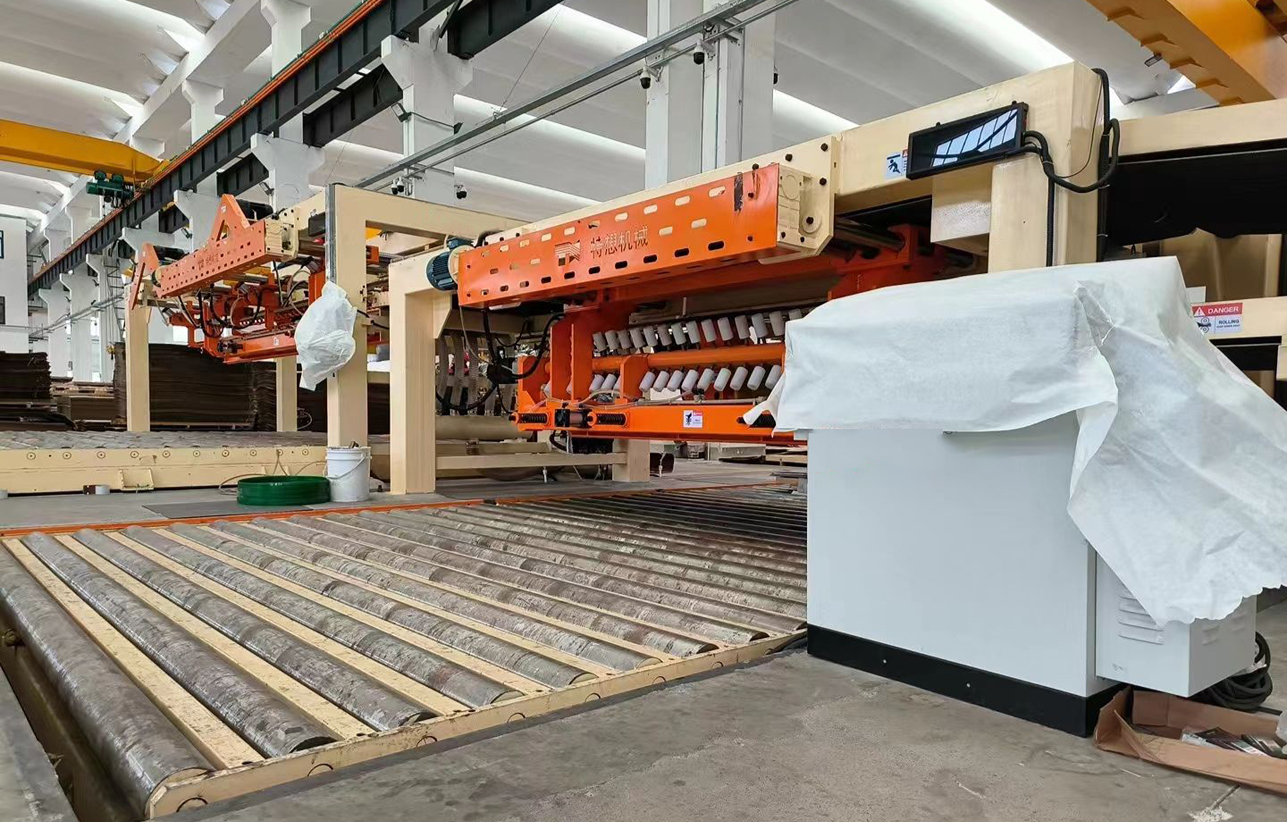
Stainless Steel Plate Bending/Stamping Process
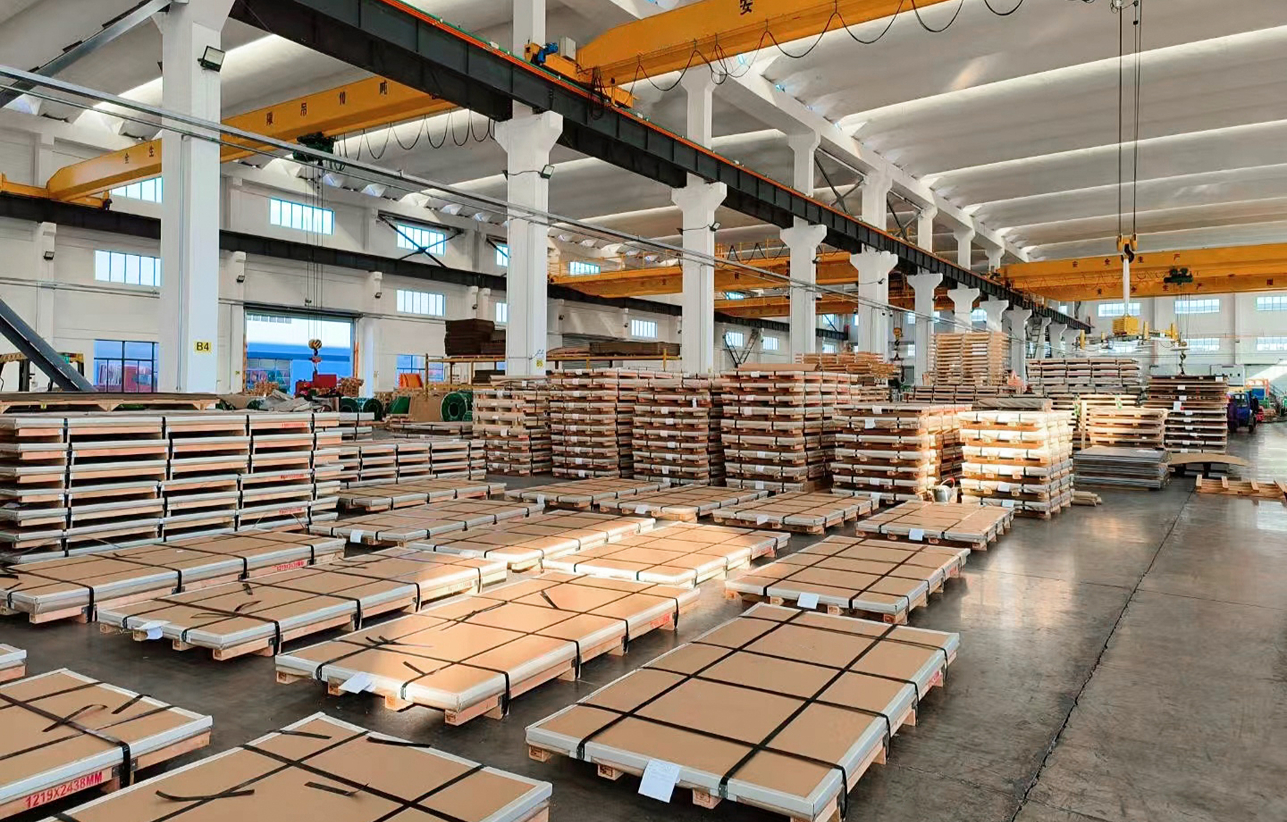
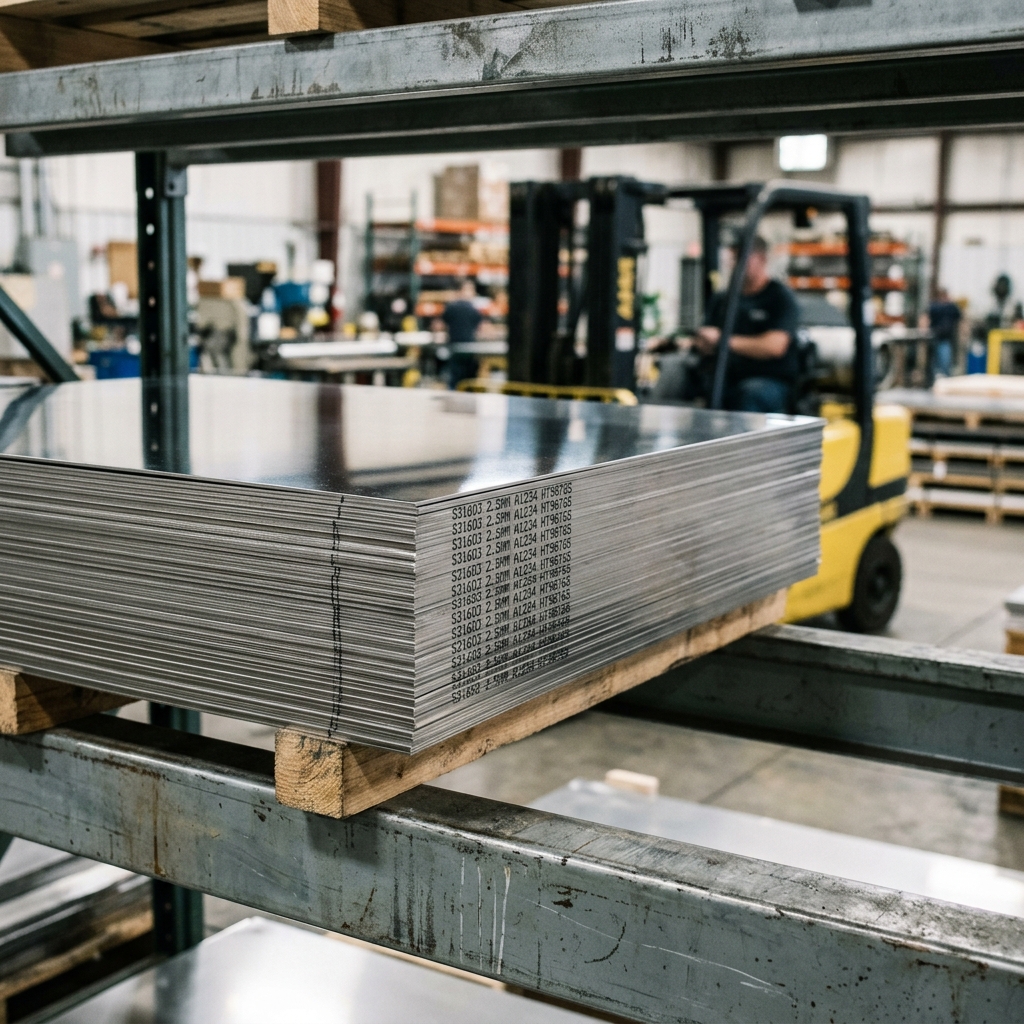
Stainless Steel Plates on Storage Rack
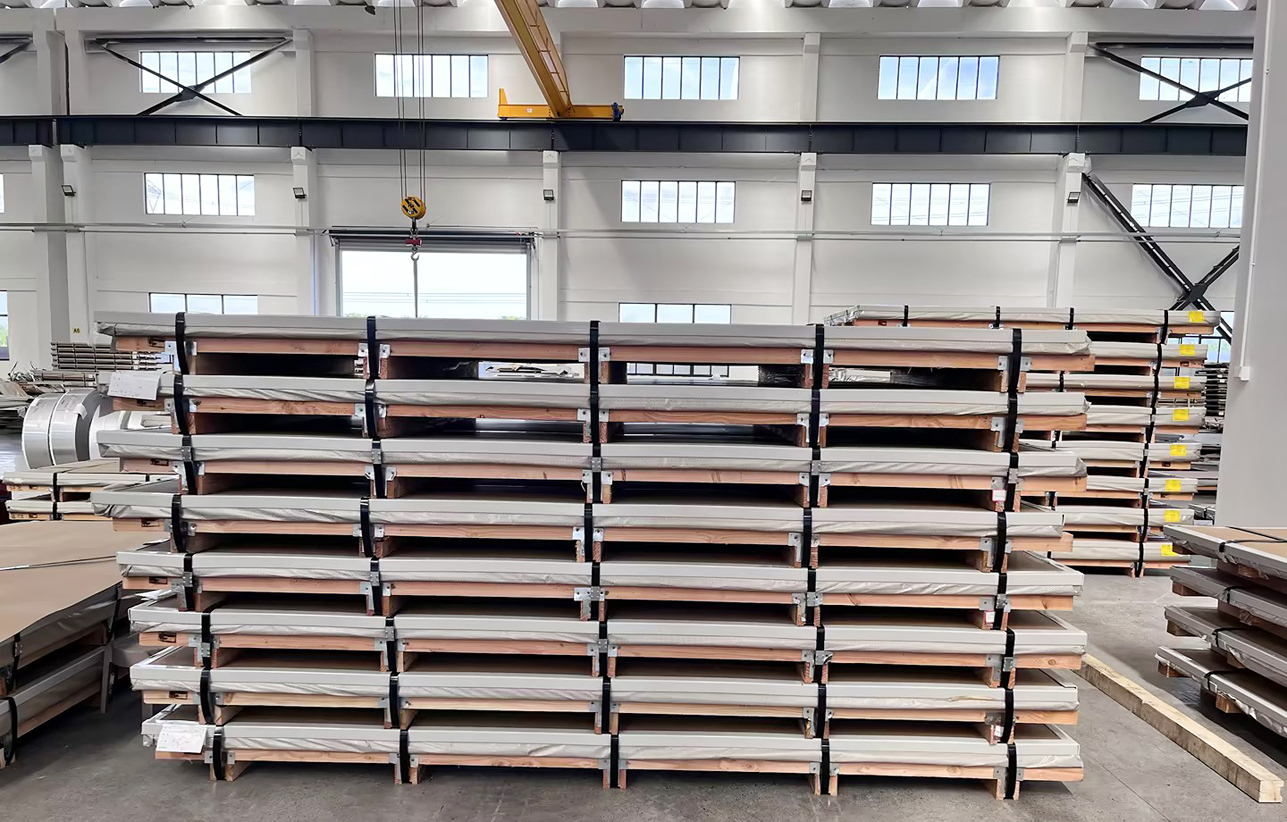
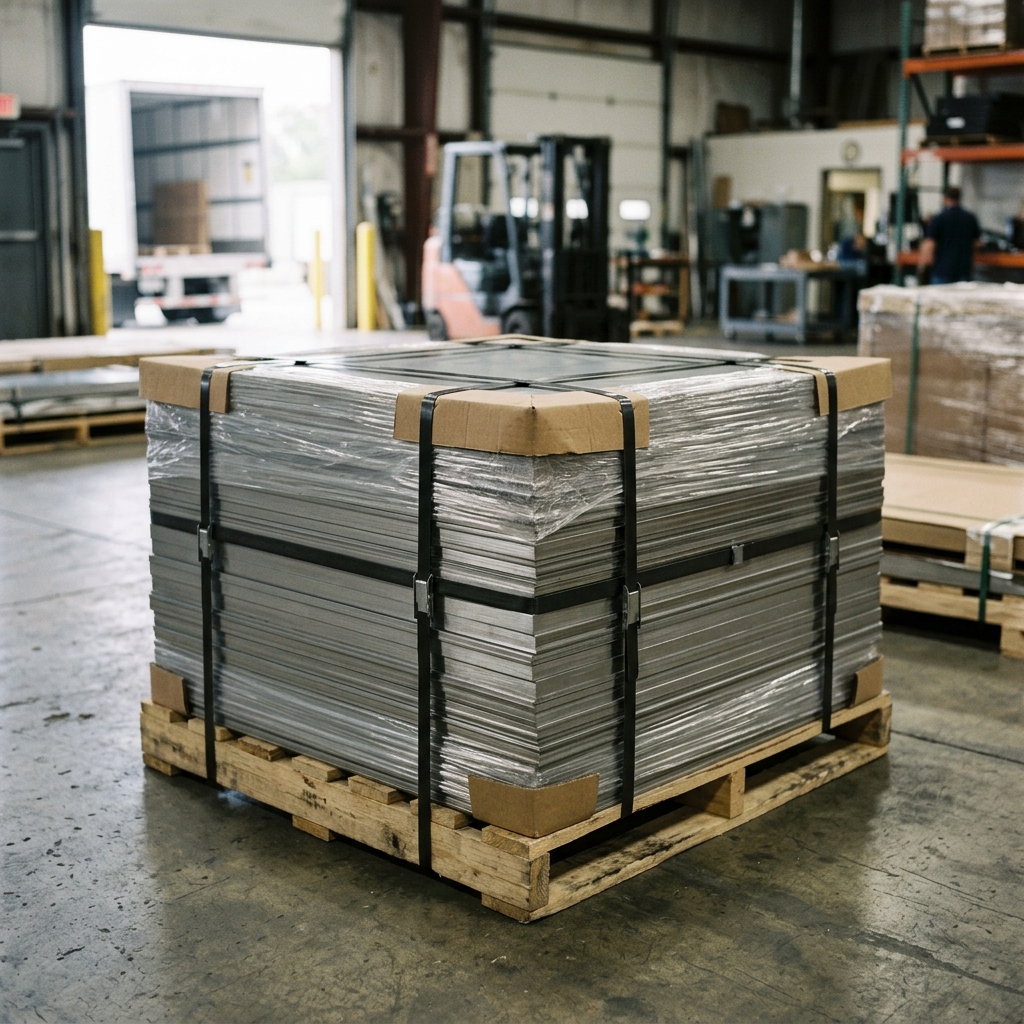
Palletized Stainless Steel Plates
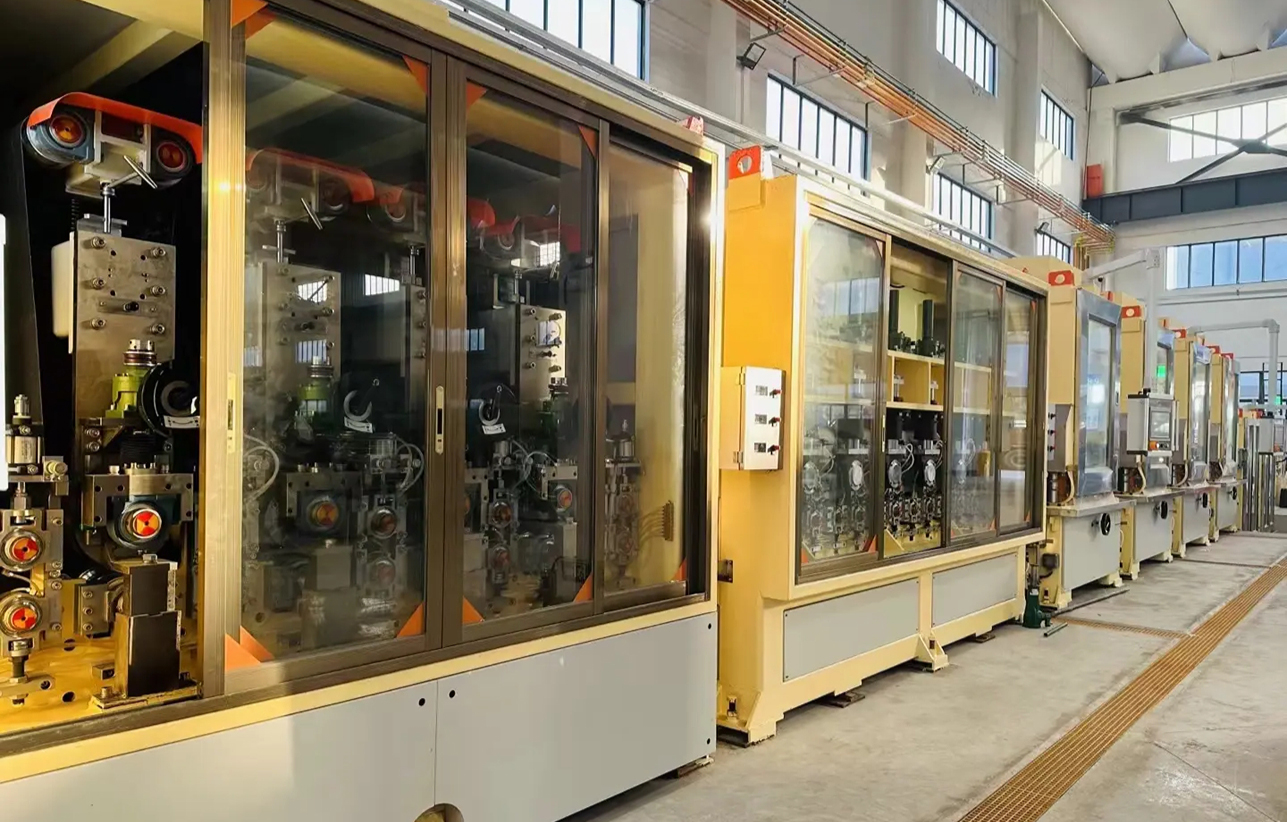
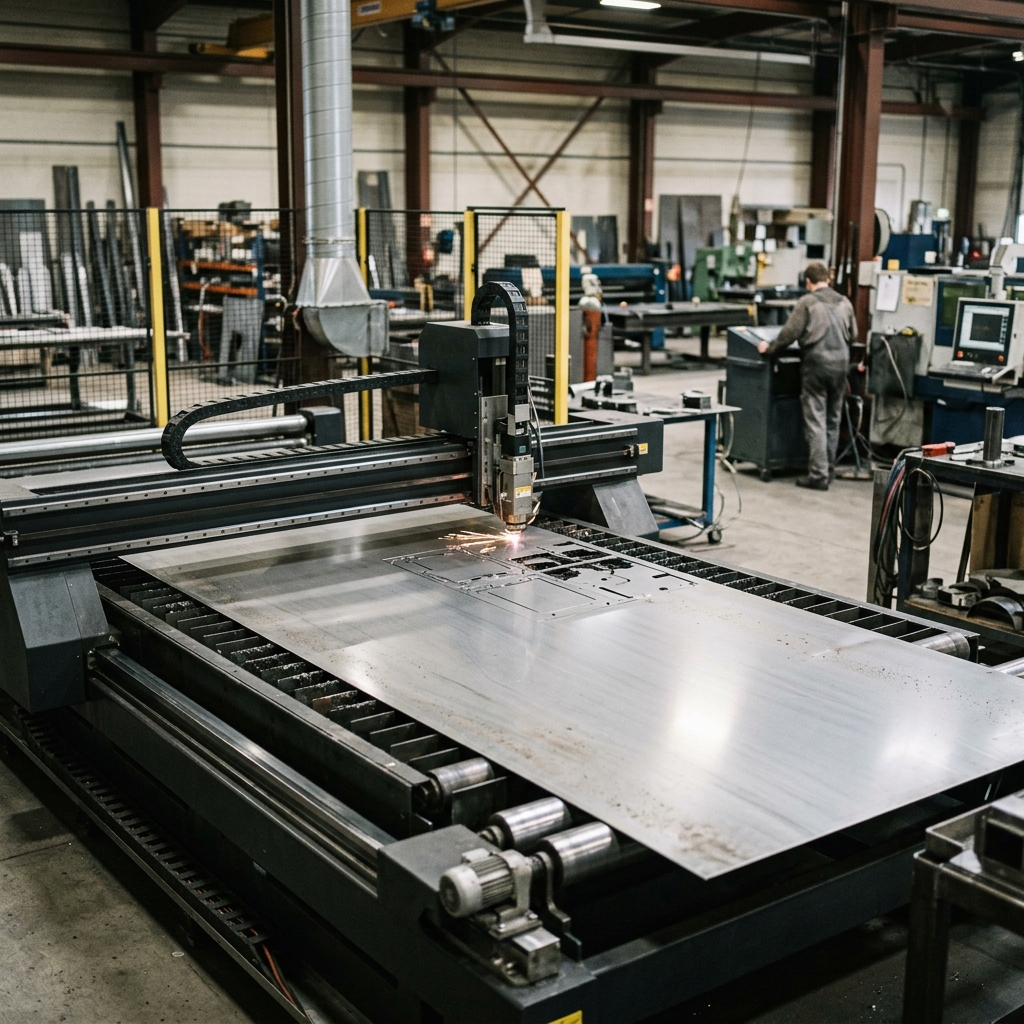
Stainless Steel Plate Rolling Line
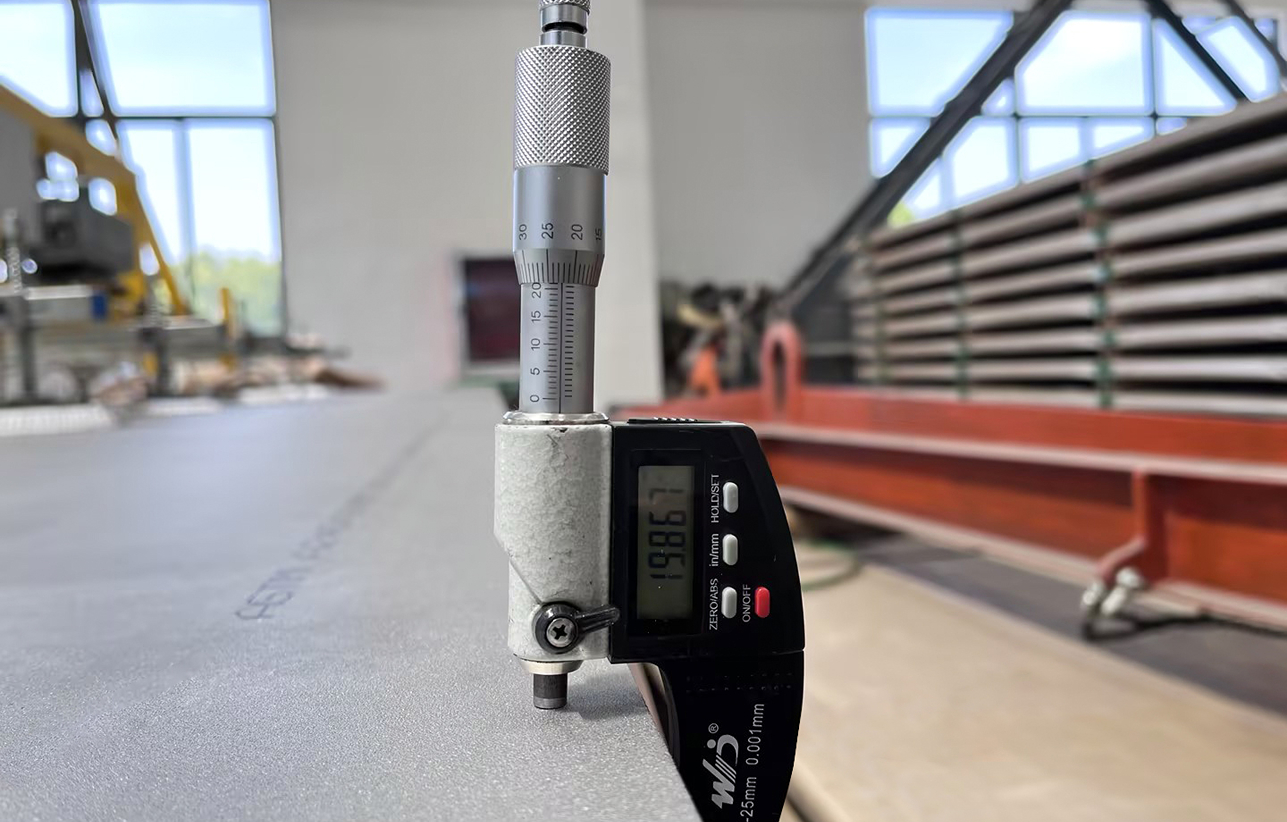
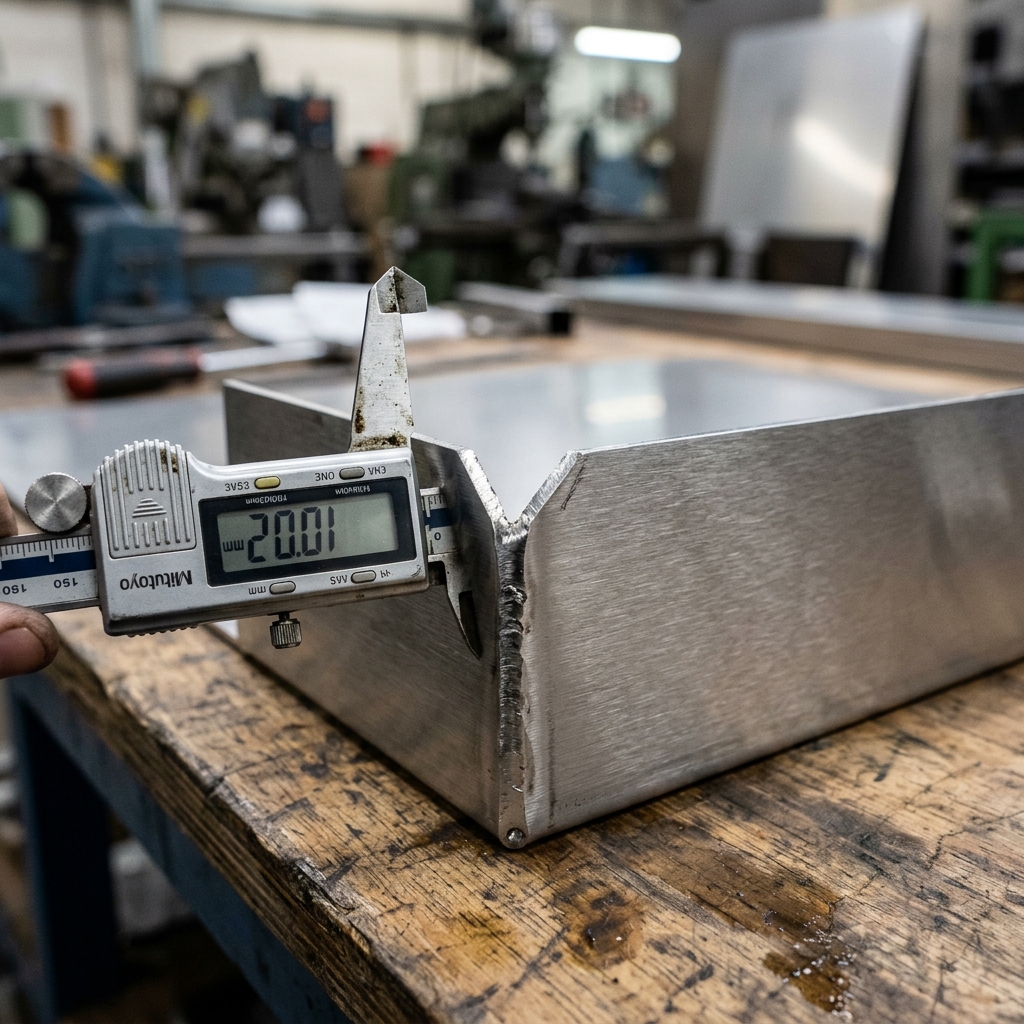
Precision Thickness Inspection of Stainless Steel Plate

Forklift Loading Stainless Steel Plates for Shipment
Polished stainless steel sheet is flat product finished by mechanical abrasion rather than by rolling, taking the surface from the standard 2B mill finish to anything from a directional brush to a full reflective mirror. Walmay supplies the whole range in 304 and 316L, from 0.5 mm to 3.0 mm thick and up to 1,500 mm wide, including 4x8 ft sheets from stock. Every polished sheet leaves us with protective PVC film applied, and we state the finish designation and the roughness value in micrometres Ra on the certificate, because a finish name alone is not a specification.
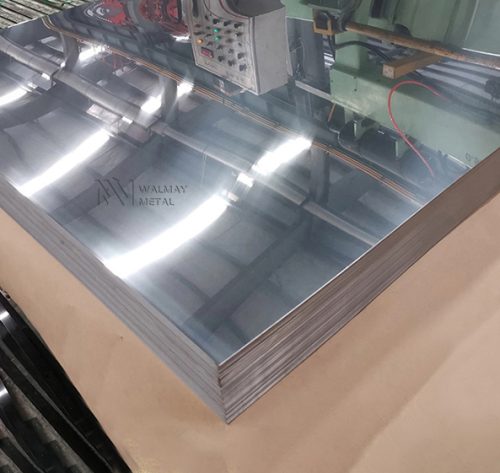
Mirror stainless steel sheet is the No.8 finish, produced by polishing through successively finer abrasives to around 400 to 800 grit and then buffing with a compound until no grain remains. The result reflects an image with almost no distortion and reads visually as chrome, which is why it is used for feature walls, column cladding, lift interiors, signage and display work.
Three things determine whether a mirror sheet looks right on the wall:
Mirror sheet is also the base for decorative variants, including colour coated sheet where PVD coating over a mirror base gives gold, bronze, black and rose finishes, and embossed sheet where a pattern is rolled into a polished surface.
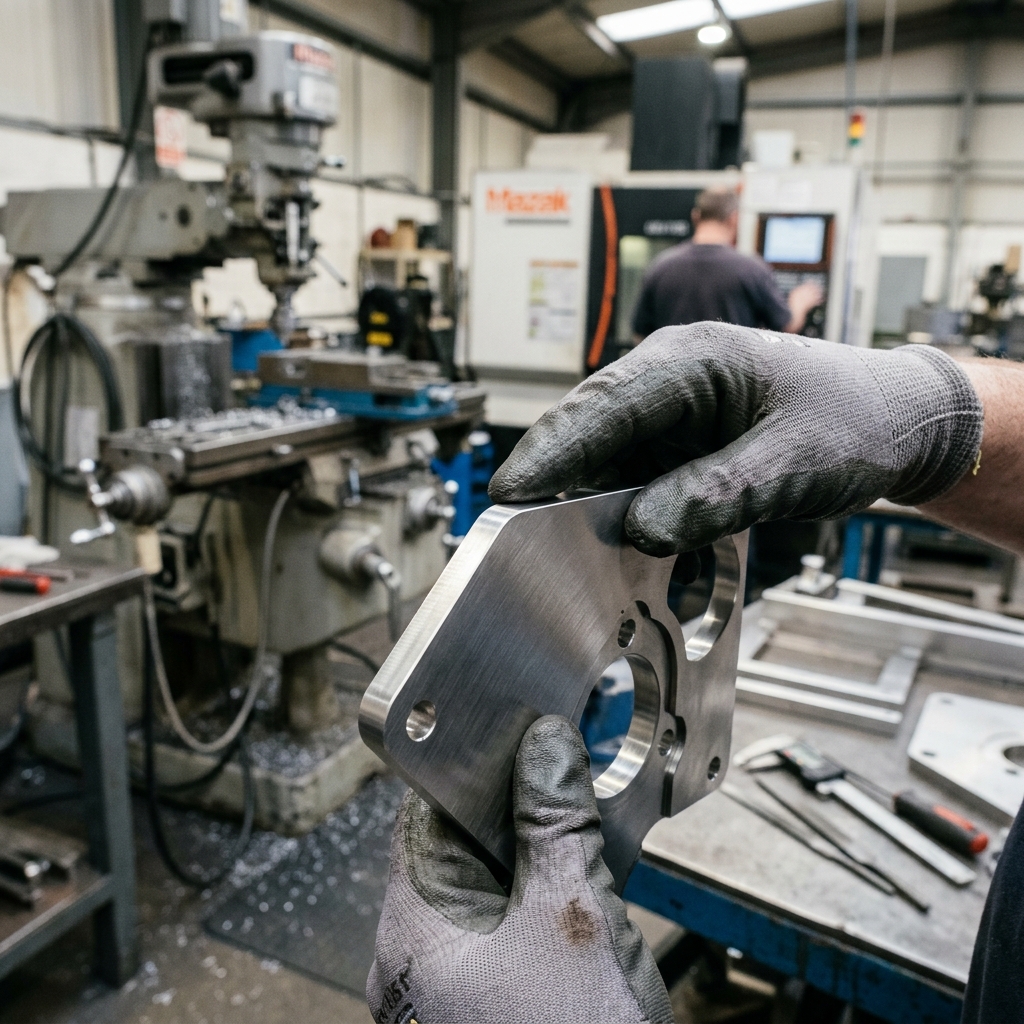
Working with polished sheet metal is a different discipline from working with 2B, because the finish is the product and it cannot be repaired in the field to match.
We carry out polishing in house alongside cutting, levelling, bending, edge finishing and packaging, which means a panel can go from coil to filmed, cut and finished part without leaving our control.
The architectural decoration category collects the projects where these finishes are specified.
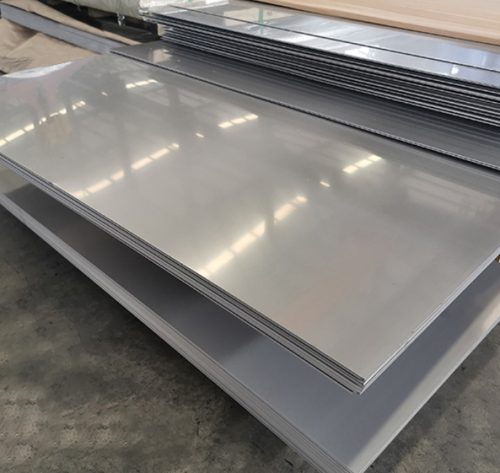
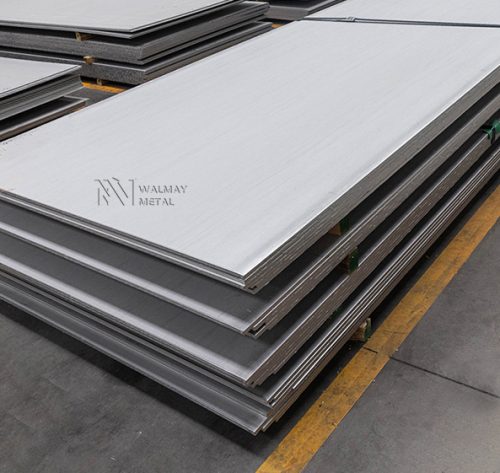
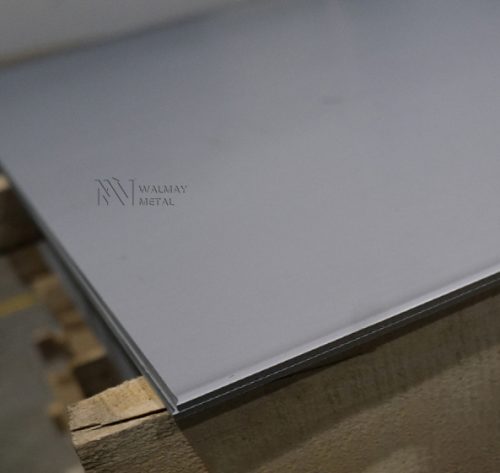
Walmay will help match the right stainless product form and specification for your application, confirm quantities and packing needs, and provide requested documents based on order requirements.
Loading form…