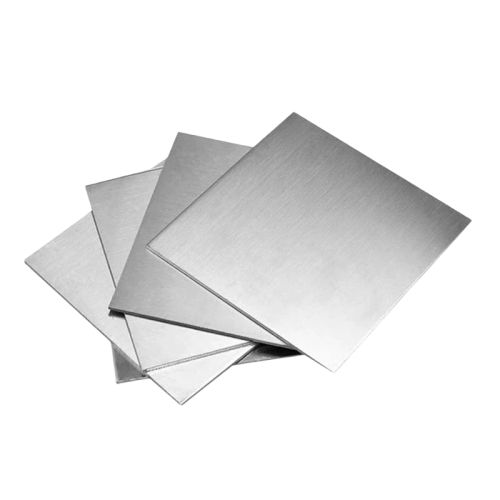
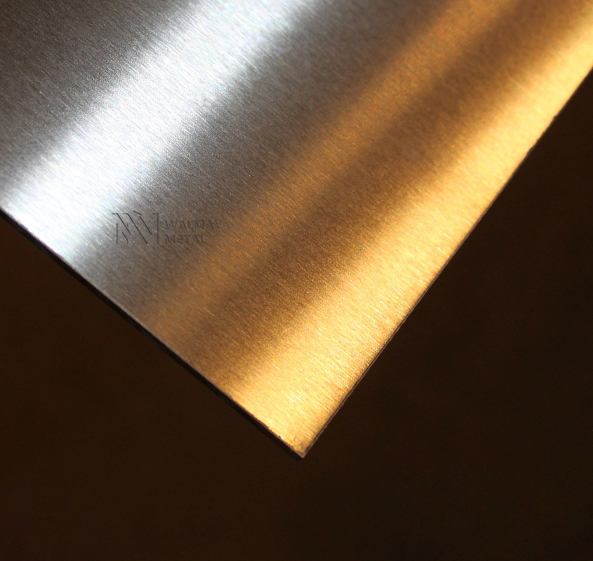
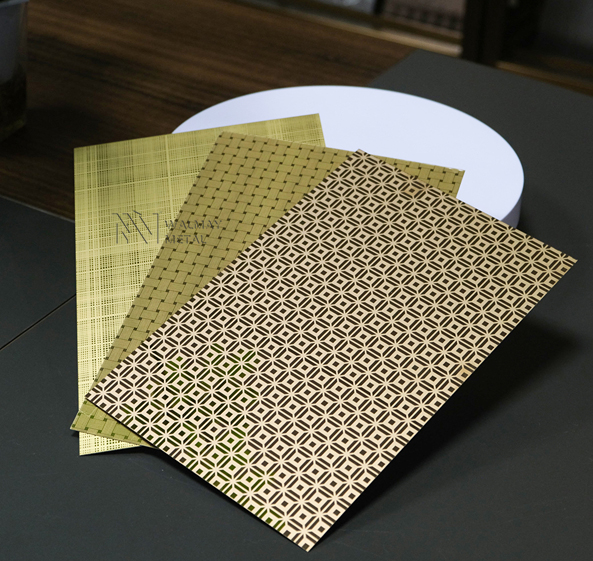
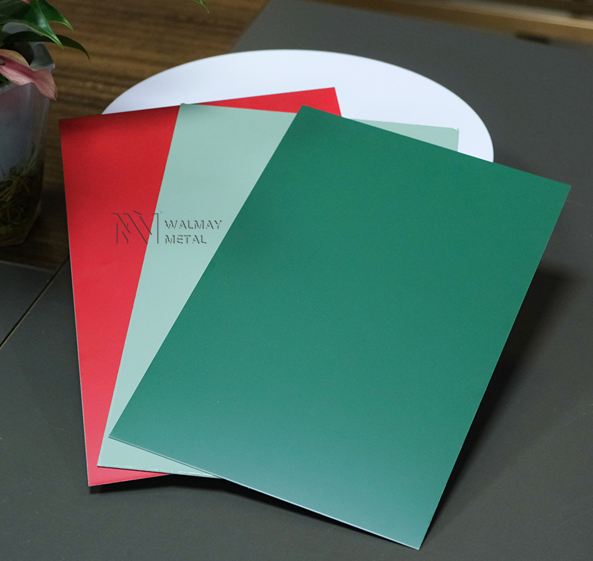
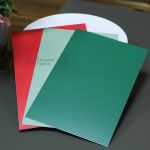
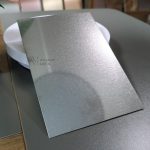
Colored stainless steel sheets are ordinary stainless sheet whose surface has been given a controlled colour, either by depositing a very thin ceramic film in a vacuum chamber, known as PVD, or by growing a coloured oxide layer chemically. No paint or pigment is involved in either process, which is why the metallic depth of the base finish still reads through the colour and why the result behaves like metal rather than like a painted surface. Walmay supplies colored sheet in 304 and 316L, from 0.5 mm to 1.5 mm thick, over mirror, brushed, hairline and embossed bases, in gold, rose gold, bronze, champagne, black, blue and green.
| Process | Mechanism | Coating thickness | Colour range | Typical use |
|---|---|---|---|---|
| PVD, physical vapour deposition | Titanium nitride and related ceramics deposited in a vacuum | 0.1-0.3 um | Gold, rose gold, bronze, champagne, black, blue, green | Architecture, interiors, furniture, lifts |
| Chemical colouring, INCO process | Controlled thickening of the chromium oxide film, colour by light interference | Under 0.05 um, no added material | Bronze, blue, gold, green, black | Facades and interiors where absolute colour uniformity is less critical |
| Electrophoretic and organic coating | Clear or tinted organic layer | 5-20 um | Tints, plus anti-fingerprint clear | Applied over PVD on dark colours |
The distinction that matters commercially is that PVD adds a hard ceramic layer while chemical colouring changes the oxide that is already there. PVD gives tighter colour control and a harder surface, which is why it dominates architectural work. Chemical colouring adds nothing to the surface at all, so it cannot chip in principle, but batch-to-batch colour matching is more demanding because the colour depends on oxide thickness measured in nanometres.
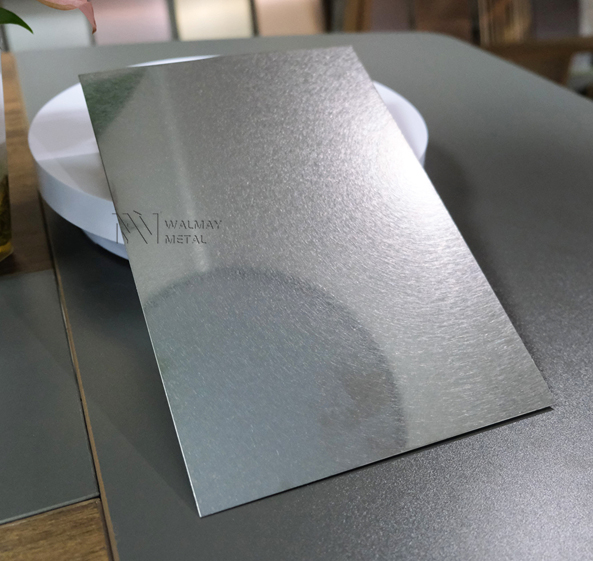
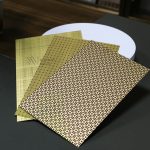
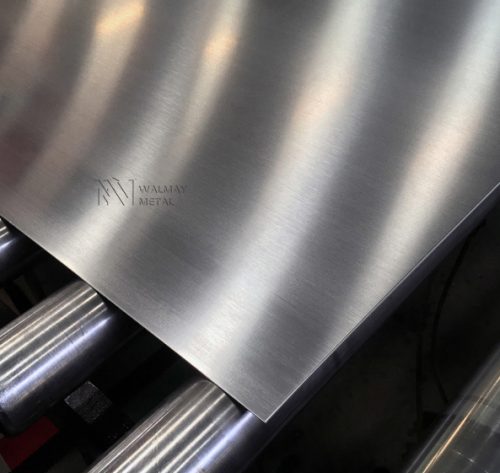
The finished appearance is the product of the colour and the base finish, and the base does more visual work than customers expect.
| Base finish | With gold or bronze PVD | With black PVD |
|---|---|---|
| No.8 mirror | Deep reflective metallic, reads as polished brass | Reflective piano black, shows fingerprints |
| No.4 brushed | Satin metallic with visible grain, the architectural default | Soft matte charcoal, hides marks better |
| HL hairline | Long fine grain, best on tall panels | Uniform dark satin |
| Bead blasted | Non-directional matte | Deep flat black, most forgiving surface |
| Embossed or rigidized | Texture plus colour, hides damage | Dark textured, very tolerant of wear |
For high-touch areas, specify brushed, hairline or bead-blasted bases rather than mirror, and add an anti-fingerprint clear coat on dark colours. A black mirror panel at hand height will show every contact.
| Item | Detail |
|---|---|
| Grades | 304, 304L, 316L, 201 for dry interiors only |
| Base standard | ASTM A240 / A480, EN 10088-2 |
| Thickness | 0.5-1.5 mm |
| Width | 1,000, 1,219, 1,500 mm |
| Length | 2,000, 2,438, 3,000 mm, or cut to size |
| Coating | PVD titanium nitride family, 0.1-0.3 um, or chemical colouring |
| Options | Anti-fingerprint clear coat, embossed base, etched pattern |
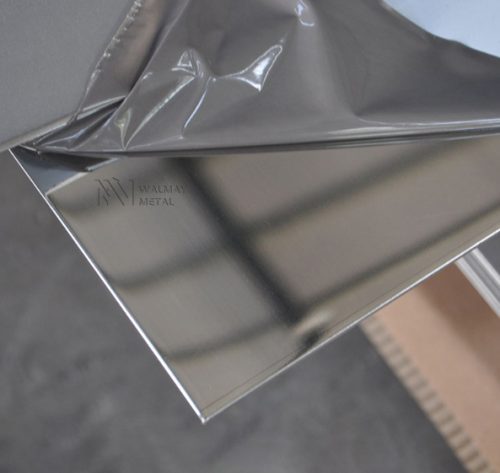
| Protection | PVC film on the coated face, both faces on mirror bases |
| Certification | EN 10204 3.1 on the base material, plus an approved colour sample |
Colour is always agreed against a physical sample retained by both parties, and the sample should be large enough to judge, at least 200 by 300 mm. Panels for one installation should come from a single production batch, because PVD colour varies slightly between chamber loads and the difference is visible when two batches meet on the same wall.
| Item | Detail |
|---|---|
| Minimum order | 1 tonne, or 2 tonnes for a dedicated colour run |
| Lead time | 25-40 days including sample approval, 15-20 days for stock colours |
| Sampling | Colour sample of at least 200x300 mm approved before production |
| Batching | Single batch per installation, spares supplied from the same batch |
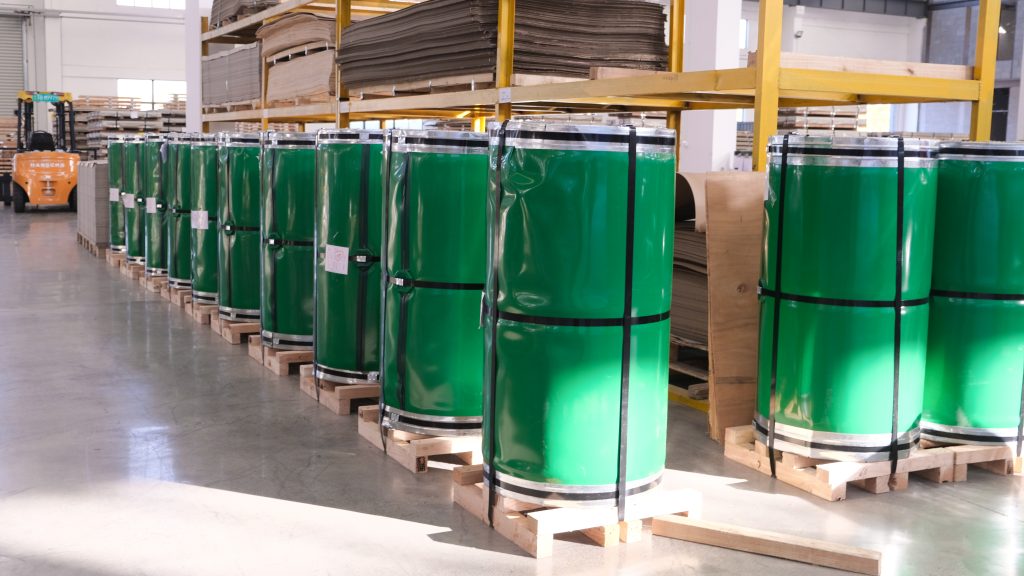
| Packing | PVC film, interleaved paper, crate, labelled by elevation and batch |
| Incoterms | FOB, CIF, DAP |
Send the grade, thickness, base finish, colour reference or sample, sheet size or cut list, whether an anti-fingerprint coat is required, and the quantity of spares. Related products: mirror and polished sheet, embossed and decorative sheet, brushed sheet, 304 sheet, and the full sheet and plate range.
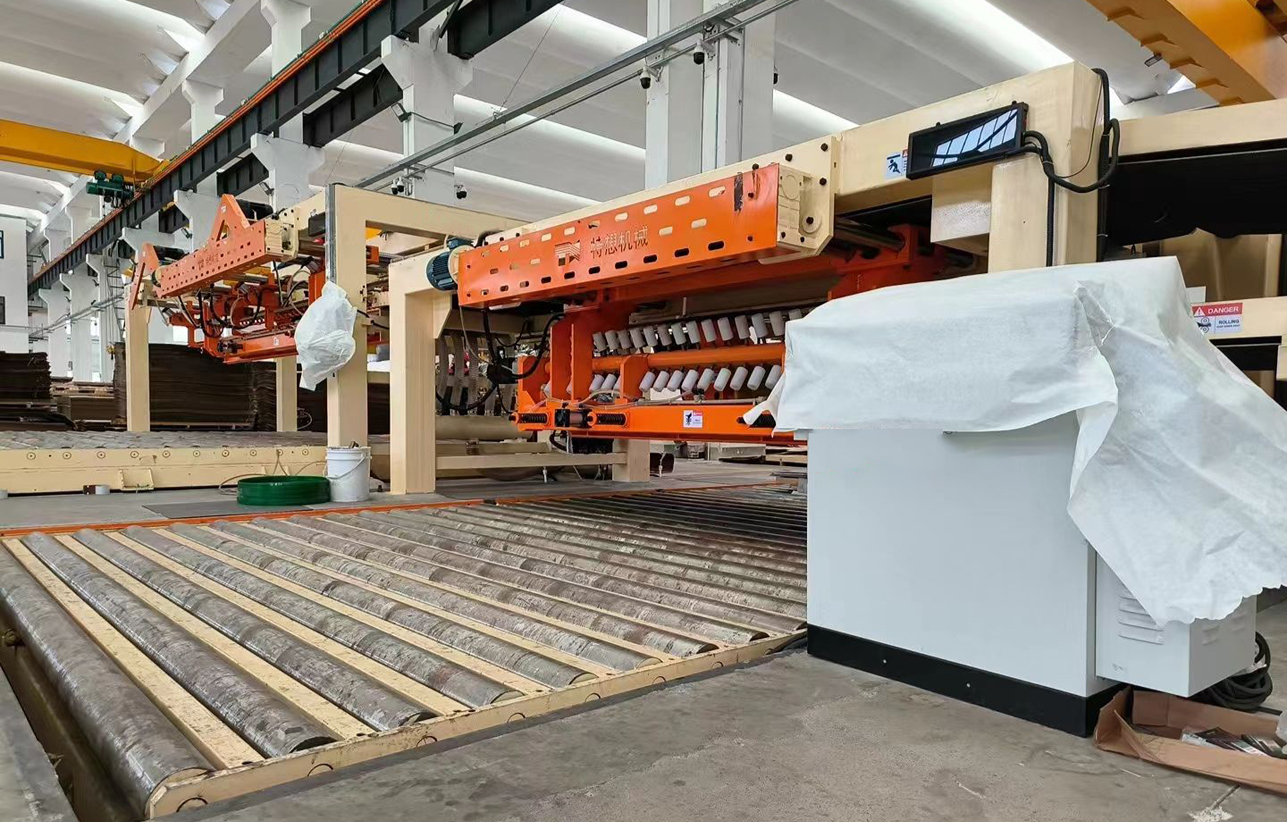
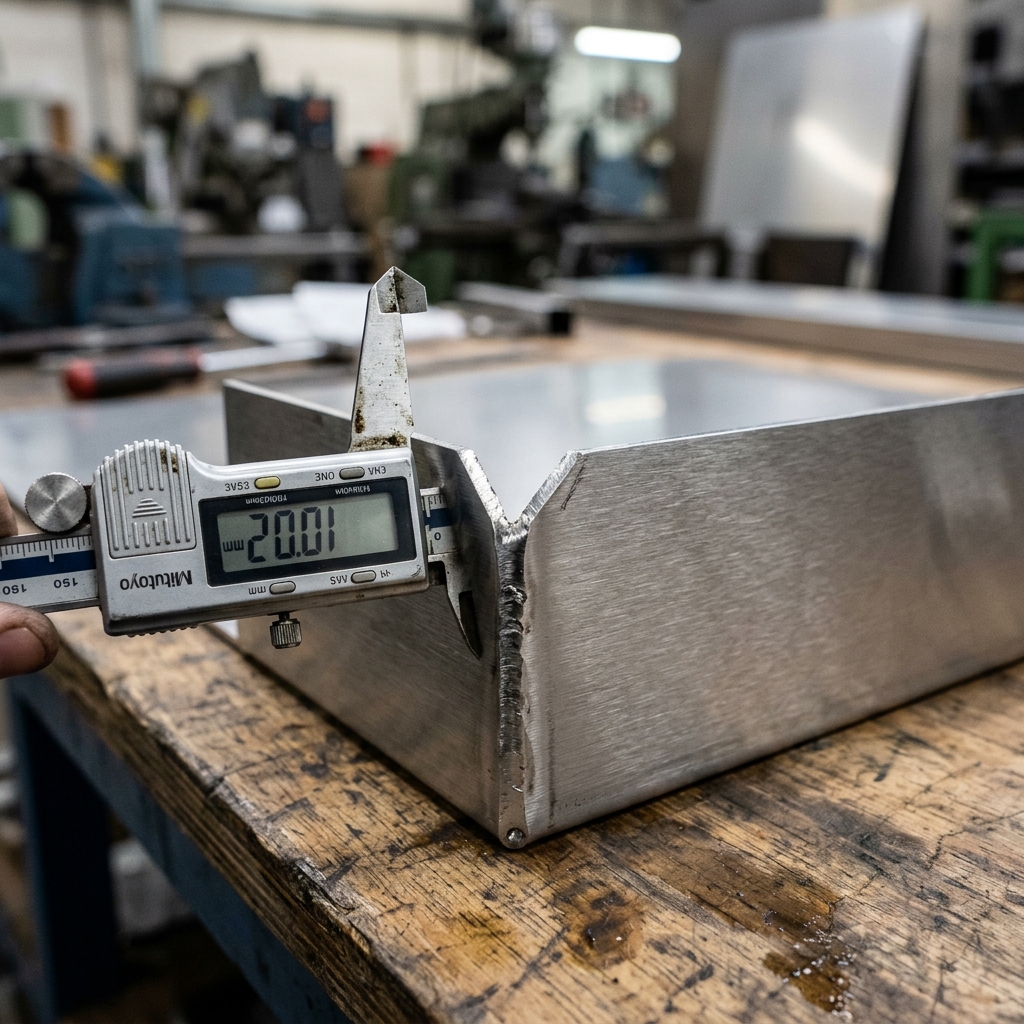
Stainless Steel Plate Bending/Stamping Process
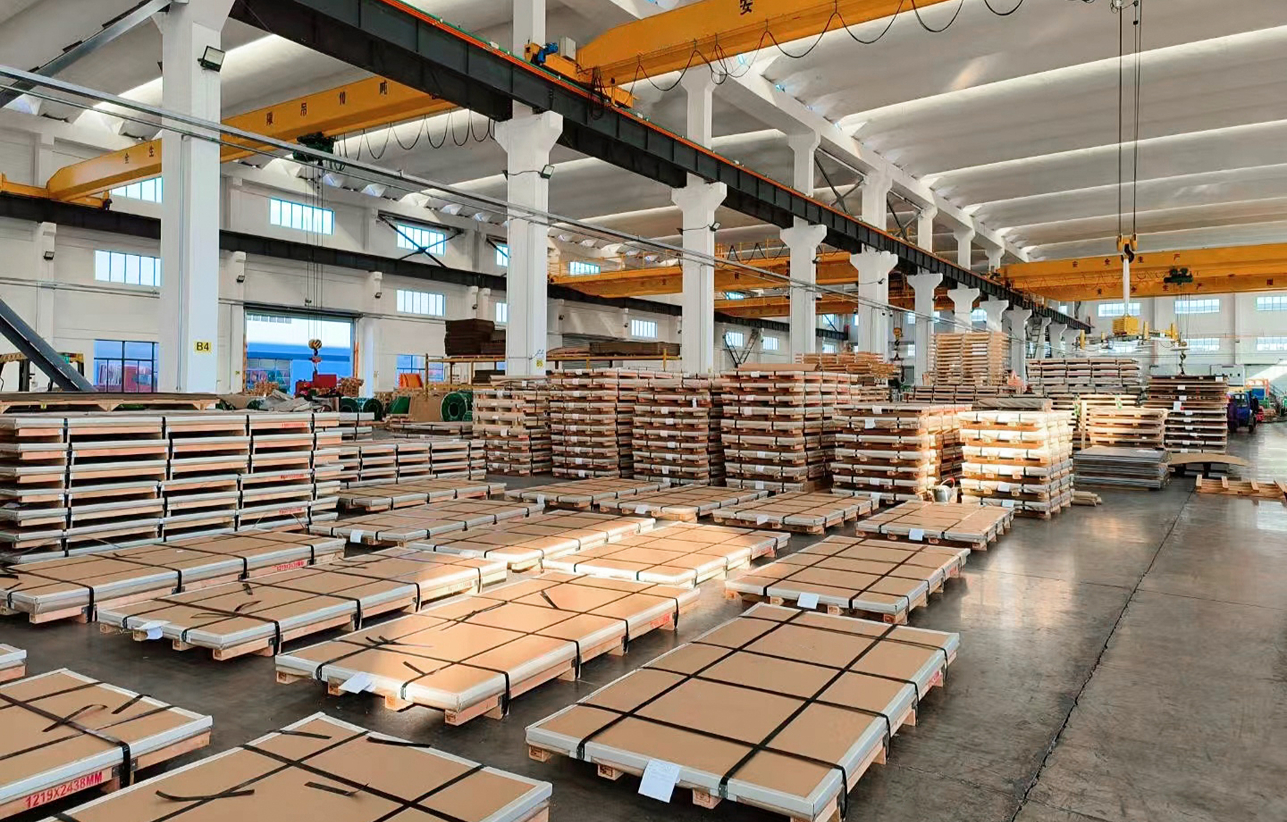
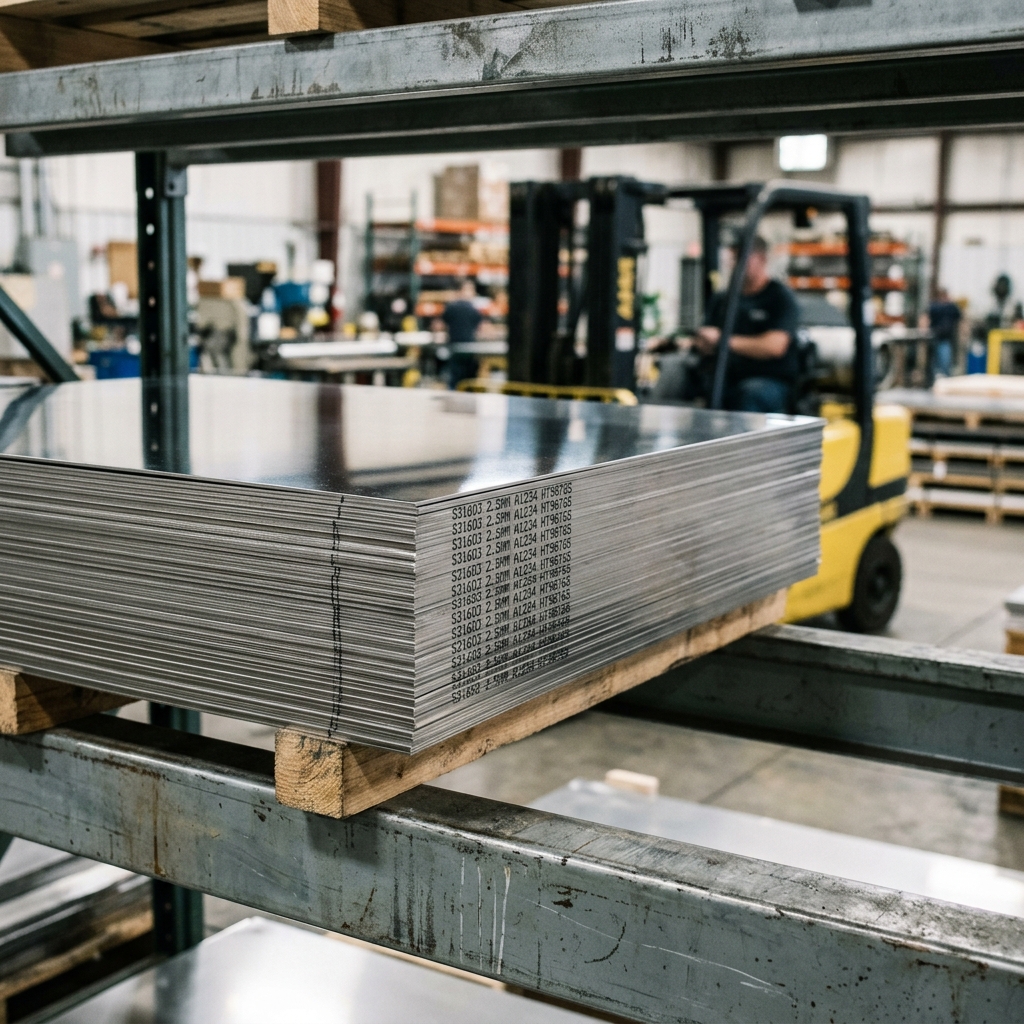
Stainless Steel Plates on Storage Rack
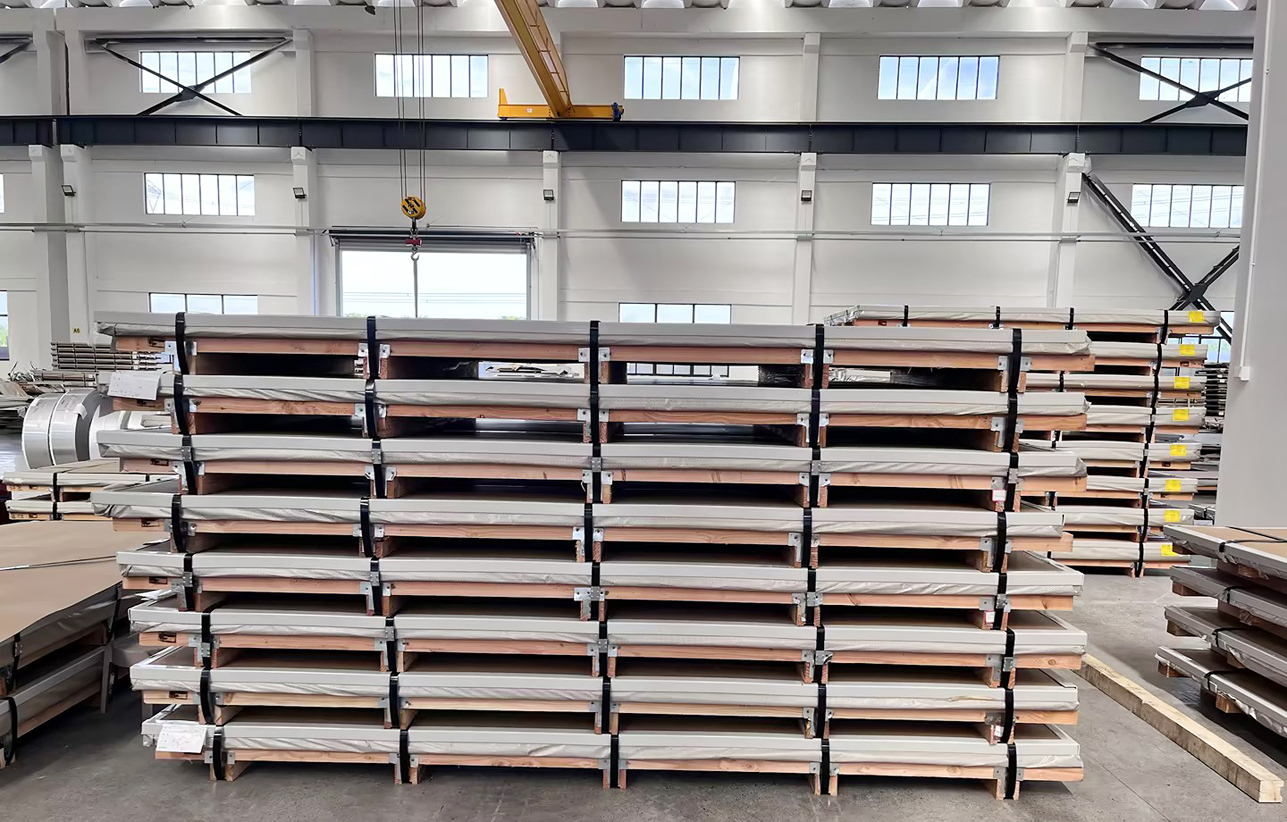
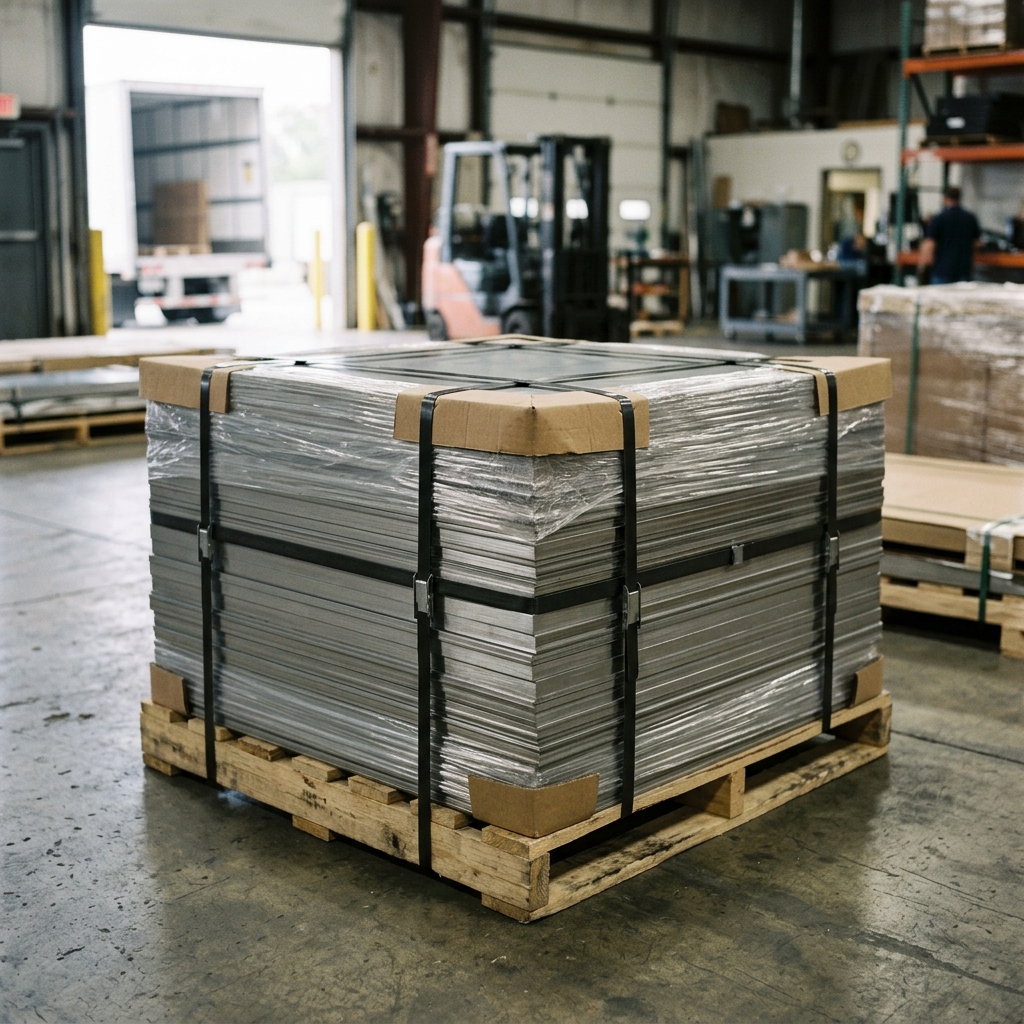
Palletized Stainless Steel Plates
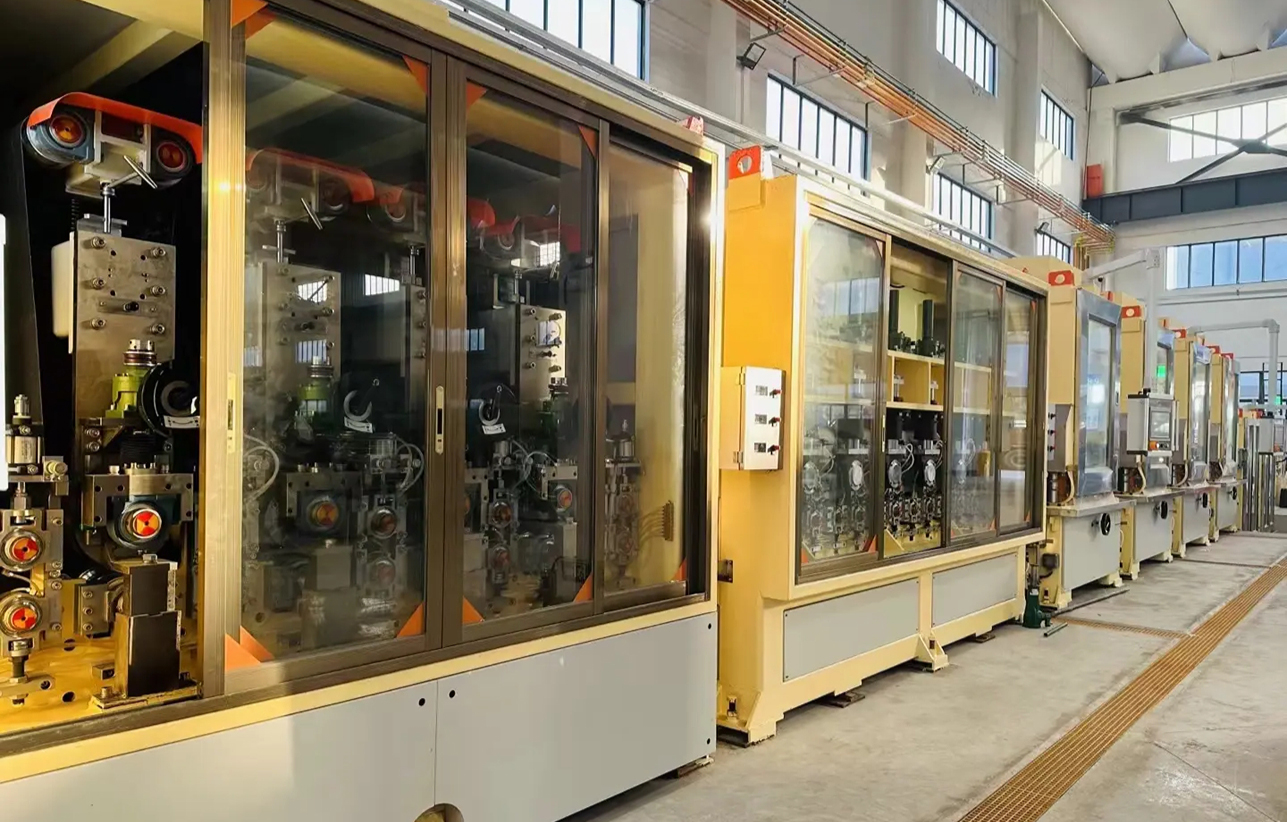
Stainless Steel Plate Rolling Line
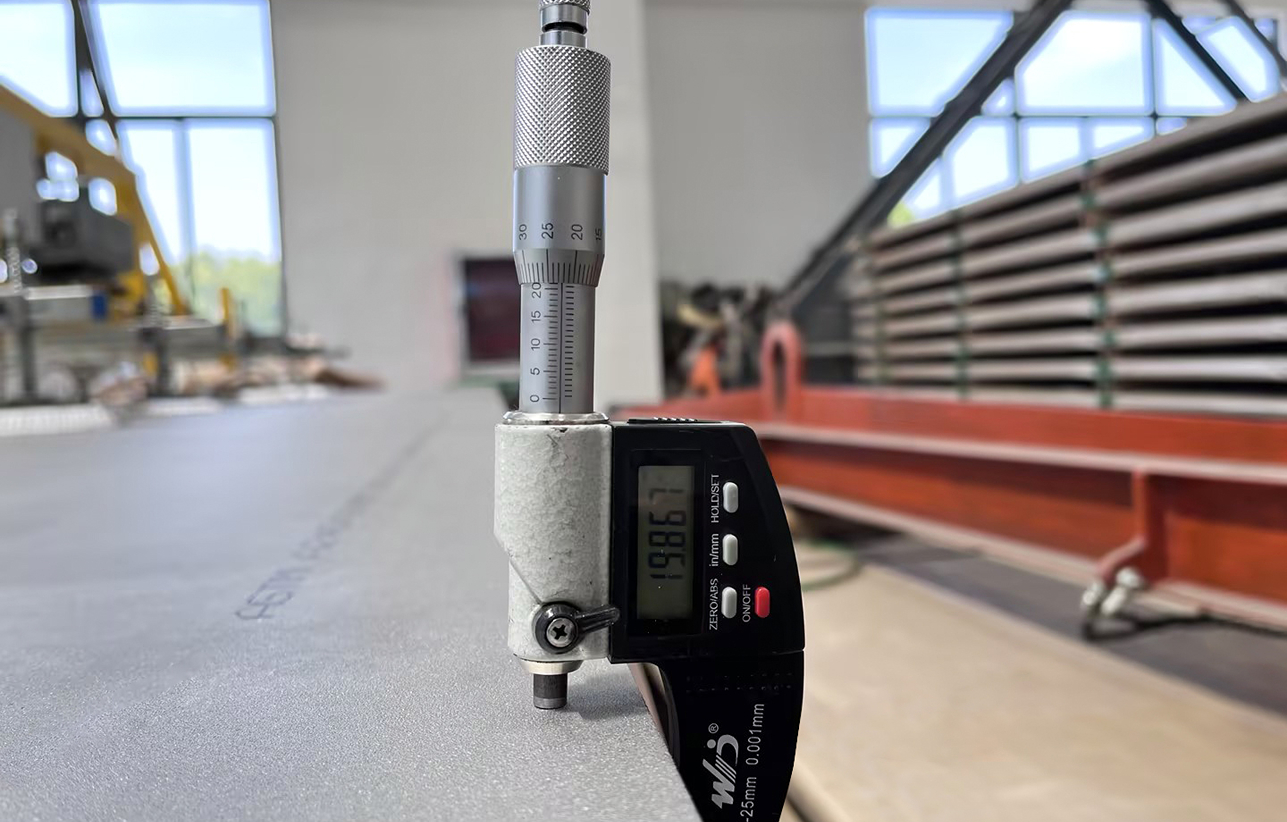
Precision Thickness Inspection of Stainless Steel Plate

Forklift Loading Stainless Steel Plates for Shipment
Colored stainless steel sheets are ordinary stainless sheet whose surface has been given a controlled colour, either by depositing a very thin ceramic film in a vacuum chamber, known as PVD, or by growing a coloured oxide layer chemically. No paint or pigment is involved in either process, which is why the metallic depth of the base finish still reads through the colour and why the result behaves like metal rather than like a painted surface. Walmay supplies colored sheet in 304 and 316L, from 0.5 mm to 1.5 mm thick, over mirror, brushed, hairline and embossed bases, in gold, rose gold, bronze, champagne, black, blue and green.
This is the single most important technical point about coloured stainless, and it is routinely missed. A PVD layer is between 0.1 and 0.3 micrometres thick, thinner than a fingerprint, and it is not a corrosion barrier. The material's resistance to pitting and staining is entirely the resistance of the grade underneath.
| Environment | Correct substrate | What happens with the wrong choice |
|---|---|---|
| Dry interior | 201 or 304 | 201 stains where condensation forms |
| General interior, lifts, retail | 304 | Adequate |
| Coastal or de-iced exterior | 316L | 304 pits and tea stains, and the staining is far more visible against gold or black |
| Pool halls and spas | 316L minimum | 304 pits within a season in chloride-laden air |
| Food service, non-contact | 304 or 316L | Coloured surfaces are not used for product contact |
Choose the grade for the environment first, then choose the colour. A gold facade in 304 within a kilometre of the sea will fail cosmetically for reasons that have nothing to do with the coating.
PVD ceramic is harder than the stainless beneath it, typically above 2,000 HV, so it resists scuffing well and does not fade under UV. Its limitations are specific:
Handled correctly, an interior PVD installation holds its colour for decades. Exterior installations depend on the substrate grade and on rainwater rinsing.
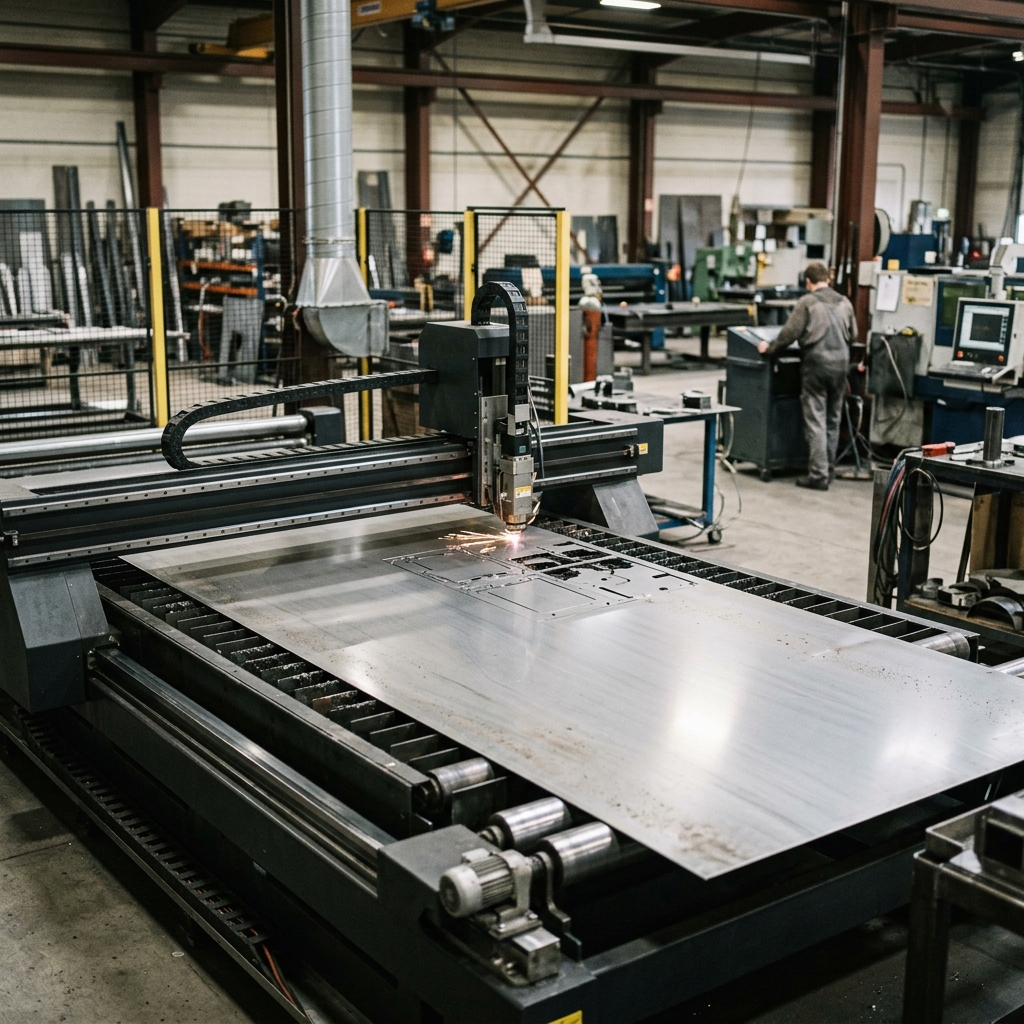
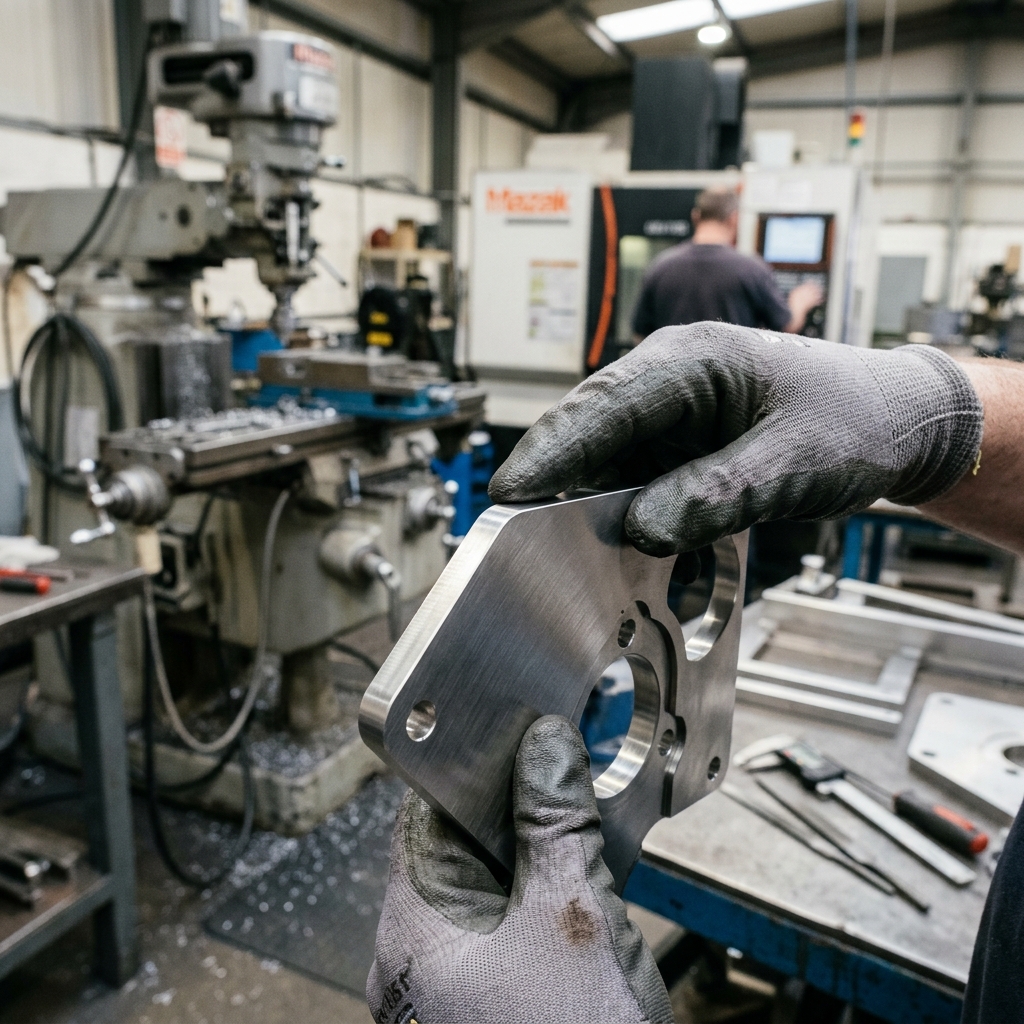
Cut, punch and bend with the film in place, and remove it after installation. Bending a coated panel is fine at normal radii, since the coating is thin enough to follow the metal, but a very tight radius on a dark colour can show micro-crazing at the outer face, so keep inside radii at or above the material thickness. Mark base-finish grain direction on the cut list exactly as for brushed sheet, because grain shows through the colour.
We handle cutting, bending, edge finishing and packaging with film retained, and panels are labelled by elevation and batch.
The architectural decoration category shows the project types where these panels are used.

Walmay will help match the right stainless product form and specification for your application, confirm quantities and packing needs, and provide requested documents based on order requirements.
Loading form…