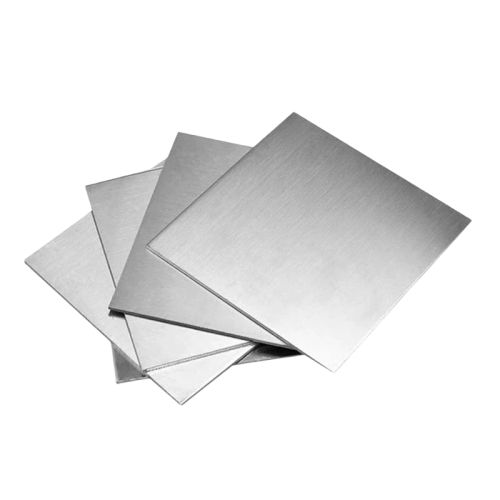
Decorative stainless steel sheet covers the finishes applied to flat product for appearance rather than for corrosion performance: embossed and rigidized patterns rolled into the surface, linen and leather textures, etched designs, and PVD colour coatings over mirror or brushed bases. Walmay supplies the range in 304 and 316L, and in 201 for dry interior work, from 0.5 mm to 1.5 mm thick and up to 1,500 mm wide. All of it is the same alloy underneath the pattern, so the corrosion performance is set by the grade you choose, not by the finish.


| Type | How it is produced | Effect | Typical thickness |
|---|---|---|---|
| Embossed, one side | Rolled between a patterned and a flat roll | Pattern raised on the face, flat reverse | 0.5-1.2 mm |
| Embossed, two sides | Rolled between two patterned rolls | Pattern on both faces, stiffer | 0.5-1.5 mm |
| Rigidized, diamond or stucco | Deep roll forming | Substantial stiffness gain, very high scratch tolerance | 0.6-1.5 mm |
| Linen, leather, cross hatch | Fine rolled texture | Subtle matte texture, hides marks | 0.5-1.2 mm |
| Etched | Masked and chemically etched over mirror or brushed | Two-tone pattern, flat surface | 0.6-1.5 mm |
| PVD colour coated | Vacuum-deposited titanium nitride and similar over mirror, brushed or embossed | Gold, rose gold, bronze, black, blue | 0.5-1.5 mm |
| Bead blasted | Abrasive blasting | Uniform matte, non-directional | 0.8-2.0 mm |
| Anti-fingerprint coated | Clear organic coating over any of the above | Reduces marking on dark PVD colours | Any |
| Item | Detail |
|---|---|
| Grades | 304, 304L, 316L, 201 for dry interiors |
| Standards | ASTM A240 / A480 for the base material, patterns to mill or agreed samples |
| Thickness | 0.5-1.5 mm before embossing |
| Width | 1,000, 1,219, 1,500 mm |
| Length | 2,000, 2,438, 3,000 mm, or cut to size |
| Base finish | 2B, BA, No.4 or mirror before patterning |
| Protection | PVC film on the decorative face |
| Certification | EN 10204 3.1 on the base material, plus a pattern sample |
Embossing changes the finished thickness and the flatness of the sheet, so tolerances are agreed against a sample rather than taken from the flat-product standard. Always approve a physical sample before a large order: pattern depth, gloss and colour vary between mills and between production runs, and a photograph will not resolve it.
Weight is set by the base gauge before patterning, since embossing redistributes material rather than removing it. Rigidizing does stretch the sheet slightly, typically adding 1 to 3 percent to the area for the same weight, which is why patterned sheet is quoted per square metre as often as per tonne.
| Base thickness | Weight per m2 | 1,219x2,438 mm sheet | 1,219x3,048 mm | 1,500x3,000 mm |
|---|---|---|---|---|
| 0.5 mm | 4.0 kg | 11.9 kg | 14.9 kg | 18.0 kg |
| 0.6 mm | 4.8 kg | 14.3 kg | 17.8 kg | 21.6 kg |
| 0.7 mm | 5.6 kg | 16.6 kg | 20.8 kg | 25.2 kg |
| 0.8 mm | 6.4 kg | 19.0 kg | 23.8 kg | 28.8 kg |
| 1.0 mm | 8.0 kg | 23.8 kg | 29.7 kg | 36.0 kg |
| 1.2 mm | 9.6 kg | 28.5 kg | 35.6 kg | 43.2 kg |
| 1.5 mm | 12.0 kg | 35.7 kg | 44.6 kg | 54.0 kg |
Gauge selection on decorative panels is a flatness decision more than a strength one. A flat 0.7 mm panel over a metre square will show oil canning, the shallow waviness that raking light exaggerates, and a mirror or PVD surface makes it obvious. A rigidized pattern in the same 0.7 mm gauge reads flat because the texture breaks up the reflection and the forming raises panel stiffness, which is the reason patterned sheet dominates lift interiors and wall protection where a flat panel would need 1.5 mm and a backing.
| Surface | Routine cleaning | Avoid | Notes |
|---|---|---|---|
| Embossed and rigidized | Warm water, mild detergent, soft brush into the texture | Abrasive pads, wire wool | Texture holds soil, so cleaning needs a brush rather than a wipe |
| Linen and fine texture | Soft cloth, mild detergent | Scouring cream | Marks rarely show, so intervals can be long |
| Etched | Soft cloth, follow the pattern | Anything abrasive on the polished areas | The polished zones scratch, the etched ones do not |
| PVD coloured | Soft cloth, mild detergent, dry off | Abrasives, solvents, bleach | A deep scratch reaches bare metal and cannot be touched in |
| Black PVD | Microfibre cloth, proprietary stainless cleaner | Any abrasive | Specify an anti-fingerprint coating in high-touch positions |
| All finishes | Rinse and dry after cleaning | Chloride-based and bleach cleaners | Chloride cleaners pit stainless regardless of finish |
Two rules protect a decorative installation more than any specification detail. Never let a chloride-bearing cleaner into the maintenance regime, because bleach and hydrochloric-acid based products pit stainless steel and the damage is permanent. And never allow carbon steel tooling, abrasives or fixings near the panels during fitting out, since free iron transferred onto the surface rusts within days and reads as a defect in the stainless itself.
| Environment | Recommended grade | Note |
|---|---|---|
| Dry interior, cost driven | 201 | Stains where condensation occurs |
| General interior | 304 | The default for lift interiors and cladding |
| Kitchens and washdown areas | 304, 316L with chloride cleaning | Smooth finishes preferred for hygiene |
| Coastal or de-iced exterior | 316L | 304 tea stains, and stains are more visible on PVD colours |
| Pool halls | 316L minimum | Chloride atmosphere attacks 304 |
| PVD coloured exteriors | 316L | The coating is thin, so the substrate does the corrosion work |
The point that catches specifiers out on PVD work: the coating is a few tenths of a micrometre thick and is not a corrosion barrier. A gold PVD panel in 304 on a coastal facade will pit exactly as bare 304 would, and the discolouration is more conspicuous against the colour. Choose the substrate for the environment first, then the colour.
| Item | Detail |
|---|---|
| Minimum order | 1 tonne, or 2 tonnes for a mill pattern run |
| Lead time from stock | 10-15 days for common patterns |
| Lead time to order | 25-40 days, including sample approval |
| Sampling | Physical sample approved before production on every new pattern or colour |
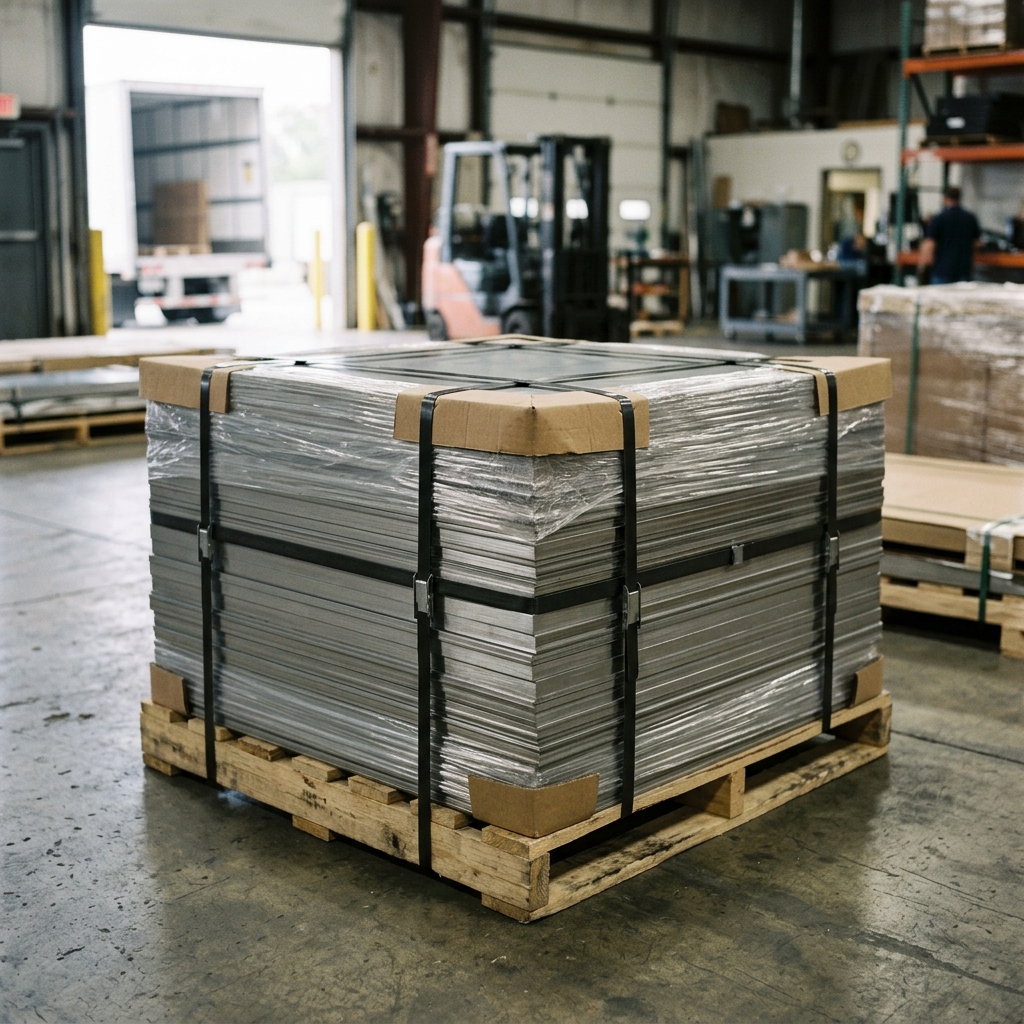
| Packing | PVC film, interleaved paper, crate, panels labelled by pattern direction |
| Incoterms | FOB, CIF, DAP |
Send the grade, base thickness, pattern reference or sample, base finish, any PVD colour, sheet size or cut list, and the pattern direction. Related products: mirror and polished sheet, brushed sheet, colour coated sheet, 304 sheet, and the full sheet and plate range.
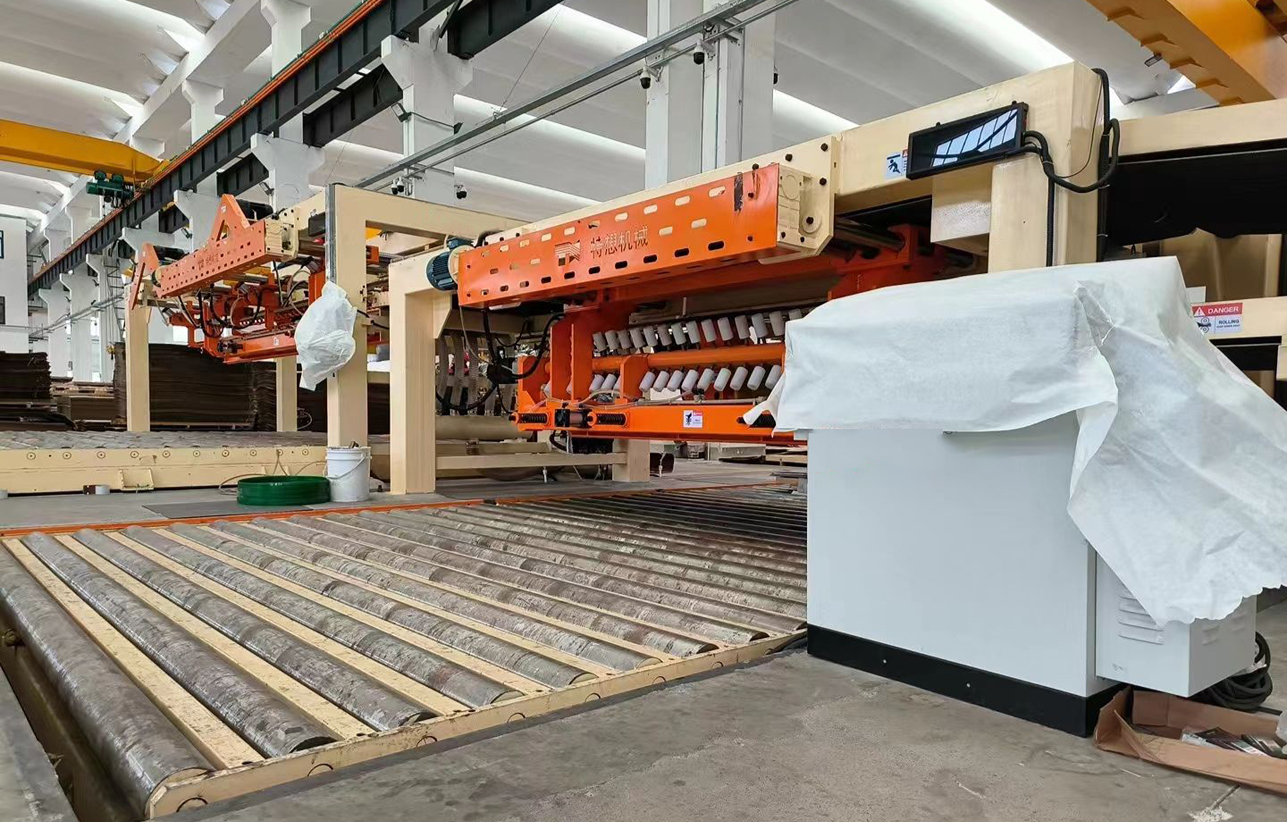
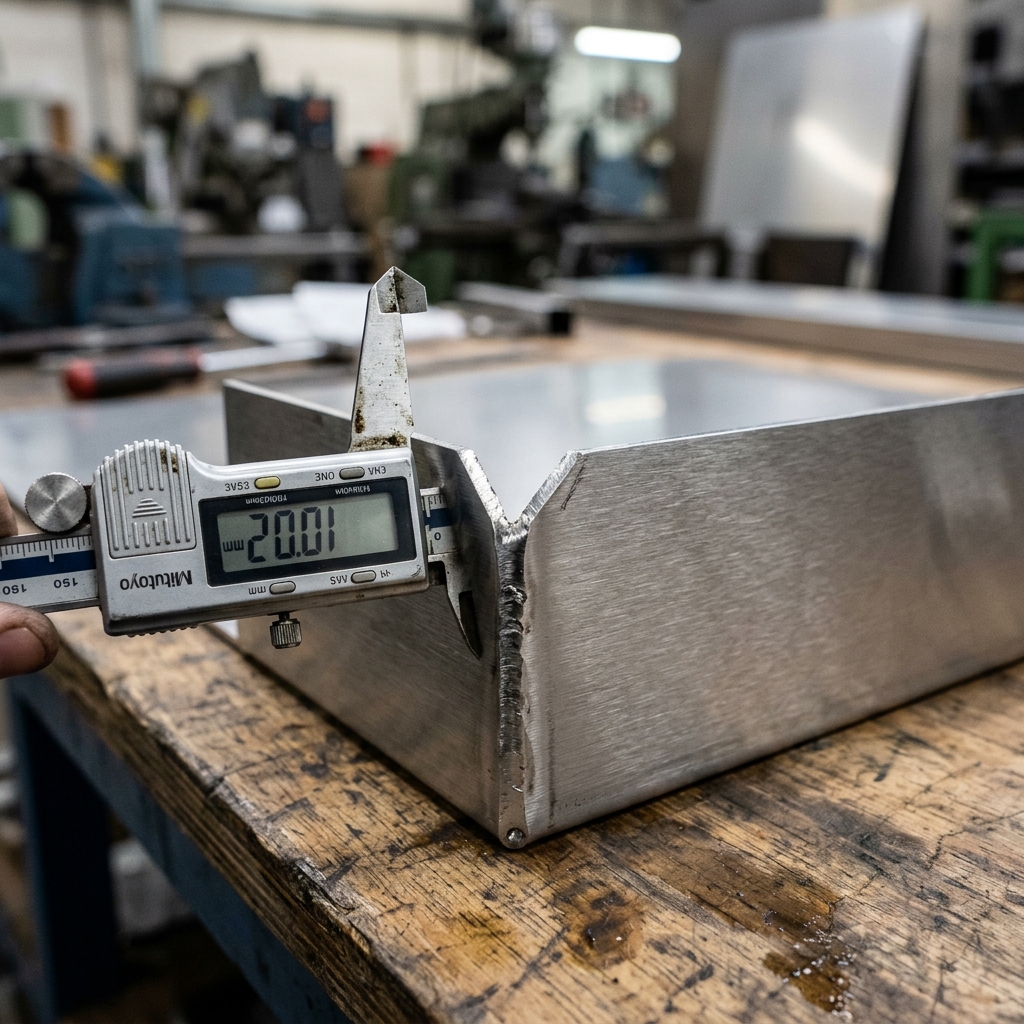
Stainless Steel Plate Bending/Stamping Process
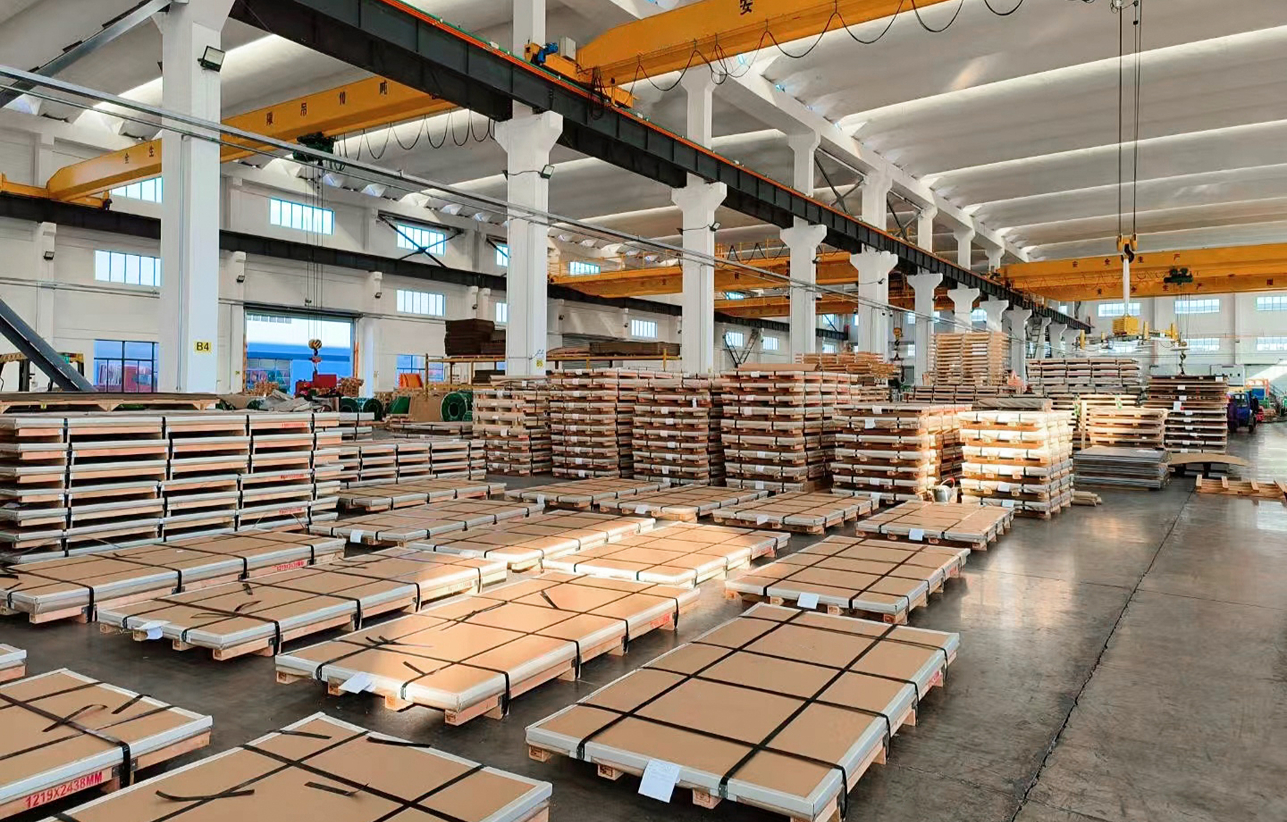
Stainless Steel Plates on Storage Rack
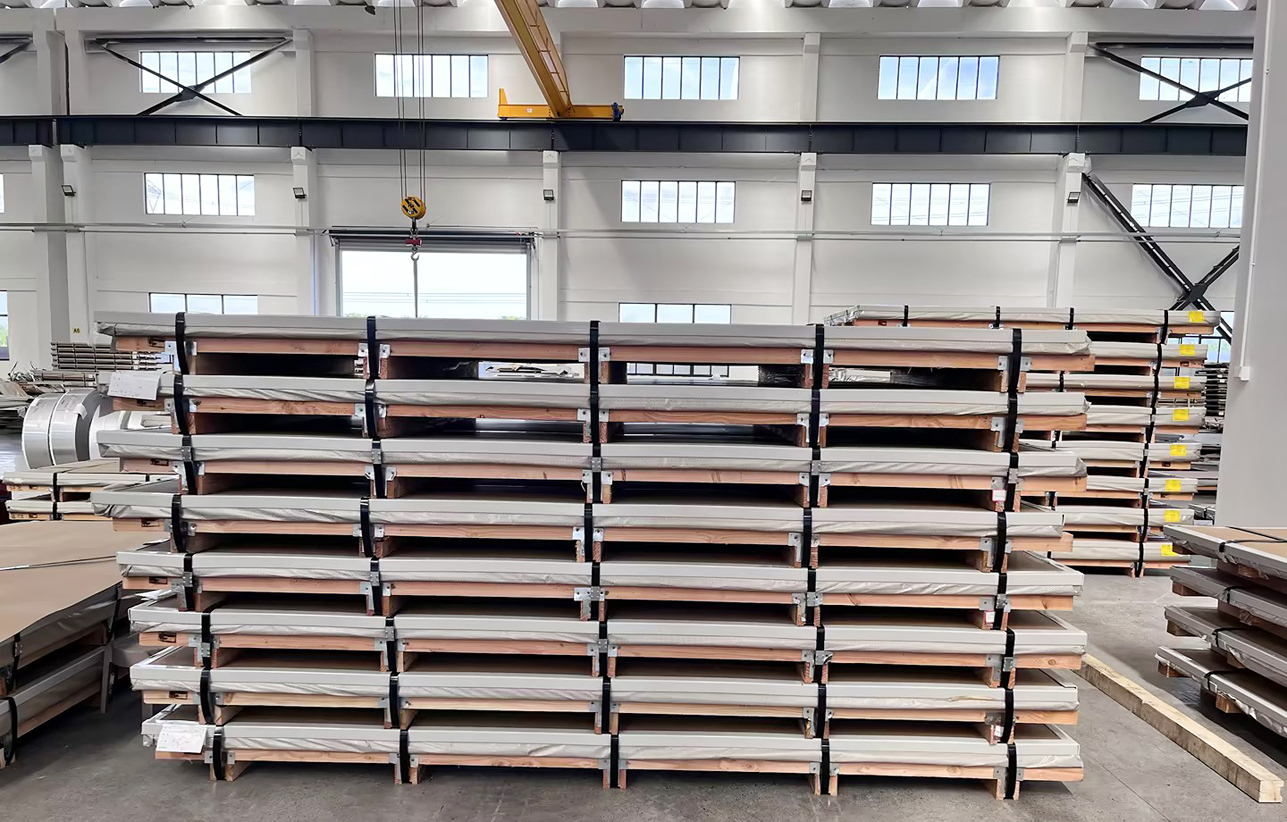
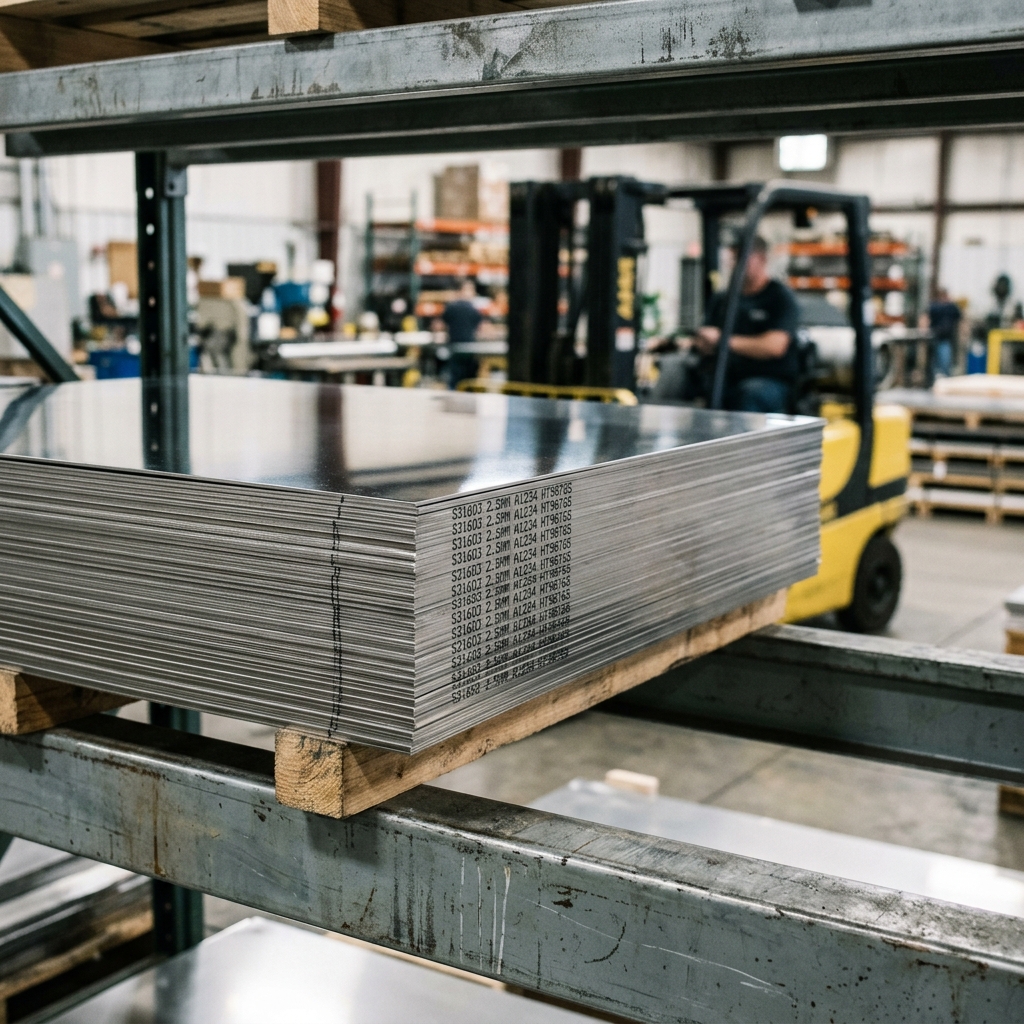
Palletized Stainless Steel Plates
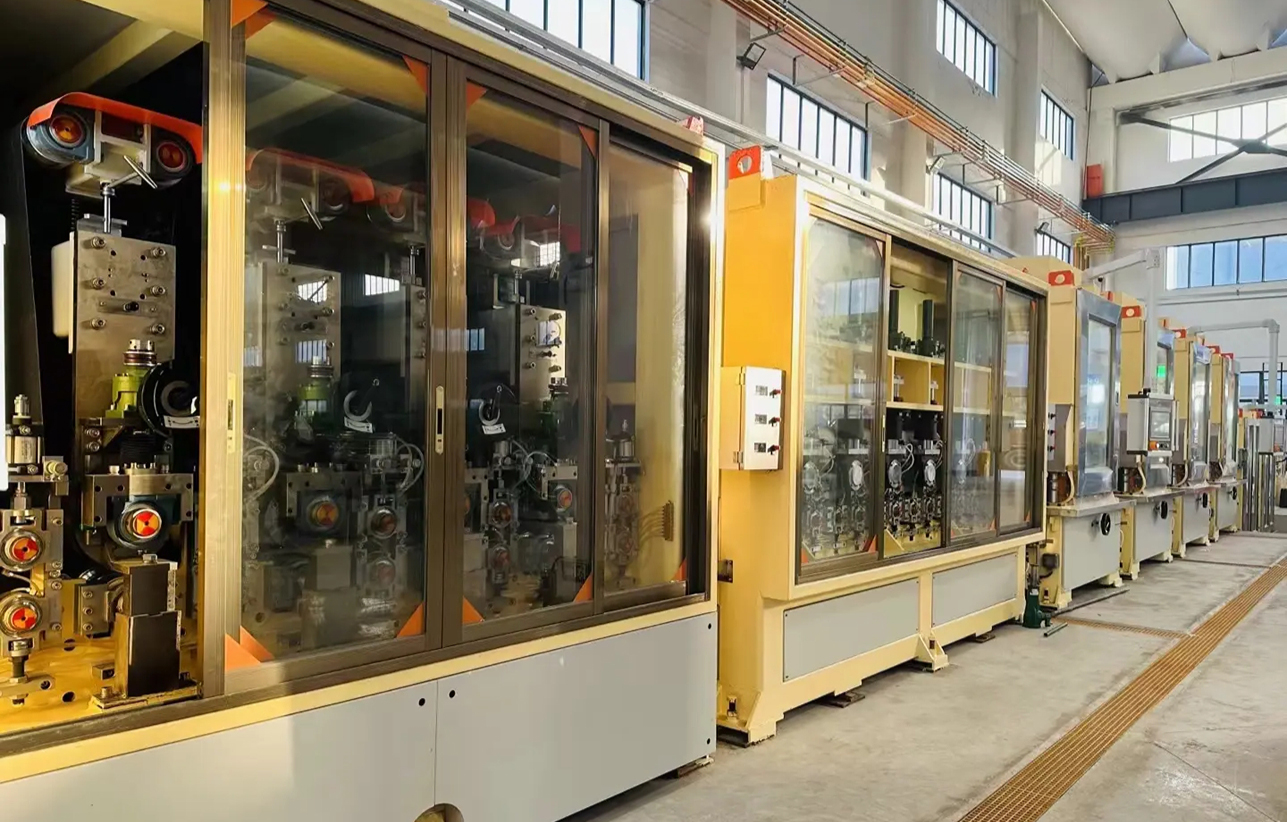
Stainless Steel Plate Rolling Line
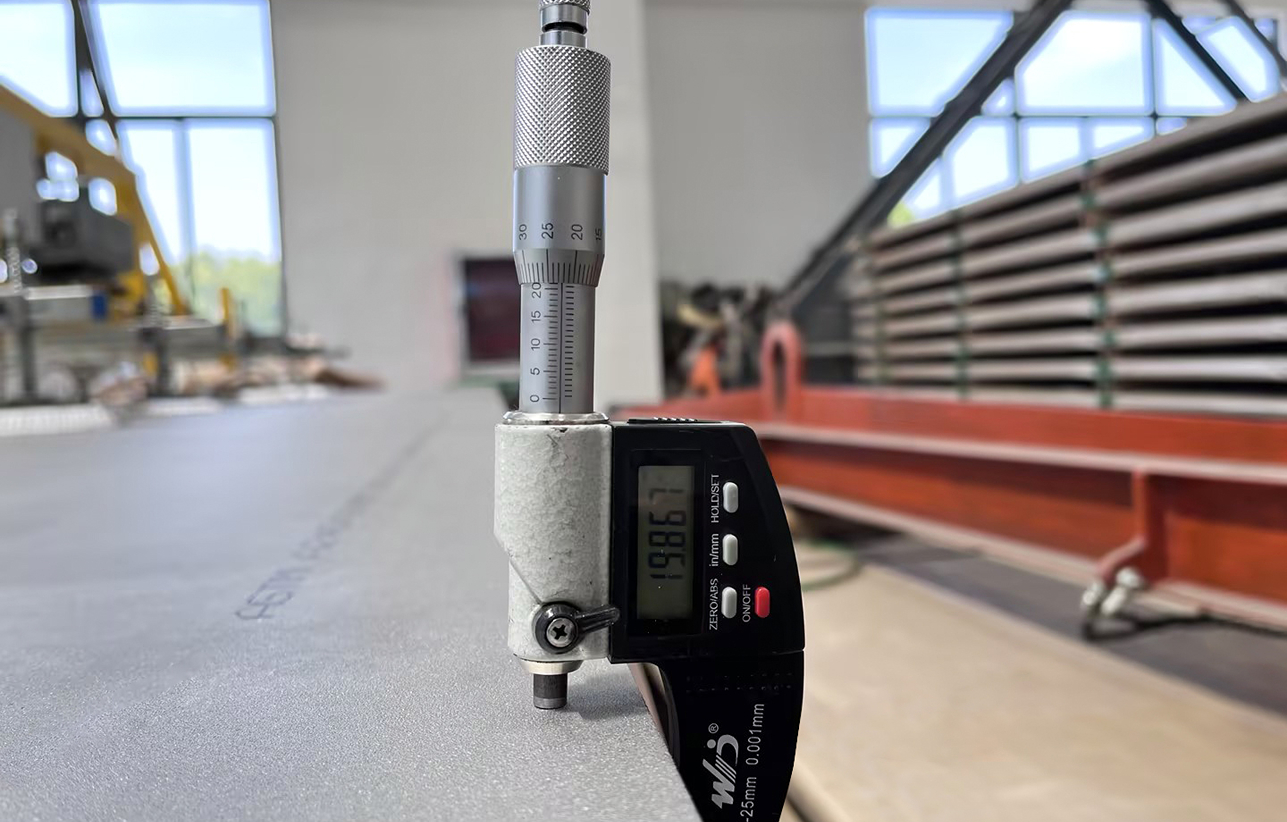
Precision Thickness Inspection of Stainless Steel Plate

Forklift Loading Stainless Steel Plates for Shipment
Decorative stainless steel sheet covers the finishes applied to flat product for appearance rather than for corrosion performance: embossed and rigidized patterns rolled into the surface, linen and leather textures, etched designs, and PVD colour coatings over mirror or brushed bases. Walmay supplies the range in 304 and 316L, and in 201 for dry interior work, from 0.5 mm to 1.5 mm thick and up to 1,500 mm wide. All of it is the same alloy underneath the pattern, so the corrosion performance is set by the grade you choose, not by the finish.
Rolling a pattern into a sheet does two measurable things beyond appearance.
It stiffens the panel. Bending stiffness rises with the cube of effective depth, so a pattern that spreads material away from the neutral axis lets a 0.7 mm embossed sheet behave like a noticeably heavier flat one. In practice that means panel spans can be increased or gauge reduced, which is why rigidized sheet is standard for lift interiors, wall protection and transport panelling.
It hides damage. A flat mirror shows every scratch and dent under raking light. A patterned surface breaks up reflection so that marks disappear into the texture, which is why embossed and rigidized panels are specified for lift cars, escalator skirts, kick plates and public-area cladding where flat panels would look damaged within months.
The trade-off is that patterned sheet cannot be polished or repaired, it costs more per square metre than flat sheet, and it is harder to clean thoroughly because the texture holds soil. That last point rules it out of product-contact surfaces in food and pharmaceutical work, where a smooth No.4 or BA finish is required instead.
Decorative sheet often arrives on site with no stencil left after cutting, and a magnet does not help since both grades are essentially non-magnetic when annealed. Reliable methods:
| Method | Reliability | Notes |
|---|---|---|
| XRF handheld analyser | Definitive | Reads molybdenum, which must be 2 percent or more for 316 |
| Molybdenum spot test | Good | Chemical reagent kit, colour change indicates molybdenum |
| Mill certificate traced to heat number | Definitive | Only works if traceability was maintained through fabrication |
| Magnet | Useless for this pair | Both are non-magnetic annealed; only separates ferritic grades |
| Appearance | Useless | Identical |
The practical answer is to keep the heat number with the material through the shop, and to specify PMI on delivery where the distinction is critical.
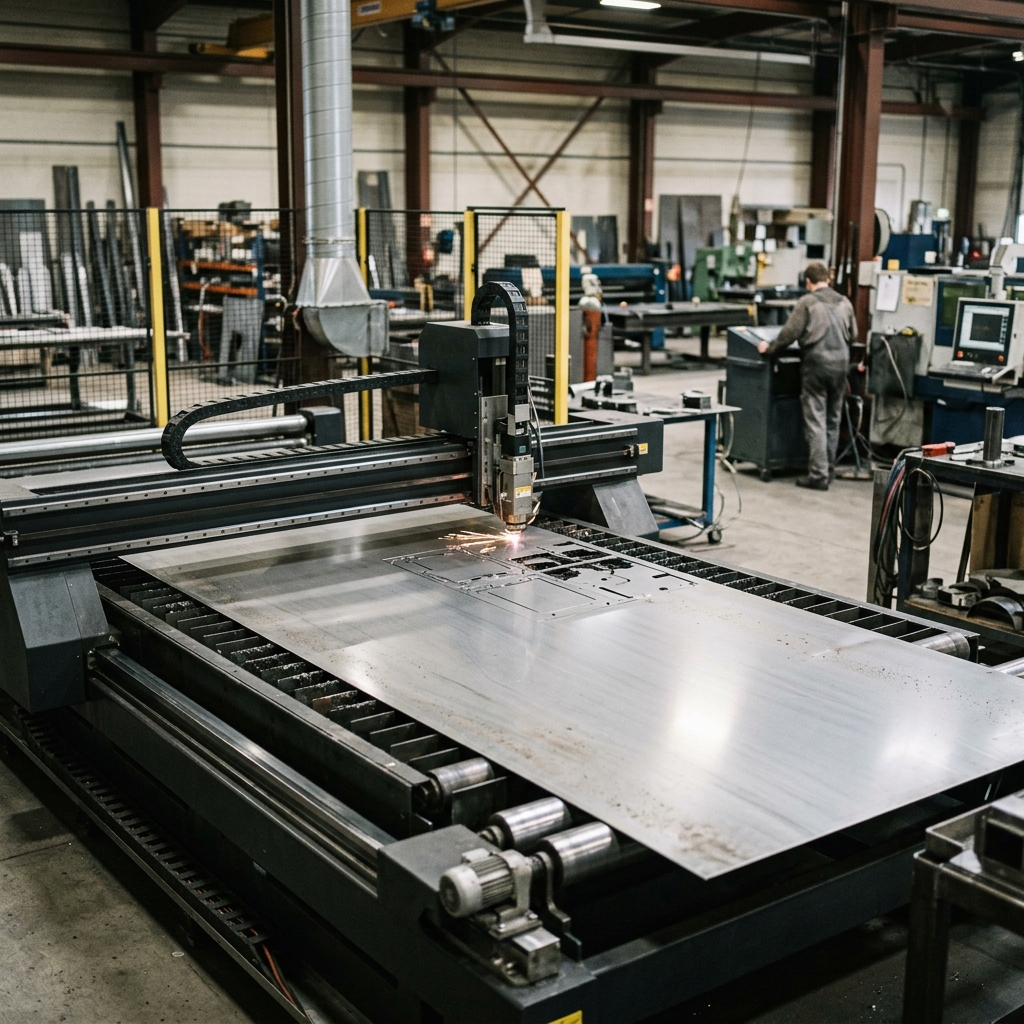
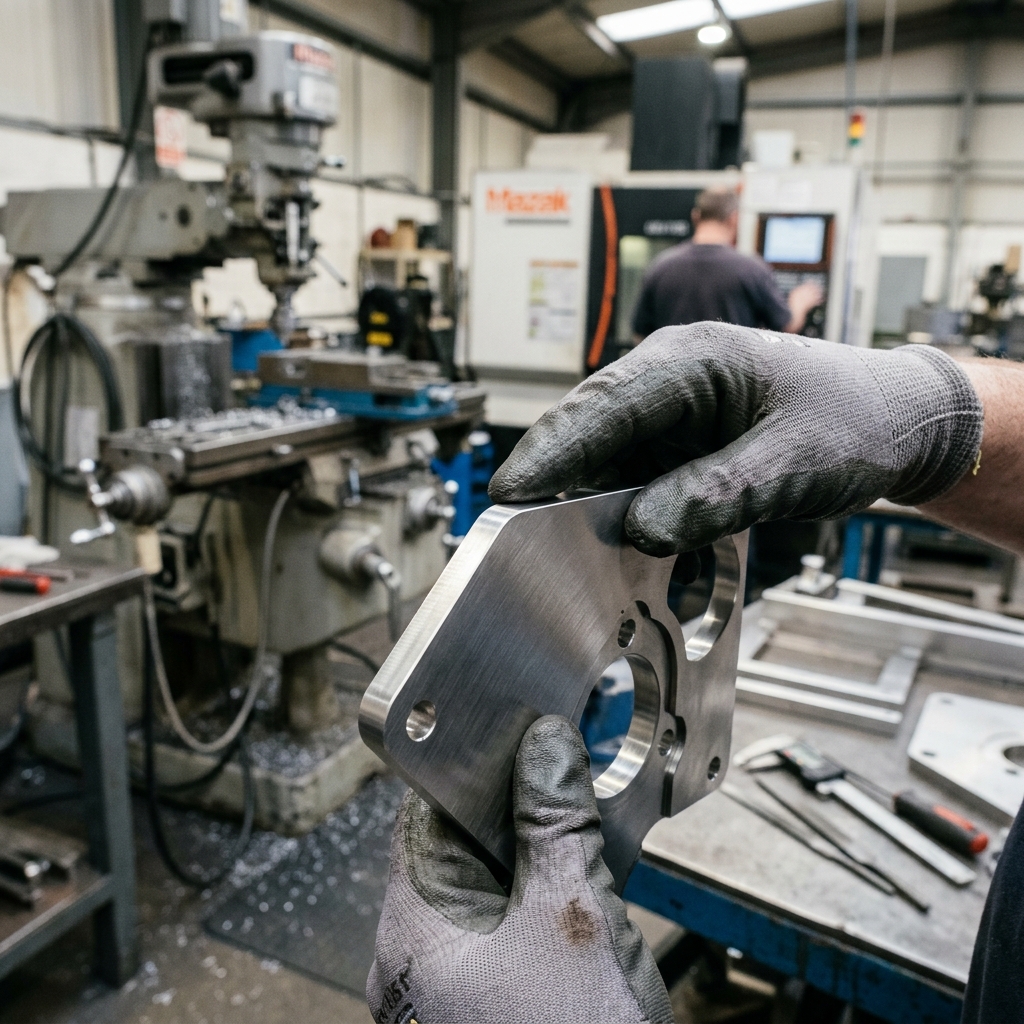
Patterned sheet cuts, bends and punches like flat sheet of the same nominal gauge, with three qualifications. Pattern direction must be controlled and marked on the cut list, since a rotated panel reads differently under light. Bending across a deep pattern flattens it locally at the radius, which is visible, so bend lines should follow the pattern where the design allows. And welding a decorative face cannot be dressed back invisibly, so assemblies are designed with concealed fixings, back-welded studs, or mechanical joints.
We handle cutting, bending, stamping, edge finishing and packaging with the film in place, and panels are labelled by elevation so pattern direction survives to the site.
The architectural decoration category collects the project types where these products are specified.
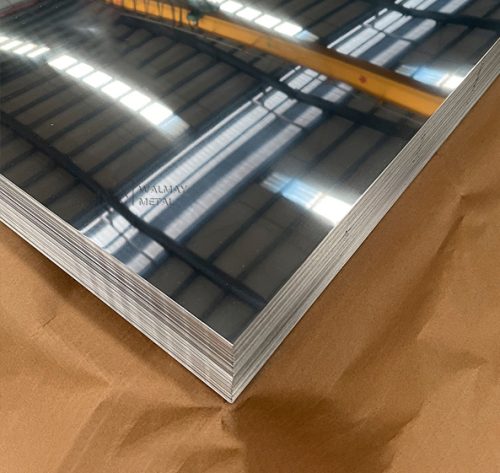
Walmay will help match the right stainless product form and specification for your application, confirm quantities and packing needs, and provide requested documents based on order requirements.
Loading form…