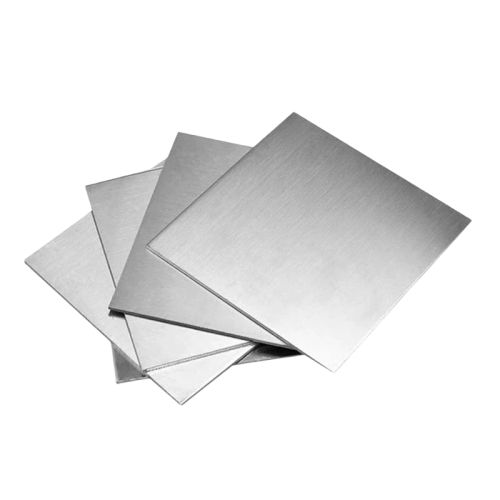
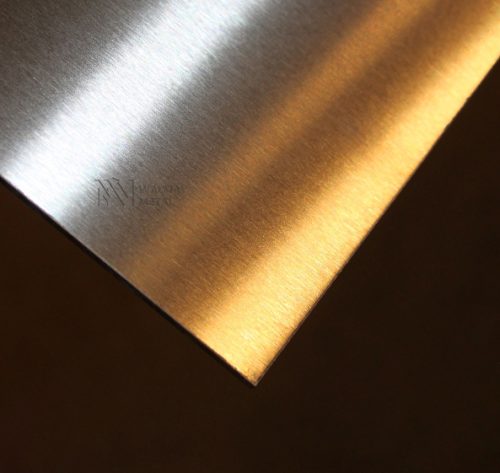
410 stainless steel sheet is the basic martensitic grade: 11.5 to 13.5 percent chromium with enough carbon, up to 0.15 percent, to harden by quenching. That single property sets it apart from every austenitic grade. Where 304 and 316 can only be strengthened by cold work, 410 can be hardened and tempered to around 45 HRC while remaining a stainless steel. Walmay supplies it to ASTM A240 from 0.5 mm to 30 mm thick, in the annealed condition for forming and machining or hardened and tempered to your specification.
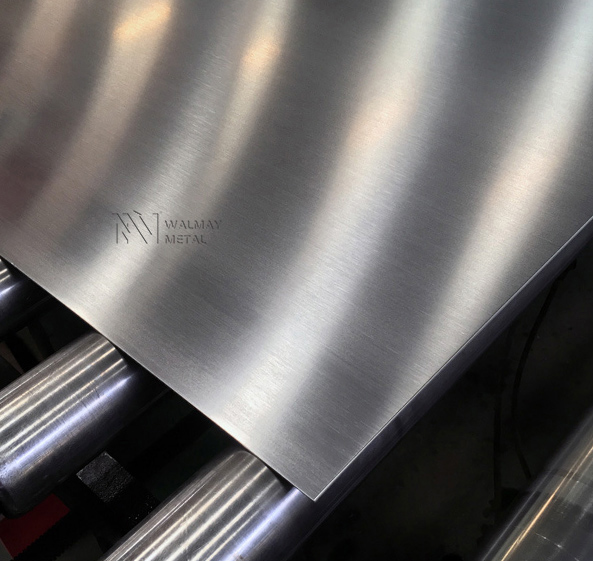
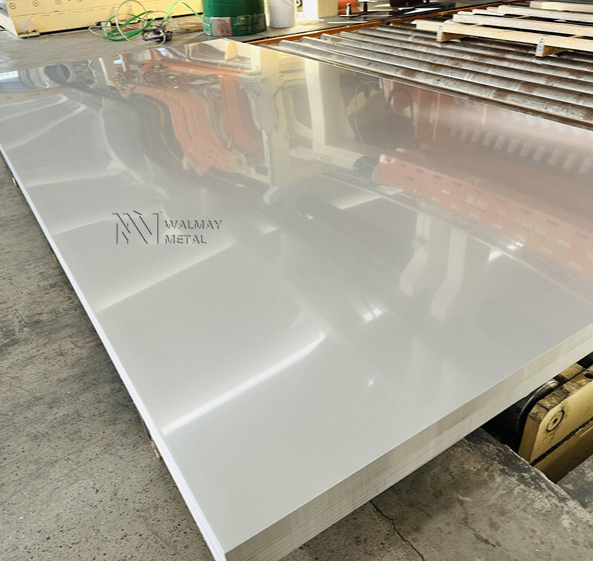
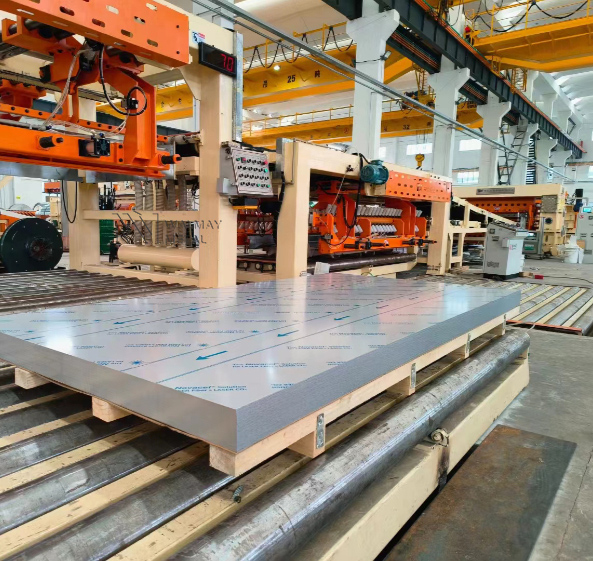
| Item | Detail |
|---|---|
| Grade | 410, UNS S41000, EN 1.4006, JIS SUS 410 |
| Standards | ASTM A240 / A480, ASTM A176 for strip, EN 10088-2 |
| Thickness | 0.5-30 mm |
| Width | 1,000, 1,219, 1,500, 2,000 mm |
| Length | 2,000, 2,438, 3,000, 6,000 mm, or cut to size |
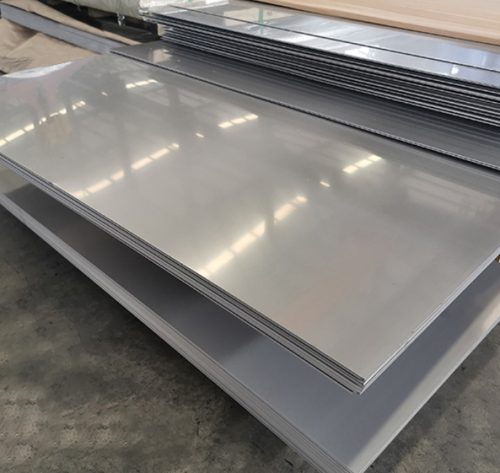
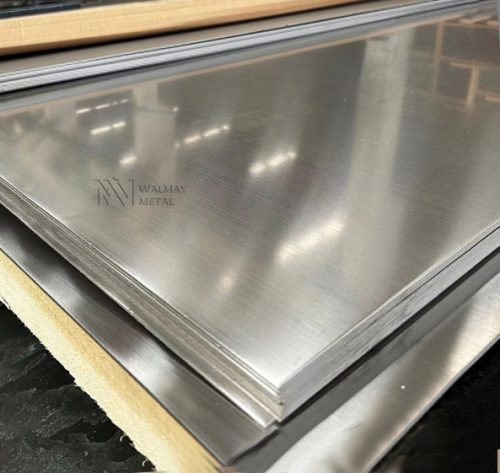
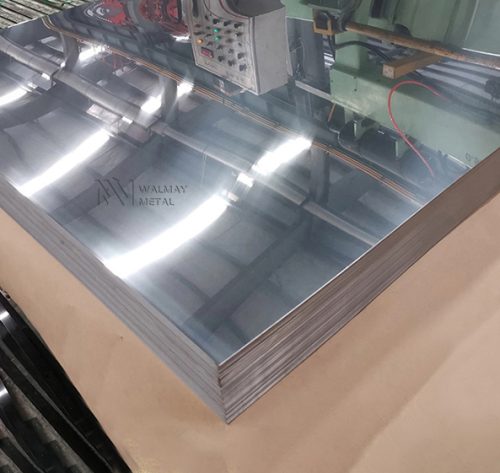
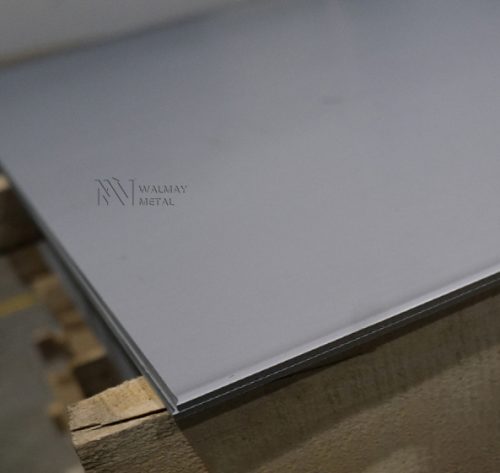
| Surface | 2B and No.4 for sheet, No.1 pickled for plate |
| Condition | Annealed, or hardened and tempered on request |
| Structure | Martensitic, magnetic in all conditions |
| Certification | EN 10204 3.1, hardness report on heat-treated material |
| Element | Limit, percent |
|---|---|
| Carbon | 0.08-0.15 |
| Chromium | 11.5-13.5 |
| Nickel | 0.75 max |
| Manganese | 1.00 max |
| Silicon | 1.00 max |
| Phosphorus | 0.040 max |
| Sulphur | 0.030 max |
Chromium at 11.5 percent is only just above the 10.5 percent threshold that makes a steel stainless, and the carbon that enables hardening also ties up chromium as carbides. Between them, that is why 410 is markedly less corrosion resistant than 304.
| Property | Annealed | Hardened and tempered |
|---|---|---|
| Yield strength | 275 MPa minimum | 700-1,100 MPa |
| Tensile strength | 480 MPa minimum | 900-1,400 MPa |
| Elongation | 20 percent minimum | 8-15 percent |
| Hardness | 96 HRB max, about 22 HRC | Up to 45 HRC |
| Density | 7.7 g/cm3 | 7.7 g/cm3 |
| Thermal expansion | 9.9 um/m/K | 9.9 um/m/K |
| Maximum continuous service | About 650 C | Limited by tempering temperature |
| Criterion | 410 martensitic | 420 martensitic | 304 austenitic | 316 austenitic |
|---|---|---|---|---|
| Carbon | 0.08-0.15 percent | 0.15 percent min, often 0.30 | 0.08 max | 0.08 max |
| Chromium | 11.5-13.5 percent | 12-14 percent | 18-20 percent | 16-18 percent |
| Molybdenum | None | None | None | 2-3 percent |
| Hardenable by heat treatment | Yes, to 45 HRC | Yes, to 55 HRC | No | No |
| Corrosion resistance | Modest, mild environments | Modest, below 410 | Good | Very good, chloride resistant |
| Toughness | Moderate | Low when hard | Excellent | Excellent |
| Weldability | Poor, needs preheat and post-weld temper | Very poor | Excellent | Excellent |
| Magnetic | Yes | Yes | No, annealed | No, annealed |
| Typical use | Wear parts, fasteners, turbine blades, valve parts | Blades, cutlery, moulds | General purpose | Chloride service |
There is no single answer to whether 410 is better than 304 or 316, because they solve different problems. 410 exists to be hard and to resist wear and erosion in mild environments. 304 and 316 exist to resist corrosion and to be welded and formed freely. If a part must be both hard and chloride resistant, the answer is usually a precipitation hardening grade such as 17-4 PH or a duplex like 2205, not 410.
| Item | Detail |
|---|---|
| Minimum order | 1 tonne, or 500 kg for stock sizes |
| Lead time from stock | 10-14 days |
| Lead time mill run | 35-50 days |
| Heat treatment | Annealed as standard, hardened and tempered to a stated hardness on request |
| Documentation | EN 10204 3.1 with analysis, plus hardness report where heat treated |
| Incoterms | FOB, CIF, DAP |
State the thickness, size, quantity, delivery condition and, if heat treated, both the target hardness and the tempering temperature. Related products: 420 sheet and plate, 430 sheet, 304 sheet, and the full sheet and plate range.
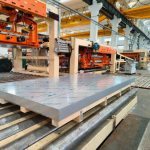
Stainless Steel Plate Bending/Stamping Process
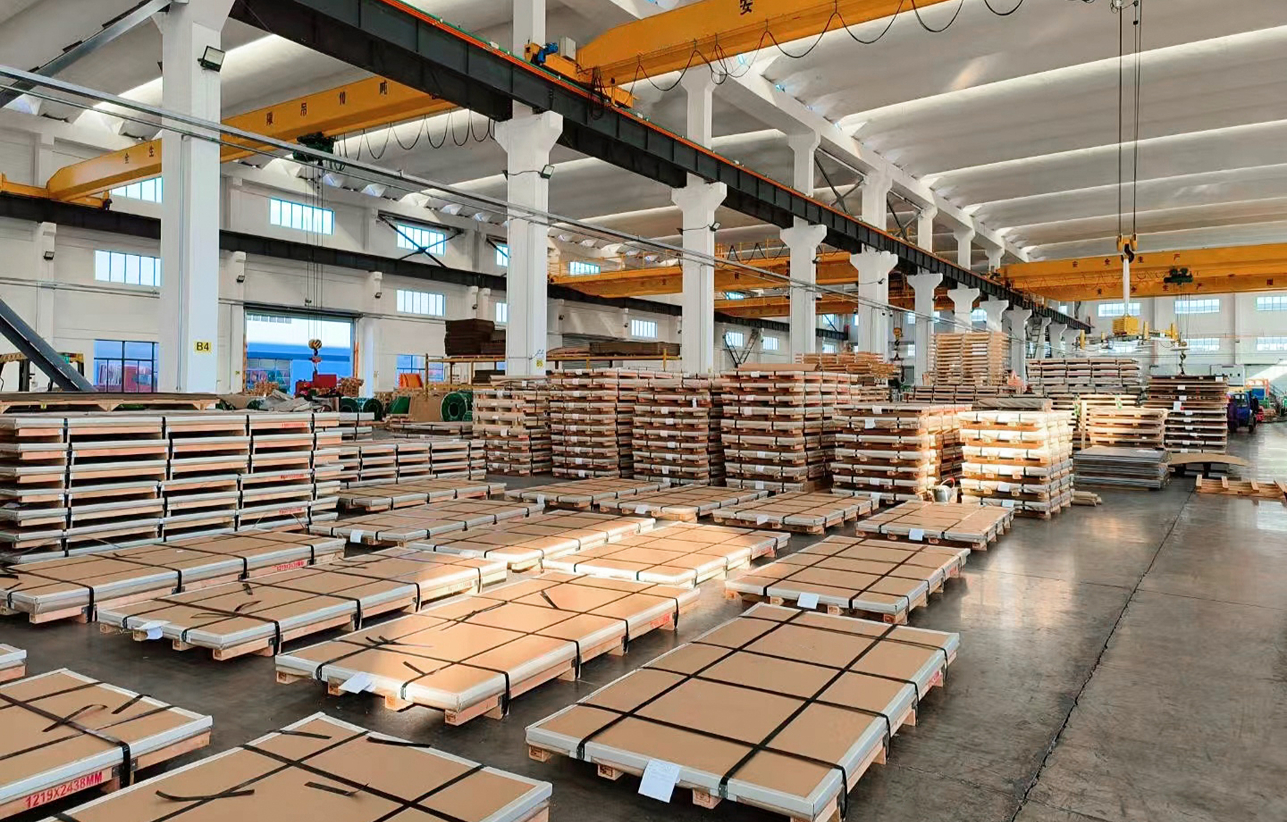
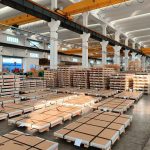
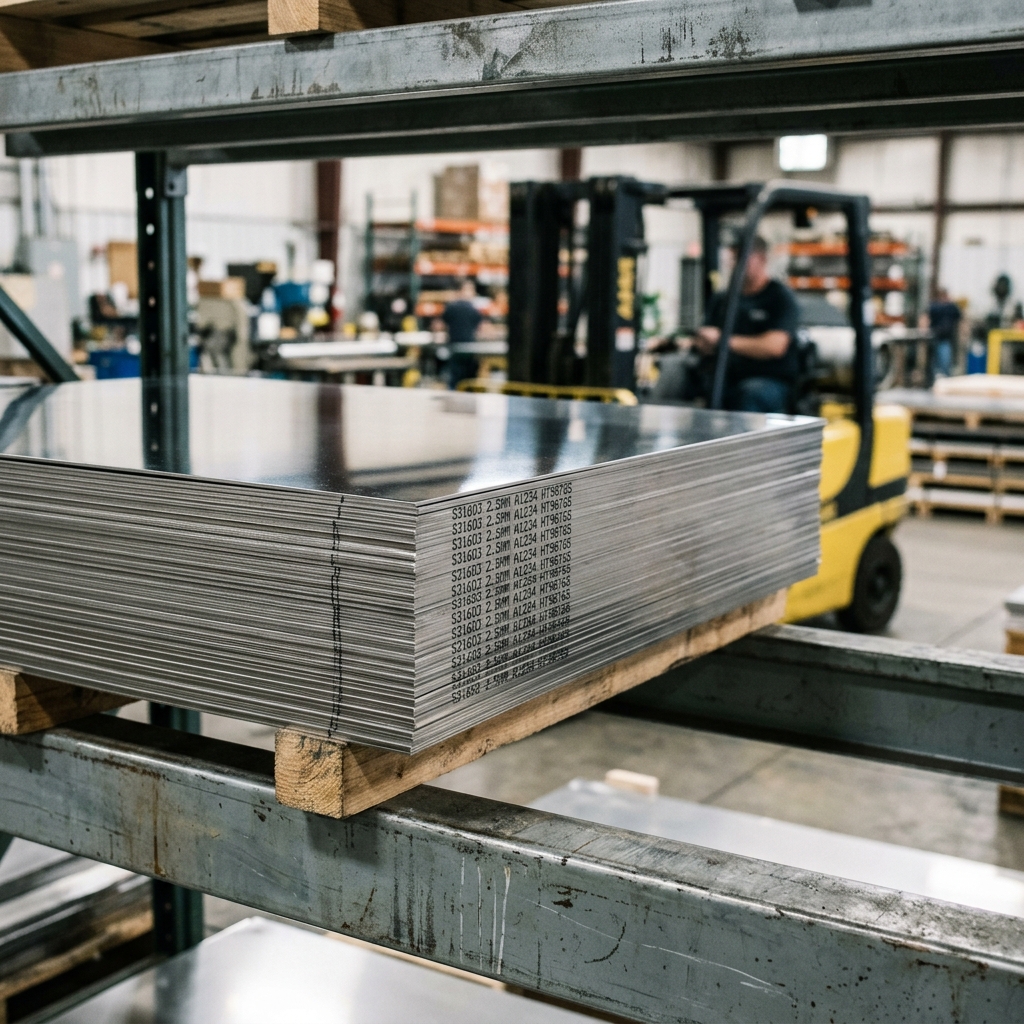
Stainless Steel Plates on Storage Rack
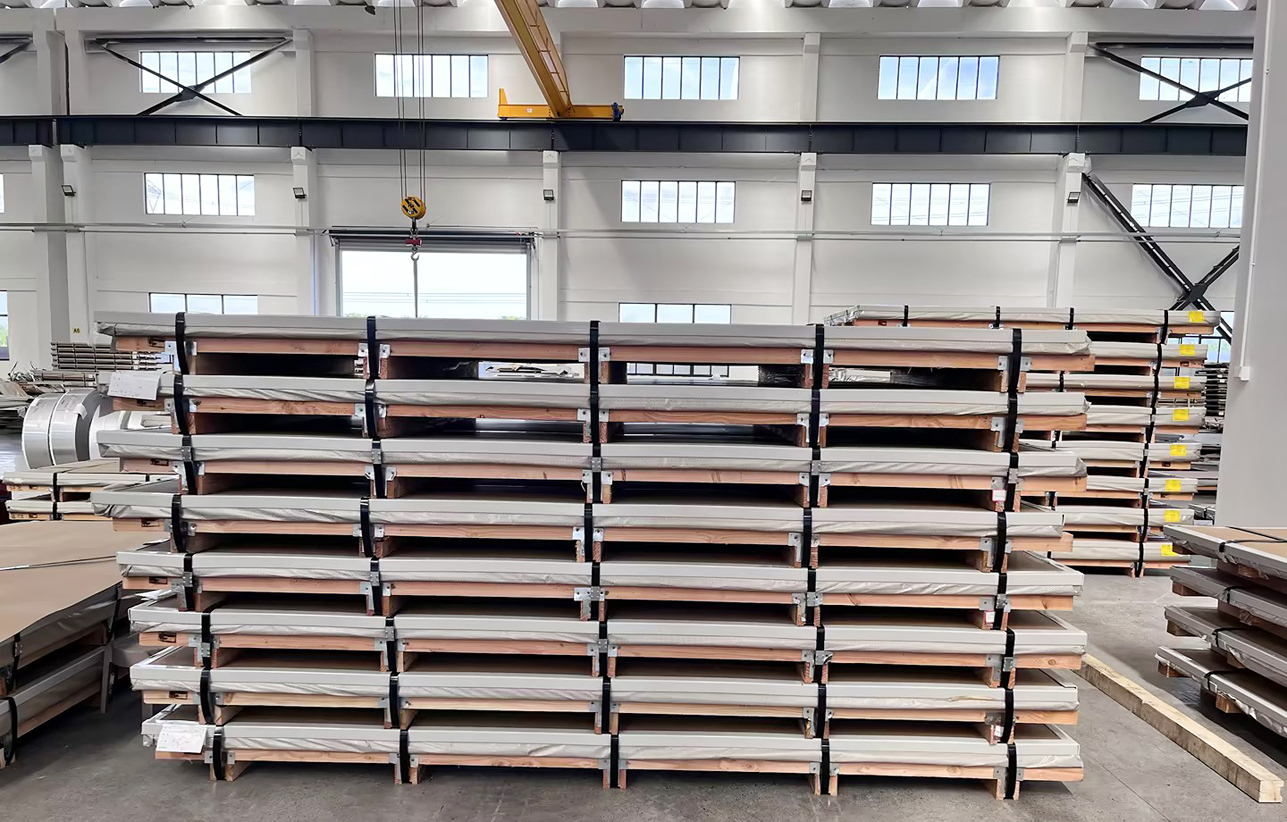
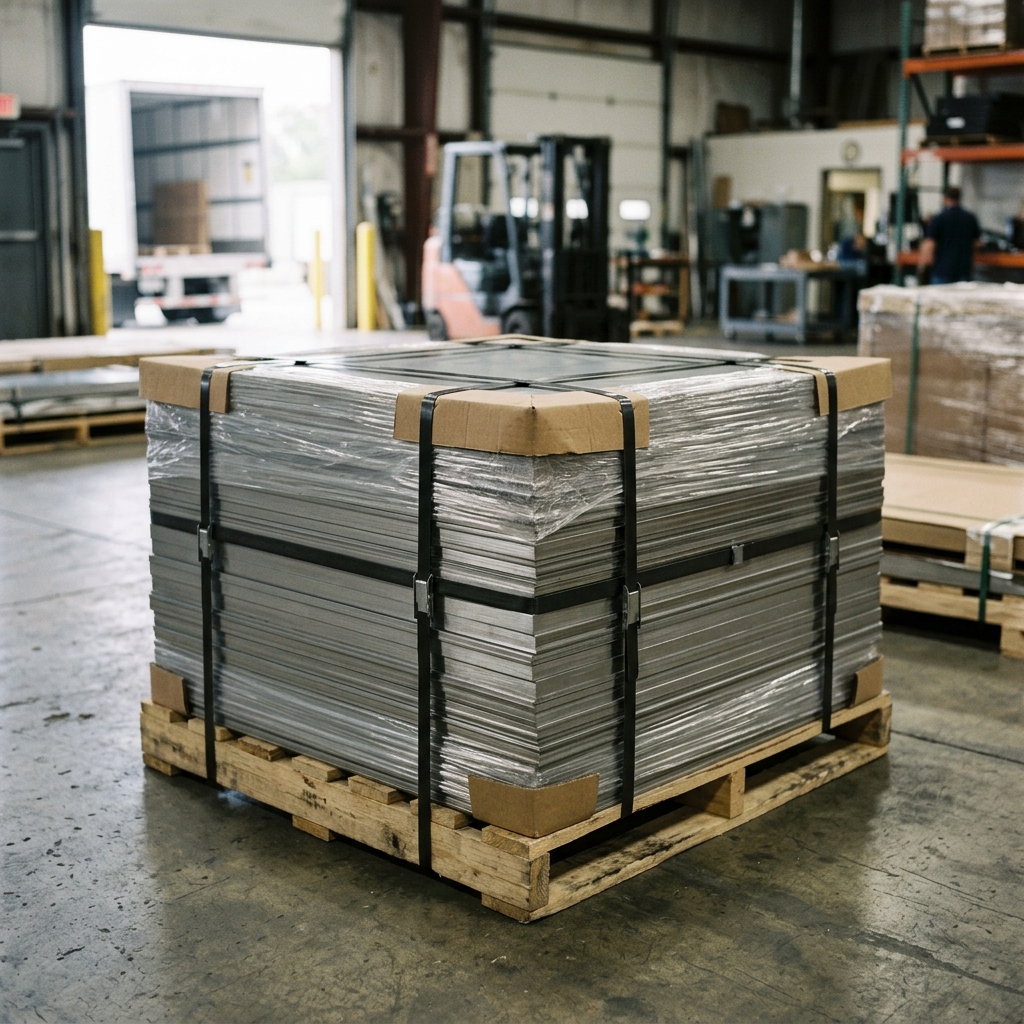
Palletized Stainless Steel Plates
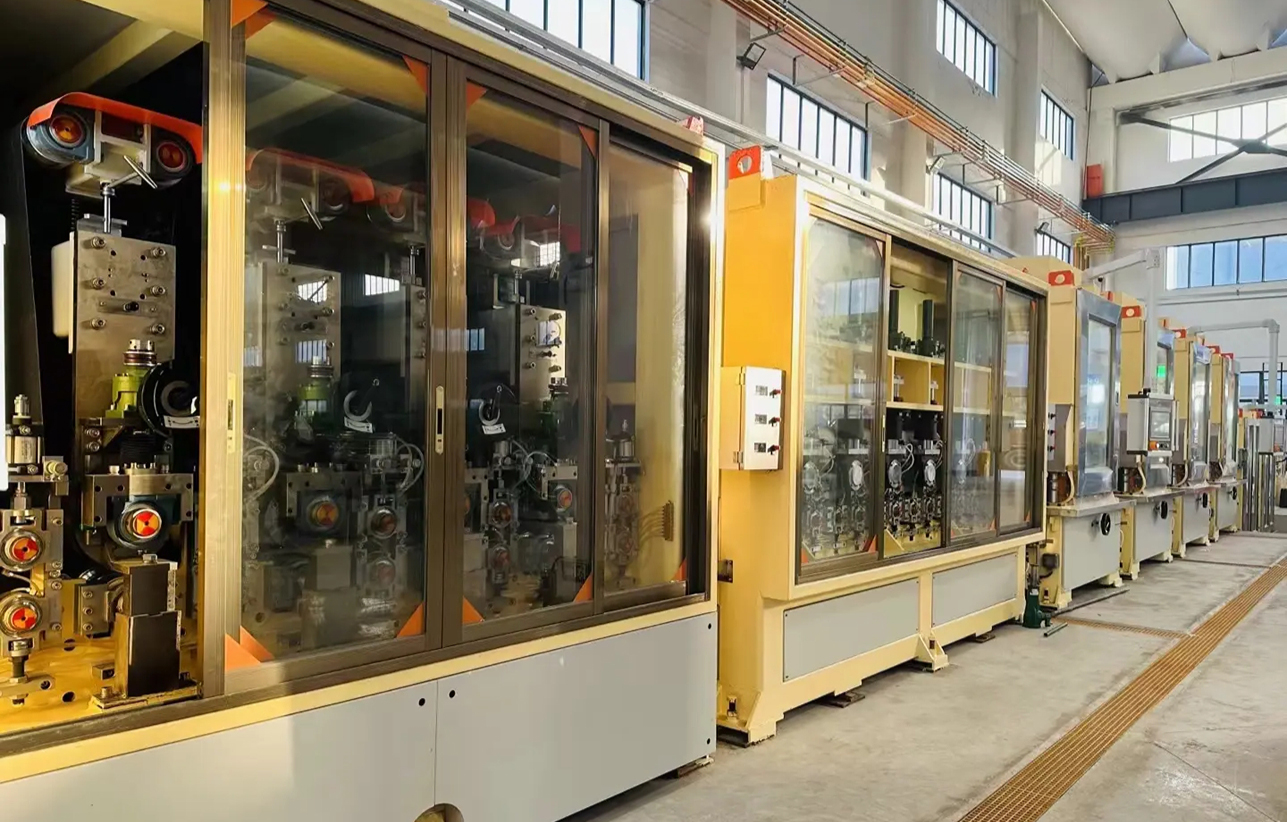
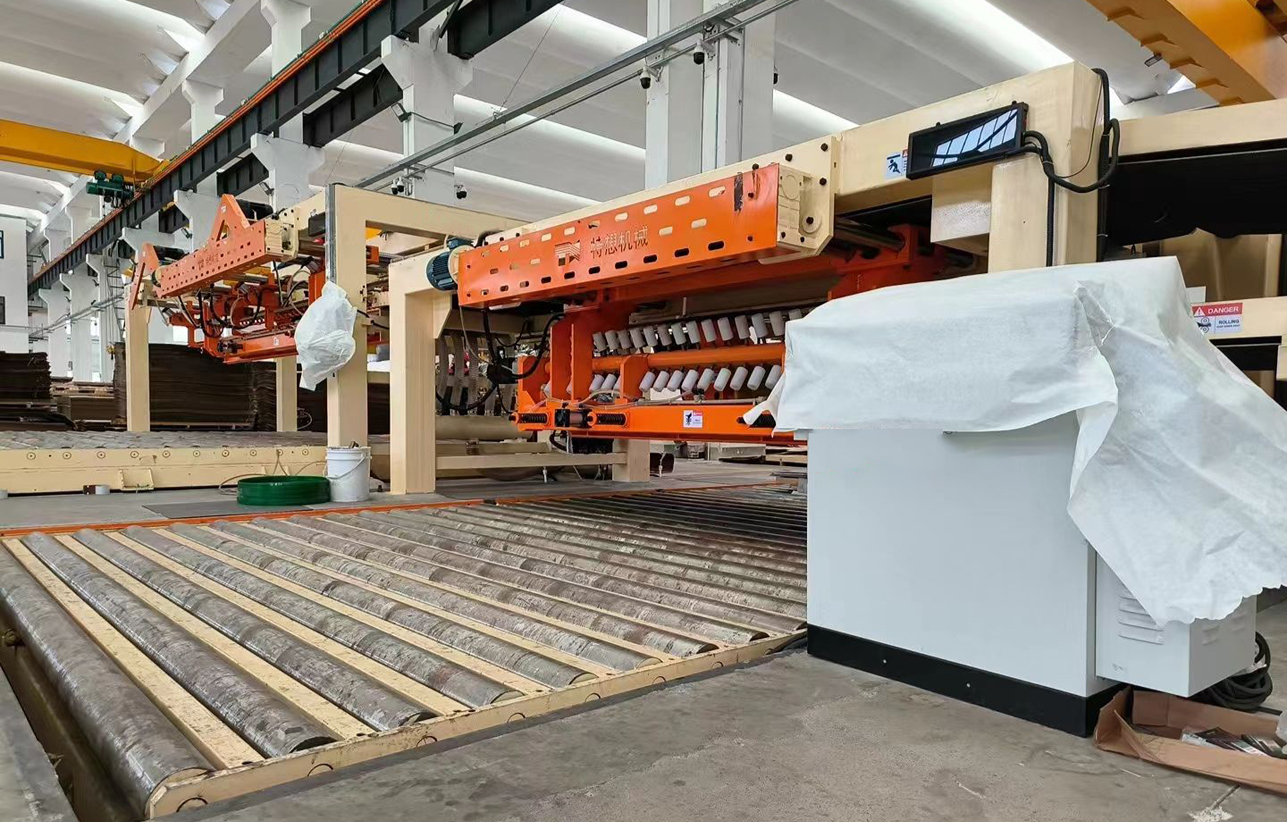
Stainless Steel Plate Rolling Line
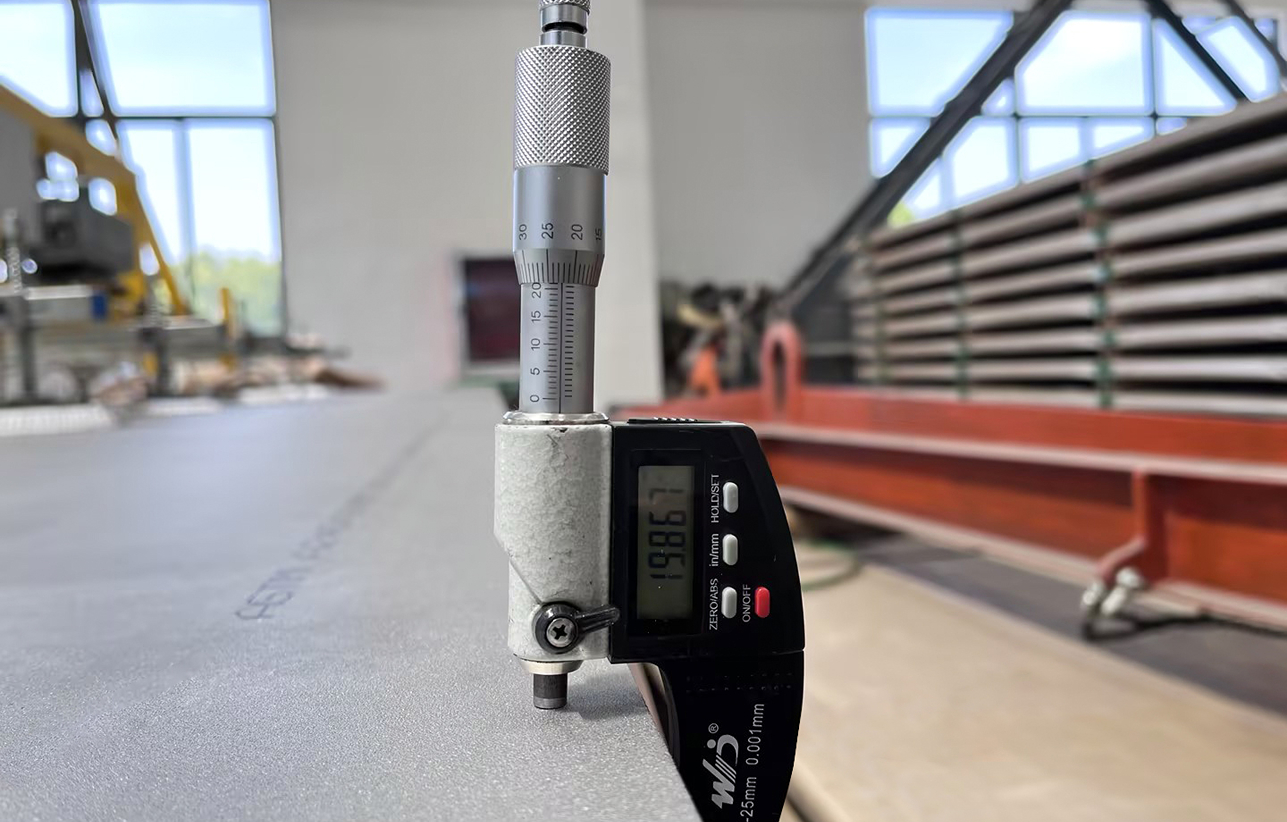
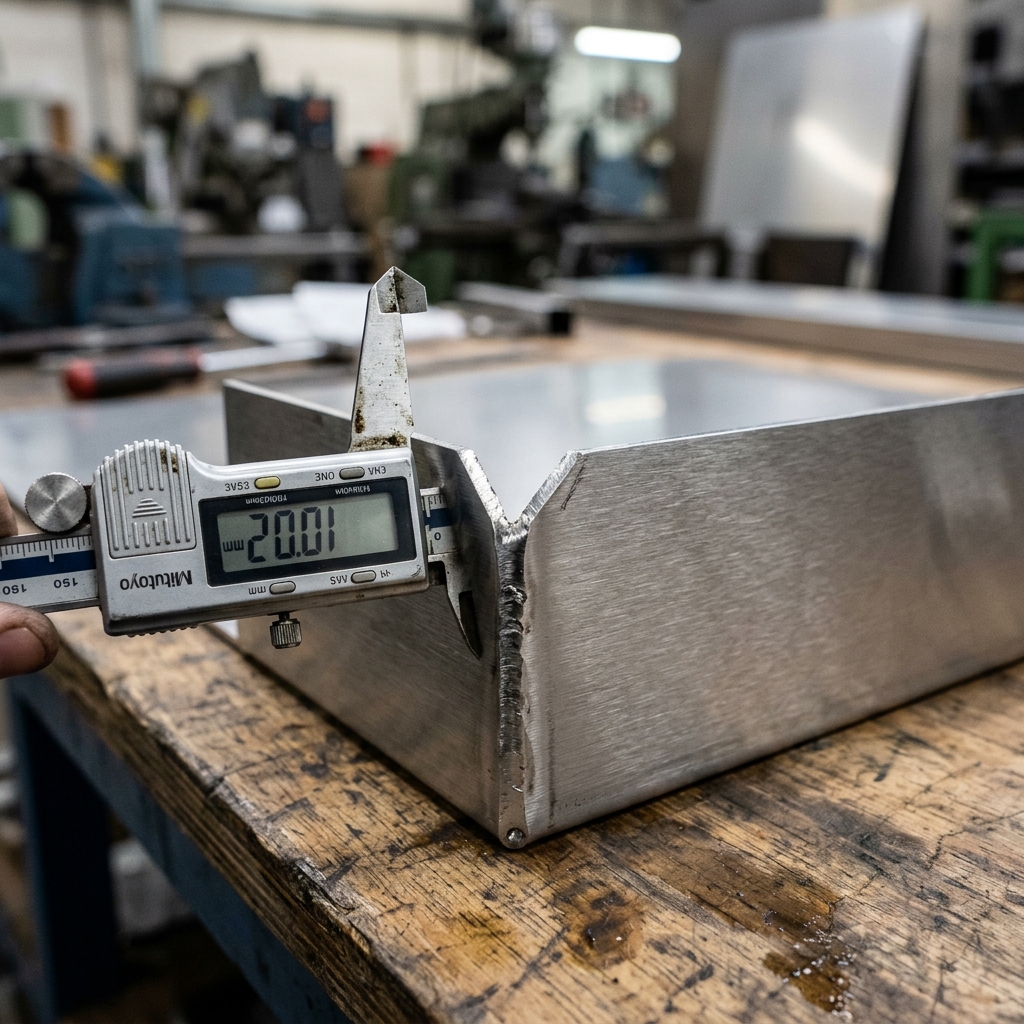
Precision Thickness Inspection of Stainless Steel Plate
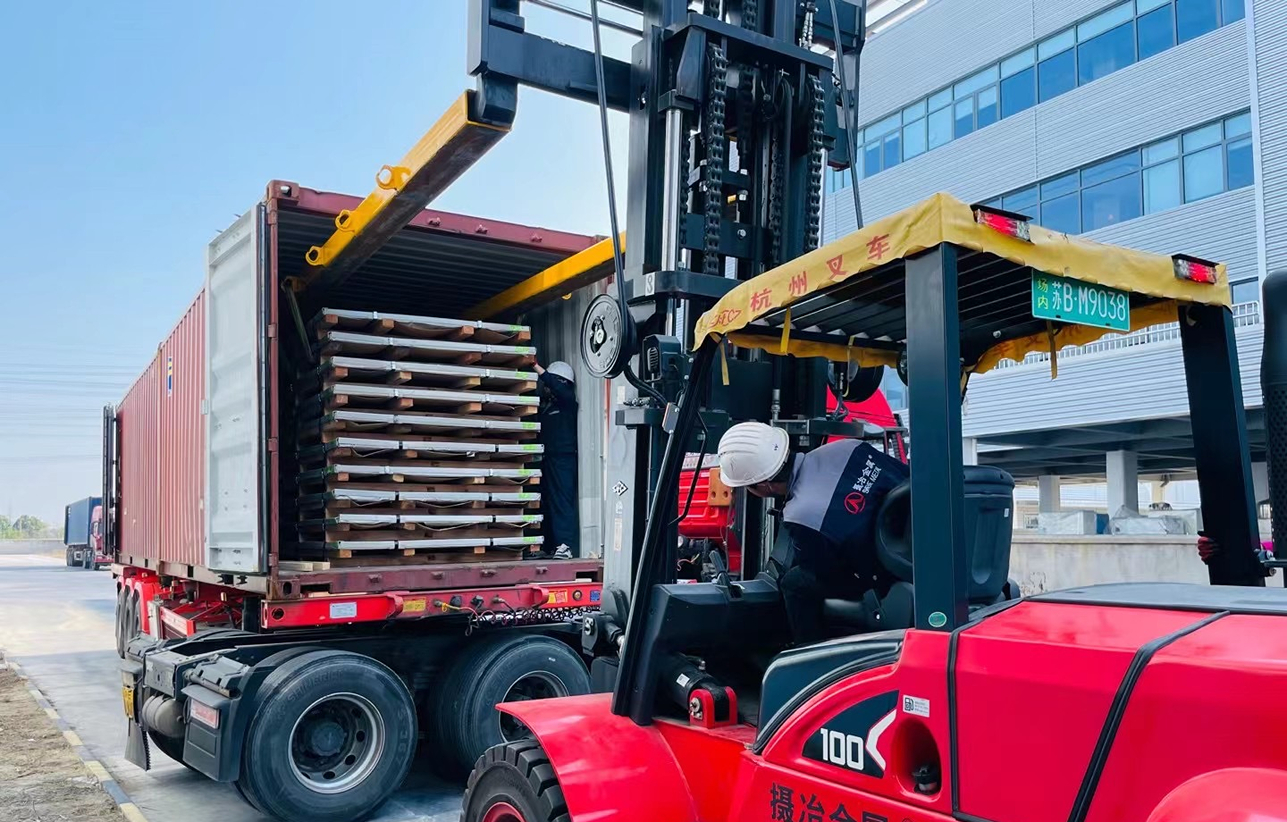
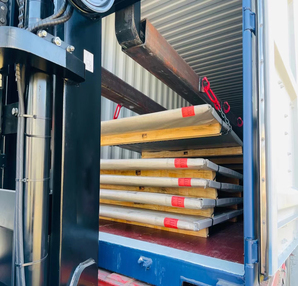
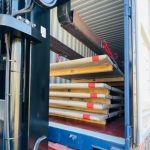
Forklift Loading Stainless Steel Plates for Shipment
410 stainless steel sheet is the basic martensitic grade: 11.5 to 13.5 percent chromium with enough carbon, up to 0.15 percent, to harden by quenching. That single property sets it apart from every austenitic grade. Where 304 and 316 can only be strengthened by cold work, 410 can be hardened and tempered to around 45 HRC while remaining a stainless steel. Walmay supplies it to ASTM A240 from 0.5 mm to 30 mm thick, in the annealed condition for forming and machining or hardened and tempered to your specification.
This is what customers buy 410 for, so the numbers matter.
| Operation | Temperature | Cooling | Result |
|---|---|---|---|
| Annealing, full | 830-885 C | Slow furnace cool to 600 C | Soft, machinable, about 200 HB |
| Process annealing | 650-760 C | Air | Stress relief between forming steps |
| Hardening | 925-1,010 C | Oil or air quench | Martensite, about 45 HRC as quenched |
| Tempering, low | 150-370 C | Air | Maximum hardness retained, 40-45 HRC |
| Tempering, high | 565-650 C | Air | Tougher, 25-35 HRC, better corrosion resistance |
| Avoid | 370-565 C | - | Temper embrittlement and reduced corrosion resistance |
The 370 to 565 C tempering band is the trap. Parts tempered there lose both toughness and corrosion resistance, so a specification should always state the tempering temperature and not just a target hardness.
410 resists fresh water, steam, mild atmospheres, many organic acids and food acids, and it is fully passive when properly finished. It does not handle chlorides, seawater, or acids of any strength, and it performs best in the hardened and tempered condition where carbon is in solution rather than in the annealed condition.
Two practical points. First, a poor surface finish costs corrosion resistance in this grade more than in the austenitics, so a smooth, passivated surface is not cosmetic. Second, freshly ground or machined 410 surfaces should be passivated before service.
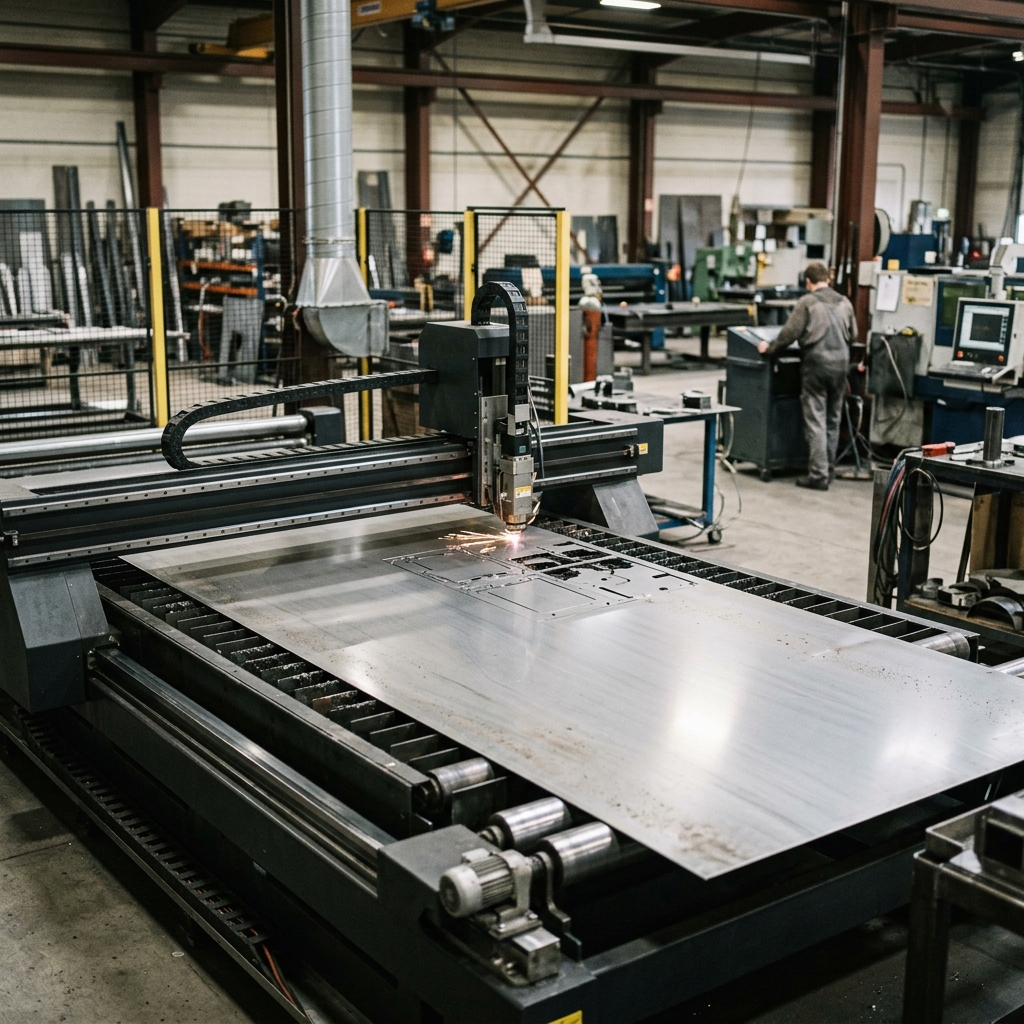
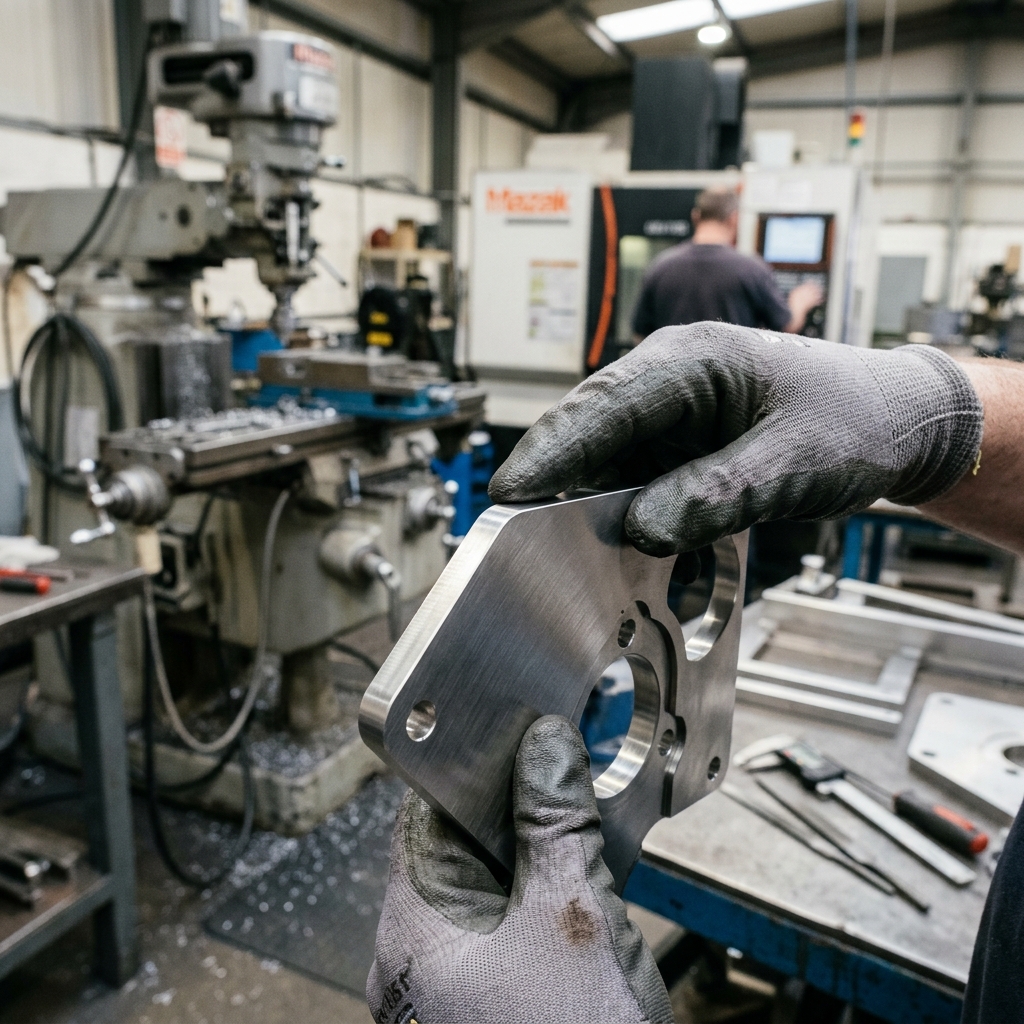
Our cutting, heat treatment and surface treatment capabilities are covered on the fabrication page.
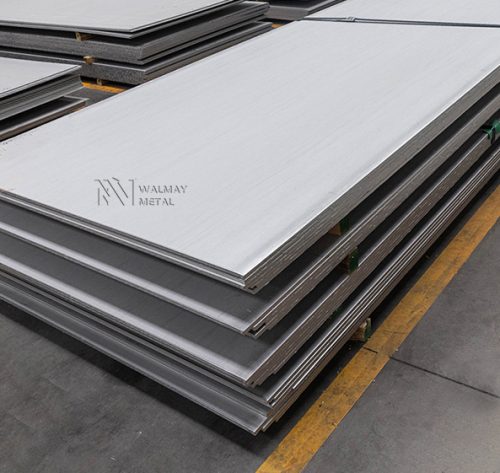
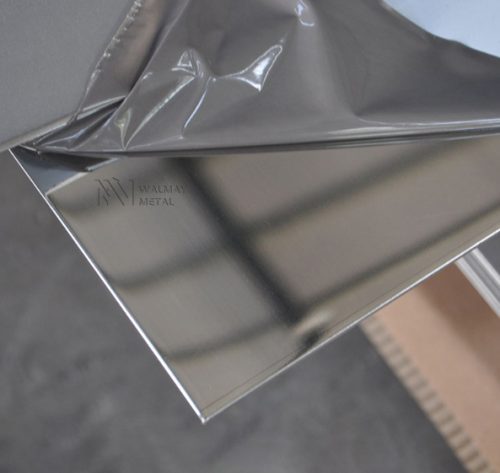
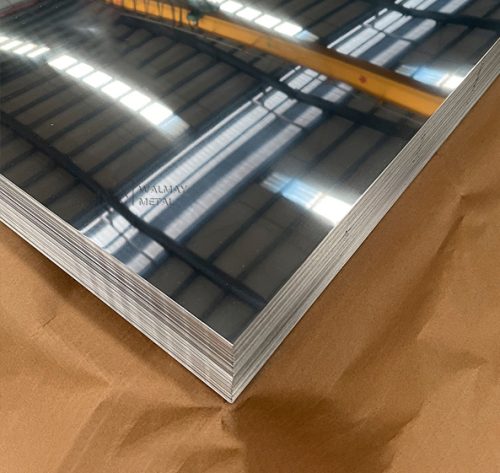

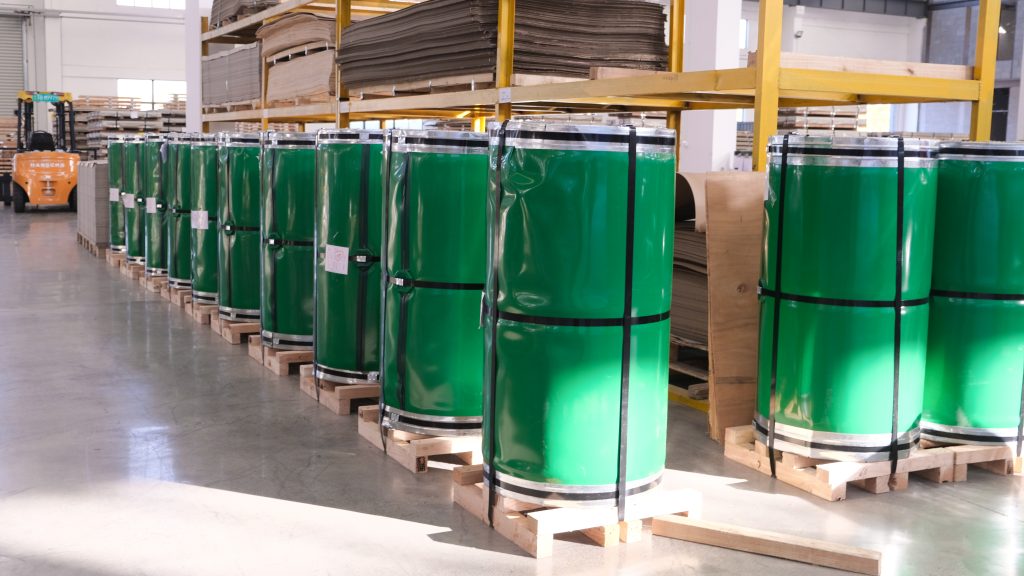
Walmay will help match the right stainless product form and specification for your application, confirm quantities and packing needs, and provide requested documents based on order requirements.
Loading form…