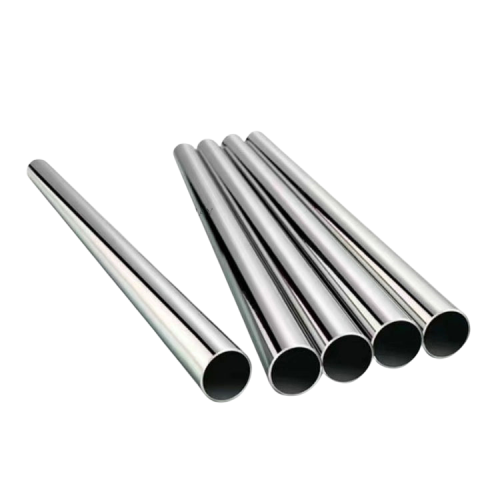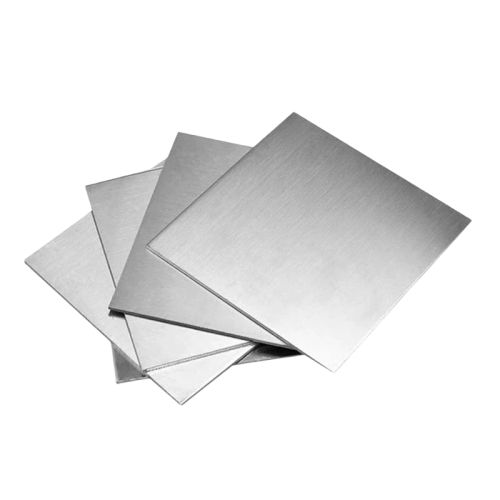
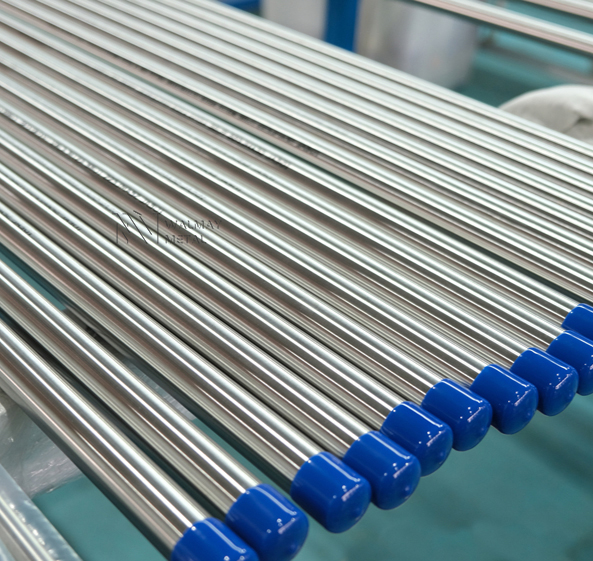
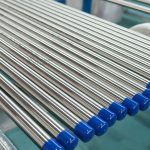
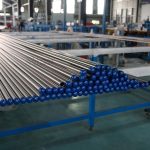
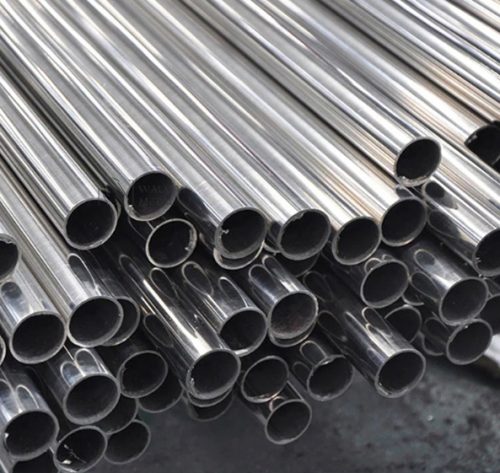
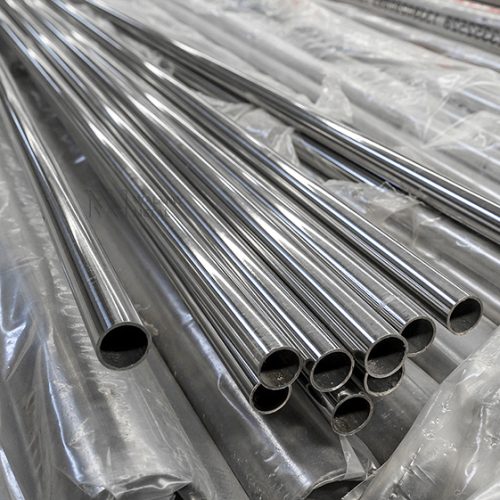
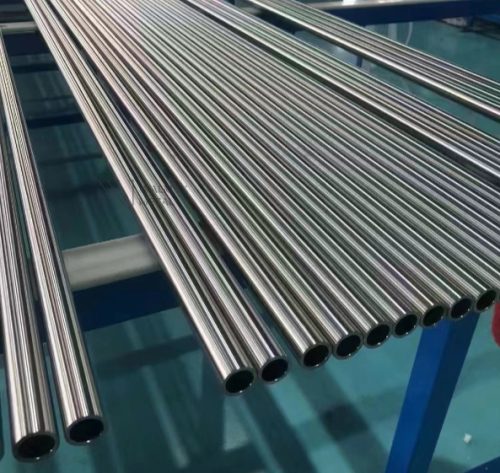
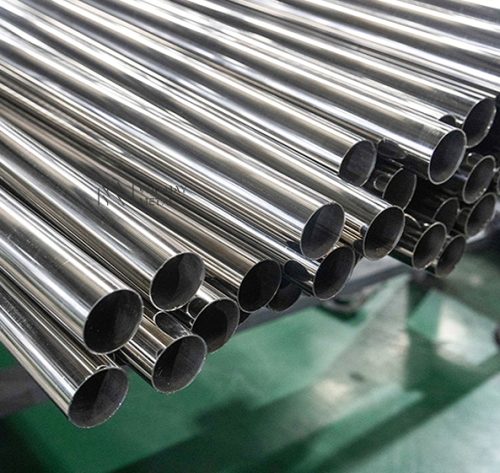
Polished stainless steel pipe is round tube whose outside surface has been mechanically finished after forming, from a 180 grit satin through to a 600 grit mirror. It is the product used wherever the tube is visible: handrails, balustrades, furniture, shopfitting, food equipment and architectural framing. Walmay supplies it in 304 and 316L from 12 mm to 168 mm outside diameter with walls from 0.6 mm to 3.0 mm, PVC filmed and cut to length, with the weld seam polished flush so it is invisible in the finished surface.


| Finish | Grit | Typical Ra | Appearance |
|---|---|---|---|
| Mill, as welded and annealed | - | 0.5-1.5 um | Dull, seam visible |
| No.3 | 120 | 0.4-1.0 um | Coarse satin, directional |
| No.4 | 180 | 0.2-0.5 um | Standard satin, the usual handrail finish |
| Hairline | 240 | 0.2-0.4 um | Fine continuous lines |
| Satin 320 | 320 | 0.1-0.3 um | Very fine, near bright |
| Mirror 400 | 400 plus buffing | Under 0.1 um | Reflective with faint grain |
| Mirror 600 | 600 plus buffing | Under 0.05 um | Full mirror, no visible grain |
On tube the polishing runs circumferentially or longitudinally depending on the machine. For balustrade posts and rails, longitudinal grain is normal and looks correct along a run; for furniture legs and short sections, circumferential is common. Specify which you need, because mixing the two in one installation is visible.
| Item | Detail |
|---|---|
| Grades | 304, 304L, 316L, 201 for indoor cost-driven work |
| Standards | ASTM A554 ornamental, ASTM A269 for precision tolerances, ASTM A270 for hygienic |
| OD range | 12-168 mm, and 1/2 in to 6 in |
| Wall thickness | 0.6-3.0 mm |
| Length | 6 m standard, or cut to length plus or minus 1 mm |
| Finish | No.3, No.4, hairline, 320 satin, 400 and 600 grit mirror |
| Weld seam | Polished flush, invisible in the finished surface |
| Protection | PVC film full length as standard |
| Certification | EN 10204 3.1 plus finish and Ra report |
| Application | Grade | Finish |
|---|---|---|
| Interior handrails and balustrades | 304 | No.4 or hairline |
| Interior furniture and shopfitting | 201 or 304 | 320 satin or mirror |
| Kitchen and food equipment | 304, 316L with chloride cleaning | No.4, or A270 with Ra limit |
| Exterior handrails, inland | 304 | No.4 |
| Coastal exterior and pool halls | 316L | No.4 |
| Marine deck rails | 316L | No.4 or mirror |
| Decorative feature work indoors | 304 | 600 grit mirror |
| Item | Detail |
|---|---|
| Minimum order | 500 kg from stock, 2 tonnes for a polished mill run |
| Lead time from stock | 7-12 days |
| Lead time polished to order | 20-30 days |
| Stock range | 19-76 mm OD in 1.2 and 1.5 mm wall, 304, No.4 and mirror |
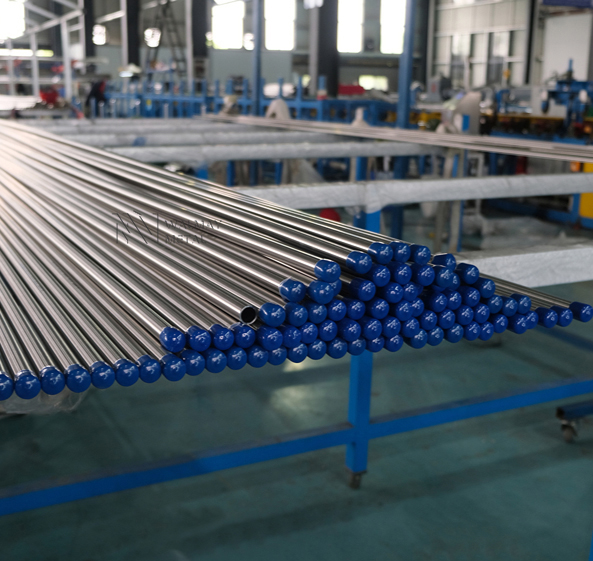
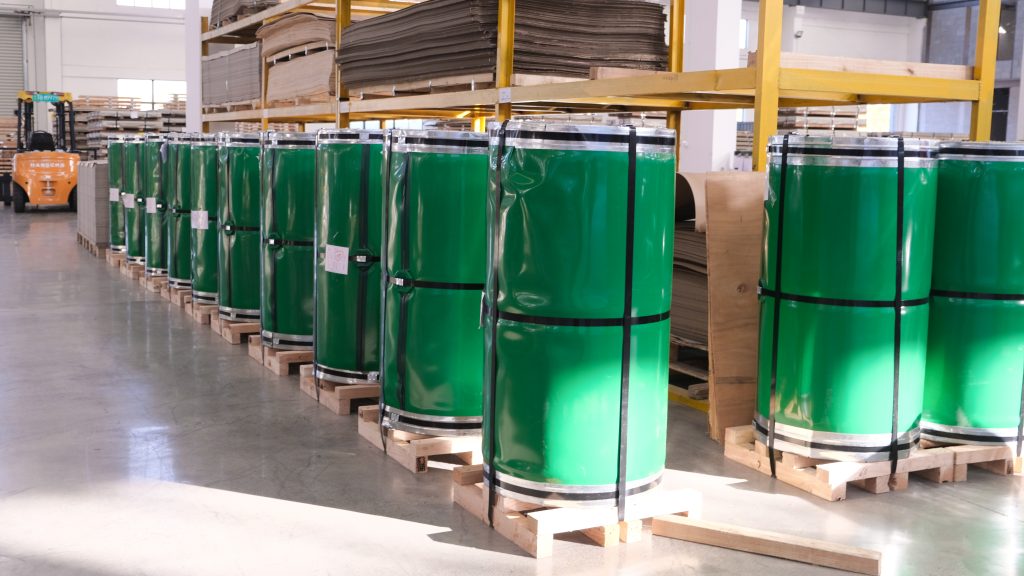
| Packing | PVC film full length, plastic end caps, bundled and crated |
| Incoterms | FOB, CIF, DAP |
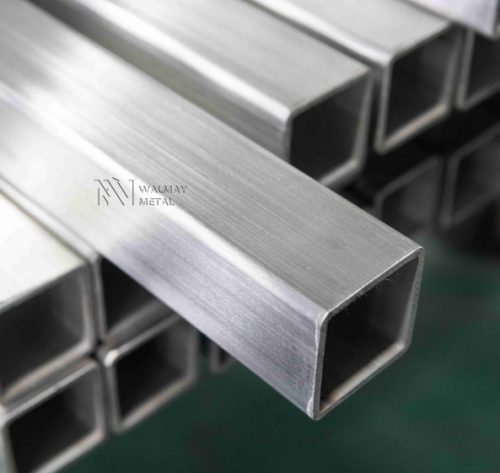
Send the OD, wall thickness, grade, finish, grain direction, length or cut list, and any bending requirement with radii. Related products: square tube, rectangular tube, 304 pipe and tube, 316 pipe and tube, polished and mirror sheet, and the full pipe and tube range.
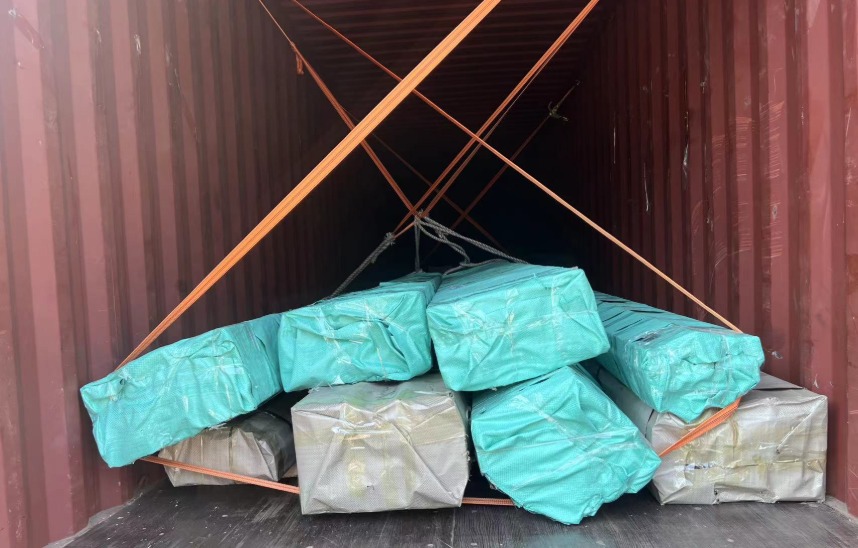
Stainless Steel Tubes Packed in Truck

Wooden Crate Packaging in Factory
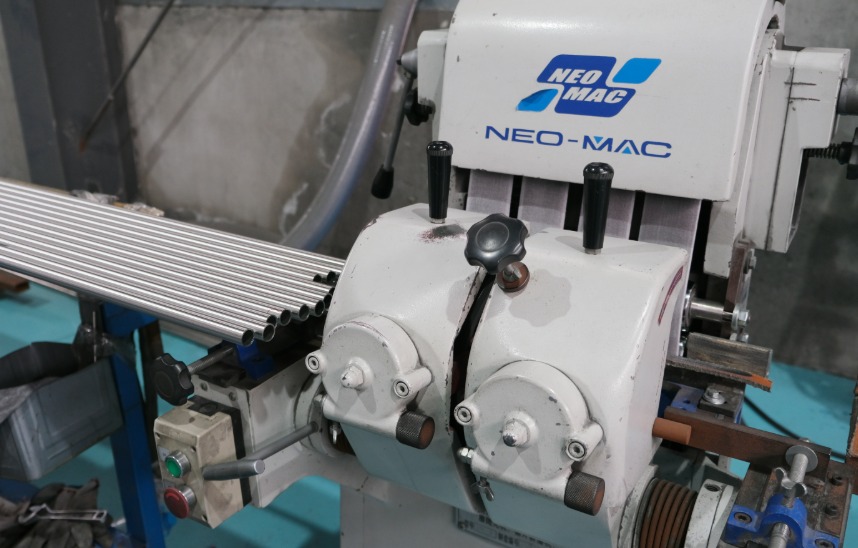
Neo-Mac Machine with Stainless Steel Tubes

Factory Tube Packaging Process

Industrial Manufacturing Equipment
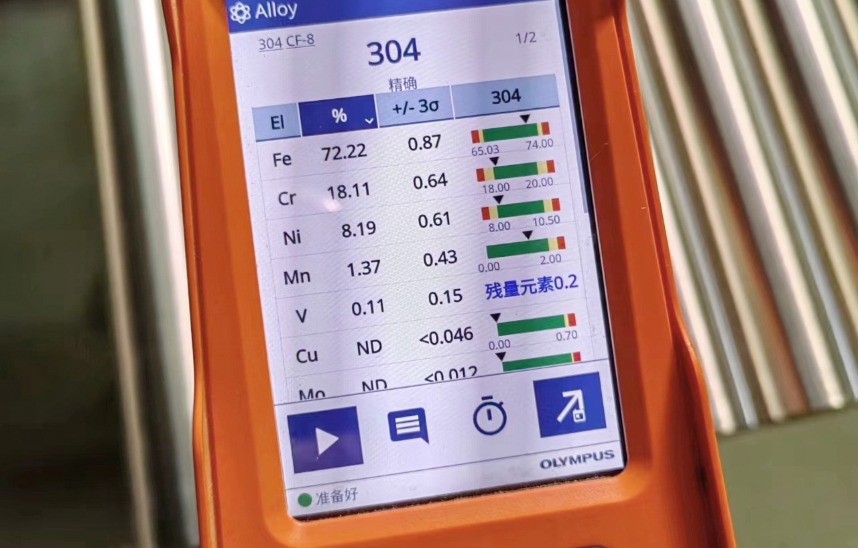
Stainless Steel Composition Analyzer
Polished stainless steel pipe is round tube whose outside surface has been mechanically finished after forming, from a 180 grit satin through to a 600 grit mirror. It is the product used wherever the tube is visible: handrails, balustrades, furniture, shopfitting, food equipment and architectural framing. Walmay supplies it in 304 and 316L from 12 mm to 168 mm outside diameter with walls from 0.6 mm to 3.0 mm, PVC filmed and cut to length, with the weld seam polished flush so it is invisible in the finished surface.
Thin wall tube, generally taken to mean walls of 1.5 mm and below, is used where weight, cost or appearance matter more than pressure capacity. It is the standard product for handrails, furniture and decorative framing, and it makes up most polished tube sold.
| OD | 0.8 mm wall | 1.0 mm wall | 1.2 mm wall | 1.5 mm wall |
|---|---|---|---|---|
| 12 mm | 0.22 kg/m | 0.28 kg/m | 0.33 kg/m | 0.40 kg/m |
| 16 mm | 0.31 kg/m | 0.38 kg/m | 0.45 kg/m | 0.55 kg/m |
| 19 mm | 0.37 kg/m | 0.45 kg/m | 0.54 kg/m | 0.66 kg/m |
| 25.4 mm | 0.49 kg/m | 0.61 kg/m | 0.73 kg/m | 0.90 kg/m |
| 32 mm | 0.63 kg/m | 0.78 kg/m | 0.93 kg/m | 1.15 kg/m |
| 38 mm | 0.75 kg/m | 0.93 kg/m | 1.11 kg/m | 1.38 kg/m |
| 50.8 mm | 1.00 kg/m | 1.25 kg/m | 1.50 kg/m | 1.86 kg/m |
| 63.5 mm | - | 1.57 kg/m | 1.88 kg/m | 2.34 kg/m |
| 76.2 mm | - | 1.89 kg/m | 2.26 kg/m | 2.81 kg/m |
| 101.6 mm | - | - | 3.03 kg/m | 3.77 kg/m |
Weight per metre is (OD minus wall) multiplied by wall multiplied by 0.0251 for austenitic grades.
Three cautions with thin wall. It dents and creases if it is over-clamped or badly supported during bending, so mandrel bending is normally required rather than rotary draw alone. It cannot be threaded. And it is not a pressure product: for fluid service under pressure, use scheduled pipe instead, since thin wall ornamental tube is not hydrostatically tested and carries no pressure rating.
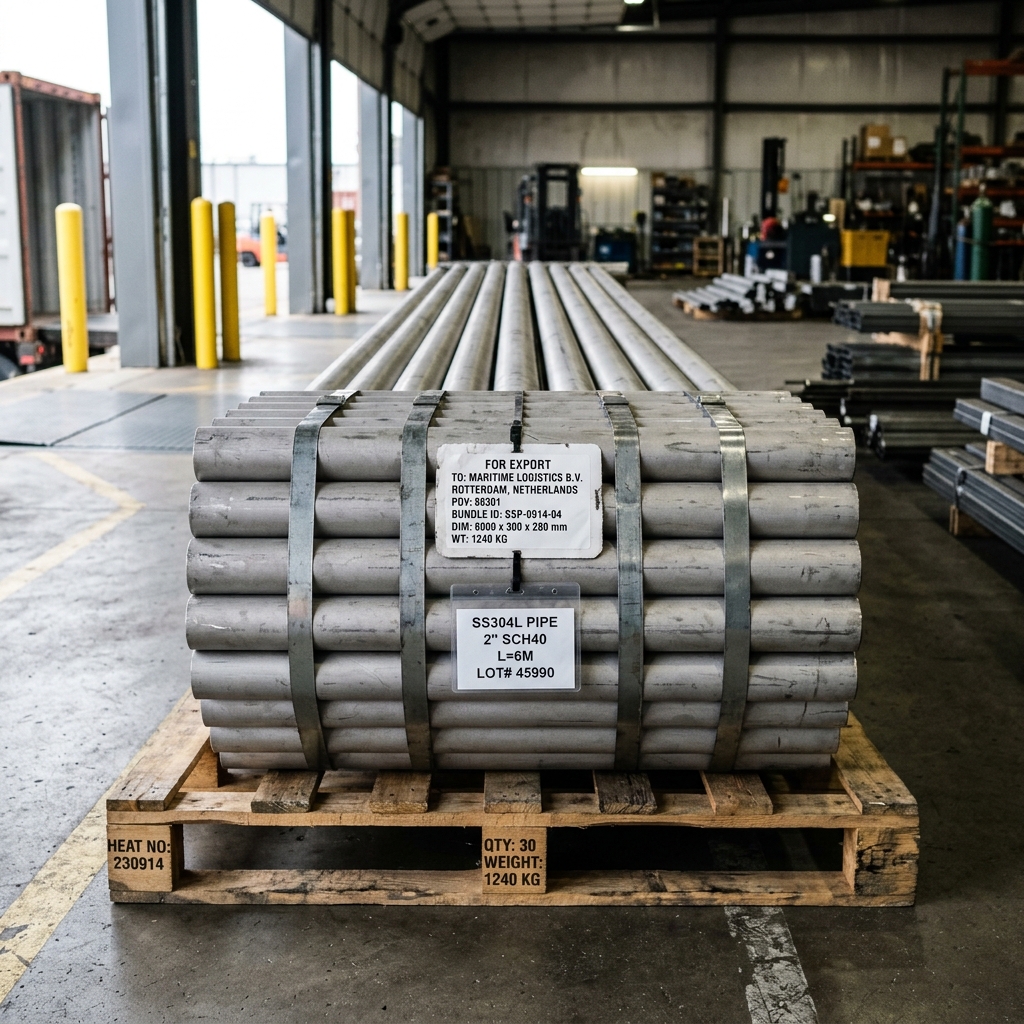
Polishing removes a few micrometres of surface material and leaves the same alloy exposed. Nothing is plated or added, so there is no coating that can flake or wear through. Three things do change:
What does not change is strength, wall thickness rating or grade behaviour. A polished 304 rail in salt air will still tea stain, so choose the grade for the environment first.
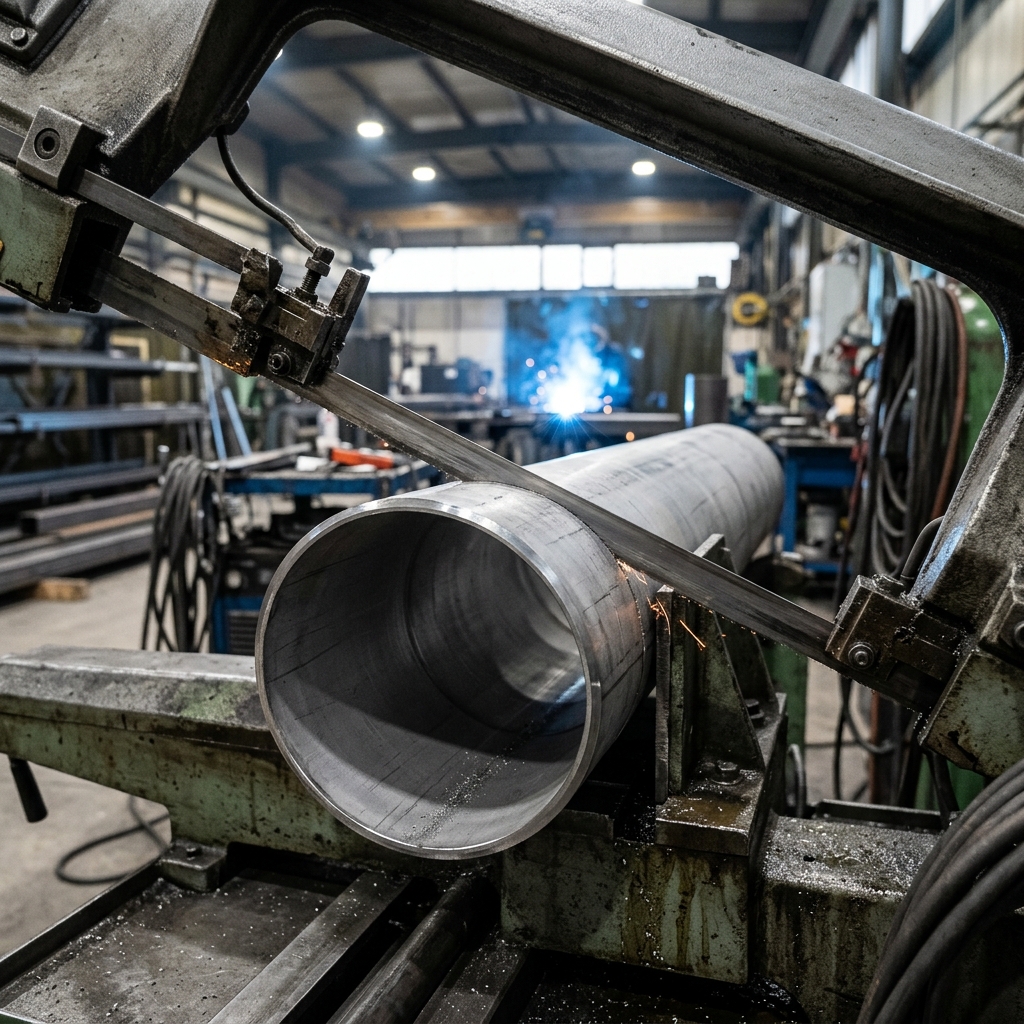
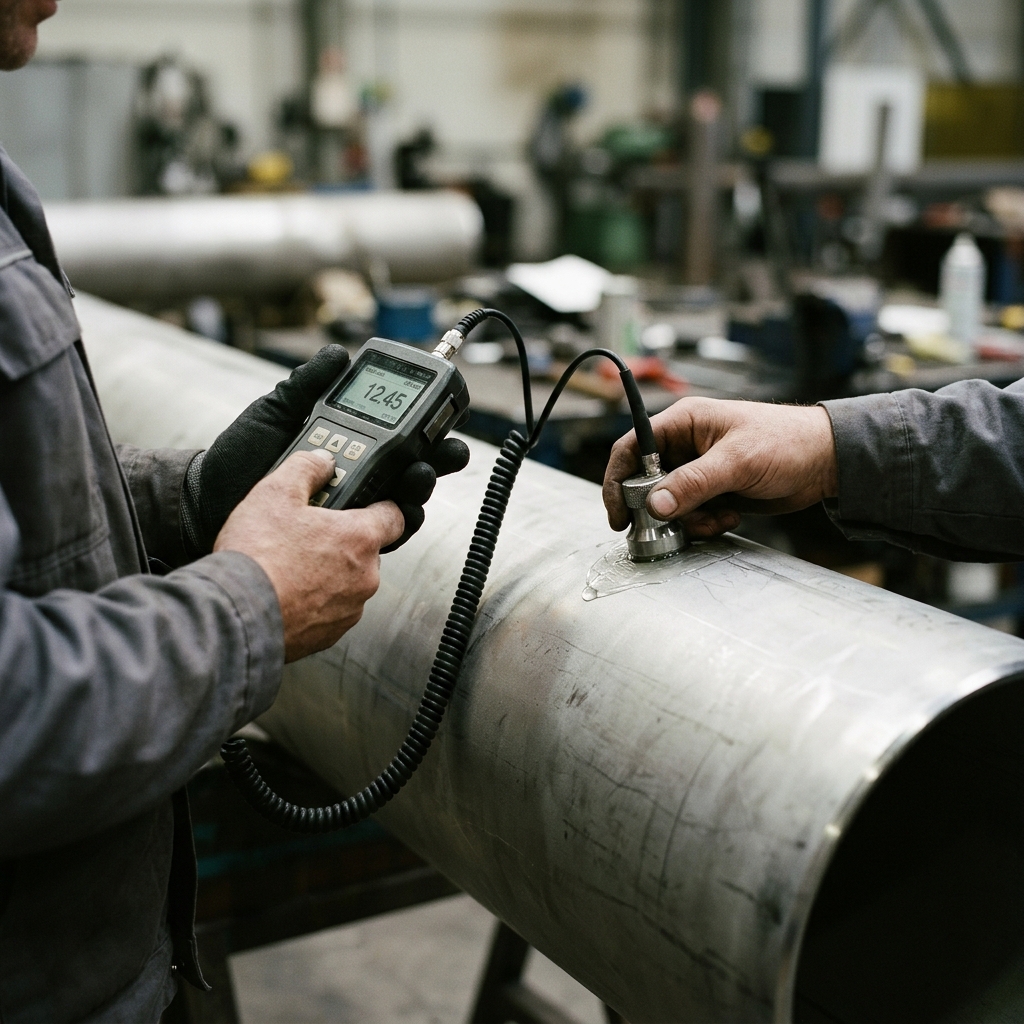
We polish in house and combine it with cutting, bending, welding, edge finishing and packaging. Full detail on the polishing and fabrication pages.
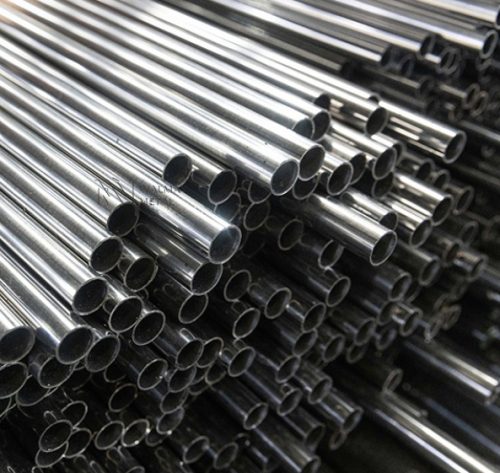


Walmay will help match the right stainless product form and specification for your application, confirm quantities and packing needs, and provide requested documents based on order requirements.
Loading form…