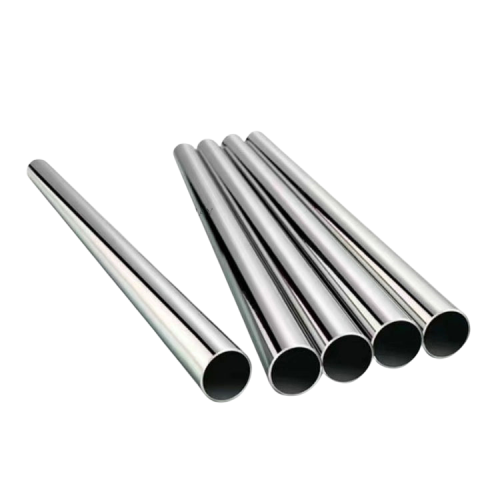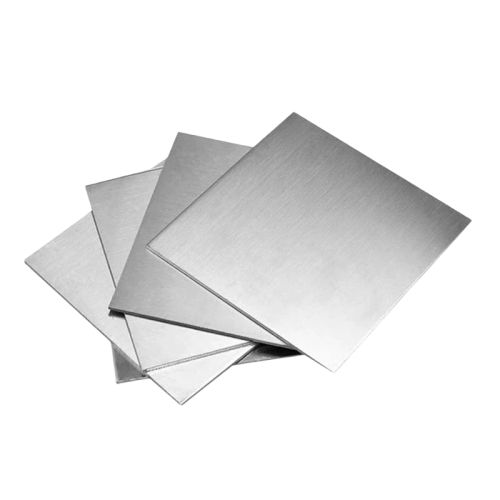
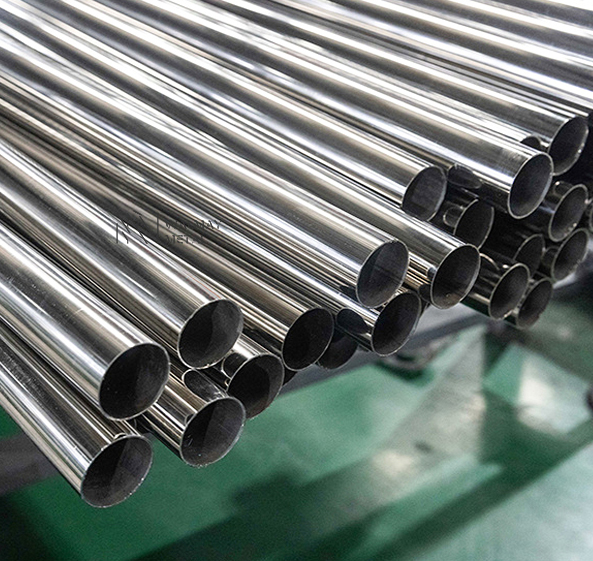
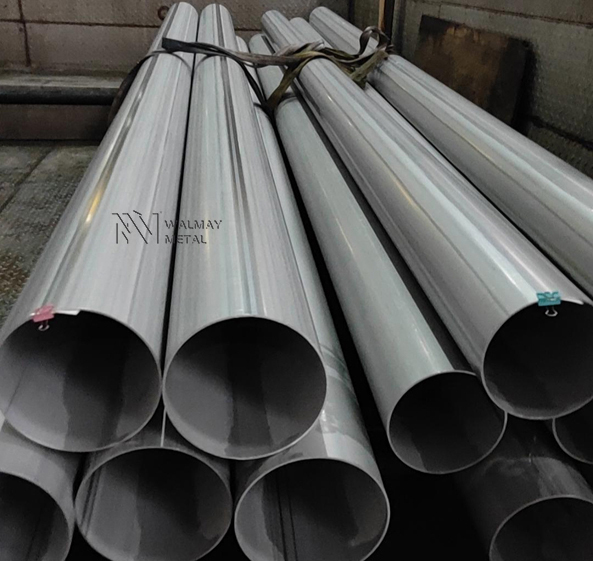
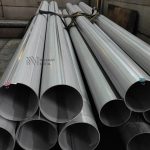
310 stainless steel pipe is the high-temperature austenitic pipe, 24 to 26 percent chromium and 19 to 22 percent nickel, used where 304 and 316 have already scaled and lost strength. It holds a protective oxide film in continuous service to about 1,150 C and resists carburisation in carbon-rich furnace atmospheres, which is why radiant tubes, furnace headers and kiln piping are made from it. Walmay supplies 310 and the low-carbon 310S seamless and welded to ASTM A312, and seamless tube to ASTM A213, from 1/2 inch to 12 inch NPS and 12 mm to 168 mm OD. The wider grade family is on our 310 and 310S hub.
| Item | Detail |
|---|---|
| Grade | 310, UNS S31000, and 310S, UNS S31008, EN 1.4845 |
| Pipe standards | ASTM A312 / SA312 seamless and welded, ASTM A358 |
| Tube standards | ASTM A213 seamless boiler and heat exchanger, ASTM A269 |
| Size range, pipe | 1/2 in to 12 in NPS |
| Size range, tube | 12-168 mm OD, 1.0-12.0 mm wall |
| Schedules | 10S, 40S, 80S, and heavy wall to order |
| Length | 6 m random, or cut to length |
| Condition | Solution annealed and pickled |
| Maximum continuous service | About 1,150 C |
| Certification | EN 10204 3.1, hydrostatic or NDT per standard |
| Element | 310 | 310S |
|---|---|---|
| Carbon | 0.15 max per A312 | 0.08 max |
| Chromium | 24.0-26.0 | 24.0-26.0 |
| Nickel | 19.0-22.0 | 19.0-22.0 |
| Manganese | 2.00 max | 2.00 max |
| Silicon | 1.00 max per A312 | 1.00 max |
| Phosphorus | 0.045 max | 0.045 max |
| Sulphur | 0.030 max | 0.030 max |
The 25 percent chromium builds a thicker and more adherent oxide scale than the 18 percent in 304, and 20 percent nickel keeps that scale from spalling as the pipe cycles through temperature. Nickel is also what resists carburisation, the mechanism that destroys leaner grades in furnace atmospheres containing carbon monoxide or hydrocarbons.
| Property | 310S |
|---|---|
| Yield strength minimum | 205 MPa |
| Tensile strength minimum | 515 MPa |
| Elongation | 35 percent |
| Density | 7.9 g/cm3 |
| Thermal expansion | 15.9 um/m/K |
| Thermal conductivity | 14.2 W/m/K |
| Modulus of elasticity | 200 GPa |
Indicative allowable stress values, which fall steeply with temperature and are the reason high-temperature piping needs a design review rather than a rule of thumb:
| Temperature | Indicative allowable stress |
|---|---|
| 20 C | About 137 MPa |
| 400 C | About 100 MPa |
| 600 C | About 82 MPa |
| 700 C | About 55 MPa |
| 800 C | About 28 MPa |
| 900 C | About 15 MPa |
Above roughly 650 C design is governed by creep rather than by yield strength, so time at temperature and design life enter the calculation. Always design high-temperature piping against the applicable code values for the intended life, not against room-temperature properties.
| Criterion | 304 | 321 | 309S | 310 / 310S |
|---|---|---|---|---|
| Chromium | 18-20 | 17-19 | 22-24 | 24-26 |
| Nickel | 8-11 | 9-12 | 12-15 | 19-22 |
| Continuous service limit | 870 C | 815 C, no sensitisation | 1,000 C | 1,150 C |
| Creep strength above 700 C | Low | Moderate to high | Moderate | High |
| Carburisation resistance | Poor | Moderate | Good | Very good |
| Chloride resistance | Modest | Modest | Modest | Modest, no molybdenum |
| Relative cost | Baseline | Slightly above | Above | Roughly double 304 |
Where the temperature is below about 1,000 C, 309S is worth pricing as a cheaper alternative, and where the issue is sensitisation in the 425 to 815 C band rather than raw temperature, 321 is the economical answer. 310 earns its premium above 1,000 C and in carburising atmospheres.
| Item | Detail |
|---|---|
| Minimum order | 500 kg from stock, 2 tonnes for a mill run |
| Lead time from stock | 12-20 days |
| Lead time mill run | 45-65 days |
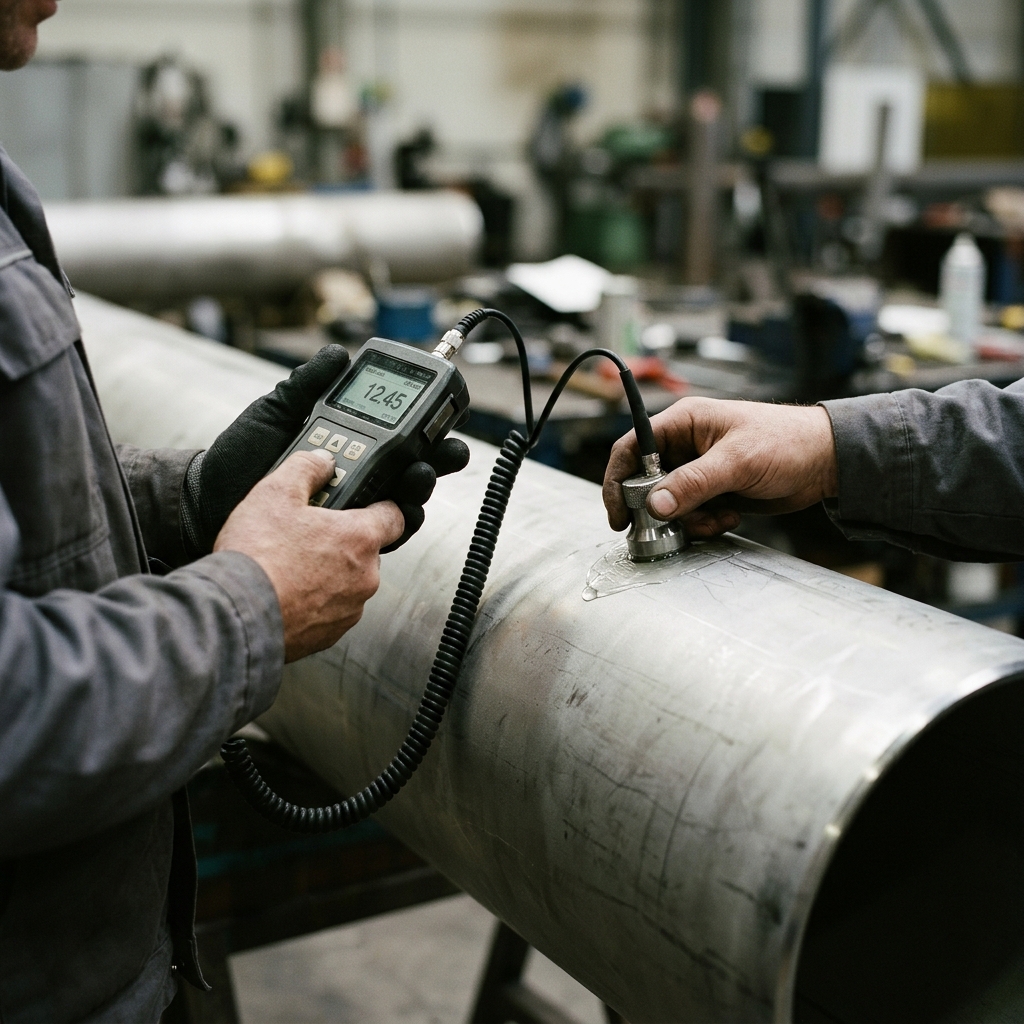
| Testing | Hydrostatic or NDT per standard, PMI, grain size, elevated-temperature data on request |
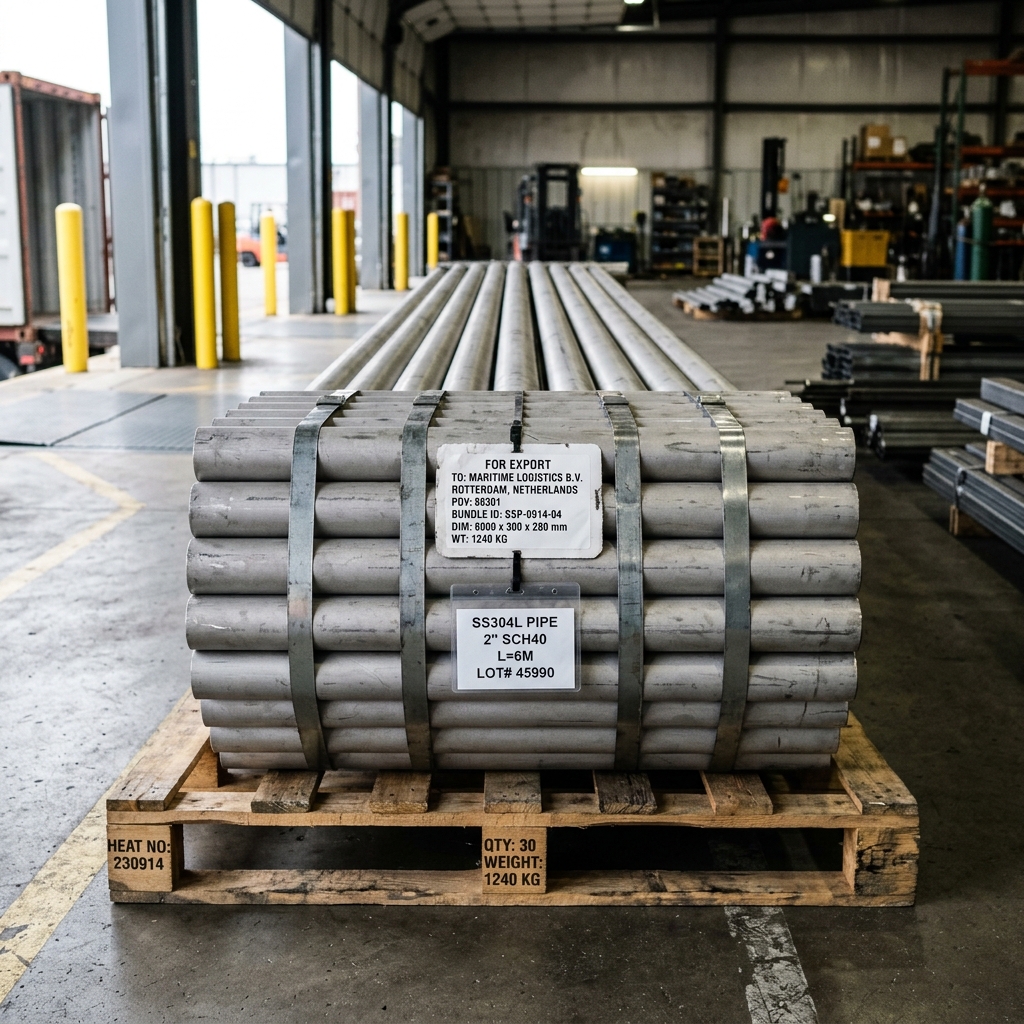
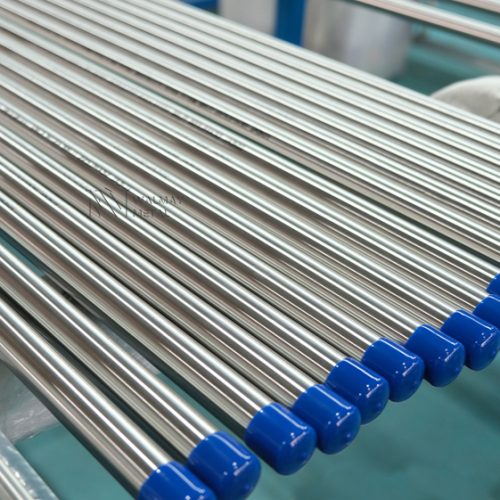
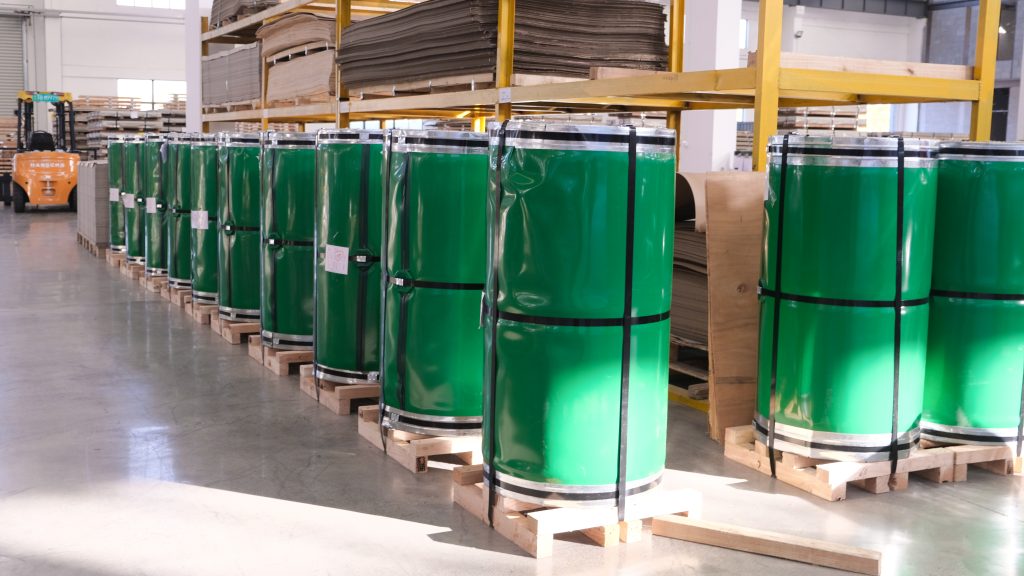
| Packing | Hexagonal bundles, end caps |
| Incoterms | FOB, CIF, DAP |
State the operating temperature, whether service is continuous or cyclic, the atmosphere including any sulphur or carbon content, and the design life, since all four change the grade recommendation and the wall thickness.
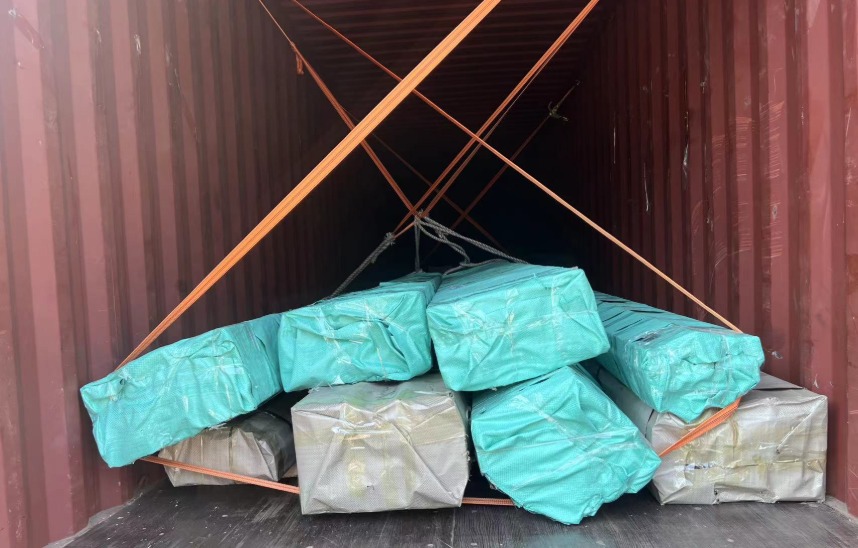
Stainless Steel Tubes Packed in Truck

Wooden Crate Packaging in Factory
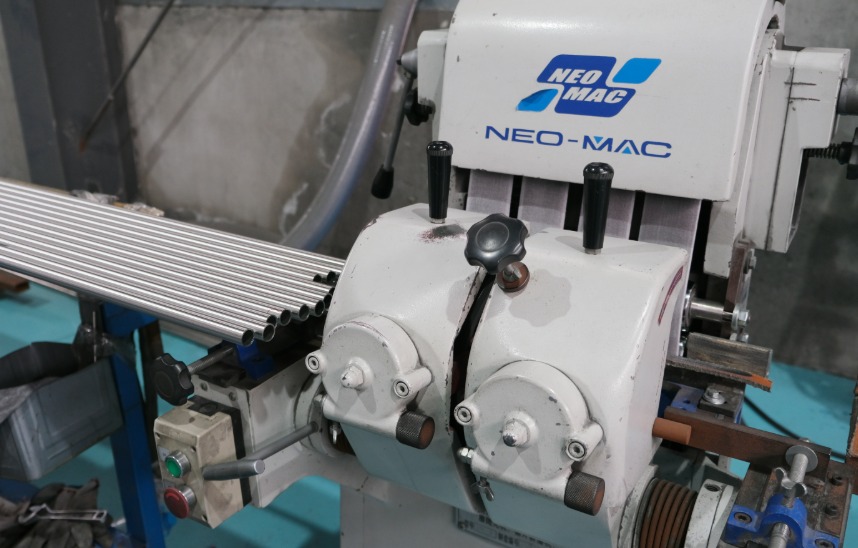
Neo-Mac Machine with Stainless Steel Tubes

Factory Tube Packaging Process

Industrial Manufacturing Equipment
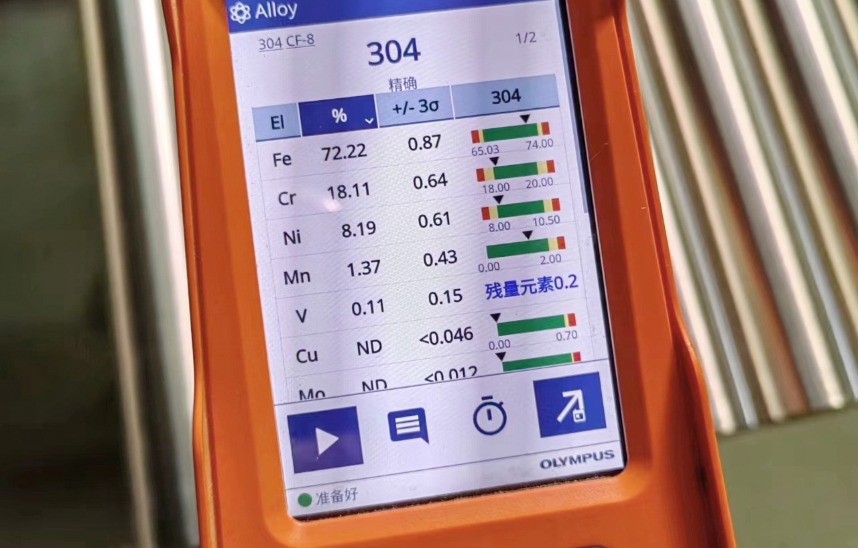
Stainless Steel Composition Analyzer
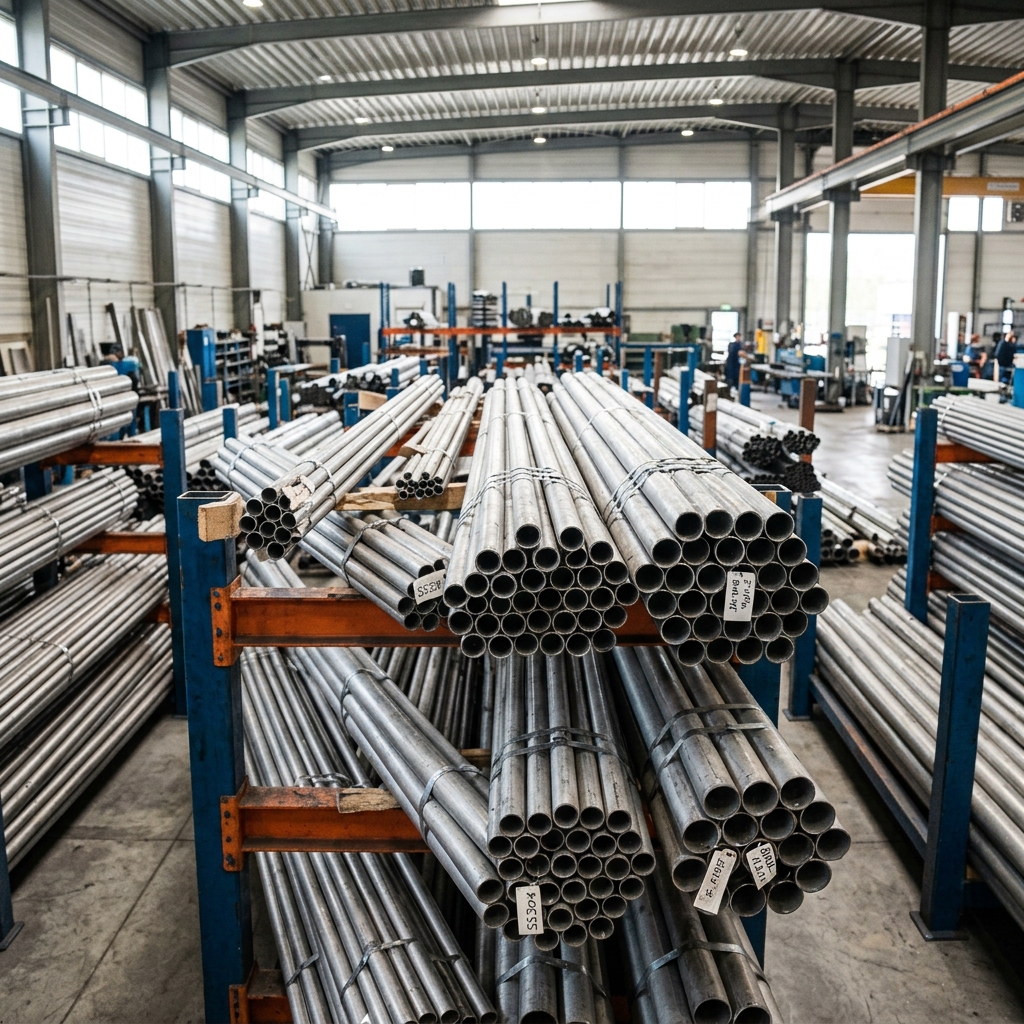
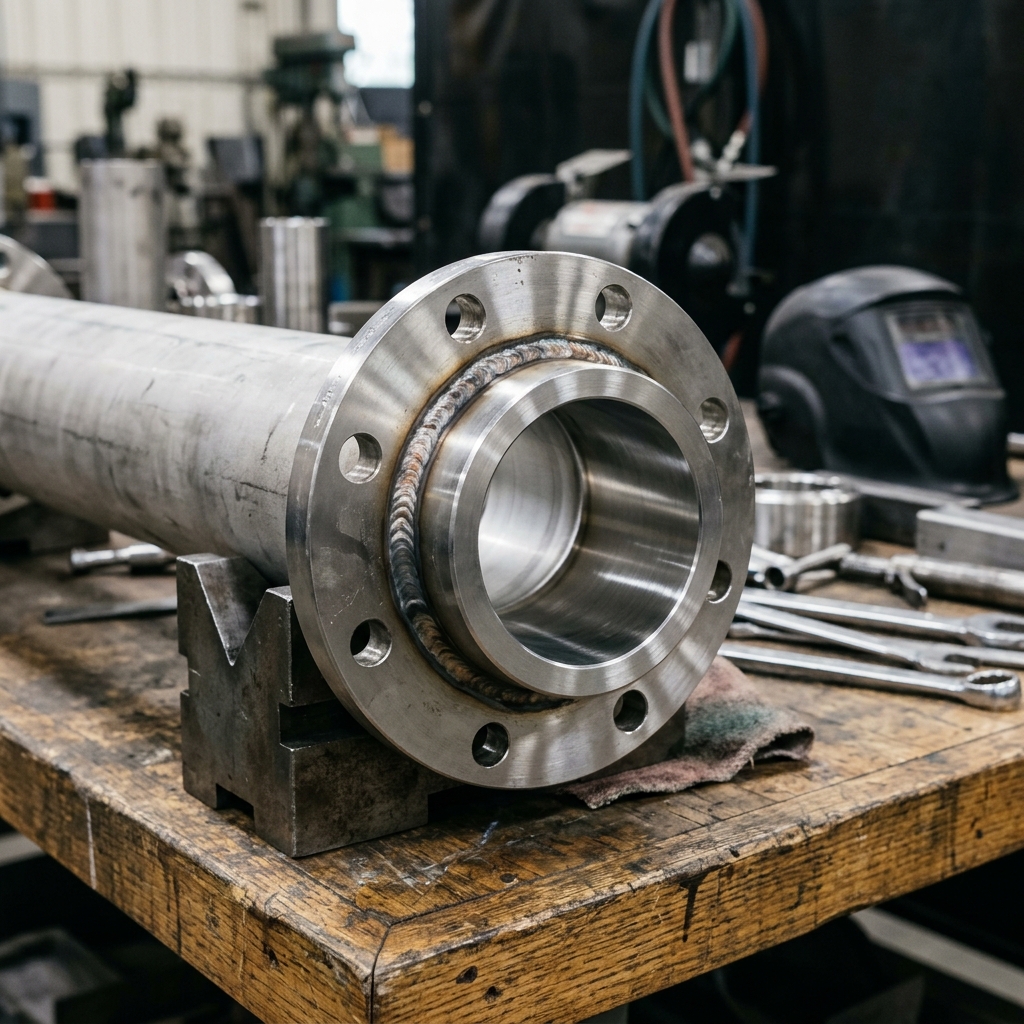
310 stainless steel pipe is the high-temperature austenitic pipe, 24 to 26 percent chromium and 19 to 22 percent nickel, used where 304 and 316 have already scaled and lost strength. It holds a protective oxide film in continuous service to about 1,150 C and resists carburisation in carbon-rich furnace atmospheres, which is why radiant tubes, furnace headers and kiln piping are made from it. Walmay supplies 310 and the low-carbon 310S seamless and welded to ASTM A312, and seamless tube to ASTM A213, from 1/2 inch to 12 inch NPS and 12 mm to 168 mm OD. The wider grade family is on our 310 and 310S hub.
| Limit | Figure | Mechanism |
|---|---|---|
| Maximum continuous service in air | About 1,150 C | Oxide scale remains adherent |
| Maximum cyclic service | About 1,035 C | Scale spalls on thermal cycling, exposing fresh metal each cycle |
| Sigma phase embrittlement range | 650-870 C | Intermetallic precipitation, brittle at room temperature after long exposure |
| Sulphidation | Any temperature with sulphur present | Nickel-rich grades are vulnerable to sulphur attack |
| Carburisation | Above 800 C in carbon-rich gas | Resisted well by the 20 percent nickel, but not indefinitely |
Two consequences for design. First, the cyclic limit is lower than the continuous one, so a furnace fixture that is heated and cooled daily should be rated at about 1,035 C rather than 1,150 C. Second, long exposure between 650 and 870 C makes the material brittle at room temperature even while it performs perfectly hot, so components that will be handled or shock loaded cold need that history considered.
Sulphur deserves specific attention: in a sulphidising atmosphere the high nickel content becomes a liability rather than an asset, and a lower-nickel grade or an aluminium-bearing alloy performs better.
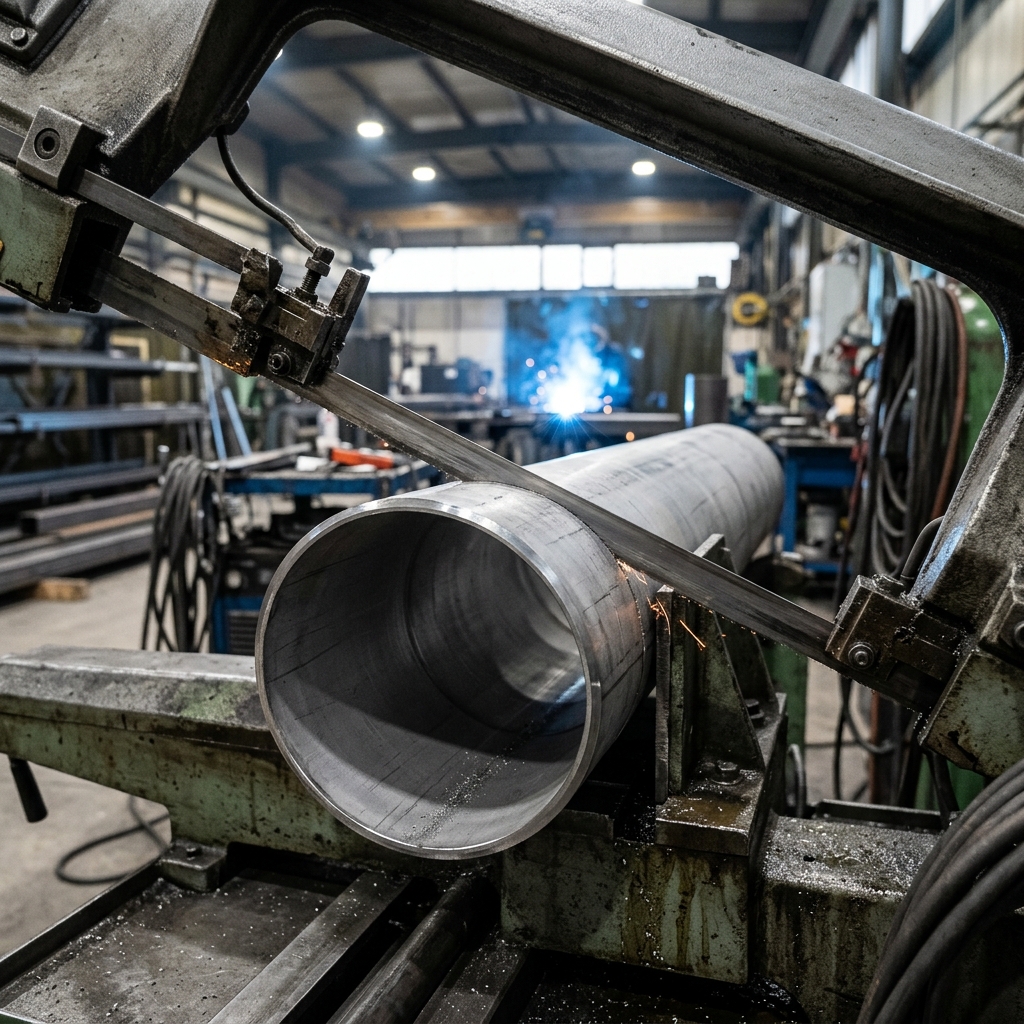
Our welding, cutting, bending and heat treatment operations are described on the fabrication page.
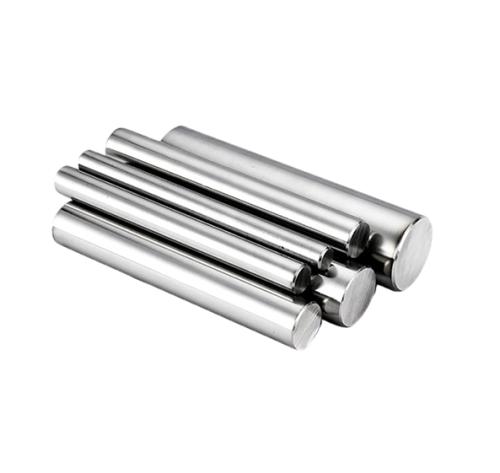
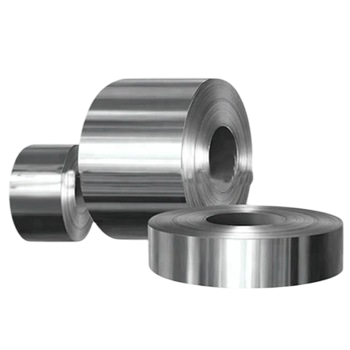
Related products: 310S sheet, 310S round bar, 310S hot coil, 321 tubing, seamless pipe, and the full pipe and tube range.
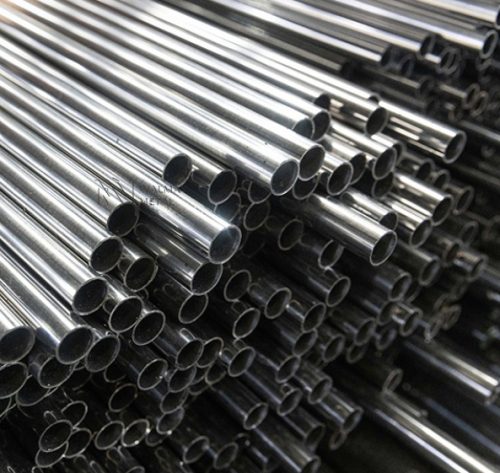
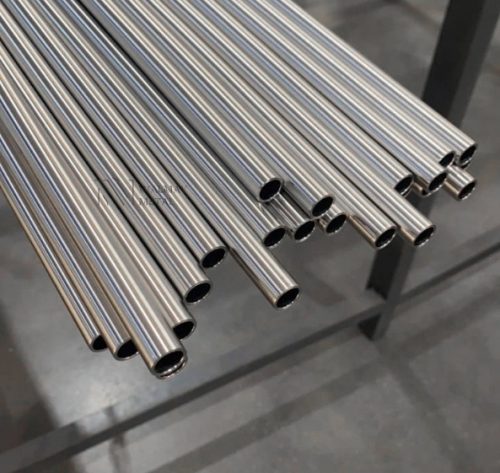

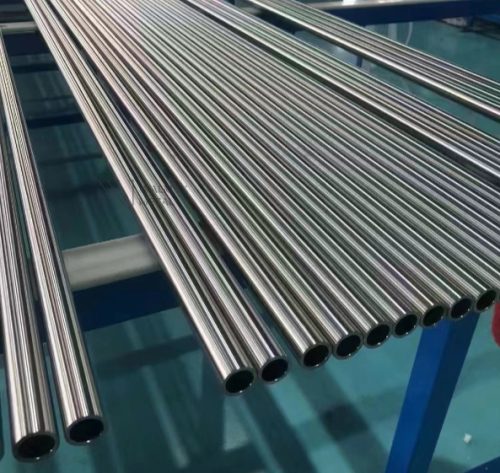
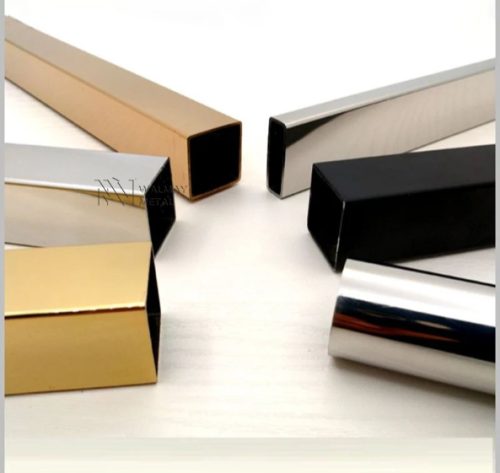
Walmay will help match the right stainless product form and specification for your application, confirm quantities and packing needs, and provide requested documents based on order requirements.
Loading form…