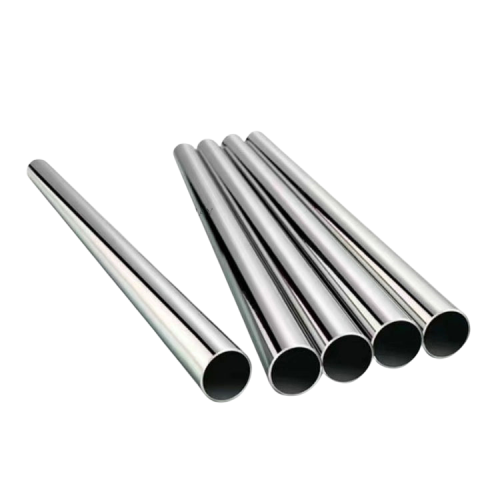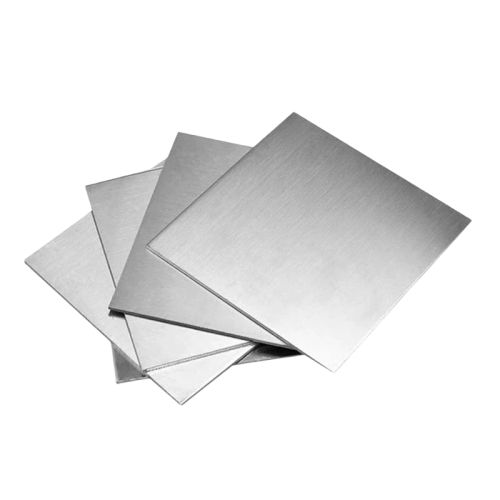
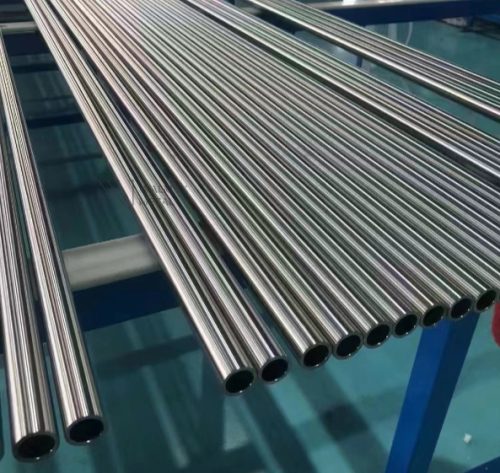
321 stainless steel tubing is the titanium-stabilised austenitic grade for service between about 425 and 815 C, where 304 and 316 sensitise and lose corrosion resistance. Titanium is added at a minimum of five times the carbon plus nitrogen content, so it ties up carbon as titanium carbides and leaves chromium in solution where it maintains the passive film. Walmay supplies 321 and 321H as seamless tube to ASTM A213, seamless and welded pipe to ASTM A312, and instrumentation tube to A269, in sizes from 6 mm OD to 273 mm and 1/8 inch to 10 inch NPS.


| Item | Detail |
|---|---|
| Grade | 321, UNS S32100, and 321H, UNS S32109 |
| Tube standards | ASTM A213 seamless boiler and heat exchanger, ASTM A269 instrumentation |
| Pipe standards | ASTM A312 / SA312 seamless and welded, ASTM A358 |
| Size range, tube | 6-114 mm OD, 0.7-8.0 mm wall |
| Size range, pipe | 1/8 in to 10 in NPS |
| Schedules | 5S, 10S, 40S, 80S, and to order |
| Length | 6 m random, or cut to length |
| Condition | Solution annealed, or stabilise annealed on request |
| Certification | EN 10204 3.1 with titanium reported, hydrostatic or NDT per standard |
| Element | 321 | 321H |
|---|---|---|
| Carbon | 0.08 max | 0.04-0.10 |
| Chromium | 17.0-19.0 | 17.0-19.0 |
| Nickel | 9.0-12.0 | 9.0-12.0 |
| Titanium | 5 x (C + N) min, 0.70 max | 4 x (C + N) min, 0.60 max |
| Manganese | 2.00 max | 2.00 max |
| Silicon | 1.00 max | 1.00 max |
| Nitrogen | 0.10 max | - |
Always ask for titanium and carbon as reported figures, not just as specification limits. A heat where titanium falls below five times carbon plus nitrogen is not effectively stabilised and will behave like plain 304 in the sensitisation range, whatever the grade marking says.
| Property | 321 | 321H | 304 for comparison |
|---|---|---|---|
| Yield strength minimum | 205 MPa | 205 MPa | 205 MPa |
| Tensile strength minimum | 515 MPa | 515 MPa | 515 MPa |
| Elongation | 35 percent | 35 percent | 35 percent |
| Maximum continuous service | About 815 C | About 870 C | About 870 C oxidation, but sensitises far lower |
| Oxidation resistance limit | About 900 C intermittent | About 900 C | About 870 C |
| Creep strength above 550 C | High | Higher, the reason for the H grade | Low |
| Density | 8.0 g/cm3 | 8.0 g/cm3 | 8.0 g/cm3 |
321H is the same alloy with a deliberately raised carbon range, because carbon improves creep strength. It is specified where the part carries load at temperature, typically superheater and reheater tubing, and it is the version ASME code work usually calls for above 540 C.
| System | 321 | 321H |
|---|---|---|
| UNS | S32100 | S32109 |
| AISI / ASTM | 321, Type 321 | 321H |
| EN material number | 1.4541 | 1.4878 |
| EN steel name | X6CrNiTi18-10 | X8CrNiTi18-10 |
| JIS | SUS 321 | SUS 321H |
| GB | 0Cr18Ni10Ti | 1Cr18Ni9Ti |
| DIN old | 1.4541 | 1.4878 |
The nearest functional alternative is 347, EN 1.4550, which uses niobium instead of titanium as the stabiliser. 347 is preferred where the material will be welded in aggressive service, because titanium is partly lost across the arc while niobium is not, and 347 filler is what is used to weld 321 for exactly this reason.
| Item | Detail |
|---|---|
| Minimum order | 500 kg from stock, 2 tonnes for a mill run |
| Lead time from stock | 12-18 days |
| Lead time mill run | 40-60 days |
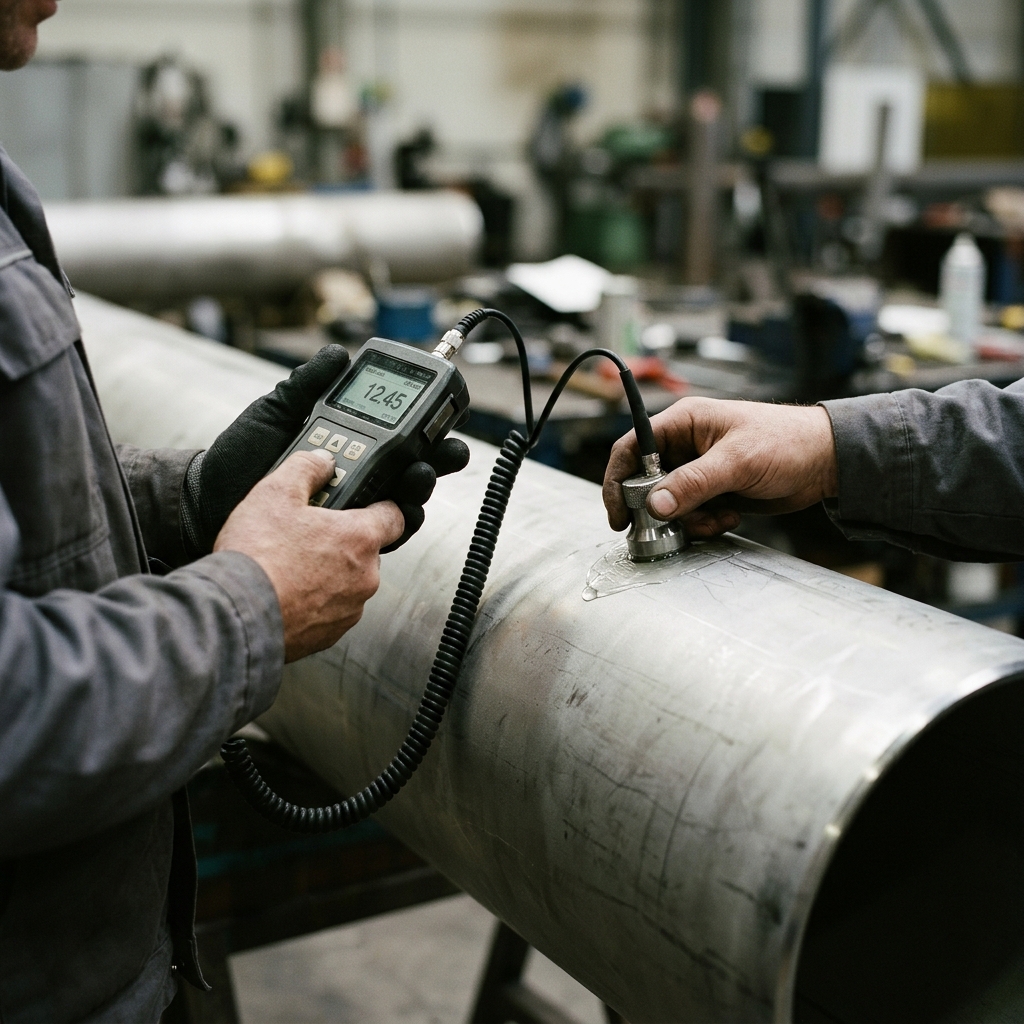
| Testing | Hydrostatic, eddy current or ultrasonic per standard, PMI, grain size and intergranular corrosion test on request |
| Documentation | EN 10204 3.1 with titanium and carbon reported, elevated-temperature data on request |
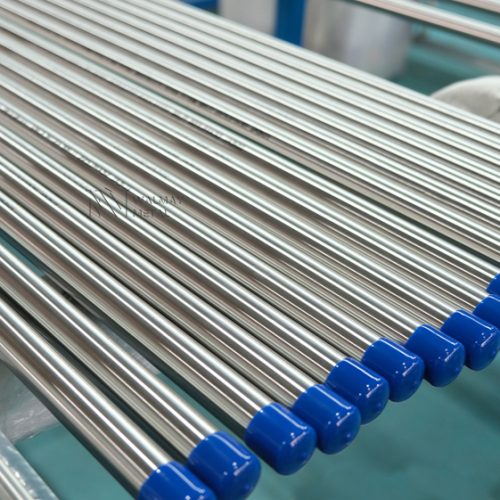
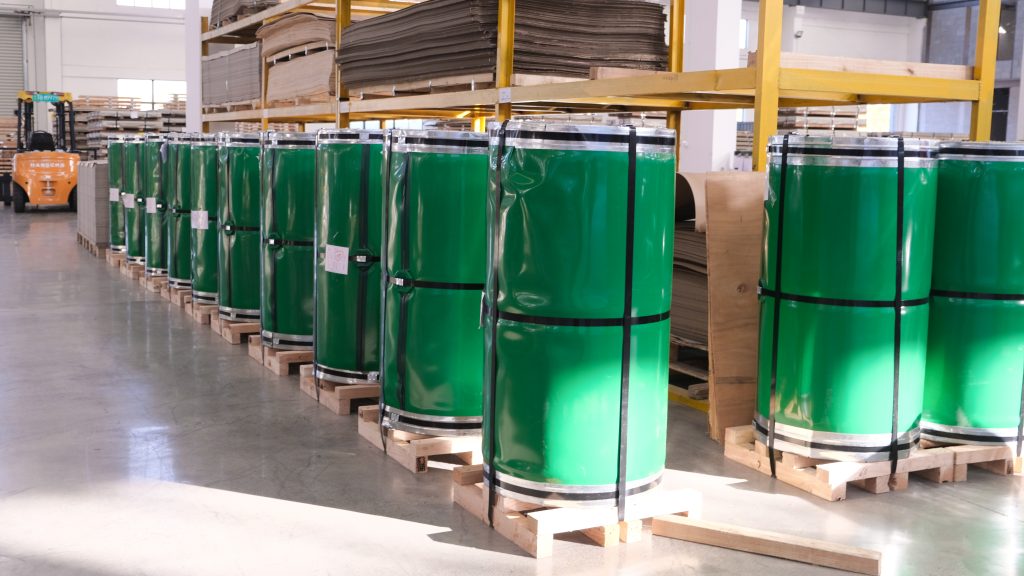
| Packing | Hexagonal bundles, end caps, crated for small tube |
| Incoterms | FOB, CIF, DAP |
Tell us the operating temperature and whether the component is load bearing, because that determines whether 321 or 321H is correct, and whether a stabilise anneal should be added.
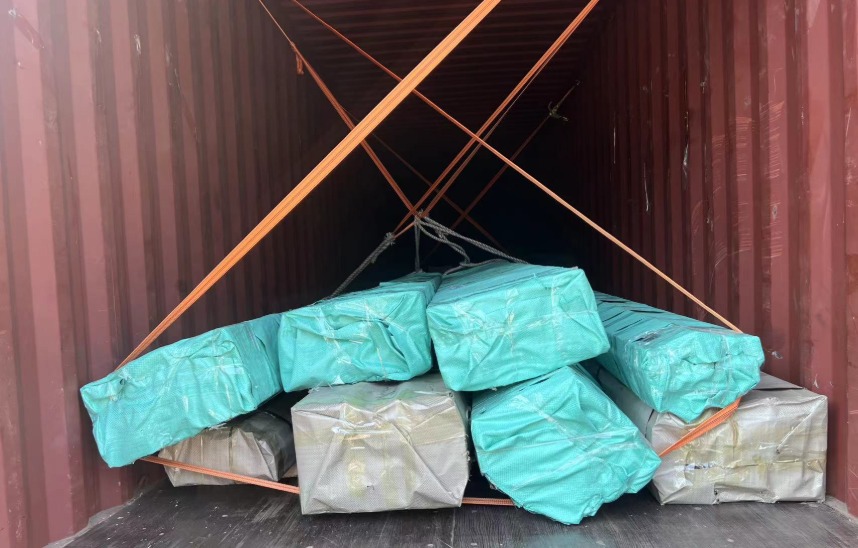
Stainless Steel Tubes Packed in Truck

Wooden Crate Packaging in Factory
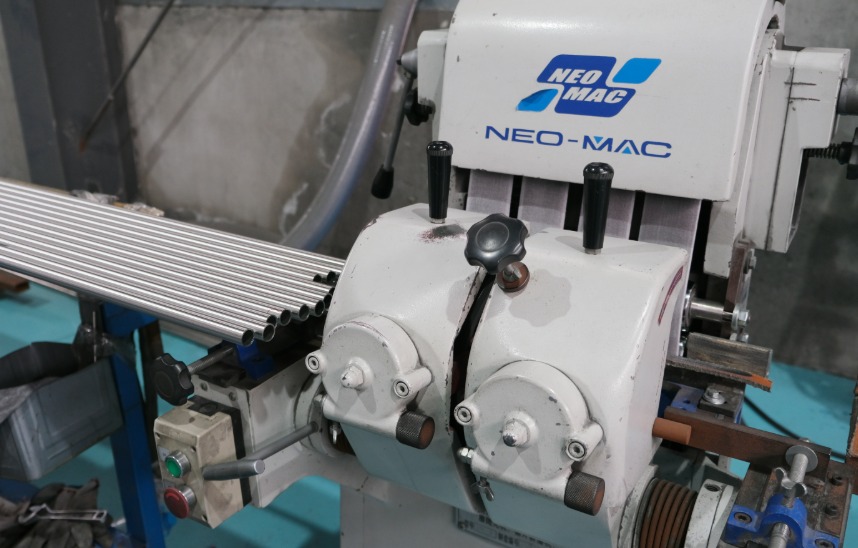
Neo-Mac Machine with Stainless Steel Tubes

Factory Tube Packaging Process

Industrial Manufacturing Equipment
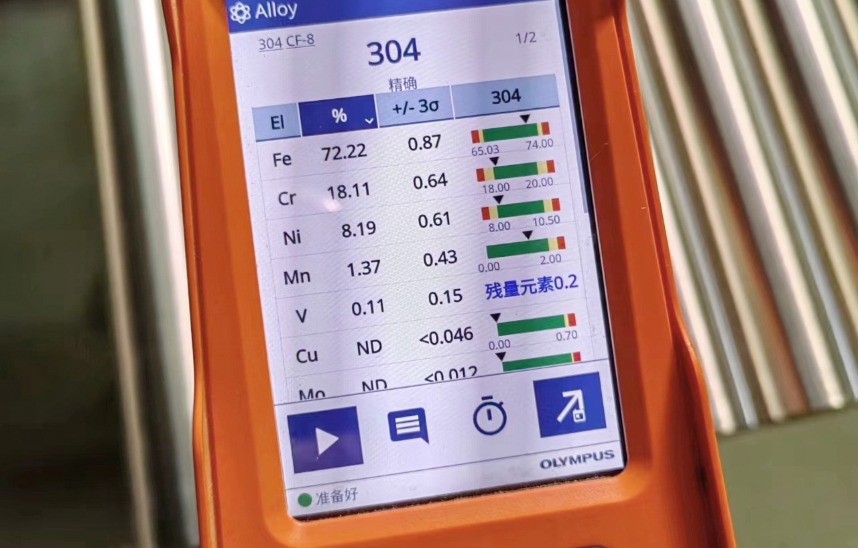
Stainless Steel Composition Analyzer
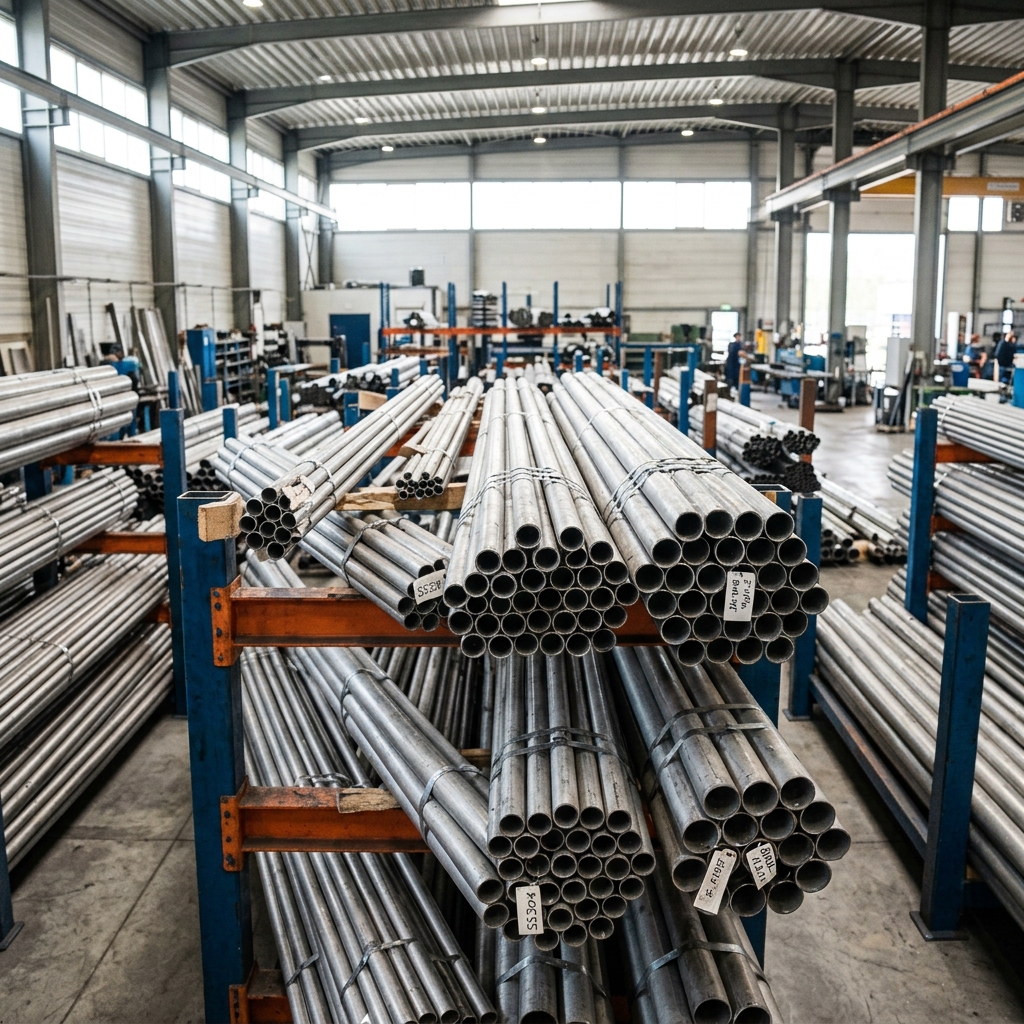
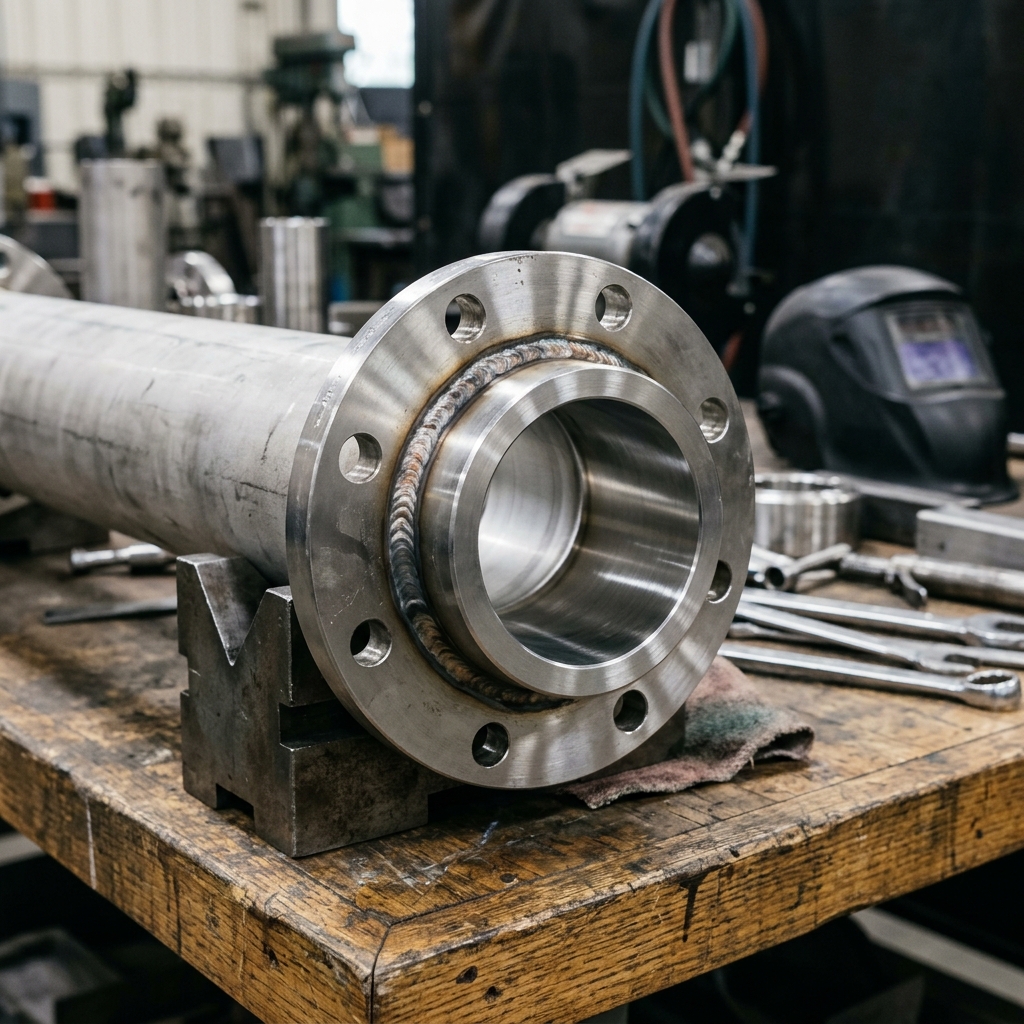
321 stainless steel tubing is the titanium-stabilised austenitic grade for service between about 425 and 815 C, where 304 and 316 sensitise and lose corrosion resistance. Titanium is added at a minimum of five times the carbon plus nitrogen content, so it ties up carbon as titanium carbides and leaves chromium in solution where it maintains the passive film. Walmay supplies 321 and 321H as seamless tube to ASTM A213, seamless and welded pipe to ASTM A312, and instrumentation tube to A269, in sizes from 6 mm OD to 273 mm and 1/8 inch to 10 inch NPS.
Every austenitic stainless steel that is held in the 425 to 815 C band precipitates chromium carbides at its grain boundaries, leaving those boundaries chromium depleted and open to intergranular attack. Low-carbon grades such as 304L and 316L avoid this by having too little carbon to form the carbides, but that only works up to a point: at sustained high temperature carbon continues to diffuse and even an L grade eventually sensitises. It also costs strength, which matters most at temperature.
321 takes the other route. Titanium has a stronger affinity for carbon than chromium does, so titanium carbides form preferentially and chromium stays where it is needed. The result is a grade that can sit at 600 C indefinitely without losing its corrosion resistance, and that retains far better creep strength than 304L at the same temperature.
| Approach | Grade | Works to | Creep strength at 600 C |
|---|---|---|---|
| Standard carbon | 304, 316 | Sensitises in the 425-815 C band | Moderate |
| Reduced carbon | 304L, 316L | Short exposure only | Low |
| Titanium stabilised | 321, 321H | Continuous service to 815 C, oxidation to 900 C | High |
| Niobium stabilised | 347, 347H | Same band, better in aggressive weld service | High |
| High chromium and nickel | 310S | Continuous to 1,150 C | Very high |
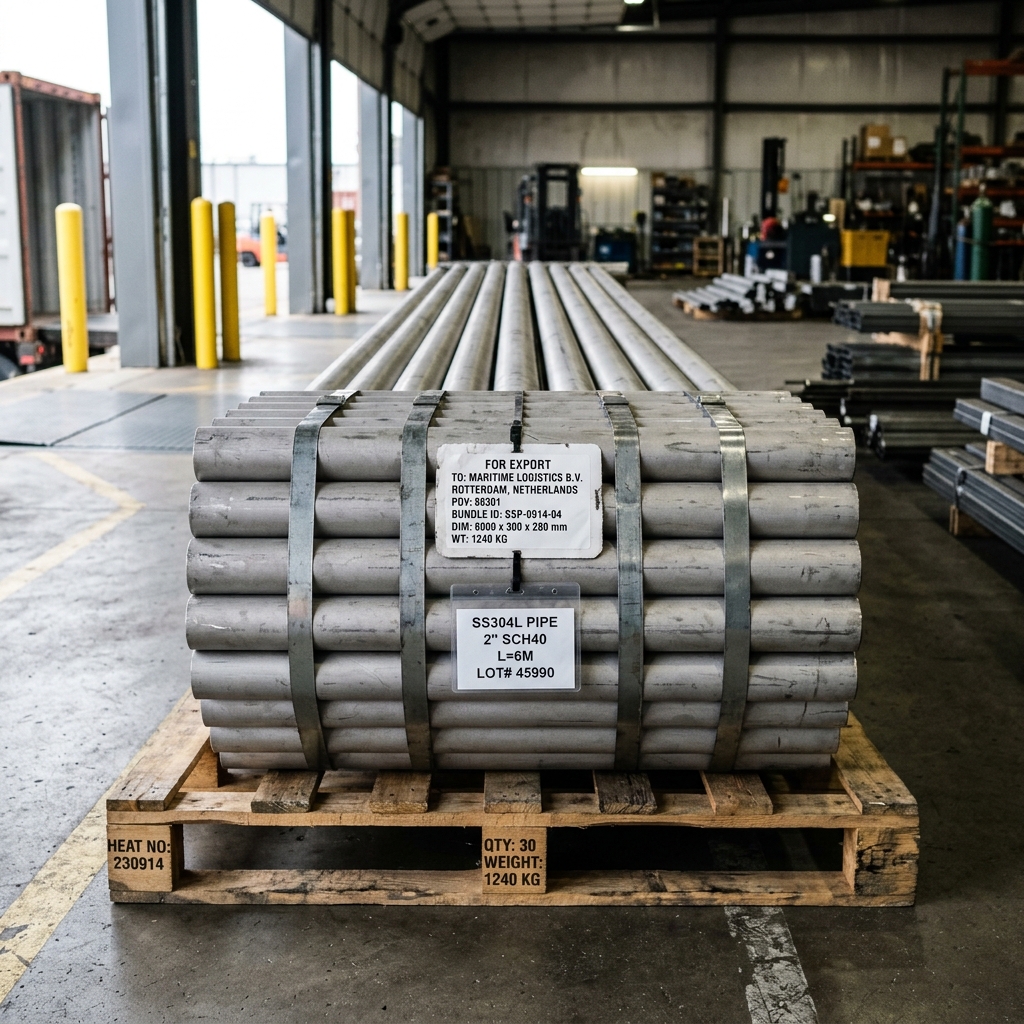
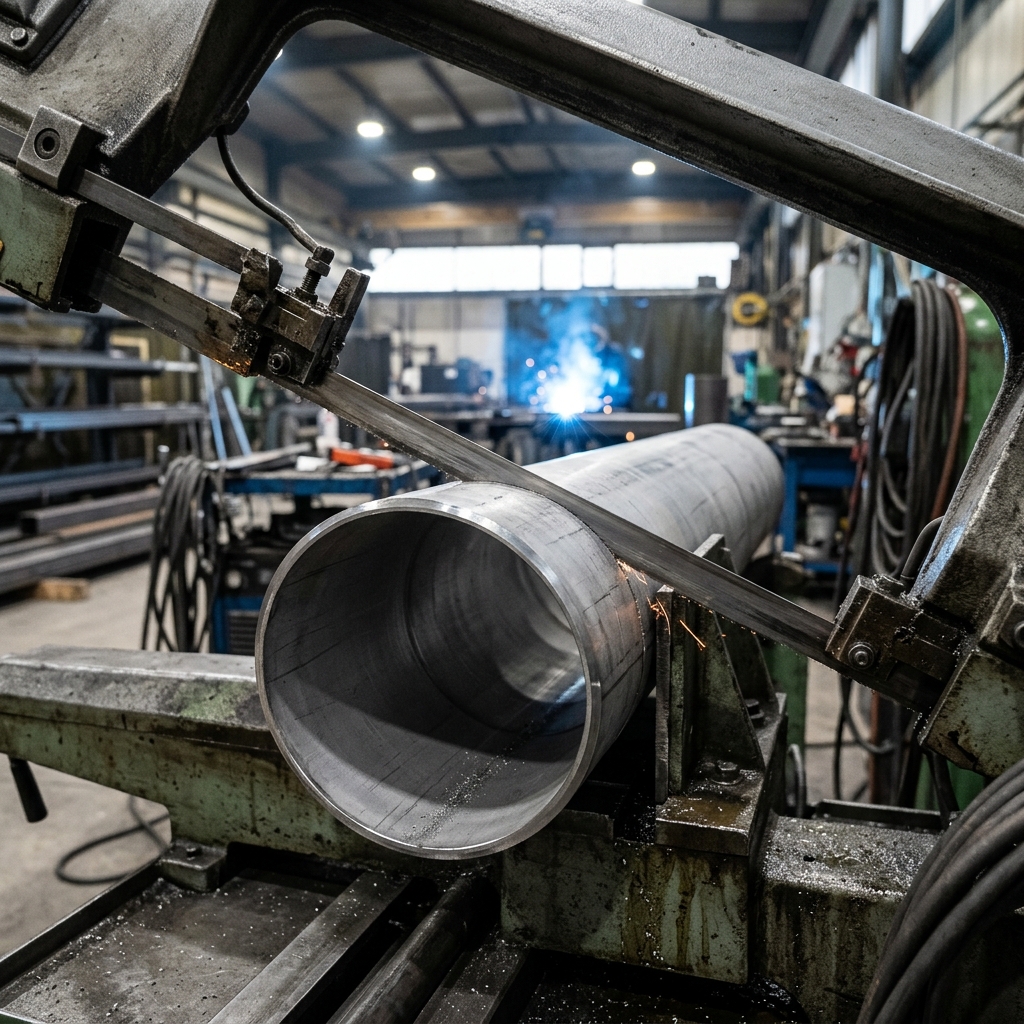
Our welding, cutting, bending and heat treatment capabilities cover these steps, described on the fabrication page.
Related products: 321 sheet, 321 coil, 310S pipe, 316Ti pipe, seamless pipe, and the full pipe and tube range.
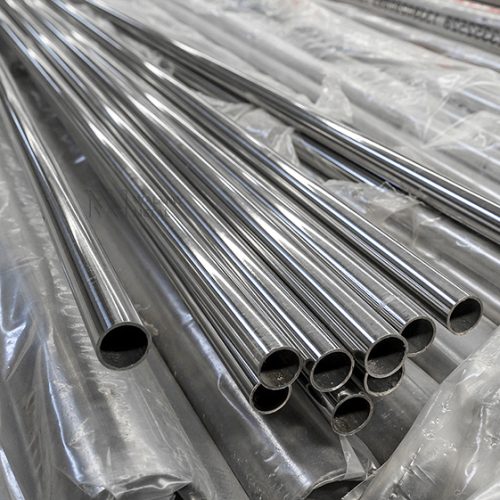
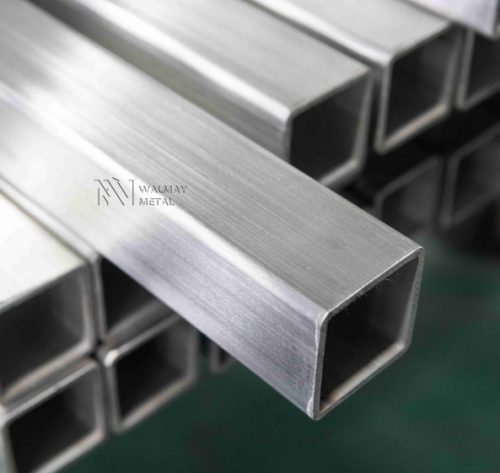
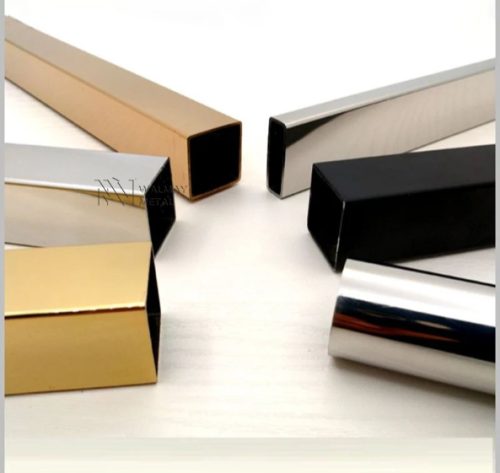

Walmay will help match the right stainless product form and specification for your application, confirm quantities and packing needs, and provide requested documents based on order requirements.
Loading form…