 By Walmay
 22 Jun, 2026
 8 Minutes Read
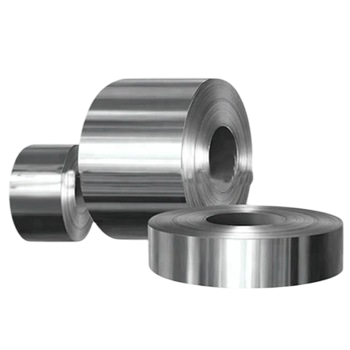
201 stainless steel is roughly 20–30% cheaper than 304 — we supply it as 201 hot rolled stainless steel coil for dry, cost-sensitive applications. Use 201 for dry indoor decorative parts and you’ll be fine. Use it for sinks, outdoor cladding, food contact, or anything that sees salt, humidity, or acidic cleaners, and it will pit, rust, and embarrass you within months.
The rest of this guide breaks down exactly where the line sits, with real composition numbers, field failure patterns, and the procurement traps that catch buyers who think a mill test report alone protects them.
Strip away the marketing and 201 vs 304 is a story about nickel. Nickel stabilizes the austenitic structure and does most of the heavy lifting for corrosion resistance. It’s also expensive — historically the single most volatile cost driver in stainless. 201 was developed in the 1950s when nickel was scarce, and it solves the cost problem by substituting manganese (5.5–7.5%) and nitrogen for roughly half the nickel.
Here’s what’s actually inside each grade:
Lower chromium. Half the nickel. More carbon. More manganese. The austenite is still there — 201 is genuinely austenitic and mostly non-magnetic in the annealed state — but the passive chromium-oxide film it forms is thinner and less stable. That’s the whole story in one paragraph. Everything else downstream — pitting, rusting, weld cracking, work hardening — flows from this composition shift.
If you want a deeper dive on why some stainless grades end up slightly magnetic after forming, see our guide on magnetic stainless steel properties.
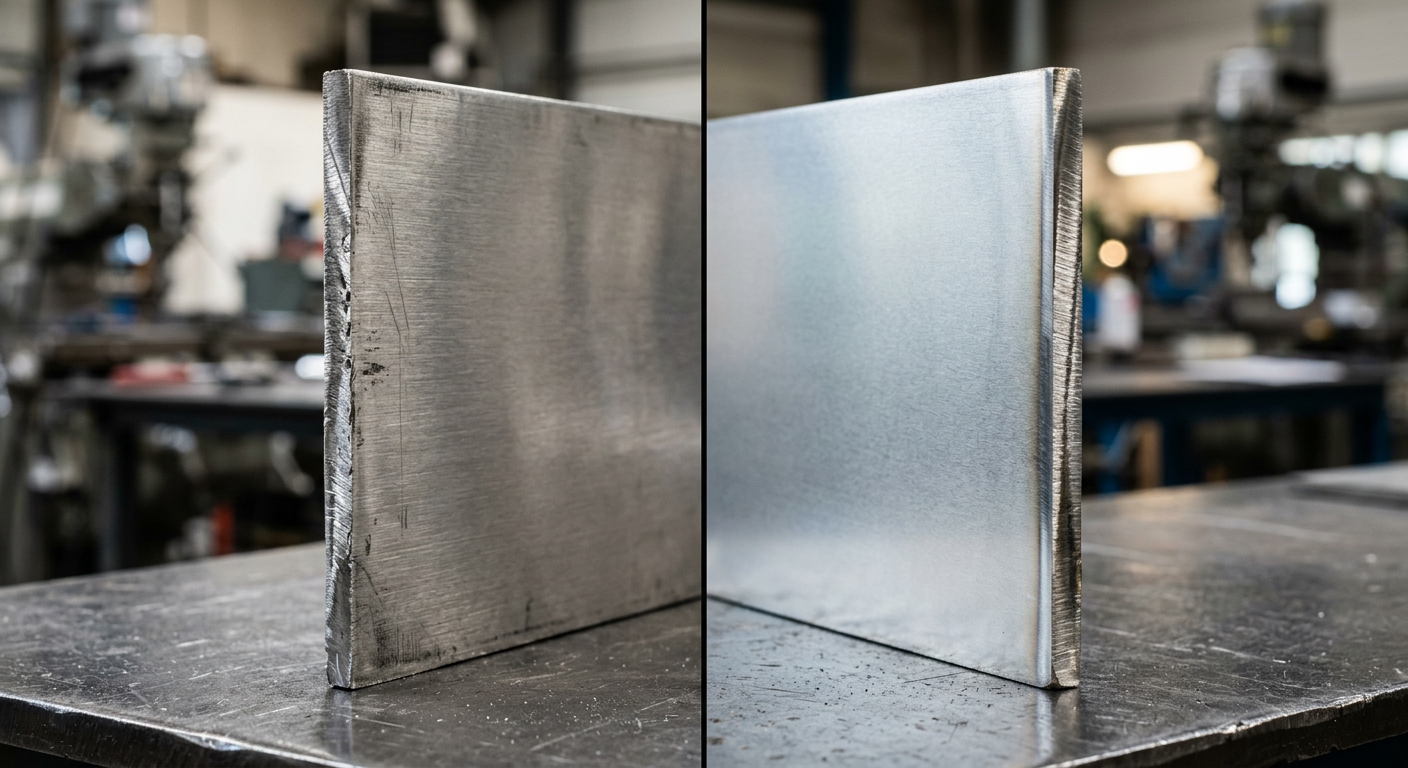
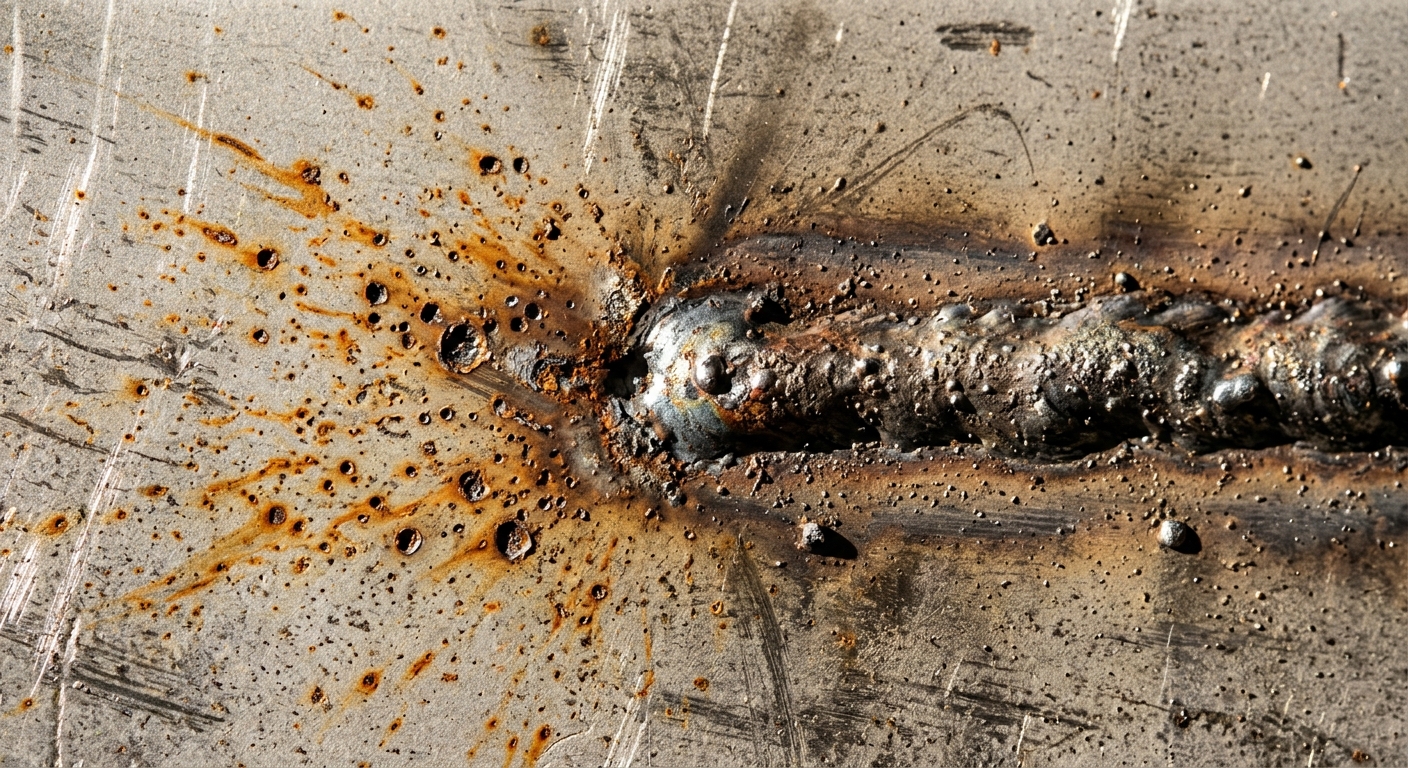
The classic 201 failure isn’t dramatic. It’s a customer complaint email three months after delivery with photos of brown freckles on a polished surface. That’s chloride-induced pitting, and 201 is dramatically more vulnerable than 304.
Anything within ~5 km of saltwater. A façade panel fabricator in the Middle East once ordered 201 sheet in a No. 4 finish for an apartment block 2 km from the coast, thinking the polished surface would protect it. Within a single rainy season the panels developed visible tea-staining and rust runs around fasteners. Replacement cost dwarfed the original material savings.
Acidic cleaning chemicals (chlorinated sanitizers, citric acid) chew through 201’s weaker passive layer. 201 sinks, splashbacks, and prep tables look identical to 304 on day one and start pitting around weld zones within months. For anything that meets food, stay with 304 or 316L — our breakdown of food processing plant requirements spells out the audit-level expectations.
Rainwater, road salt spray, atmospheric chlorides — 201 will tea-stain in any of these. Acceptable for indoor lobbies, dangerous for exterior cladding.
201’s higher carbon content (up to 0.15% vs 0.08%) means chromium carbide precipitation in the heat-affected zone is a real risk. Welds become preferential corrosion sites.
This is the procurement risk. If your customer spec says “stainless steel” without naming a grade, and you deliver 201, you’re carrying the warranty liability when it rusts.
201 isn’t a scam grade. It’s a legitimate ASTM A240 alloy with real industrial uses — the problem is misapplication, not the steel itself.
Good fits for 201:
For instance, a furniture OEM producing chrome-look indoor chair frames for shopping malls will save substantially on tube cost with 201 and never see a corrosion complaint — the parts live in air-conditioned dry environments their whole life. That’s a rational application.
Here’s the head-to-head at a glance, with the numbers that actually matter at a buying decision:
| Criteria | 201 Stainless Steel | 304 Stainless Steel |
|---|---|---|
| Nickel content | 3.5–5.5% | 8.0–10.5% |
| Manganese content | 5.5–7.5% | ≤ 2.0% |
| Chromium content | 16.0–18.0% | 18.0–20.0% |
| Yield strength (typical) | ~310 MPa | ~215 MPa |
| Corrosion resistance | Moderate (indoor only) | Strong (general purpose) |
| Formability | Lower, work-hardens fast | Excellent deep-draw |
| Weldability | Acceptable, hot-crack risk | Excellent |
| Relative cost | ~20–30% cheaper | Baseline |
| Best use case | Dry indoor decorative | Food, light marine, outdoor |
The cost gap is the seductive part. The corrosion gap is what destroys the savings when the spec is wrong.
Even if corrosion isn’t the deciding factor, the two grades feel completely different on the shop floor.
201 work-hardens noticeably faster than 304. Multi-stage deep draws that run cleanly in 304 will crack or thin excessively in 201 without an extra annealing step. Sink manufacturers learned this the hard way decades ago — the deeper bowl draws basically require 304 or 304DDQ.
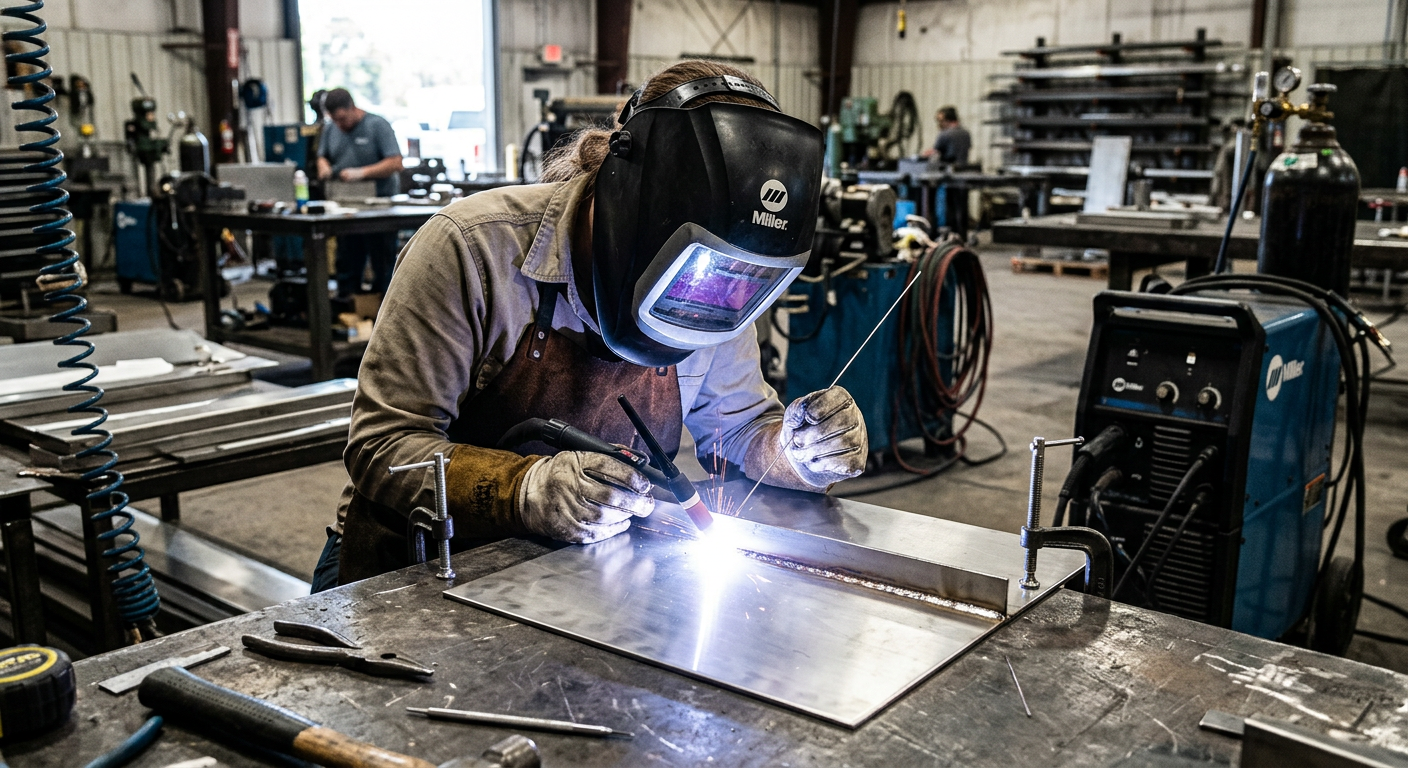
201 can be welded with standard GTAW/GMAW procedures, but two things bite:
304 is, frankly, one of the most forgiving stainless grades to weld. If your fabricators are used to 304 and you swap in 201, expect a learning curve and higher rework.
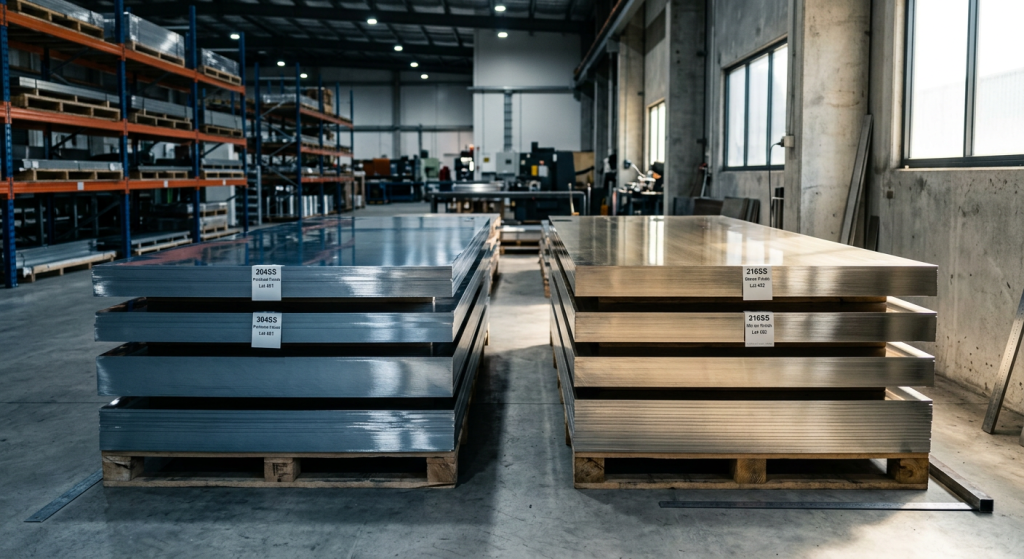
201 polishes to a bright finish that looks identical to 304 — which is exactly why it’s so often substituted. The visual deception is the problem.
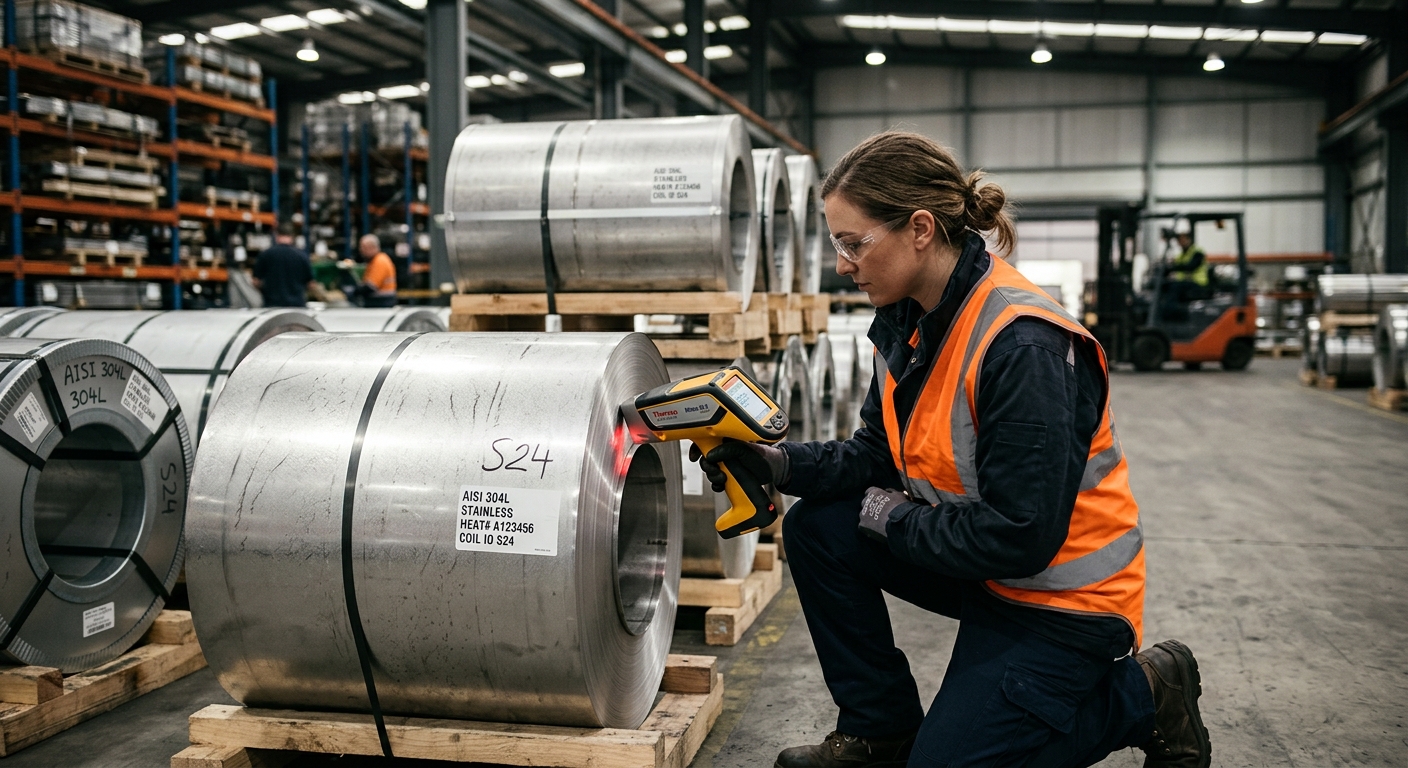
Both grades can pick up mild magnetism after heavy cold working (bending, drawing, roll forming). 201 tends to be slightly more magnetic in the annealed condition as well. Don’t use a fridge magnet as your incoming inspection tool — it’s unreliable. PMI (positive material identification) by XRF is the only honest test.
This is where buyers actually get burned. The technical comparison is clear; the commercial reality is murkier.
Common substitution patterns we see in the market:
How to protect yourself:
For broader sourcing strategy on grade selection, the stainless steel selection guide covers the full decision framework, and current nickel and chrome pricing trends give context for what realistic 304 numbers should look like this quarter.
Let’s run a realistic scenario. A buyer needs 50 tons of 1.2mm cold-rolled coil for outdoor signage frames.
Now factor in the realistic outcome of using 201 outdoors:
The $30k saving turns into a $75k loss before counting reputational cost. The 201 saving is only real when 201 is the right grade for the application. When it isn’t, the math is brutal.
Compare that to a legitimate 201 application — say, 50 tons of 0.8mm cold-rolled coil for indoor elevator panels in a desert-climate hotel. Same $30k saving, zero corrosion risk, customer never knows the difference. That’s the use case 201 was designed for.
If you’re sitting in front of a quote and trying to decide, work through these questions in order:
When you need help matching the right grade to the application — and confirming the certificate matches what’s actually in the coil — that’s where supplier choice matters more than chasing the lowest line item. Walmay supplies both 201 and 304 in sheets, coils, strips, and plates with EN 10204 3.1 certification and PMI verification on request. If you’re weighing 201 against 304 for a specific project, send us the application details and we’ll tell you straight whether 201 saves you money or sets you up for a callback in twelve months. Talk to our technical team before the PO goes out, not after the rust shows up.
 Industry Knowledge
 Industry Knowledge
 Industry Knowledge
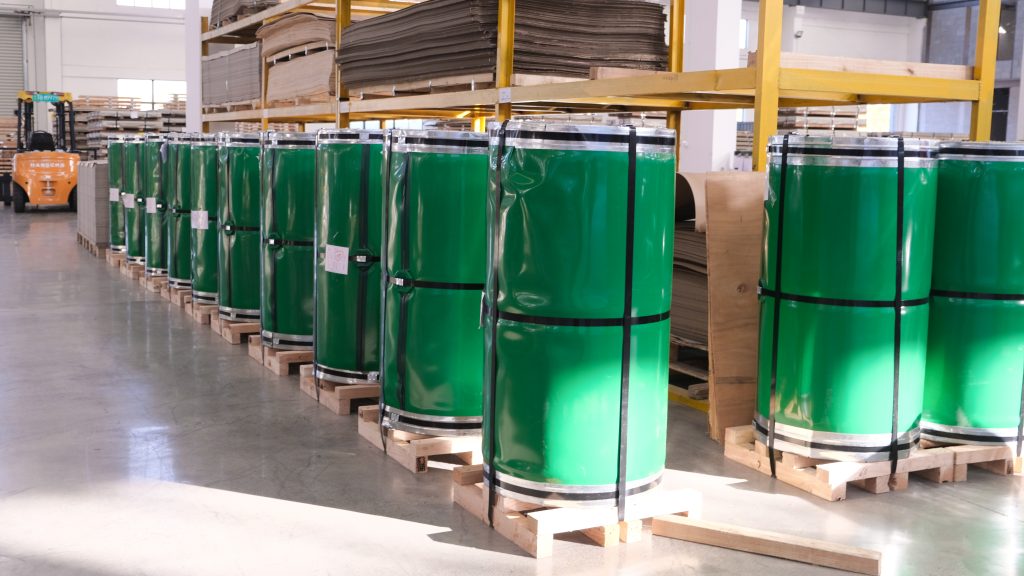
Walmay will help match the right stainless product form and specification for your application, confirm quantities and packing needs, and provide requested documents based on order requirements.
Loading form…