 By Walmay
 13 Jul, 2026
 7 Minutes Read
Stainless steel prices in Q2 2026 will likely trade sideways-to-modestly-higher, with 304 hovering near current levels and 316 pushing 2–5% upward on persistent nickel tightness and freshly imposed anti-dumping duties in Korea and the EU. The big variables aren’t mill capacity — they’re Indonesian nickel policy, Chinese export flows, and whether Western tariff regimes stick. Buyers should front-load 316-heavy orders, stagger 304 purchases, and stop assuming Q1’s softness will carry into summer.
Forget the bearish chatter from January. The setup for Q2 is tighter than most buyers realize.
Three forces are pulling in different directions. Nickel is the bullish one — LME three-month contracts have held above $17,500/t since mid-March, and Indonesian ore premiums just ticked up again. Tariffs are the wild card, with Korea’s 21.62% duty on Chinese stainless sheets reshaping Asian flows. Demand is the dampener — European construction is still soft, and US service center inventories are only now normalizing.
Net result: expect 304 cold-rolled coil to trade in a $2,450–$2,600/t range (CIF main ports), and 316 to push toward $3,900–$4,150/t. Ferritic grades like 430 stay boringly flat, which is exactly why they look attractive right now for buyers who can substitute.
If you only track one number this quarter, track LME nickel.
Nickel accounts for roughly 60–70% of the raw-material cost variance in austenitic stainless like 304 and 316. A $1,000/t move on LME translates, very roughly, to $80/t on 304 CRC and $140/t on 316 CRC once you factor in alloy surcharges and mill margin policies.
For instance, a mid-sized appliance manufacturer we spoke with locked 60% of their Q2 316 coil tonnage in March when LME was at $16,900. By mid-April nickel was $17,800. That single decision saved them roughly $90,000 on a 700-ton order.
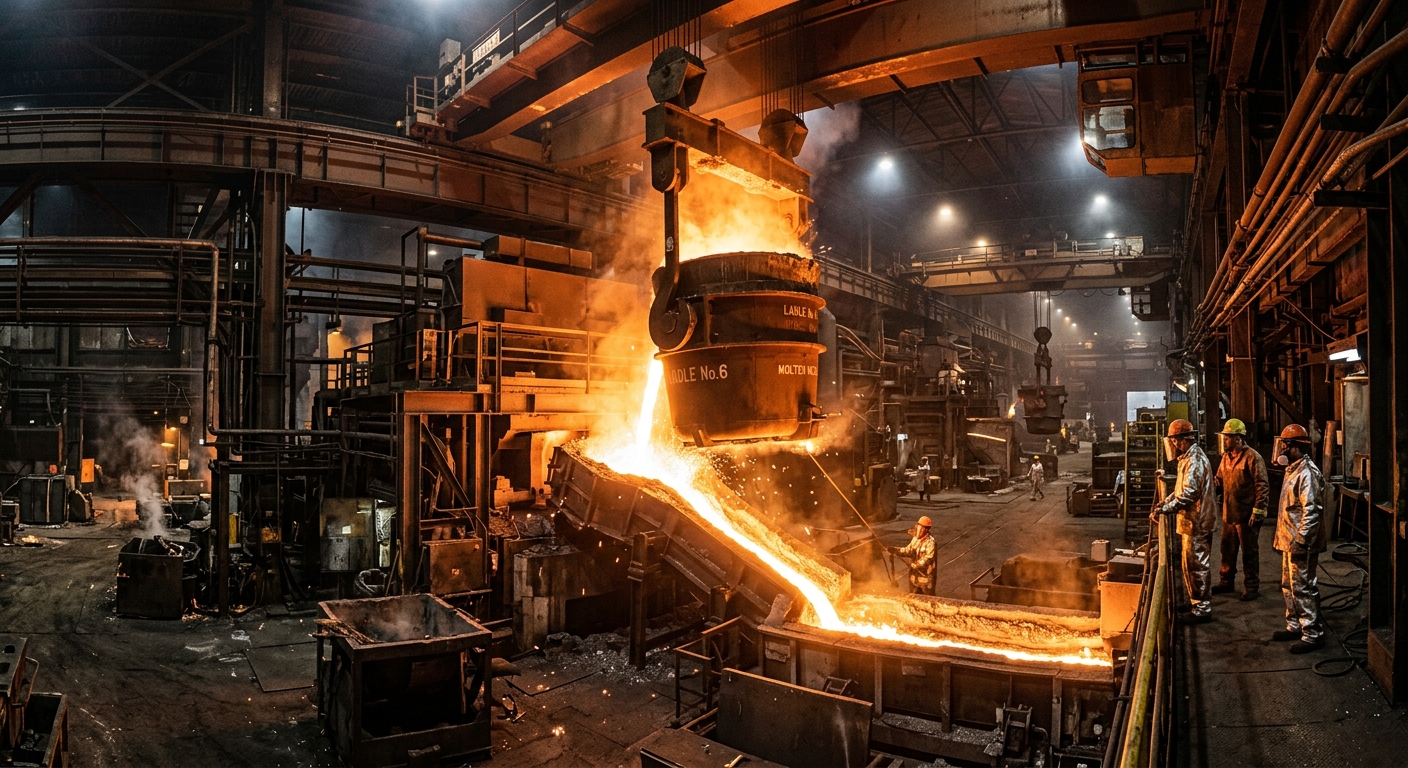
The tariff story in 2026 is no longer about threats — it’s about enforcement.
Korea’s anti-dumping duty on Chinese stainless sheets took effect earlier this year. The EU extended its safeguard measures through 2026, and the US Section 232 framework was reaffirmed in February. What this means practically: Chinese mills are re-routing volume to Southeast Asia, the Middle East, and Latin America, which is actually softening prices in those regions while tightening supply in tariff-protected markets.
A European fabricator sourcing 304 from a Vietnamese mill (non-Chinese origin, properly documented) is currently paying around 8–11% less than the same buyer purchasing from a German service center. That gap will narrow as Q2 progresses — but it exists now.
The catch: country-of-origin compliance is under a microscope. Transshipment investigations have doubled year-on-year. If you’re sourcing from a new supplier, demand full mill test certificates and a traceable production chain. We’ve covered why this matters in our guide on facts every stainless buyer must know.
Not every grade moves together. This is where generalist forecasts fail procurement teams.
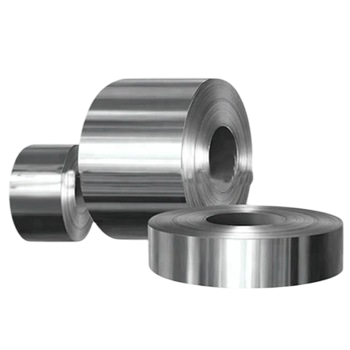
The most liquid grade globally. Expect $2,450–$2,600/t for 2mm CRC, CIF main Asian ports. Upside capped by abundant Chinese supply seeking non-tariff destinations. Downside cushioned by nickel.
Molybdenum prices are up roughly 18% since November, compounding the nickel story. 316 buyers should expect $3,900–$4,150/t and plan for a possible squeeze in June if Indonesian ore policy tightens further.
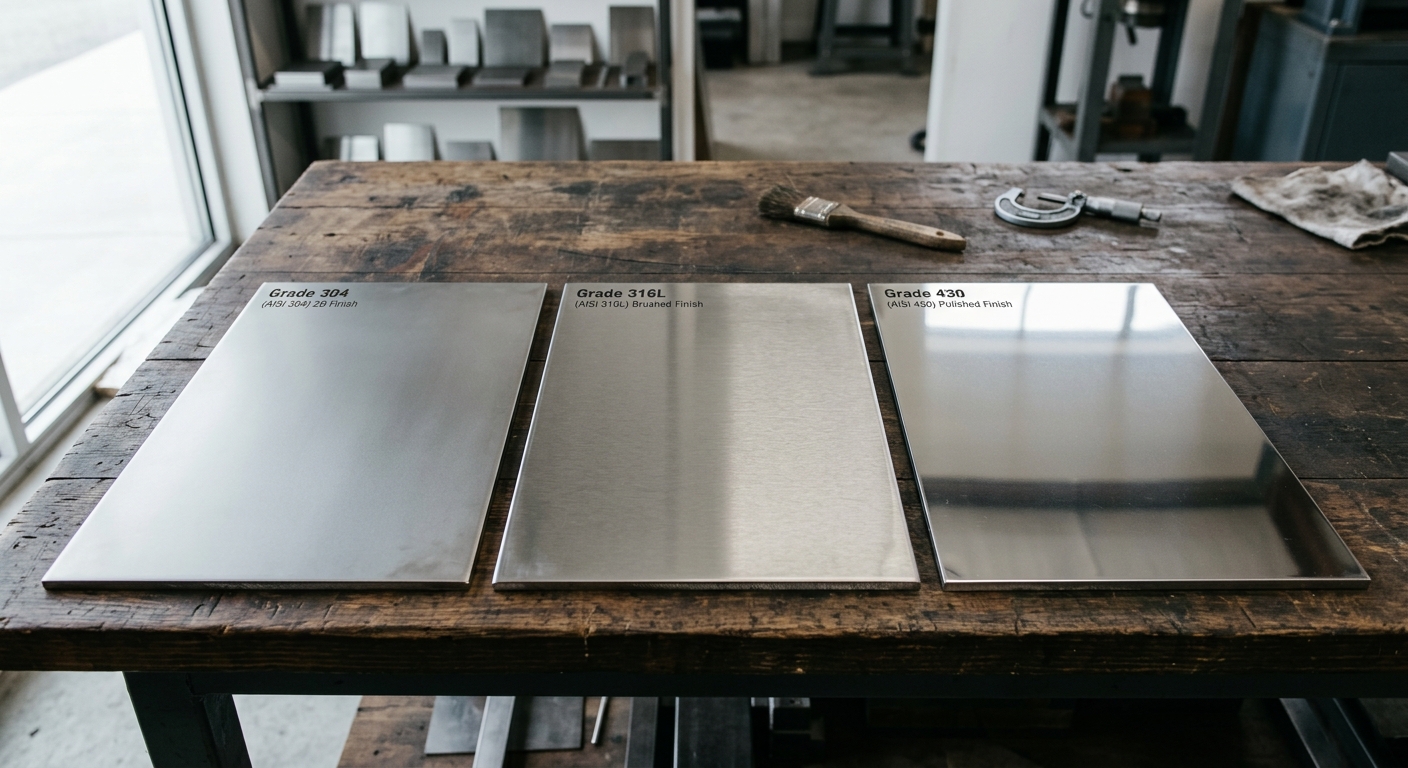
Ferritic stainless barely moves because it contains no nickel. Expect near-flat pricing around $1,350–$1,450/t. For applications where corrosion demands are moderate — think interior panels, white goods, some automotive trim — it’s worth revisiting whether 304 is truly required. Our breakdown of stainless grades and their applications is a good starting point for substitution conversations with engineering.
Consider a kitchen equipment manufacturer needing 500 tons of 304 2B coil across Q2.
Strategy A — Front-load everything in April. Locks the price but ties up working capital and warehouse space. Cost at today’s levels: roughly $1.25M, plus 2% carrying cost.
Strategy B — Index pricing tied to LME nickel + mill base. Removes the directional bet. Good if you believe nickel is range-bound, risky if Indonesia tightens further. Typical premium: $20–$40/t over fixed-price equivalents for the flexibility.
Strategy C — Stagger monthly. Split into three 165-ton tranches. This is what most sophisticated buyers will do in Q2. It averages out volatility, keeps cash flow clean, and leaves room to react if tariff news breaks.
For this buyer, Strategy C probably wins. For the same buyer purchasing 316 instead? Strategy A. When molybdenum and nickel are both trending up, optionality costs more than certainty.
Sticker price is only part of the equation. Three cost lines are creeping up that don’t show on the LME screen.
One fabricator we work with was quoted $2,520/t for 304 2B in February — then paid $2,690/t landed after freight, surcharge reset, and a slitting fee they hadn’t budgeted. That 6.7% surprise wiped out their Q1 margin cushion.
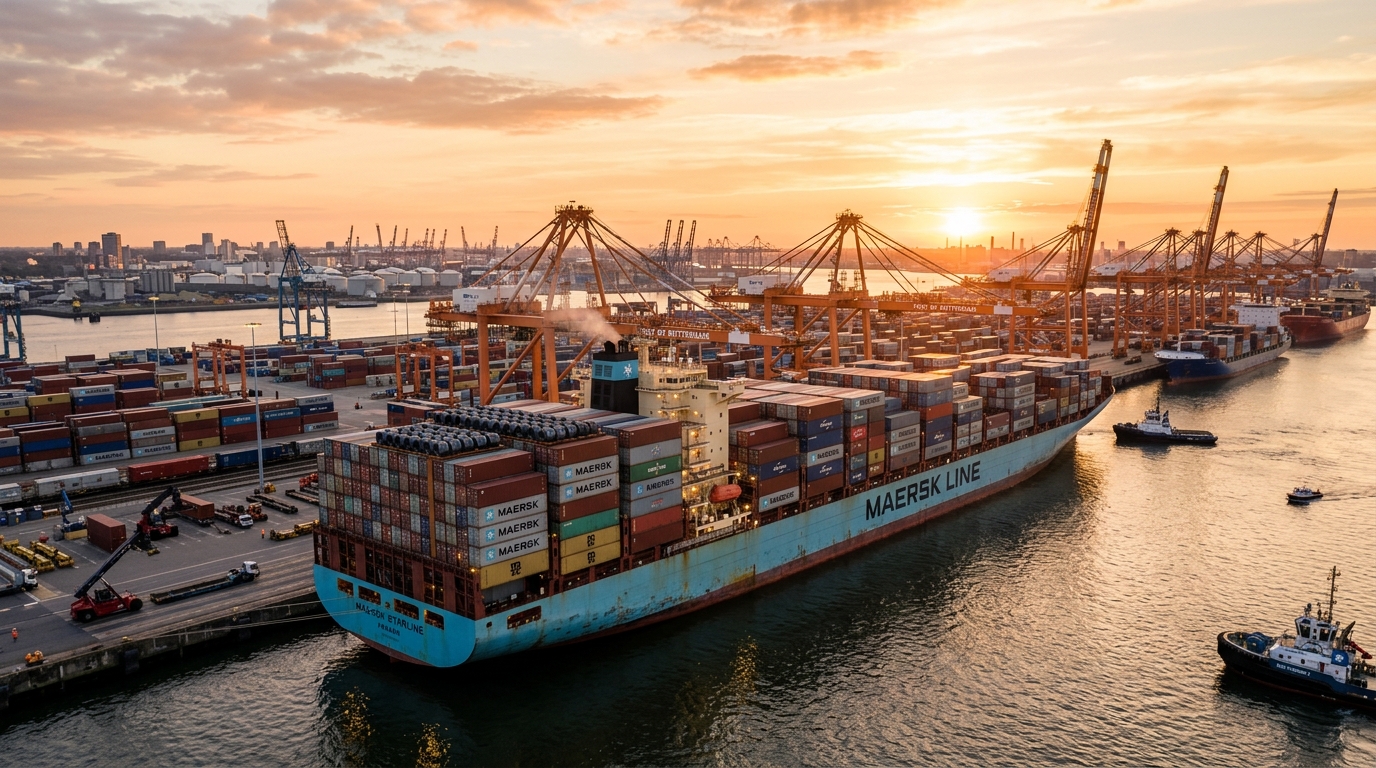
The procurement teams winning in 2026 share four habits worth copying.
If you’re new to the cold-rolled vs hot-rolled trade-off, our comparison of hot-rolled and cold-rolled steel lays out where the price and performance differences actually matter.
Here’s what to do in the next 30 days.
At walmaystainless, we work with buyers through exactly these decisions — grade selection, origin strategy, and pricing structure — across 304, 316, 430, and specialty grades. If you’d like a Q2 quote benchmarked against current LME and freight realities, or help structuring an index-linked contract, get in touch with our team. A 15-minute conversation often saves more than a week of spreadsheet work.
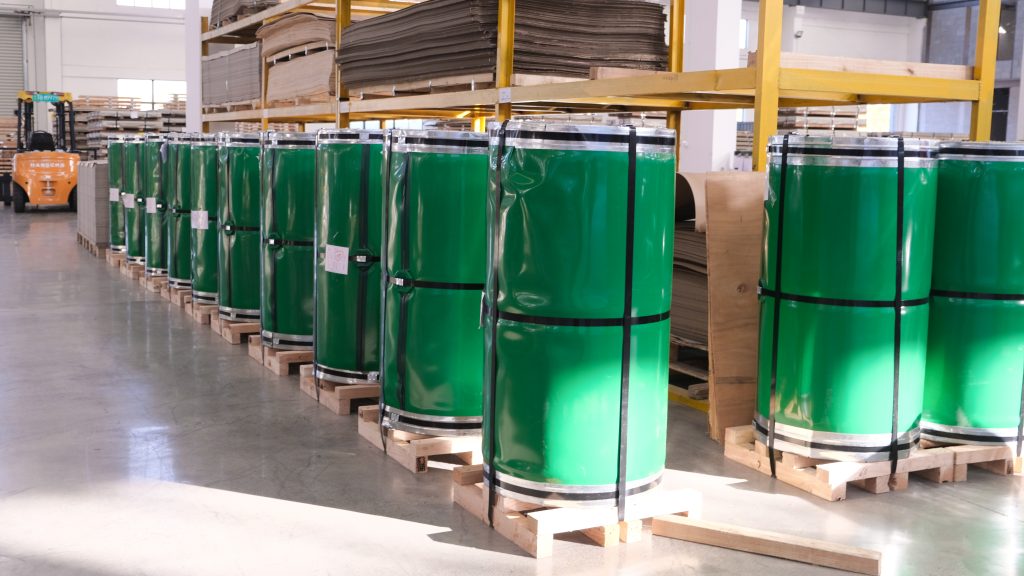
Walmay will help match the right stainless product form and specification for your application, confirm quantities and packing needs, and provide requested documents based on order requirements.
Loading form…