 By Walmay
 15 Jun, 2026
 8 Minutes Read
Stainless steel prices in June 2026 are sliding slightly on the austenitic side — 304 cold-rolled coil is trading roughly 4–6% below March highs — while 316 is holding firmer thanks to a stubborn molybdenum rally. Nickel has cooled below $15,500/t on the LME after Indonesian NPI exports overshot demand, but ferrochrome and moly are pushing the other way, which means buyers expecting a clean across-the-board drop are about to be disappointed.
The short version: if you buy 304, the window for restocking is opening. If you buy 316 or duplex, lock pricing now before chrome and moly carry mill base prices higher into Q3.
LME three-month nickel closed last week around $15,420/t, down from a Q1 average near $16,800. The driver isn’t demand collapse — global stainless melt rates are actually up year-on-year. It’s supply. Indonesian Class 2 nickel (NPI and matte) has flooded into Chinese mills at volumes that simply overwhelm what stainless production can absorb.
For procurement teams, this matters in a specific way: the nickel alloy surcharge component of your 304 invoice — usually 50–60% of the alloy adjustment — is finally easing. A European service center buying 304/2B coil at €2,950/t in March is seeing quotes around €2,780/t this month. That’s not a crash, but it’s a real opening for buyers who deferred orders.
One caveat. The Philippines extended its nickel ore export review, and if Manila tightens rules in late Q3, the Indonesian-dominated narrative shifts fast. Buyers planning Q4 deliveries should not assume nickel stays soft.
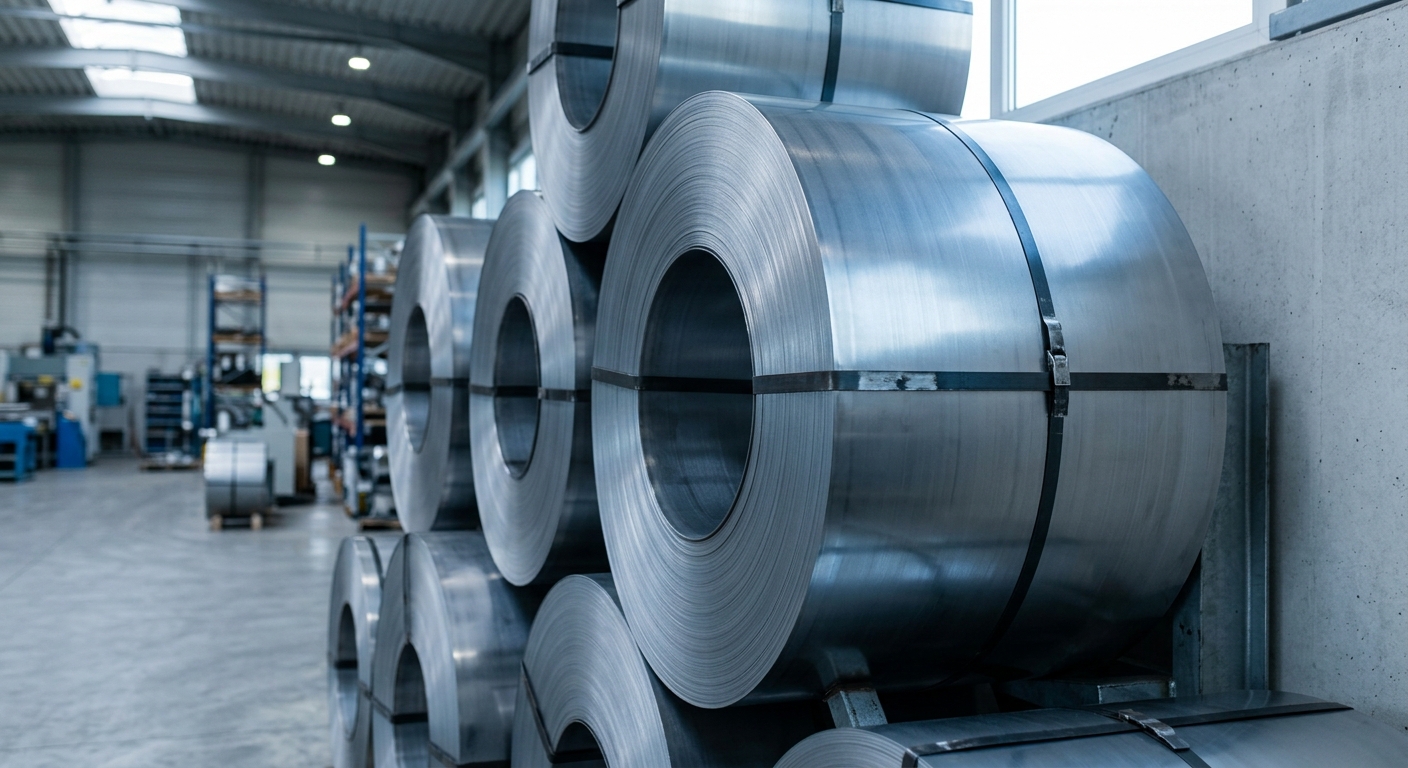
Here’s the part catching buyers off guard. 316 cold-rolled is barely moving despite the nickel pullback, because molybdenum just won’t quit. Moly oxide is trading near $24.80/lb in June, up from about $22.50 in Q1, on the back of constrained Chilean by-product supply and steady demand from oil and gas tubing.
Moly is only about 2–3% of 316’s composition, but at these prices it adds roughly $180–220/t to the finished sheet versus 304. So even when nickel softens, the moly premium widens the 304/316 spread instead of narrowing it. For example, a chemical processing fabricator in the Gulf placing a 60-ton order of 316L plate in June 2026 is paying about a 32% premium over equivalent 304 — versus a more typical 24–26% spread in 2024.
If you’re spec’ing a project where 304 will genuinely do the job, the economics for switching are stronger than they’ve been in two years. Our breakdown on 304 vs 316 in 2026 walks through where the substitution is safe and where it absolutely isn’t.
Chrome is the alloy nobody watches until it bites. South African ferrochrome producers — who supply roughly 30% of global high-carbon FeCr — have been throttling output through Q2 because of Eskom power tariff hikes and a stronger rand against the dollar. The benchmark European ferrochrome contract settled at $1.21/lb Cr for Q2, up 12% from Q1.
That feeds straight into base prices for every stainless grade, including the ferritics. 430 cold-rolled, which had been the cheap-alternative darling at roughly 60% of 304’s price, is now closer to 65%. That narrows the case for switching from 304 to 430 on cost alone — though for non-corrosive interior applications, 430 is still the right call. The trade-offs are covered in our piece on different types of stainless steel.
Watch the Q3 ferrochrome contract negotiation in late June. If it settles above $1.25/lb, expect mill base prices to lift another $40–70/t across the board in July shipments.
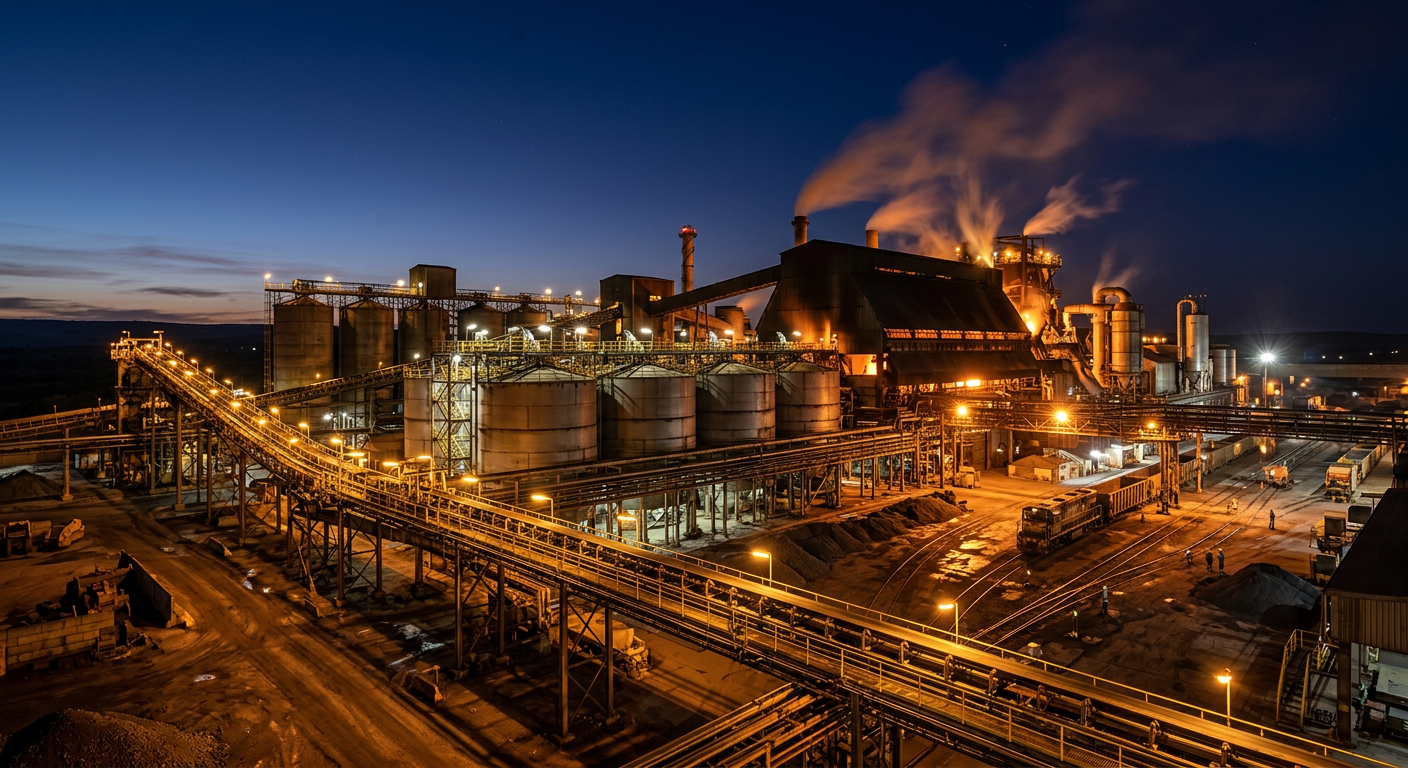
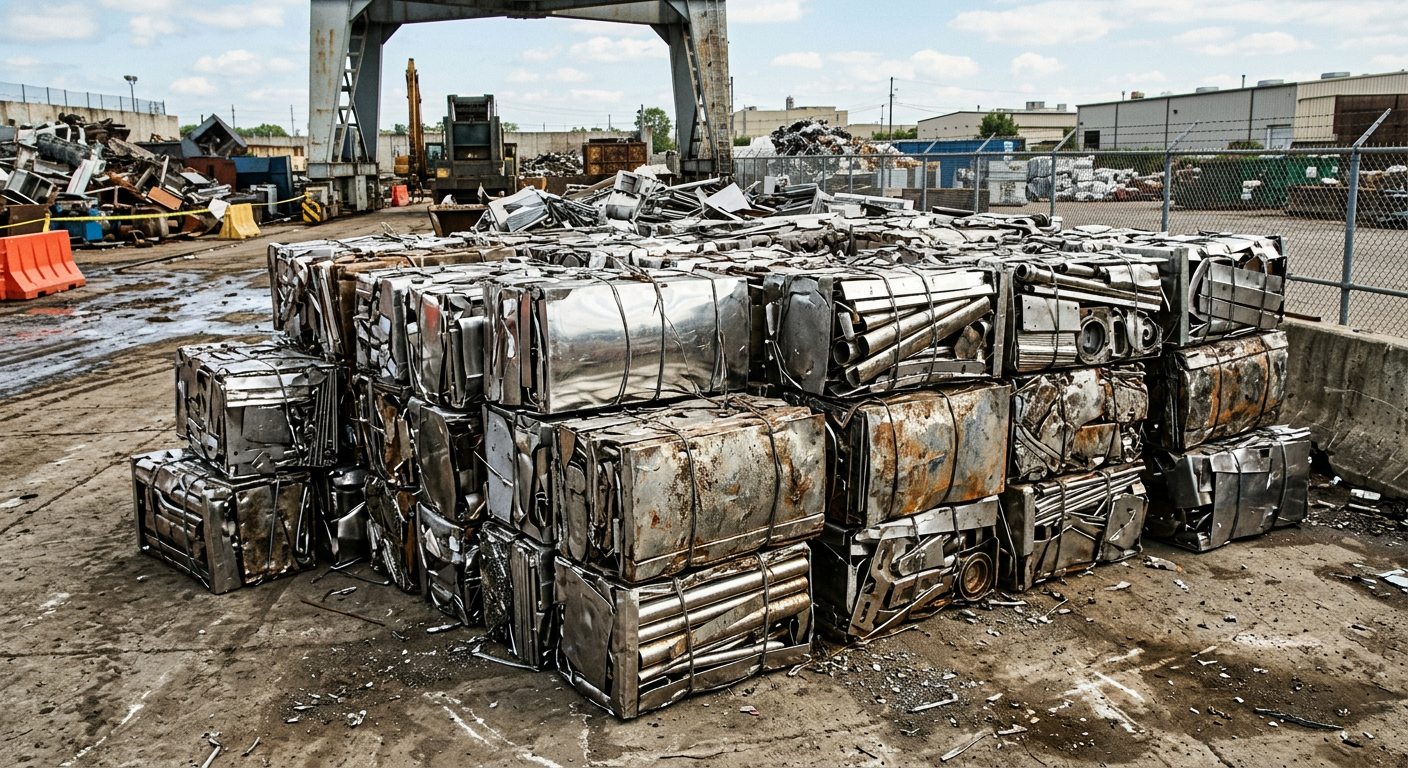
Scrap is where the disconnect gets interesting. 304 solids are trading around $1,330/t delivered to U.S. mills in June, down about 6% from March. But 316 scrap is barely moving — $2,090/t against a Q1 average of $2,180 — because moly-bearing scrap is being hoarded by mills who don’t want to buy expensive virgin moly oxide.
What does this mean for buyers? Two things:
A practical example: a U.S. food equipment OEM we work with renegotiated their Q3 304 sheet contract in early June and pulled $90/t out of the price by referencing domestic scrap indices directly. Their previous contract was indexed only to LME nickel, which missed the scrap softness entirely. Indexing matters.
Pricing isn’t moving uniformly. Here’s how the major regions stack up for 304/2B 1.0mm cold-rolled coil, FOB or equivalent, in mid-June:
The Korean anti-dumping action we covered in detail (21.62% duty proposal) is now in active enforcement and has redirected meaningful Chinese tonnage toward Southeast Asia and the Middle East — which is part of why CFR Jebel Ali prices have softened more than mill base prices would suggest.
Here’s the practical playbook for the next 90 days.
Place orders now or in early July. Nickel softness is real, scrap is helping, and the downside risk is modest unless a Philippine export ban materializes. Lock 60–90 day contracts where you can.
Don’t wait. Moly is not turning around in Q3, and ferrochrome is pushing the wrong way. Every week you defer a 316L plate order at current pricing is risk you don’t need to carry. Duplex 2205 is especially exposed because it carries both chrome and moly weighting.
The chrome squeeze means the cost gap with 304 is narrower than usual. Re-run your make-vs-spec calculations. Some buyers who switched to 430 in 2023 will find 304 is now only 12–15% more expensive than 430 instead of the historical 40%+ premium.
Consolidate suppliers where possible. Mills are quoting better when they see committed annual volume across sheets, coils, plates, and tubes rather than spot inquiries on single SKUs.

Every mid-year forecast has its blind spots. Two things could rewrite this picture before September.
Indonesian export policy. Jakarta has been hinting at NPI export levies for 18 months. If a 5–10% export duty actually lands in Q3, expect nickel to spike 8–12% within weeks and 304 mill offers to follow within a month. Probability is moderate, impact is large.
European safeguard renewal. The EU stainless safeguard quota review concludes in late June. A tighter quota tightens the European market and pushes more Asian tonnage toward the Middle East and Africa — softening prices there while lifting them in Europe. Most likely scenario is a modest tightening, not a dramatic shift, but watch the announcement.
Neither wildcard changes the core advice: 304 buyers have an opening now, 316 buyers should not wait.
A quote from a mill or distributor in this market should always break out base price, alloy surcharge, and any extras for finish, width, or thickness. If a supplier hands you a single all-in number, you cannot tell whether they’re passing through the nickel softness or pocketing it.
Specifically, ask for:
For a refresher on how tolerance specs translate into actual procurement risk, our coverage on hot rolled vs cold rolled steel covers the relevant ground.
One last note: surface finish premiums are stable. 2B remains the volume baseline, BA is roughly $80–120/t over 2B, and No. 4 brushed is $150–220/t over 2B depending on width. These spreads haven’t moved with the alloy market and likely won’t this year.
The June 2026 stainless market is split. Nickel says one thing, chrome and moly say another, scrap tells a third story, and regional policy is layered on top of all of it. The buyers who do well in the next quarter will be the ones who stop treating “stainless price” as a single number and start reading the components.
To summarize the actionable points:
If you’re sizing up a Q3 order — whether that’s coil for a fabrication line, plate for pressure vessels, or tubing for a process project — Walmay Stainless can provide grade-specific pricing with full alloy surcharge transparency and current lead times across all major stainless product forms. Send us your spec sheet and we’ll give you a quote you can actually defend to your finance team.
 Stainless Steel Prices
 Stainless Steel Prices
 Stainless Steel Prices
Walmay will help match the right stainless product form and specification for your application, confirm quantities and packing needs, and provide requested documents based on order requirements.