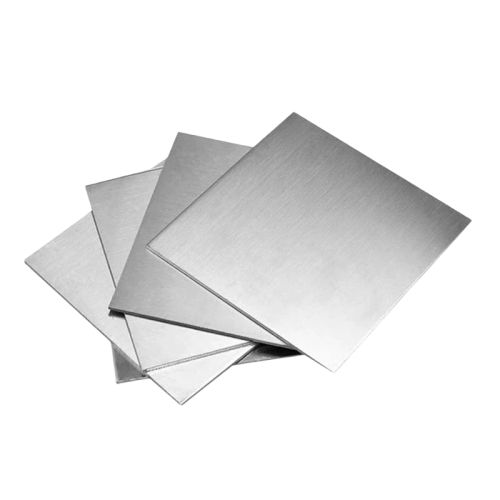
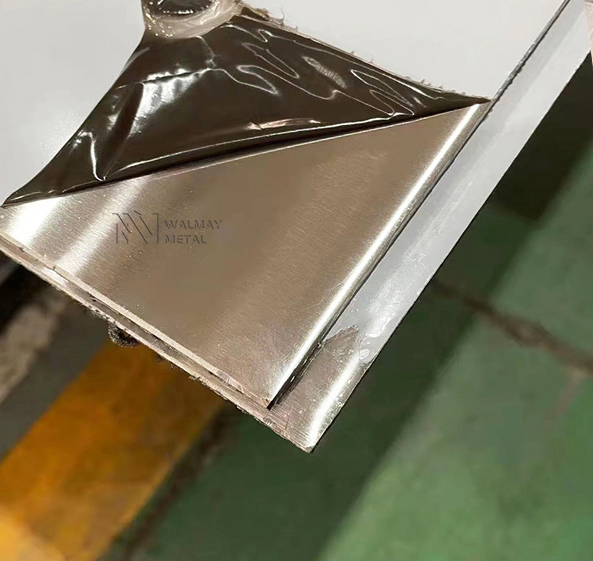
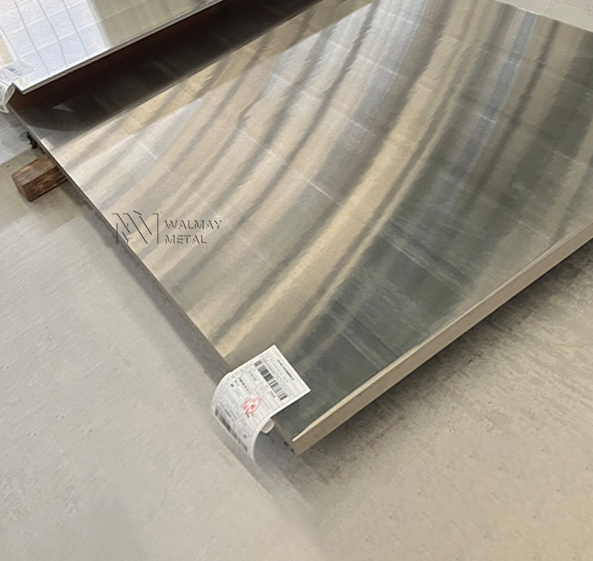
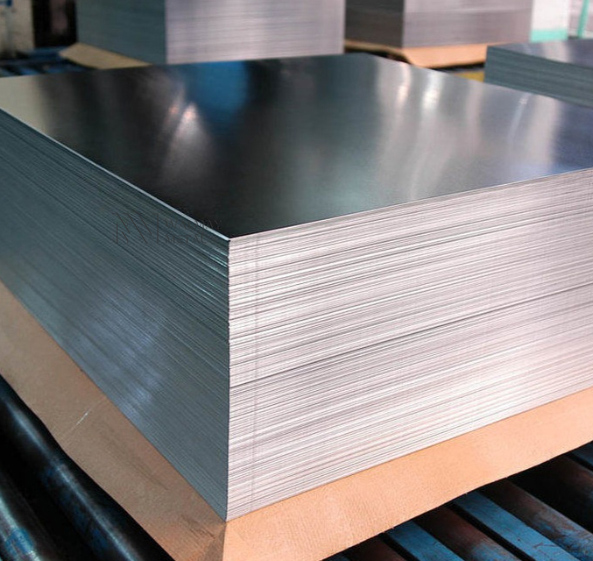
409 stainless steel sheet is the titanium-stabilised ferritic grade developed for automotive exhaust systems, and it remains the highest-tonnage stainless product in the automotive industry. With 10.5 to 11.75 percent chromium it sits at the very bottom of the stainless range, and it carries almost no nickel, which makes it the least expensive stainless steel of all. The titanium addition is what distinguishes it from 430: it ties up carbon and nitrogen so the grade can be welded without the heat-affected zone losing ductility or corrosion resistance. Walmay supplies it to ASTM A240 from 0.6 mm to 6.0 mm thick, cut to size.
| Item | Detail |
|---|---|
| Grade | 409, UNS S40900, and 409L, UNS S40910 / S40930 |
| Standards | ASTM A240 / A480, ASTM A268 for tube, EN 10088-2 (1.4512) |
| Thickness | 0.6-6.0 mm |
| Width | 1,000, 1,219, 1,500 mm, or slit to width |
| Length | 2,000, 2,438, 3,000 mm, or cut to size |
| Surface | 2B, 2D, No.1 pickled on heavier gauges |
| Structure | Ferritic, magnetic in all conditions |
| Stabiliser | Titanium, minimum six times carbon plus nitrogen |
| Certification | EN 10204 3.1 |
| Element | Limit, percent |
|---|---|
| Carbon | 0.08 max, 0.030 max for 409L |
| Chromium | 10.5-11.75 |
| Nickel | 0.50 max |
| Titanium | 6 x (C + N) minimum, 0.50 max |
| Manganese | 1.00 max |
| Silicon | 1.00 max |
| Phosphorus | 0.045 max |
| Sulphur | 0.045 max |
Titanium is the defining element. In an unstabilised ferritic like 430, welding precipitates chromium carbides in the heat-affected zone and leaves it brittle and prone to intergranular corrosion. Titanium has a stronger affinity for carbon than chromium does, so it forms titanium carbides instead and leaves chromium in solution where it maintains the passive film. That single addition turns a grade that cannot be welded into one that is welded on every car built.
| Property | 409 | 430 | 304 |
|---|---|---|---|
| Yield strength minimum | 205 MPa | 205 MPa | 205 MPa |
| Tensile strength minimum | 380 MPa | 450 MPa | 515 MPa |
| Elongation | 20 percent | 22 percent | 40 percent |
| Hardness | 88 HRB max | 89 HRB max | 92 HRB max |
| Density | 7.7 g/cm3 | 7.7 g/cm3 | 8.0 g/cm3 |
| Thermal expansion | 11.7 um/m/K | 10.4 um/m/K | 16.0 um/m/K |
| Maximum continuous service | About 675 C | About 815 C | About 870 C |
| Weldable without stabiliser problems | Yes | No | Yes |
| Magnetic | Yes | Yes | No, annealed |
Low thermal expansion is a real engineering advantage in exhaust service. A 409 muffler shell heats to several hundred degrees and cools on every journey, and expanding a third less than a 304 shell means far less thermal fatigue at the welds.
| Criterion | 409 | 430 | 439 | 304 |
|---|---|---|---|---|
| Chromium | 10.5-11.75 | 16-18 | 17-19 | 18-20 |
| Nickel | 0.5 max | 0.75 max | 0.5 max | 8-10.5 |
| Stabilised | Titanium | No | Titanium | Not needed |
| Relative price | Lowest | Low | Low to moderate | Baseline |
| Corrosion resistance | Modest, cosmetic rust expected | Adequate indoors | Better than 430 | Good |
| Weldability | Good | Poor | Good | Excellent |
| Formability | Moderate | Limited | Good | Excellent |
| Typical use | Exhaust systems, silencers | Appliance panels, trim | Exhaust hot end, tanks | General purpose |
Three of these comparisons come up constantly. 304 is stronger, at 515 against 380 MPa tensile, and far more corrosion resistant, so it is better in any general application, but it costs roughly double and expands more. 409 beats 430 wherever a weld is involved. And 439, which adds chromium on top of the titanium stabilisation, is the natural upgrade when 409 is not quite corrosion resistant enough but nickel cannot be afforded.
| Item | Detail |
|---|---|
| Minimum order | 2 tonnes, since 409 moves in automotive volumes |
| Lead time from stock | 10-14 days |
| Lead time mill run | 30-40 days |
| Packing | Pallet or crate, oiled or dry as required |
| Documentation | EN 10204 3.1 with titanium and carbon reported |
| Incoterms | FOB, CIF, DAP |
Always ask for the titanium and carbon figures on the certificate. A heat where titanium falls below six times carbon plus nitrogen is not effectively stabilised, and the weld zone will behave like unstabilised 430 no matter what the grade stencil says.
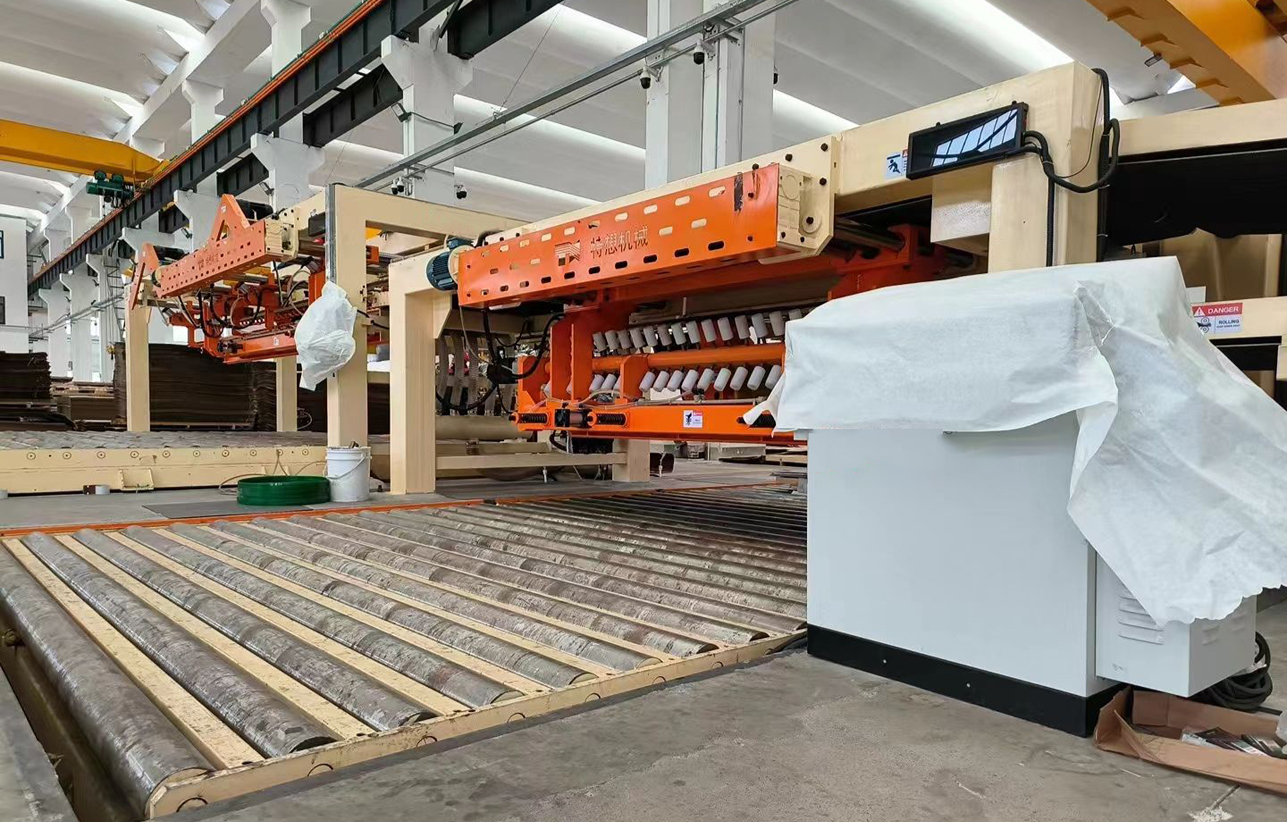
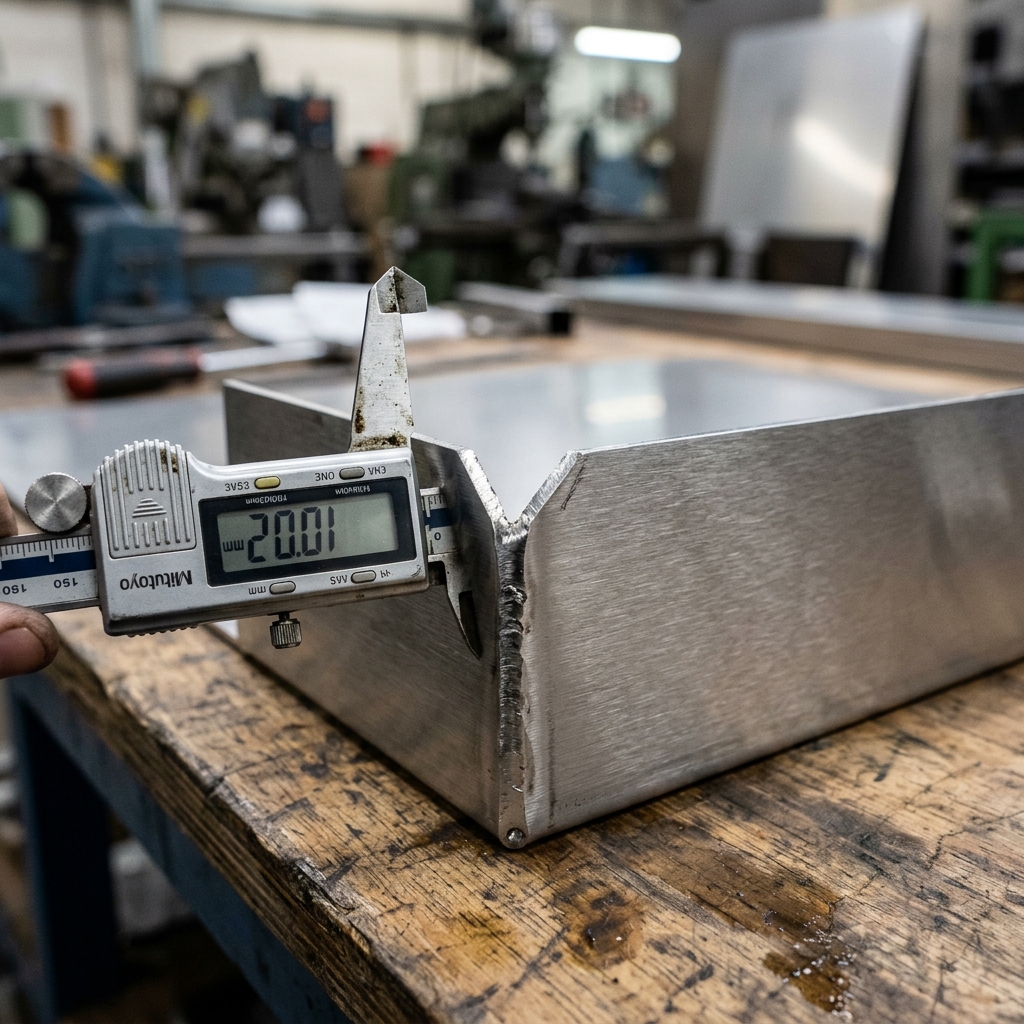
Stainless Steel Plate Bending/Stamping Process
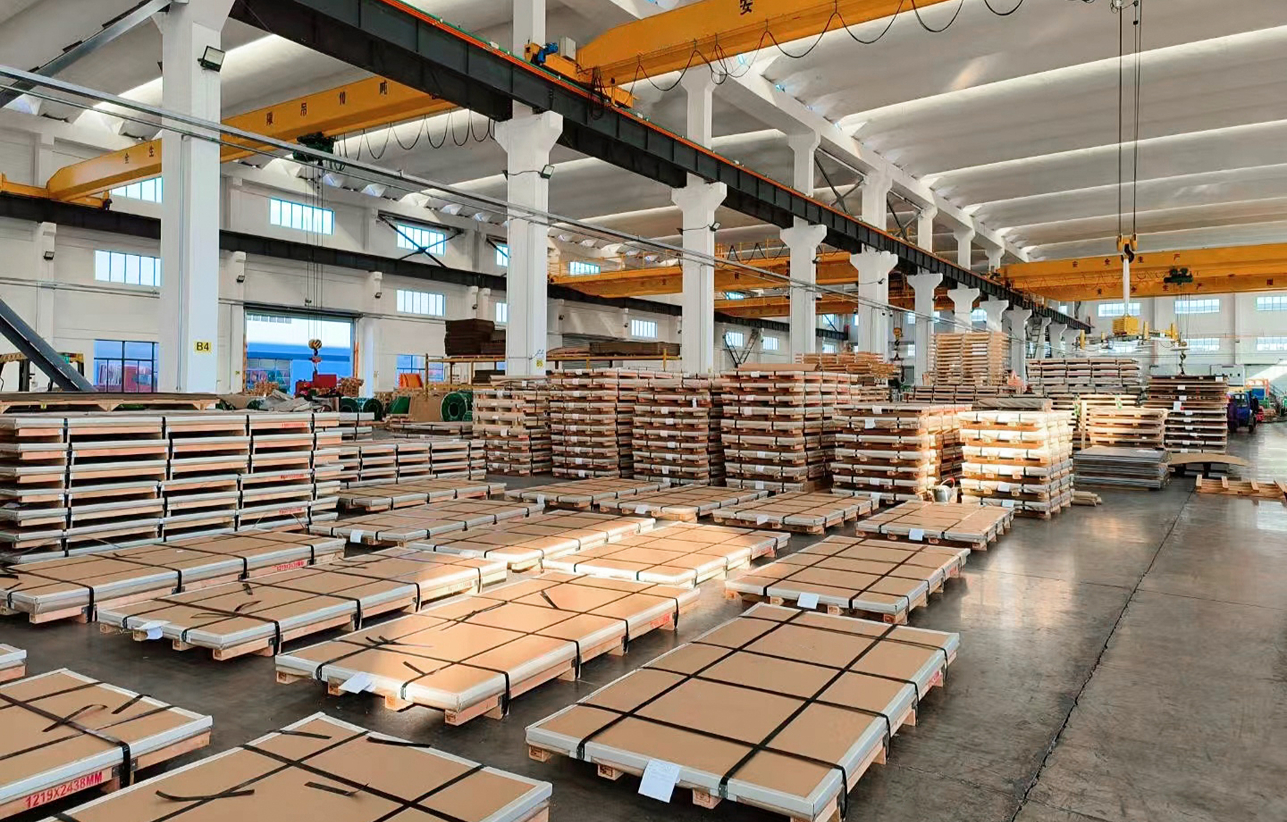
Stainless Steel Plates on Storage Rack
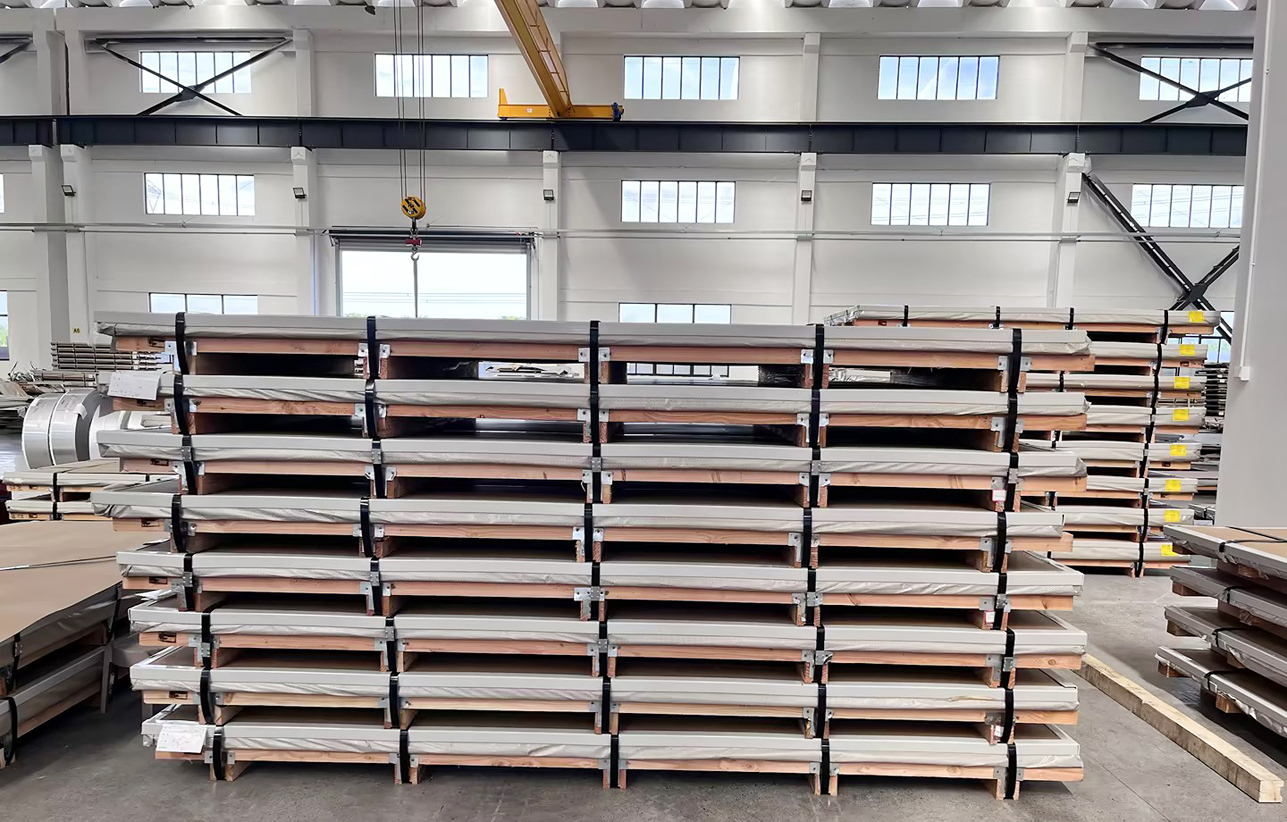
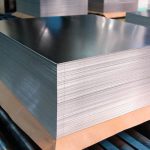
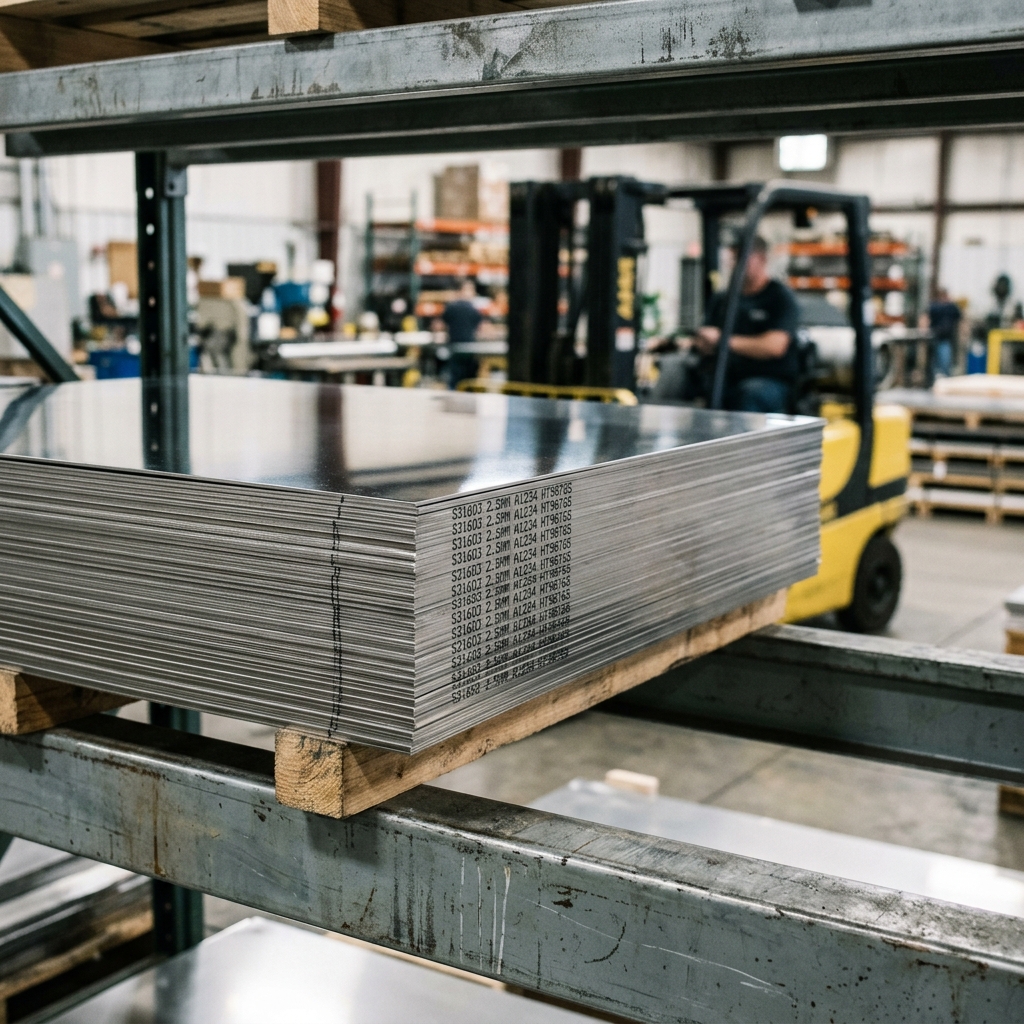
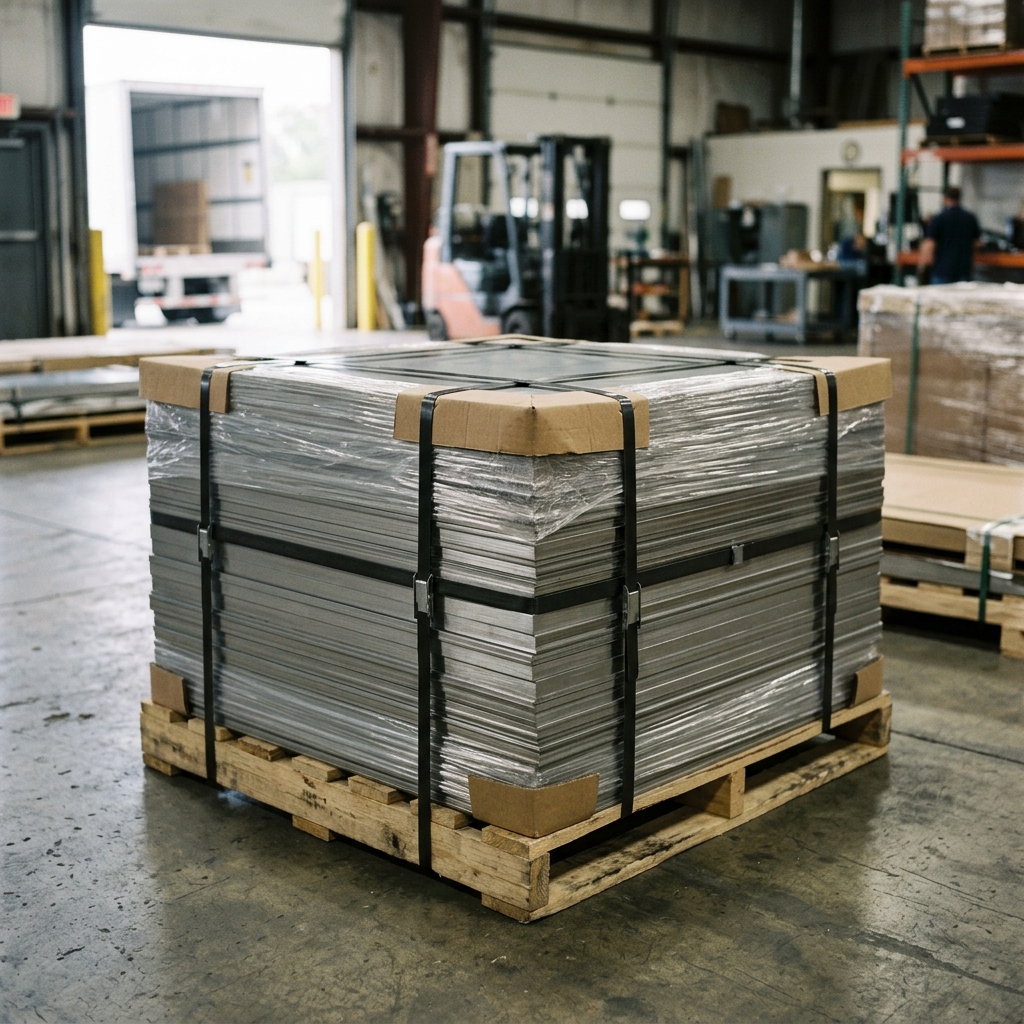
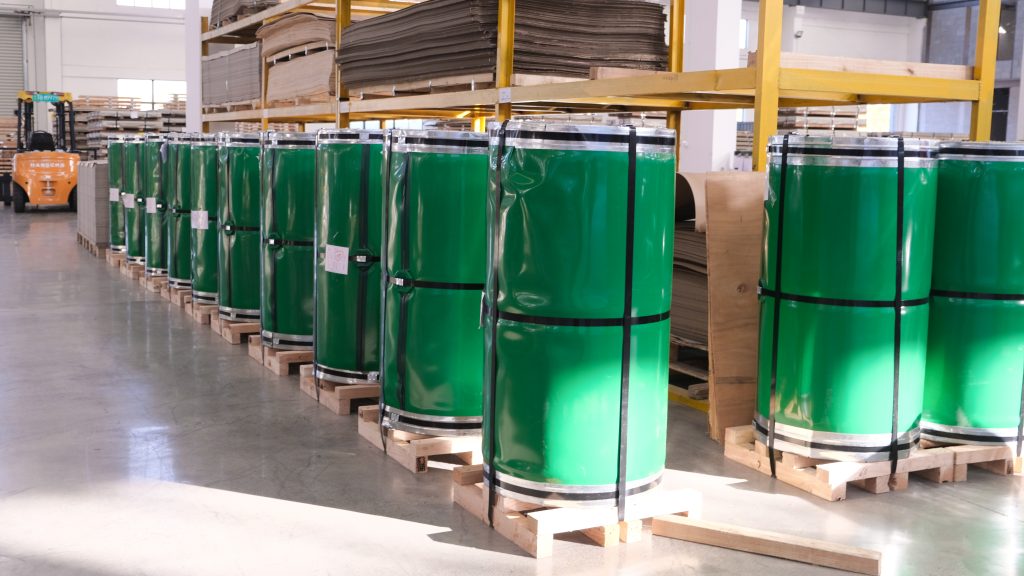
Palletized Stainless Steel Plates
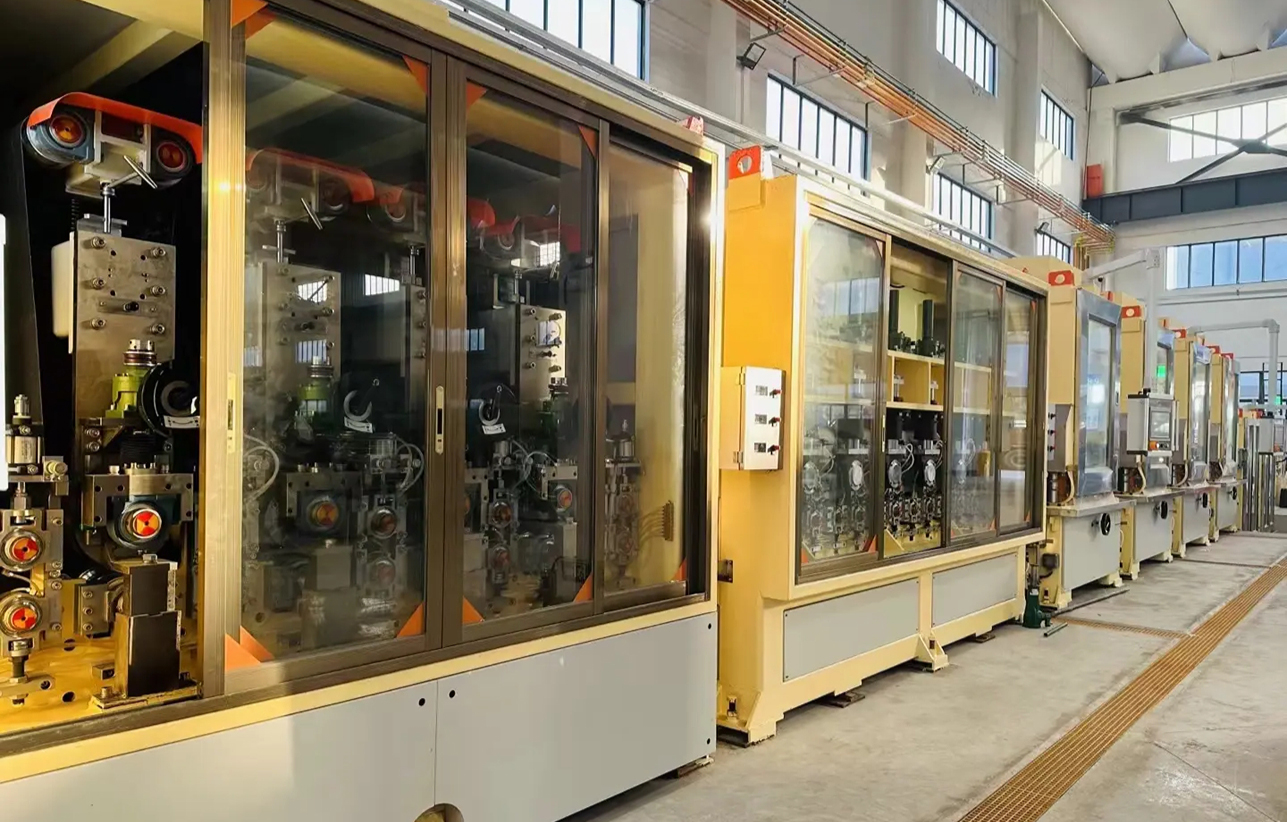
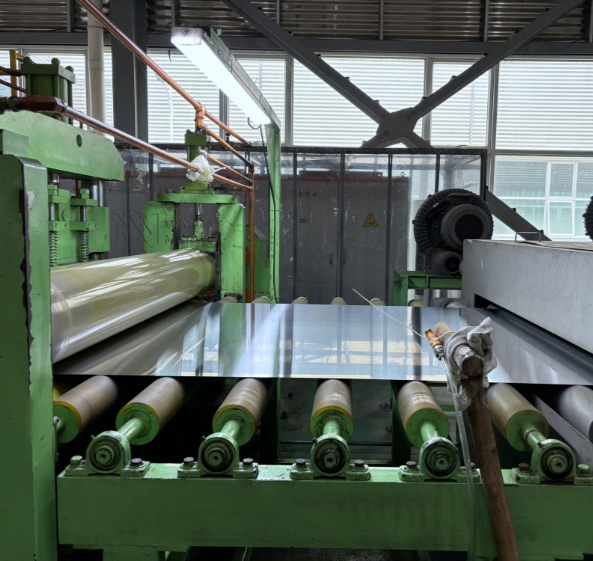
Stainless Steel Plate Rolling Line
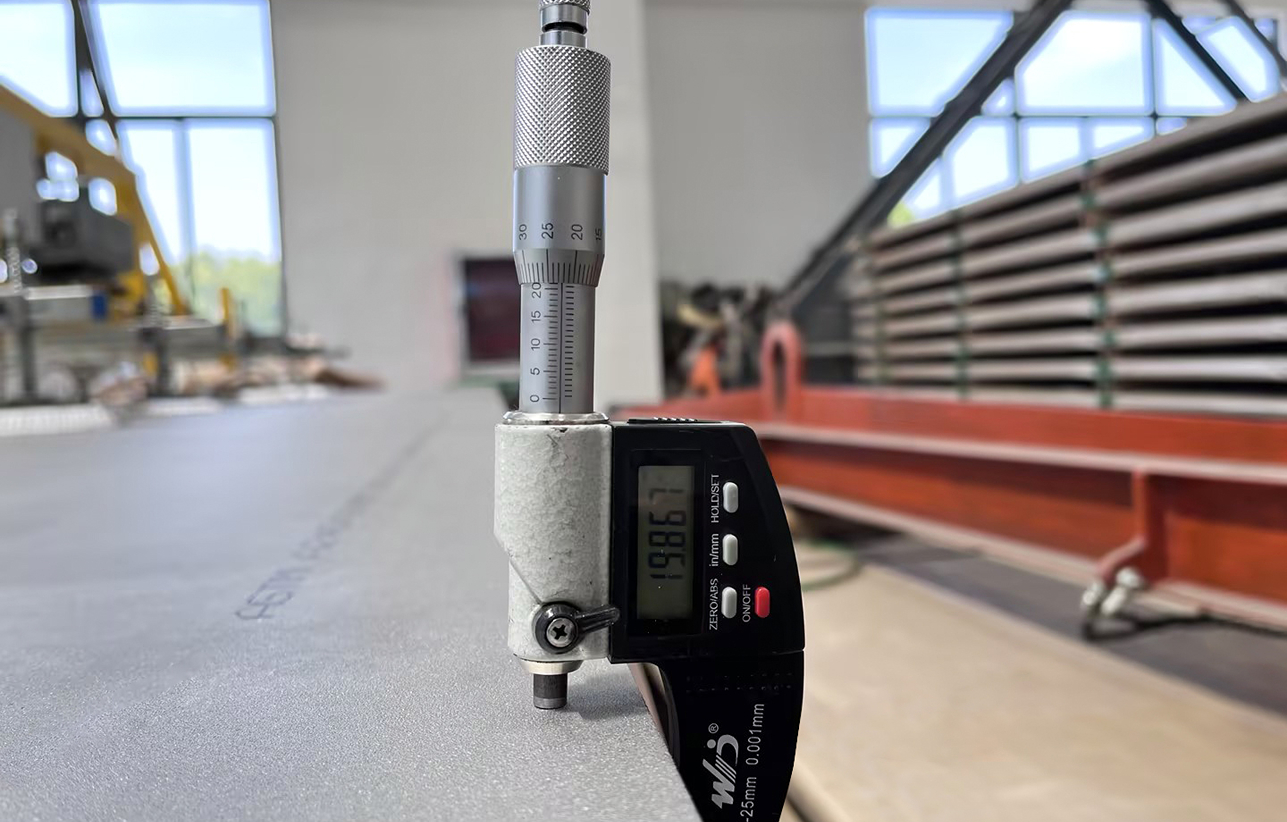
Precision Thickness Inspection of Stainless Steel Plate
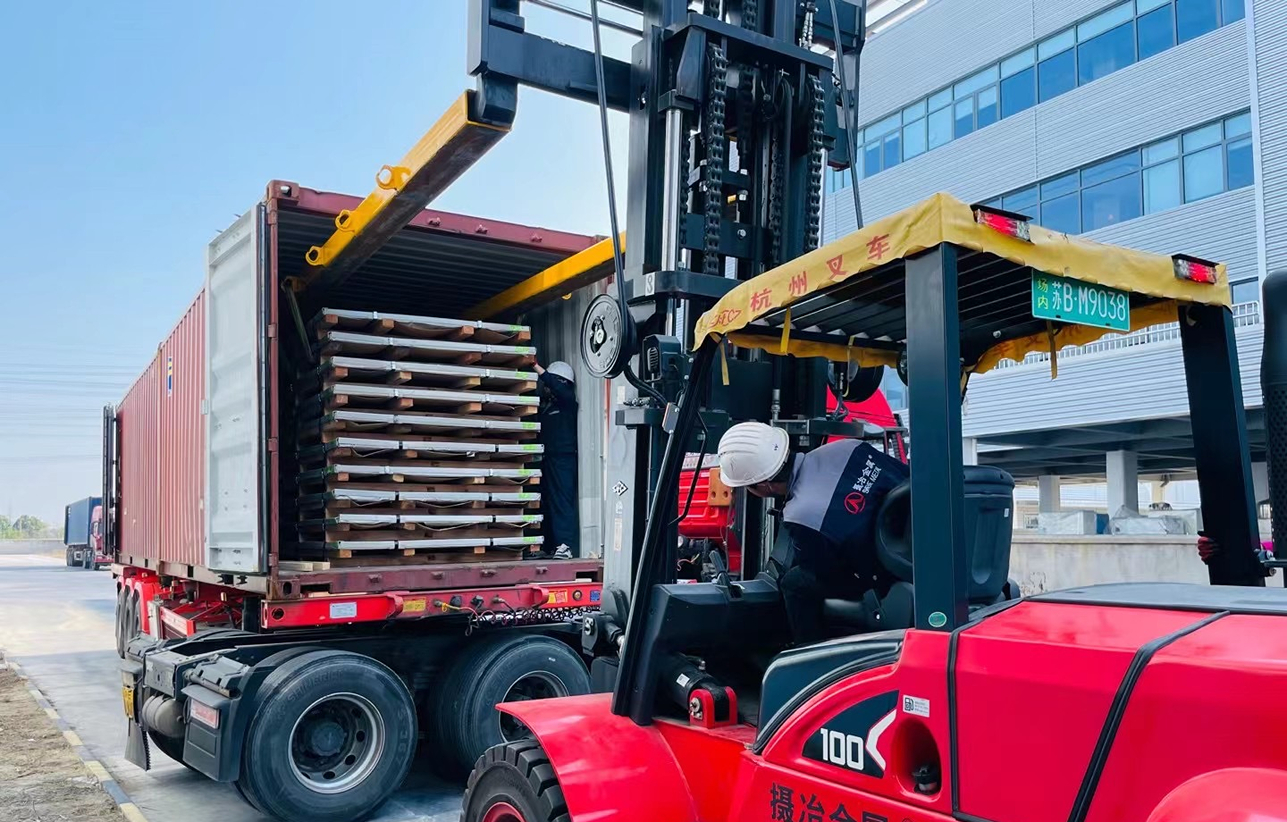
Forklift Loading Stainless Steel Plates for Shipment
409 stainless steel sheet is the titanium-stabilised ferritic grade developed for automotive exhaust systems, and it remains the highest-tonnage stainless product in the automotive industry. With 10.5 to 11.75 percent chromium it sits at the very bottom of the stainless range, and it carries almost no nickel, which makes it the least expensive stainless steel of all. The titanium addition is what distinguishes it from 430: it ties up carbon and nitrogen so the grade can be welded without the heat-affected zone losing ductility or corrosion resistance. Walmay supplies it to ASTM A240 from 0.6 mm to 6.0 mm thick, cut to size.
An exhaust system is a demanding but specific corrosion problem: hot gas and condensate inside, road salt and stone impact outside, thousands of thermal cycles, and a bill of materials measured in cents. 409 answers it by combining a weldable stabilised structure, low thermal expansion, adequate oxidation resistance to about 675 C, and the lowest price in the stainless family. It is not corrosion-proof, and exhaust systems in 409 do eventually rust through, but they last five to ten times longer than the aluminised carbon steel they replaced.
Where the service is hotter or the appearance matters, the industry moves up: 439 and 441 for manifolds and hot-end components, 304 for visible tailpipe tips, and 321 or 310S for genuinely high-temperature ducting.
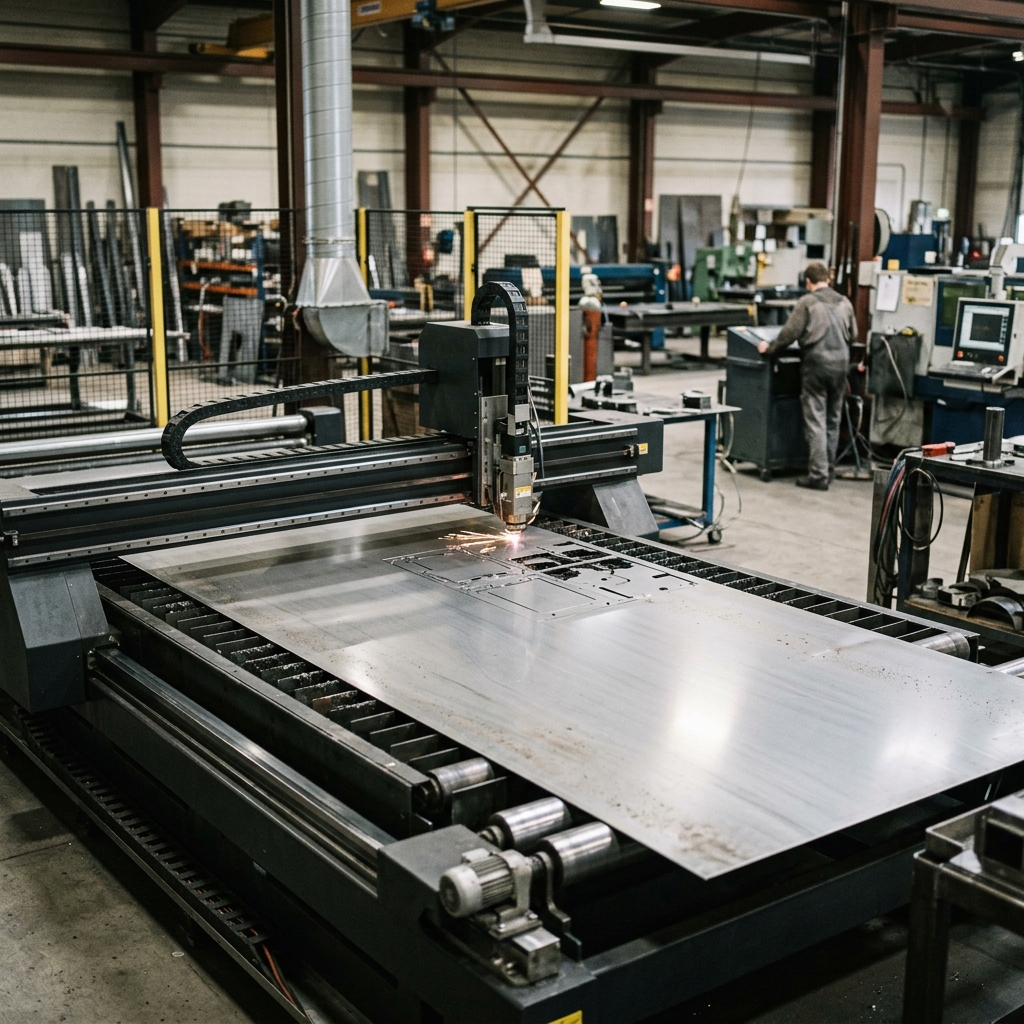
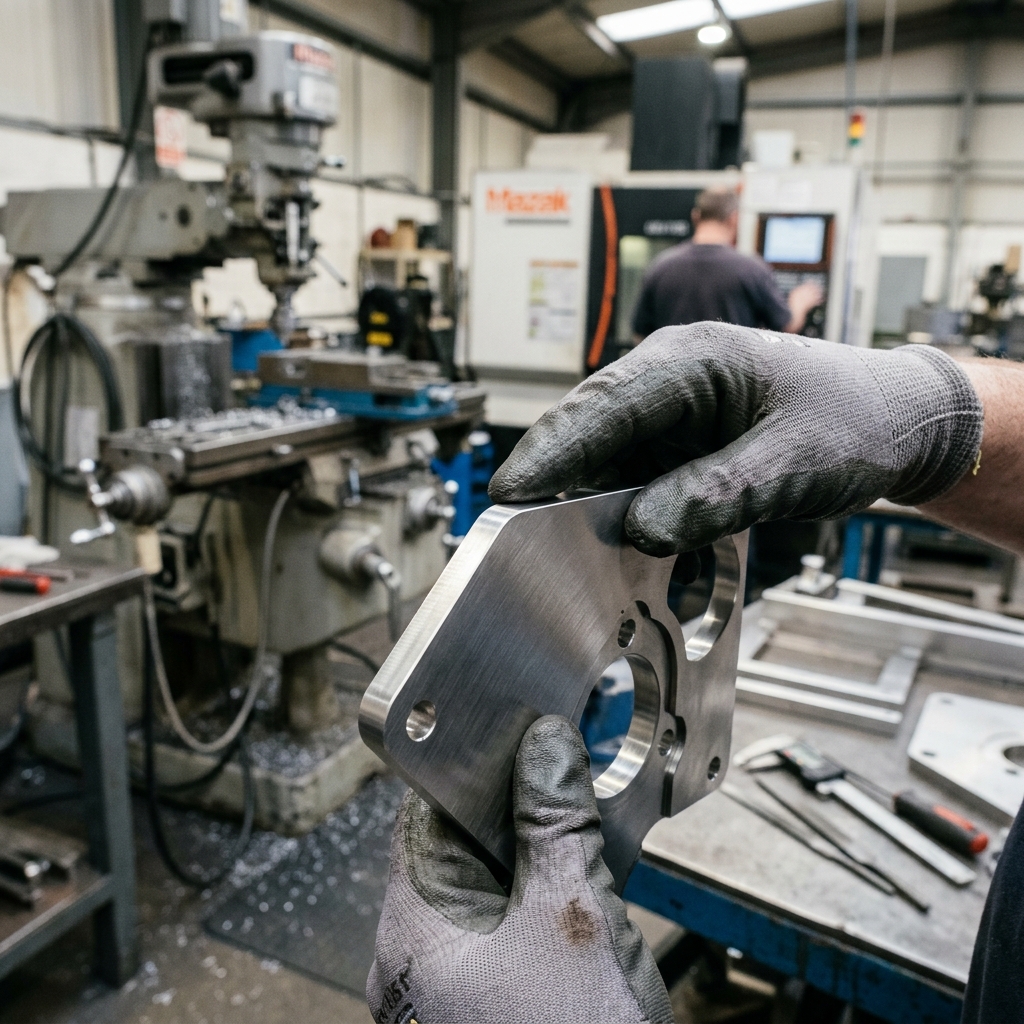
We supply it through our cutting, bending, stamping and welding operations, described on the fabrication page.
Related products: 409L bar, 409L coil, 430 sheet, and the full sheet and plate range.
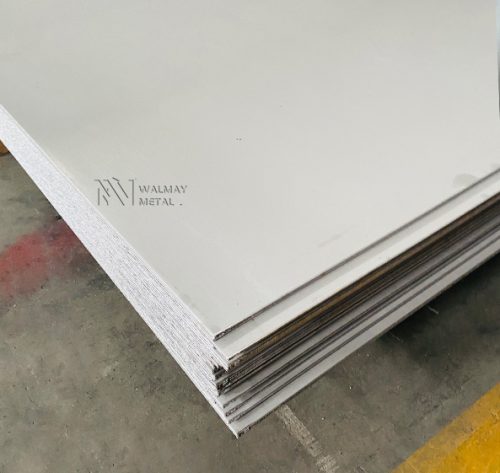
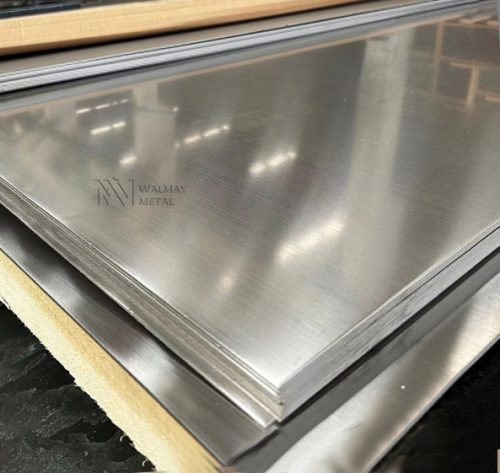
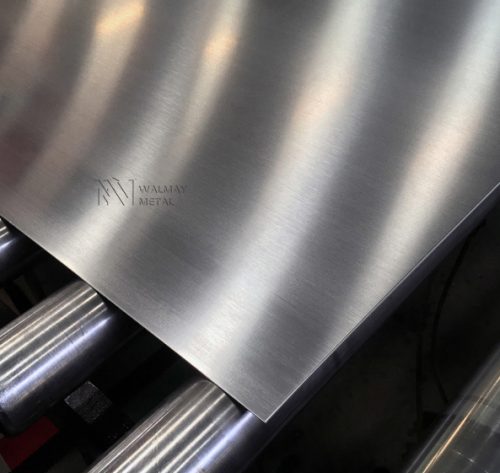
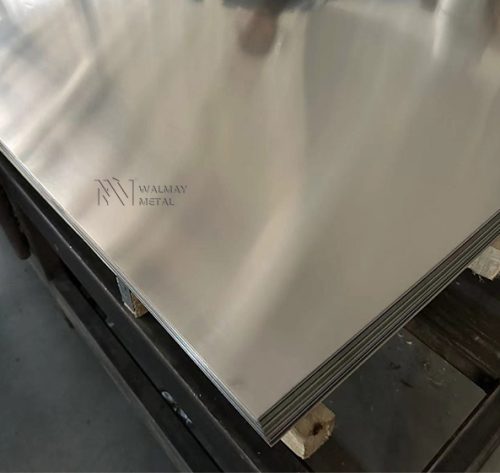

Walmay will help match the right stainless product form and specification for your application, confirm quantities and packing needs, and provide requested documents based on order requirements.
Loading form…