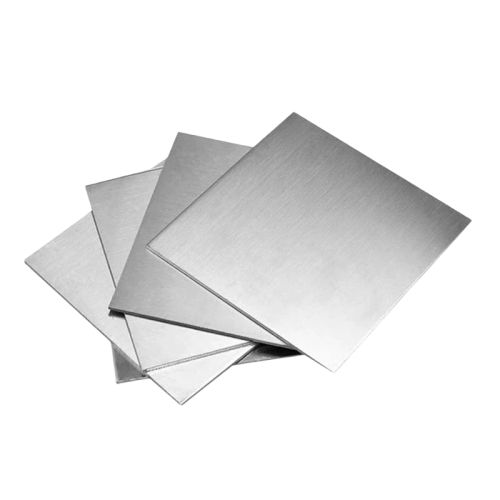
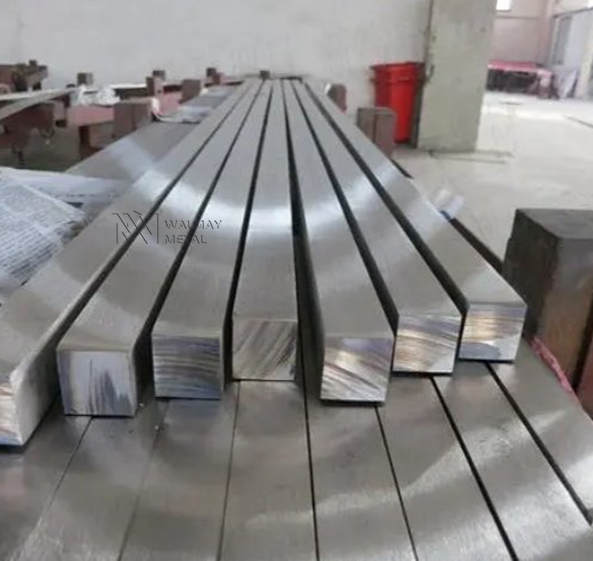
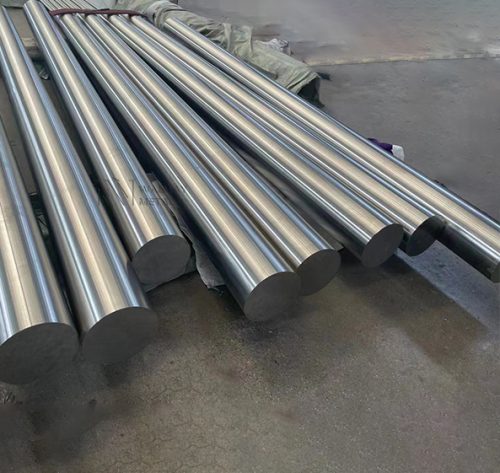
Stainless steel square bar is solid square section supplied in straight lengths, used for machined blanks, frames, decorative posts, keys, guide rails and fabricated brackets. Walmay stocks it from 6x6 mm to 150x150 mm in 316L, 316, 304, 304L, 303, 430 and 2205 duplex, to ASTM A276 and EN 10088-3, hot rolled and pickled or cold drawn and bright, in 3 metre and 6 metre lengths or cut to size with an EN 10204 3.1 certificate.
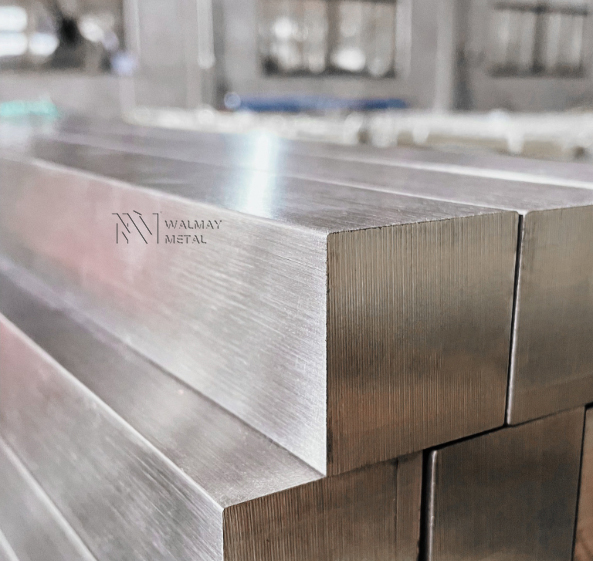
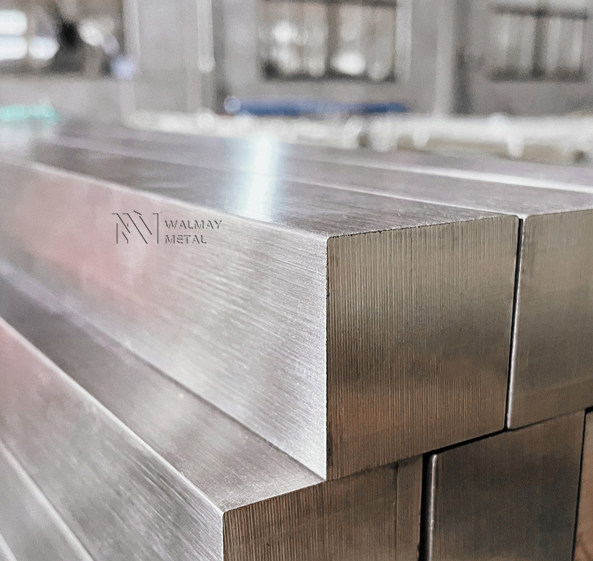
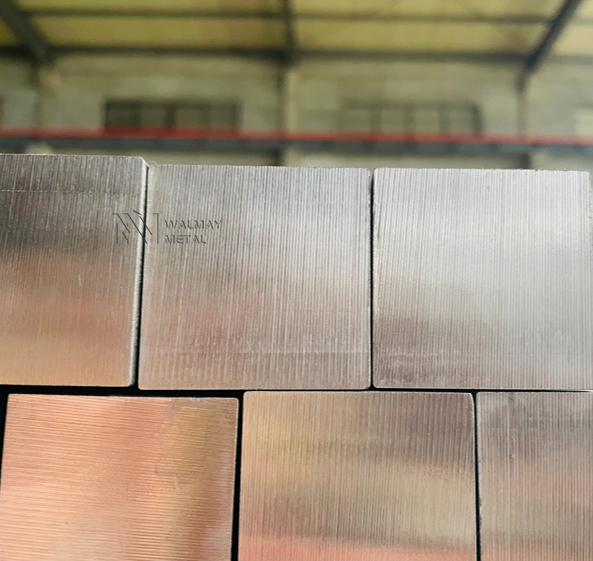
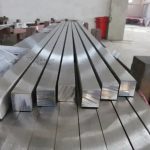
Weight per metre equals the side dimension squared in millimetres multiplied by 0.008 for austenitic grades.
| Section | Weight per metre | Weight per 3 m | Weight per 6 m |
|---|---|---|---|
| 6x6 mm | 0.29 kg | 0.9 kg | 1.7 kg |
| 8x8 mm | 0.51 kg | 1.5 kg | 3.1 kg |
| 10x10 mm | 0.80 kg | 2.4 kg | 4.8 kg |
| 12x12 mm | 1.15 kg | 3.5 kg | 6.9 kg |
| 16x16 mm | 2.05 kg | 6.1 kg | 12.3 kg |
| 20x20 mm | 3.20 kg | 9.6 kg | 19.2 kg |
| 25x25 mm | 5.00 kg | 15.0 kg | 30.0 kg |
| 30x30 mm | 7.20 kg | 21.6 kg | 43.2 kg |
| 35x35 mm | 9.80 kg | 29.4 kg | 58.8 kg |
| 40x40 mm | 12.80 kg | 38.4 kg | 76.8 kg |
| 50x50 mm | 20.00 kg | 60.0 kg | 120.0 kg |
| 60x60 mm | 28.80 kg | 86.4 kg | 172.8 kg |
| 70x70 mm | 39.20 kg | 117.6 kg | 235.2 kg |
| 80x80 mm | 51.20 kg | 153.6 kg | 307.2 kg |
| 100x100 mm | 80.00 kg | 240.0 kg | 480.0 kg |
| 120x120 mm | 115.20 kg | 345.6 kg | - |
| 150x150 mm | 180.00 kg | 540.0 kg | - |
A square bar is about 27 percent heavier than a round bar of the same nominal size, because the square section has more area than the inscribed circle. That is worth checking when substituting one for the other in a machining job.
| Item | Detail |
|---|---|
| Grades | 316L, 316, 304, 304L, 303, 430, 2205 duplex |
| Standards | ASTM A276, ASTM A479, EN 10088-3, JIS G4303 |
| Size range | 6x6 mm to 150x150 mm |
| Length | 3 m, 6 m, or cut to length plus or minus 1 mm |
| Condition | Hot rolled annealed and pickled, or cold drawn |
| Corner condition | Slightly radiused as rolled, sharper on cold drawn |
| Certification | EN 10204 3.1 with analysis and mechanical results |
| Parameter | Hot rolled | Cold drawn |
|---|---|---|
| Side dimension, up to 25 mm | Plus or minus 0.4 mm | Plus or minus 0.1 mm |
| Side dimension, 25-50 mm | Plus or minus 0.6 mm | Plus or minus 0.15 mm |
| Side dimension, above 50 mm | Plus or minus 1.0 mm | Plus or minus 0.25 mm |
| Squareness | 90 degrees plus or minus 1.5 degrees | 90 degrees plus or minus 0.5 degrees |
| Corner radius | Up to 0.1 times side | Up to 0.05 times side |
| Straightness | 2-3 mm per metre | Under 1 mm per metre |
The corner radius catches designers out. A hot-rolled 50 mm square bar can carry a 5 mm corner radius, so a part that must sit in a machined square pocket with sharp internal corners will not seat. Either specify cold drawn, or machine the corners, or design the pocket with matching radii.
| Criterion | Square bar | Round bar |
|---|---|---|
| Weight for the same nominal size | 27 percent heavier | Lighter |
| Bending strength for the same weight | Slightly lower than round about the diagonal, higher about the flat axis | Equal in all directions |
| Torsional strength for the same weight | Lower, corners contribute little in torsion | Higher, the best solid shape in torsion |
| Machining setup | Sits flat, easy to clamp and index | Needs V blocks or a chuck |
| Welding to flat surfaces | Faces sit flush | Needs a saddle or fillet |
| Rotating service | No | Yes |
| Typical use | Blanks, keys, frames, guides | Shafts, pins, fasteners |
The honest answer on strength is that it depends on the loading and on how the comparison is set up. For the same cross-sectional area, a square bar has a higher section modulus than a round one about its flat axis, so it is stiffer in bending in that direction. In torsion the round bar wins clearly, because the corners of a square contribute almost nothing to torsional resistance and concentrate stress. For rotating shafts, always round. For static beams, brackets and machined blanks, square is usually the better and cheaper starting point because it wastes less material on the way to a rectangular finished part.
| Grade | Reason to choose it |
|---|---|
| 316L | Chlorides, marine, chemical and food service; low carbon for welded parts |
| 304 / 304L | The general default for indoor and inland work |
| 303 | Free machining for high-volume turned and milled parts in mild environments |
| 430 | Ferritic, no nickel, magnetic, dry indoor use |
| 2205 duplex | 450 MPa yield, PREN about 35, for high-strength corrosion service |
| 420 | Hardenable to 55 HRC for wear parts and guides |
For welded frames, 316L and 304L avoid sensitisation in the heat-affected zone without a post-weld anneal. For guide rails and wear surfaces, austenitic grades gall and a hardened martensitic grade lasts far longer.
| Item | Detail |
|---|---|
| Minimum order | 500 kg from stock, 2 tonnes for mill sizes |
| Lead time from stock | 7-12 days |
| Lead time mill run | 30-45 days |
| Stock range | 10x10 to 80x80 mm in 304, 304L and 316L |
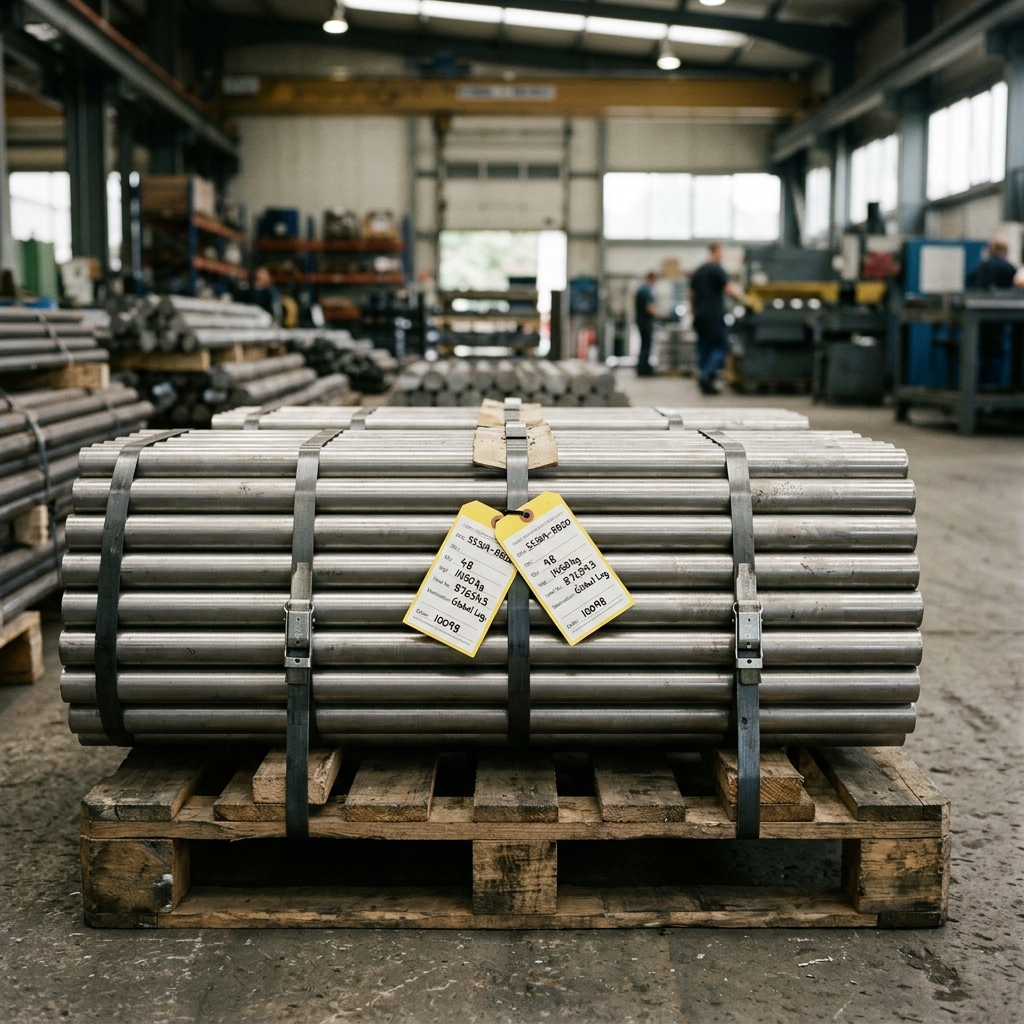
| Packing | Bundled and strapped on timber bearers |
| Incoterms | FOB, CIF, DAP |
Send the section, grade, hot rolled or cold drawn, length or cut list, and any corner radius or squareness requirement. Related products: round bar, flat bar, hex bar, 316 rod and bar, 2205 duplex square bar, square tube, and the full bar and rod range.
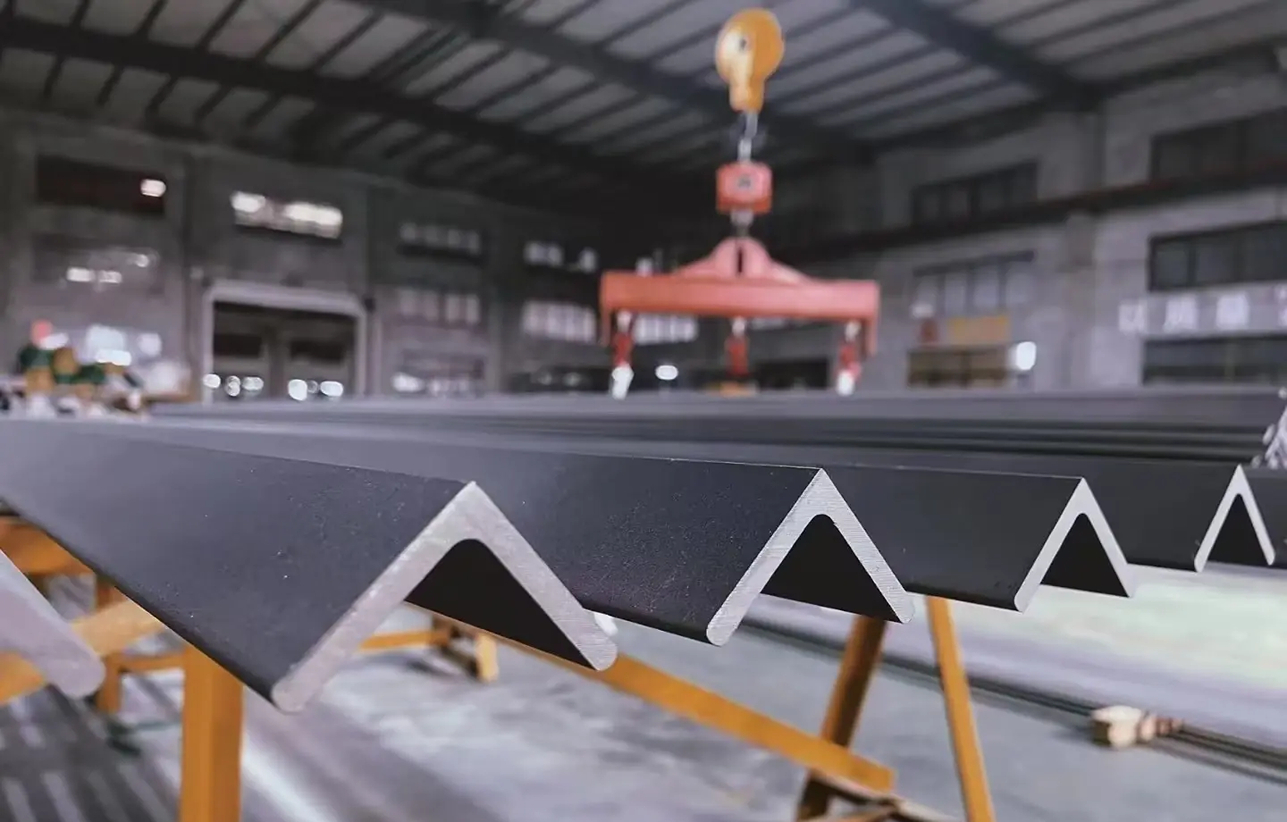
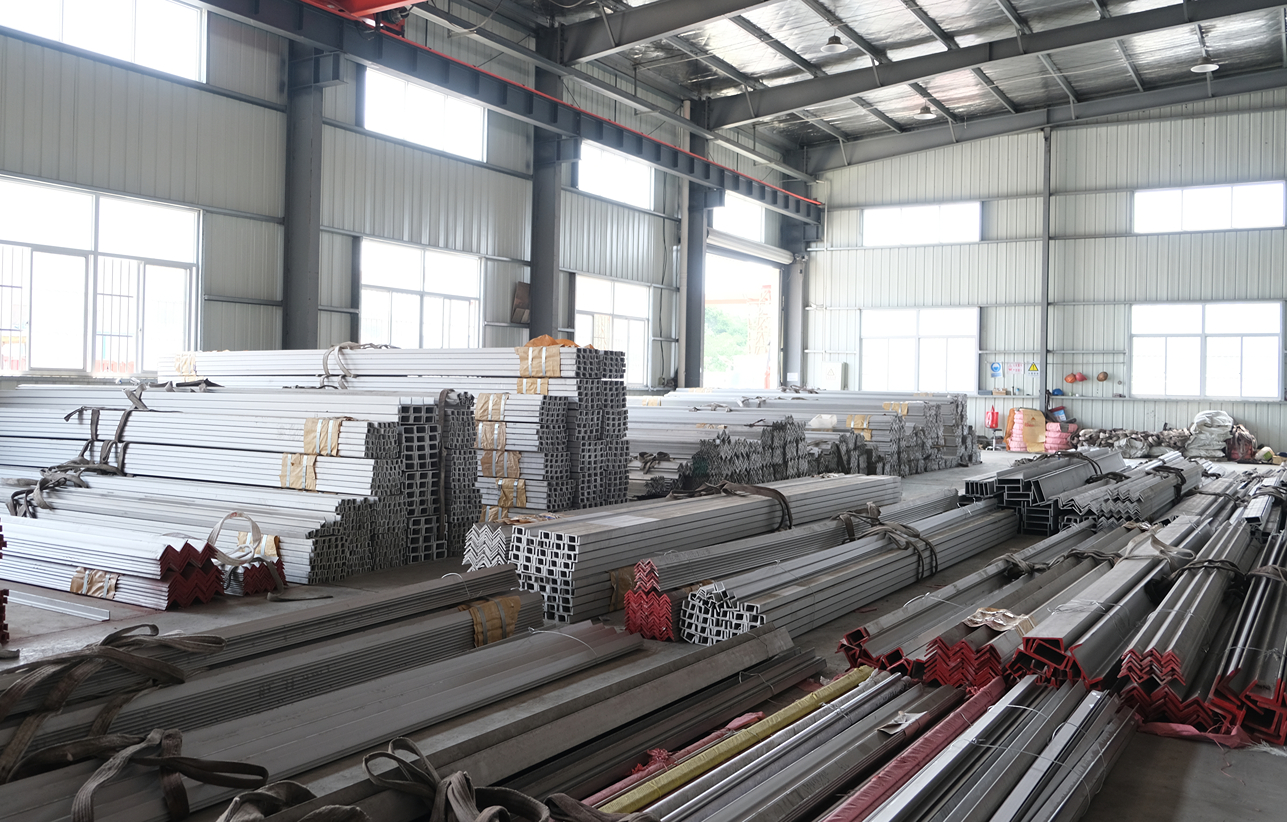
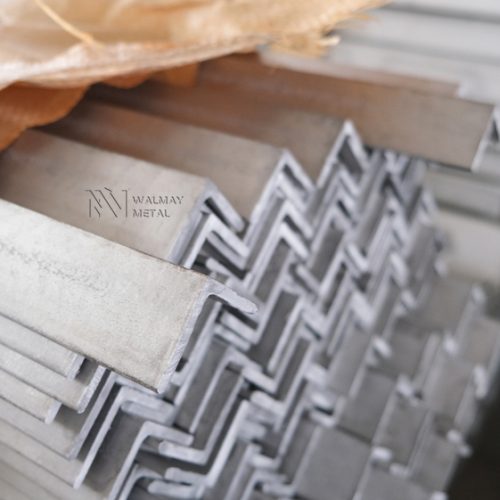
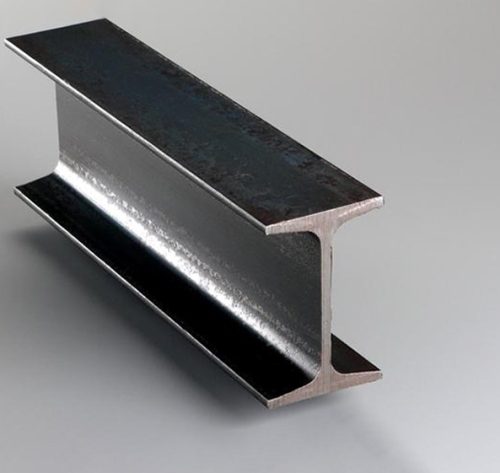
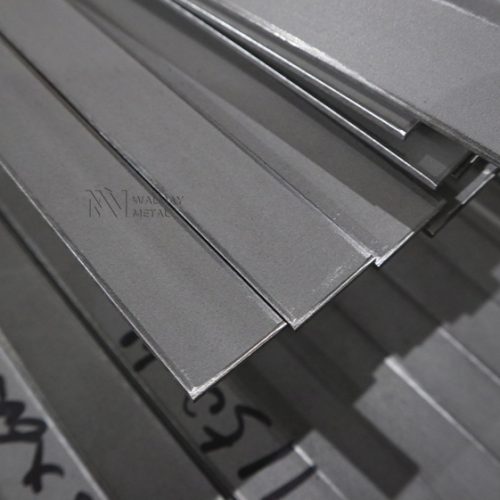
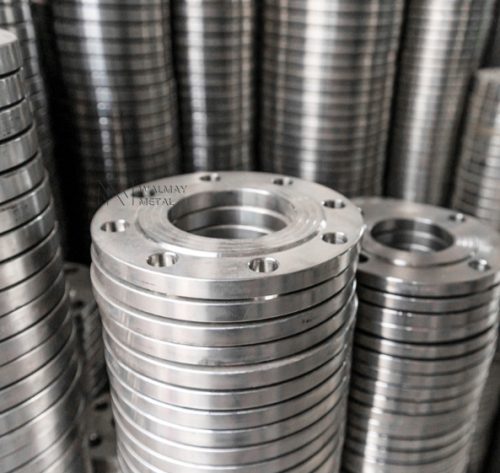
Stainless Steel Profiles on Storage Racks
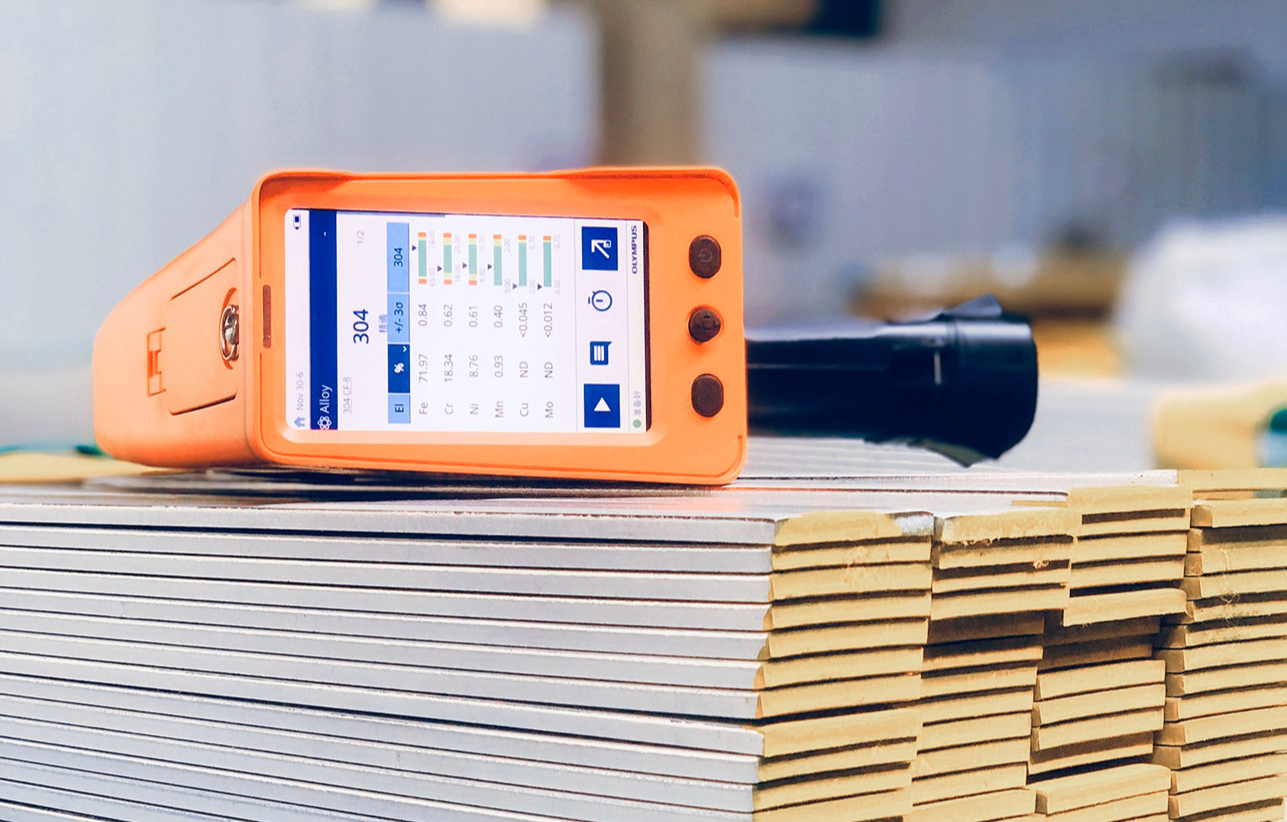
Spectrometer for Alloy Composition Analysis
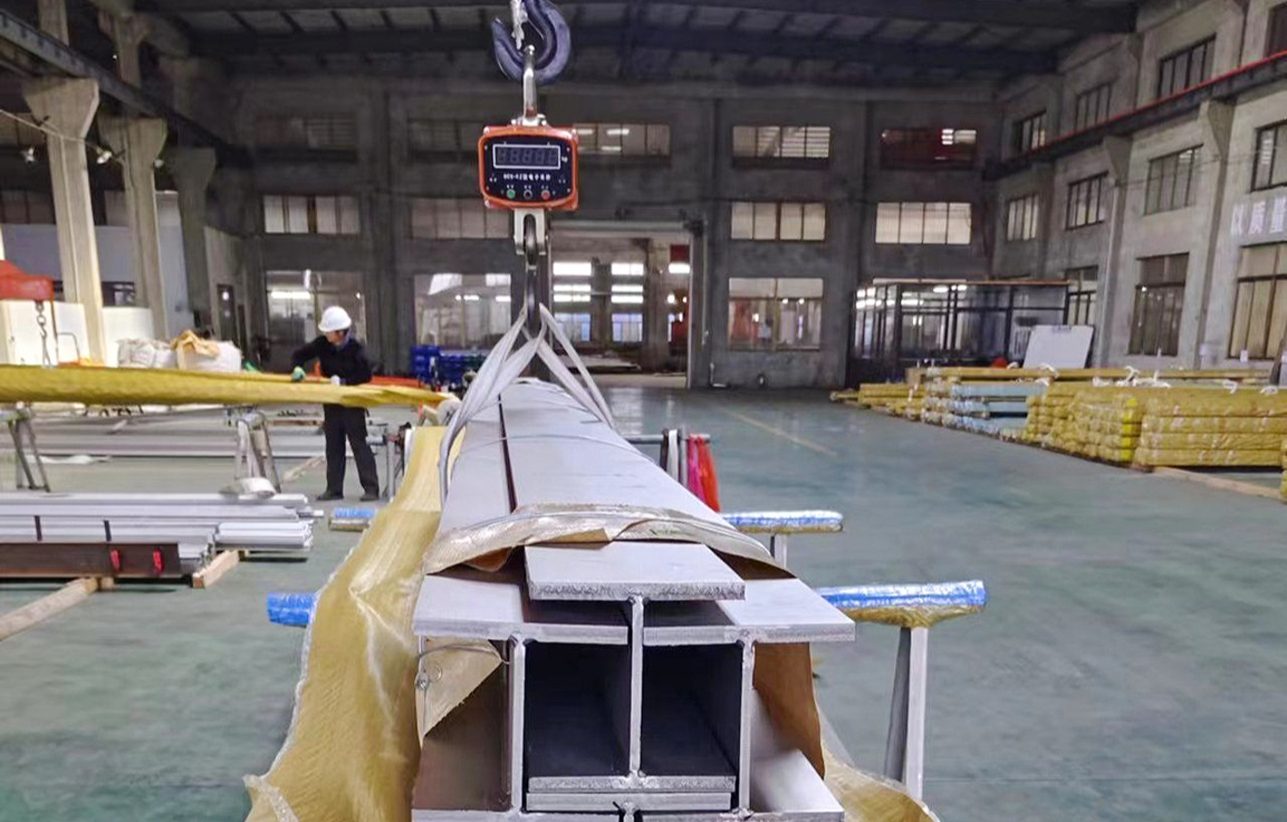
Profile Weighing with Crane Scale
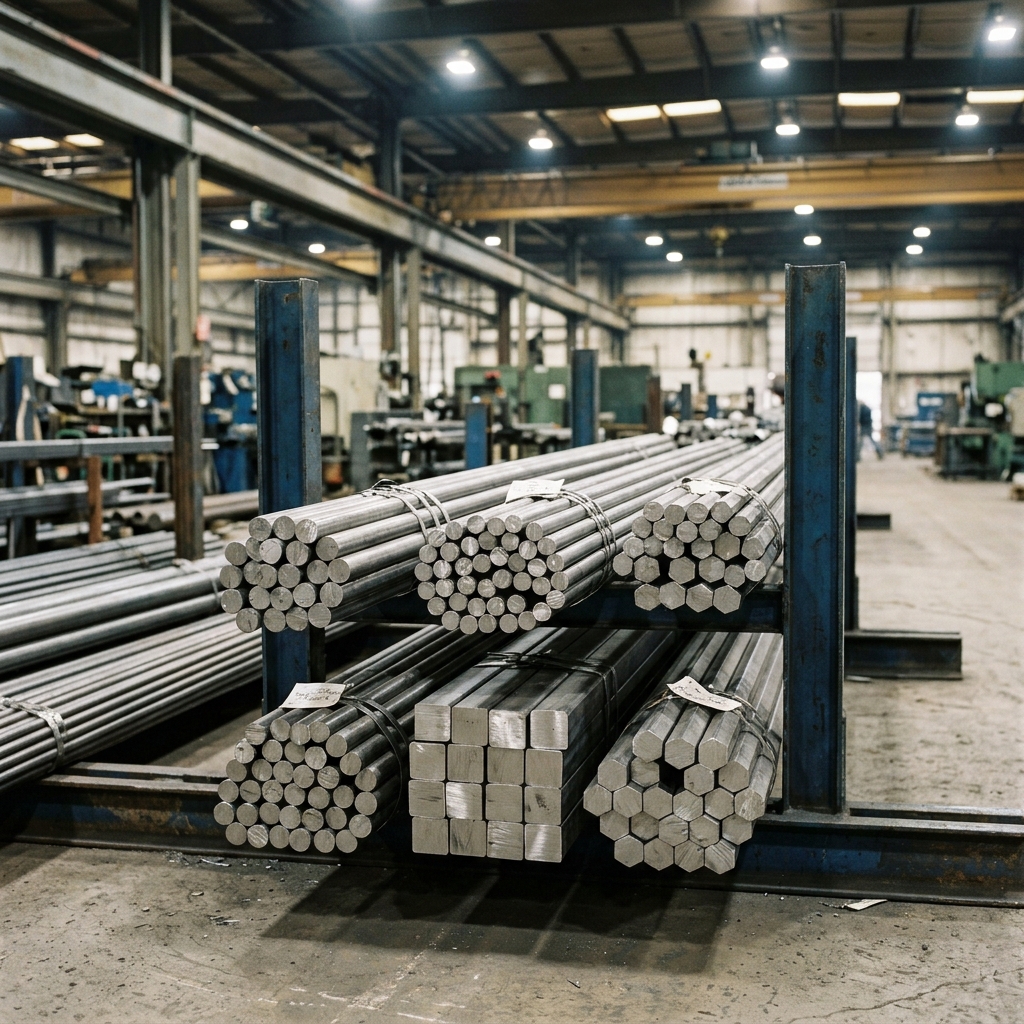
Factory Stacking of Stainless Steel Profiles
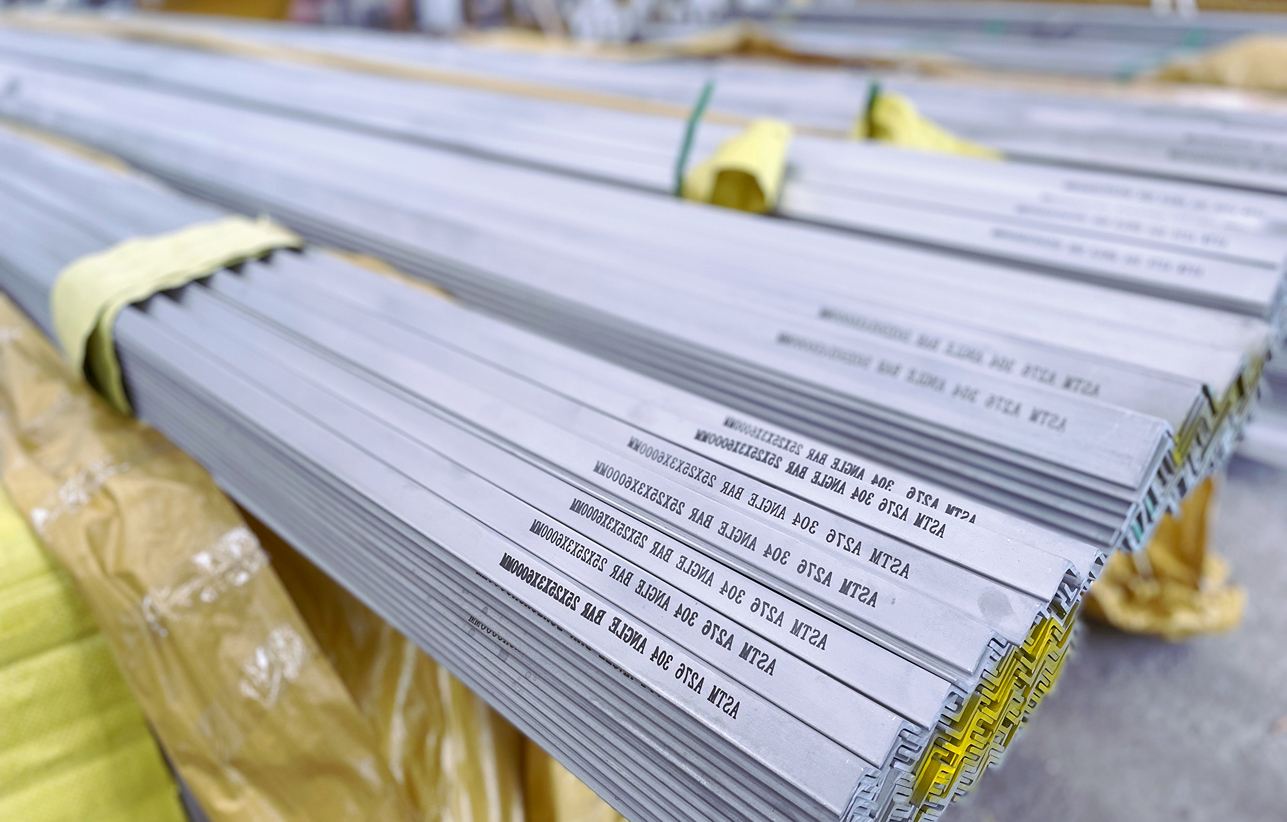
Packaged Stainless Steel Profiles for Shipment
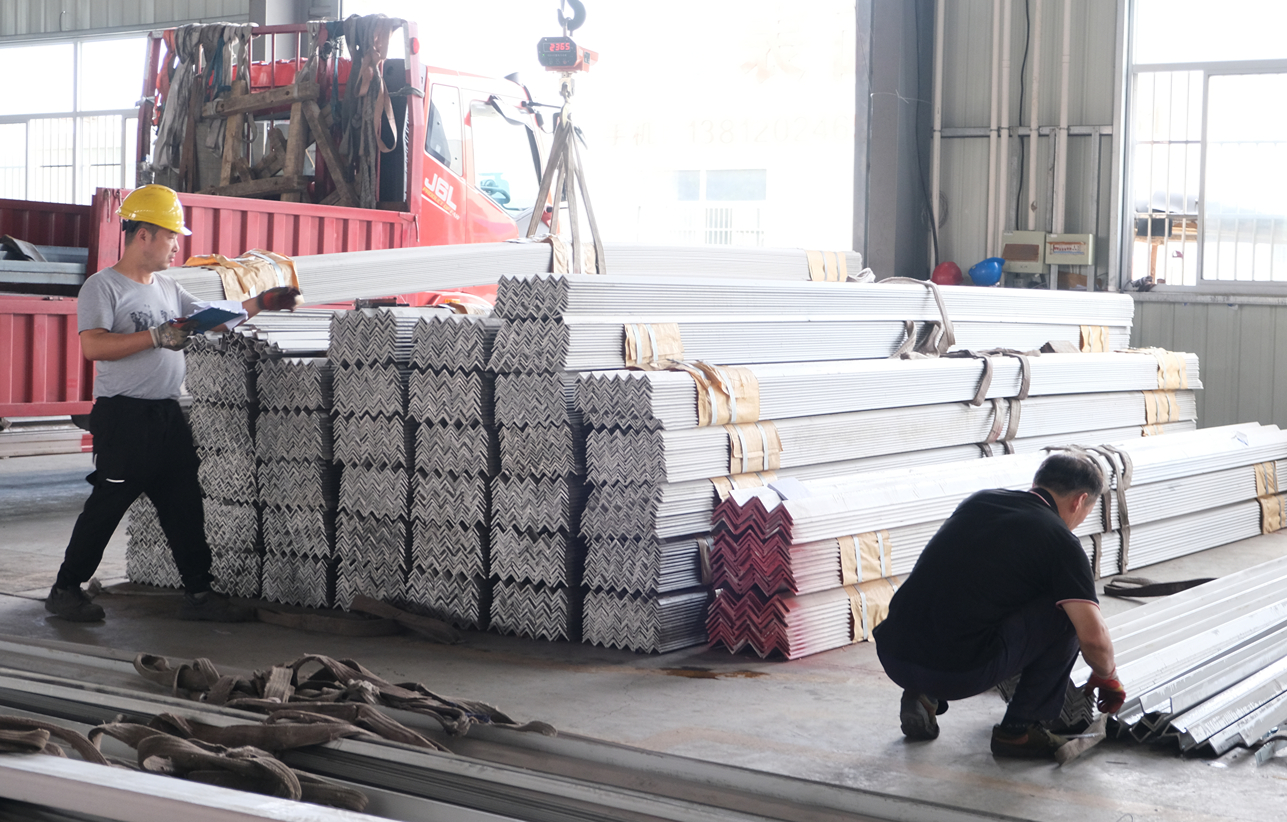
Worker Loading Profiles onto Truck
Stainless steel square bar is solid square section supplied in straight lengths, used for machined blanks, frames, decorative posts, keys, guide rails and fabricated brackets. Walmay stocks it from 6x6 mm to 150x150 mm in 316L, 316, 304, 304L, 303, 430 and 2205 duplex, to ASTM A276 and EN 10088-3, hot rolled and pickled or cold drawn and bright, in 3 metre and 6 metre lengths or cut to size with an EN 10204 3.1 certificate.
Solid and hollow square products are frequently confused at enquiry stage, and they are entirely different items. Note first that stainless steel square rod and square bar are two names for one product: rod tends to be used for smaller sizes and in machining contexts, bar in stockholding and structural contexts, and both are supplied to ASTM A276.
| Term | What it means |
|---|---|
| Square bar | Solid square section, the standard industrial term, to ASTM A276 |
| Square rod | The same product; rod is used more often for smaller sizes and in machining contexts |
| Key steel | Square or rectangular bar drawn to a tight tolerance for machine keys |
| Square tube, SHS, box section | Hollow square section, a different product to ASTM A554 |
| Square hollow bar | Hollow bar with a square bore, a specialist item |
If the part must be light and the load is bending or torsion over a span, hollow square tube is far more material efficient. If it will be machined, drilled through, threaded, or must resist local crushing at a clamp, solid square bar is the correct choice.
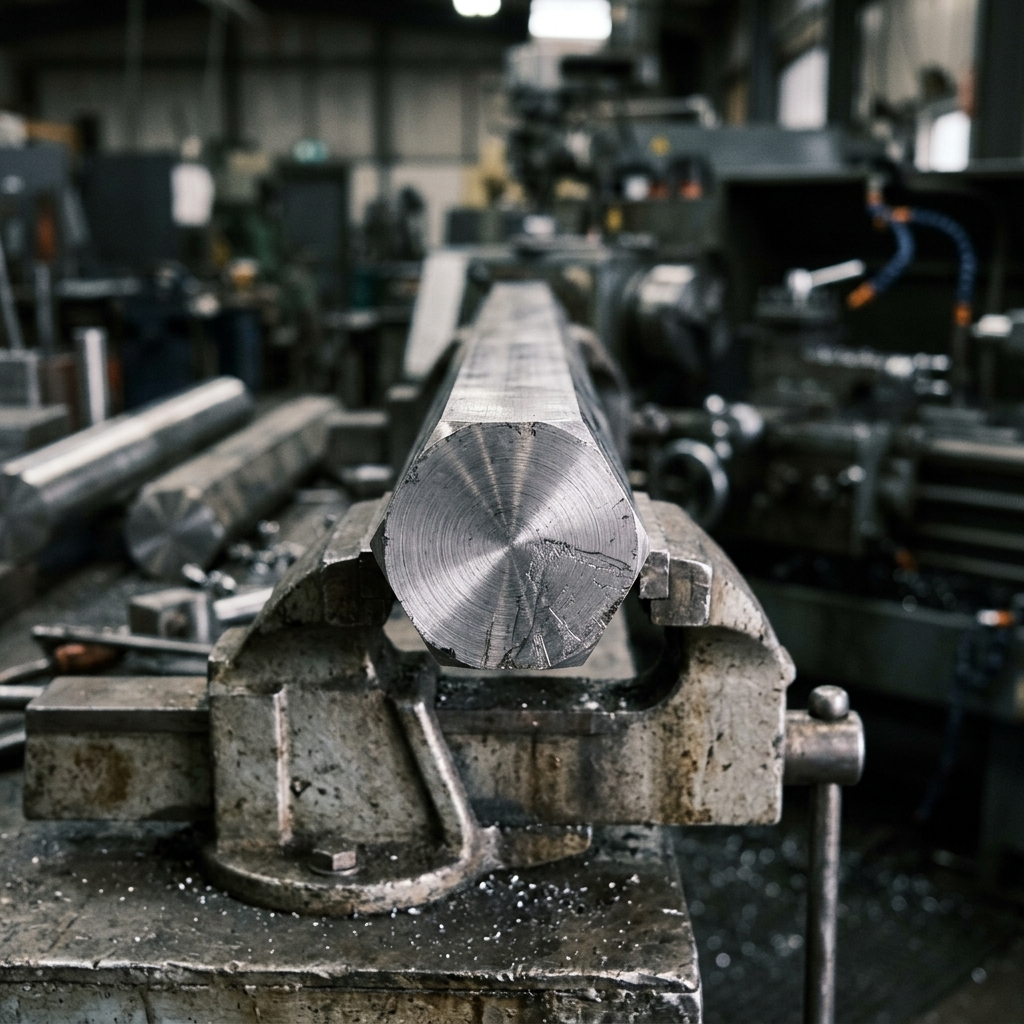
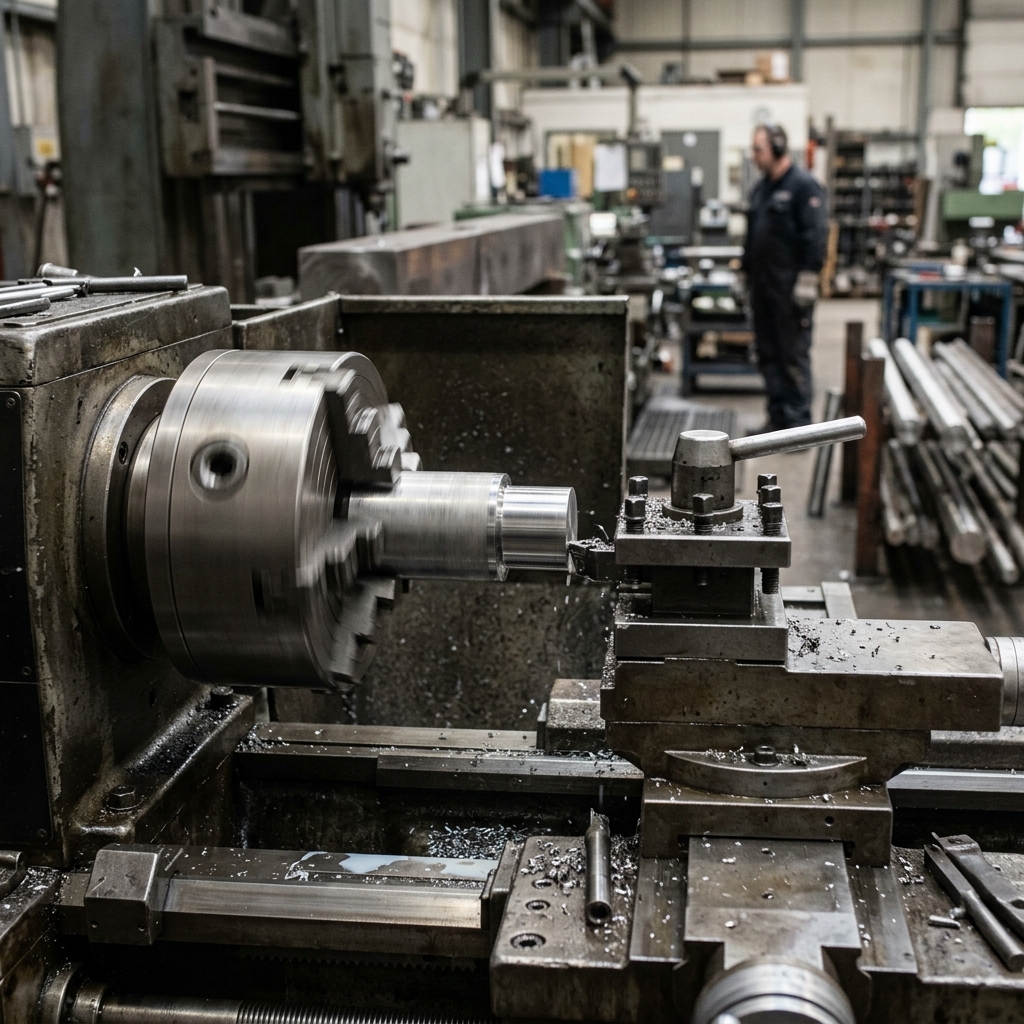
Square bar cuts on a bandsaw or cold saw and clamps easily in a vice or milling fixture, which is its main practical advantage over round. Cold bending is possible in the smaller sections with a generous radius, but square bar distorts at the bend, bulging on the outside face, so visible work should be induction bent or machined instead. Welding uses 316L filler on 316L and 308L on 304. Austenitic bar work hardens, so machining needs positive feeds, sharp carbide, flood coolant and a rigid setup.
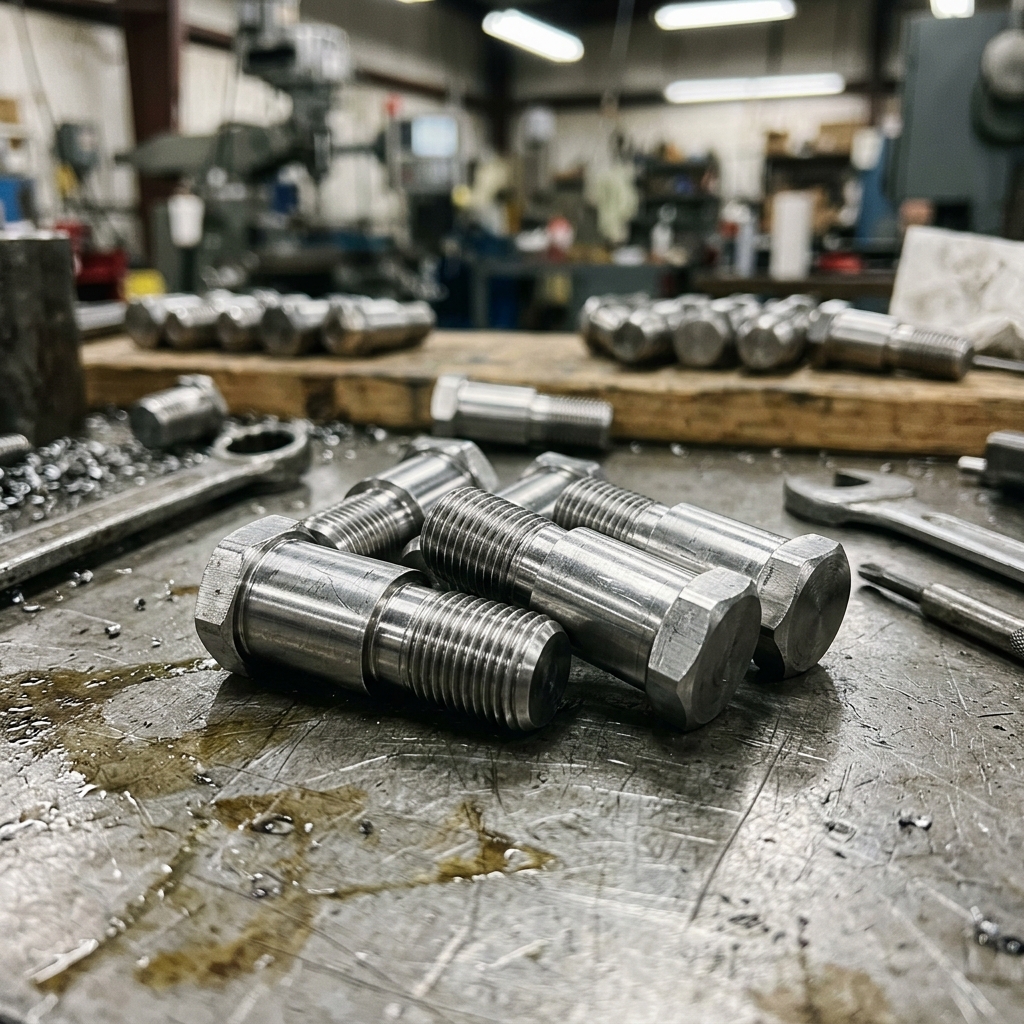
We supply bar cut, milled, drilled, ground and polished. See cutting, bending, welding, polishing and inspection on the fabrication page, and our bar machining guide for grade and setup detail.
Walmay will help match the right stainless product form and specification for your application, confirm quantities and packing needs, and provide requested documents based on order requirements.
Loading form…