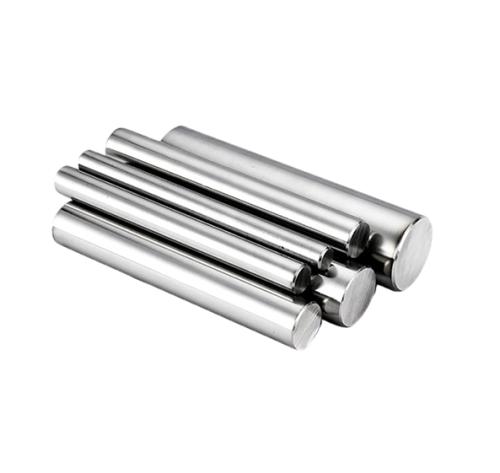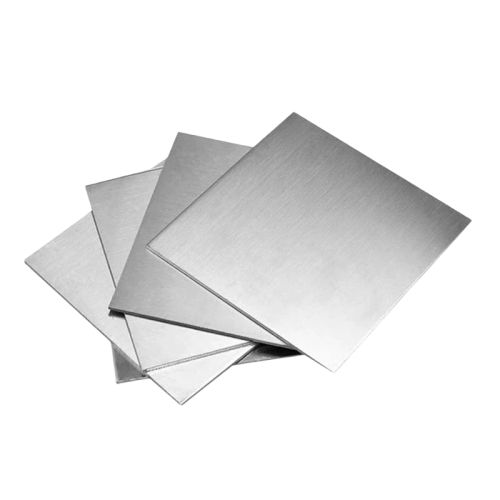
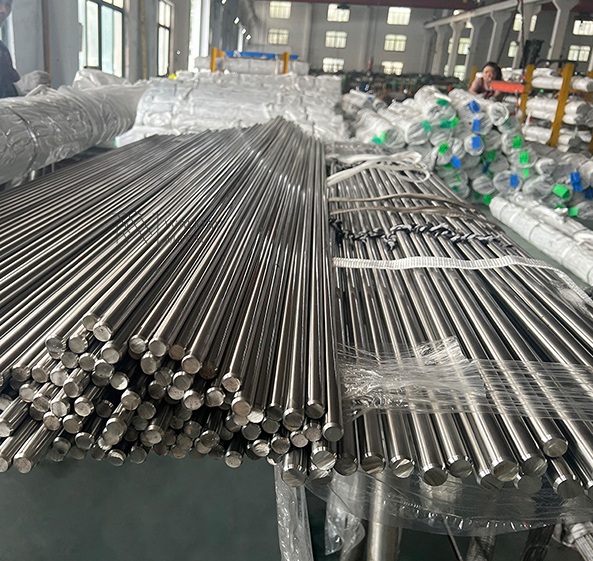
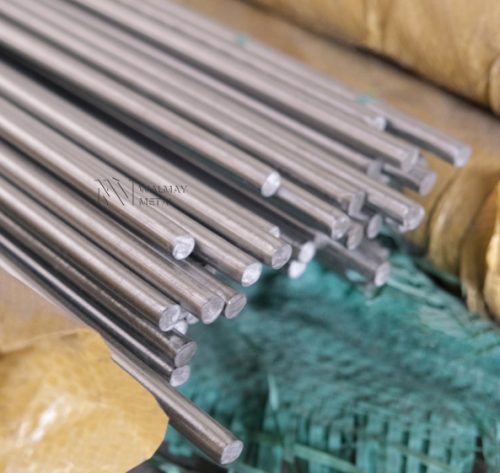
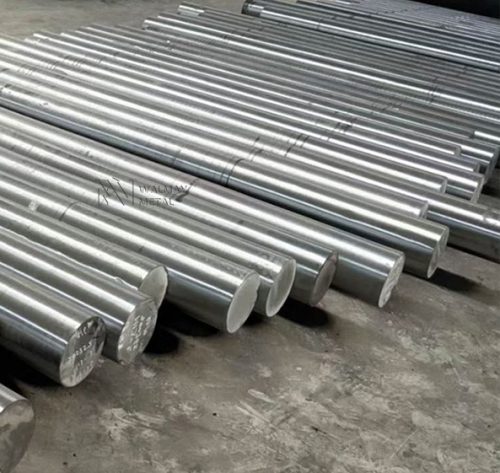
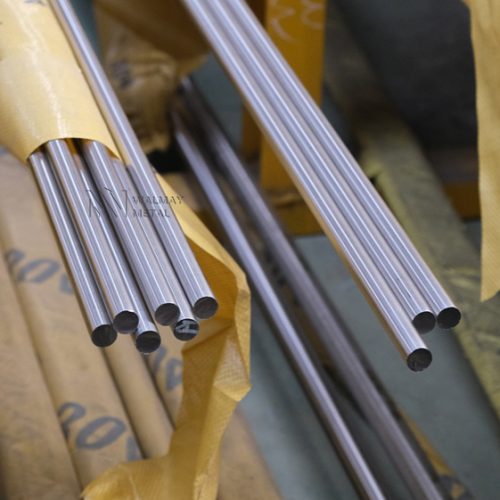
Stainless steel round bar is solid circular section supplied in straight lengths, the starting material for shafts, pins, fasteners, spindles, studs and machined components of every kind. Walmay stocks it from 3 mm to 300 mm diameter in 304, 304L, 316L, 303, 410, 420, 430, 2205 duplex and 904L, to ASTM A276 and EN 10088-3, in the cold drawn, peeled, centreless ground and hot rolled conditions, cut to length with an EN 10204 3.1 certificate on every heat.
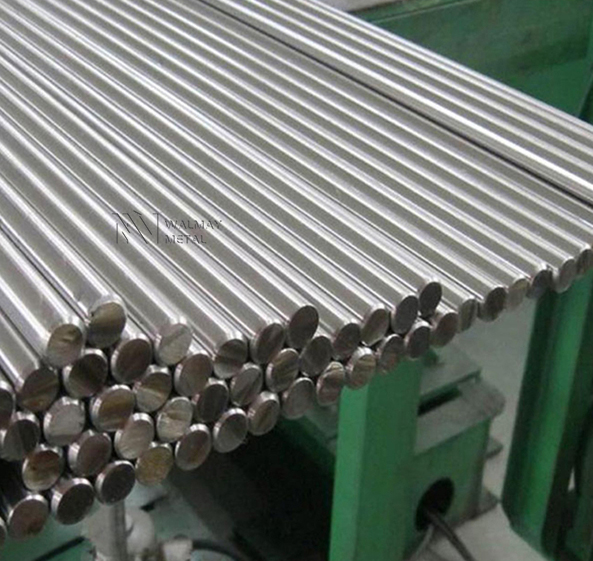
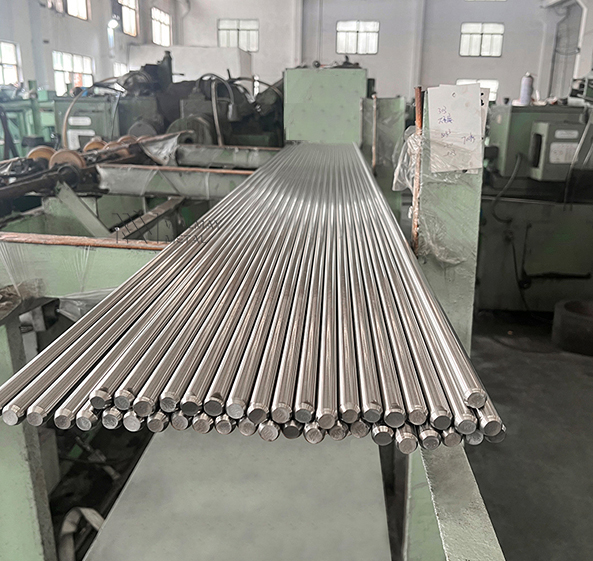
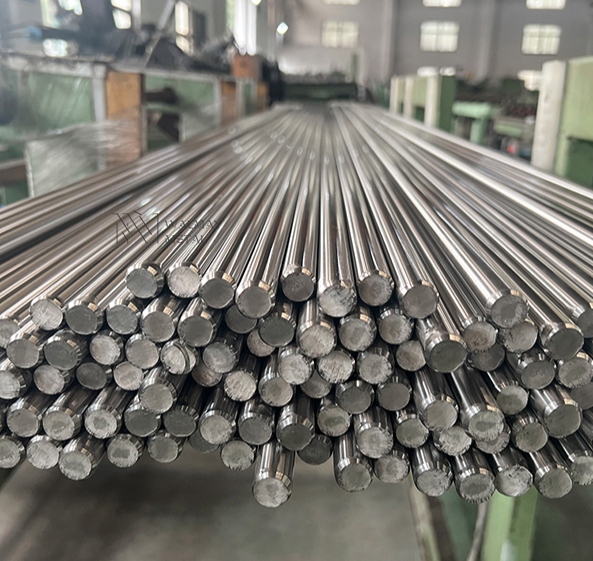
| Condition | Diameter range | Tolerance | Surface | Typical use |
|---|---|---|---|---|
| Cold drawn | 3-40 mm | h11, about minus 0.13 mm at 25 mm | Bright, smooth | Fasteners, pins, general machining |
| Peeled and polished | 20-120 mm | h10 to h11 | Bright turned | Shafts, machining stock |
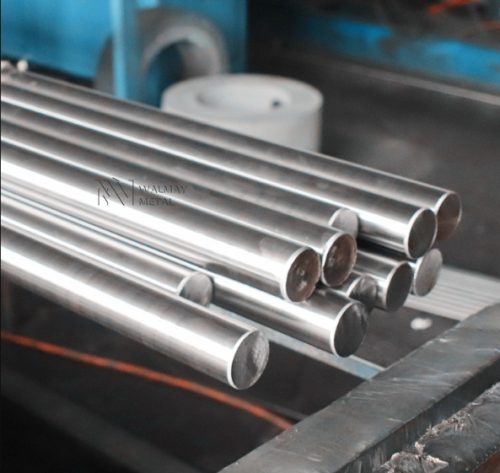
| Centreless ground | 3-100 mm | h9, about minus 0.052 mm at 25 mm | Ground, low Ra | Sliding fits, bearing seats, hydraulic rods |
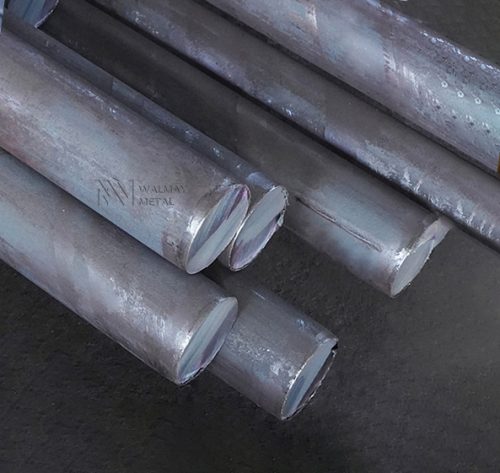
| Hot rolled annealed pickled | 16-300 mm | Plus or minus 0.5 to 1.5 mm | Matte pickled | Forging stock, heavy machining, welded parts |
| Forged and rough turned | Above 120 mm | Plus or minus 2 mm | Turned | Large shafts and flange blanks |
If a bar has to fit a bore or run in a bearing, order it ground: the tolerance is fivefold tighter than cold drawn and it saves a turning operation. If it will be machined all over anyway, buy hot rolled and take the saving.
| Item | Detail |
|---|---|
| Minimum order | 500 kg from stock, 2 tonnes for mill sizes |
| Lead time from stock | 7-12 days |
| Lead time mill run | 30-50 days |
| Stock range | 6-100 mm in 304, 304L, 316L and 303 |
| Documentation | EN 10204 3.1 with analysis and mechanical results, PMI and NDT on request |
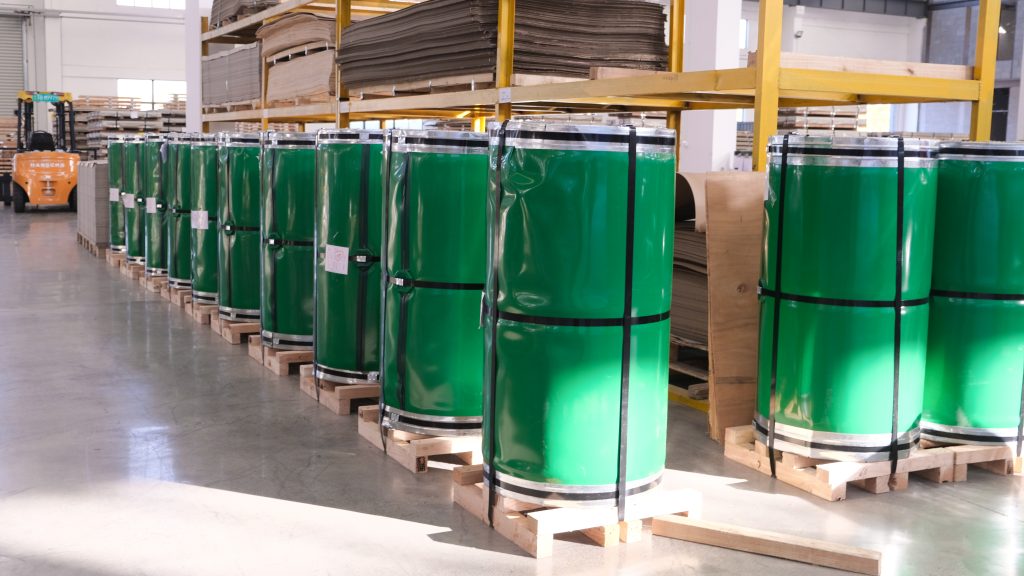
| Packing | Bundled and strapped, tubes for small diameters, crated for ground bar |
| Incoterms | FOB, CIF, DAP |
Send the diameter, grade, condition, tolerance class, length or cut list and quantity. Related products: 316 rod and bar, flat bar, square bar, hex bar, 304 round profile, black rod, and the full bar and rod range.
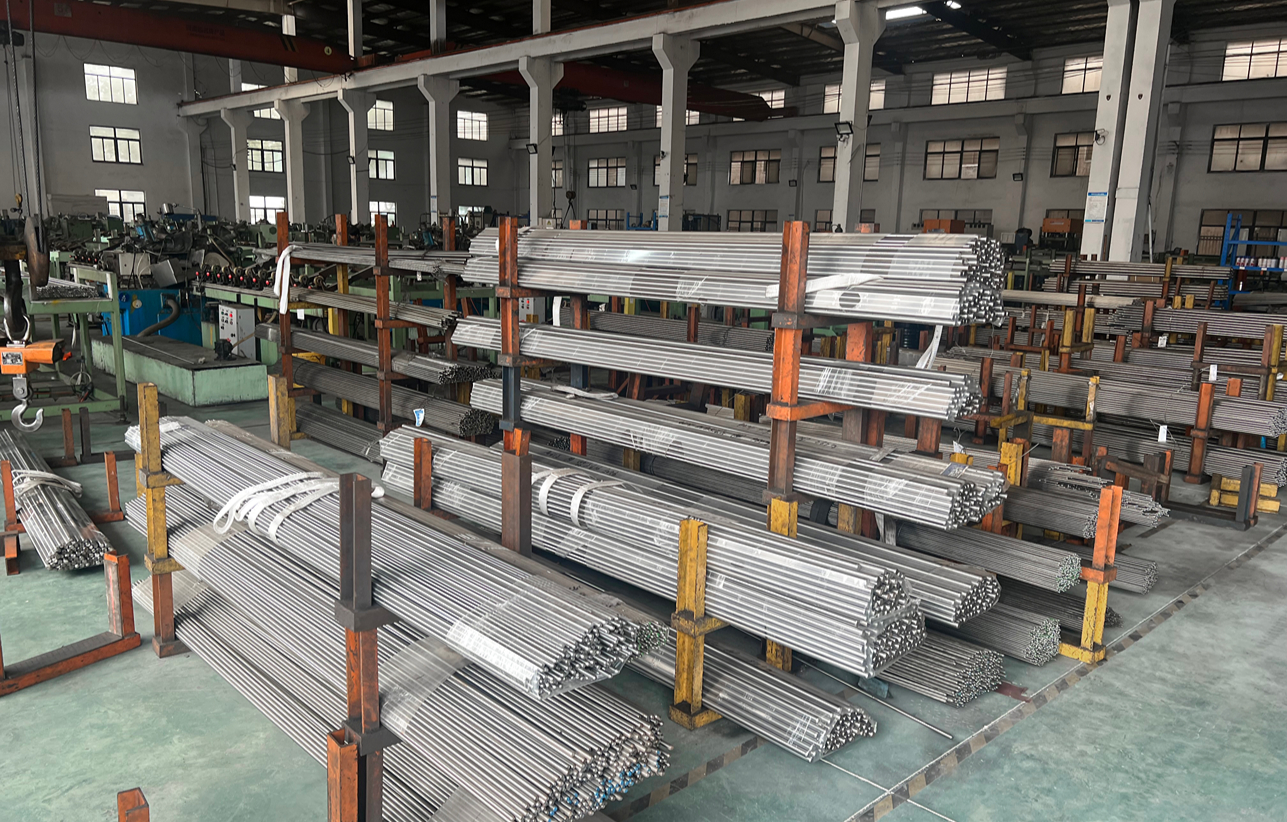
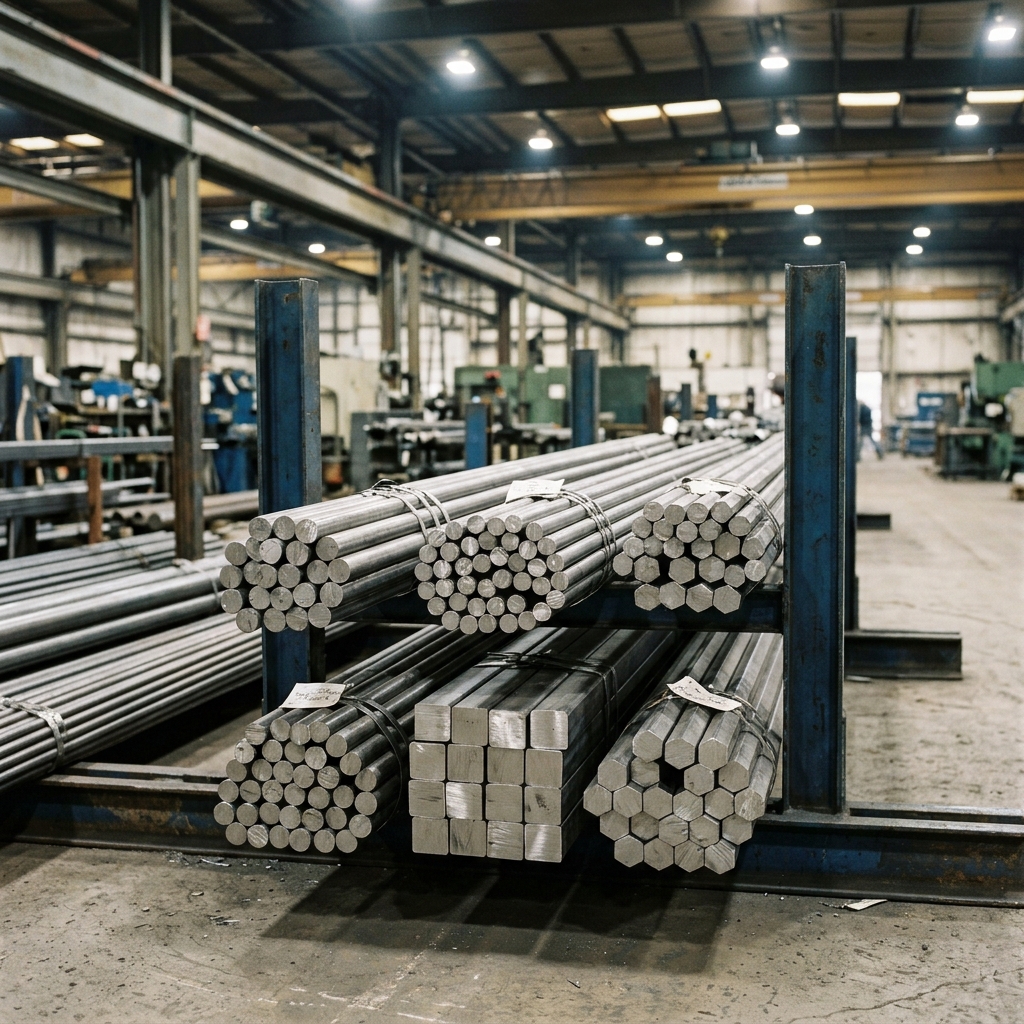
Stainless Steel Bar Inventory Racking System
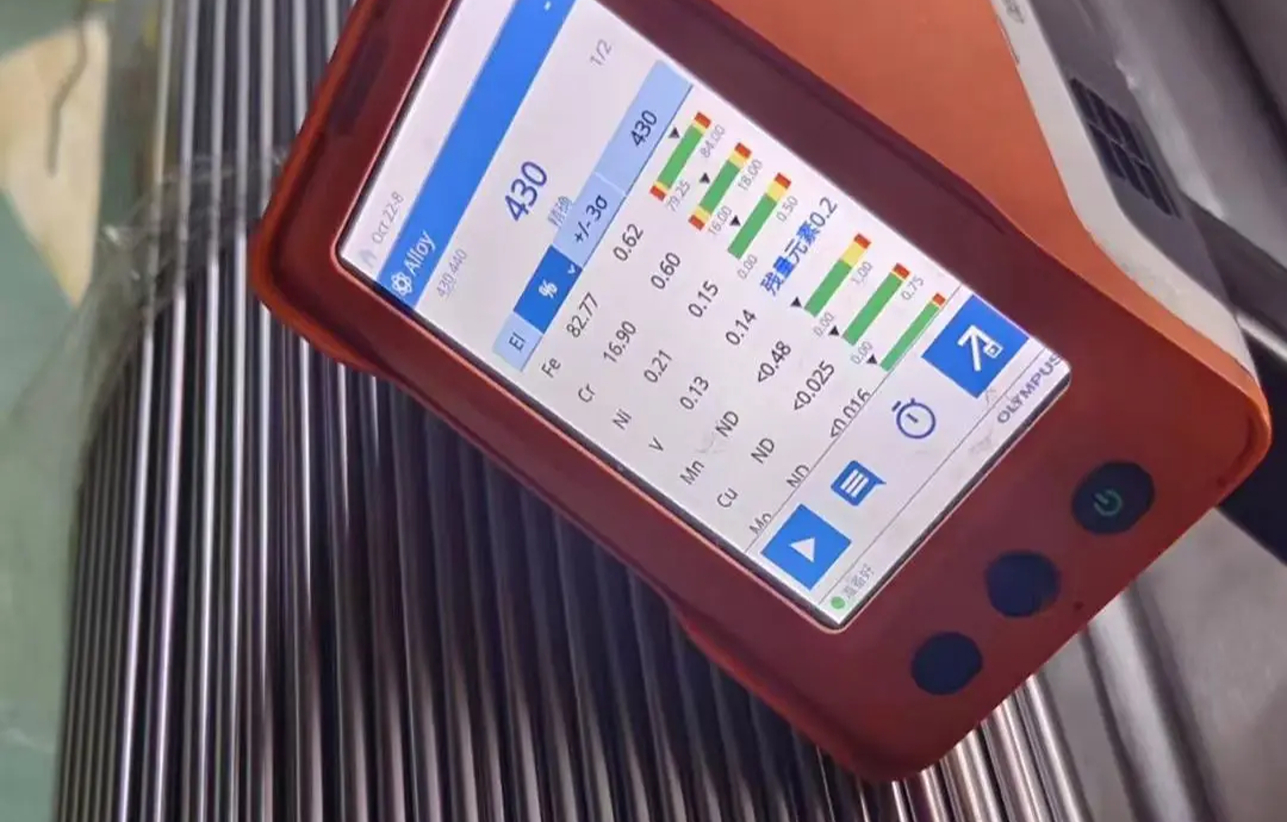
Spectrometer for Alloy Composition Analysis
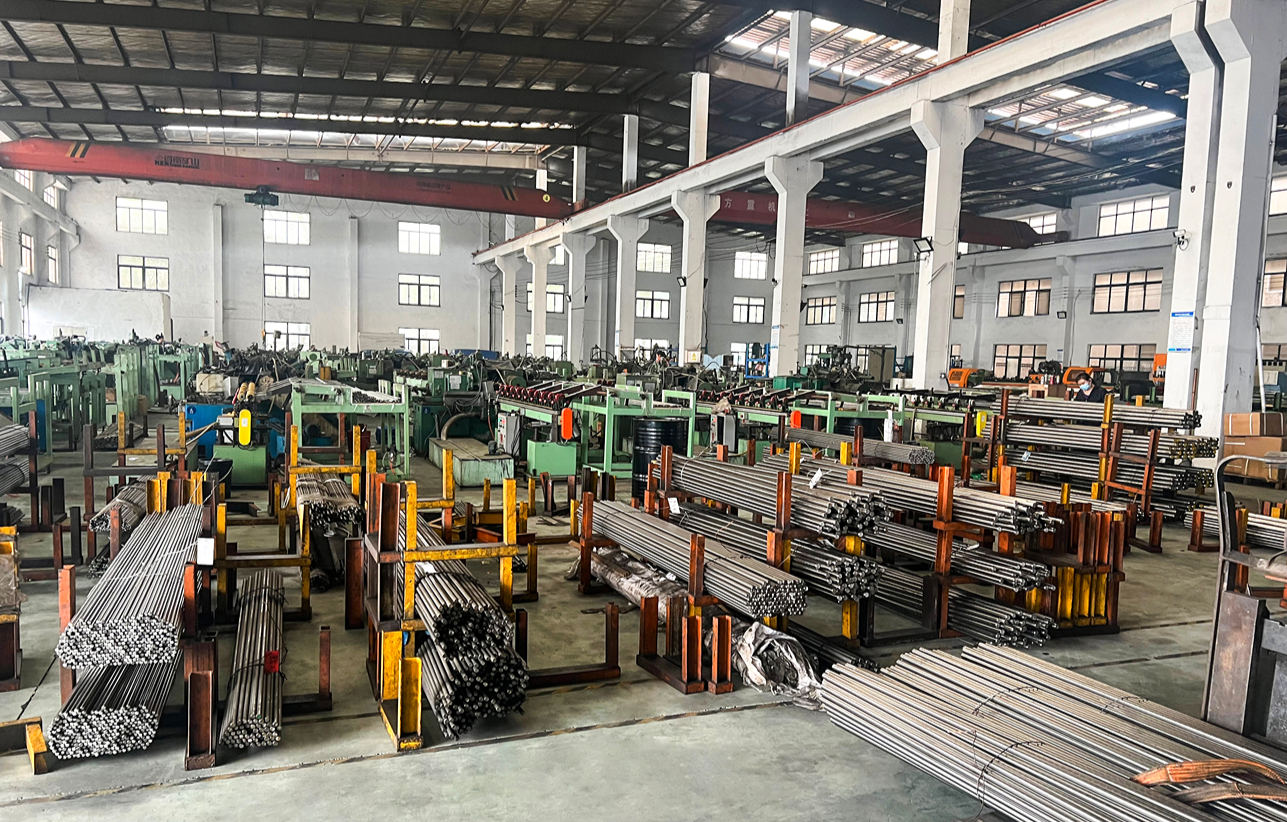
Finished Stainless Steel Bars on Storage Racks
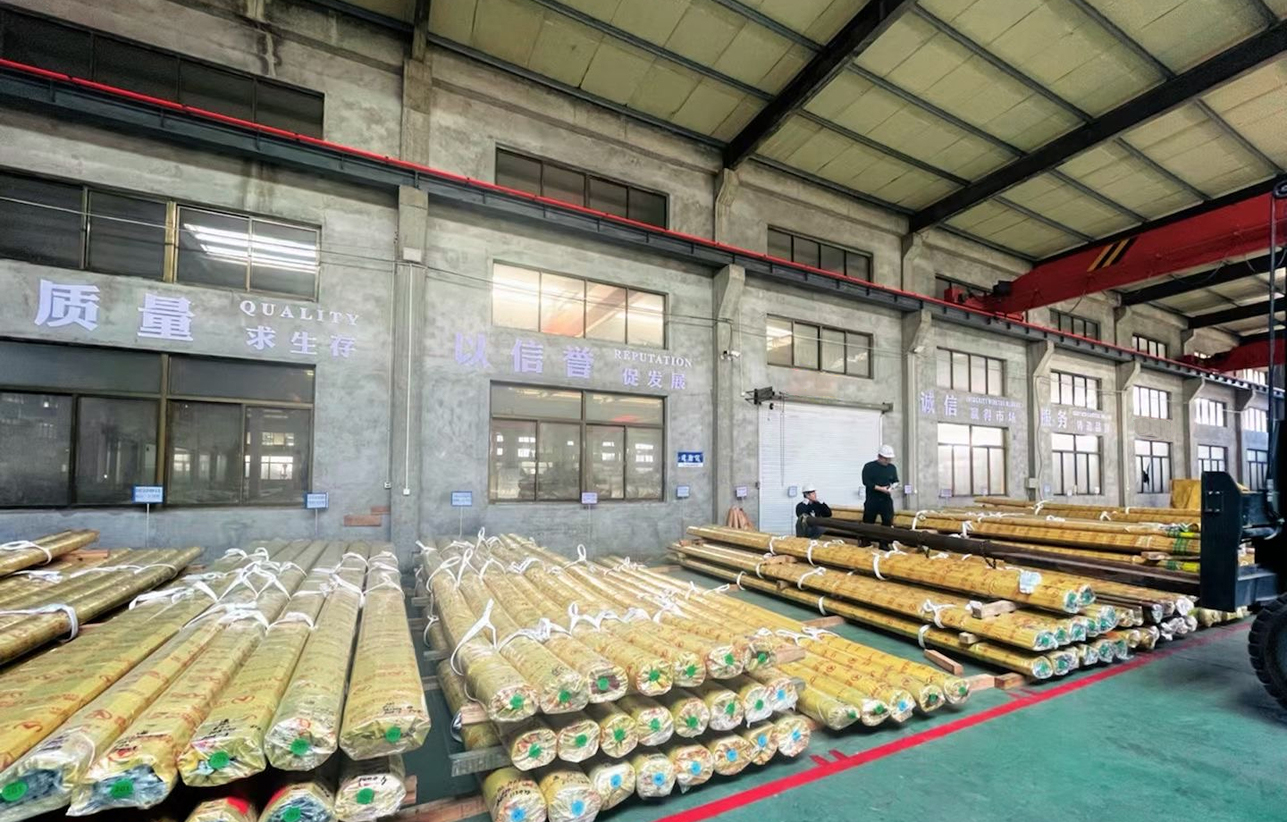
Palletized Stainless Steel Bars on Workshop Floor
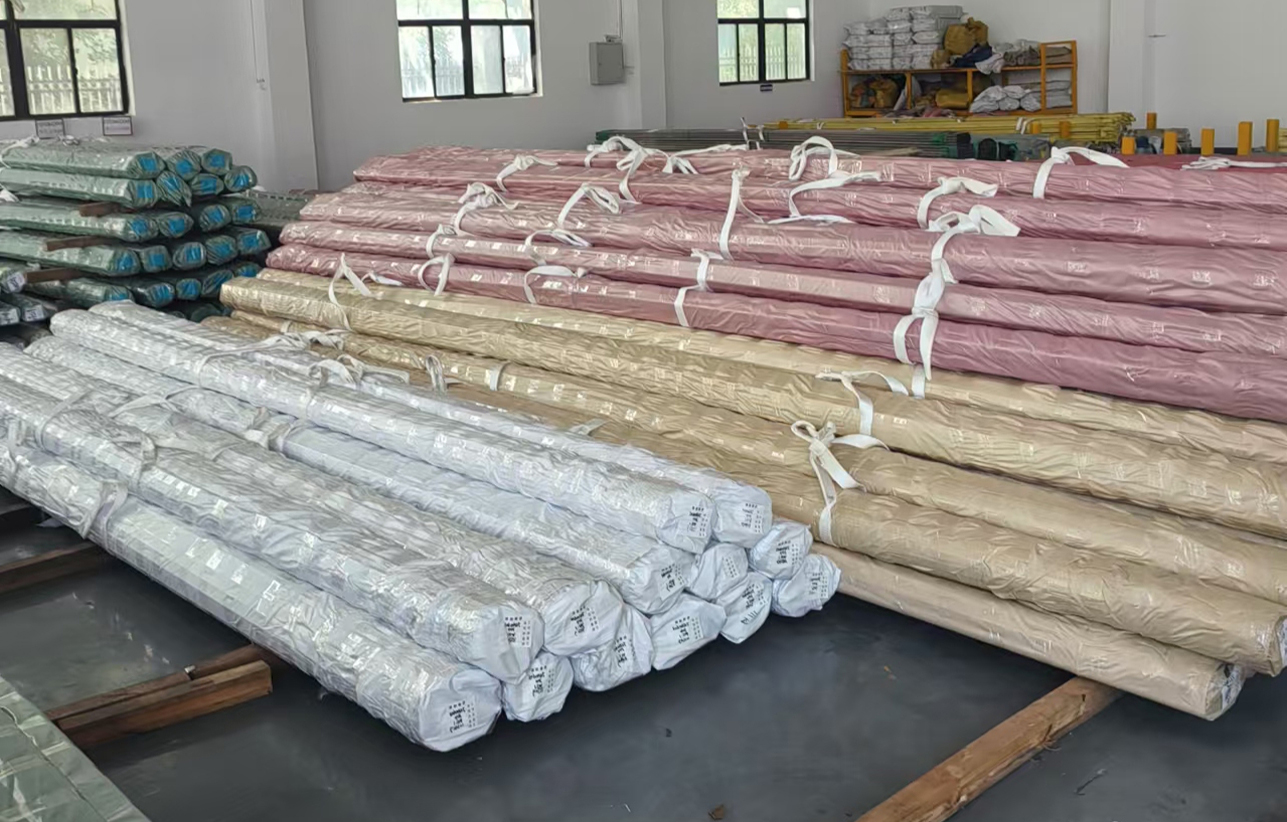
Secured Stainless Steel Bar Bundles for Shipment
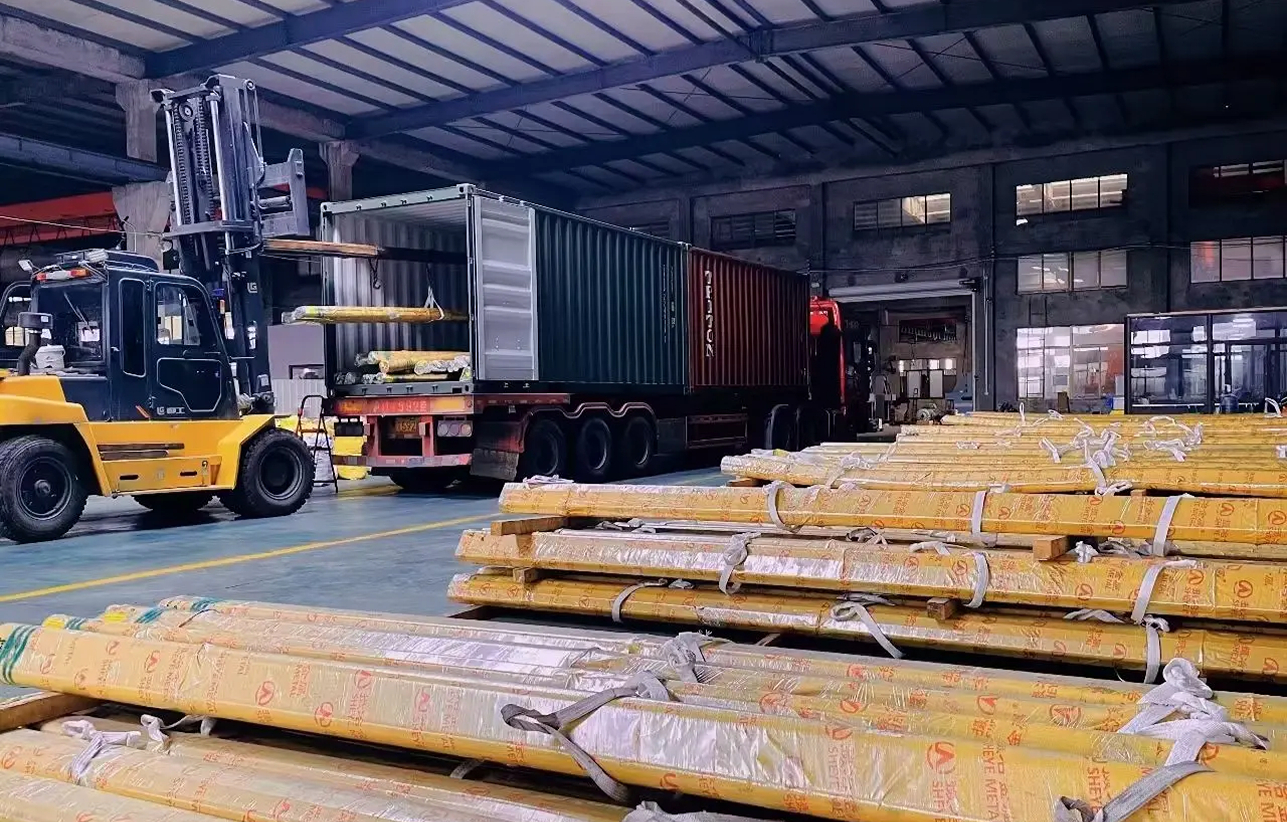
Forklift Loading Bundled Stainless Steel Bars into Freight Truck
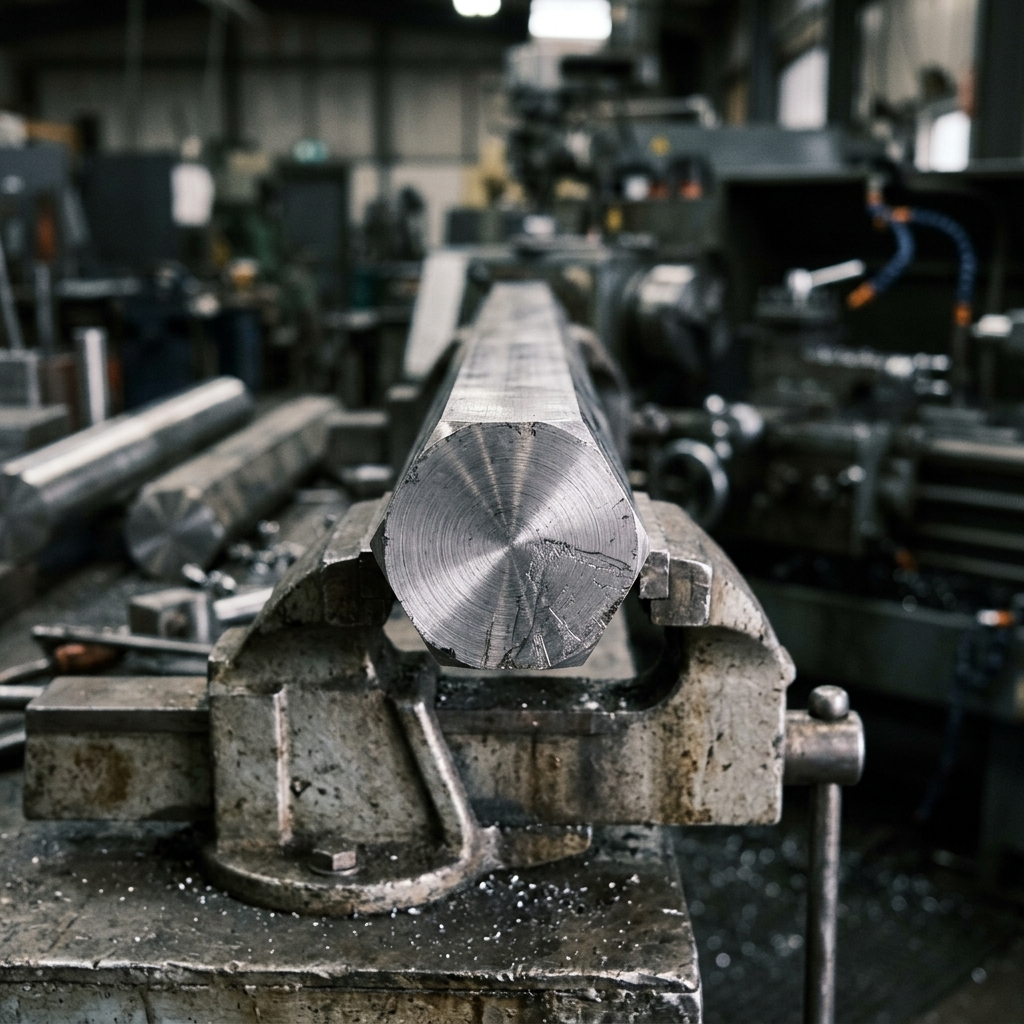
Stainless steel round bar is solid circular section supplied in straight lengths, the starting material for shafts, pins, fasteners, spindles, studs and machined components of every kind. Walmay stocks it from 3 mm to 300 mm diameter in 304, 304L, 316L, 303, 410, 420, 430, 2205 duplex and 904L, to ASTM A276 and EN 10088-3, in the cold drawn, peeled, centreless ground and hot rolled conditions, cut to length with an EN 10204 3.1 certificate on every heat.
Weight per metre equals diameter squared in millimetres multiplied by 0.00623 for austenitic grades at 8.0 g/cm3.
| Diameter | Weight per metre | Weight per 3 m | Weight per 6 m |
|---|---|---|---|
| 3 mm | 0.06 kg | 0.2 kg | 0.3 kg |
| 5 mm | 0.16 kg | 0.5 kg | 0.9 kg |
| 6 mm | 0.22 kg | 0.7 kg | 1.3 kg |
| 8 mm | 0.40 kg | 1.2 kg | 2.4 kg |
| 10 mm | 0.62 kg | 1.9 kg | 3.7 kg |
| 12 mm | 0.90 kg | 2.7 kg | 5.4 kg |
| 16 mm | 1.59 kg | 4.8 kg | 9.6 kg |
| 20 mm | 2.49 kg | 7.5 kg | 14.9 kg |
| 25 mm | 3.89 kg | 11.7 kg | 23.4 kg |
| 30 mm | 5.61 kg | 16.8 kg | 33.6 kg |
| 35 mm | 7.63 kg | 22.9 kg | 45.8 kg |
| 40 mm | 9.97 kg | 29.9 kg | 59.8 kg |
| 50 mm | 15.58 kg | 46.7 kg | 93.5 kg |
| 60 mm | 22.43 kg | 67.3 kg | 134.6 kg |
| 70 mm | 30.53 kg | 91.6 kg | 183.2 kg |
| 80 mm | 39.87 kg | 119.6 kg | 239.2 kg |
| 100 mm | 62.30 kg | 186.9 kg | 373.8 kg |
| 120 mm | 89.71 kg | 269.1 kg | 538.3 kg |
| 150 mm | 140.18 kg | 420.5 kg | 841.1 kg |
| 200 mm | 249.20 kg | 747.6 kg | 1,495.2 kg |
| 250 mm | 389.38 kg | 1,168.1 kg | - |
| 300 mm | 560.70 kg | 1,682.1 kg | - |
Imperial diameters from 1/8 inch to 10 inch are also stocked. Note the effect of squaring: doubling the diameter quadruples the weight, so a 100 mm bar costs four times as much per metre as a 50 mm one.
304 is the default grade for round bar and covers most general engineering. Its composition is 18 to 20 percent chromium and 8 to 10.5 percent nickel with a carbon ceiling of 0.08 percent, and 304L reduces carbon to 0.030 percent for welded work.
| Property | 304 annealed | 304L annealed | 304 cold drawn |
|---|---|---|---|
| Yield strength | 205 MPa min | 170 MPa min | 400-700 MPa |
| Tensile strength | 515 MPa min | 485 MPa min | 700-900 MPa |
| Elongation | 40 percent | 40 percent | 12-25 percent |
| Hardness | 92 HRB max | 92 HRB max | 25-35 HRC |
| Density | 8.0 g/cm3 | 8.0 g/cm3 | 8.0 g/cm3 |
| Maximum continuous service | About 870 C | About 870 C | - |
Where the part will be welded and cannot be annealed afterwards, order 304L. Where it needs strength, note that cold-drawn 304 comfortably exceeds the annealed minimum, so a drawing calling for 400 MPa yield can often be met in 304 without moving to a higher-alloy grade. Grade alternatives:
| Grade | Reason to choose it |
|---|---|
| 303 | Free machining, sulphur added, for high-volume turned parts in mild environments |
| 316 / 316L | Chlorides, marine, chemical and aggressive food service |
| 410 | Hardenable to 45 HRC for wear parts and valve trim |
| 420 | Hardenable to 55 HRC for blades and moulds |
| 430 | Ferritic, no nickel, magnetic, indoor use |
| 630 / 17-4 PH | High-strength shafts, 1,000 MPa and above after ageing |
| 2205 duplex | 450 MPa yield with better chloride resistance than 316 |
| 904L | Sulphuric and phosphoric acid service |
The two words are used interchangeably in most of the industry, and both refer to the same solid circular product. Where a distinction is drawn:
| Term | Usual meaning |
|---|---|
| Round bar | Solid circular section in straight lengths, the standard industrial term |
| Rod | Often smaller diameters, sometimes coiled rather than straight, and common in welding and fastener contexts |
| Shafting | Round bar supplied ground to a tight tolerance for rotating service |
| Billet | Large-diameter forging or rolling input, not a finished product |
| Rebar | Ribbed reinforcing bar for concrete, a different product entirely |
For ordering purposes, always give the diameter, the delivery condition and the tolerance class rather than relying on the word: a 20 mm cold-drawn round bar and a 20 mm ground shaft are the same grade and diameter but not the same product.
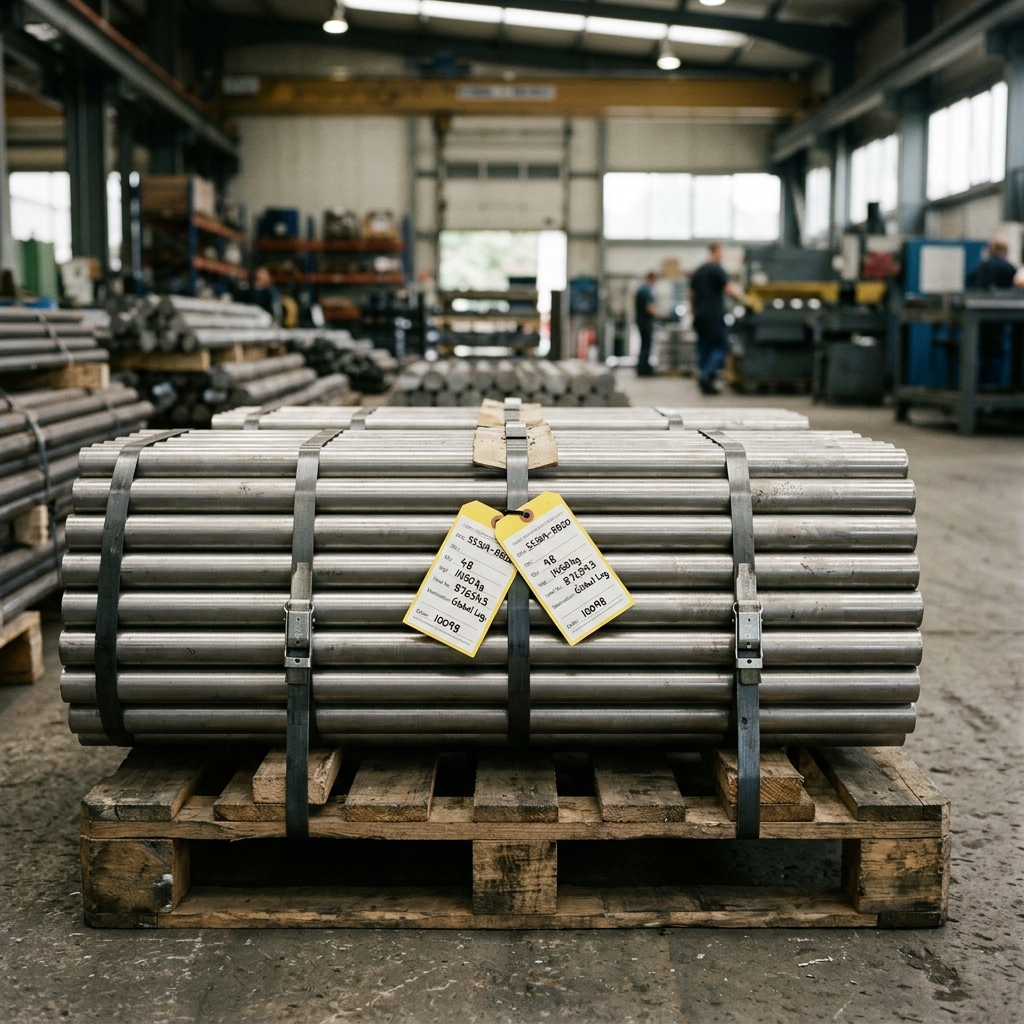
304 work hardens ahead of the cutting edge and produces long, gummy chips. Reduce surface speed 20 to 30 percent below carbon steel, keep the feed positive and constant, take a depth of cut that reaches below the layer hardened by the previous pass, and flood with coolant. Sharp carbide with positive rake and a rigid setup make more difference than any change in speed. Where machining dominates the cost and corrosion is mild, 303 is the free-machining alternative, with sulphur added to break chips; do not substitute it in corrosive service, because those sulphide inclusions initiate pitting. Our bar machining guide covers the trade-offs.
We supply bar cut to length, centreless ground, turned, drilled, threaded and polished. See cutting, heat treatment, polishing and inspection on the fabrication page.
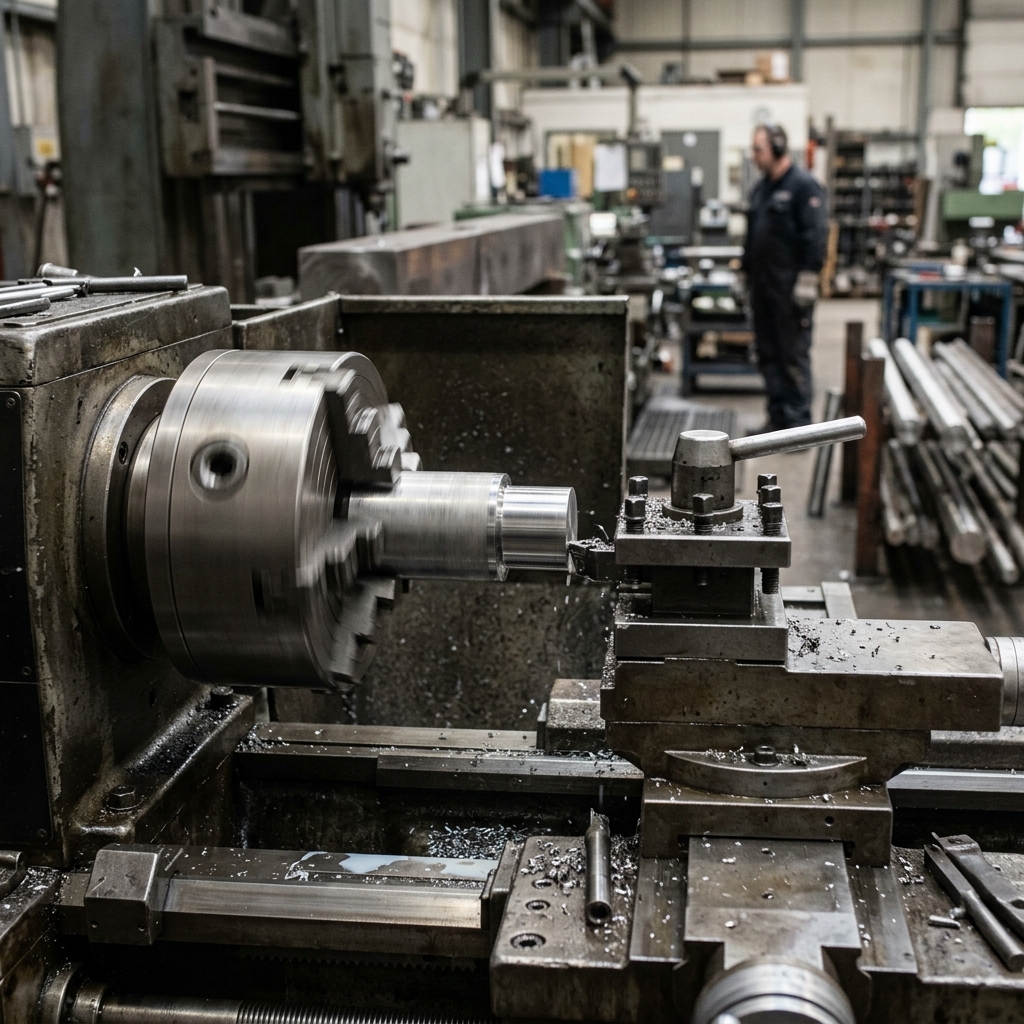
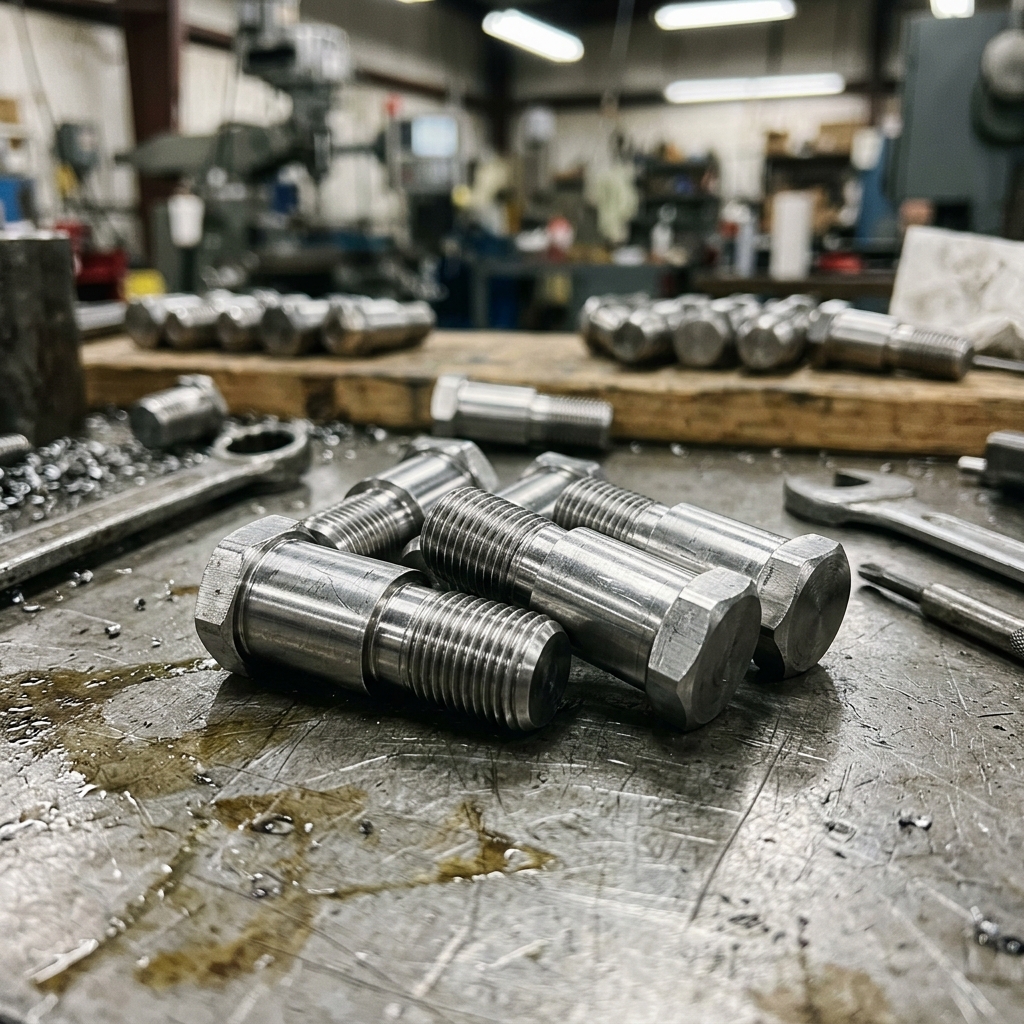
Round bar is priced per tonne against live alloy surcharges, then adjusted for four things: grade, since 316 runs 25 to 40 percent above 304 and 2205 or 904L considerably more; diameter, because small cold-drawn sizes carry more processing per kilogram than heavy hot-rolled ones; condition, since ground bar costs 15 to 30 percent above cold drawn and peeled bar sits between; and quantity. To compare quotations, convert to weight using the table above, then apply the per-tonne figure.
Stainless steel is not rust proof. It is corrosion resistant because chromium above about 10.5 percent forms a passive oxide film that reforms when damaged, provided oxygen is available. Three situations defeat it, and all three appear in bar applications:
A bar that will be used outdoors, in a joint or in water should be selected for the environment and passivated after machining, not simply ordered as stainless.



Walmay will help match the right stainless product form and specification for your application, confirm quantities and packing needs, and provide requested documents based on order requirements.
Loading form…