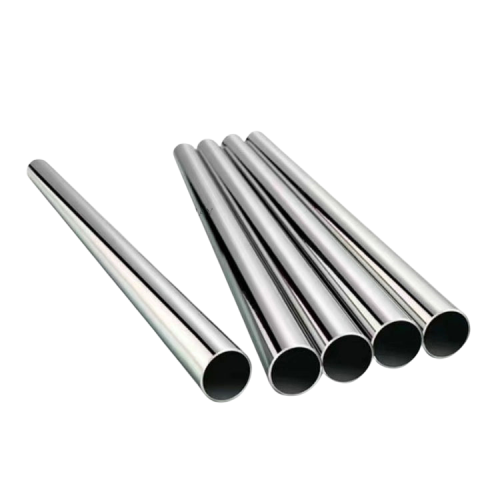
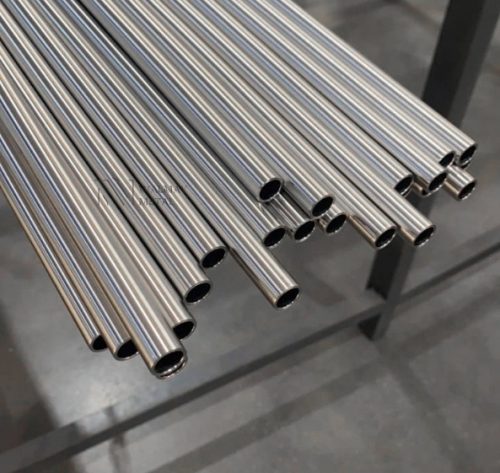
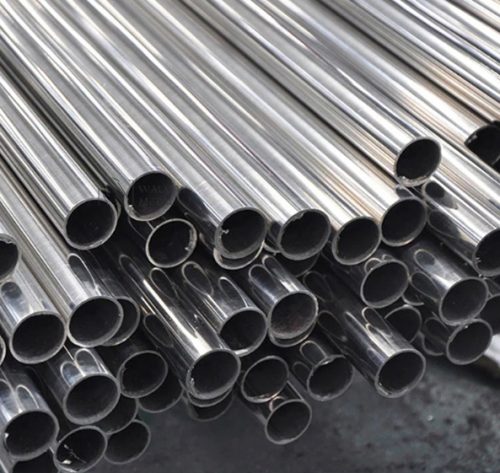
Duplex 2205 pipe is a ferritic-austenitic stainless steel pipe, roughly half of each phase, with 22 percent chromium, 5 percent nickel, 3 percent molybdenum and a deliberate nitrogen addition. That structure gives it about double the yield strength of 316L, 450 MPa against 170, together with a pitting resistance equivalent number of about 35 against 25, and far better resistance to chloride stress corrosion cracking. Walmay supplies it seamless to ASTM A790 and welded to A790 or A928, from 1/2 inch to 24 inch NPS, with ferrite balance and impact testing available on request.


| Item | Detail |
|---|---|
| Grade | 2205, UNS S32205 and S31803, EN 1.4462 |
| Pipe standards | ASTM A790 seamless and welded, ASTM A928 welded with filler |
| Tube standards | ASTM A789 |
| Size range | 1/2 in to 24 in NPS, DN 15 to DN 600 |
| Schedules | 10S, 40S, 80S, and to wall thickness |
| Length | 6 m random, or cut to length |
| Condition | Solution annealed at 1,020-1,100 C and water quenched |
| PREN | About 35 |
| Certification | EN 10204 3.1, hydrostatic test, ferrite count and impact test on request |
| Element | UNS S32205, percent |
|---|---|
| Carbon | 0.030 max |
| Chromium | 22.0-23.0 |
| Nickel | 4.5-6.5 |
| Molybdenum | 3.0-3.5 |
| Nitrogen | 0.14-0.20 |
| Manganese | 2.00 max |
| Silicon | 1.00 max |
| Phosphorus | 0.030 max |
| Sulphur | 0.020 max |
PREN is calculated as chromium plus 3.3 times molybdenum plus 16 times nitrogen. At mid-range composition, 22.5 plus 3.3 times 3.2 plus 16 times 0.17 gives approximately 35.8. That places 2205 well above 316L at about 25 and below the super duplex threshold of 40. Our guide to PREN explains how to use the number and where it stops being predictive.
| Property | 2205 | 316L | Ratio |
|---|---|---|---|
| Yield strength minimum | 450 MPa | 170 MPa | 2.6 times |
| Tensile strength minimum | 620 MPa | 485 MPa | 1.3 times |
| Elongation | 25 percent | 35 percent | Lower |
| Hardness | 31 HRC max | 90 HRB | Higher |
| Density | 7.8 g/cm3 | 8.0 g/cm3 | Slightly lighter |
| Thermal expansion | 13.7 um/m/K | 16.0 um/m/K | Lower, less distortion |
| Thermal conductivity | 19 W/m/K | 16 W/m/K | Higher |
| PREN | About 35 | About 25 | Better |
| Chloride SCC resistance | High | Low | Much better |
| Maximum service temperature | 300 C | 425 C | Lower |
| Magnetic | Yes | No | Different |
The commercial consequence of that strength ratio is the reason duplex wins projects. A pressure-governed line in 2205 can use a substantially thinner wall than the same line in 316L, so the tonnage falls even though the price per tonne is higher, and welding time, supports and installation labour all fall with it. On a large pressure-driven system the installed cost is frequently lower than 316L, not higher. On a corrosion-governed thin-wall line where minimum wall is set by handling rather than pressure, that advantage disappears.
| Limit | Figure | Reason |
|---|---|---|
| Maximum design temperature | 300 C, 250 C in some European codes | Not a strength limit but an embrittlement one |
| 475 C embrittlement | 300-525 C | Alpha prime precipitation in the ferrite, toughness collapses |
| Sigma phase | 600-1,000 C | Intermetallic precipitation, brittle and less corrosion resistant |
| Low temperature | Down to minus 50 C typically qualified | Ferrite limits toughness at cryogenic temperature |
The upper limit is the counter-intuitive property of duplex steels: a material stronger than 316L at room temperature must not be used where 316L is perfectly happy. Above 300 C, use an austenitic grade.
| Item | Detail |
|---|---|
| Minimum order | 500 kg from stock, 2 tonnes for a mill run |
| Lead time from stock | 12-20 days |
| Lead time mill run | 45-70 days |
| Testing | Hydrostatic, ferrite count, Charpy impact at minus 46 C, ASTM A923 intergranular corrosion test, PMI |
| Documentation | EN 10204 3.1 with PREN calculated, ferrite report, impact results |
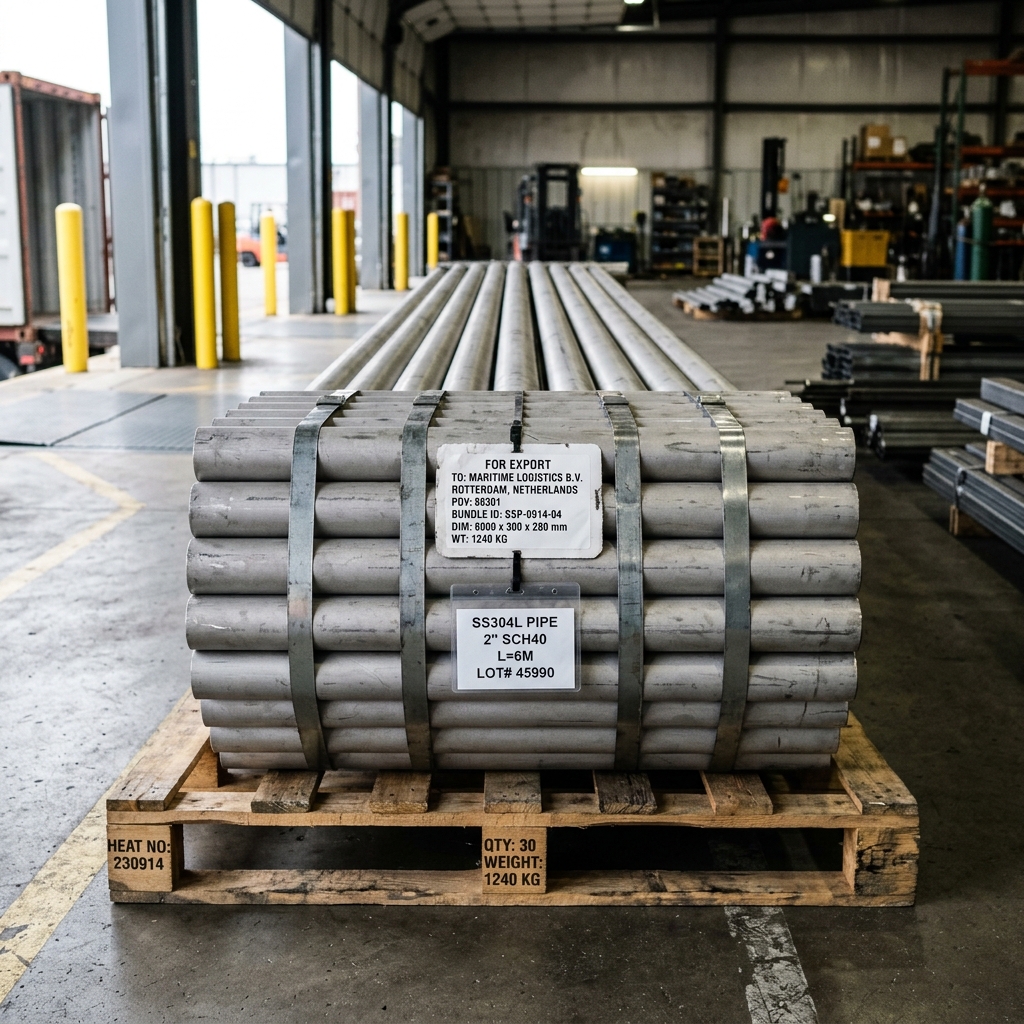
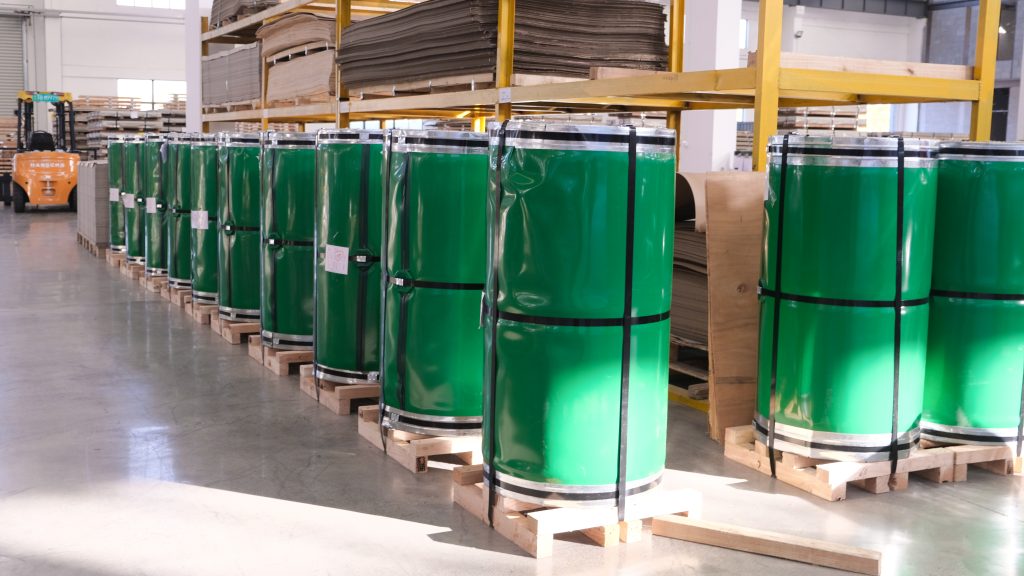
| Packing | Hexagonal bundles, end caps |
| Incoterms | FOB, CIF, DAP |
State the UNS number required, the chloride content and temperature of the service, and whether A923 corrosion testing or impact testing is part of your acceptance criteria.
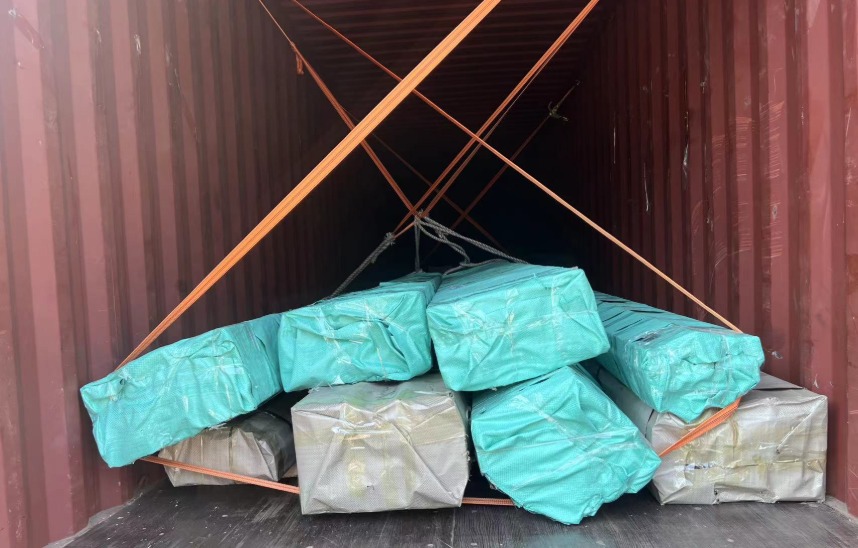
Stainless Steel Tubes Packed in Truck

Wooden Crate Packaging in Factory
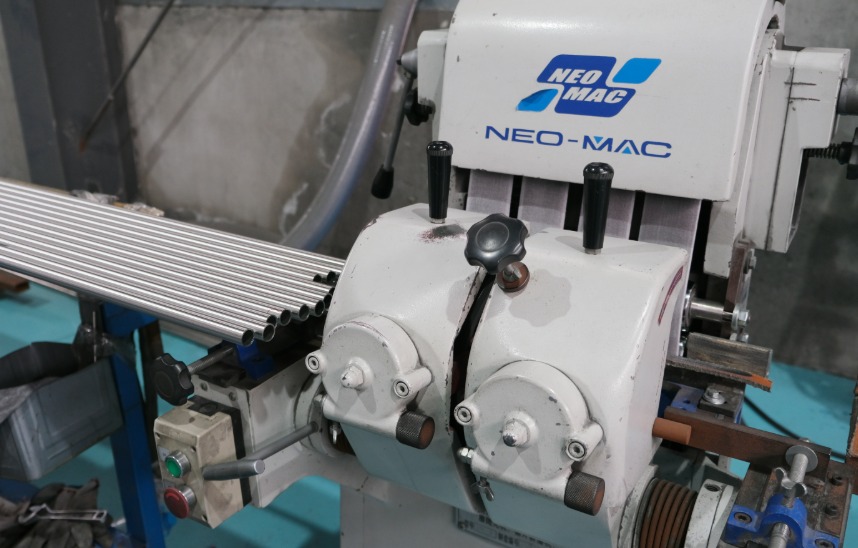
Neo-Mac Machine with Stainless Steel Tubes

Factory Tube Packaging Process

Industrial Manufacturing Equipment
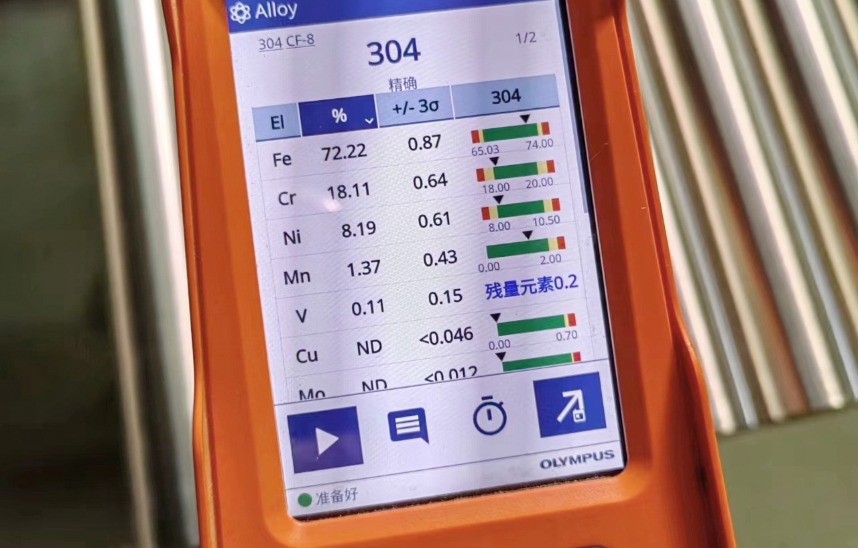
Stainless Steel Composition Analyzer
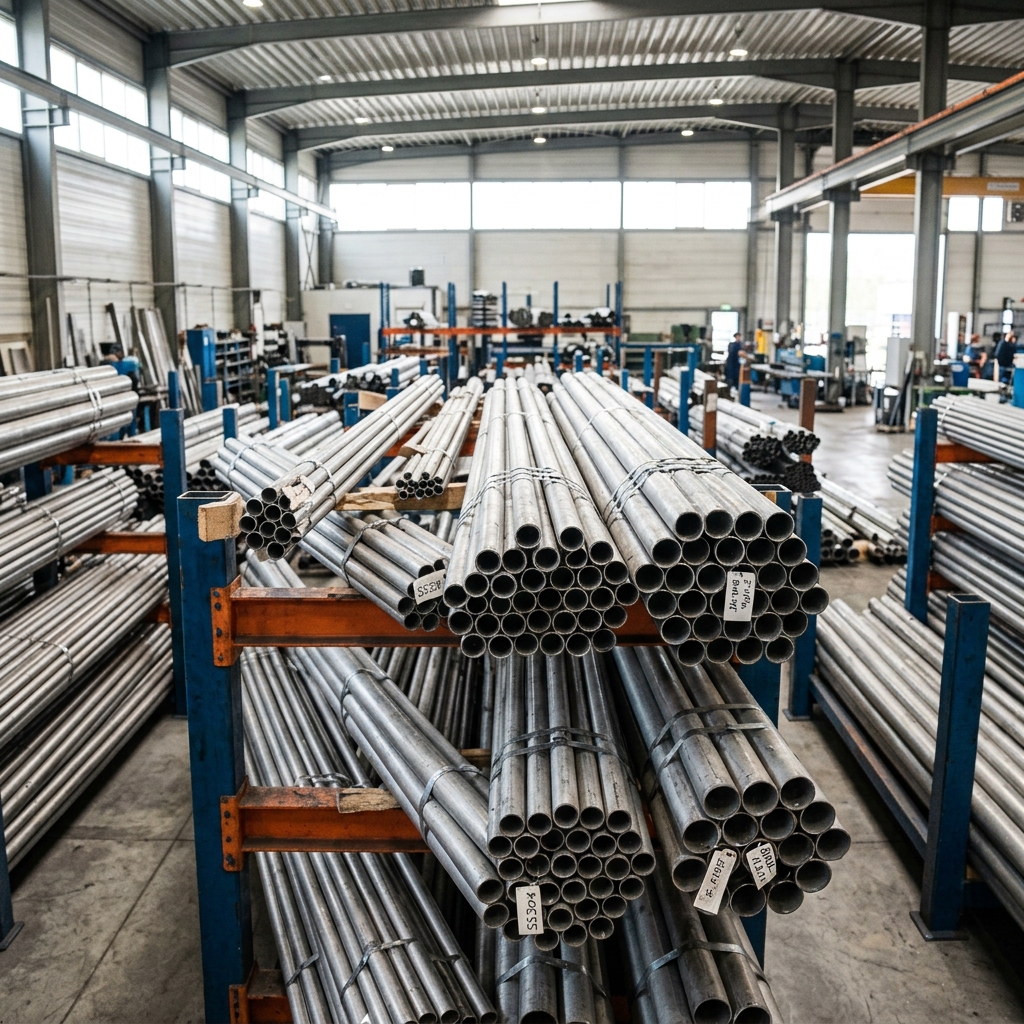
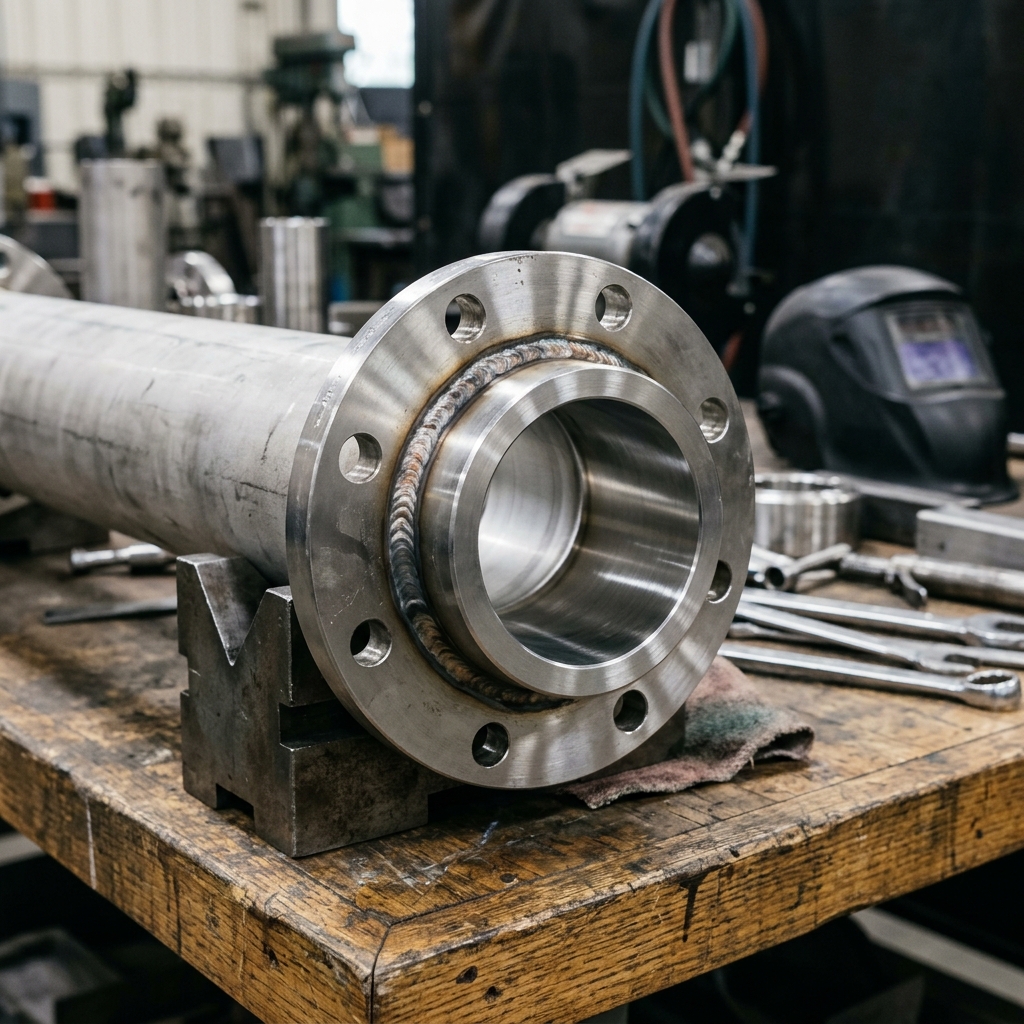
Duplex 2205 pipe is a ferritic-austenitic stainless steel pipe, roughly half of each phase, with 22 percent chromium, 5 percent nickel, 3 percent molybdenum and a deliberate nitrogen addition. That structure gives it about double the yield strength of 316L, 450 MPa against 170, together with a pitting resistance equivalent number of about 35 against 25, and far better resistance to chloride stress corrosion cracking. Walmay supplies it seamless to ASTM A790 and welded to A790 or A928, from 1/2 inch to 24 inch NPS, with ferrite balance and impact testing available on request.
Standard stainless grades are single phase. 304 and 316 are austenitic, tough and formable but with modest strength and a known weakness to chloride stress corrosion cracking. 430 and 409 are ferritic, cheap and magnetic but poor at welding and forming. A duplex steel is deliberately balanced to hold roughly 50 percent of each phase, and it inherits useful properties from both:
| Property | From the ferrite | From the austenite |
|---|---|---|
| High yield strength | Yes | - |
| Resistance to chloride stress corrosion cracking | Yes | - |
| Toughness and ductility | - | Yes |
| Weldability | - | Yes |
| Reduced nickel content, so lower cost exposure | Yes | - |
The balance is maintained by composition and by heat treatment, and it can be destroyed by bad welding practice, which is the one real risk in using the material. Anything outside roughly 35 to 65 percent ferrite loses either toughness or corrosion resistance.
These two UNS numbers appear on 2205 certificates interchangeably, and they are not quite the same thing.
| Aspect | UNS S31803, original 2205 | UNS S32205, modern 2205 |
|---|---|---|
| Chromium | 21.0-23.0 percent | 22.0-23.0 percent |
| Nickel | 4.5-6.5 percent | 4.5-6.5 percent |
| Molybdenum | 2.5-3.5 percent | 3.0-3.5 percent |
| Nitrogen | 0.08-0.20 percent | 0.14-0.20 percent |
| Minimum PREN achievable | About 31 | About 34 |
| Status | Superseded in practice | The grade normally supplied and specified |
S32205 narrows the chromium, molybdenum and nitrogen ranges at their upper ends, which raises the guaranteed minimum PREN and improves weldability, because nitrogen helps austenite reform in the heat-affected zone. A heat can legitimately satisfy both specifications, and most modern material is dual certified. If a specification says S31803 only, modern S32205 material normally satisfies it; the reverse is not necessarily true, so ask for S32205 explicitly.
Duplex welding is not difficult but it is unforgiving of guesswork, because the phase balance must survive the thermal cycle.
| Parameter | Practice |
|---|---|
| Filler | ER2209, deliberately over-alloyed in nickel to restore austenite in the weld metal |
| Heat input | Moderate window, typically 0.5-2.5 kJ/mm. Too low leaves excess ferrite, too high precipitates intermetallics |
| Interpass temperature | Below 150 C |
| Preheat | Not required, and generally avoided |
| Shielding and purge | Argon with 1-3 percent nitrogen helps austenite reform |
| Post-weld heat treatment | Not required, and a partial anneal is worse than none |
| Verification | Ferrite count by magnetic or point-count method, target 35-65 percent, plus impact testing on procedure qualification |
| Autogenous welding | Avoid, since without filler the weld metal solidifies too ferritic |
A qualified welding procedure with a recorded heat input range is the single most important control on a duplex job. We supply pipe with mill ferrite counts and can provide qualified procedures for spools fabricated in house. Our welding and heat treatment capabilities are described on the fabrication page.
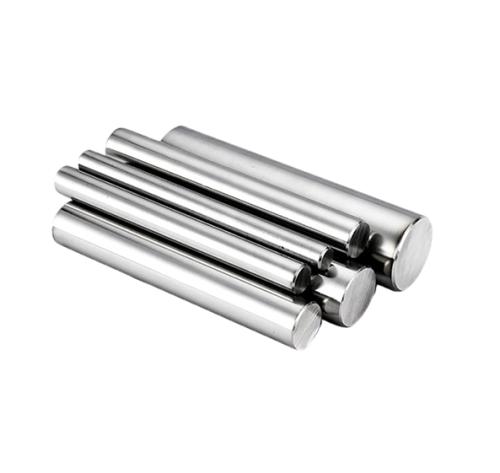
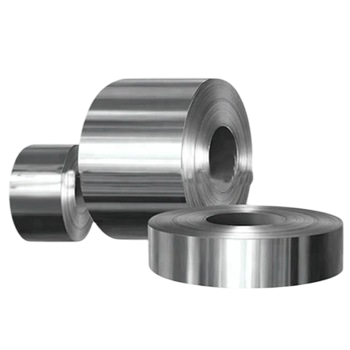
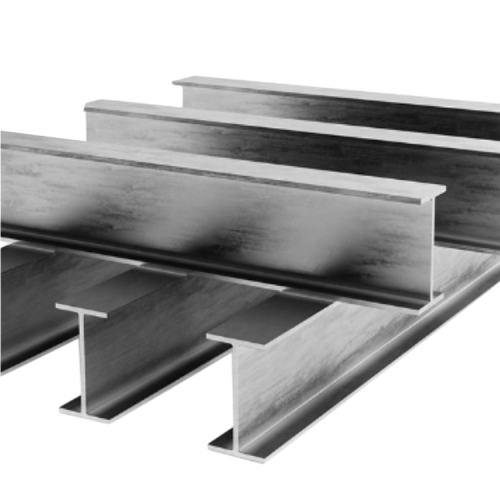
Related products: 2205 duplex sheet, 2205 duplex coil, 2205 square bar, 2205 I beam, 2507 super duplex sheet, 316L pipe, and the full pipe and tube range.

Walmay will help match the right stainless product form and specification for your application, confirm quantities and packing needs, and provide requested documents based on order requirements.
Loading form…