Stainless Steel Rod & Bar Supplier

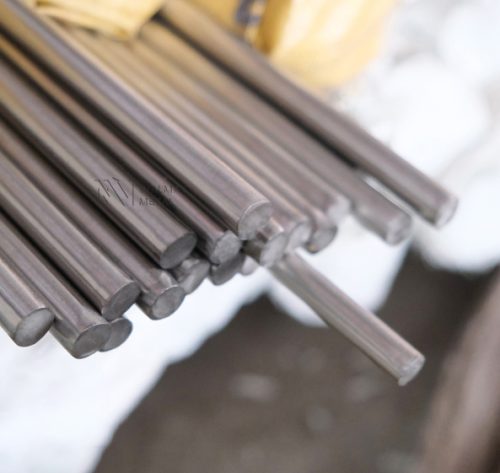
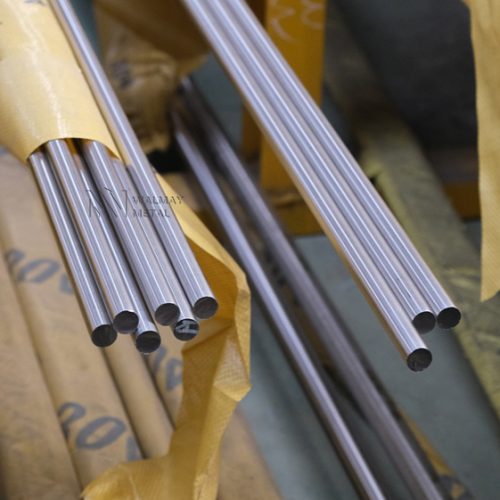
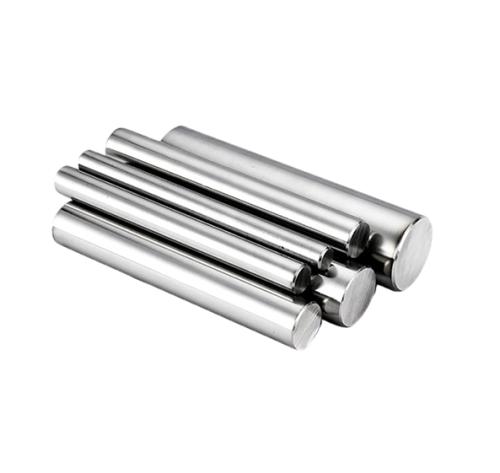
Walmay supplies stainless steel rod and bar in round, square, hexagonal and flat sections from 3 mm to 350 mm, in 303, 304, 304L, 316, 316L, 410, 420, 430, 443, 409L, 630 precipitation hardening, 904L and 2205 duplex. Material is produced to ASTM A276, ASTM A479 or EN 10088-3 in hot rolled, cold drawn, peeled, ground or centreless polished condition, and every heat ships with an EN 10204 3.1 mill test certificate. Bar is cut to your length list before packing, which removes a sawing operation from your own shop.

Stainless Steel Bar & Rod Featured Image
Filter by Grade Family
  • Austenitic Grades
  • Ferritic Grades
  • Martensitic Grades
  • Precipitation Hardening Grades
Filter by Rolling Condition
  • Cold Rolled
  • Hot Rolled
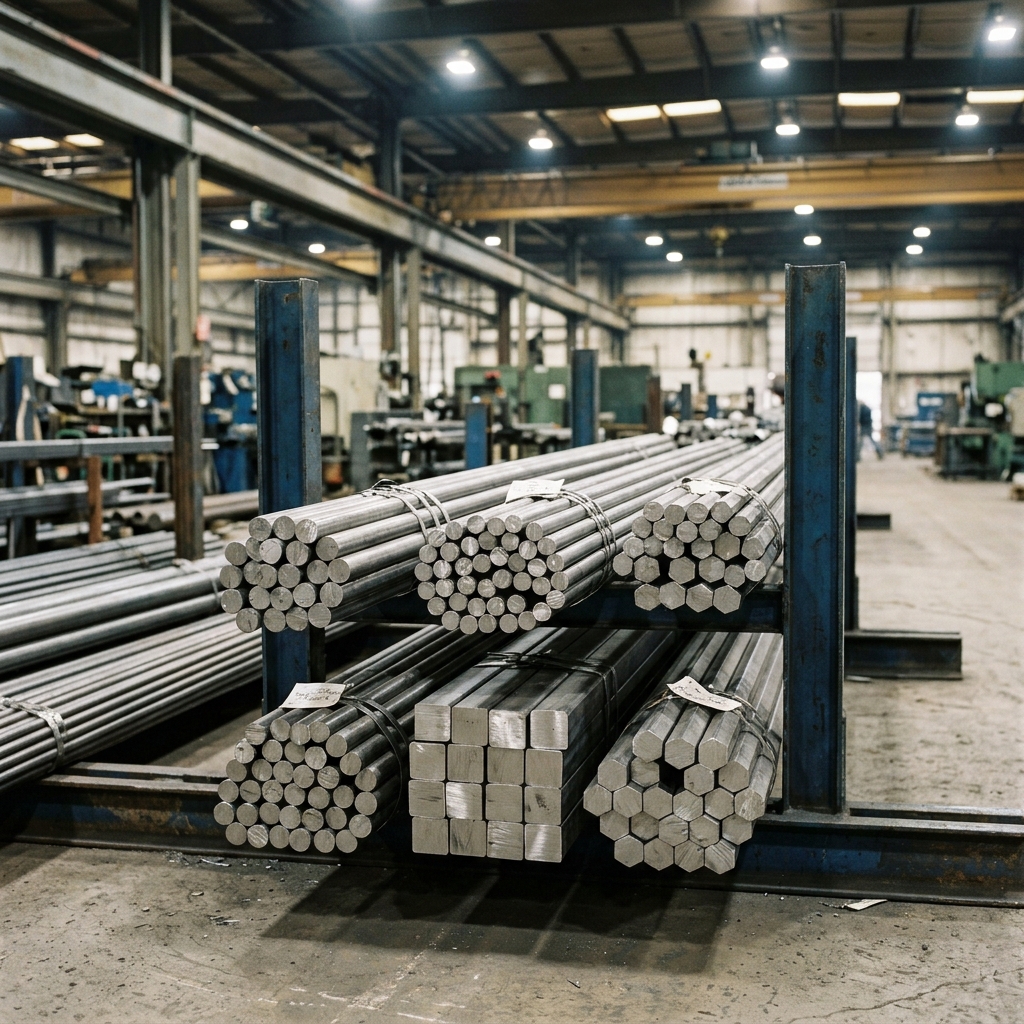
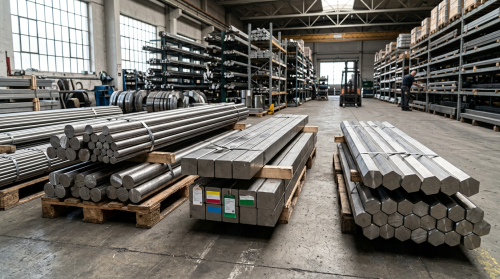
Round, square and hex stainless steel bars bundled on a mill storage rack
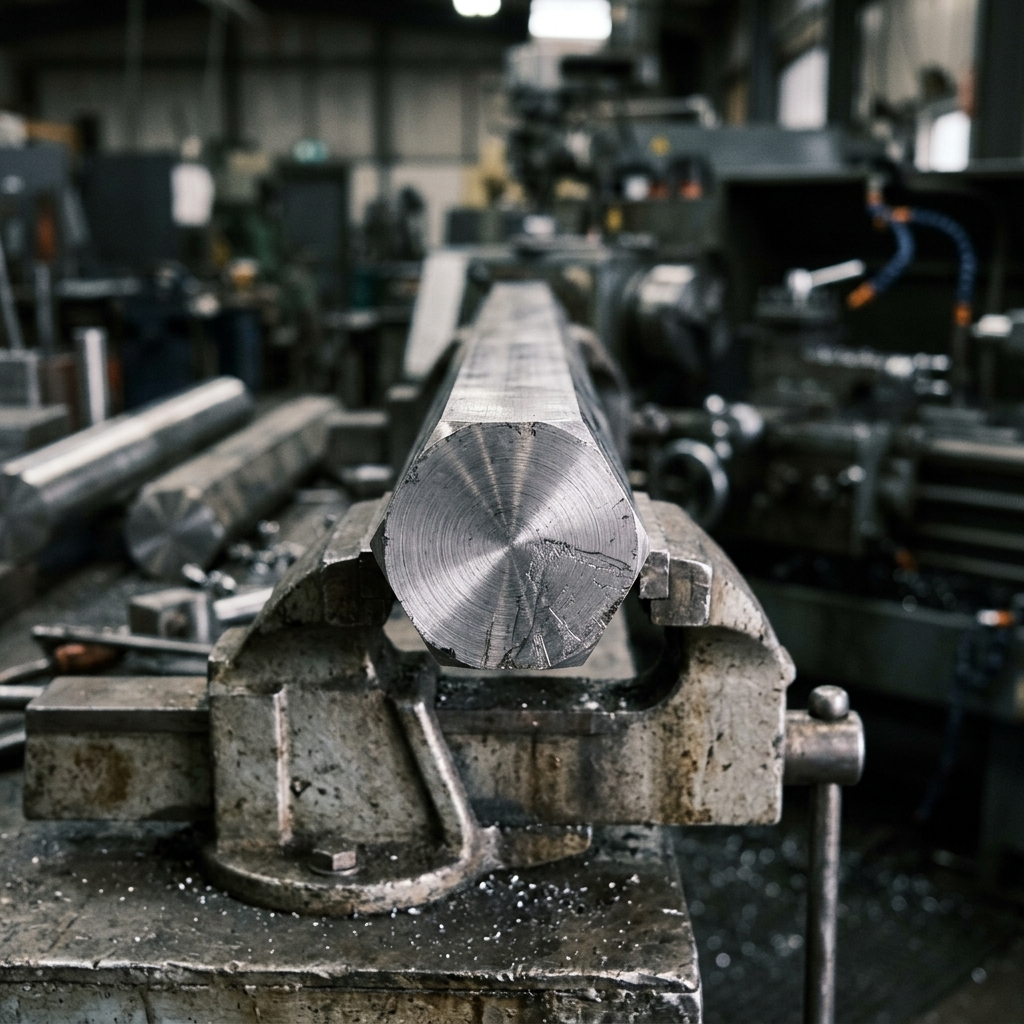
Close-up of a stainless steel bar end face showing the hexagonal cross-section and machined finish

Walmay supplies stainless steel rod and bar in round, square, hexagonal and flat sections from 3 mm to 350 mm, in 303, 304, 304L, 316, 316L, 410, 420, 430, 443, 409L, 630 precipitation hardening, 904L and 2205 duplex. Material is produced to ASTM A276, ASTM A479 or EN 10088-3 in hot rolled, cold drawn, peeled, ground or centreless polished condition, and every heat ships with an EN 10204 3.1 mill test certificate. Bar is cut to your length list before packing, which removes a sawing operation from your own shop.

Rod, Bar and Bar Stock: The Same Product

The two words describe one mill product and the choice between them is habit rather than specification. In practice the distinction that matters is the section shape and the surface condition, not the noun.

Term in enquiriesWhat buyers meanTypical sizes
RodStainless steel metal rods, normally round sections and often below 25 mm3-25 mm diameter
BarStainless steel bar stock in round, square, hex or flat sections, any size6-350 mm
Metal barStainless steel metal bar, an informal name usually meaning flat or square section3x10 mm to 100x300 mm
Bright barCold drawn or ground bar with a bright, dimensionally tight surface3-100 mm
Black barHot rolled and annealed, dark oxide surface, machining allowance left on16-350 mm

Our machining reference on stainless steel bars and rods in round, square and hex profiles sets out which condition to specify for which operation.

Sections and Sizes We Hold

SectionSize rangeStandardCondition
Round bar3-350 mm diameterASTM A276 / A479Hot rolled, cold drawn, peeled, ground, polished
Square bar5x5 mm to 200x200 mmASTM A276Hot rolled or cold drawn
Hex bar6-75 mm across flatsASTM A276Cold drawn
Flat bar3x10 mm to 30x300 mmASTM A276Hot rolled or cold drawn
Angle bar20x20x3 mm to 200x200x20 mmASTM A276Hot rolled
Round profileDrawn special sectionsEN 10088-3Cold drawn to drawing
Black rod16-350 mmASTM A276Hot rolled, unpeeled

Standard lengths are 3 m, 4 m and 6 m, with random mill lengths available at a lower price where your cutting plan allows it.

Round Bar Sizes and Weight per Metre

Fractional sizes are the most requested in North American procurement, so the table gives both the inch call-out and the metric equivalent, with calculated weight for austenitic grades at 8.0 g/cm3.

Inch sizeDiameterWeight per metreWeight per 3 m length
1/16 in1.59 mm0.016 kg0.05 kg
1/8 in3.18 mm0.064 kg0.19 kg
3/16 in4.76 mm0.142 kg0.43 kg
1/4 in6.35 mm0.253 kg0.76 kg
3/8 in9.53 mm0.571 kg1.71 kg
1/2 in12.70 mm1.013 kg3.04 kg
3/4 in19.05 mm2.280 kg6.84 kg
1 in25.40 mm4.053 kg12.16 kg
1-1/2 in38.10 mm9.120 kg27.36 kg
2 in50.80 mm16.213 kg48.64 kg

For any diameter, weight in kilograms per metre equals 0.0062832 multiplied by the diameter in millimetres squared. Ferritic grades such as 430 and 443 run about 3 percent lighter.

Choosing the Grade

304 and 304L

The default choice, covering roughly two thirds of the bar we ship. Good corrosion resistance, straightforward to weld, and available in every section and surface condition. 304 round bar is the reference product for shafts, fasteners, frames and food equipment.

303 for machining

303 adds sulphur to break up chips, which raises machinability to roughly 78 percent of free-cutting carbon steel against about 45 percent for 304. The trade-off is reduced corrosion resistance and poor weldability, so it belongs in high-volume turned parts rather than welded assemblies.

316 and 316L

316 and 316L square bar add molybdenum for chloride and acid resistance. This is the grade for marine hardware, pump and valve internals, and any pharmaceutical or food contact part that will be cleaned aggressively.

410, 420 and 630 for hardness

Martensitic and precipitation-hardening grades are specified when the part has to resist wear or carry high stress. 410 hardens to around 45 HRC. 420 reaches about 52 HRC and is the blade and mould grade. 630, also called 17-4 PH, reaches roughly 1,100 MPa tensile in the H900 condition while keeping usable corrosion resistance, which makes it the standard aerospace and pump shaft bar.

430, 443 and 409L

Ferritic, nickel-free and therefore less exposed to nickel price movement. 430 and 443 suit indoor fittings and appliance parts, while 409L goes into automotive exhaust components.

High-alloy and heat-resisting

904L for sulphuric acid service, 2205 duplex square bar where strength and chloride resistance are both required, and 310S round bar for continuous service to 1,050 C. The 904L hub and the 310 and 310S hub list every form in those families.

Mechanical Properties and Machinability

Typical annealed values; certified results for your heat appear on the mill certificate.

GradeYield strengthTensile strengthHardnessRelative machinability
303205 MPa515 MPa228 HB max78 percent
304205 MPa515 MPa201 HB max45 percent
316L170 MPa485 MPa217 HB max45 percent
410 annealed205 MPa450 MPa217 HB max54 percent
420 annealed345 MPa655 MPa241 HB max45 percent
630 H9001,170 MPa1,310 MPa40 HRC40 percent
2205 duplex450 MPa620 MPa293 HB max30 percent

Austenitic bar work hardens rapidly, so the practical rules are a positive rake, a rigid set-up, a constant feed to avoid dwelling in the cut, and generous coolant. Where the part is turned in volume and never welded, 303 will pay for itself in tool life alone.

Chemical Composition

Specification limits to ASTM A276 and ASTM A564 for grade 630, in percent by mass. Certified analysis for your heat appears on the mill certificate.

GradeCarbonChromiumNickelMolybdenumOther
3030.15 max17.0-19.08.0-10.0-Sulphur 0.15 min for machinability
3040.08 max18.0-20.08.0-10.5-Manganese 2.0 max
304L0.030 max18.0-20.08.0-12.0-Low carbon for welding
3160.08 max16.0-18.010.0-14.02.00-3.00-
316L0.030 max16.0-18.010.0-14.02.00-3.00Low carbon for welding
4100.15 max11.5-13.50.75 max-Hardenable martensitic
4200.15 min12.0-14.0--High carbon for hardness
4300.12 max16.0-18.00.75 max-Ferritic, no nickel
6300.07 max15.0-17.53.0-5.0-Copper 3.0-5.0, niobium 0.15-0.45
22050.030 max22.0-23.04.5-6.53.00-3.50Nitrogen 0.14-0.20
904L0.020 max19.0-23.023.0-28.04.00-5.00Copper 1.00-2.00

Diameter Tolerances by Class

Cold drawn and ground bar is supplied to an ISO 286 shaft tolerance class. State the class on your order if the bar goes straight into an assembly, because the difference between h9 and h11 is roughly a factor of two and a half.

Diameter bandh7h9h11
3-6 mm0 to -0.012 mm0 to -0.030 mm0 to -0.075 mm
6-10 mm0 to -0.015 mm0 to -0.036 mm0 to -0.090 mm
10-18 mm0 to -0.018 mm0 to -0.043 mm0 to -0.110 mm
18-30 mm0 to -0.021 mm0 to -0.052 mm0 to -0.130 mm
30-50 mm0 to -0.025 mm0 to -0.062 mm0 to -0.160 mm
50-80 mm0 to -0.030 mm0 to -0.074 mm0 to -0.190 mm
80-120 mm0 to -0.035 mm0 to -0.087 mm0 to -0.220 mm

Hot rolled black bar is not supplied to these classes. It carries the wider ASTM A276 mill tolerance and is bought oversize so that the finished dimension is machined in.

Surface Conditions

ConditionSurfaceTolerance classUse
Hot rolled and annealedDark oxide, scaledLooseStock for machining with allowance
PickledMatte grey, descaledLooseWelded structures, no cosmetic need
PeeledTurned surfaceh11Semi-finished shafting
Cold drawnBright, smoothh9 to h11Fasteners, pins, general machining
GroundBright, close toleranceh7 to h9Shafts, spindles, hydraulic rods
Centreless polishedReflectiveh9Visible handrail and architectural work
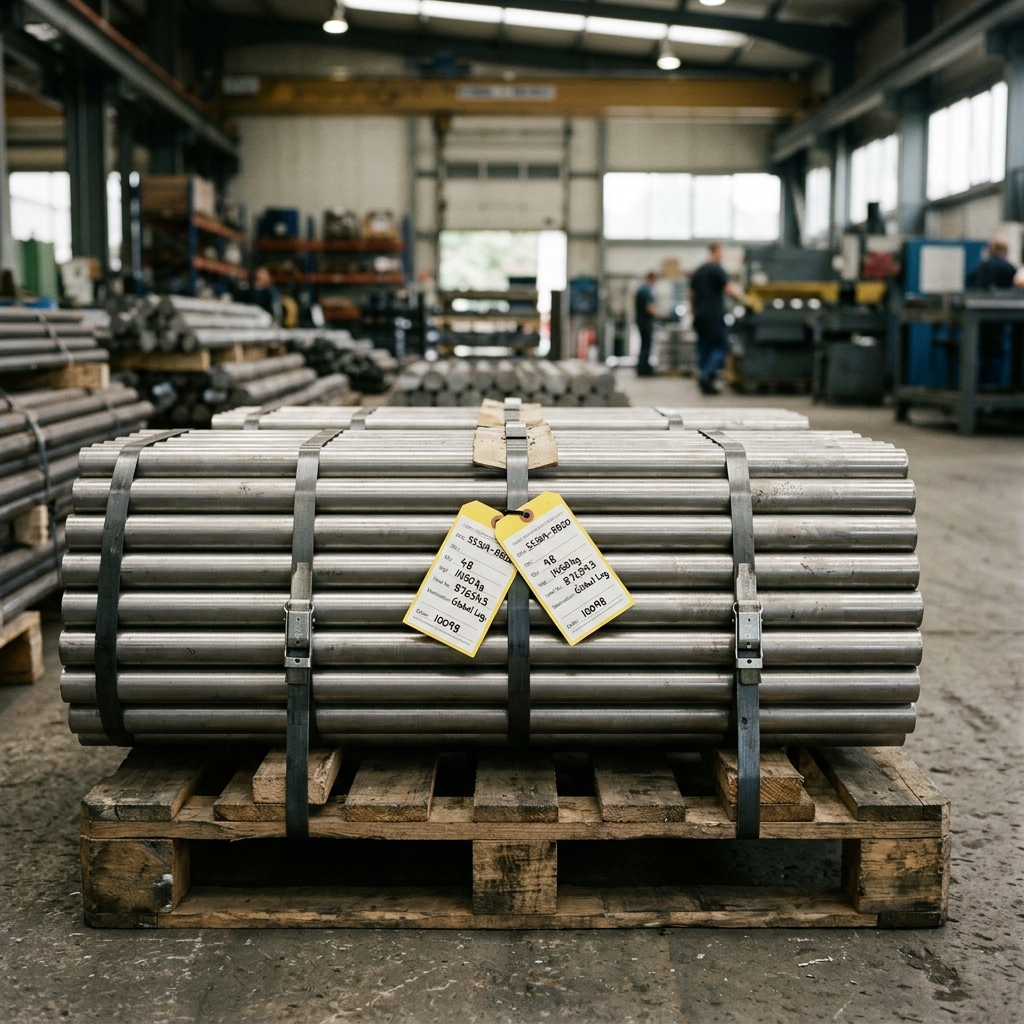
Bundled stainless steel bars strapped and tagged for shipment on a warehouse pallet

Processing Before Dispatch

Details of each operation are on our processing page.

  • Cutting to your length list, saw cut square to the axis
  • Centreless grinding and polishing to 180, 320 or 400 grit
  • Straightening on drawn and ground bar
  • Heat treatment, including solution anneal and the H900 to H1150 conditions on 630
  • Inspection: dimensional, hardness, ultrasonic and dye penetrant with reports
Get a Quote
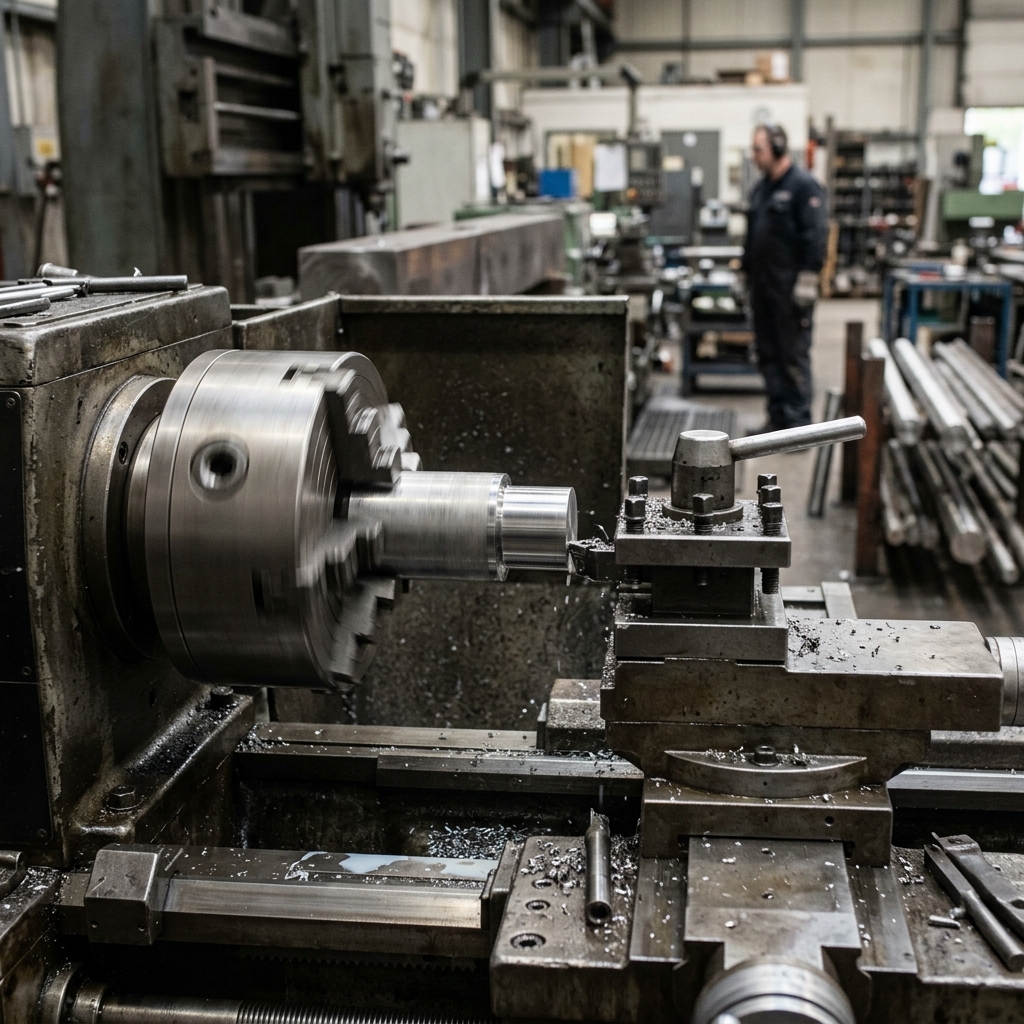
CNC lathe machining a stainless steel round bar in a fabrication shop
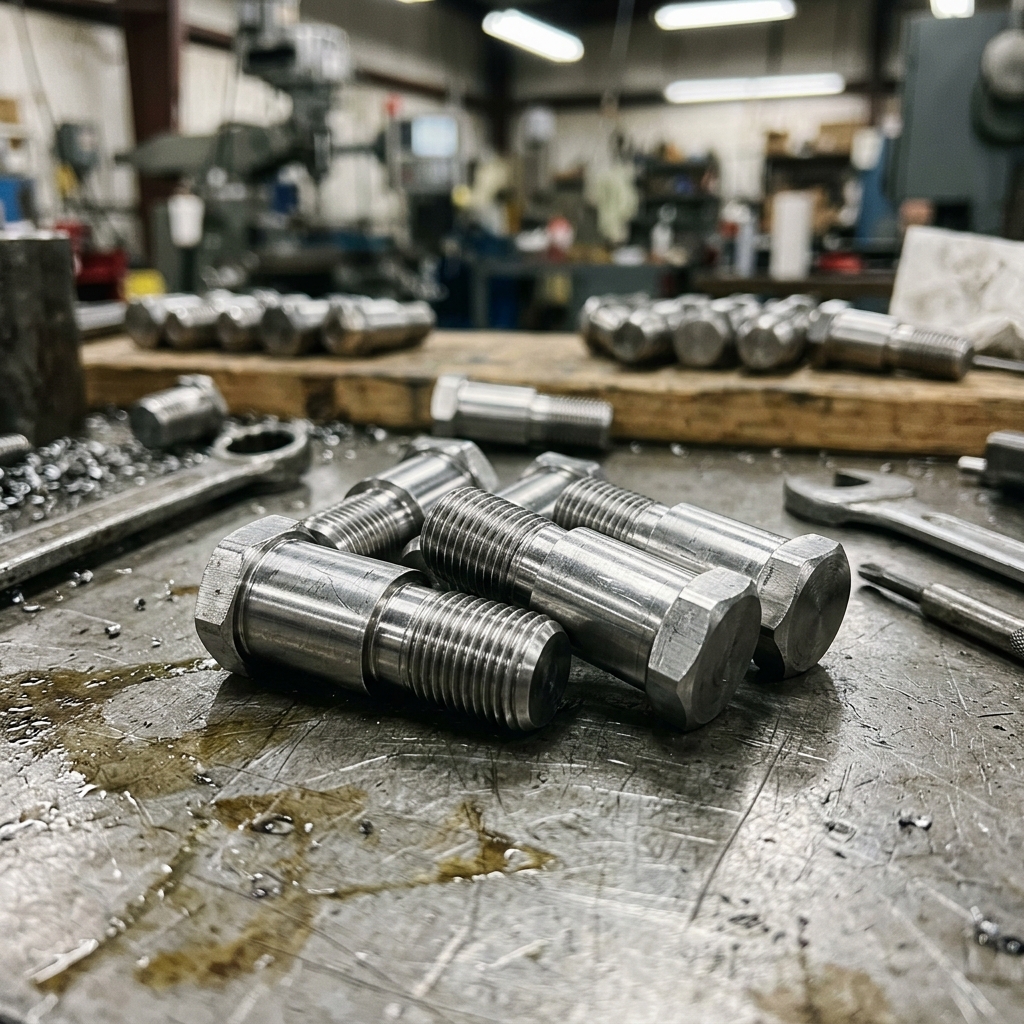
Precision-turned stainless steel shaft blanks laid out on a workbench

Applications

Ordering

ItemDetail
Minimum order500 kg from stock, 2-3 tonnes for mill-rolled grades and sizes
Lead time from stock7-10 days to loading
Lead time mill run25-40 days
Standard lengths3 m, 4 m, 6 m, random mill length, or cut to size
PackingSteel-strapped bundles or wooden cases, end caps on polished bar
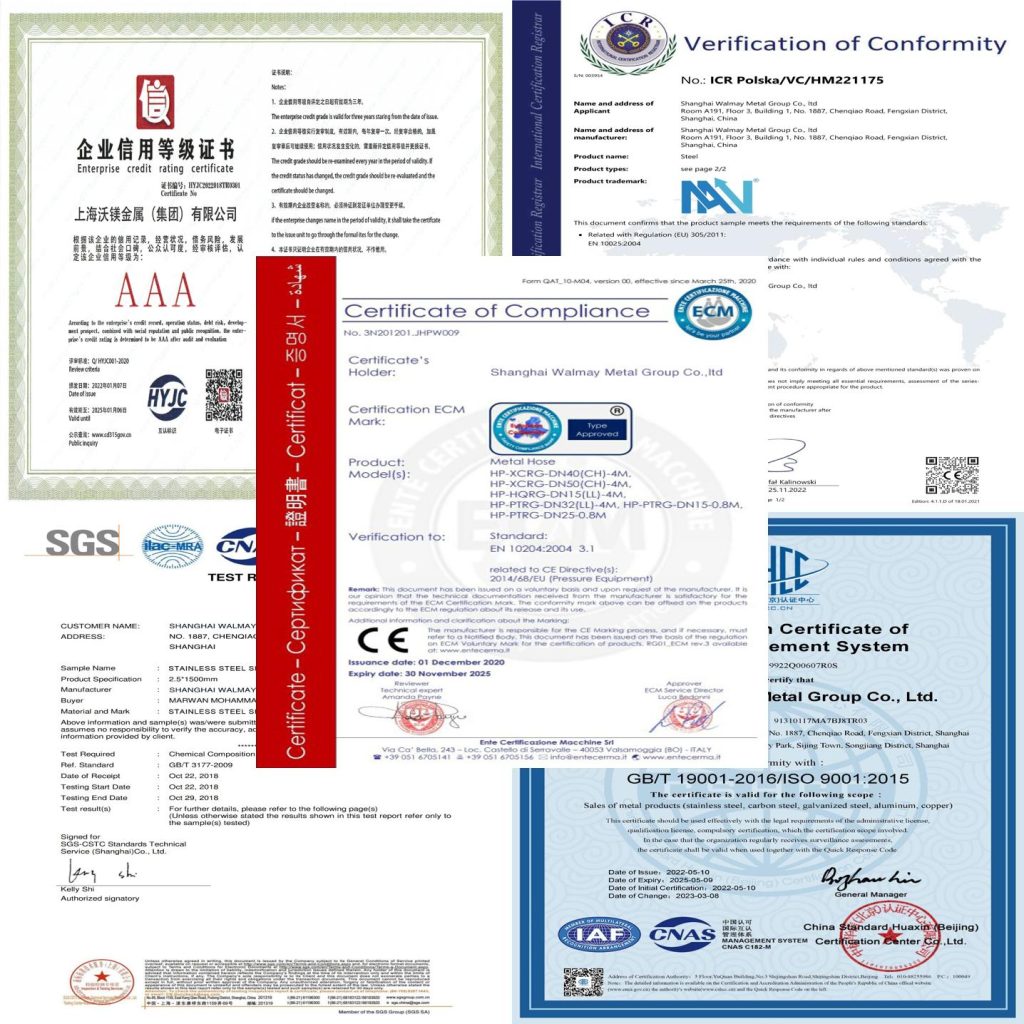
CertificationEN 10204 3.1, with hardness and ultrasonic reports on request

Send the grade, section, size, length and quantity, plus the surface condition and any tolerance class. As a stainless steel bar supplier working mill-direct we quote against the current alloy surcharge, so quotations carry a stated validity period.

Bundled stainless steel bars strapped and tagged for shipment on a warehouse pallet

Why Buyers Choose Walmay

Eleven years of export experience, stock across seven section types and more than a dozen grades, in-house cutting, grinding and heat treatment, and full documentation with each heat. Company background is on the about us page, and the wider catalogue sits under stainless steel products.

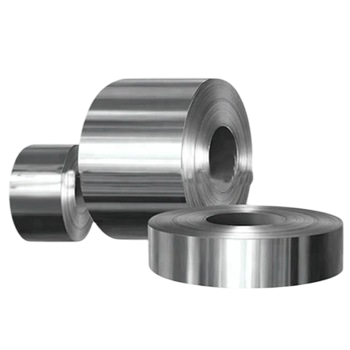
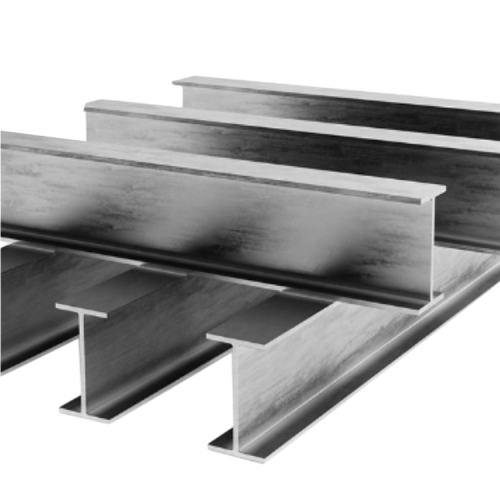
Other forms: sheet and plate, pipe and tube, coil and strip, profiles, beams and channels.

Get a Quote

FAQs

Are stainless steel rods good for structural and machined parts?
Yes, provided the grade matches the duty. Austenitic bar in 304 or 316 gives good corrosion resistance with moderate strength and excellent toughness, which suits shafts, frames and fasteners. If the part must resist wear, a martensitic grade such as 420 or a precipitation-hardening grade such as 630 is the better answer, because annealed austenitic bar will gall and deform under high contact stress.
What is the strongest stainless steel rod?
Among the grades we stock, 630 in the H900 condition is the strongest, with a typical tensile strength around 1,310 MPa and yield around 1,170 MPa at about 40 HRC. Hardened 420 reaches a higher hardness of roughly 52 HRC but with lower toughness and weaker corrosion resistance. 2205 duplex gives about 450 MPa yield, double that of 304, while keeping full weldability, which makes it the practical choice when both strength and corrosion resistance matter.
Which is stronger, 316 or 304 stainless steel?
In the annealed condition they are close, both around 205 MPa yield for 304 and 170 MPa for the low-carbon 316L variant, with tensile strength between 485 and 515 MPa. The real distinction is corrosion resistance: molybdenum in 316 improves performance in chlorides and reducing acids. If you need more strength rather than more corrosion resistance, move to duplex or a hardenable grade rather than switching between 304 and 316.
Where can I buy stainless steel rod in small quantities?
We work mill-direct with a 500 kg minimum on stock sections, which suits fabricators and machine shops rather than single-piece purchases. Send your length list and we will cut to size, so you pay for the material you use instead of buying full mill lengths and scrapping the remainder.
Are stainless steel rods for welding the same product?
No, and the wording causes regular confusion. A welding rod or filler rod is a consumable such as ER308L or ER316L supplied for joining. What this page covers is solid bar stock for machining and structural use. If your enquiry is for filler metal, state the AWS classification; if it is for bar, state the section, size and grade.
What is the difference between bright bar and black bar?
Black bar is hot rolled and annealed with its dark oxide surface intact and looser dimensional tolerances, so it is bought with machining allowance for turned parts. Bright bar is cold drawn, peeled or ground to a clean surface and a defined tolerance class from h11 down to h7, which lets it be used as supplied for shafting, pins and visible work.
Can you supply bar cut to exact lengths?
Yes. We saw cut to your list square to the axis, then bundle by length. For most customers this is cheaper than buying 6 m lengths and cutting in-house, because you avoid both the sawing time and the remnant.
Do you hold hex and square bar as well as round?
Yes. Hex runs 6 to 75 mm across the flats in cold drawn condition, square from 5x5 mm to 200x200 mm, and flat from 3x10 mm to 30x300 mm. Round is the deepest part of the stock, so unusual hex and square sizes may be mill-rolled with a 2 to 3 tonne minimum.

Related applications

Our Recent Articles