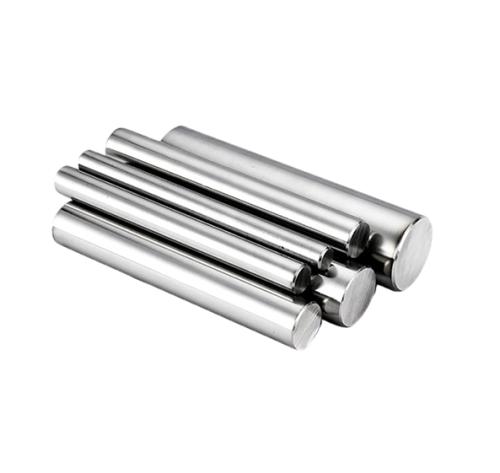
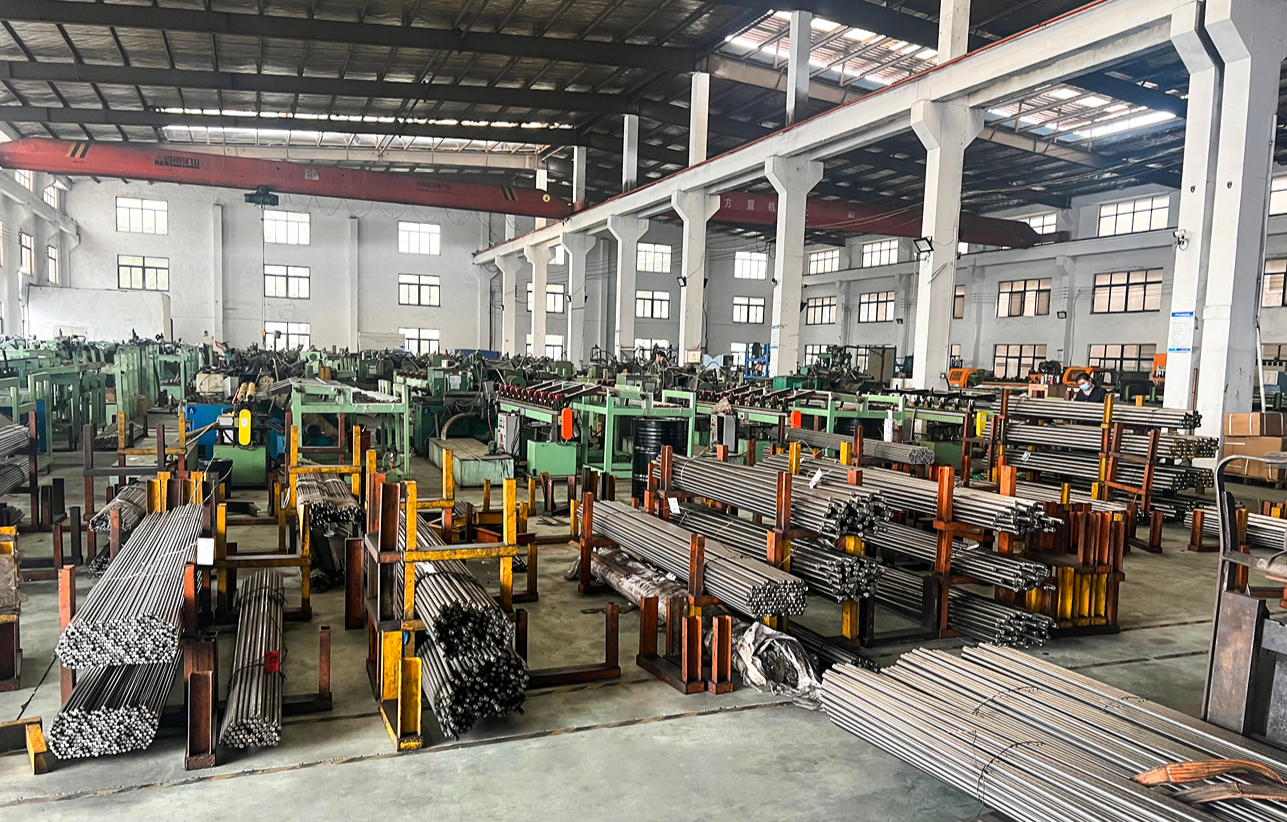
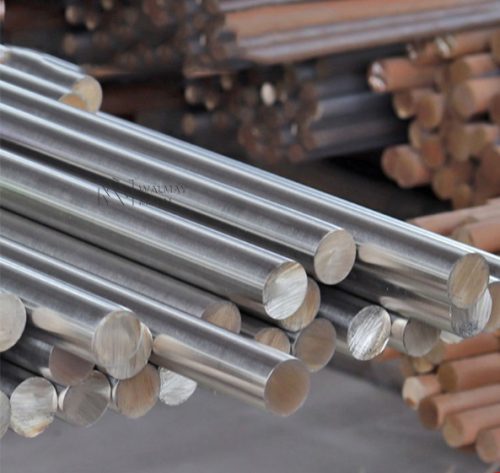
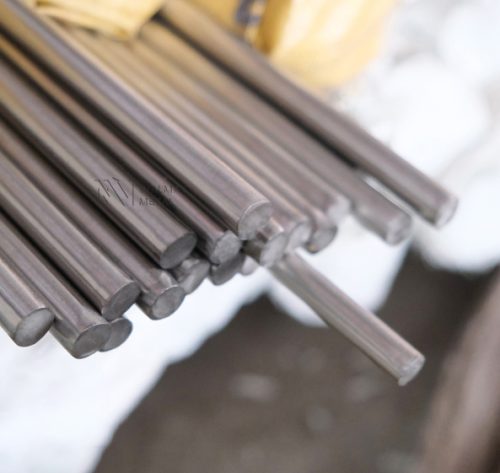
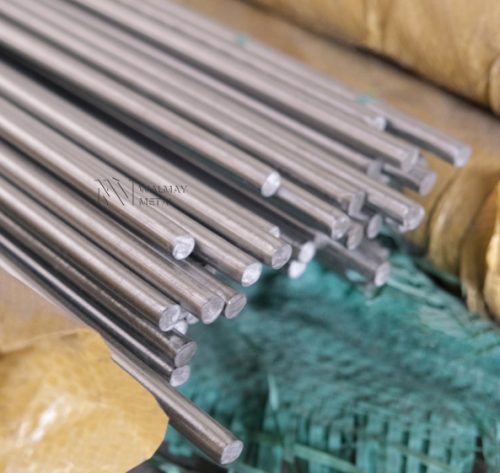
316 stainless steel rod is the molybdenum-bearing austenitic bar specified wherever chlorides reach the part: marine fittings, chemical plant, food and pharmaceutical equipment, and coastal architectural hardware. Its 2 to 3 percent molybdenum lifts the pitting resistance equivalent number to about 25 against 19 for 304, and the low-carbon 316L version welds without sensitising. Walmay supplies round bar from 3 mm to 300 mm diameter, along with flat, square and hex sections, to ASTM A276 and EN 10088-3, cut to length with an EN 10204 3.1 certificate.
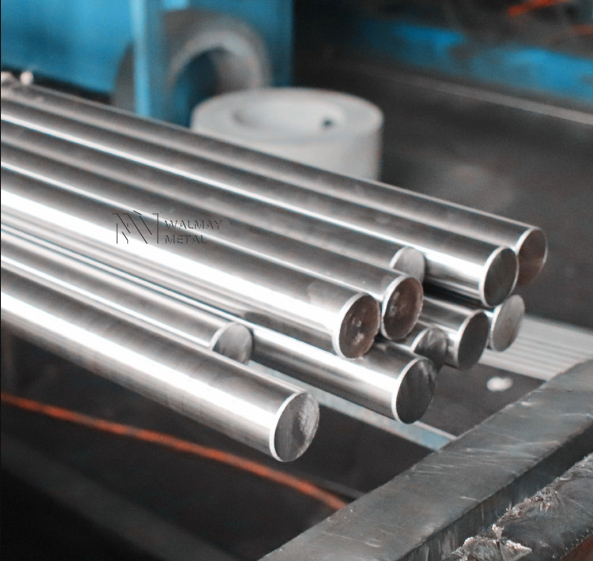
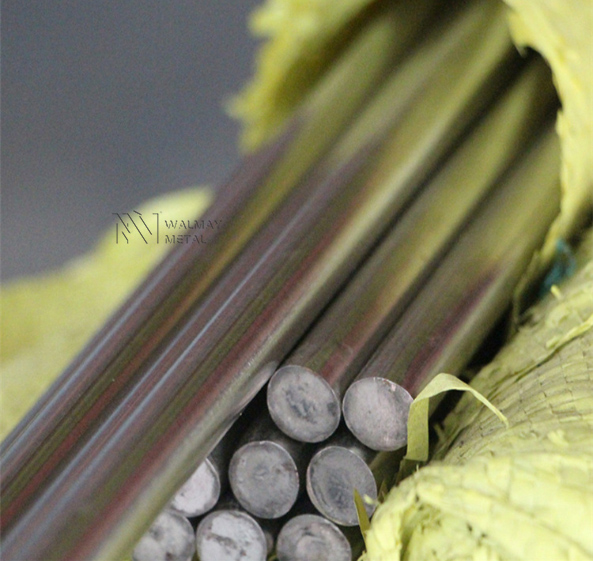
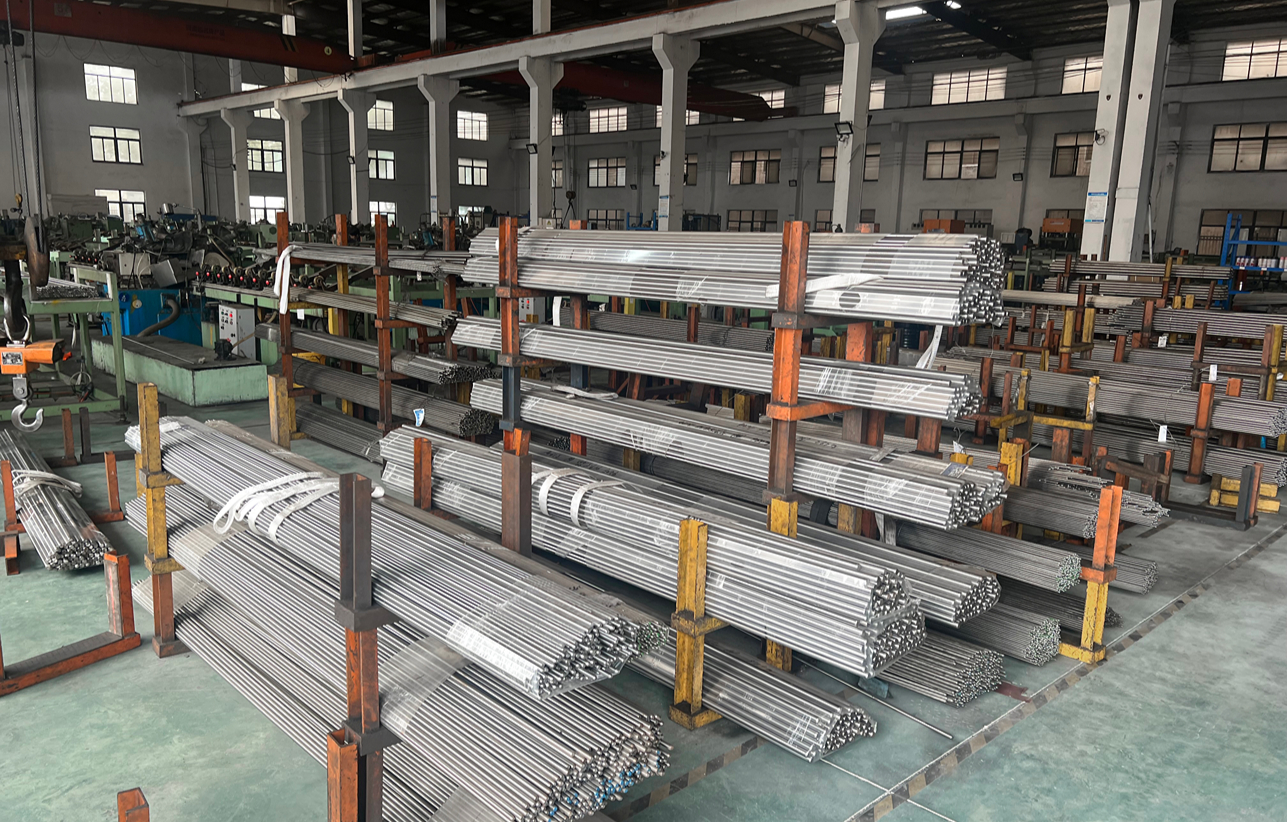
Weight per metre equals diameter squared in millimetres multiplied by 0.00623 for austenitic grades.
| Diameter | Weight per metre | Weight per 3 m bar |
|---|---|---|
| 5 mm | 0.16 kg | 0.5 kg |
| 6 mm | 0.22 kg | 0.7 kg |
| 8 mm | 0.40 kg | 1.2 kg |
| 10 mm | 0.62 kg | 1.9 kg |
| 12 mm | 0.90 kg | 2.7 kg |
| 16 mm | 1.59 kg | 4.8 kg |
| 20 mm | 2.49 kg | 7.5 kg |
| 25 mm | 3.89 kg | 11.7 kg |
| 30 mm | 5.61 kg | 16.8 kg |
| 40 mm | 9.97 kg | 29.9 kg |
| 50 mm | 15.58 kg | 46.7 kg |
| 60 mm | 22.43 kg | 67.3 kg |
| 80 mm | 39.87 kg | 119.6 kg |
| 100 mm | 62.30 kg | 186.9 kg |
| 150 mm | 140.18 kg | 420.5 kg |
| 200 mm | 249.20 kg | 747.6 kg |
| 250 mm | 389.38 kg | 1,168.1 kg |
| 300 mm | 560.70 kg | 1,682.1 kg |
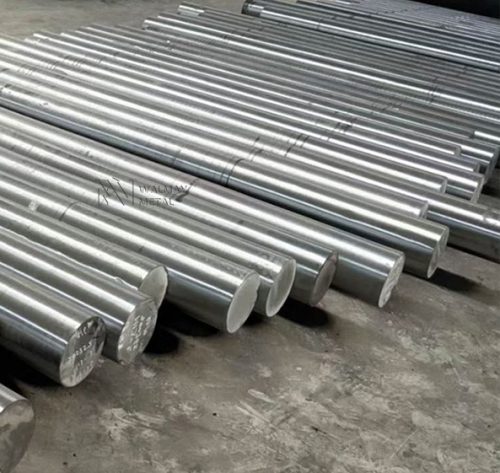
Imperial diameters from 1/8 inch to 10 inch are also stocked. Bars up to about 25 mm are supplied cold drawn or peeled and polished; above that they are hot rolled, and above about 100 mm they are forged and rough turned.
| Item | Detail |
|---|---|
| Grade | 316, UNS S31600, and 316L, UNS S31603, EN 1.4401 and 1.4404 |
| Standards | ASTM A276, ASTM A479 for pressure vessel parts, ASTM A582 for free machining, EN 10088-3 |
| Round bar range | 3-300 mm diameter |
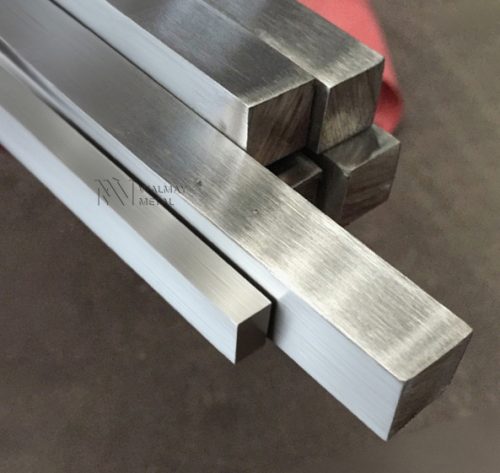
| Other sections | Flat, square, hexagon, angle |
| Length | 3 m, 6 m, or cut to length plus or minus 1 mm |
| Condition | Solution annealed, cold drawn, peeled, or centreless ground |
| Surface | Pickled, bright drawn, ground to h9 or h11, polished |
| PREN | About 25 |
| Certification | EN 10204 3.1, PMI and NDT on request |
| Element | 316 | 316L |
|---|---|---|
| Carbon | 0.08 max | 0.030 max |
| Chromium | 16.0-18.0 | 16.0-18.0 |
| Nickel | 10.0-14.0 | 10.0-14.0 |
| Molybdenum | 2.00-3.00 | 2.00-3.00 |
| Manganese | 2.00 max | 2.00 max |
| Silicon | 1.00 max | 1.00 max |
| Phosphorus | 0.045 max | 0.045 max |
| Sulphur | 0.030 max | 0.030 max |
| Property | 316 annealed | 316L annealed | 316 cold drawn |
|---|---|---|---|
| Yield strength | 205 MPa min | 170 MPa min | 400-700 MPa |
| Tensile strength | 515 MPa min | 485 MPa min | 700-900 MPa |
| Elongation | 40 percent | 40 percent | 12-25 percent |
| Hardness | 95 HRB max | 95 HRB max | 25-35 HRC |
| Density | 8.0 g/cm3 | 8.0 g/cm3 | 8.0 g/cm3 |
Cold drawing raises the strength substantially, which is worth remembering when a drawing quotes a minimum yield well above 205 MPa: it may be achievable in cold-drawn bar without changing grade. Ask for the tested values on the certificate rather than assuming annealed minimums.
| Section | Range | Typical use |
|---|---|---|
| Flat bar | 10x3 mm to 200x50 mm | Brackets, base plates, chainplates, trim |
| Square bar | 6x6 mm to 100x100 mm | Machined blanks, frames, decorative posts |
| Hexagon bar | 6 mm to 75 mm across flats | Fasteners, fittings, machined parts held in a chuck |
| Angle | 20x20x3 mm to 100x100x10 mm | Frames, supports, edge protection |
| Round bar | 3-300 mm | Shafts, pins, fasteners, machined components |
The full size range, hot rolled and cold drawn tolerances and bending guidance for rectangular sections are on our flat bar page. Square and hex sections in this grade are covered on the square bar and hex bar pages.
| Service | 316 / 316L | Better choice |
|---|---|---|
| Coastal atmosphere | Correct | - |
| Splash zone and deck fittings | Correct | - |
| Continuous seawater immersion | Pits and suffers crevice corrosion | 2507 super duplex or 6Mo |
| Warm chlorinated water, pool fixings | Not for load-bearing fixings | 2205 duplex or a 6Mo grade |
| Sulphuric or phosphoric acid | No | 904L |
| Above 870 C | Scales | 310S |
| High strength shafts | Marginal, 205 MPa yield | 630 / 17-4 PH or 2205 |
| Wear surfaces | Poor, galls readily | 420 or 410 hardened |
The pool hall case is worth naming, because it has caused structural failures. Load-bearing 316 fixings in the warm chlorinated atmosphere above a pool are vulnerable to chloride stress corrosion cracking, which gives no visible warning before fracture. Standards for that environment now call for higher grades.
| Item | Detail |
|---|---|
| Minimum order | 500 kg from stock, 2 tonnes for mill sizes |
| Lead time from stock | 7-12 days |
| Lead time mill run | 30-50 days |
| Stock range | 6-100 mm round in 316 and 316L, plus flat and square sections |
| Documentation | EN 10204 3.1 with analysis and mechanical results, PMI on request |
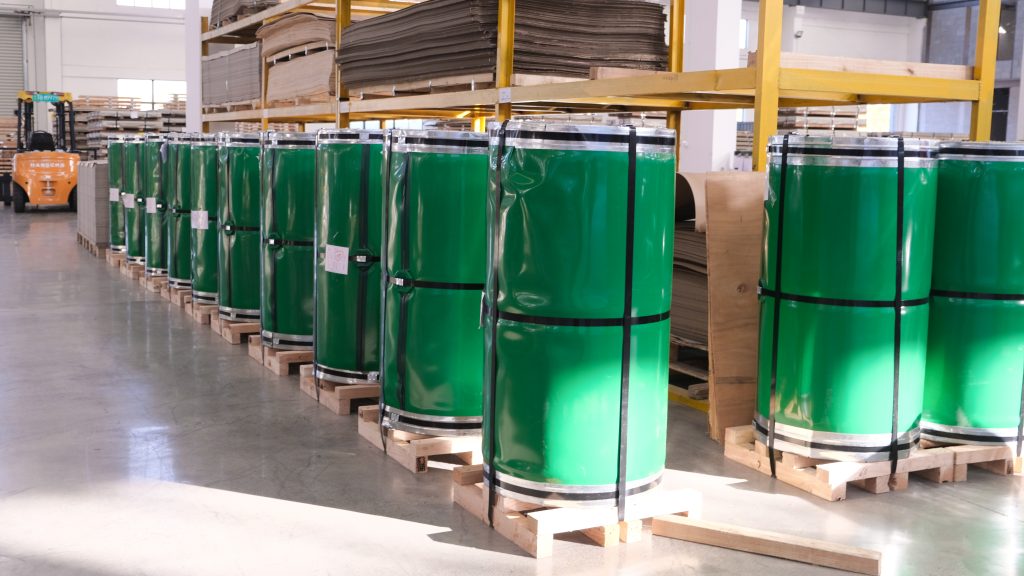
| Packing | Bundled and strapped, tubes or crates for small diameters |
| Incoterms | FOB, CIF, DAP |
Send the section and size, grade, condition, length or cut list, and any tolerance or surface requirement. Related products: flat bar, 304 round bar, square bar, hex bar, 303 free machining bar, and the full bar and rod range.
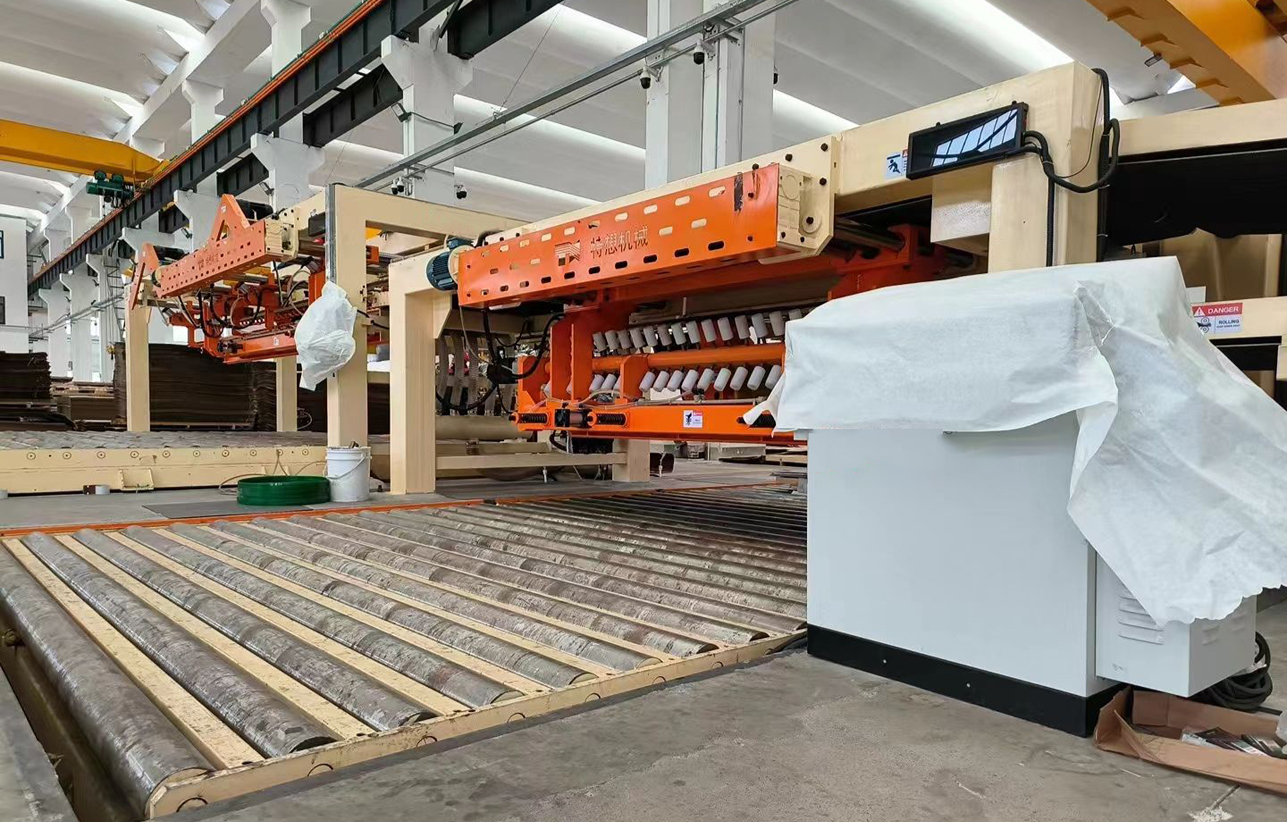
Stainless Steel Plate Bending/Stamping Process
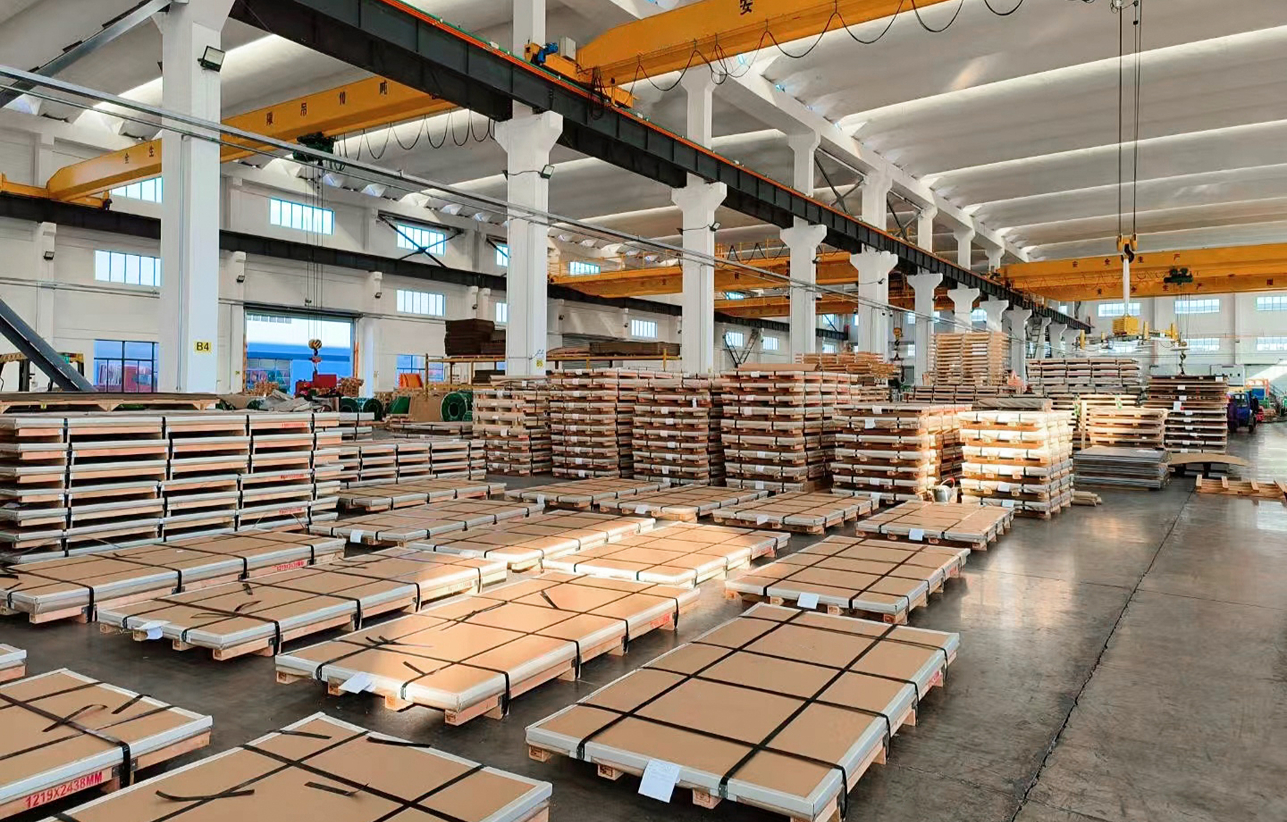
Stainless Steel Plates on Storage Rack
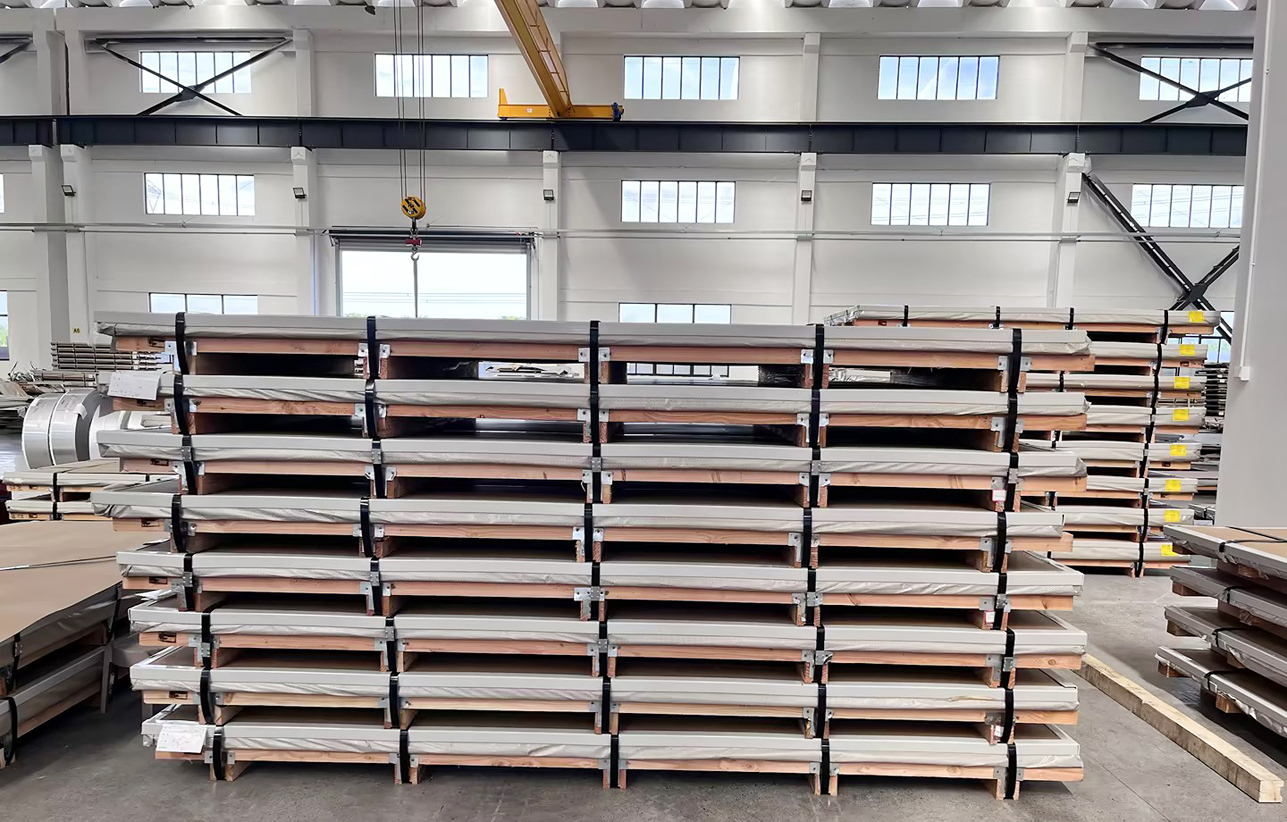
Palletized Stainless Steel Plates
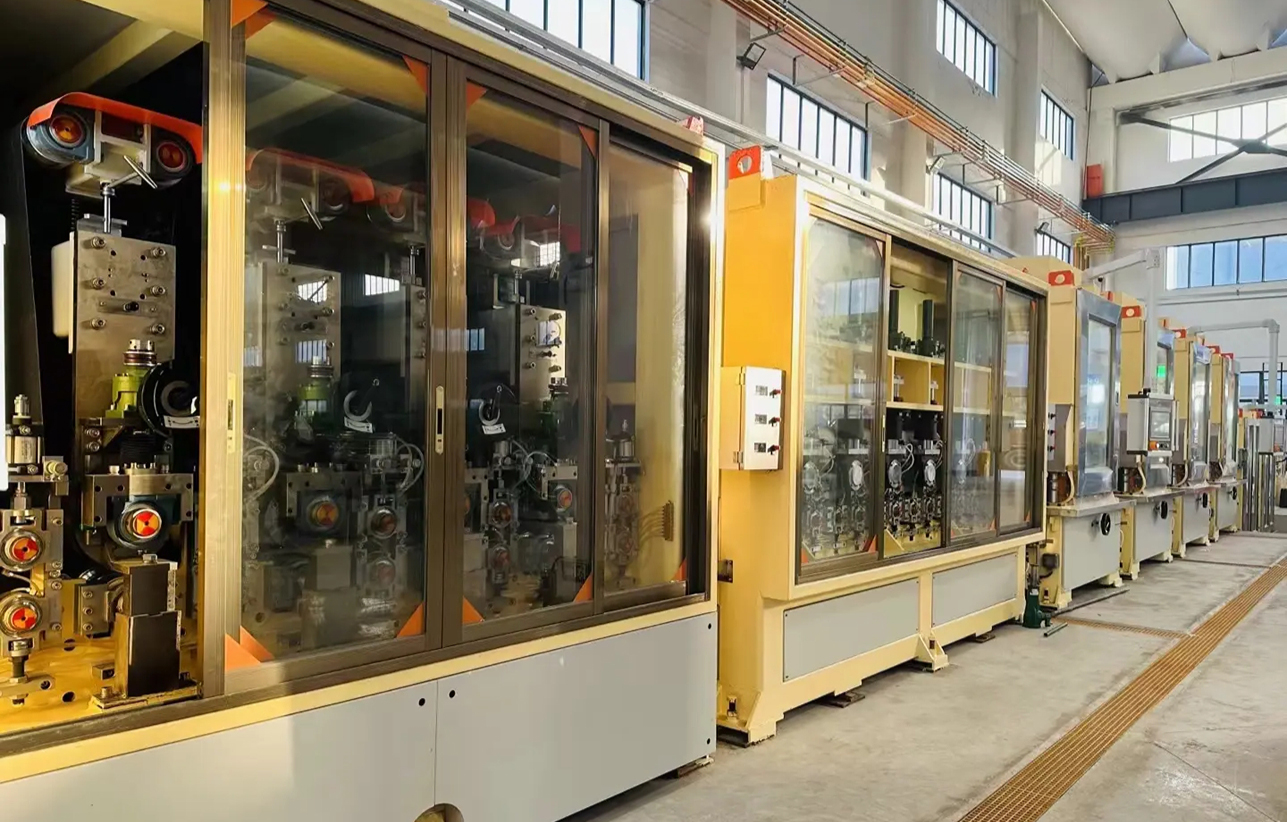
Stainless Steel Plate Rolling Line
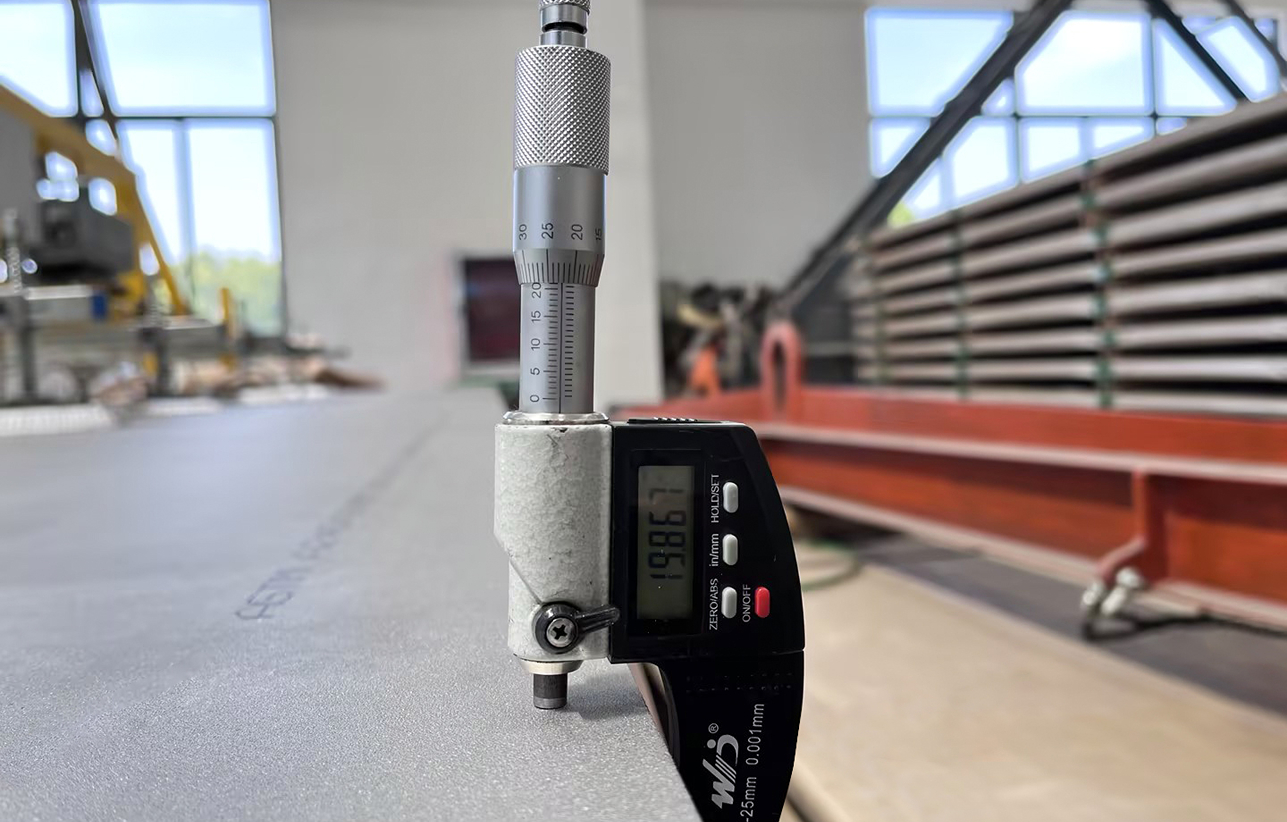
Precision Thickness Inspection of Stainless Steel Plate
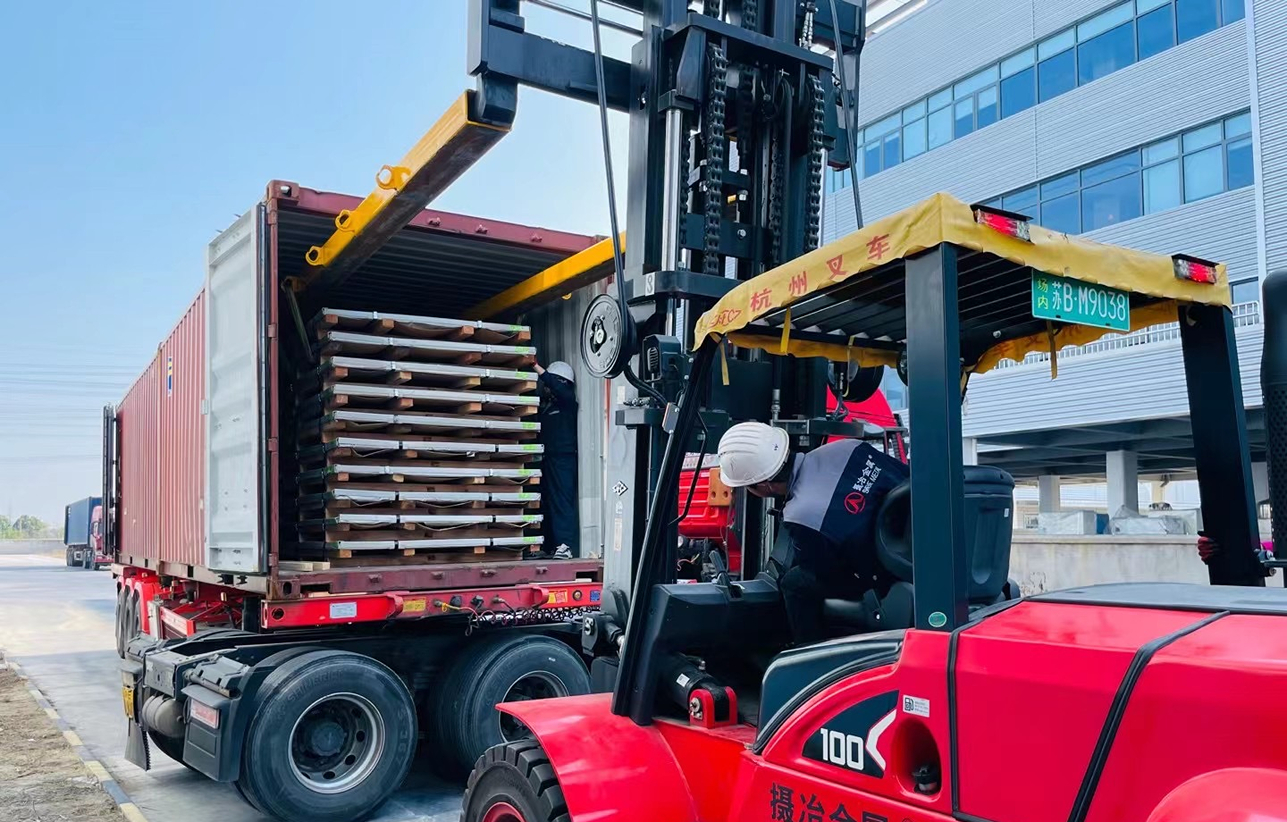
Forklift Loading Stainless Steel Plates for Shipment
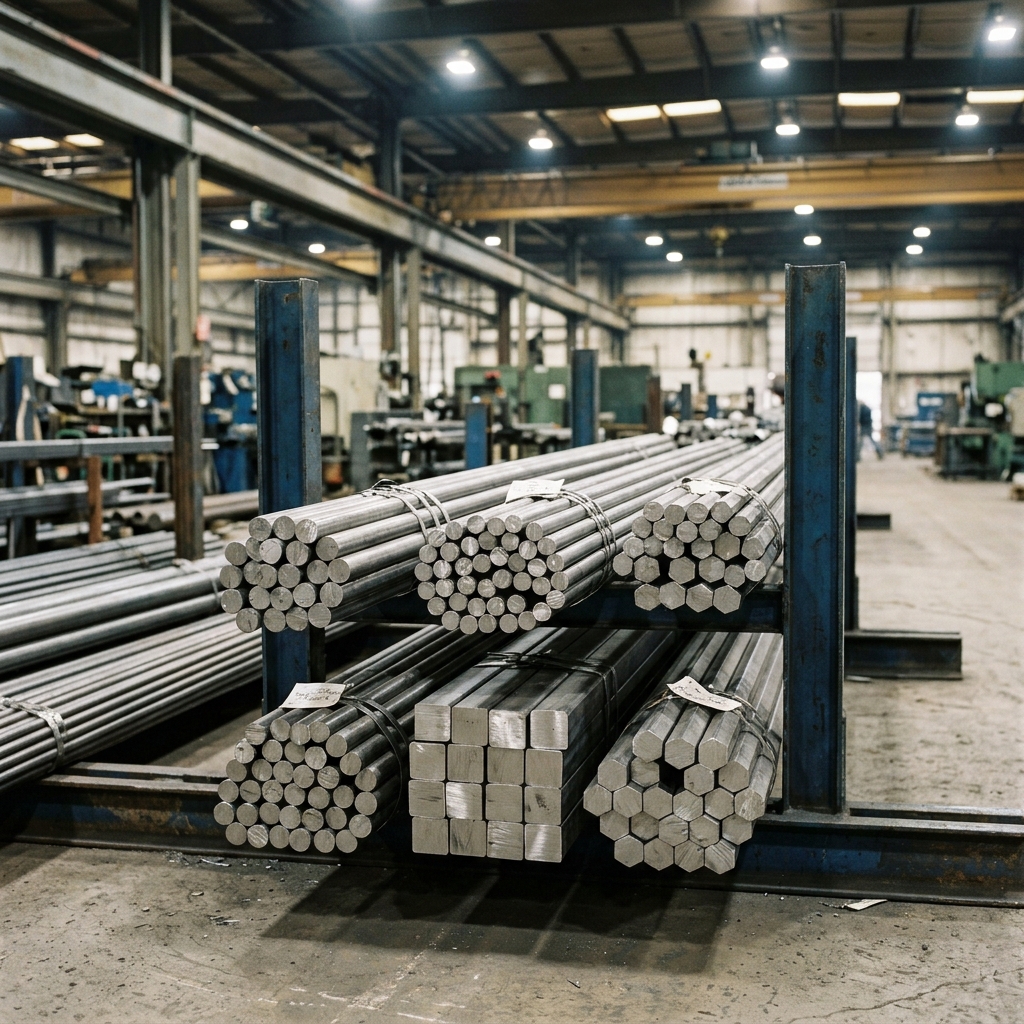
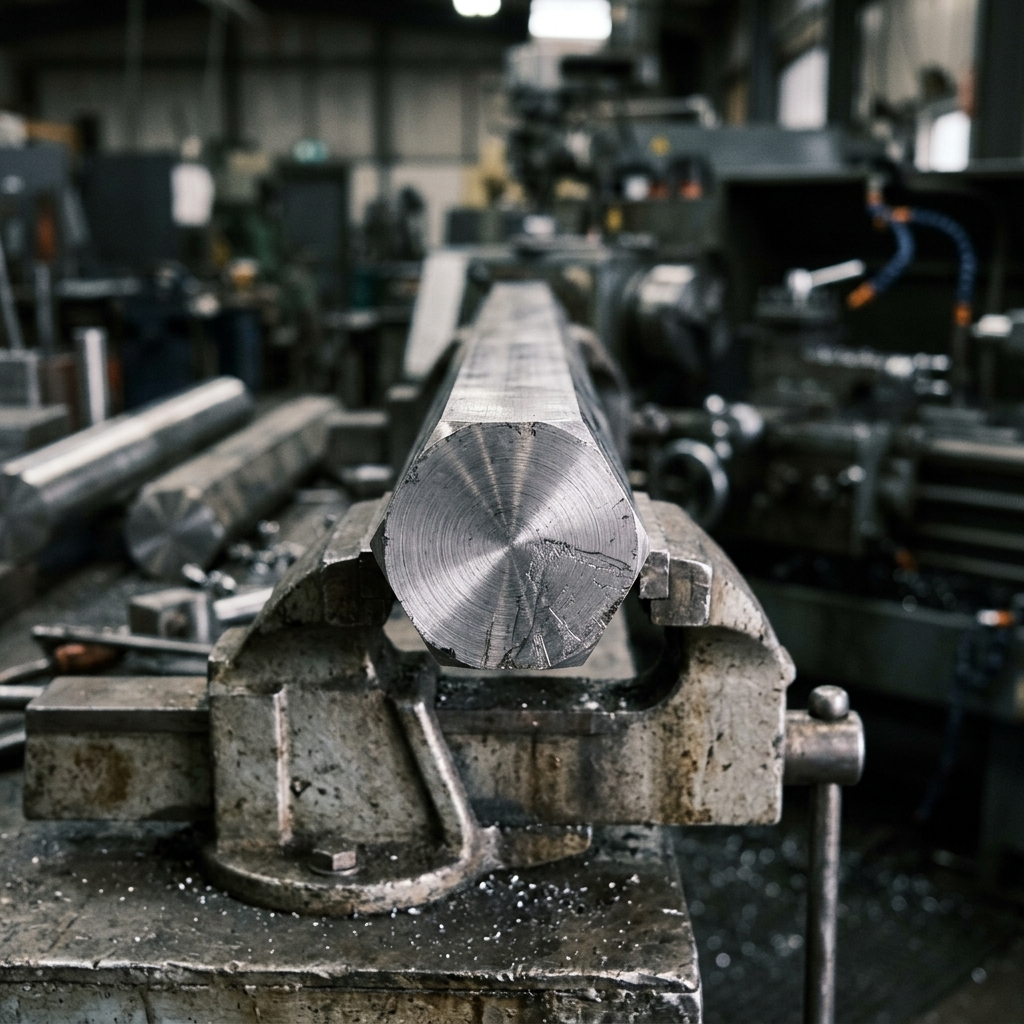
316 stainless steel rod is the molybdenum-bearing austenitic bar specified wherever chlorides reach the part: marine fittings, chemical plant, food and pharmaceutical equipment, and coastal architectural hardware. Its 2 to 3 percent molybdenum lifts the pitting resistance equivalent number to about 25 against 19 for 304, and the low-carbon 316L version welds without sensitising. Walmay supplies round bar from 3 mm to 300 mm diameter, along with flat, square and hex sections, to ASTM A276 and EN 10088-3, cut to length with an EN 10204 3.1 certificate.
316 machines like 304, which is to say poorly compared with carbon steel, and for the same reasons: it work hardens ahead of the tool, its chips are gummy and long, and its low thermal conductivity concentrates heat at the cutting edge.
| Parameter | Practice |
|---|---|
| Cutting speed | 20 to 30 percent below carbon steel |
| Feed | Positive and constant, never dwell in the cut |
| Depth of cut | Deep enough to cut below the work-hardened layer left by the previous pass |
| Tooling | Sharp carbide, positive rake, generous chip clearance |
| Coolant | Flood, high volume, to carry heat away from the edge |
| Rigidity | Maximum, since chatter work hardens the surface immediately |
Where machining is the dominant cost and the corrosive service is mild, 303 is the free-machining austenitic grade, with sulphur added to break chips. It should not be substituted where corrosion matters, because those sulphide inclusions are pitting initiation sites. Our bar and rod machining guide covers the trade-offs in more detail.
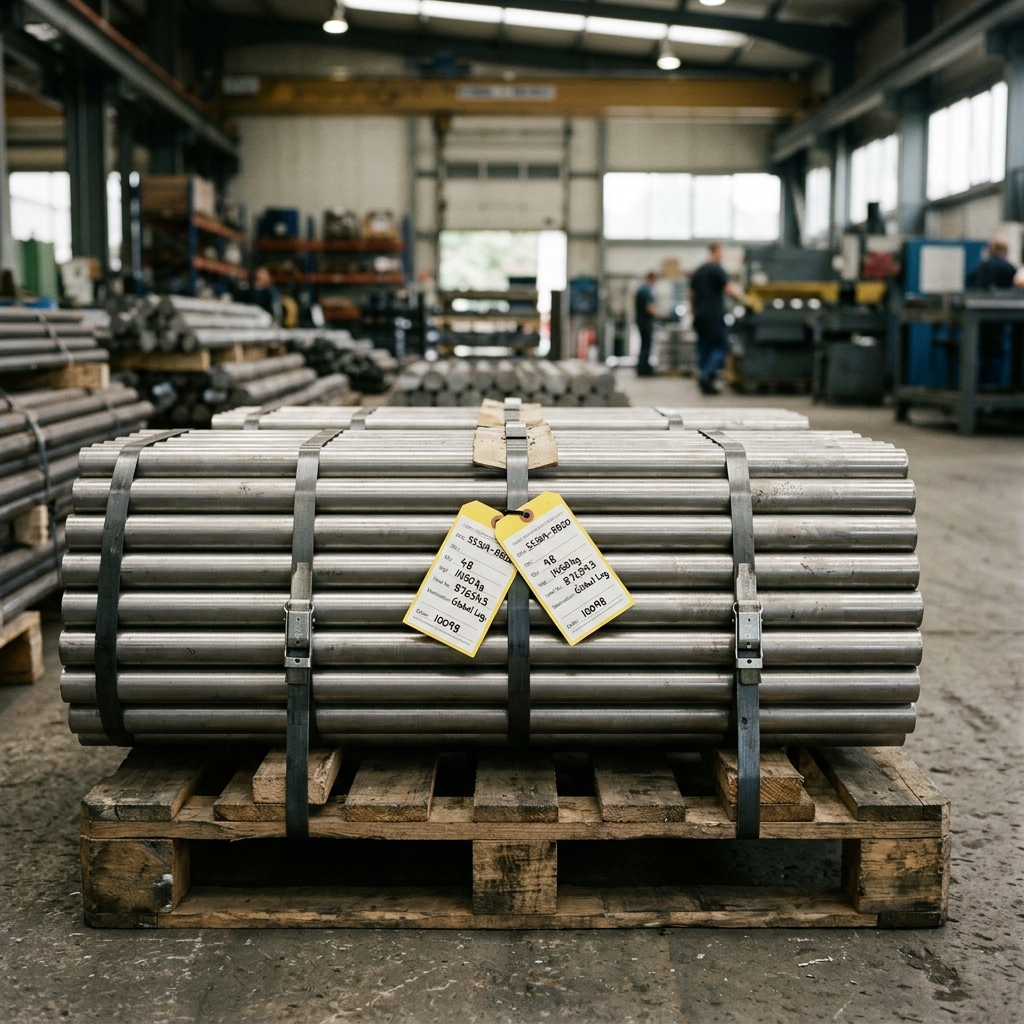

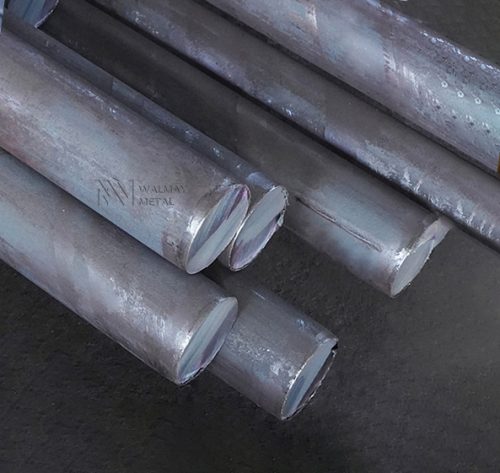
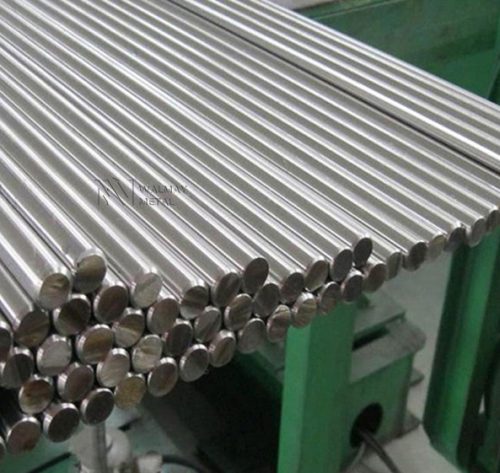

Walmay will help match the right stainless product form and specification for your application, confirm quantities and packing needs, and provide requested documents based on order requirements.
Loading form…