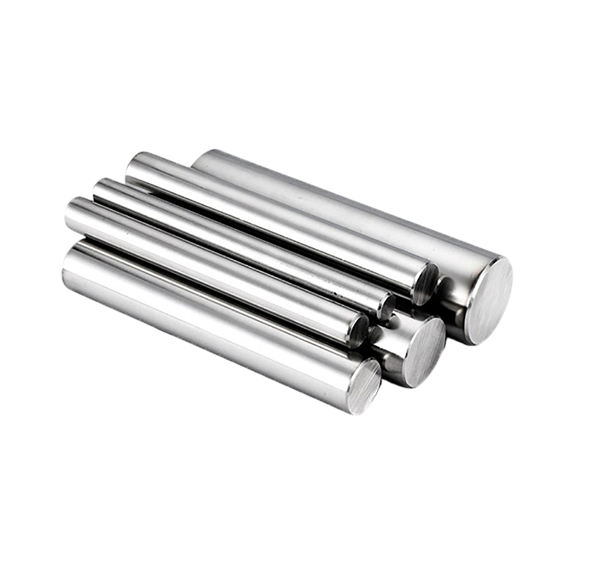
Stainless Steel Bar & Rod

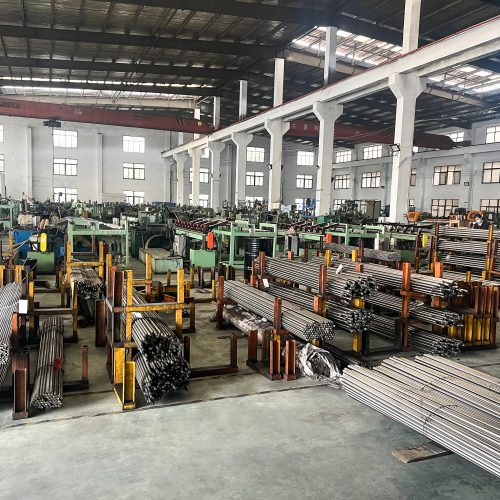
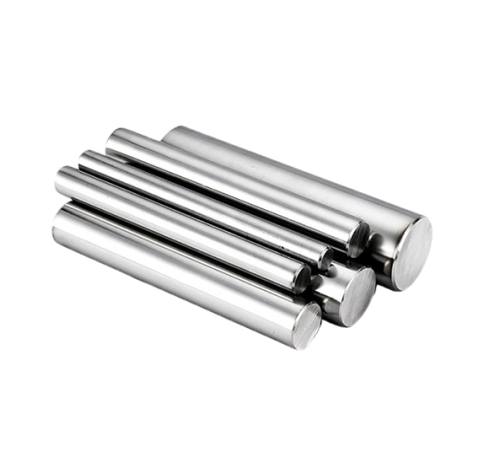
Walmay's stainless steel bar and rod stock covers round, square, and hex profiles from small precision diameters to large industrial sections. Round bar — widely sold and specified as stainless steel rod — is available from Ø5 mm to Ø300 mm across austenitic, duplex, ferritic, martensitic, and PH grade families, with mill certificates and rapid cut-to-size service for global projects.

Stainless Steel Bar & Rod Featured Image
Filter by Form
  • Plate & Sheet Supplier
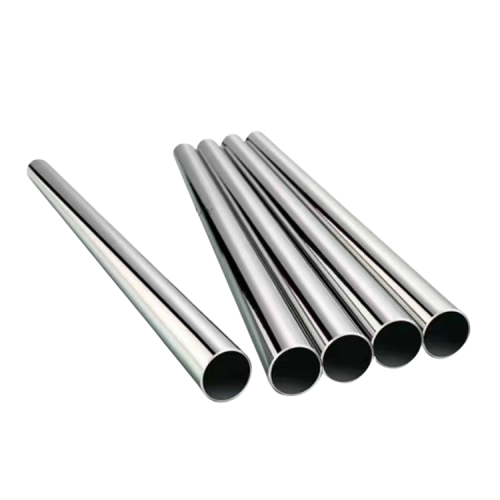
  • Tube & Pipe
  • Bar & Rod
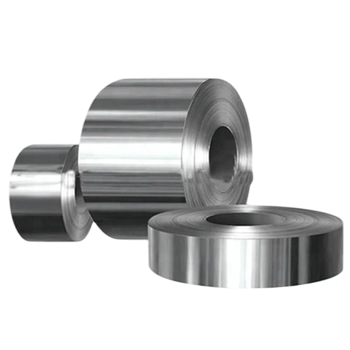
  • Coil Processing Options
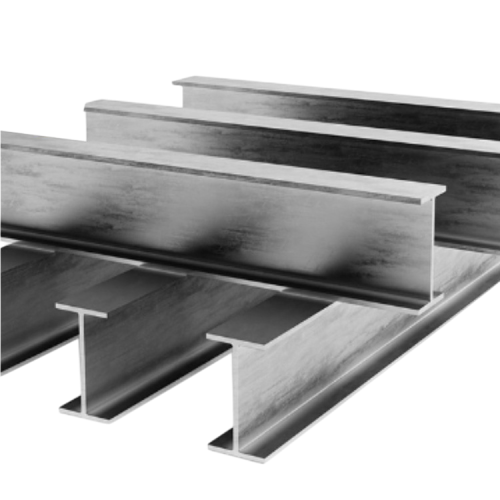
  • Profiles
Filter by Grade Family
  • Austenitic Grades
  • Duplex Grades
  • Ferritic Grades
  • Martensitic Grades
  • Precipitation Hardening Grades
Filter by Rolling Condition
  • Cold Rolled
  • Hot Rolled

Why Choose Corrosion-Resistant Bar Supply

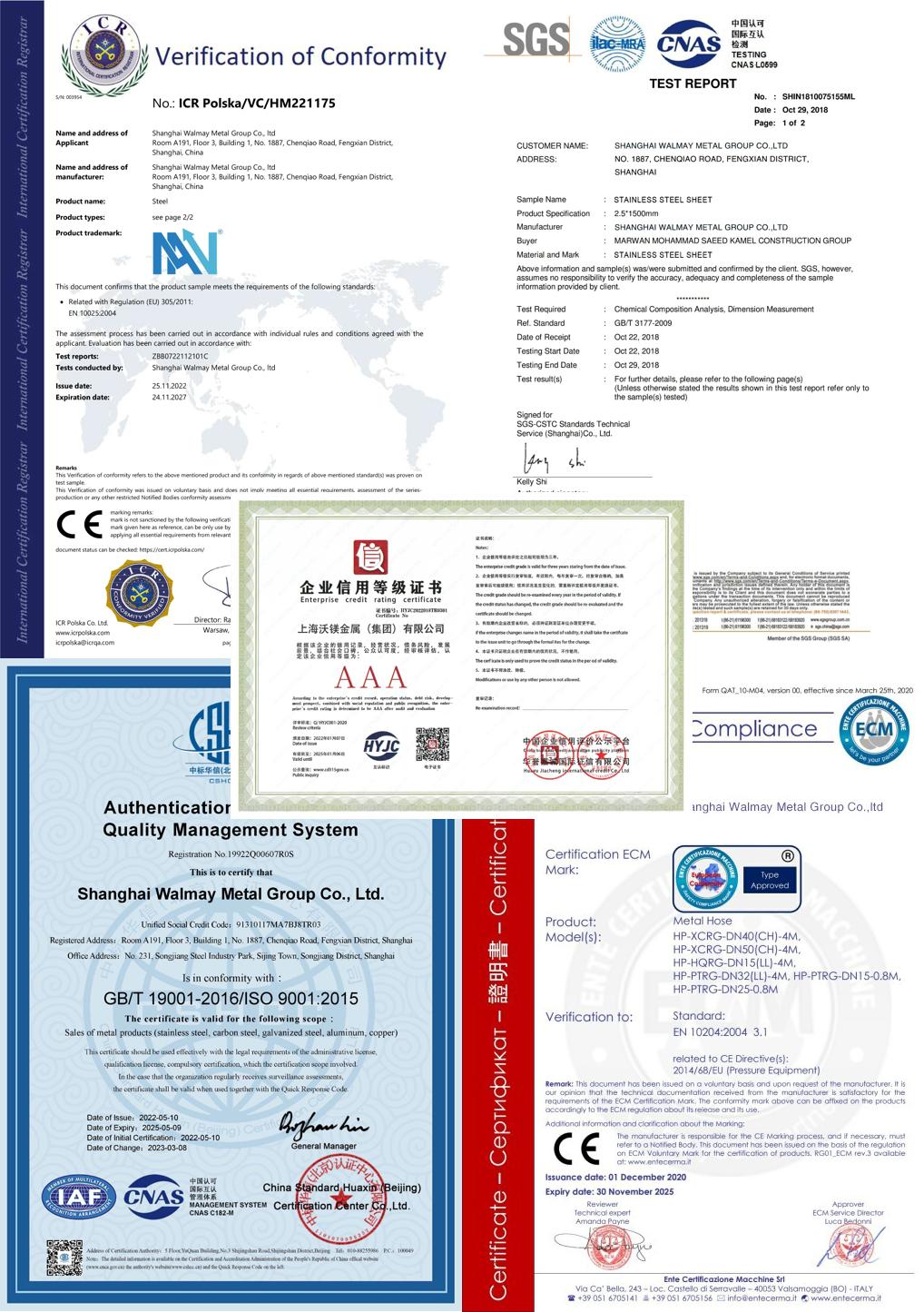
Standards & Documentation Ready

ASTM/ASME alignment as ordered, with MTC and optional third-party inspection support.

Grade-Family Coverage for Different Media

Options across austenitic, ferritic, duplex, martensitic, and PH families—selected by corrosion, wear, or temperature requirements.

Machining-Friendly Dimensional Control

Diameter/AF control and straightness support for turning, milling, and threading operations.

State & Heat Treatment Options

Annealed, solution treated, quenched & tempered, and PH aged states arranged per application.

Supply Planning for Repeat Orders

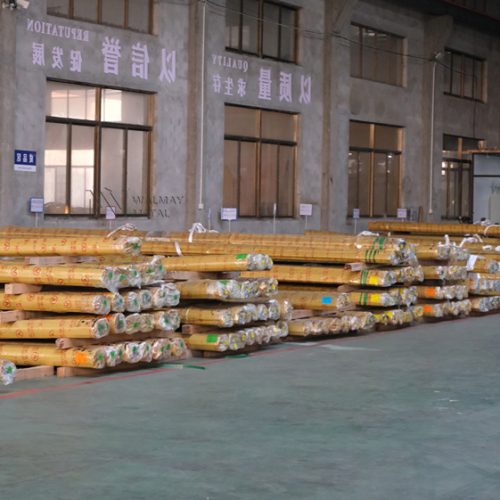
Order scheduling and packing preferences coordinated for project workflows and ongoing purchasing.

Bar Specifications & Supply States for Corrosive Service

Category Range / Options
Shapes Round Bars, Square Bars, Hex Bars Flat Bars 10–200 mm wide × 2–30 mm thick · Discs on request
Diameters Round Ø5–300 mm · Hex AF 4–50 mm · Square 10–100 mm
Lengths Standard 6 m · Custom cut ±3–5 mm
Supply States Annealed · Quenched & tempered · Solution treated · PH aged
Finishes Black (hot-rolled) · Bright (cold-drawn Ra≤1.6 μm) · Polished (Ra≤0.8 μm) · Passivated/Electropolished
Certificates Mill Test Certificate, ISO 9001, optional third-party inspection


Grade Family Standout Property Primary Uses
304 Austenitic General corrosion resistance, weldable Food equipment, structural components, fasteners
316 / 316L Austenitic + Mo Superior chloride and pitting resistance Marine fittings, chemical pumps, medical devices
410 Martensitic High strength, hardenable to HRC 35–45 Shafts, valve stems, bolts, cutlery
2205 Duplex Pitting and stress corrosion resistance, high strength Offshore, desalination, pressure vessels
630 (17-4 PH) Precipitation Hardening High strength + corrosion resistance, age-hardenable Aerospace fasteners, pump shafts, tooling

Bar Forms for Machining & Fabrication

  • Round Bars

    Used for shafts, pins, fasteners, and machined components. Bright-drawn rounds support dimensional accuracy; hot-rolled rounds are suitable for further processing.

  • Hex Bars

    Common for fasteners, valve parts, and turned components. Surface conditioning and documentation options can be aligned to medical or marine purchasing requirements.

  • Square Bars

    Used for structural parts, fixtures, and OEM components where section stability matters. Higher-strength families are often specified for chloride exposure and load-bearing needs.
    Browse the full grade range — 304, 316L, 2205 duplex, and 410 — with cut-to-size service: Stainless Steel Square Bar

  • Flat Bars

    Stainless steel flat bar is available in widths from 10 mm to 200 mm and thicknesses from 2 mm to 30 mm. Common applications include structural brackets, slide rails, shims, and food-processing frames. Grades 304, 316L, 316, 430, and duplex 2205 are supplied in annealed and cold-drawn conditions with mill certificates. View full sizes and ordering options on our dedicated stainless steel flat bar page.

Where Corrosion-Resistant Bars Are Commonly Used

  • Mechanical Engineering: Shafts, gears, bolts, and fixtures.
  • Food & Pharma: Agitator shafts, mixers, clean-contact equipment.
  • Chemical & Offshore: Flanges, blocks, and fasteners in chloride or acidic media.
  • Automotive: Exhaust systems, brackets, chassis supports.
  • Energy & High-Temp: Furnace rolls, superheaters, refinery parts.
  • Tools & Wear Parts: Knives, dies, blades, and valve components.
View More

Processing Options for Corrosion-Resistant Bars

  • Cut-to-size: Saw cutting, chamfering, deburring.
  • Heat Treatment: Annealing, solution treatment, quenching & tempering, PH aging.
  • Surface Finishes: Bright draw, polished, electropolished, passivated.
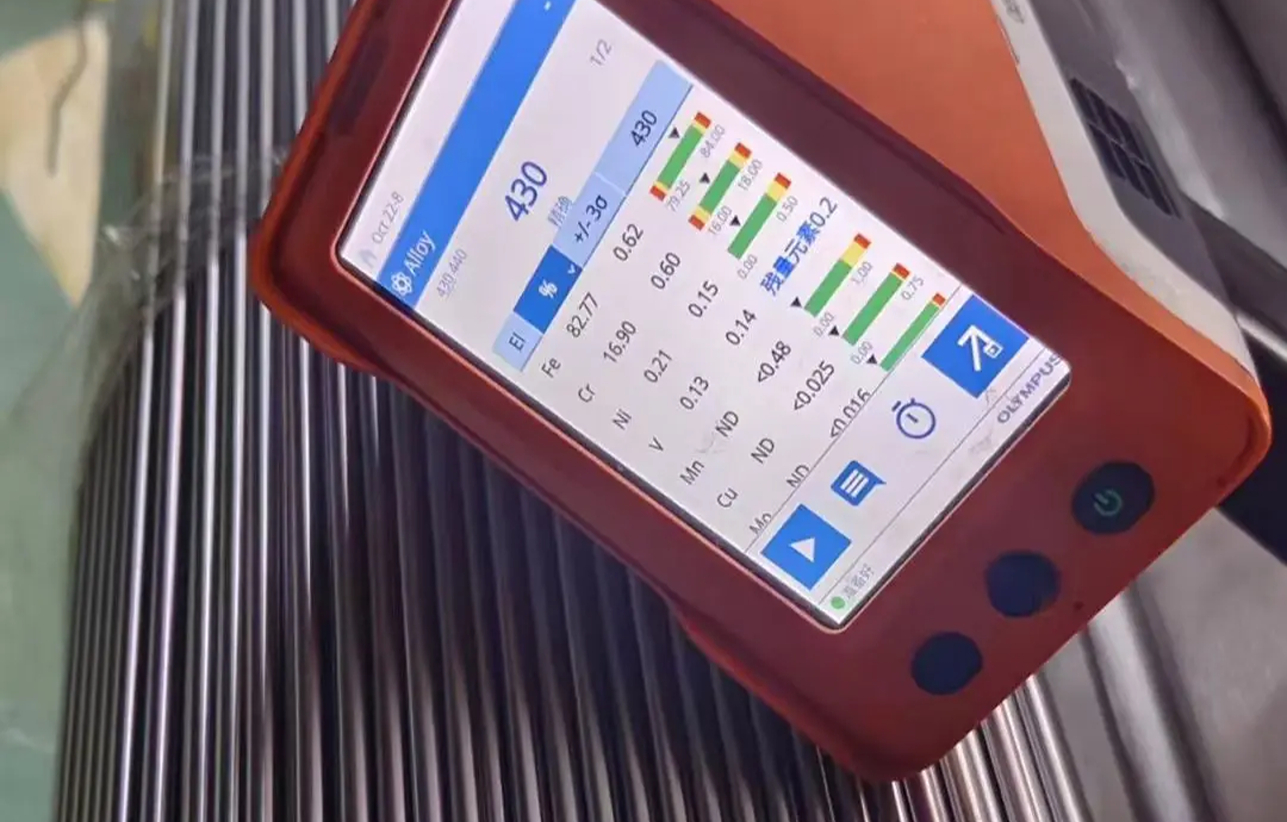
  • Testing & Reports: Chemistry and mechanical data, ultrasonic inspection, salt-spray testing, ASTM A262 IGC.

FAQs

Which bar options suit marine or chloride exposure?
For chloride service, molybdenum-alloyed and duplex families are commonly specified. Selection depends on chloride level, temperature, and required safety margin; higher-alloy options may be used for acidic media.
Can bars be cut to custom length?
Yes. Standard tolerance is ±3–5 mm, tighter on request for small diameters.
What surface finishes are available?
Hot-rolled black, cold-drawn bright, polished Ra≤0.8 μm, passivated, and electropolished.
Do you provide certificates?
Each order includes an MTC and ISO 9001 compliance; third-party inspections are available.
What's the difference between 410 and 420J2 bars?
410 offers good machinability with moderate hardness; 420J2 reaches HRC 50–55 for cutting tools and wear parts.

Related applications

Our Recent Articles

Select Your Language