 By Walmay
 13 Jul, 2026
 7 Minutes Read
316L stops being the right answer once your process stream involves sulfuric acid above roughly 40°C, high chloride concentrations combined with elevated temperature, or a mix of acids that pit ordinary austenitic grades within months. 904L stainless steel — with 23-28% nickel and 4-5% molybdenum plus added copper — resists exactly the corrosion mechanisms that eat through 316L in these conditions. If your maintenance team is replacing 316L components every 12-18 months in a chemical line, that’s usually the first sign 904L should be on the table.
Everyone knows 904L has more nickel than 316L. Fewer people understand why that matters mechanically. Nickel doesn’t fight corrosion directly — it stabilizes the austenitic structure and improves resistance to stress corrosion cracking, especially in chloride environments. The real corrosion-fighting comes from molybdenum and the copper addition unique to 904L.
904L runs 4-5% molybdenum versus 316L’s 2-3%, and it adds 1-2% copper that 316L doesn’t have at all. That copper addition is what gives 904L its standout performance in sulfuric acid service — copper forms a more stable passive film in reducing acid environments where chromium-based passivation alone struggles.
Pitting Resistance Equivalent Number (PREN) is calculated from %Cr + 3.3(%Mo) + 16(%N). 316L typically lands around 24-26. 904L comes in at 34-36. For reference, duplex 2205 sits around 35 too — but 904L gets there through austenitic chemistry instead of a dual-phase structure, which matters for fabrication (more on that below).
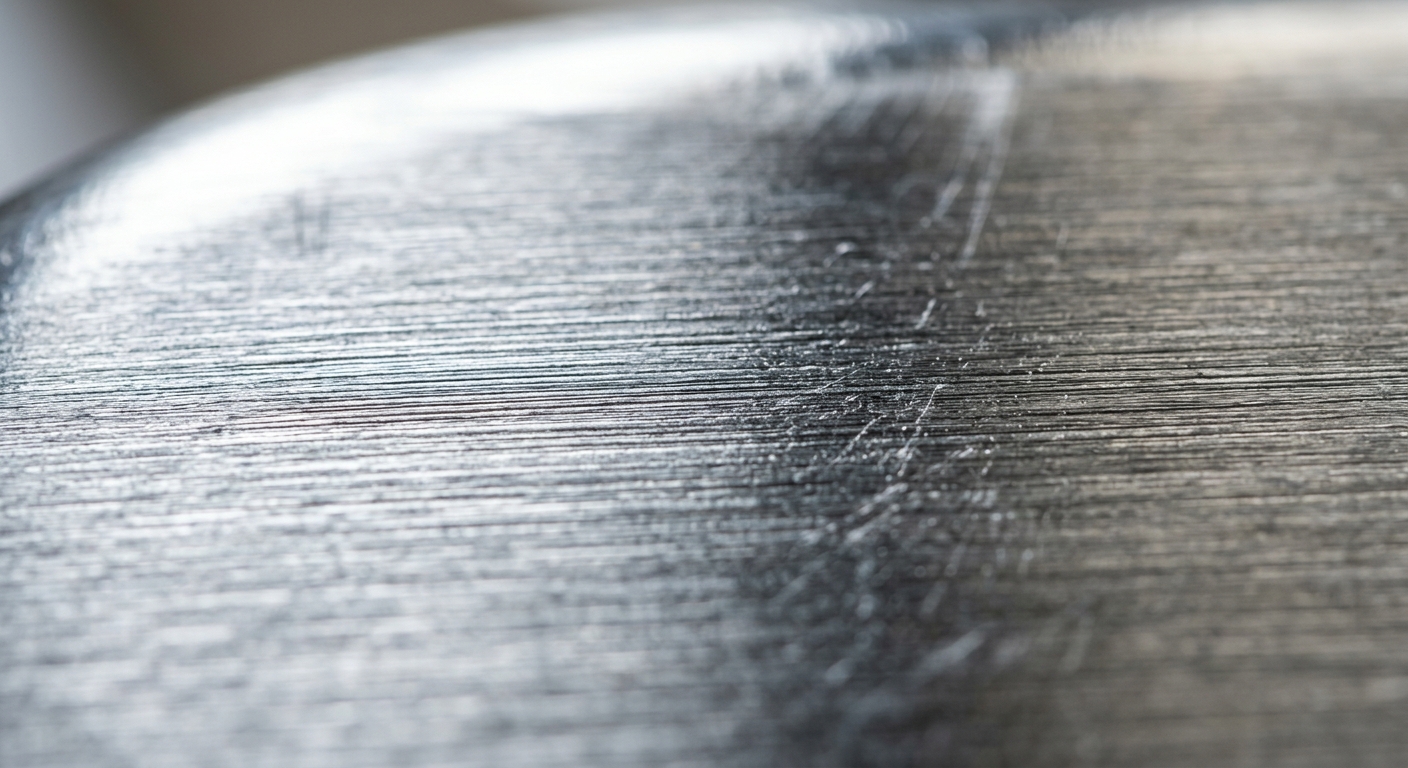
316L isn’t a bad grade — it’s just being asked to do a job it wasn’t designed for in specific chemical environments. Three failure patterns show up repeatedly:
For a broader look at where 316L still performs well, see our comparison of 304 vs 316 stainless steel — but understand that comparison doesn’t extend to the aggressive chemical conditions covered here.
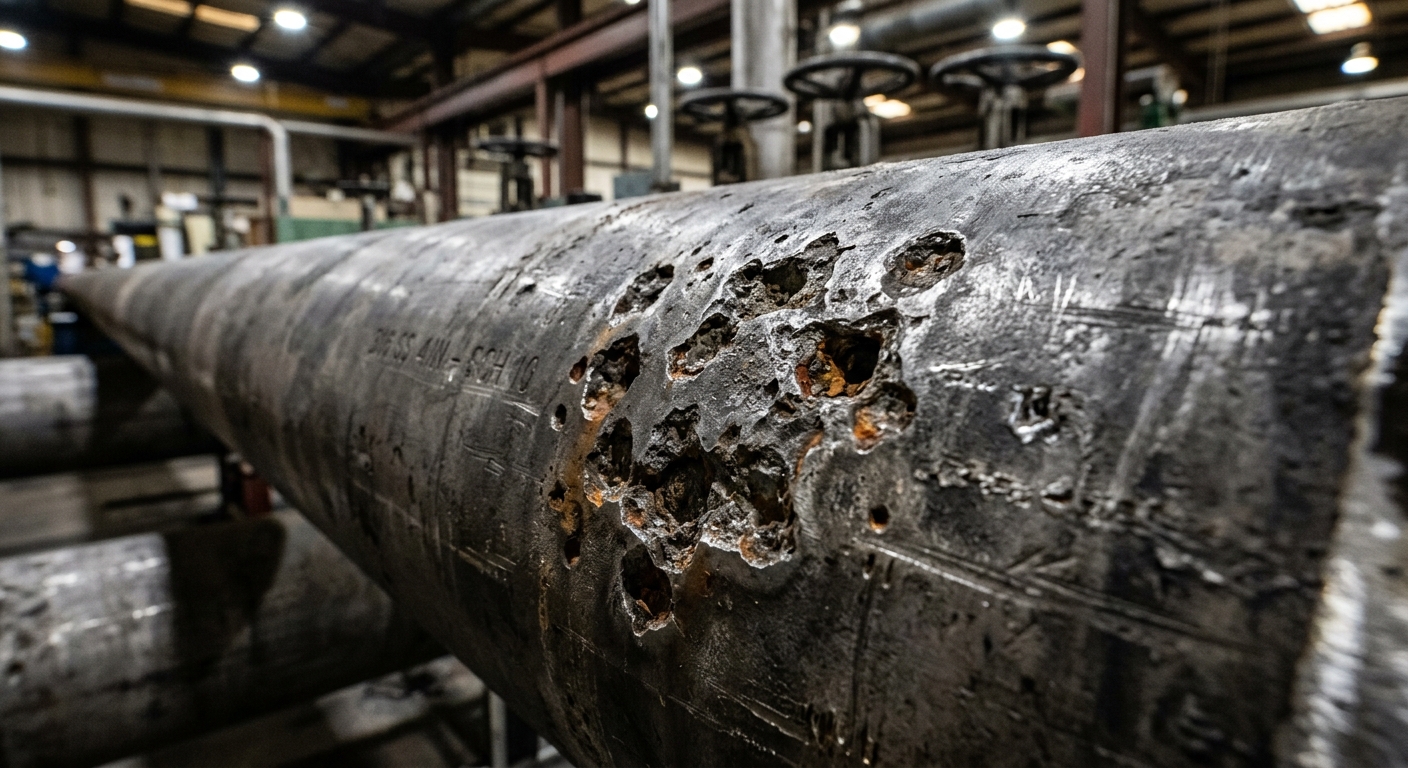
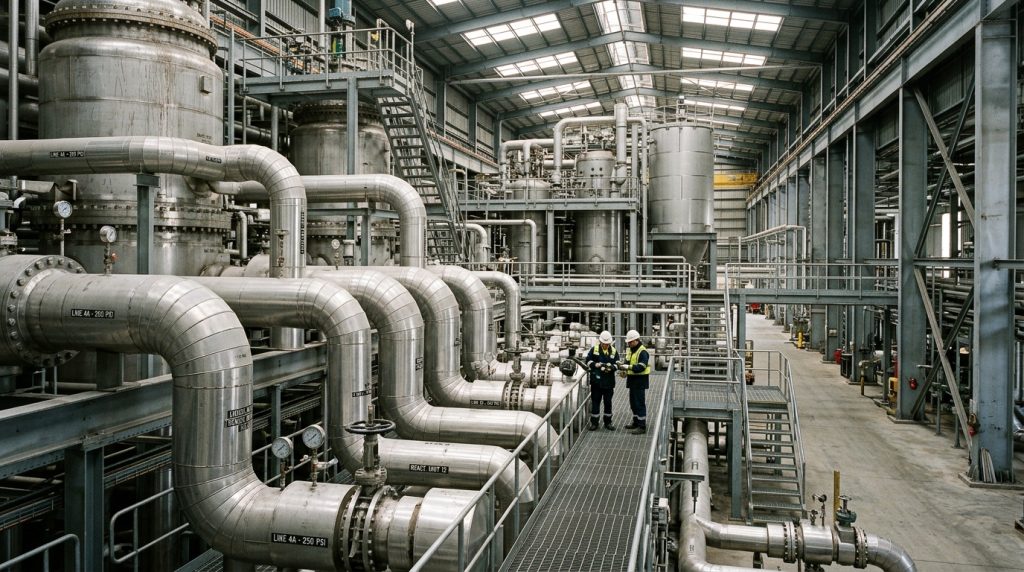
Consider a fertilizer plant running a sulfuric acid dilution and cooling circuit. The engineering team originally specified 316L piping and heat exchanger plates, based on general chemical resistance charts. Within 14 months, they were seeing measurable wall thinning at flow-disturbance points — elbows, weld seams, valve seats — where local acid concentration and turbulence exceeded 316L’s comfort zone.
Switching the wetted components to 904L plate and pipe extended service life dramatically — inspection at the two-year mark showed corrosion rates dropping to a fraction of what 316L experienced under the same conditions. The upfront material cost was roughly double, but the plant avoided two unplanned shutdowns and the associated production losses. That’s the calculation that matters: 904L isn’t cheap, but neither is an emergency shutdown.
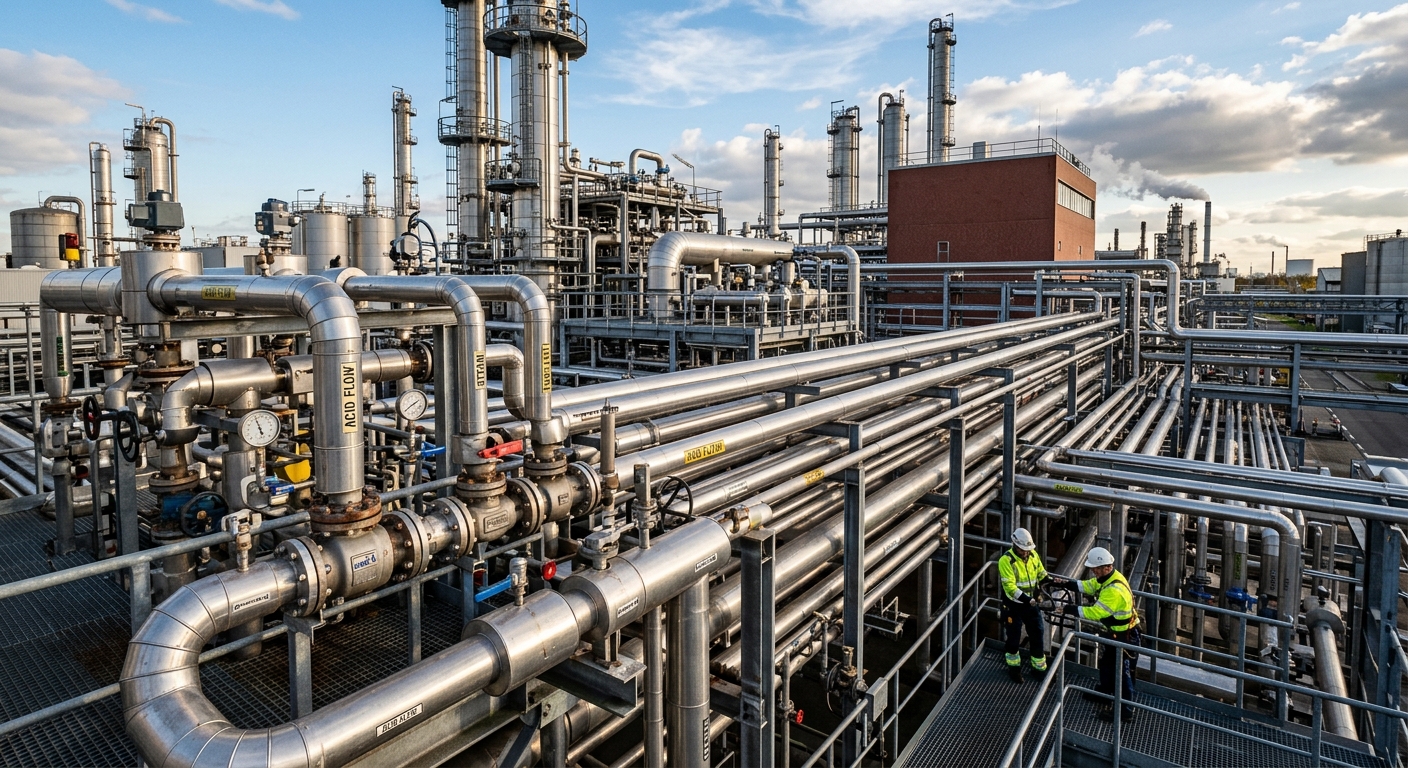
904L’s yield strength (around 220 MPa) runs a bit lower than 316L (around 170-240 MPa, grade-dependent), but the difference rarely matters in chemical processing equipment where wall thickness is driven by corrosion allowance, not structural load. What does matter is ductility — 904L retains excellent formability, which is critical for vessel heads, expansion bellows, and formed tank components.
Because 904L is fully austenitic (unlike duplex 2205 or super duplex 2507, which require careful ferrite-austenite phase balance control during welding), it welds more predictably. Standard austenitic welding practices apply — low heat input, controlled interpass temperature, and matching filler metal (typically ERNiCrMo-3 or similar high-alloy filler to avoid dilution issues). No post-weld heat treatment is required for phase balance the way it sometimes is with duplex grades. If you’re deciding between 904L and duplex for a specific project, our draft comparison on duplex vs 316L for offshore projects covers related tradeoffs worth reviewing before you commit to either path.
904L typically costs 1.8 to 2.5 times more than 316L per ton, driven almost entirely by nickel content — 23-28% versus 316L’s 10-14%. Nickel price volatility hits 904L harder too, so budgeting for a large 904L order means watching nickel markets closely. For current pricing trends affecting nickel-heavy grades, our stainless steel prices mid-year update tracks exactly this kind of movement.
The mistake buyers make is either direction: over-specifying 904L for mild service where 316L would perform fine for a decade, or under-specifying 316L for aggressive service and eating replacement costs every 12-18 months. Neither is smart procurement. The right call depends on actual process chemistry data — concentration, temperature, chloride content, flow velocity — not a general assumption that “more alloy is always safer.”
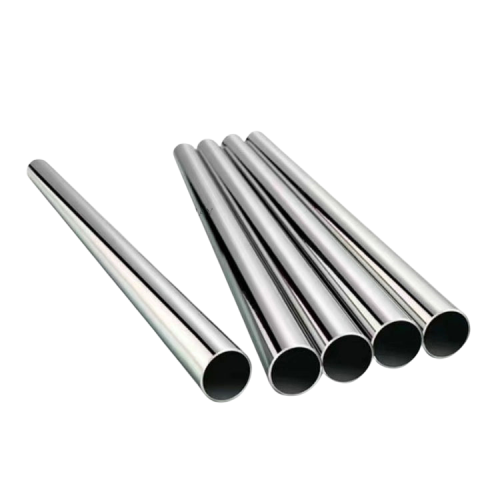
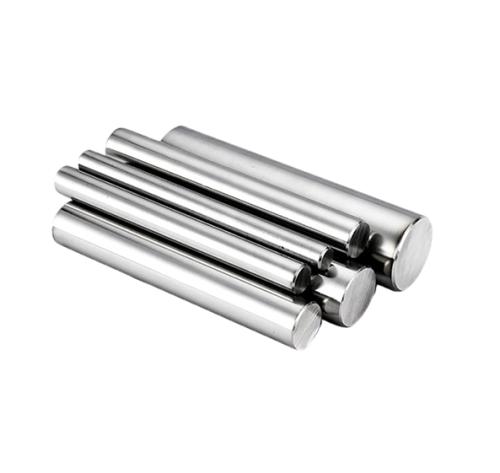
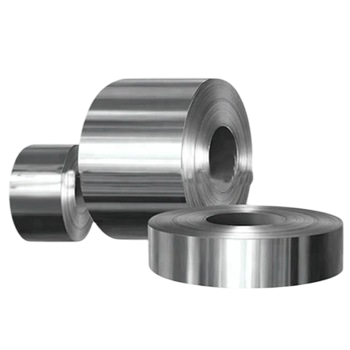
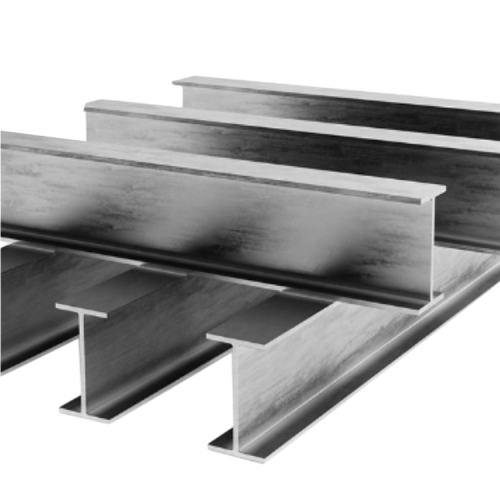
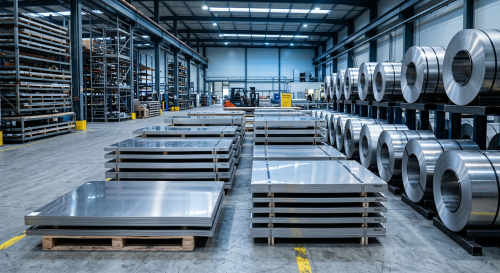
316L sits in stock at nearly every distributor in sheet, coil, plate, pipe, and bar form. 904L is more often a mill-order item, especially in plate and pipe above certain thicknesses. Build 6-10 weeks of additional lead time into your project schedule if you’re specifying 904L for the first time on a given project — it’s not a same-week pickup material.
904L consistently justifies its cost premium in these specific service conditions:
Outside these zones — general food processing, architectural work, standard water treatment — 316L remains the smarter economic choice. For hygiene-driven applications specifically, our guide on stainless steel grade and finish requirements for food processing explains why 316L is usually sufficient there and 904L would be overkill.
Vague specifications cause more procurement headaches than wrong grade selection. When ordering 904L, nail down these details on your PO:
For general grade-selection background across the full stainless steel family, our guide to stainless steel grades and applications is a useful starting reference before narrowing down to a specialty grade like 904L.
 Industry Knowledge
 Industry Knowledge
 Industry Knowledge
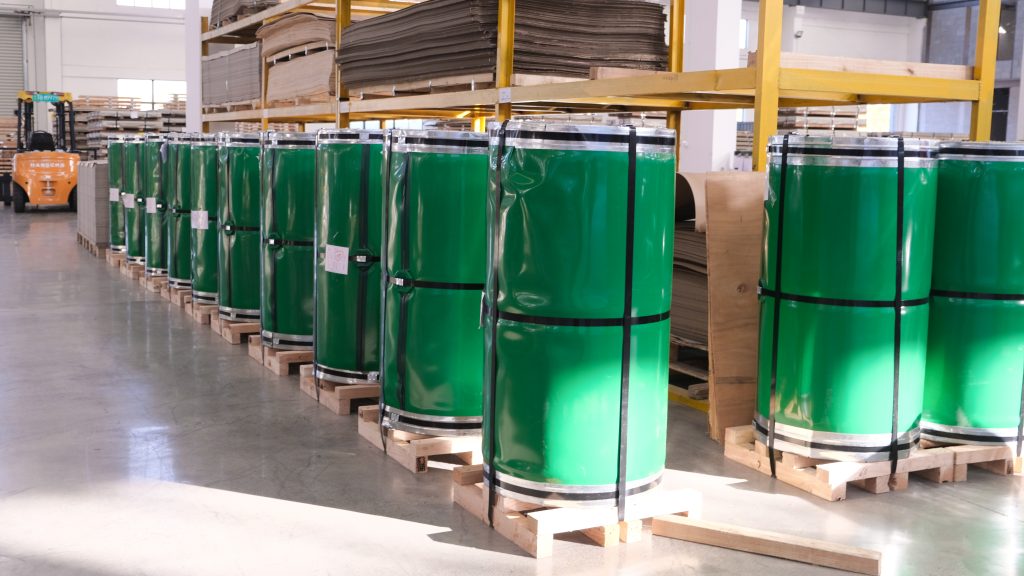
Walmay will help match the right stainless product form and specification for your application, confirm quantities and packing needs, and provide requested documents based on order requirements.
Loading form…