 By Walmay
 21 Sep, 2026
 5 Minutes Read
Stainless steel raw material costs — nickel, chrome, molybdenum — are actually flat to slightly down in August 2026. But if you’re only watching the London Metal Exchange, you’re missing the real risk: mill lead times have stretched from 4-6 weeks to 6-9 weeks, and ocean freight out of Asia is climbing again because of continued Red Sea rerouting. That combination means landed prices can rise even while raw material indices hold steady, and buyers who ignore logistics are getting blindsided at the invoice stage.
LME nickel has been trading in a tight $15,800-$16,900/t band since May. That’s the calmest stretch in over two years. If you’ve been anchoring your budget forecasts to nickel volatility, you can relax that particular worry for now — but don’t mistake a quiet nickel market for a quiet steel market.
Chrome and molybdenum, the two alloys that matter most for 316/316L grades, have moved independently. Ferrochrome contract prices ticked up roughly 5% quarter-on-quarter as South African producers cut output amid power supply issues. If you’re buying 316L in volume, that’s the number to watch, not nickel.
We covered the mid-year setup in our June 2026 price update, and the direction called there — modest raw material stability with cost pressure shifting elsewhere — has held.
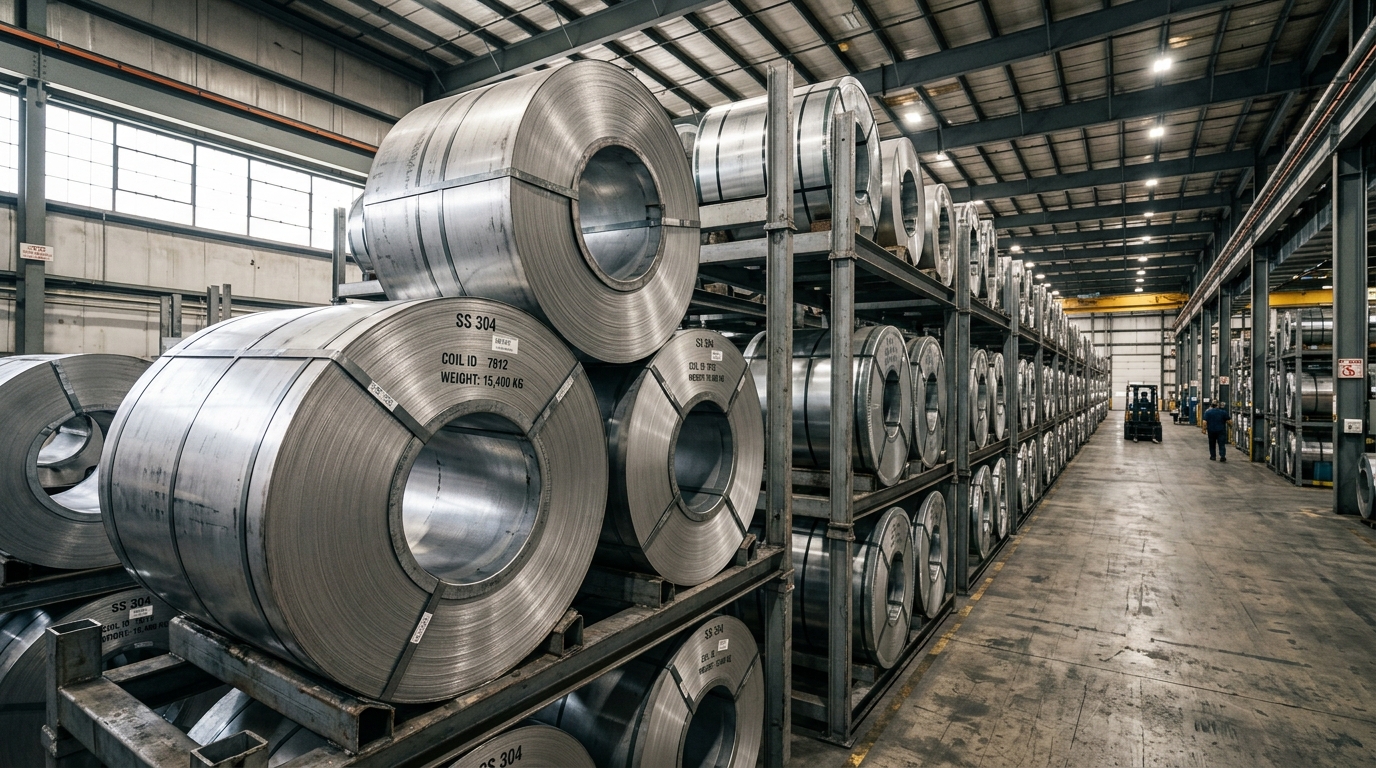
Here’s the uncomfortable truth: a growing number of Chinese and Indonesian mills quoted 6-9 week lead times for standard 304/316 coil in August, up from 4-6 weeks in June. Why? Domestic Chinese demand from EV battery casing and architectural sectors is absorbing capacity that used to go to export orders.
For a purchasing manager planning a Q4 fabrication run, this is the number that actually determines your project schedule — not the spot nickel price. A distributor who orders on a 5-week assumption and gets an 8-week delivery has a real production gap to explain to their own customers.
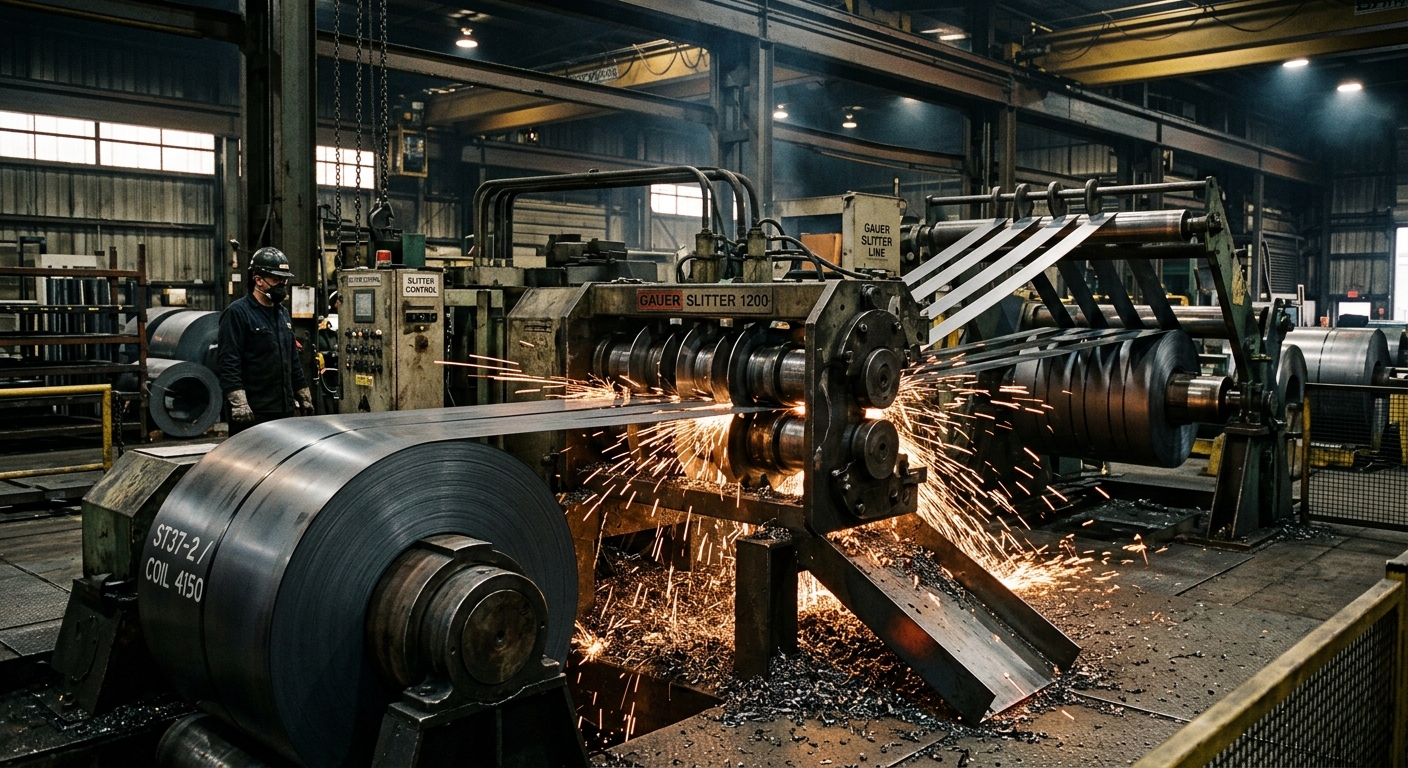
Ocean freight from Shanghai to Rotterdam is up roughly 18% since June, driven by continued Red Sea avoidance and the longer Cape of Good Hope routing. That adds real cost per ton on top of any mill price movement — often overlooked because it shows up on the freight invoice, not the material invoice.
For instance, a European distributor importing 200 tons of 316L sheet in August paid nearly $12,000 more in freight alone compared to the same order in Q1, even though the mill’s quoted ex-works price barely moved. That’s not a material cost problem — it’s a logistics cost problem, and it changes the total landed cost calculation buyers need to run.
Buyers sourcing from suppliers with regional stock — rather than relying purely on fresh mill runs shipped long-haul — are insulating themselves from this volatility. It’s worth asking any supplier directly: how much of this order ships from existing inventory versus a new production run?

Stainless scrap supply in Southeast Asia has tightened noticeably since July, partly due to increased domestic melting capacity competing for the same feedstock. This matters more than most buyers realize because scrap-heavy melt charges influence pricing on 200-series and 300-series grades differently.
If you’re comparing 201 against 304 for a cost-sensitive project, this scrap dynamic is compressing the price gap between them right now — meaning the usual discount logic for 201 doesn’t hold as strongly this quarter. Our breakdown on 201 vs 304 manganese-substituted grades explains why that substitution decision needs more scrutiny when the price gap narrows.
While standard austenitic grades navigate freight and lead-time pressure, duplex 2205 and super duplex 2507 are facing their own squeeze — molybdenum availability. Molybdenum prices climbed nearly 8% in August on tighter Chinese export quotas, and duplex grades are far more molybdenum-intensive than 316L.
If you’re specifying duplex for an offshore or marine project, budget for a premium that’s grown faster than standard grades this quarter. We walked through the trade-offs in detail in duplex vs 316L for offshore and marine projects — worth revisiting now that the cost gap has widened further than it was in spring.
Don’t chase the raw material index — chase total landed cost and delivery certainty. That means three concrete actions for September procurement planning.
With lead times stretching, waiting until October to place Q4 orders risks missing production windows entirely, especially for coil and plate in non-standard thicknesses.
Stocked material sidesteps both the lead-time stretch and part of the freight volatility. This is exactly the kind of sourcing flexibility covered in our guide to stainless steel selection and value.
With scrap tightness compressing some price gaps, don’t assume the cheaper grade is automatically the better deal this quarter — verify current quotes rather than relying on last quarter’s pricing logic.
Three signals will define pricing direction through year-end: Indonesian nickel export policy changes (a recurring wildcard), Red Sea shipping normalization timing, and Chinese domestic demand from EV and construction sectors that’s currently soaking up mill capacity. None of these are things a single price index captures well, which is exactly why relying only on LME nickel headlines leaves buyers unprepared.
We’ll keep tracking these in the next installment of this series — if the July recap taught us anything, it’s that mid-year volatility rarely resolves cleanly by Q3.
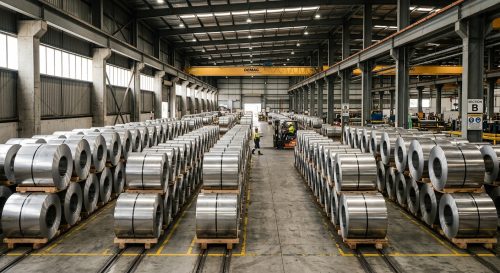 Stainless Steel Prices
 Stainless Steel Prices
 Stainless Steel Prices
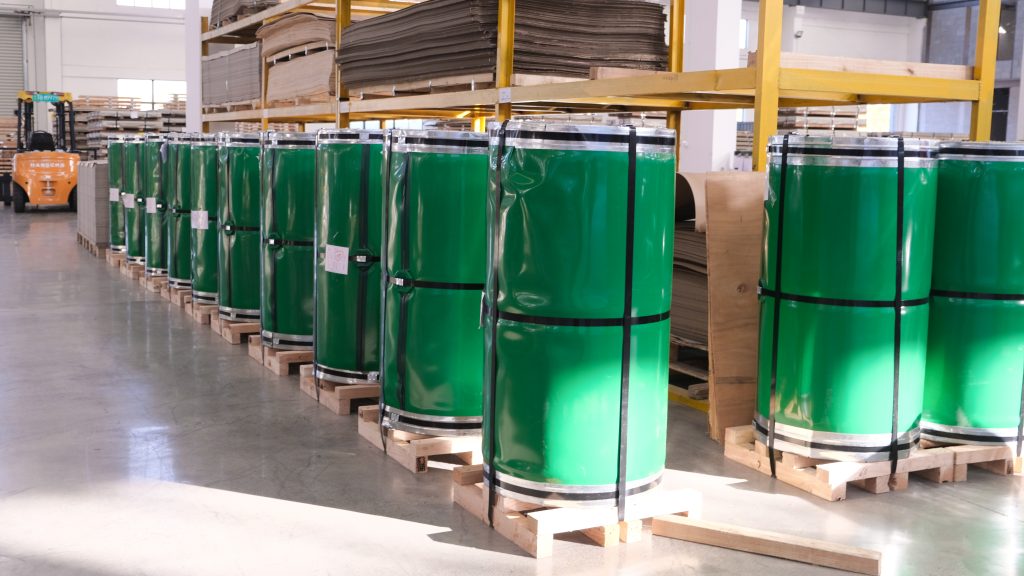
Walmay will help match the right stainless product form and specification for your application, confirm quantities and packing needs, and provide requested documents based on order requirements.