
 By Walmay
 17 Nov, 2025
 12 Minutes Read
Choosing between surgical steel and stainless steel depends on more than corrosion resistance. The key differences involve material grade, chemical composition, hardness, surface condition, applicable standards, and the intended application.
Surgical steel is not a completely separate metal family. It is a commonly used term for certain stainless steel grades selected for surgical instruments, medical devices, or implant applications. However, not every stainless steel is suitable for medical use, and not every product marketed as “surgical steel” automatically meets an implant or medical standard.
This guide compares surgical steel vs stainless steel, explains common grades such as 304, 316L, 420, and 440 series stainless steels, and shows what B2B buyers should verify when sourcing materials for medical, industrial, or high-performance applications.
Surgical steel is a type or category of stainless steel used for specific medical or surgical applications, but the terms are not interchangeable.
Stainless steel is a broad family of corrosion-resistant iron-based alloys that includes hundreds of grades. Surgical steel generally refers to selected stainless steel grades with properties suitable for medical instruments or, when manufactured and certified to applicable standards, certain implant applications.
In simple terms: some stainless steels can be used as surgical steel, but not all stainless steels are suitable for surgical or implant applications. The actual suitability depends on the exact grade, product form, material specification, manufacturing process, surface condition, and regulatory or project requirements.
The main difference between surgical steel and general-purpose stainless steel is not simply that one is “better” than the other. Surgical and medical applications require carefully selected grades and, in many cases, compliance with specific material standards and documentation requirements.
| Factor | Stainless Steel | Surgical Steel |
|---|---|---|
| Definition | Broad family of corrosion-resistant steel alloys | Common term for selected stainless steels used in surgical or medical applications |
| Typical Grades | 304, 316/316L, 430, 410, 420 and many others | 316L-type austenitic grades and martensitic grades such as 420 or 440 series, depending on application |
| Corrosion Resistance | Varies significantly by grade and environment | Grade is selected according to the corrosion resistance required by the medical or surgical application |
| Hardness | Varies from highly formable austenitic grades to hardenable martensitic grades | High hardness may be required for cutting instruments; implant applications require different property combinations |
| Medical Suitability | Not automatically suitable for medical or implant use | Depends on exact grade, standard, processing, surface condition, and intended use |
| Standards | May be supplied to standards such as ASTM A240 and other general material specifications | Specific applications may require standards such as ASTM F138, ASTM F139, ISO 5832-1, or other applicable requirements |
| Typical Applications | Food equipment, construction, chemical processing, transportation, machinery and consumer products | Surgical instruments, medical equipment and certain implant applications when the material meets the required specification |
Stainless steel is an iron-based alloy containing at least approximately 10.5% chromium. Chromium supports the formation of a thin passive oxide layer on the surface, helping protect the underlying metal against corrosion.
Stainless steel includes multiple metallurgical families, including austenitic, ferritic, martensitic, duplex, and precipitation-hardening grades. Each family provides different combinations of corrosion resistance, strength, hardness, formability, weldability, and temperature performance.
| Grade | Type | Key Properties | Typical Applications |
|---|---|---|---|
| 304 | Austenitic | Good general corrosion resistance and formability | Food equipment, fabrication, architectural and industrial applications |
| 316 / 316L | Austenitic | Molybdenum-bearing grade with improved resistance in many chloride-containing environments | Chemical processing, marine-related equipment and selected medical applications |
| 410 / 420 | Martensitic | Heat-treatable with higher hardness than common austenitic grades | Cutting tools, blades, instruments and wear-resistant components |
| 430 | Ferritic | Magnetic, economical and suitable for many mildly corrosive environments | Appliances, decorative components and automotive trim |
Surgical steel is a commonly used industry term rather than one single stainless steel grade. Different medical applications require different material properties, which means the stainless steel used for a surgical instrument may be very different from the stainless steel specified for an implant.
For example, martensitic stainless steels may be selected for surgical instruments that require hardness and edge retention, while specially specified austenitic stainless steels may be used for certain implant applications.
For this reason, buyers should identify the required grade, ASTM or ISO specification, product form, mechanical properties, surface condition, and certification instead of relying only on the description “surgical steel.”
| Material / Grade | Key Characteristics | Typical Applications | Important Note |
|---|---|---|---|
| 316L Stainless Steel | Low-carbon austenitic stainless steel with good corrosion resistance and fabrication properties | Medical equipment, pharmaceutical equipment and other corrosion-resistant applications | Commercial 316L does not automatically qualify as implant-grade material |
| ASTM F138 / F139 Material | Wrought 18Cr-14Ni-2.5Mo stainless steel, UNS S31673, controlled for surgical implant applications | Selected surgical implants | F138 covers bar and wire; F139 covers sheet and strip |
| 420 Series | Martensitic stainless steel that can be hardened through heat treatment | Selected surgical instruments, cutting tools and blades | Suitability depends on the exact instrument design and material specification |
| 440 Series | High-hardness martensitic stainless steel with good wear resistance | Selected cutting and precision instrument applications | Not equivalent to implant-grade austenitic stainless steel |
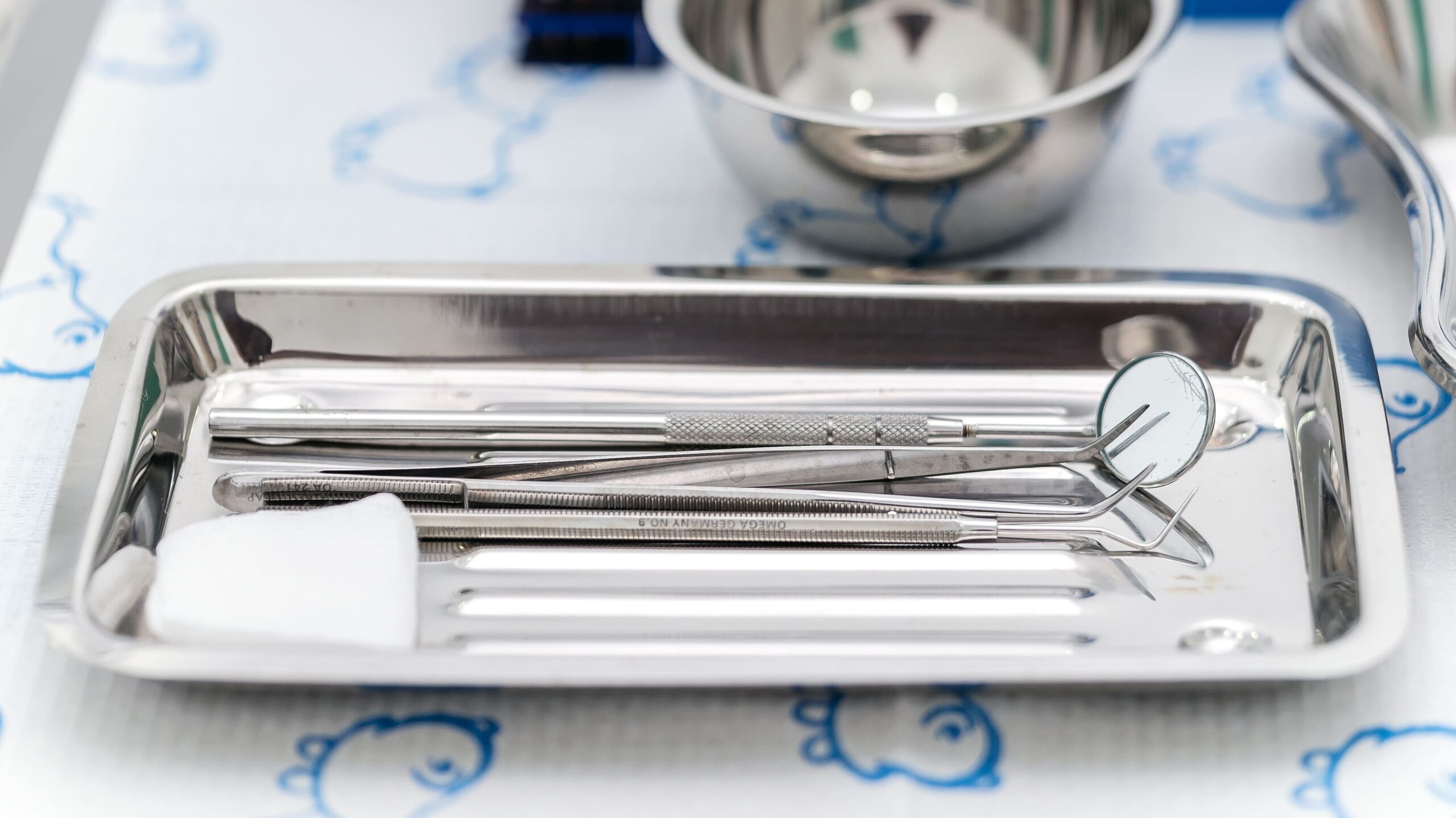
One of the most important differences in the surgical steel vs stainless steel comparison is that medical suitability cannot be determined from the words “stainless steel” or “surgical steel” alone.
The material must be evaluated according to its exact composition, microstructure, corrosion behavior, mechanical properties, surface condition, intended duration of contact, and applicable industry or regulatory requirements.
Corrosion resistance varies widely among stainless steel grades. Austenitic molybdenum-bearing grades such as 316 and 316L generally provide better resistance in many chloride-containing environments than common 304 stainless steel, while martensitic grades are often selected primarily for hardness and wear resistance.
For medical applications, the appropriate corrosion resistance must be evaluated against the intended environment, cleaning procedure, sterilization process, and product specification.
The chemical composition required for a medical or surgical application depends on the specified grade. It is therefore inaccurate to assume that all surgical steels have a single chromium, nickel, molybdenum, or carbon content.
For example, austenitic stainless steels intended for certain implant applications have a very different composition and property profile from hardened martensitic steels used for cutting instruments.
For regulated or specification-driven applications, material identity and traceability can be as important as the nominal grade itself. Buyers may need to verify chemical composition, mechanical properties, heat or lot identification, applicable material standards, and supporting test documentation.
A common source of confusion in the surgical steel vs stainless steel comparison is the assumption that all 316L stainless steel is automatically implant grade.
316L is a widely used low-carbon stainless steel grade, but the designation alone does not prove that a material meets a surgical implant specification.
For example, ASTM F138 and ASTM F139 specify wrought 18Cr-14Ni-2.5Mo stainless steel identified as UNS S31673 for certain surgical implant applications. These specifications address particular material forms and requirements that should not be assumed from a general commercial 316L designation alone.
Therefore, buyers sourcing stainless steel for implant manufacturing should specify the applicable standard and required product form rather than requesting only “316L surgical steel.”
Not all surgical applications require the same properties as an implant. Surgical instruments such as blades and other cutting components may require significantly higher hardness and wear resistance.
Martensitic stainless steels such as certain 420 and 440 series grades can be heat treated to achieve higher hardness than common austenitic stainless steels. This makes them suitable for selected instrument applications where cutting performance, edge retention, and wear resistance are important.
However, the exact grade, hardness, heat treatment, surface condition, and corrosion requirements should be specified according to the finished instrument rather than assuming that all 420 or 440 stainless steels are interchangeable.

Material grade is only one part of final component performance. Manufacturing, machining, heat treatment, cleaning, and surface finishing can also affect the corrosion behavior and cleanliness of stainless steel components.
Passivation is a chemical treatment used for stainless steel parts to remove surface contamination and support the formation of a clean passive surface.
ASTM A967/A967M covers several chemical passivation treatments and methods for evaluating treated stainless steel parts. However, compliance with a passivation specification alone does not determine whether a stainless steel grade is suitable for a particular medical or implant application.
Electropolishing is an electrochemical surface-finishing process that removes a controlled amount of material from the stainless steel surface. It can be used to improve surface smoothness and cleanliness for applications where surface condition is important.
Whether electropolishing is required depends on the component design, intended application, applicable standard, and customer specification.
Neither material category is universally better. The right choice depends on what the finished component needs to do.
For B2B buyers, simply specifying “surgical steel” may not provide enough information for an accurate quotation or material selection. A more precise purchasing specification can reduce the risk of receiving material that does not meet the intended application.
Before placing an order, confirm the following:
For implant-related applications in particular, buyers should confirm that the supplied material meets the exact standard specified by the device manufacturer or project requirements rather than relying solely on a commercial grade name.
Surgical steel belongs to the broader stainless steel family, but the terms are not identical. Surgical steel generally refers to selected stainless steel grades used for medical or surgical applications. Not every stainless steel grade is suitable for these applications.
No. General commercial 316L stainless steel should not automatically be treated as implant-grade material. Implant applications may require a specific material specification, such as ASTM F138 or ASTM F139, depending on the product form and application.
The main difference is the intended application and material specification. Stainless steel is a broad material family, while surgical steel generally refers to selected grades used for medical instruments, medical devices, or implant applications where specific properties and standards may be required.
Some surgical and medical stainless steels contain nickel, particularly austenitic grades. Nickel content therefore cannot be determined from the term “surgical steel” alone. Buyers should verify the exact material composition and applicable specification when nickel content or release is an important consideration.
It depends on the device, application, contact conditions, and applicable requirements. Some medical equipment uses standard stainless steel grades, while implants and other critical applications may require materials manufactured and certified to dedicated medical or implant specifications.
Certain martensitic 420 and 440 series stainless steels can be heat treated to achieve high hardness and wear resistance. These properties can make them suitable for selected cutting and precision instruments, although the exact grade and heat treatment must match the instrument requirements.
Surgical steel is not automatically better for every application. A medical or surgical specification is appropriate when the application requires particular material properties, traceability, or compliance. For general industrial, fabrication, food processing, chemical, or architectural applications, standard stainless steel grades may be the more appropriate choice.
The most important point in the surgical steel vs stainless steel comparison is that surgical steel is not a completely separate metal and is not one standardized grade. It generally describes selected stainless steels used for medical and surgical applications, while stainless steel covers a much broader range of grades and applications.
For general industrial applications, the decision may focus on corrosion resistance, strength, formability, availability, and cost. For surgical instruments, medical devices, or implants, buyers should go further by confirming the exact grade, applicable ASTM or ISO specification, product form, mechanical properties, surface requirements, and material traceability.
When sourcing material for a regulated or specification-driven project, avoid relying on the term “surgical steel” alone. A clearly defined material specification is the most reliable way to ensure that the stainless steel supplied matches the requirements of the finished product.
 Industry Knowledge
 Industry Knowledge
 Industry Knowledge
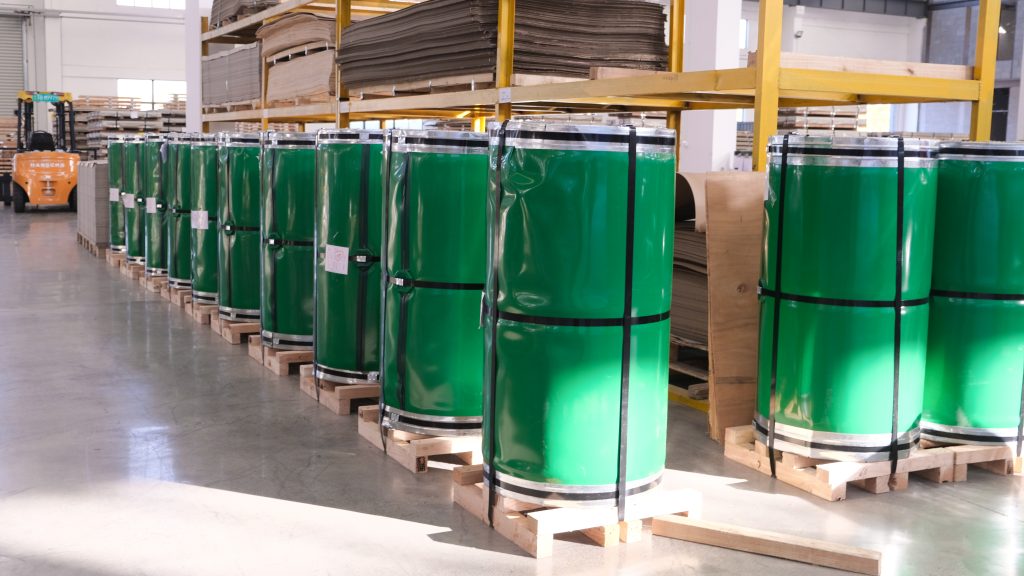
Walmay will help match the right stainless product form and specification for your application, confirm quantities and packing needs, and provide requested documents based on order requirements.
Loading form…