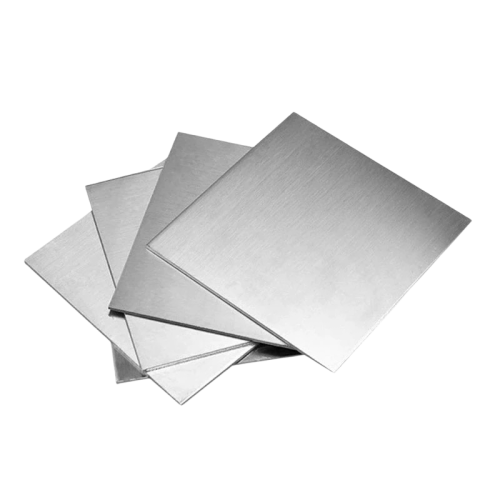
Ensure your project meets the highest industry standards with our full mill test certificates and expert technical support. Contact Walmay today.
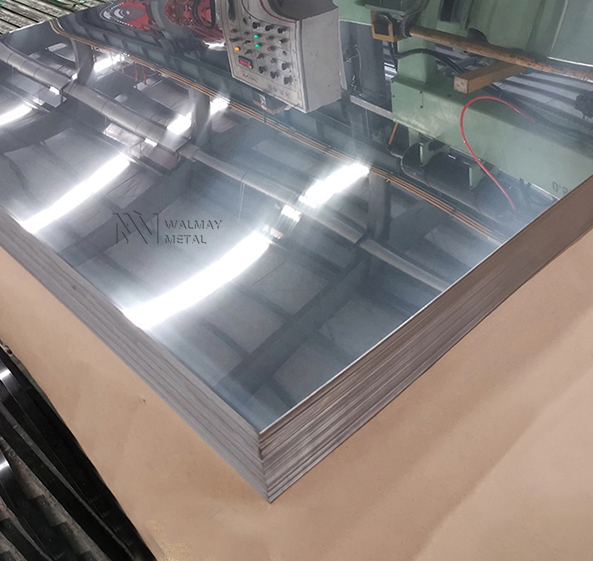
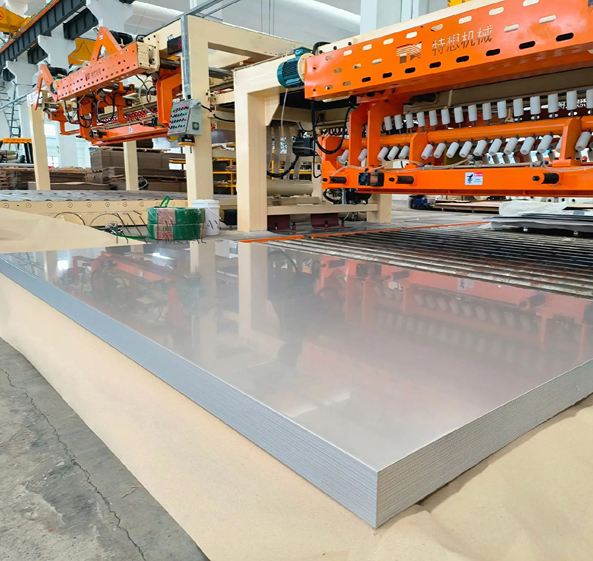
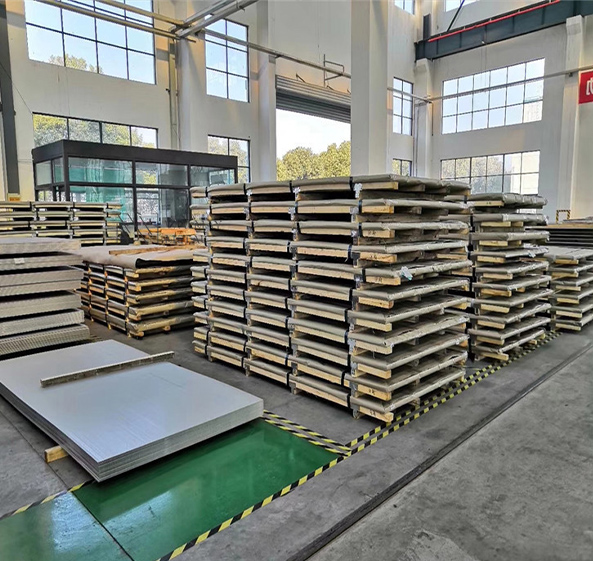


| Element | Content (%) | Medical-Grade Role |
|---|---|---|
| C (Carbon) | ≤0.03 | Ultra-low carbon design; post-weld resistance to intergranular corrosion is 50% higher than 316, preventing stress corrosion in surgical instruments. |
| Mo (Molybdenum) | 2.0–3.0 | Enhances resistance to chloride corrosion (e.g., saline); pitting potential is 200mV higher than 304, preventing surface rusting of instruments. |
| Ni (Nickel) | 12.0–15.0 | Optimizes biocompatibility, reducing tissue rejection reactions; nickel ion migration ≤0.05ppm. |
Physical Properties: Density 7.98g/cm³, melting point 1325–1370℃, elongation ≥40%, impact energy ≥27J at -40℃.
Chemical Properties: Corrosion rate ≤0.005mm/year in 10% glucose solution at 37℃; pitting resistance time >5000 hours in 0.9% sodium chloride solution.
Grade: 316L stainless steel (ASTM A240, UNS S31603).
Thickness: 1–10mm (standard stock 2–5mm; 10mm available on request).
Width: 1000–1500mm (cutting precision ±0.5mm).
Length: up to 3000mm.
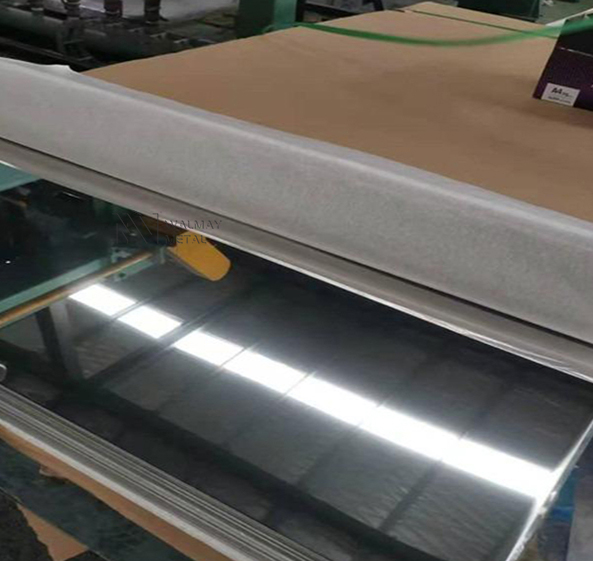
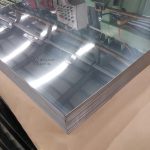
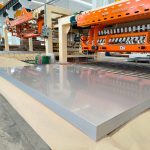
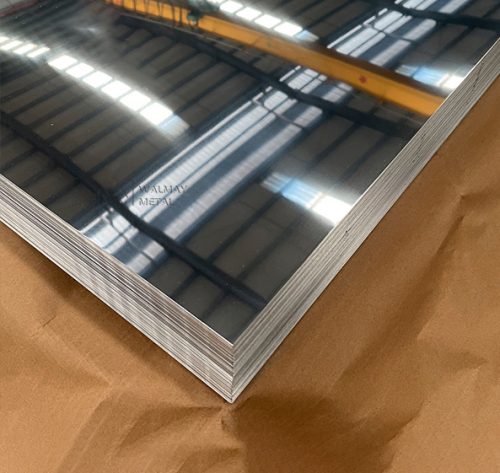
Surface Finish: Electropolished (Ra≤0.4μm) or mechanically polished (Ra≤0.8μm).
| Finish | Roughness (Ra) | Typical Use |
|---|---|---|
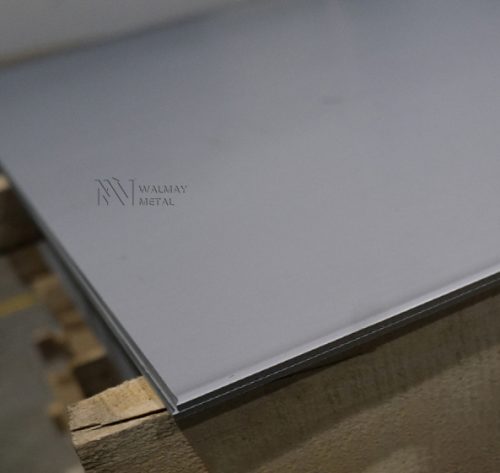
| 2B (standard mill) | ≤1.6 μm | Chemical equipment, structural, general industrial |
| BA (bright annealed) | ≤0.1 μm | Food processing, pharmaceutical, decorative |
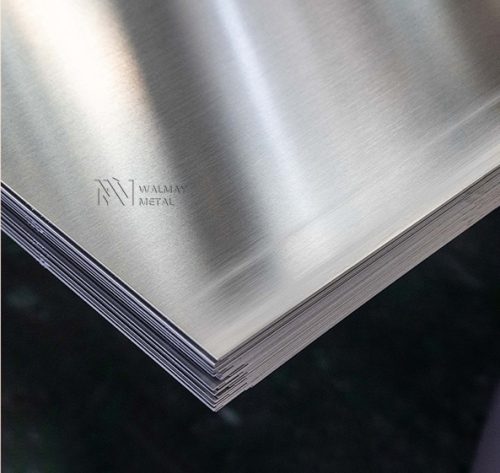
| No.4 (brushed) | ≤0.8 μm | Architectural cladding, kitchen equipment |
| Mechanically polished | ≤0.8 μm | Hygienic and cleanroom environments |
| Electropolished | ≤0.4 μm | Surgical, biopharmaceutical, GMP-regulated environments |
Custom finishes and cutting to size are available on request.
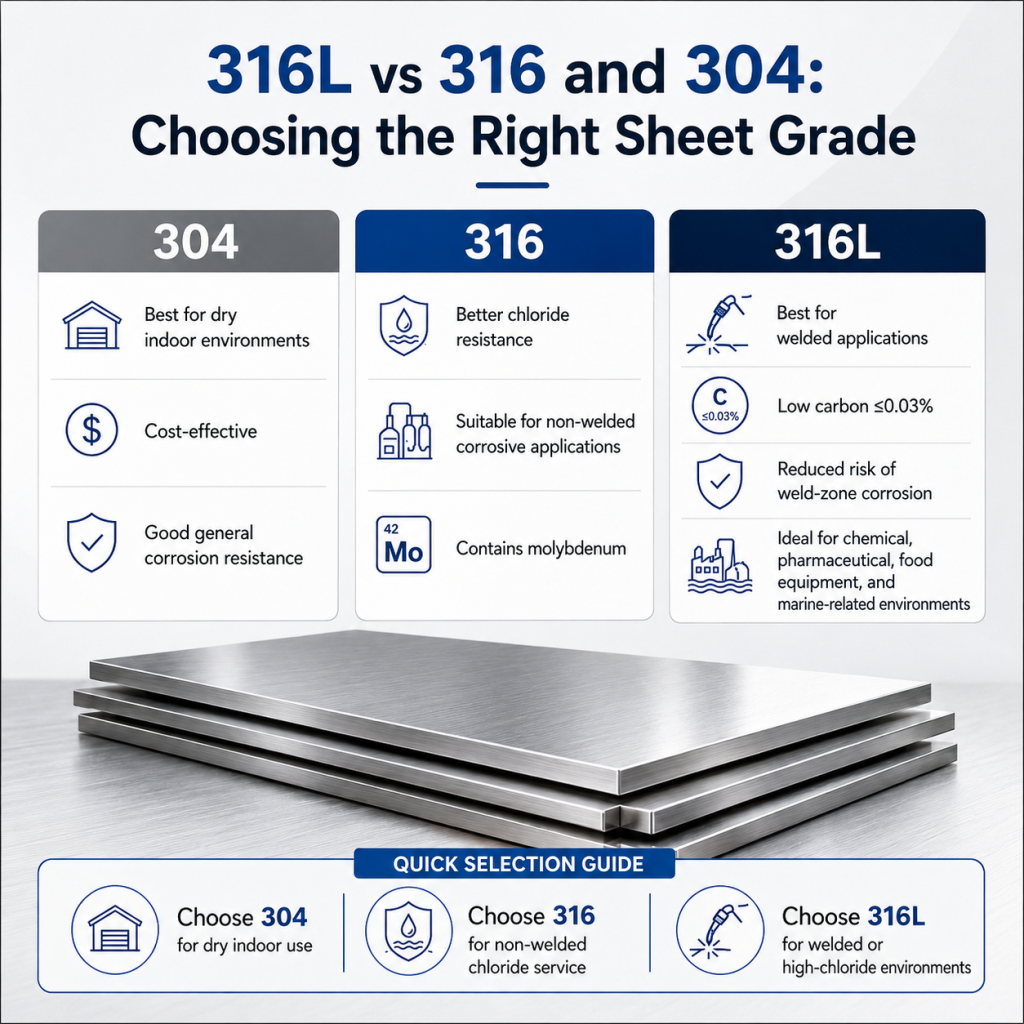
For welded applications, 316L is usually preferred over standard 316 because its lower carbon content helps reduce intergranular corrosion in weld zones. It is commonly used for chemical vessels, pharmaceutical tanks, food processing equipment, and other welded stainless steel structures.
Compared with 304, 316L offers better resistance in chloride-bearing environments such as coastal air, seawater systems, cleaning cycles, and pharmaceutical CIP/SIP processes. If the application is dry, indoor, and free from chloride exposure, 304 may be a more cost-effective option. If corrosion resistance in harsher environments is required, 316L stainless steel sheet is the safer choice.
Walmay can help review your application conditions and recommend the right stainless steel grade before production.
Still not sure which grade fits your medical/chemical application? Click yoyo@walmaygroup.com to chat with our technical manager for a free consultation.
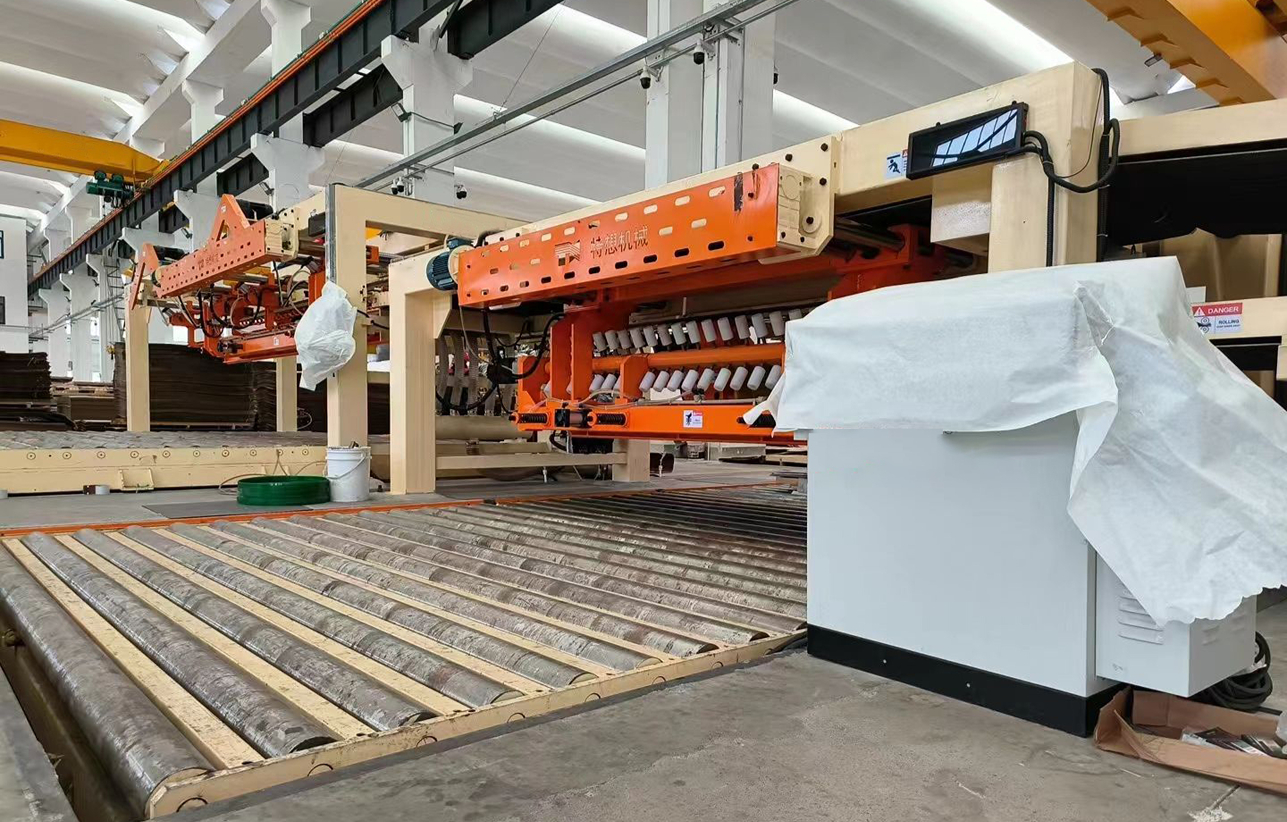
Stainless Steel Plate Bending/Stamping Process
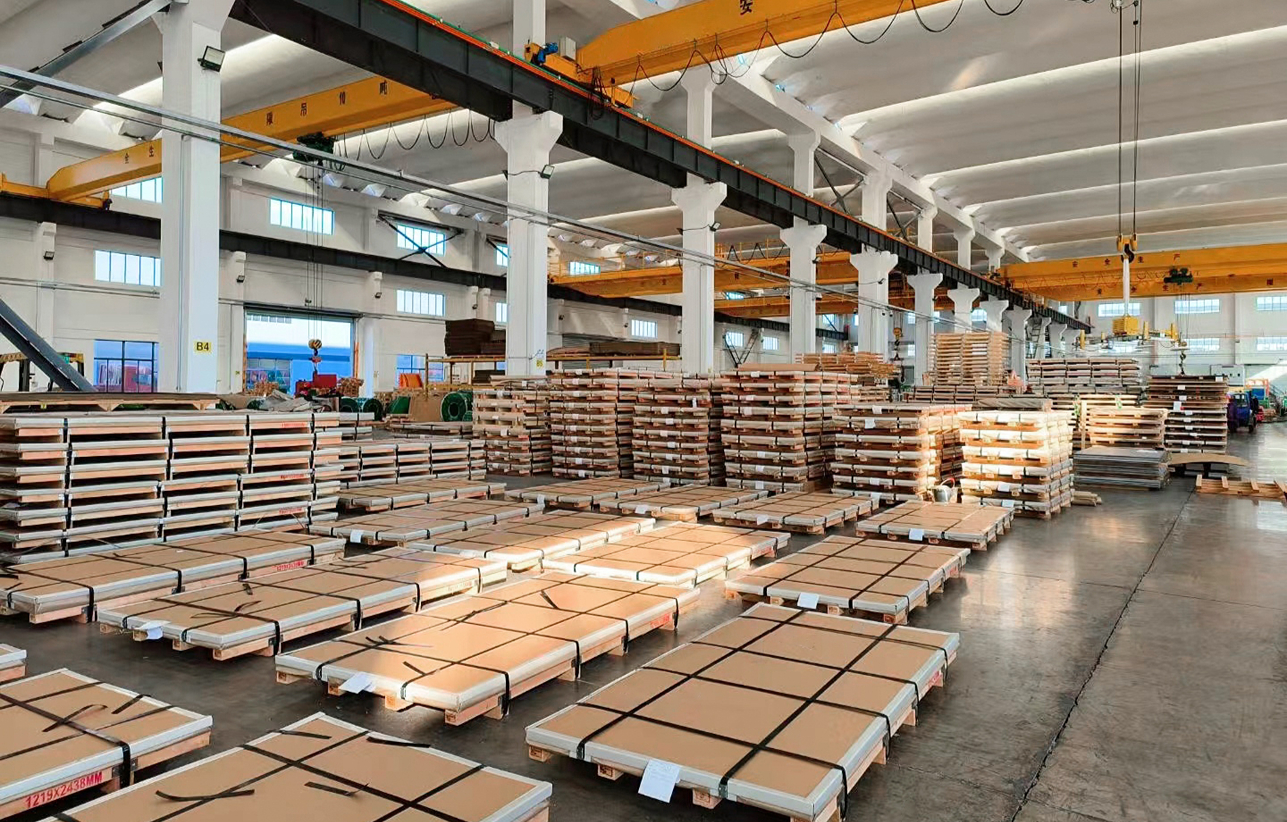
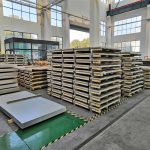
Stainless Steel Plates on Storage Rack
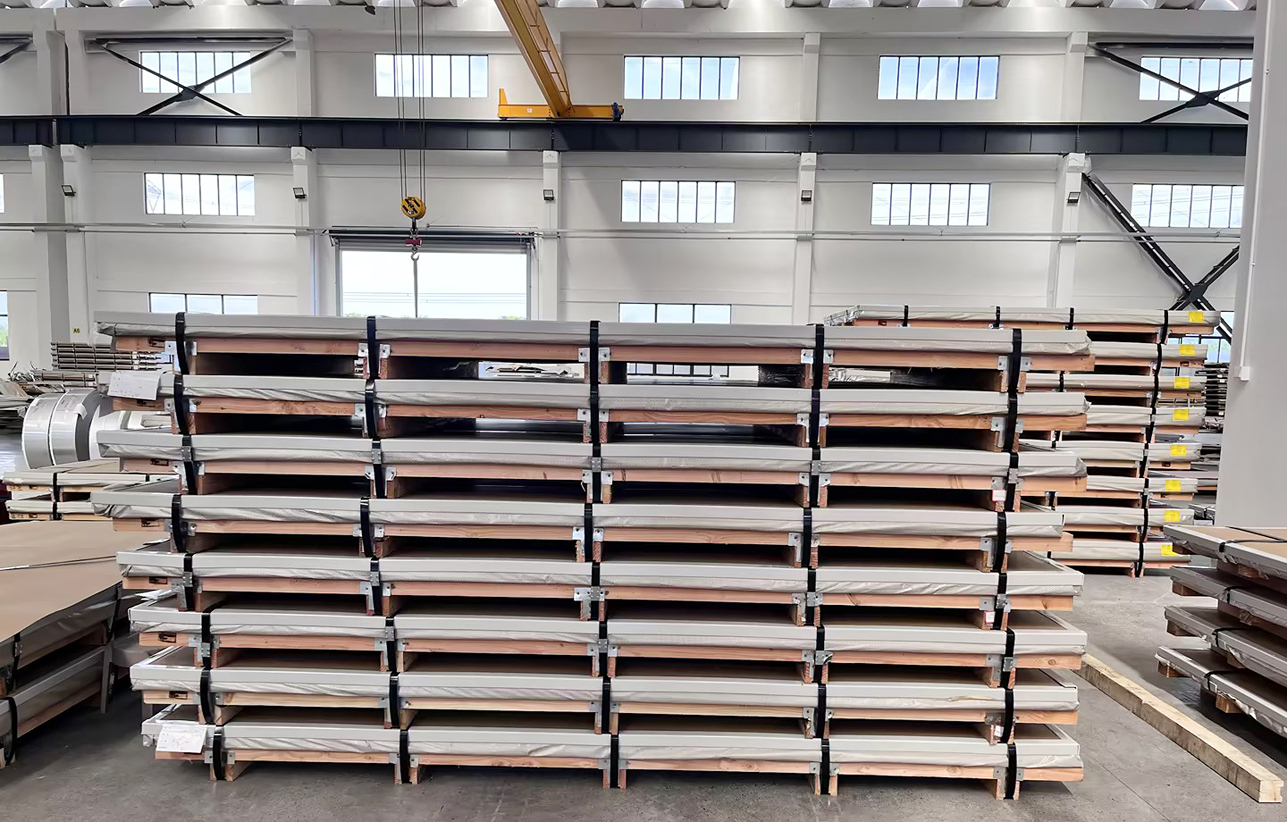
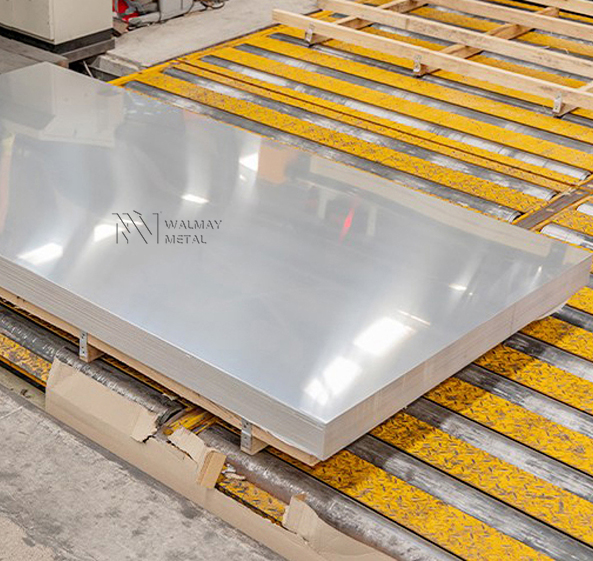
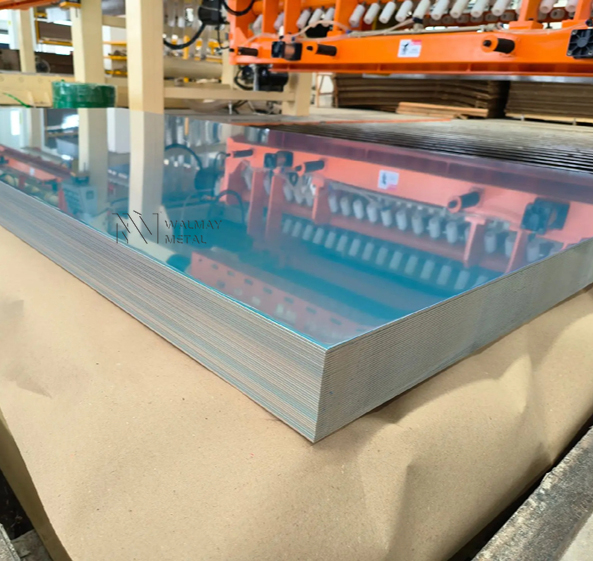
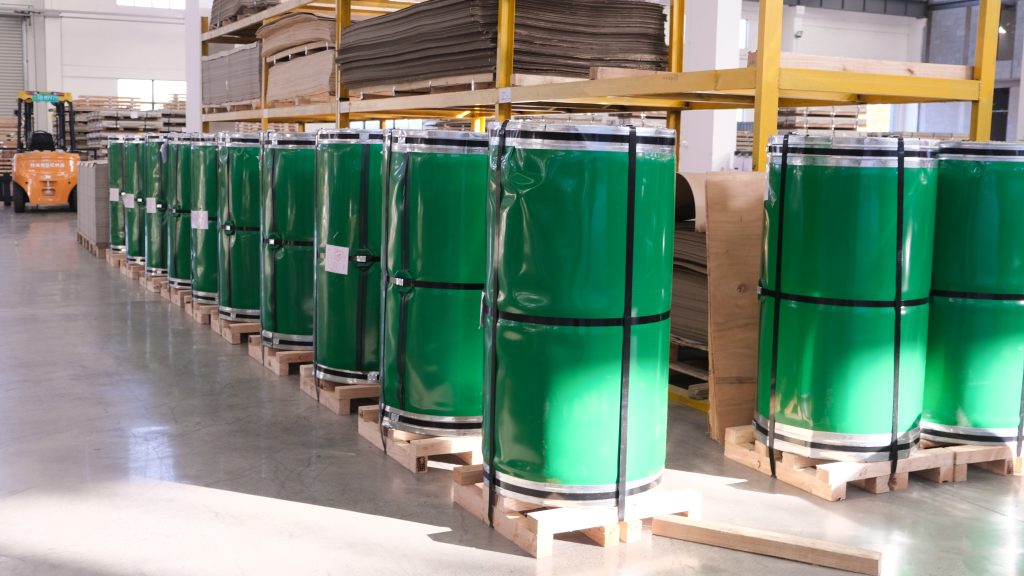
Palletized Stainless Steel Plates
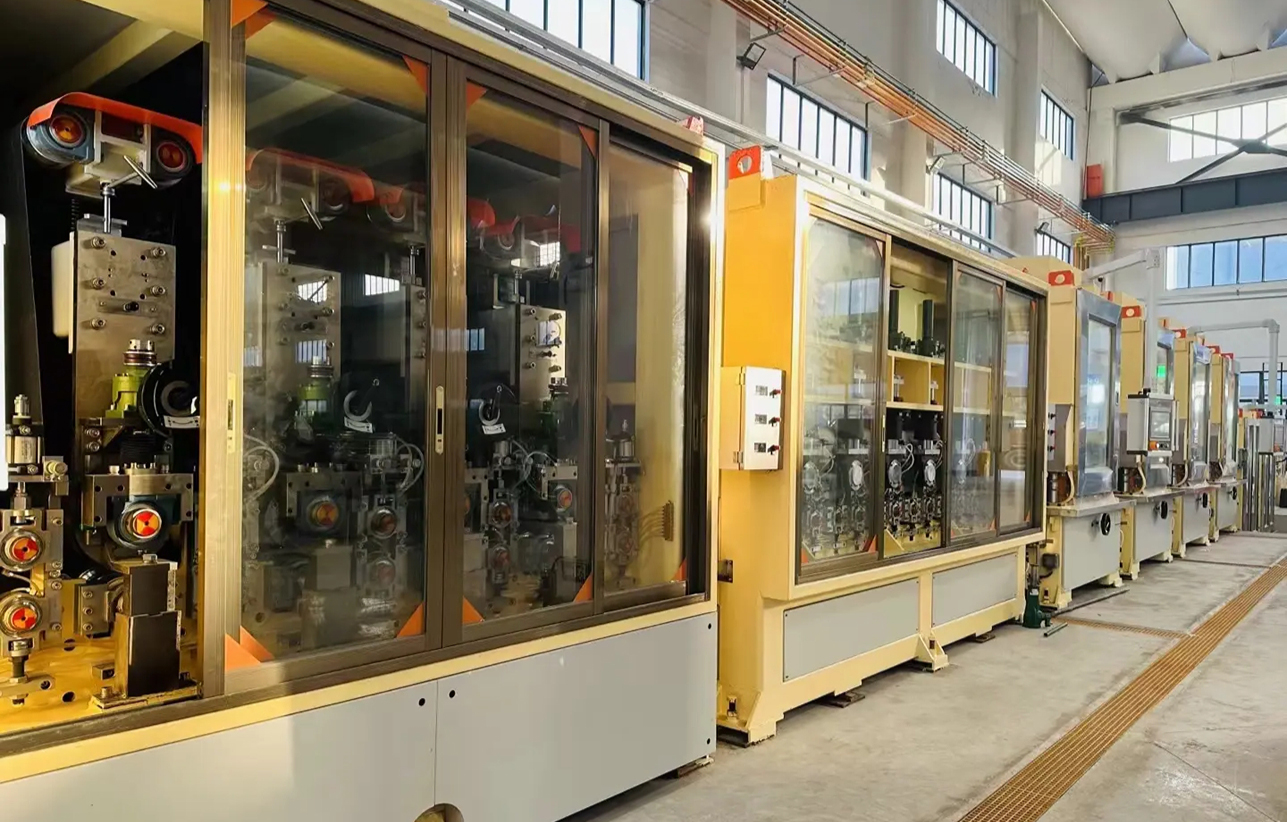
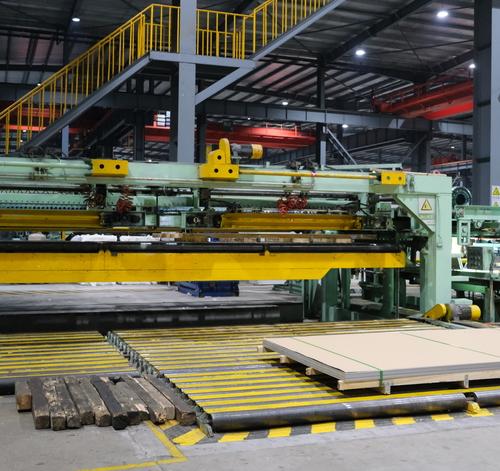
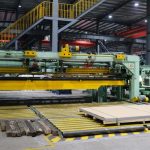
Stainless Steel Plate Rolling Line
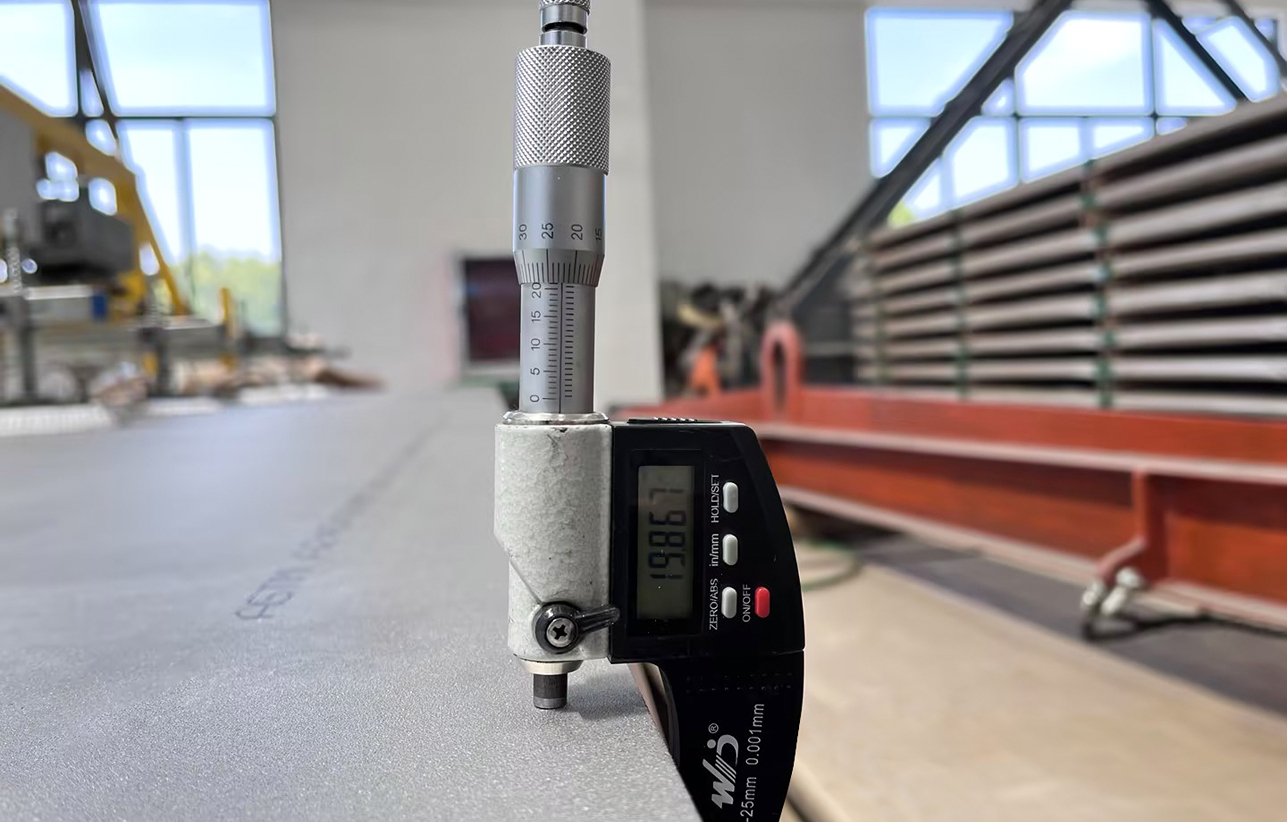
Precision Thickness Inspection of Stainless Steel Plate
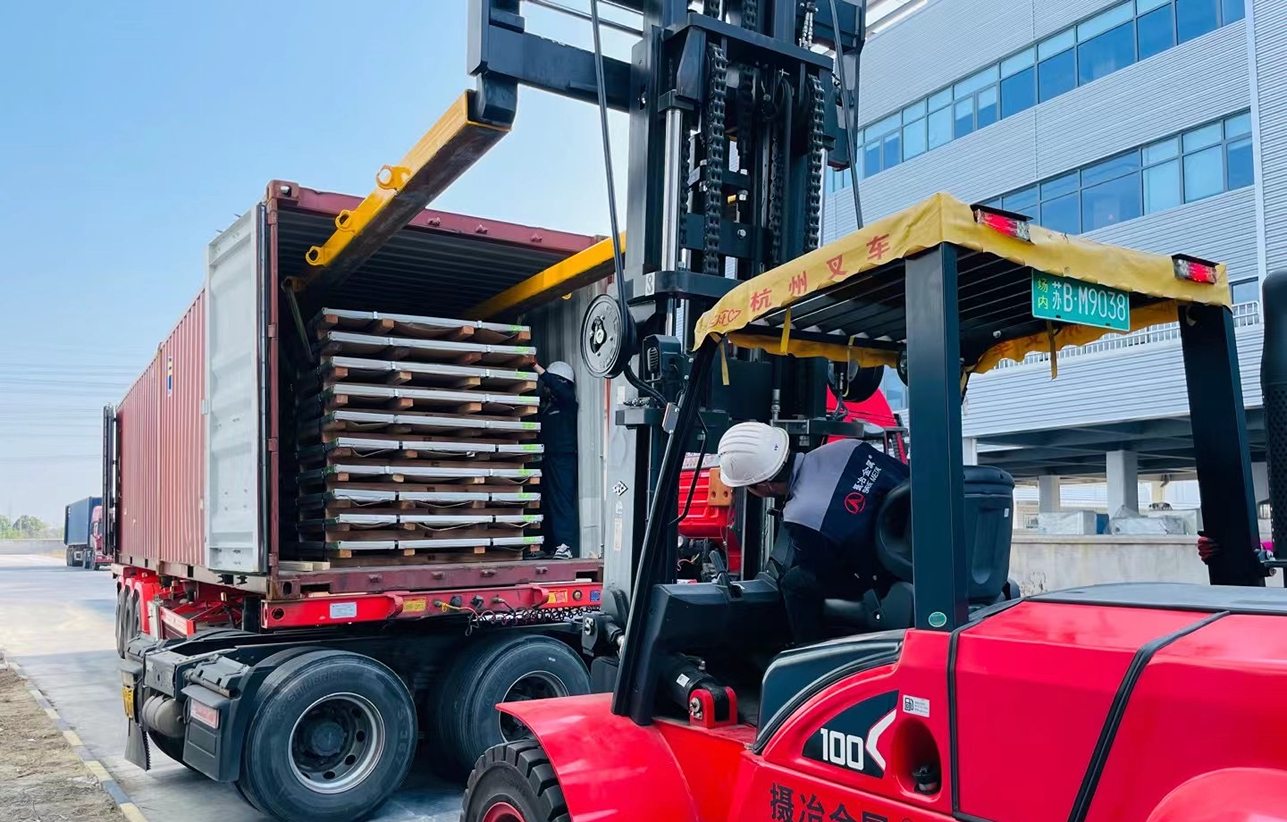
Forklift Loading Stainless Steel Plates for Shipment

Specification: 2.0mm × 1219mm
Advantage: Achieves sterilization rate of 99.99%, resistant to ≥500 disinfection cycles
Case: Mindray laparoscopic component housings used in medical device manufacturing workshops.

Specification: 3.0mm × 1500mm
Advantage: Withstands 500 cycles of autoclave sterilization at 121℃ without corrosion
Case: Weigao medical reagent storage equipment used in medical device manufacturing workshops.
Electropolishing uses a phosphoric acid–sulfuric acid system, with polishing duration of 15–20 minutes, achieving a surface roughness of Ra 0.2–0.4μm.
Each batch is supplied with biocompatibility test reports (ISO 10993-5/-10) and GMP compliance statements.

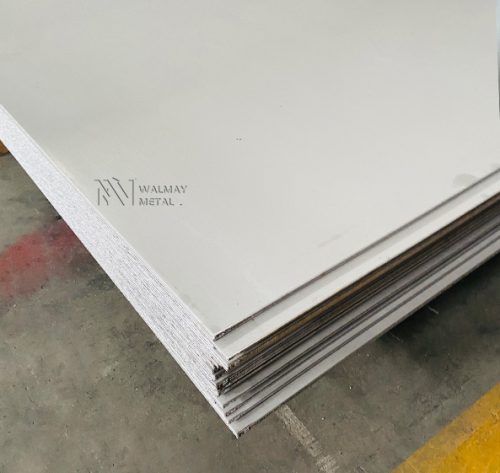




Walmay will help match the right stainless product form and specification for your application, confirm quantities and packing needs, and provide requested documents based on order requirements.
Loading form…