 By Walmay
 16 Jan, 2026
 16 Minutes Read
Steel coils are essential raw materials for modern manufacturing and construction. Before steel becomes a roof panel, automotive component, pipe, appliance housing, HVAC duct, electrical enclosure, or precision bracket, it often begins as a flat strip of metal wound into a coil.
Understanding the main steel coil uses can help engineers, manufacturers, buyers, and project managers choose the right material, improve production efficiency, and avoid unnecessary material costs.
This guide explains what a steel coil is, what steel coils are used for, the industries that rely on them, the main types available, and how to select the right coil for different manufacturing and project requirements.
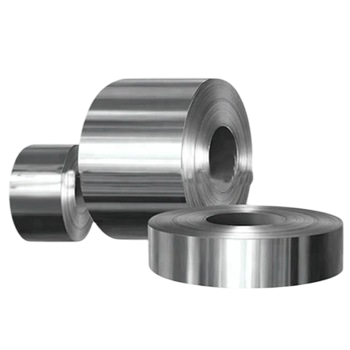
A steel coil is a continuous sheet or strip of steel wound into a roll for efficient storage, transportation, and downstream processing. Depending on the production method and material requirements, steel coils may be supplied as hot rolled, cold rolled, galvanized, coated, or stainless steel.
Instead of handling individual sheets one at a time, manufacturers can continuously feed coil material into automated production equipment. Common processing methods include slitting, cut-to-length processing, roll forming, stamping, bending, deep drawing, welding, tube forming, polishing, and surface finishing.
The appropriate steel coil type depends on factors such as grade, thickness, width, strength, formability, corrosion resistance, surface finish, dimensional tolerance, and the intended manufacturing process.
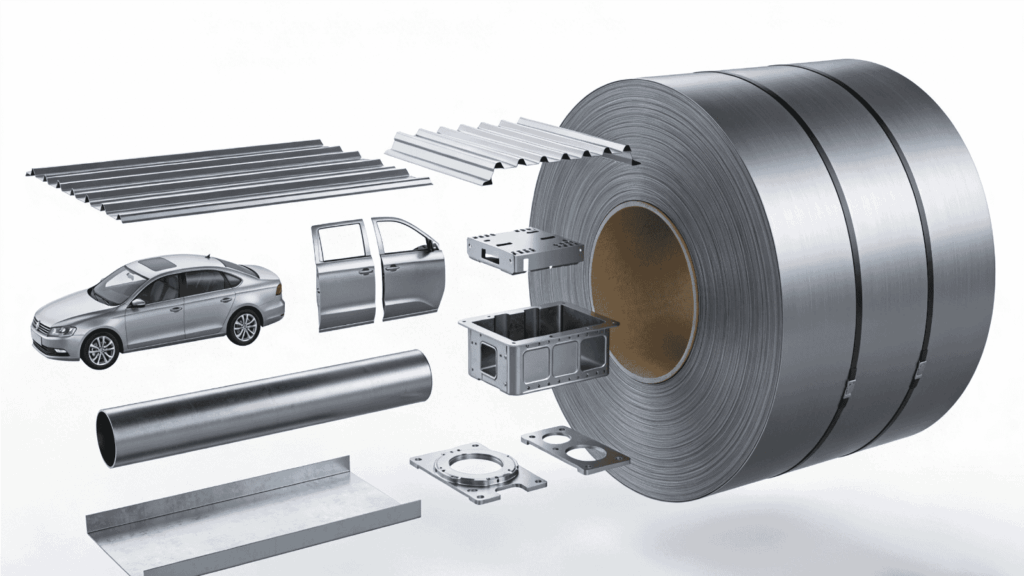
Steel coils are used to manufacture automotive components, roofing and cladding, pipes and tubes, appliances, HVAC ductwork, electrical enclosures, furniture, storage systems, stamped parts, agricultural equipment, and many other high-volume metal products. In most applications, the coil is first slit, cut, stamped, bent, welded, or roll-formed before becoming a finished component.
Common steel coil uses include:
The following sections explain how steel coils are used across major industries and what material characteristics matter for each application.
Steel coils are widely used in construction because they can be continuously processed into long, consistent profiles and sheet-metal components.
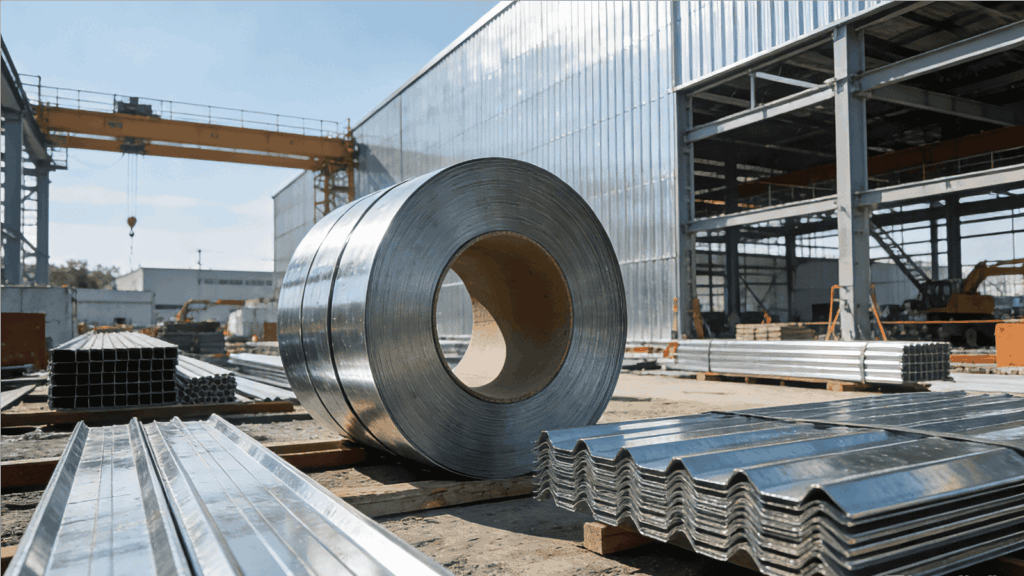
Galvanized, coated, or stainless steel coils can be roll-formed into roofing panels, wall cladding, fascia, flashing, and other building-envelope components. Continuous roll forming allows manufacturers to produce consistent profiles in long lengths while maintaining efficient material utilization.
For construction applications, buyers typically need to consider corrosion exposure, required thickness, coating or surface finish, structural requirements, outdoor service conditions, and expected service life.
Steel coils are also used to manufacture metal decking, light-gauge framing components, purlins, channels, guardrails, and other continuously formed products. The coil is uncoiled and passed through forming equipment that gradually shapes the strip into the required profile.
Where appearance and corrosion resistance are important, stainless steel coils can be processed into decorative panels, trims, elevator components, architectural features, and interior or exterior metalwork. The required stainless steel grade and surface finish depend on the installation environment and desired appearance.
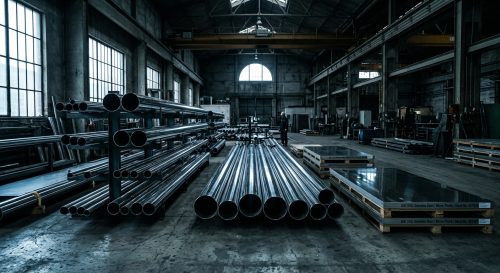
Steel coil is an important input material for welded pipe and tube manufacturing. The coil is normally slit into the required width, continuously formed into a round, square, or rectangular shape, and then welded along the seam.
Electric resistance welded tubes are commonly produced from coil material and used in structural frames, mechanical tubing, furniture, automotive components, general fabrication, and selected fluid-handling systems.
The required coil properties depend on tube dimensions, forming requirements, welding method, and final application.
Cold rolled and stainless steel coils may be selected when manufacturers require tighter dimensional control, better surface quality, or improved corrosion resistance.
Important coil characteristics for tube manufacturing include:
Reliable coil specifications help maintain stable tube-mill operation and consistent finished dimensions.
The automotive and transportation industries use steel coils extensively because coil-fed production supports high-volume stamping, forming, and fabrication.
Cold rolled and coated steel coils are commonly used for vehicle body components that require good surface quality and formability. Typical applications include doors, hoods, roof panels, fenders, and trunk components.
Consistent thickness and mechanical properties are particularly important for automated stamping operations.
Higher-strength coil materials can be formed into reinforcement parts, cross-members, brackets, rails, structural supports, and crash-management components. The appropriate material depends on the required strength, weight, formability, and safety performance of the component.
Stainless steel coil can be slit into narrow widths and processed into decorative trim, strips, moldings, and other corrosion-resistant components. For precision stamping and formed parts, manufacturers may require controlled coil width, thickness, surface finish, and edge quality.
Certain stainless steel grades are used for exhaust system and high-temperature automotive components where resistance to heat, oxidation, and corrosion is required.
Typical applications may include muffler shells, exhaust tubing, heat shields, thermal barriers, and related formed components. Material selection should be based on actual operating temperature, corrosion conditions, and fabrication requirements.
Beyond passenger vehicles, steel coil uses also extend to truck bodies, trailers, rail transportation, commercial vehicles, and other transportation equipment.
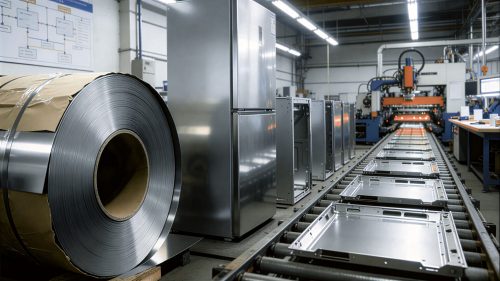
Household and commercial appliances frequently contain parts manufactured from coil material. Continuous coil processing makes it possible to produce large quantities of consistent sheet-metal components efficiently.
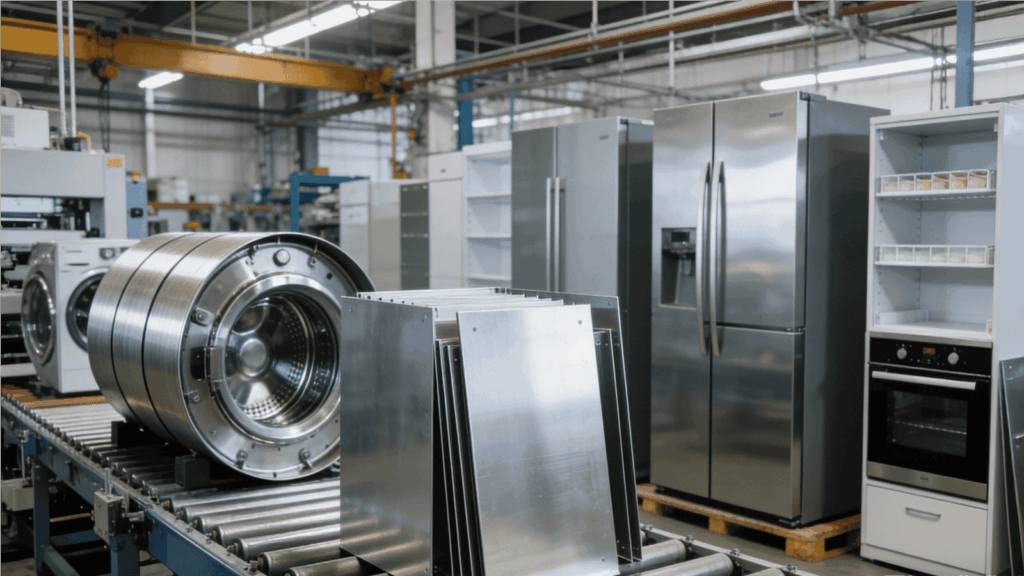
Steel coils may be used for outer cabinets, door panels, internal supports, liners, and structural frames. Depending on the component, manufacturers may select coated, galvanized, cold rolled, or stainless steel.
Common coil-derived components include drums, outer housings, internal brackets, reinforcement rings, and structural panels. Stainless steel is often considered where moisture exposure and corrosion resistance are important.
Stainless steel coils can be processed into components used in ovens, commercial kitchens, range hoods, cooking appliances, and food-contact equipment. For these applications, heat resistance, cleanability, appearance, and corrosion resistance may influence the grade and finish selection.
In appliance manufacturing, surface consistency and formability can be just as important as mechanical strength.
HVAC manufacturing is another important application area for steel coil products. Coil material can be continuously formed, cut, and fabricated into components for air-handling and ventilation systems.
Common applications include:
Galvanized steel is commonly used for many general HVAC applications because of its combination of formability and corrosion protection. Stainless steel may be selected for environments involving higher humidity, frequent cleaning, corrosive process conditions, hygiene requirements, or industrial ventilation systems.
For HVAC manufacturers, key considerations include coil thickness, coating, corrosion resistance, forming performance, and dimensional consistency.
Steel coils are used to manufacture many components found in electrical and energy infrastructure.
Cold rolled, galvanized, or stainless steel coils can be blanked, punched, bent, and welded into control cabinets, electrical enclosures, distribution boxes, equipment housings, server cabinets, and industrial control panels.
The required material depends on environmental exposure, corrosion requirements, appearance, and enclosure design.
Specialized electrical steel is supplied in coil form for applications such as transformer cores and motor laminations. These products require material properties different from conventional structural or stainless steel coils, particularly in terms of magnetic performance and electrical loss.
Steel coil-derived components may also be used in selected parts of renewable energy and power equipment, including equipment enclosures, mounting systems, support components, cabinets, brackets, and protective housings.
The exact steel type should be selected according to structural, environmental, corrosion, and fabrication requirements. Large load-bearing structures may require steel plate or other material forms rather than coil, so the appropriate product form should always be determined by the engineering requirements of the component.
Steel coils also support selected packaging, food-processing, and food-service applications. Specialized coated steel products such as tinplate and other packaging steels are used in certain metal container applications.
Stainless steel coils, meanwhile, are widely used for equipment and components where hygiene, cleanability, and corrosion resistance are important.
Typical applications include:
Material used in direct food-contact applications must comply with the relevant requirements for the intended market and application. Grade selection should therefore consider not only corrosion resistance but also cleaning methods, operating environment, fabrication process, and applicable regulatory requirements.
Steel coils are widely processed into components for commercial, office, industrial, and residential furniture.
Typical applications include:
Coil-fed stamping and forming make it possible to manufacture these products efficiently and consistently. Cold rolled steel is often selected where manufacturers require smooth surfaces and good dimensional accuracy, while coated or stainless steel may be used where additional corrosion resistance or appearance is required.
Agricultural equipment operates in environments involving moisture, dirt, abrasion, weather exposure, and repeated mechanical loads. Steel coil products may be processed into selected components such as equipment panels, covers, brackets, guards, housings, and formed structural components.
Different applications may require carbon steel, coated steel, galvanized steel, or stainless steel depending on the environment and performance requirements. Protective coatings and appropriate material selection can help improve corrosion resistance and reduce maintenance requirements.
For heavier load-bearing parts, steel plate or other heavier material forms may be more suitable than coil products.
Many smaller industrial components are manufactured directly from coil using progressive stamping and other automated forming processes.
Steel coils can be stamped into mounting brackets, clips, clamps, connector plates, and support components used across machinery, automotive manufacturing, construction, furniture, and electrical equipment.
Specialized spring steel and stainless steel strip can be used for flat springs, retaining clips, contact springs, and other elastic components. Material selection depends on fatigue resistance, hardness, elasticity, and corrosion requirements.
Coil material can also be processed into hinges, latches, catches, fastener components, and small precision hardware. Continuous coil feeding is particularly suitable for high-volume progressive stamping because it supports automated production with consistent material dimensions.
Many products can theoretically be manufactured from either steel coils or individual sheets. For high-volume and continuous production, however, coils offer several practical advantages.
The actual benefits depend on production volume, equipment configuration, part geometry, and manufacturing process.
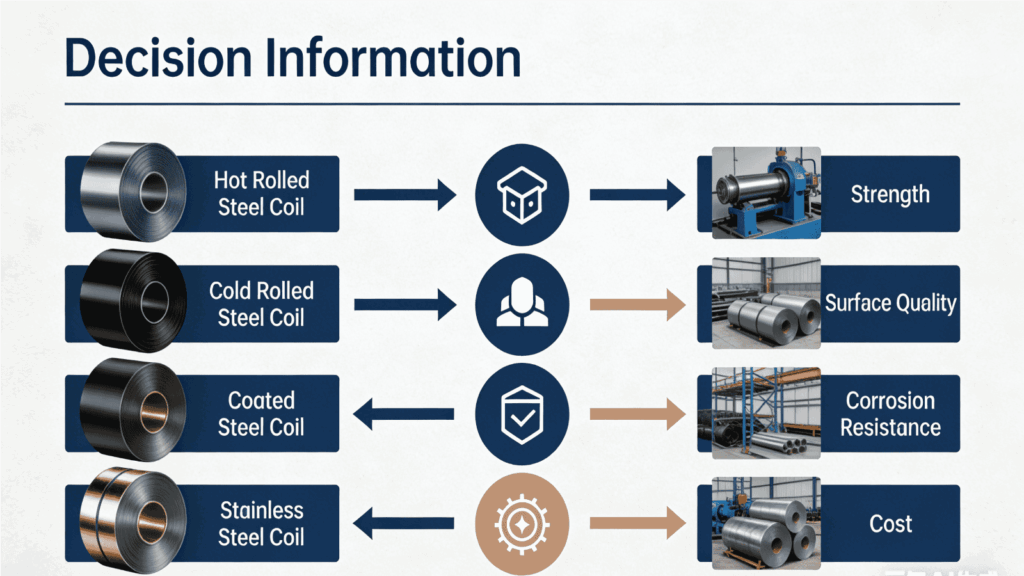
Choosing the right steel coil requires more than identifying the application. Buyers should consider the required corrosion resistance, strength, surface quality, thickness tolerance, forming process, operating environment, and final appearance.
| Steel Coil Type | Key Characteristics | Common Applications |
|---|---|---|
| Hot Rolled Steel Coil | Suitable for heavier gauges and general structural processing | Structural components, heavy fabrication, formed parts |
| Cold Rolled Steel Coil | Smooth surface and tighter dimensional control | Appliances, automotive parts, furniture, precision components |
| Galvanized or Coated Steel Coil | Additional corrosion protection or finished appearance | Roofing, cladding, HVAC, outdoor products |
| Stainless Steel Coil | High corrosion resistance with multiple grades and finishes | Food processing, chemical equipment, automotive, industrial and architectural applications |
Hot rolled steel coils are processed at high temperatures and are commonly selected when heavier gauges, general formability, and cost efficiency are more important than a highly refined surface.
Typical applications include structural components, general fabrication, formed industrial parts, and construction products. The required specification depends on mechanical properties, dimensional requirements, and downstream processing.
Cold rolled steel coils undergo additional processing that provides improved surface quality and tighter dimensional control compared with typical hot rolled products.
Common applications include appliance components, automotive parts, furniture, cabinets, and precision stamped parts. Cold rolled material is often selected where appearance, dimensional consistency, or controlled forming performance is important.
Galvanized and coated steel coils combine the formability of flat steel with additional protection against corrosion. Typical applications include roofing, wall cladding, HVAC components, fencing, outdoor products, and equipment housings.
Selection should consider the expected environment, coating system, fabrication method, and service life.
Stainless steel coils are selected where corrosion resistance, hygiene, durability, heat resistance, or decorative appearance is important.
Common applications include food-processing equipment, chemical-processing equipment, medical and laboratory equipment, automotive components, industrial fabrication, transportation, architectural components, and commercial kitchens.
Different stainless steel grades provide different combinations of corrosion resistance, strength, formability, heat resistance, and cost. Surface finishes may also be selected according to manufacturing and appearance requirements.
The grade determines the chemical composition and influences properties such as corrosion resistance, strength, formability, heat resistance, and weldability. The appropriate grade should be selected according to the final application and service environment.
Coil dimensions must be compatible with the product design, production equipment, tooling, and forming process. Using material dimensions that closely match downstream requirements can help reduce unnecessary processing and scrap.
Strength, hardness, elongation, and ductility can influence how the material behaves during stamping, bending, drawing, and forming.
Surface requirements depend heavily on the final product. Industrial internal components may prioritize function, while architectural, appliance, and decorative products may require controlled surface appearance.
Consider exposure to moisture, salt, chemicals, cleaning agents, outdoor environments, and high temperatures. The service environment is one of the most important factors when deciding between carbon steel, coated steel, and stainless steel.
Automated manufacturing lines may require tighter control of thickness, width, flatness, and edge condition. These factors can directly affect production stability and finished-part consistency.
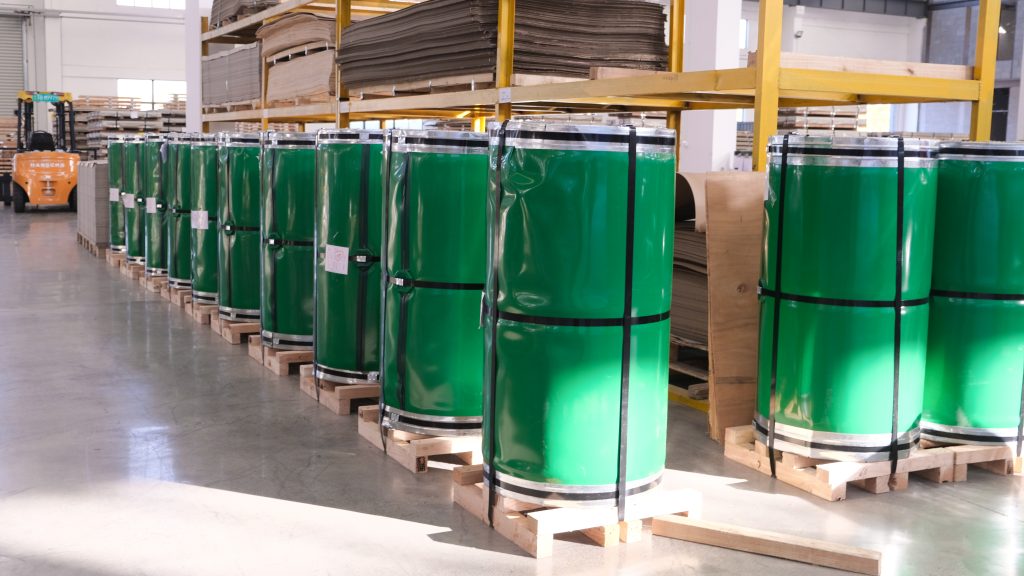
Before ordering coil material, determine whether downstream services are required, such as slitting, cut-to-length processing, polishing, surface finishing, or protective film application. Matching coil specifications to the actual manufacturing process can simplify downstream production.
A practical steel coil selection process can be divided into five steps.
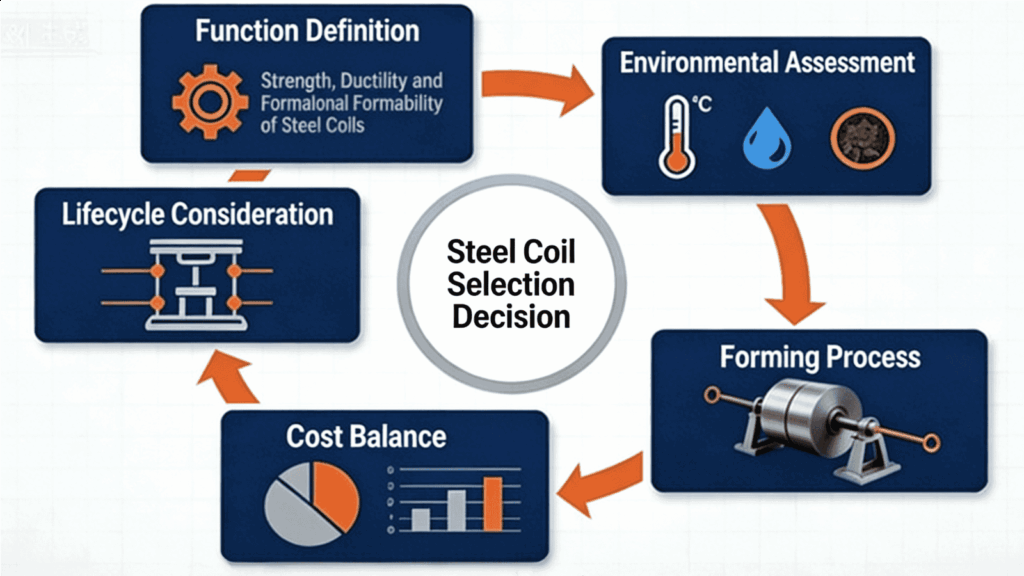
Clear specifications reduce the risk of receiving material that does not match downstream production equipment or project requirements.
A steel coil is a continuous sheet or strip of steel wound into a roll. It can be supplied as hot rolled, cold rolled, galvanized, coated, or stainless steel and processed through slitting, cutting, stamping, roll forming, bending, and welding.
Steel coils are used to manufacture automotive parts, roofing and cladding, pipes and tubes, appliances, HVAC ductwork, electrical cabinets, furniture, stamped components, agricultural equipment, and many other industrial products.
Major steel coil applications can be found in construction, automotive manufacturing, appliance production, HVAC, pipe and tube manufacturing, electrical equipment, furniture, general metal fabrication, and selected food-processing and packaging applications.
Steel coil is continuous sheet or strip material supplied in a wound roll, while steel sheet is supplied as individual flat pieces. Coils are well suited to continuous processes such as slitting, roll forming, tube production, and progressive stamping. Individual sheets may be more practical for lower-volume fabrication or parts processed separately.
Stainless steel coil is commonly selected when corrosion resistance, hygiene, heat resistance, durability, or decorative appearance is important. Typical applications include food-processing equipment, chemical equipment, industrial fabrication, automotive components, commercial kitchens, and architectural products.
The appropriate stainless steel grade depends on the operating environment and fabrication requirements.
Start by defining the final application, service environment, forming method, strength requirements, corrosion exposure, required dimensions, and surface finish. Then select the steel type, grade, thickness, width, tolerance, and processing method that best match those requirements.
Steel coil is a foundational material used throughout modern manufacturing. From automotive parts and construction products to pipes, appliances, HVAC systems, electrical enclosures, furniture, and precision stamped components, steel coils provide an efficient starting material for a wide range of industrial production processes.
However, different applications require different coil specifications. Hot rolled steel may be suitable for general structural and heavier fabrication requirements, while cold rolled steel offers improved surface quality and dimensional control. Galvanized and coated coils provide additional corrosion protection, while stainless steel coils are commonly selected for demanding environments where corrosion resistance, hygiene, durability, heat resistance, or appearance is important.
The best steel coil is therefore not simply the strongest or most expensive option. It is the material that matches the required grade, thickness, width, surface finish, mechanical properties, corrosion resistance, and downstream manufacturing process.
By defining these requirements before purchasing, manufacturers can select steel coils more efficiently, improve production consistency, and avoid unnecessary material or processing costs.
 Industry Knowledge
 Industry Knowledge
 Industry Knowledge
Walmay will help match the right stainless product form and specification for your application, confirm quantities and packing needs, and provide requested documents based on order requirements.
Loading form…