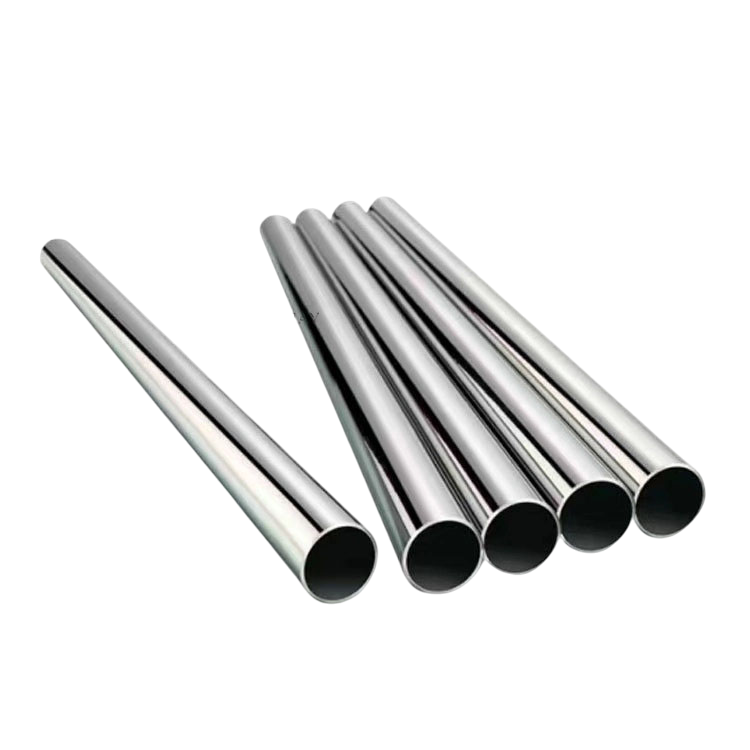
Stainless Steel Tube & Pipe

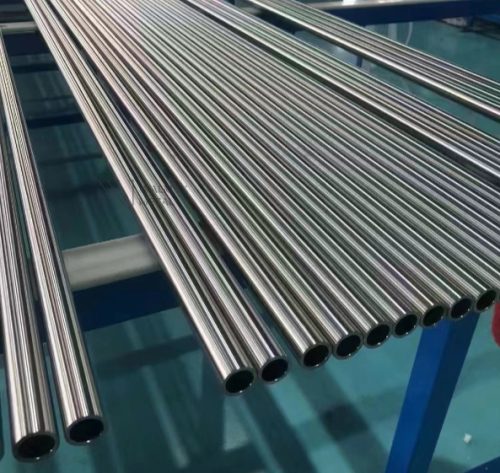
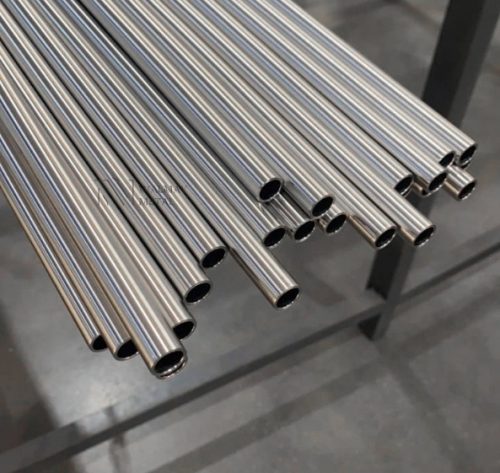
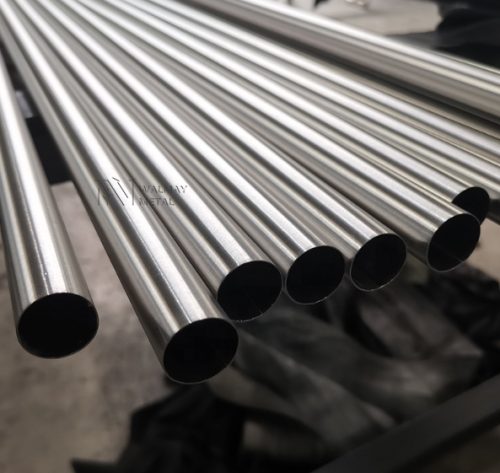
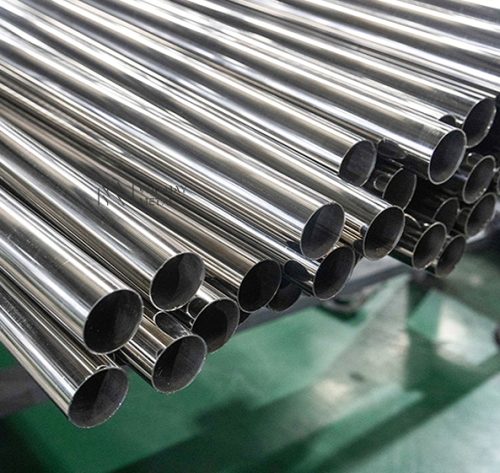
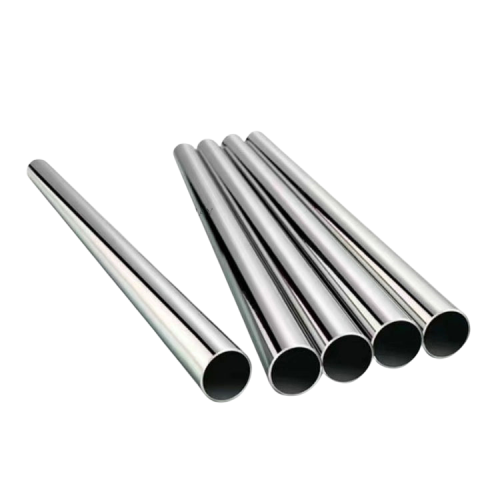
Walmay is a direct stainless steel tube supplier and manufacturer, shipping 304, 316L, 2205, 310S, and 904L grades in seamless and welded form to 108+ countries. Sizes cover OD 3–630 mm with wall thicknesses from 0.5–20 mm, available in NO.1, 2B, BA, and HL finishes, with cut-to-size processing, passivation, and SGS/ISO-certified documentation — delivered without intermediary markups.

Stainless Steel Tube & Pipe Featured Image
Filter by Form
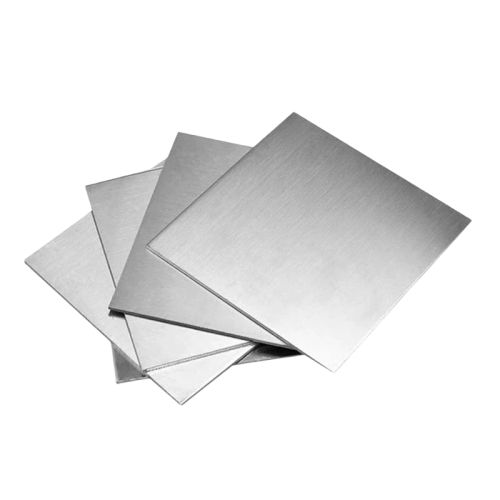
  • Plate & Sheet Supplier
  • Tube & Pipe
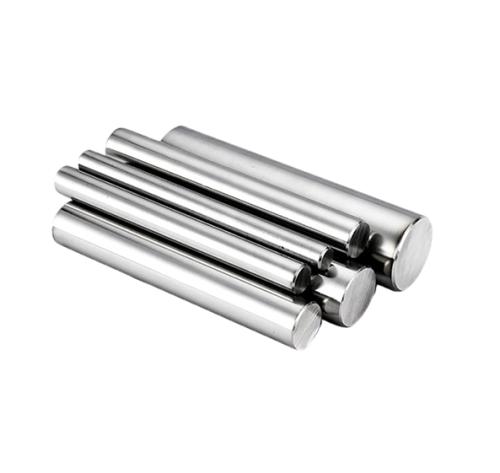
  • Bar & Rod
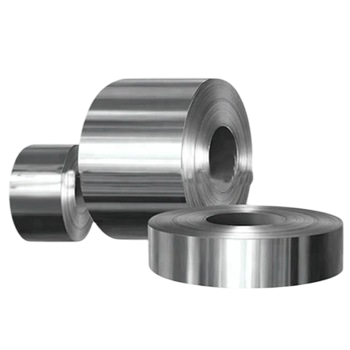
  • Coil Processing Options
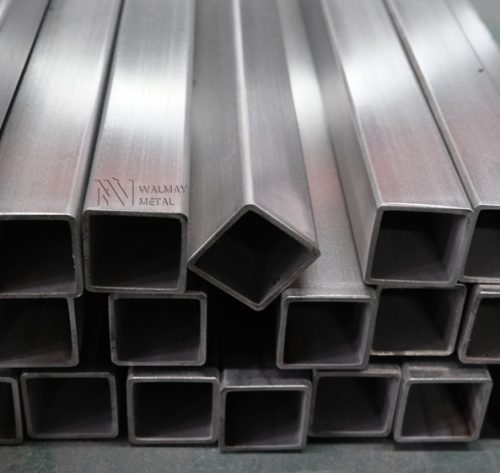
  • Profiles
Filter by Grade Family
  • Austenitic Grades
  • Duplex Grades
  • Ferritic Grades
  • Martensitic Grades
  • Precipitation Hardening Grades
Filter by Rolling Condition
  • Cold Rolled
  • Hot Rolled

Reset Filters

Stainless Steel Tube & Pipe

Seamless Stainless Steel Pipe — Grades, Sizes & Standards

Walmay supplies seamless stainless steel pipe produced by hot-piercing and cold-rolling/drawing, conforming to ASTM A312 / SA312, ASTM A213 (boiler and heat exchanger tubes), and ASTM A269 (general-service tubes). Seamless construction eliminates the longitudinal weld seam, making these pipes the standard choice for high-pressure systems, cyclic-load service, and corrosive media where weld-zone risk must be controlled.


Attribute Seamless Specification
Grades 304, 304L, 316L, 321, 2205, 310S, 904L
Outside Diameter 6–219 mm standard; precision 3–25 mm; large bore to 630 mm on order
Wall Thickness 0.8–20 mm; Schedules 10S, 40S, 80S available
Length 6 m standard; 1–12 m cut-to-order; coil form ≤38 mm OD
Finish 2B, BA, AP (pickled-annealed), bright annealed
Standards ASTM A312 / SA312 (austenitic); ASTM A790 (2205 duplex); ASTM A213 (boiler/HX tubes)
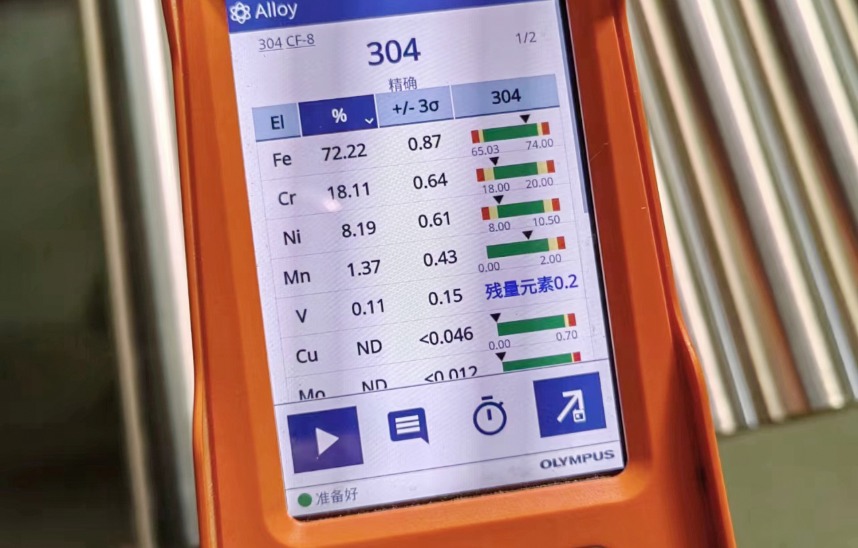
Testing Hydrostatic, eddy-current, ultrasonic, PMI on request

Seamless stainless steel pipe is specified when operating pressure exceeds 10 MPa, when service involves thermal cycling, or when the medium is aggressive — chlorides, concentrated acids, or steam. For sanitary or architectural lines where surface finish is the primary requirement, TIG-welded pipe with a leveled inner weld is often the more cost-effective solution; Walmay supplies both.

Request a datasheet or quick quote for your specific OD, grade, and schedule.

Why Choose Walmay as Your Stainless Steel Pipe Exporter

Engineered for endurance

Pipes and tubes meet ASTM A312 / SA312 with high pressure resistance (up to 20 MPa for 304/316L ranges) and proven corrosion performance.

Tailored to your system

From 316L chemical pipelines with smooth IDs to 304 decorative railing tubes in OD 12–630 mm, we align specs to flow, finish, and safety needs.

Certified quality, delivered on time

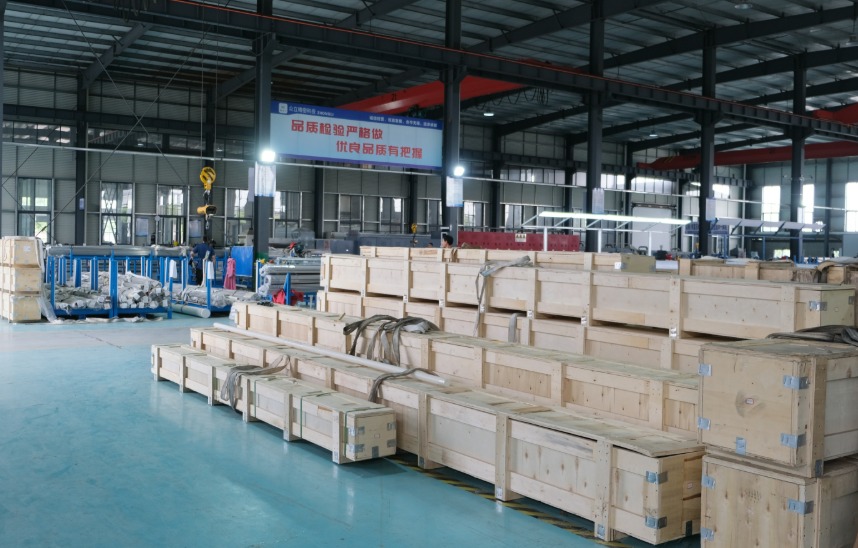
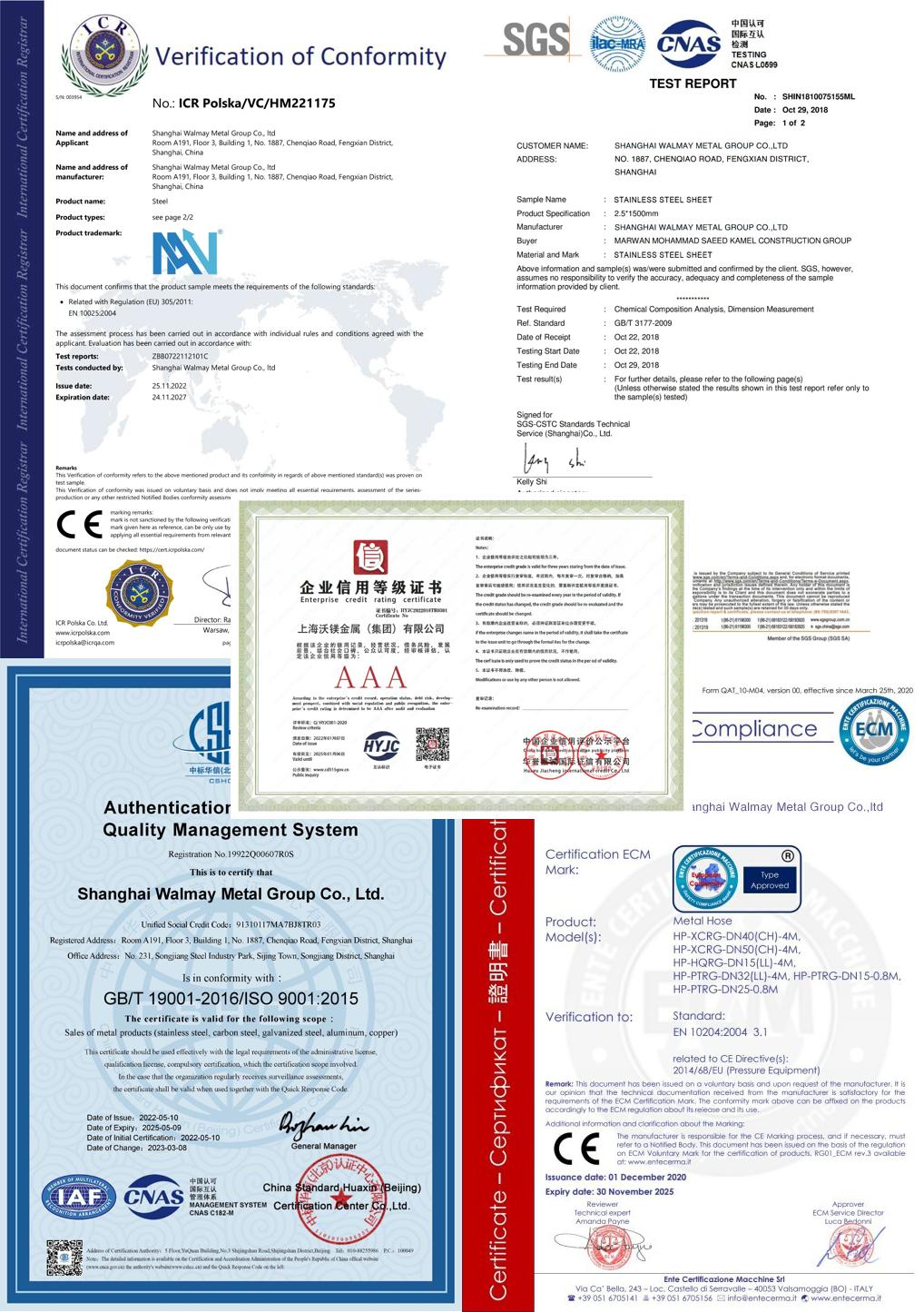
ISO 9001 + SGS material reports, stable inventory (WT 0.5–20 mm) and logistics coverage via our five subsidiaries (e.g., Shanghai, Wuxi).

Collaborative project support

Free technical consultation, fast response 24/7, documentation packages for audits and commissioning.

Pipe & Tube Dimensions for Corrosive Service

Item Range / Options
Outside Diameter (OD) 3–630 mm (sanitary: 10–108 mm; precision: 3–25 mm)
Wall Thickness (WT) 0.5–20 mm (common: 0.8 / 1.2 / 1.5 / 2.0 / 3.0 / 4.5 / 6.0 mm)
Length 1–12 m (standard 6 m & 12 m), coil available ≤ 38 mm OD
Finishes NO.1 / 2B / BA, brushed / HL, mechanical / electropolish
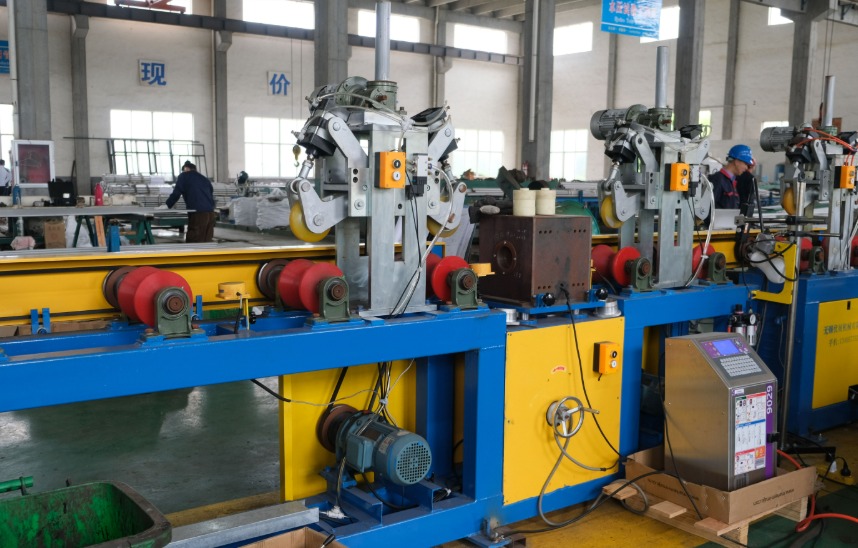
Processes Seamless (piercing / rolling), TIG / ERW welded, leveling, passivation
Tests & Docs Hydrostatic / helium leak (as specified), roughness report, MTC, ISO / SGS

Note: Actual pressure/temperature ratings vary by grade, OD/WT, weld vs seamless, and finish; consult Walmay for a verified datasheet per line class.

ASTM A312 / ASME SA312 Stainless Steel Pipe Schedule Chart

All Walmay stainless steel pipes are available per ASTM A312 / ASME SA312. Reference dimensions for seamless and welded austenitic stainless steel pipe:


NPS OD (in) OD (mm) Sch 10S WT (in) Sch 40S WT (in) Sch 80S WT (in)
1/40.54013.720.0650.0880.119
3/80.67517.150.0650.0910.126
1/20.84021.340.0650.1090.147
3/41.05026.670.0650.1130.154
11.31533.400.0650.1330.179
1-1/41.66042.160.0650.1400.191
1-1/21.90048.260.0650.1450.200
22.37560.330.0650.1540.218
2-1/22.87573.030.0830.2030.276
33.50088.900.0830.2160.300
44.500114.300.0830.2370.337
66.625168.280.1090.2800.432
88.625219.080.1090.3220.500
1010.750273.050.1340.3650.594
1212.750323.850.1560.3750.688

Custom OD (3–630 mm) and wall thickness outside standard schedules are available on request. Contact Walmay for a verified datasheet per line class.

Common Uses for Corrosion-Resistant Pipe & Tube

  • Process & Utilities

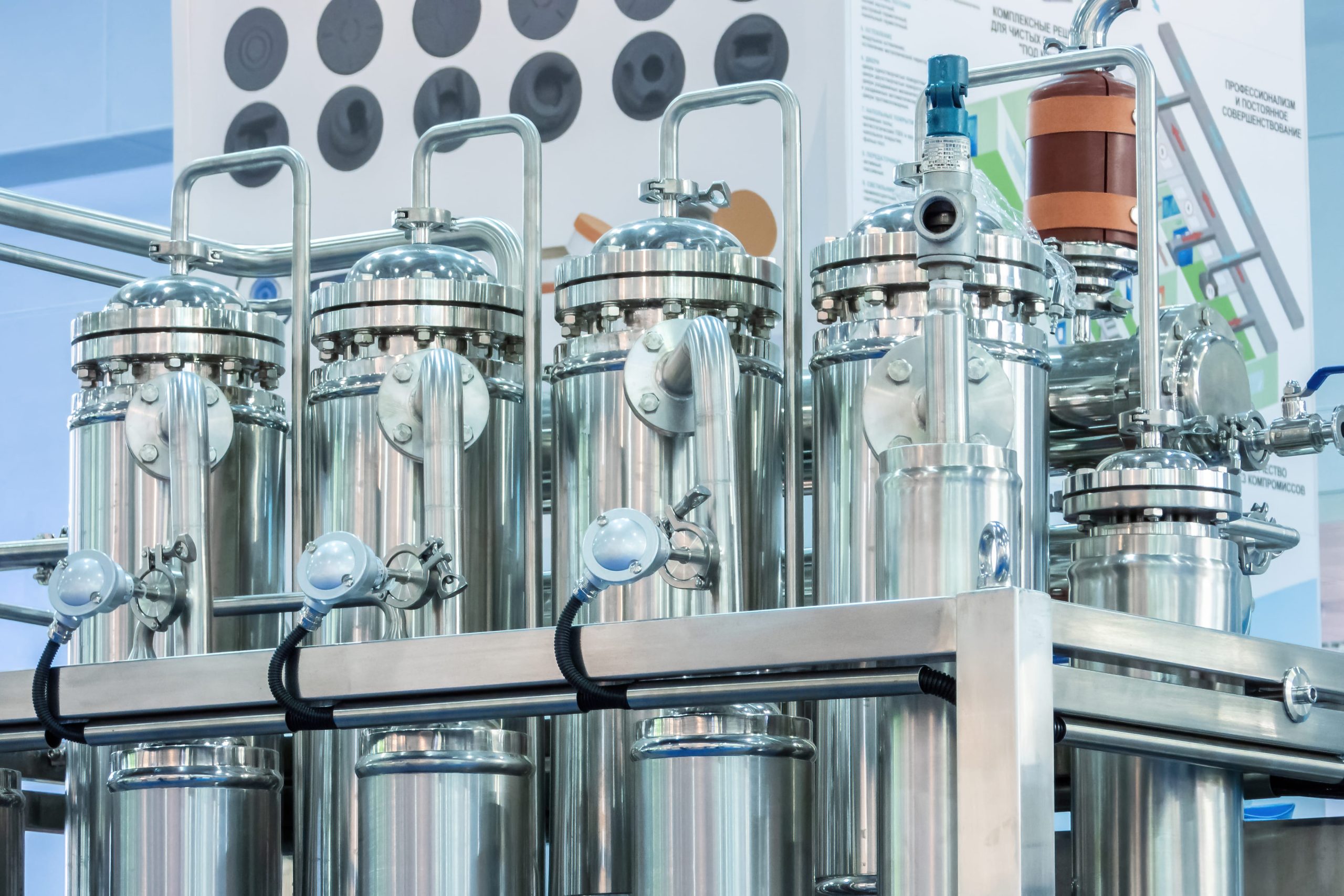
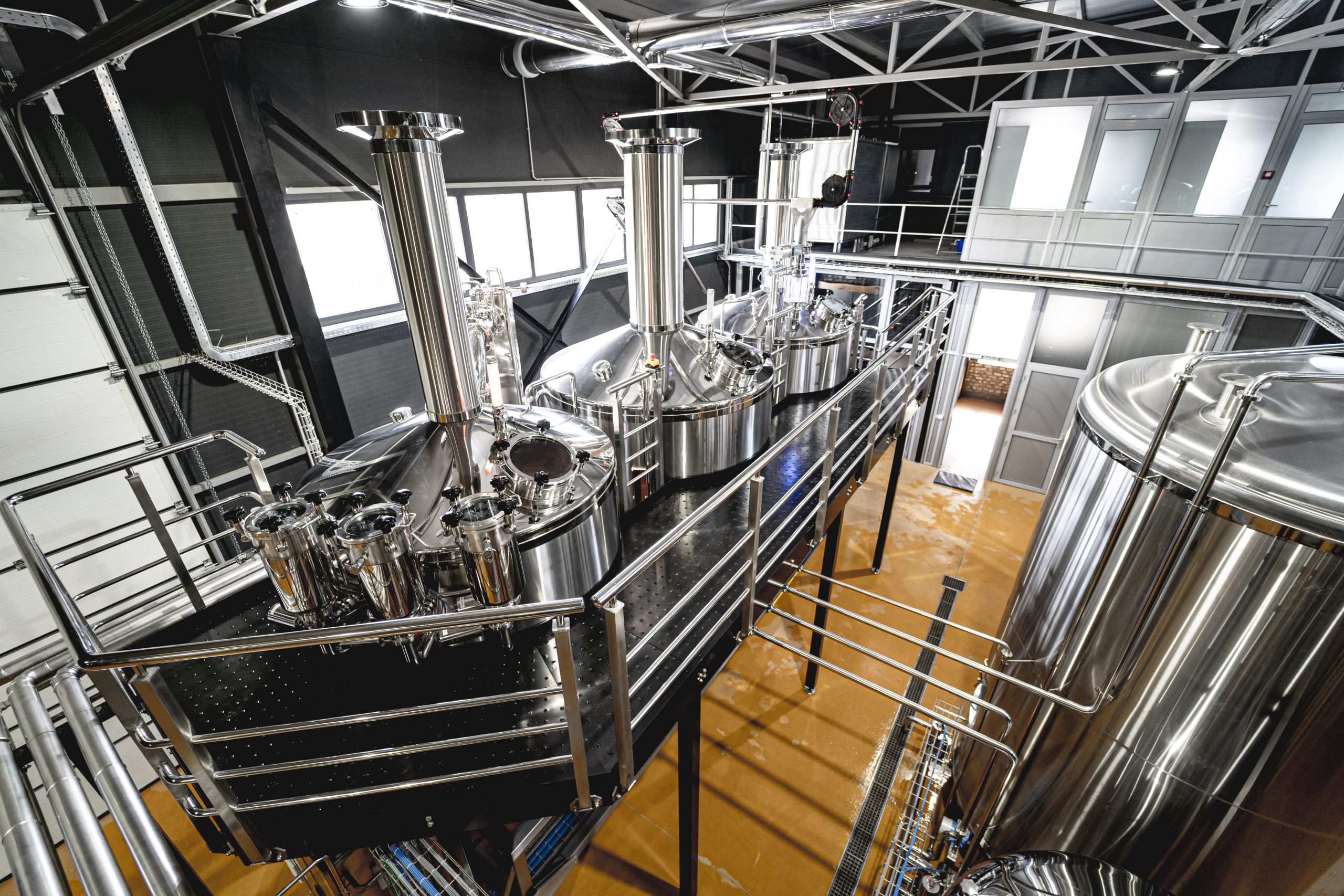
    Chemical transfer, steam/condensate, CIP/SIP sanitary loops

  • Water & Marine

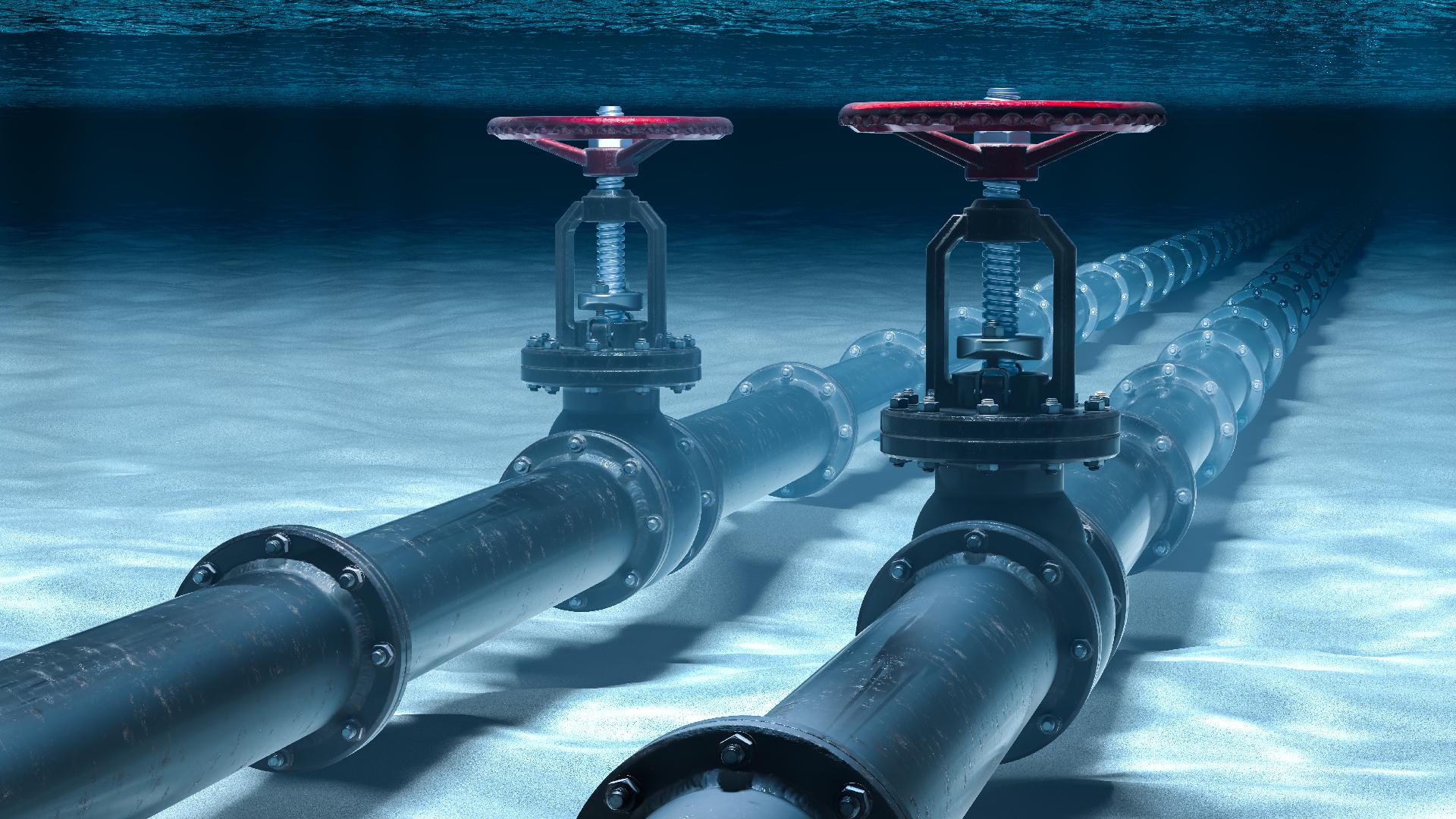
    RO/desalination, seawater lines, potable water distribution, heat-exchange coils

  • Energy & Power

    Superheaters, furnace tubes, balance-of-plant piping

  • Architecture & Fabrication

    Handrails, frames, canopies, decorative profiles

  • Precision & Instrumentation

    Sleeves, sensor housings, semiconductor gas lines

How to Select the Corrosion-Resistant Steel Pipe Tube

Medium & Corrosion Type

  • Chlorides/sea water → 316L / 2205 / 904L / 444

  • Non-oxidizing acids → 904L / 317L

  • Food contact & hygiene → 304 sanitary (Ra ≤ 0.6 μm), BA/electropolish

Pressure & Temperature

  • High pressure → seamless 316L / 2205

  • ≥ 800 °C service → 310S / 321

Finish & Roughness (Ra)

  • Sanitary/precision → BA + electropolish
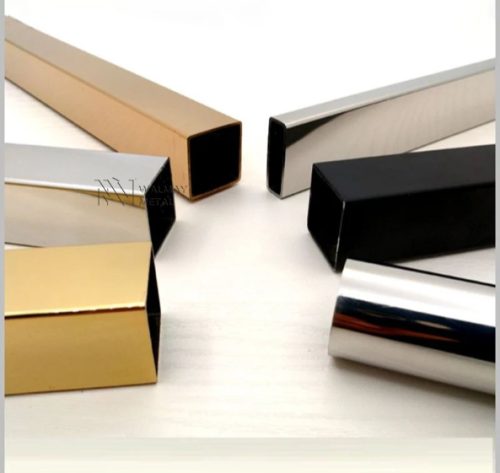
  • Architectural → HL/brush, mirror, or PVD color

Fabrication

  • Tight bends/forming → specify WT, grain direction, heat treatment
  • Welding → match filler metal; ensure post-weld cleaning/passivation

Quality & Compliance

  • ISO 9001 quality system; SGS material verification

  • MTC to ASTM/ASME/EN as ordered; optional 3.1/3.2 reports

  • Roughness (ISO 4288), hydro/helium leak, pressure hold, passivation records

  • Partner mills include POSCO and other qualified sources

FAQs

What is the difference between 304 and 316 stainless steel pipe?
304 is the most widely used stainless steel pipe grade, offering reliable corrosion resistance and weldability for water distribution, food processing, and general industrial service. 316 adds 2–3% molybdenum, which significantly improves resistance to chlorides, seawater, and acidic environments. For marine, coastal, chemical processing, or pharmaceutical pipelines, 316 or 316L (for welded assemblies) is the standard specification. For indoor, food-contact, or low-corrosion-risk systems, 304 is typically sufficient and more cost-effective. In highly aggressive environments — concentrated acids or high-chloride process media — grades such as 2205 duplex or 904L should be evaluated.
Is stainless steel good for pipes?
Yes — stainless steel is the preferred material for demanding piping applications because of its corrosion resistance, hygienic surface properties, mechanical strength, and long service life. Unlike carbon steel or galvanized pipe, stainless steel does not require protective coatings, is compatible with potable water and food-contact service (grade and finish dependent), and can withstand elevated pressure and temperature. Grades 304 and 316L are workhorses for water and sanitary service; 2205 and 904L address aggressive chemical and marine environments; 310S and 321 handle high-temperature service above 600 °C.
What's the difference between pipe and tube?
"Pipe" is typically specified by nominal size for pressure service, while "tube" focuses on precise OD/WT and tighter dimensional control. This page covers both sizing approaches for corrosion-resistant system purchasing.
Seamless vs welded — how to choose?
For higher pressure or severe cyclic loads, choose seamless; for sanitary/architectural with defined Ra or finish, welded with TIG and inner weld leveling is often ideal.
What Ra is recommended for sanitary media?
For dairy/beverage, Ra ≤ 0.6 μm (ID) is a common target; CIP/SIP systems often require passivation or electropolish.
Do you provide cut-to-length and surface treatments?
Yes. Options include cut-to-size, brushing/polishing, mirror-grade finishing as specified, passivation, marking for traceability, and supporting inspection documents per order.
Can you help with grade verification and testing?
Yes. PMI, hydrostatic testing, helium leak testing, pressure hold, roughness reports, and corrosion-related verification can be arranged based on project specifications.

Related applications

Our Recent Articles

Select Your Language