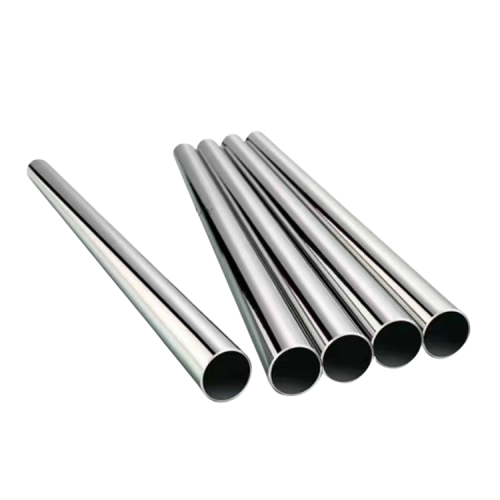
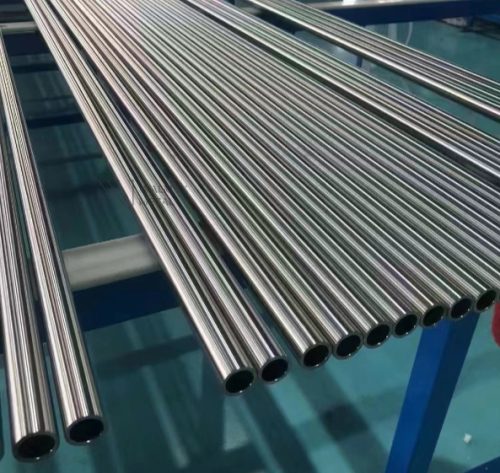
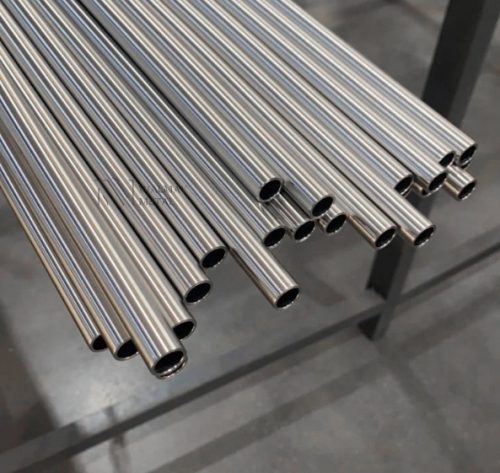
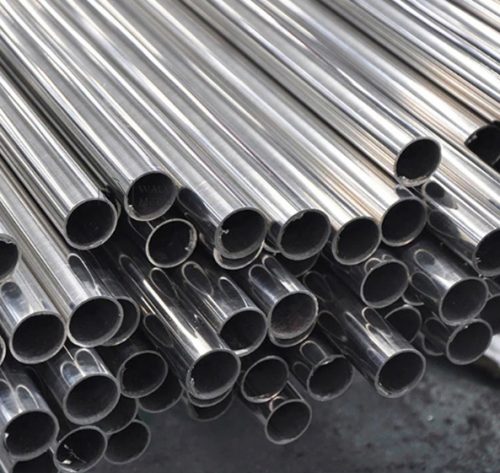
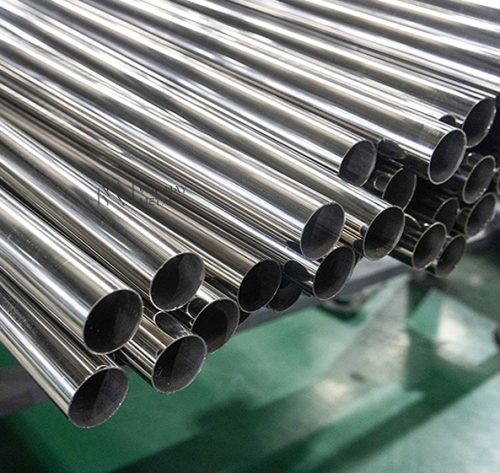
High-Strength Duplex Steel Pipe, Combining Superior Chloride Stress Corrosion Cracking Resistance with Structural Strength, for Subsea Pipelines and Demanding Chemical Processes.


| Element | Content (%) | Role in Duplex Steel |
|---|---|---|
| Cr | 21.0–23.0 | Forms passive film; Mo synergistically enhances corrosion resistance; duplex microstructure refines grains. |
| Ni | 4.5–6.5 | Stabilizes austenite; ~1:1 duplex ratio, balances strength and toughness. |
| Mo | 2.5–3.5 | Enhances pitting resistance; maintains passive film in chloride-rich crude oil. |
Physical: Density 7.8 g/cm³, Melting Point 1300–1390℃, Thermal Conductivity 25 W/(m·K) (50% higher than 304)
Mechanical: Impact energy at -40℃ ≥34 J; good weldability; welded joint strength ≥90% of base metal
Outer Diameter: 25–325 mm
Wall Thickness: 3–20 mm
Length: 6–12 m (±10 mm)
Surface Treatment: Outer wall sandblasted (anti-slip), inner wall mechanically polished (Ra ≤1.6 μm), optional PE anti-corrosion layer
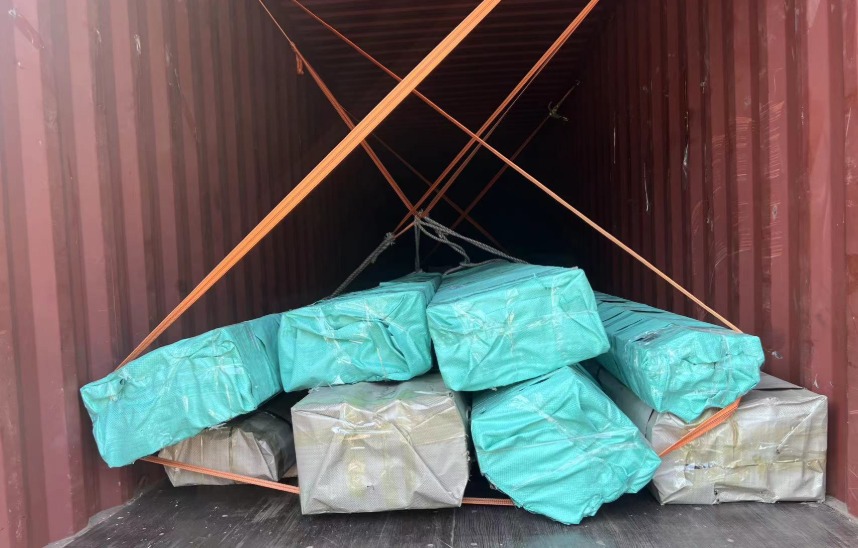
Stainless Steel Tubes Packed in Truck
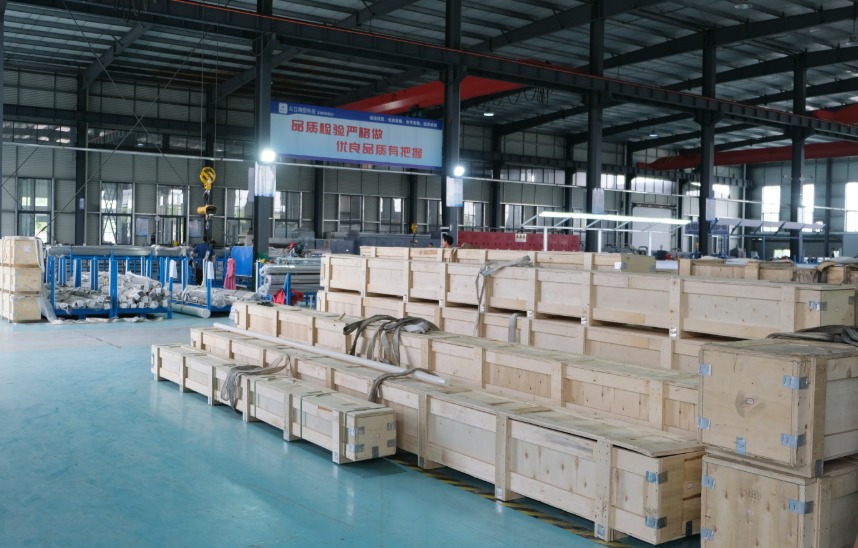
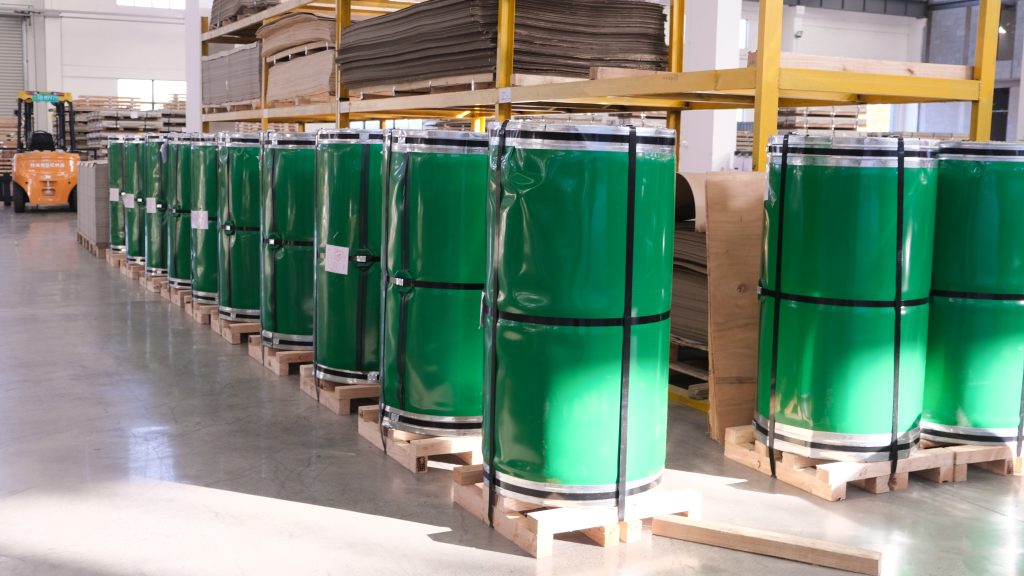
Wooden Crate Packaging in Factory
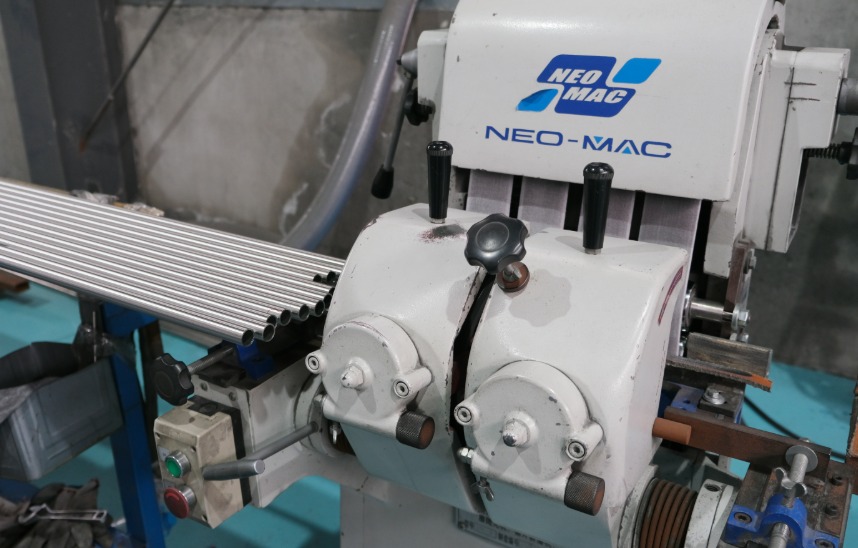
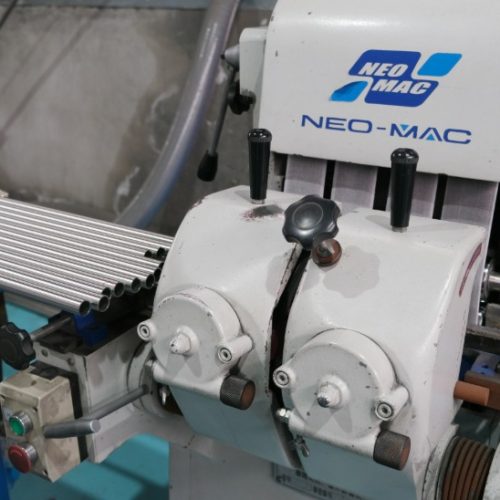
Neo-Mac Machine with Stainless Steel Tubes
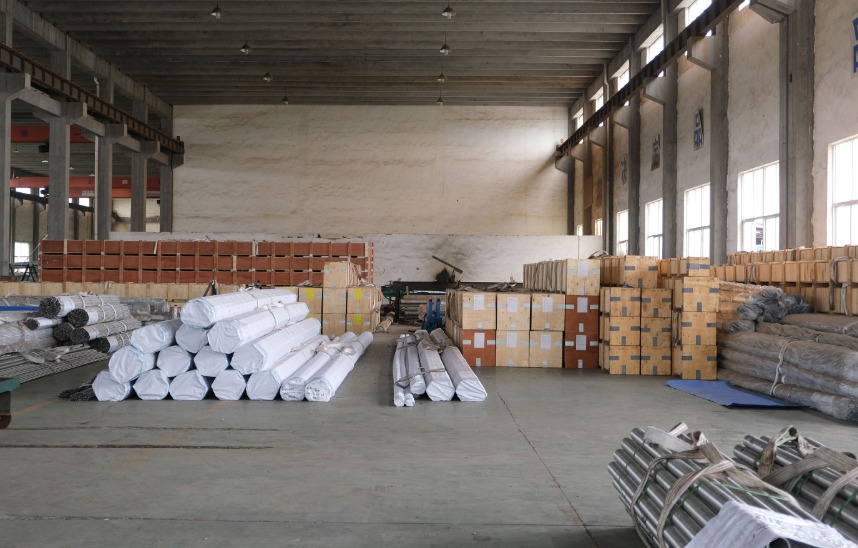
Factory Tube Packaging Process
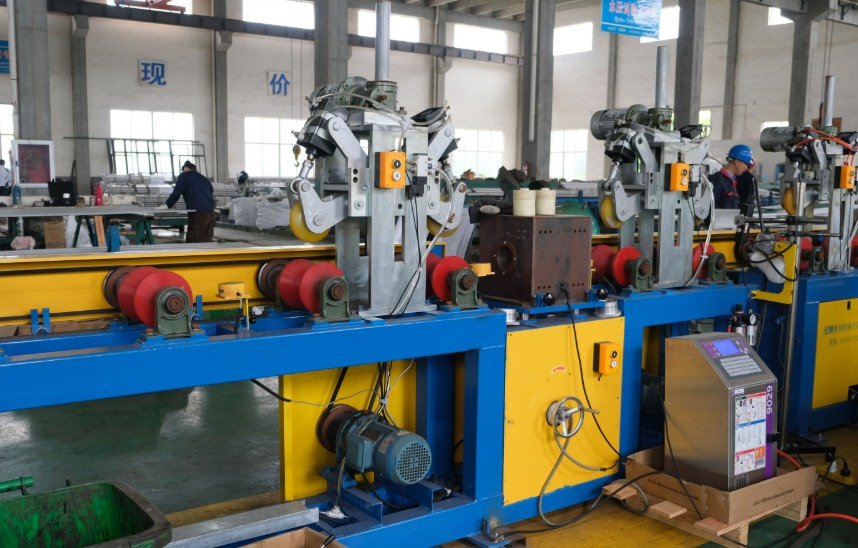
Industrial Manufacturing Equipment
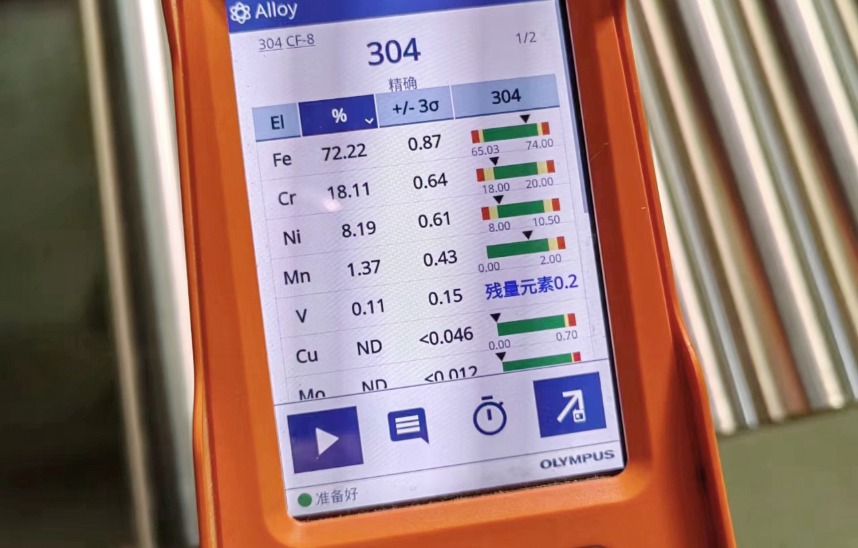
Stainless Steel Composition Analyzer
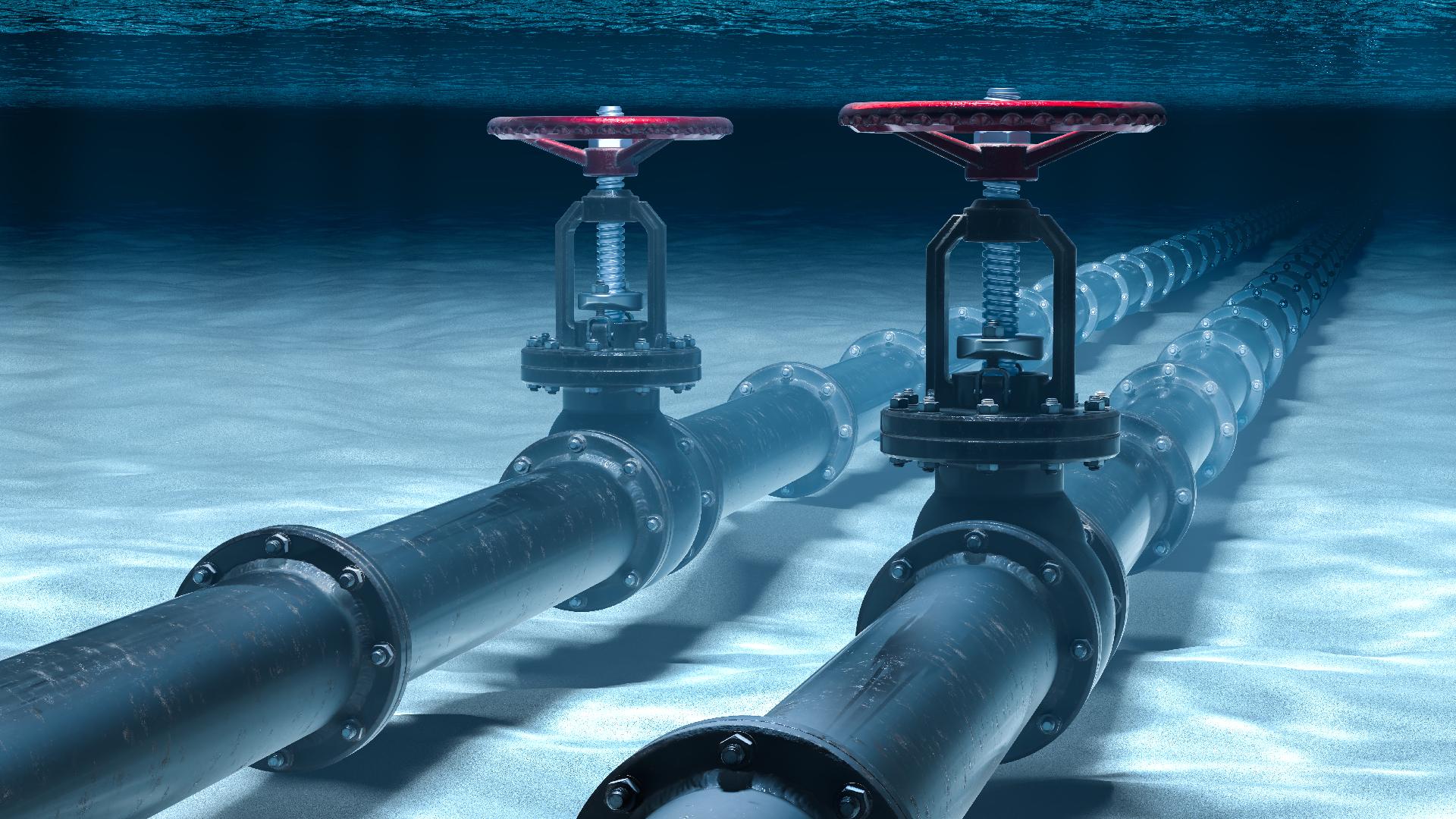
Specification: Φ168×8 mm
Performance: Pressure resistance 12 MPa, H₂S corrosion resistant
Case: Liwan Oilfield subsea pipelines used in shipbuilding yards.

Specification: Φ89×6 mm
Performance: Resistant to 10% HCl (60℃)
Case: Sinopec Maoming ethylene project process pipelines used in chemical production workshops.
Request a Project Assessment?
Ready? Please provide your required specifications, grade, and expected quantity below. Our engineering team will review your project needs and provide a tailored quote.
Quality Traceability: Every order is backed by full documentation, including detailed chemical analysis and certified Mill Test Certificates (MTCs).
International Compliance: Our entire production process strictly adheres to ISO 9001 standards to maintain global manufacturing excellence.
Failure-Free Performance: We implement rigorous quality control protocols to ensure reliable, high-performance operation in your most critical pipeline systems.



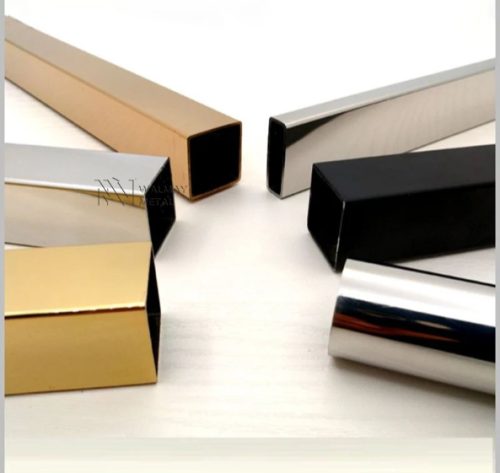

Walmay will help match the right stainless product form and specification for your application, confirm quantities and packing needs, and provide requested documents based on order requirements.
Loading form…