 By Walmay
 07 Sep, 2026
 7 Minutes Read
Nickel prices swing hard because the market is small, concentrated in a handful of countries, and traded on a futures exchange where one squeeze can move prices 15% overnight. Since 304 and 316 stainless steel contain 8–14% nickel by weight, that volatility flows straight into your invoice through something called the alloy surcharge — often the largest single variable in your monthly stainless spend. Understanding the mechanics is the difference between absorbing the cost and managing it.
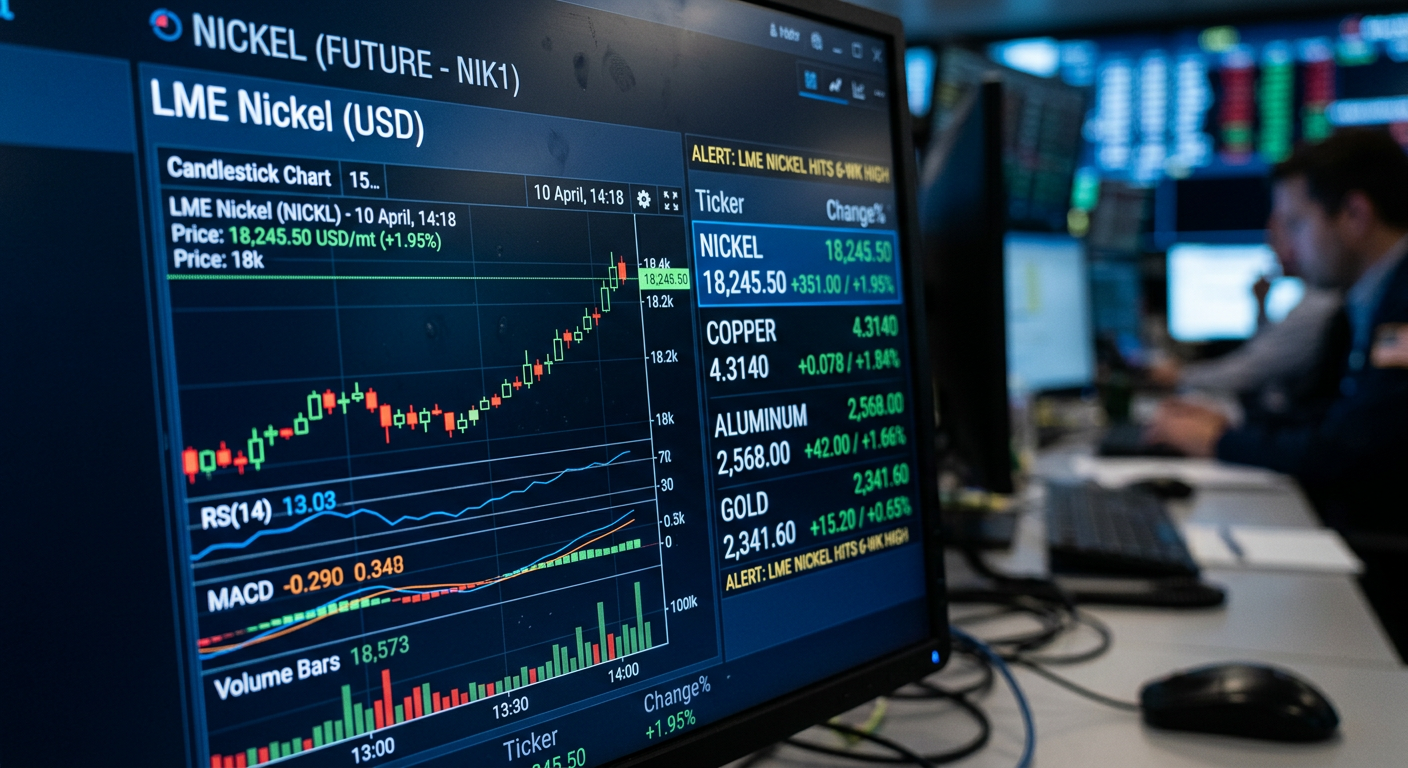
Global nickel demand sits around 3.3 million tonnes a year. Compare that to copper at 26 million or aluminum at 70 million, and you start to see the problem. A small market means a single supply disruption — a permit issue in Indonesia, a strike in the Philippines, a sanctions headline on Russian Norilsk — can move the London Metal Exchange (LME) price several percent in a session.
Then add the speculative layer. Nickel has the deepest futures liquidity of any battery metal, so hedge funds and CTAs trade it heavily. When their algorithms all hit the same direction, you get the kind of move we saw in March 2022, when LME nickel doubled in a day and the exchange had to suspend trading. That single week reset alloy surcharges worldwide for months.
The takeaway: you’re not just buying steel. You’re buying exposure to a commodity that behaves more like a small-cap stock than a bulk industrial input.
Mills don’t quote you a fixed price for 304 or 316. They quote a base price (covering iron, labor, energy, conversion margin) plus a monthly alloy surcharge that floats with nickel, chromium, molybdenum, and iron scrap.
The formula is roughly: (metal content % × LME monthly average price × yield loss factor) − scrap credit. For 304, nickel typically drives 60–70% of the surcharge swing. For 316, with its added molybdenum and higher nickel, that share climbs to 75% or more.
If you placed an order in January when LME nickel averaged $16,500/tonne and it ships in March when the average was $19,800/tonne, your surcharge can be $400–$700 higher per metric ton of finished sheet — even though nothing about the product changed. Most mills publish their surcharge schedules monthly, and they almost always apply the surcharge based on shipment date, not order date. Read your contract carefully.
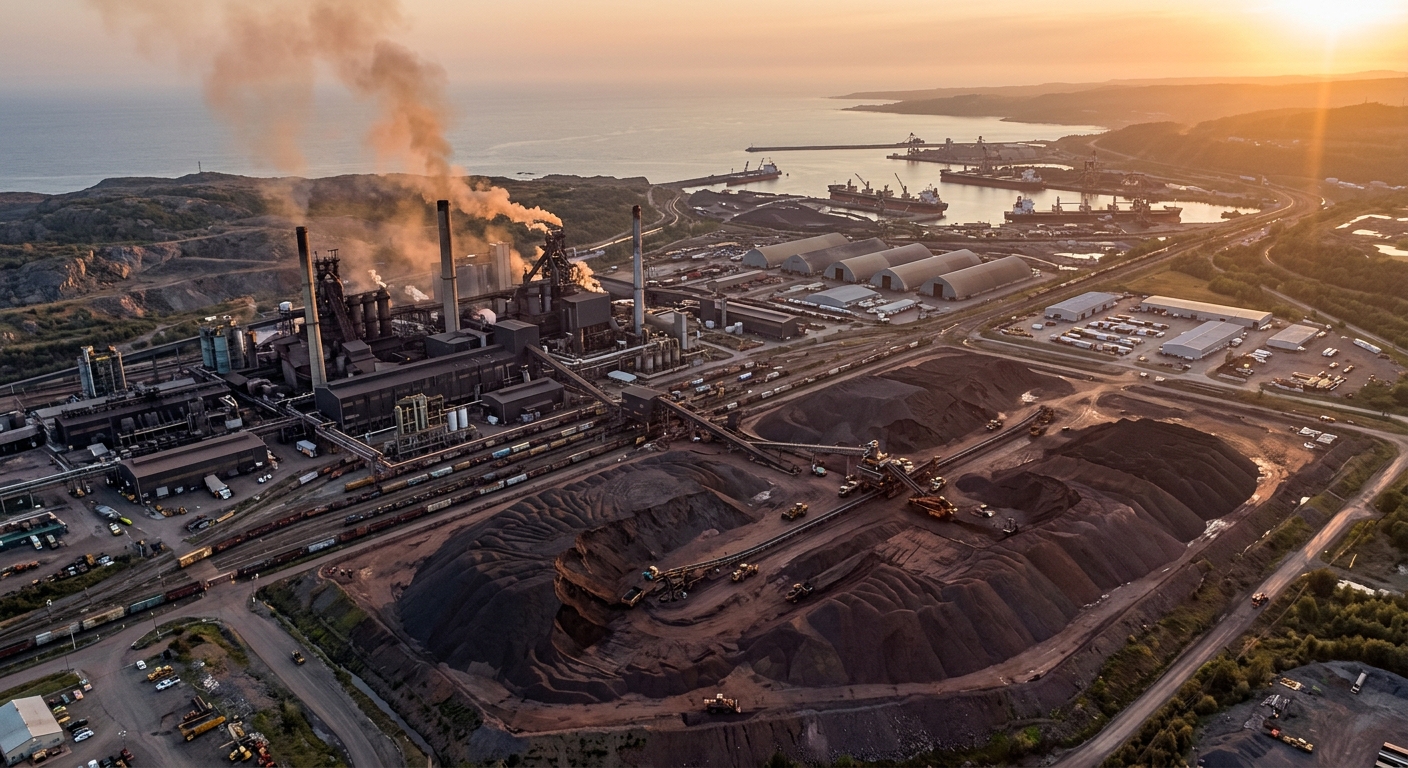
Here’s a fact that surprises a lot of buyers: Indonesia now produces over 55% of the world’s mined nickel, up from under 10% a decade ago. That concentration is both a blessing and a curse.
The blessing: massive new NPI (nickel pig iron) and HPAL capacity has kept the world supplied and capped long-term prices. The curse: any policy shift from Jakarta — export bans, royalty hikes, environmental crackdowns on smelters — sends shockwaves through the LME. In 2024 the Indonesian government tightened mining quotas (RKAB approvals), and prices jumped 30% over the following months.
For procurement, this means watching Indonesian policy headlines is now part of your job if you buy serious volumes of austenitic stainless steel. A single regulatory announcement can reset your annual budget.
Most buyers default to the grade an engineer specified five years ago and never revisit it. That’s expensive. The nickel-content gap between 304 (about 8%) and 316 (about 10–14%, plus 2–3% molybdenum) means the surcharge spread between the two grades widens dramatically when nickel rallies.
For instance, a food equipment fabricator we work with was running 316L on splash panels that never see chloride exposure. When nickel hit $22,000/tonne in 2024, switching the non-critical panels to 304 saved them roughly $480 per tonne — across 90 tonnes a quarter, that’s real money. The critical wash-down zones stayed 316L. Smart selection, not blanket downgrading.
Going the other way, ferritic 430 stainless contains essentially zero nickel. Its surcharge barely moves. For interior trim, appliance backs, and dry indoor applications, it’s often the right call — and it insulates you completely from LME drama.
You don’t need a Bloomberg terminal. Three free data points will tell you 80% of what you need:
Set a threshold — say, a 7% move in either direction over a 10-day window — and treat that as a trigger to call your mill rep. If you see the move coming, you can pull forward a shipment to lock in the current month’s surcharge, or delay if a fall is likely. A buyer placing 200 tonnes a month who shifts timing by even two weeks during a major move can save $40,000–$100,000.
Most stainless steel contracts default to monthly floating surcharges. That’s the worst possible structure if you can’t pass the cost downstream. Better options exist:
Lock the all-in price for 3–6 months. Mills will quote them but bake in a risk premium. Worth it when nickel is in a clear uptrend and your sales prices are rigid.
The mill agrees the surcharge won’t exceed a ceiling for the contract duration. You pay a small upfront premium for the cap. Useful for budget certainty.
Use the prior-month LME average rather than the shipment-month average. This gives you 30 days of visibility — invaluable for quoting downstream customers.
Smaller buyers think these structures are only for tier-one OEMs. They’re not. Any serious volume — say 50 tonnes a month — is enough to negotiate. Have the conversation.
The cheapest tonne of nickel is the one you don’t buy. A few practical moves:
For applications involving seawater, brine, or aggressive chemistry, our guide to stainless steel in seawater covers when grade upgrades genuinely pay off versus when they’re overkill.
Three forces are shaping the year ahead. First, EV battery demand for Class 1 nickel keeps growing, but slower than 2022 forecasts predicted — that’s removing some upward pressure. Second, Indonesian supply continues expanding but faces louder ESG scrutiny from European buyers who increasingly want low-carbon nickel. Third, LME reforms after the 2022 squeeze (position limits, OTC reporting) have reduced the worst tail-risk volatility but not eliminated it.
Net effect? Expect nickel to range-trade between roughly $15,000 and $20,000 per tonne for most of the year, with sharp spikes possible on any Indonesian policy news or geopolitical disruption. Plan for volatility of ±15% as the baseline, not the exception.
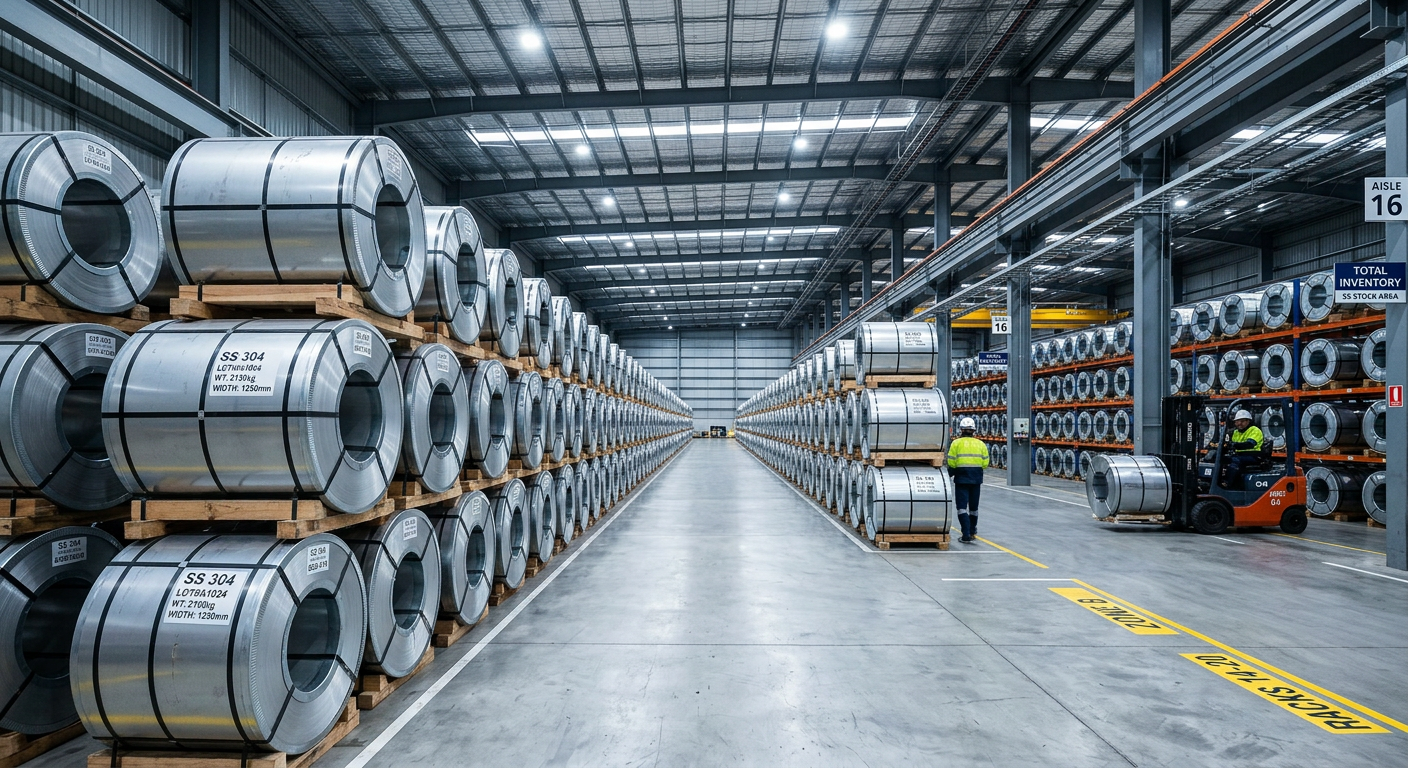
Nickel volatility isn’t going away — but it’s manageable. Track the LME weekly, audit your grade specifications honestly, structure contracts that match your downstream pricing flexibility, and keep substitution options on the table. Buyers who do these four things consistently spend 5–10% less per year on stainless steel than those who simply accept whatever surcharge appears on next month’s invoice.
If you’d like a second opinion on your current grade mix, contract structure, or whether a switch between 304, 316, 430, or duplex makes sense for your application, the team at Walmay is happy to take a look. Browse our stainless steel product range or get in touch with your current spec sheet — we’ll tell you straight whether you’re over-paying for nickel you don’t need.
 Stainless Steel Prices
 Stainless Steel Prices
 Stainless Steel Prices
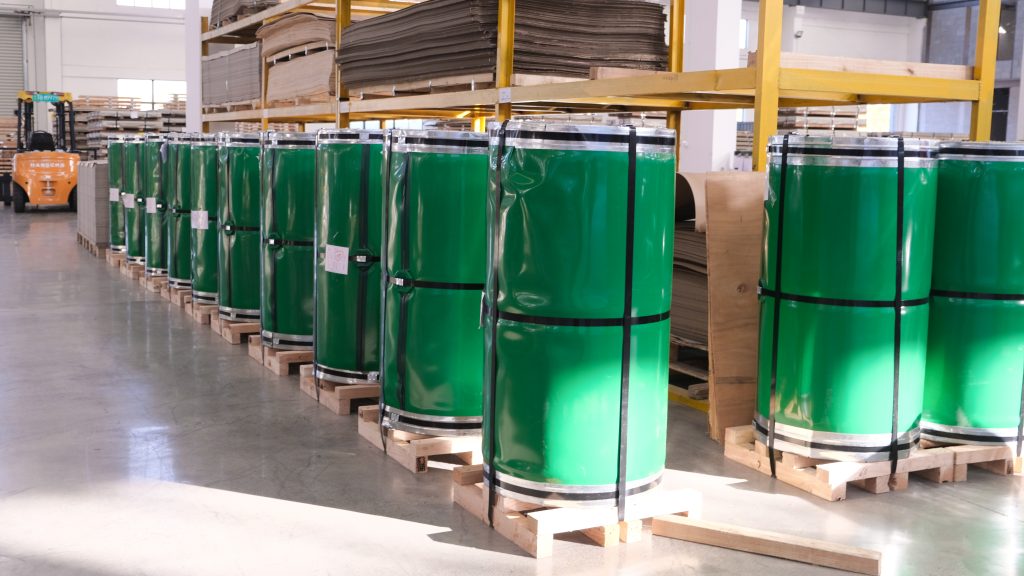
Walmay will help match the right stainless product form and specification for your application, confirm quantities and packing needs, and provide requested documents based on order requirements.