Steel Coil Uses: Key Applications Across Modern Industry
By Sytech
16 Jan, 2026
10 Minutes Read
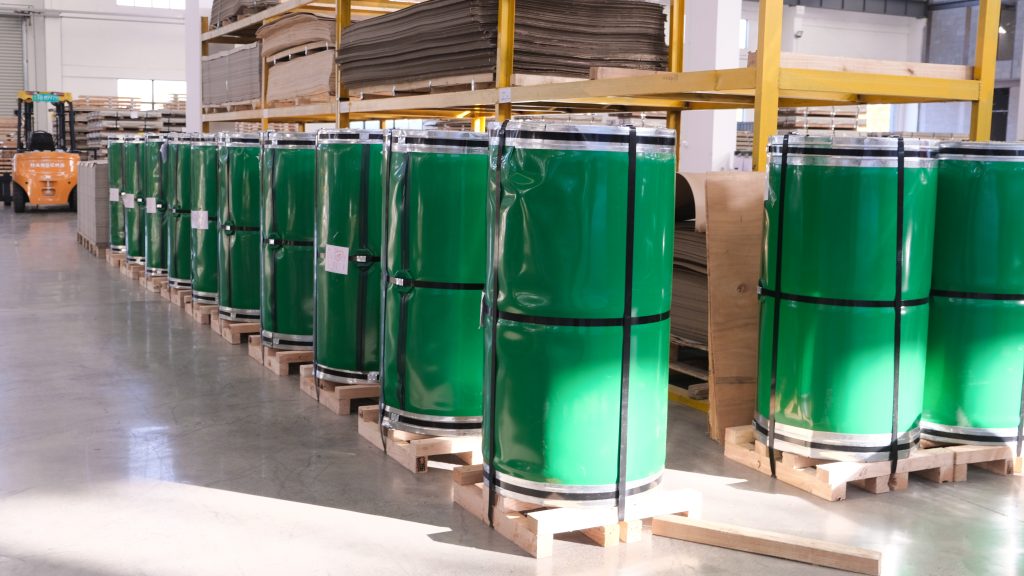
Steel coils sit at the beginning of countless manufacturing and construction processes. Before metal becomes a roof panel, car door, pipe, appliance housing, or precision bracket, it often starts as a flat strip wound into a coil. Understanding the main steel coil uses helps engineers, buyers, and project managers choose the right products, avoid over-specification, and reduce waste.
This guide explores where steel coils are used, which industries rely on them most, and how to match coil types to your application.
Roofing, wall cladding, decking, and structural building members
Pipes and tubes for fluids, gas, and structural frames
Automotive body panels, chassis parts, wheels, and exhaust systems
Appliance cabinets, drums, panels, and internal frames
Electrical and electronic enclosures, brackets, and transformer cores
Metal-stamped parts such as clips, hinges, fasteners, and brackets
Storage systems, racking, lockers, and office or industrial furniture
Precision strip components for springs, connectors, and engineered parts
The following sections break these steel coil applications down by industry so you can quickly find what matters to your projects.
Construction and Infrastructure
In construction and infrastructure, steel coils are the starting point for many long, repetitive shapes and sheet products.
Common steel coil uses in this sector include:
Roofing and wall systems Coated or galvanized steel coils are roll-formed into metal roof panels, wall cladding, fascia, and purlins. Continuous roll-forming allows manufacturers to produce long, consistent profiles at high line speeds, cutting panels to exact project lengths.
Floor decking and platforms Structural floor decking is typically produced from hot-rolled or galvanized steel coils. The deck acts as a permanent form for concrete and contributes to the composite strength of the slab.
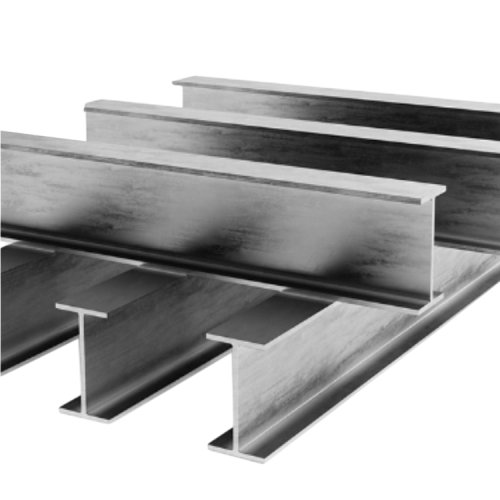
Structural members and accessories Many C- and U-shaped channels, light-gauge studs, purlins, guard rails, crash barriers, and stair or balcony components start as coils. The strip is uncoiled, leveled, cut, and then bent or welded to form standard structural shapes.
For construction buyers, the key is to align coil strength, coating type, and thickness with wind load, corrosion conditions, and design life.
Pipes and Tubes
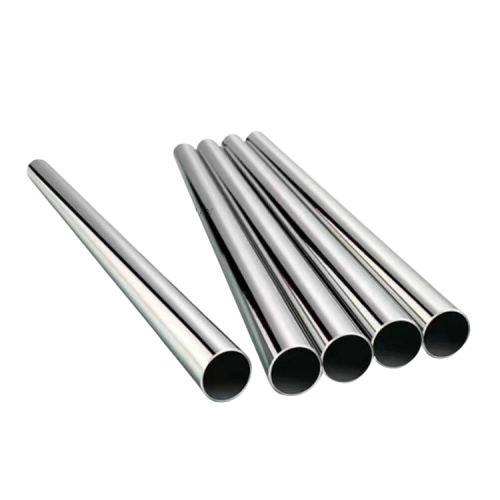
Most welded pipes and tubes used in construction, mechanical systems, and infrastructure are produced from steel coils.
Typical steel coil uses in pipe and tube manufacturing include:
ERW (Electric Resistance Welded) pipes Coils are unrolled, formed into round, square, or rectangular shapes, and welded along the seam. These pipes are widely used for water and gas lines, structural frames, scaffolding, and mechanical tubing.
Spiral welded pipes For large diameters, coils are formed at an angle to create a spiral seam. Spiral pipes often serve in water transmission, piling, and low-pressure pipelines.
Mechanical and precision tubes For applications with tighter dimensional and surface requirements, high-quality hot or cold rolled coils are slit and formed into precision tubes used in machinery, furniture, and automotive structures.
When selecting coils for pipe and tube production, strength level, elongation, weldability, and coating type are just as important as thickness and width.
Automotive and Transportation
The automotive and broader transportation industries rely heavily on steel coils to achieve strength, crash performance, and cost efficiency.
Key automotive steel coil uses include:
Body panels and outer skins Cold rolled or galvanized coils are used for hoods, doors, roofs, fenders, and trunk lids. These parts require excellent surface quality, deep-drawing capability, and consistent thickness for high-speed stamping lines.
Body-in-white structures High-strength steel coils form pillars, rails, cross-members, rocker panels, and crash management components. The combination of strength, energy absorption, and weight reduction is critical here.
Chassis and suspension components Control arm brackets, reinforcement plates, cross-members, and subframe parts are often stamped from thicker coil, then welded together.
Exhaust and thermal parts Heat-resistant alloyed or stainless steel coils are used for exhaust pipes, muffler shells, shields, and thermal barriers around the powertrain.
Beyond passenger cars, steel coil uses extend to trailers, truck bodies, shipping containers, railcars, and bus structures.
Appliances and Consumer Products
Many household and commercial appliances are literally “boxes made from coils.” Coils make it possible to mass-produce consistent, dimensionally accurate cabinets and internal parts.
Typical uses include:
Refrigerators and freezers Galvanized or pre-painted coils become outer cabinets and door skins, while stainless or coated coils form liners and internal panels.
Washing machines and dryers Drums, outer shells, reinforcement rings, and internal braces use stainless or galvanized coils with good fatigue resistance and corrosion performance.
Ovens and cooking appliances High-temperature stainless coils are used for oven cavities, door frames, cooktop trim, and backsplashes, where cleanability and heat resistance are essential.
Storage systems and furniture Shelving, cabinets, office storage, and industrial lockers are commonly made by cutting and folding coils into panels and frames.
In appliance applications, surface finish, coating system, color consistency, and formability are often as critical as mechanical properties.
Electrical and Electronic Equipment
Electrical and electronic systems use steel coils where dimensional stability, magnetic properties, and corrosion resistance matter.
Key steel coil uses in this space include:
Electrical enclosures and cabinets Distribution boards, control panels, data racks, and server cabinets are typically produced from galvanized or cold rolled coils. These coils are blanked, punched, and bent into complex enclosures with doors, cutouts, and stiffening ribs.
Transformer cores and motor laminations Electrical steel (silicon steel) coils are slit into narrow strips and stamped into laminations for transformers and electric motors. Here, thickness control, magnetic loss, and insulation coatings are tightly specified.
Mounting brackets and thermal parts Brackets, rails, and heat-spreading components in electronic equipment also start as coil, then go through stamping and secondary forming.
For these applications, thickness tolerance, flatness, edge quality, and coating compatibility directly affect performance and manufacturing yield.
Metal-Stamped and Precision Parts
Beyond large panels and profiles, many high-value small parts originate from coils, especially in roll-to-roll and progressive stamping processes.
Typical precision steel coil uses include:
Brackets and connectors Structural brackets, clips, clamps, and connection plates for construction, furniture, and machinery are stamped from coil and then plated or coated.
Springs and elastic components Coils of spring steel or stainless strip are used for coil springs, flat springs, retaining clips, and contact springs where fatigue and elasticity are critical.
Hardware and fasteners Hinges, latches, catches, and other hardware components often begin as stamped strip from coil before assembly and finishing.
Using coils for these parts supports high-speed, automated production with consistent dimensions and tight tolerances.
Why Manufacturers Prefer Coils Over Discrete Sheets
Many of the above applications could, in theory, start from individual sheets. In practice, steel coils offer significant advantages:
Higher material utilization Continuous strip feeding allows optimized nesting and reduced scrap compared with handling separate sheets.
Compatibility with high-speed lines Roll-forming, welded tube lines, and progressive stamping presses are designed around continuous coil feeding for maximum throughput.
Flexible downstream processing A single coil can be slit into narrower strips or cut-to-length for different products, simplifying inventory and enabling just-in-time production.
Consistent coatings and finishes Galvanizing, aluminizing, and organic coating lines treat steel in coil form, ensuring uniform coatings and surface quality.
Improved logistics and sustainability Coils pack more metal into a smaller footprint, reduce handling steps, and are easily recycled, supporting more efficient and lower-carbon supply chains.
These advantages explain why so many industries standardize around steel coil uses rather than starting with discrete sheets.
Matching Steel Coil Types to Your Application
Knowing how steel coils are used is only half the story. You also need to match the coil type to each application.
Hot Rolled vs Cold Rolled Coils
Hot rolled coils Hot rolled coils are produced at high temperatures and are ideal where formability and cost efficiency are more important than surface appearance. Typical uses include structural sections, floor decking, base plates, and heavy fabricated components.
Cold rolled coils Cold rolled coils are further processed at room temperature for tighter thickness tolerances, smoother surfaces, and improved mechanical properties. They are widely used for automotive panels, appliance cabinets, furniture, and precision stamped parts.
In general, hot rolled coils are preferred for heavy structural and load-bearing uses, while cold rolled coils dominate visible, tight-tolerance, or deeply drawn applications.
Coated and Stainless Coils
Galvanized, aluminized, and pre-painted coils These coils combine corrosion protection with a finished appearance. They are common in roofing and cladding, HVAC ducts, garage doors, fencing, and many outdoor structures.
Stainless steel coils Stainless coils are chosen where hygiene, corrosion resistance, or premium appearance matter, such as in food processing, chemical plants, medical equipment, and high-end architectural finishes.
When planning steel coil uses in aggressive environments or where cleanability is critical, coated or stainless options often reduce lifetime maintenance costs.
Key Selection Parameters
When evaluating coil for a specific use, consider:
Required strength and ductility for forming and service loads
Thickness and width ranges compatible with your tooling and design
Surface condition and finish, including roughness, gloss, and texture
Coating type and weight, tailored to corrosion and aesthetic needs
Flatness, edge quality, and tolerance requirements for automated lines
Available processing services, such as slitting, cut-to-length, polishing, oiling, and protective film application
Treat these factors as a checklist when comparing suppliers or coil specifications for each project.
How to Align Steel Coil Uses with Your Project Requirements
To connect steel coil uses with real-world projects, follow a simple decision flow:
Define the function Decide whether the part is structural, cosmetic, protective, or a precision component. Functions often drive minimum strength, tolerance, and surface requirements.
Assess the environment Identify exposure to moisture, chemicals, cleaning agents, or marine atmospheres. This determines whether uncoated, galvanized, or stainless coils are appropriate.
Match forming and joining processes Consider whether the part will be roll-formed, deep-drawn, bent, stamped, laser-cut, or welded. Each process has preferred thicknesses and material grades.
Balance performance and cost Avoid over-specifying ultra-high strength or exotic grades if a standard structural or commercial quality coil can meet the requirement. Total cost includes scrap, rework, and maintenance—not just price per ton.
Plan for lifecycle and recyclability Think about coating durability, ease of repair, and end-of-life recycling as part of your material selection.
By following this approach, you can select steel coils that match project requirements without unnecessary cost or complexity.
2. Are hot rolled or cold rolled coils better for structural applications? For heavy structural components, hot rolled coils are often preferred due to their thickness range, cost effectiveness, and adequate strength. For thin-gauge structural parts that also require good appearance or tight tolerances, cold rolled coils may be more suitable.
3. What is the difference between steel sheet and steel coil in manufacturing? Coil is simply sheet that remains wound in a roll. In manufacturing, coils enable continuous feeding into roll-forming lines, tube mills, and progressive stamping presses, which increases productivity and reduces handling. Sheets are typically used for smaller batches, manual processing, or secondary operations.
4. When should I choose coated or stainless steel coils instead of bare carbon steel? Use coated or stainless coils when components will face moisture, chemicals, frequent cleaning, or outdoor exposure, or when you need a high-end appearance. Although the material cost is higher, coated and stainless coils often lower total lifecycle cost by reducing corrosion, repainting, and downtime.
Conclusion
Steel coils are far more than a convenient packaging form for flat steel; they are a foundational material for modern manufacturing. From roofs and bridges to cars, appliances, control panels, and precision components, steel coil uses underpin the performance, durability, and cost-effectiveness of products across nearly every industrial sector.
When you understand where steel coils are used and how different coil types, coatings, and processing routes align with specific applications, you can turn material selection into a strategic advantage. Instead of treating coil as a commodity, you make informed decisions that improve production efficiency, extend product life, and optimize total project cost over the entire lifecycle.
Need more details on stainless steel products? Feel free to contact Walmay anytime.
Walmay will help match the right stainless product form and specification for your application, confirm quantities and packing needs, and provide requested documents based on order requirements.

 By Sytech
 16 Jan, 2026
 10 Minutes Read