
Filter by Form
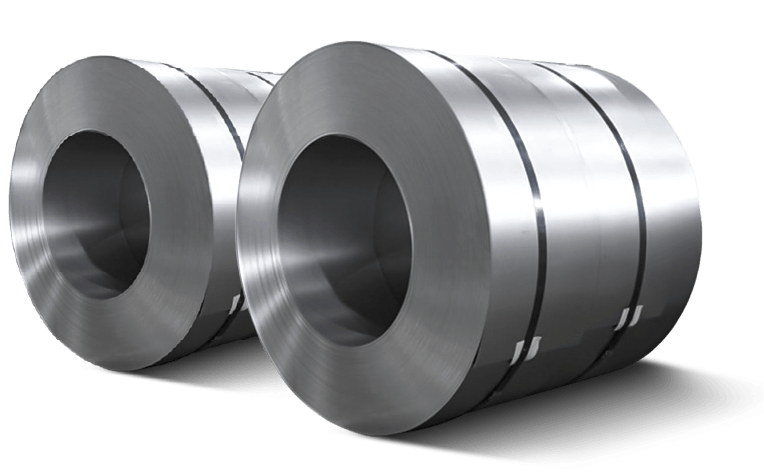
- Coils
- Sheets
- Pipes
- Bars
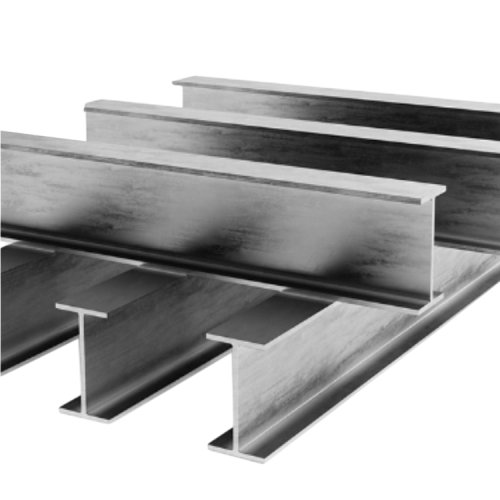
- Profiles
Filter by Grade Family
- Austenitic Grades
- Duplex Grades
- Ferritic Grades
- Martensitic Grades
- Precipitation Hardening Grades
Filter by Rolling Condition
- Cold Rolled
- Hot Rolled
-
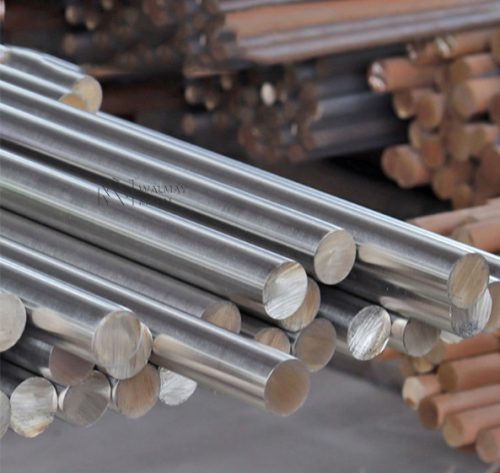 Bar/Rod 430 Stainless Steel BarEconomical Ferritic Stainless Steel Bar, Widely Used for Appliance Shafts, Fasteners, and General Corrosion-Resistant St
 -
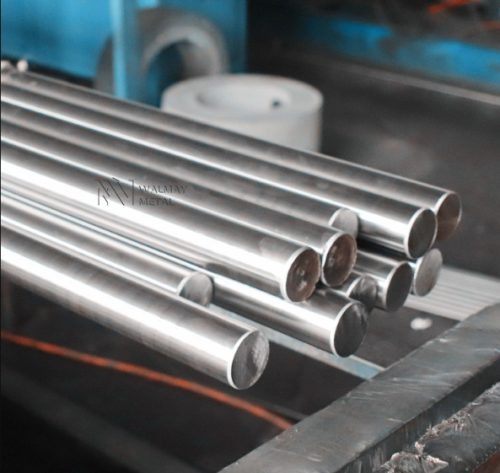 Bar/Rod 316 Stainless Steel BarMolybdenum-Alloy Corrosion-Resistant Machining Bar, Specifically for Marine Fittings, Chemical Pump Valves, and Precisio
 -
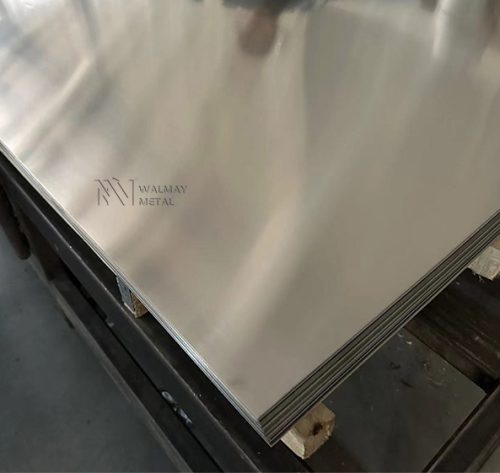 Sheet / Plate 420 Stainless Steel PlateHigh Hardness and Wear Resistance, Ideal for Cutting Tools, Molds, and Surgical Instruments
 -
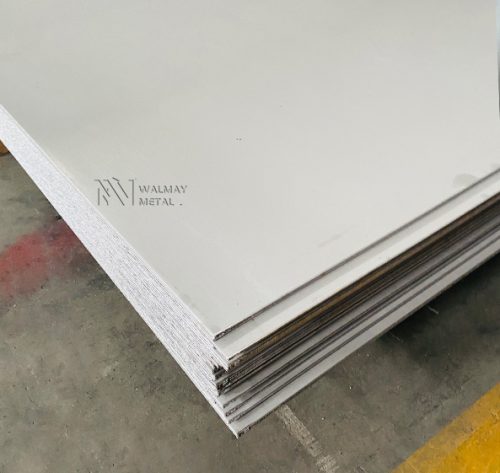 Sheet / Plate 201 Stainless Steel PlateEconomical Architectural Cladding Sheet, Suitable for Dry Indoor Environments and General Applications
 -
 Sheet / Plate 409 Stainless Steel PlateDesigned for Automotive Exhaust Systems, Offers Good High-Temperature Oxidation Resistance
 -
Sheet / Plate 410 Stainless Steel PlateGeneral-Purpose Martensitic Stainless Steel, Used for Mechanical Parts, Wear-Resistant Components, and Pump Valves
-
Sheet / Plate 316Ti Stainless Steel PlateTitanium-Stabilized, Specifically for Chemical Equipment Requiring Intergranular Corrosion Resistance After Welding
-
Sheet / Plate 304L Stainless Steel PlateUltra-Low Carbon Welding Plate, Ensures Corrosion Resistance in Weld Zones for Food and Chemical Vessels
-
Sheet / Plate 316 Stainless Steel PlateGeneral-Purpose Molybdenum-Alloy Plate, Ideal for Coastal Cladding, Marine Components, and Standard Chemical Environment
-
Pipe / Tube 316Ti Stainless Steel PipeTitanium-Stabilized Corrosion-Resistant Pipe, Specifically for Hot Acid Conveyance Systems Prone to Intergranular Corros
-
Pipe / Tube 304L Stainless Steel PipeUltra-Low Carbon Food-Grade Pipe, Ensures Weld Purity for Dairy, Brewery, and High-Purity Water Conveyance Systems
-
Pipe / Tube 316 Stainless Steel PipeGeneral-Purpose Molybdenum-Alloy Pipe, Ideal for Water Supply/Drainage in Coastal Areas, Chemical Tanker Piping, and Sta