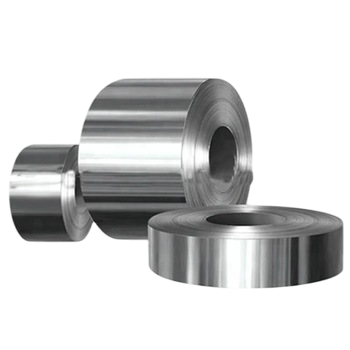
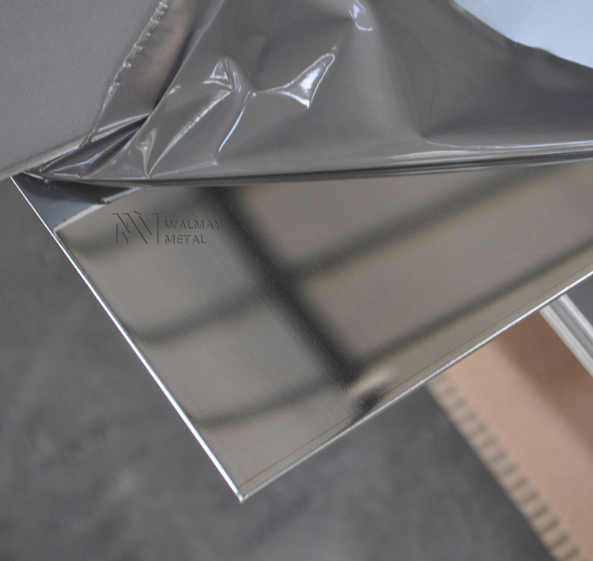
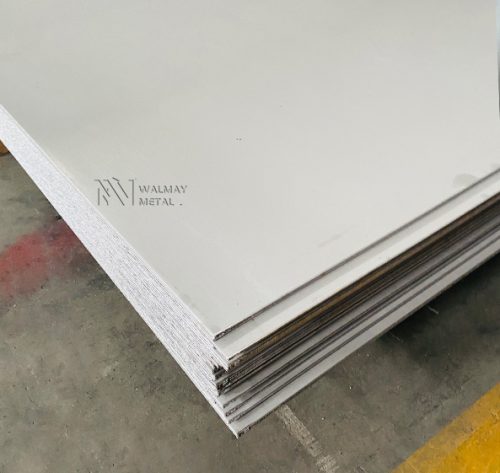
Economical Brushed Decorative Sheet, Offering a Modern Matte Finish for Interior Decoration, Appliance Panels, and Furniture


| Element | Content (%) | Functional Role |
|---|---|---|
| Cr | 16.0–18.0 | Forms a passive film, provides atmospheric corrosion resistance, oxide film self-repair rate 0.1nm/h in indoor environments. |
| C | ≤0.12 | Higher carbon improves strength, but intergranular corrosion risk in welding (not recommended for welded parts). |
| Ti | – | No stabilizing elements added, reducing cost but with weaker intergranular corrosion resistance than stabilized grades such as 321. |
Physical Properties: Density 7.75 g/cm³, melting point 1480–1500℃, thermal conductivity 26 W/(m·K) (40% higher than 304).
Corrosion Resistance: Neutral salt spray (NSS) test shows white rust after 500 hours, suitable for indoor dry environments.
Grade: 430 Stainless Steel (ASTM A240, UNS S43000)
Thickness: 0.3–2mm (stock: 0.5–1.2mm, 0.3mm available on order)
Width: 1000–1219mm
Length: up to 2438mm
Surface Finish: 2B (Ra ≤1.6μm), HL brushed (Ra ≤0.8μm), nickel-plated (anti-fingerprint)
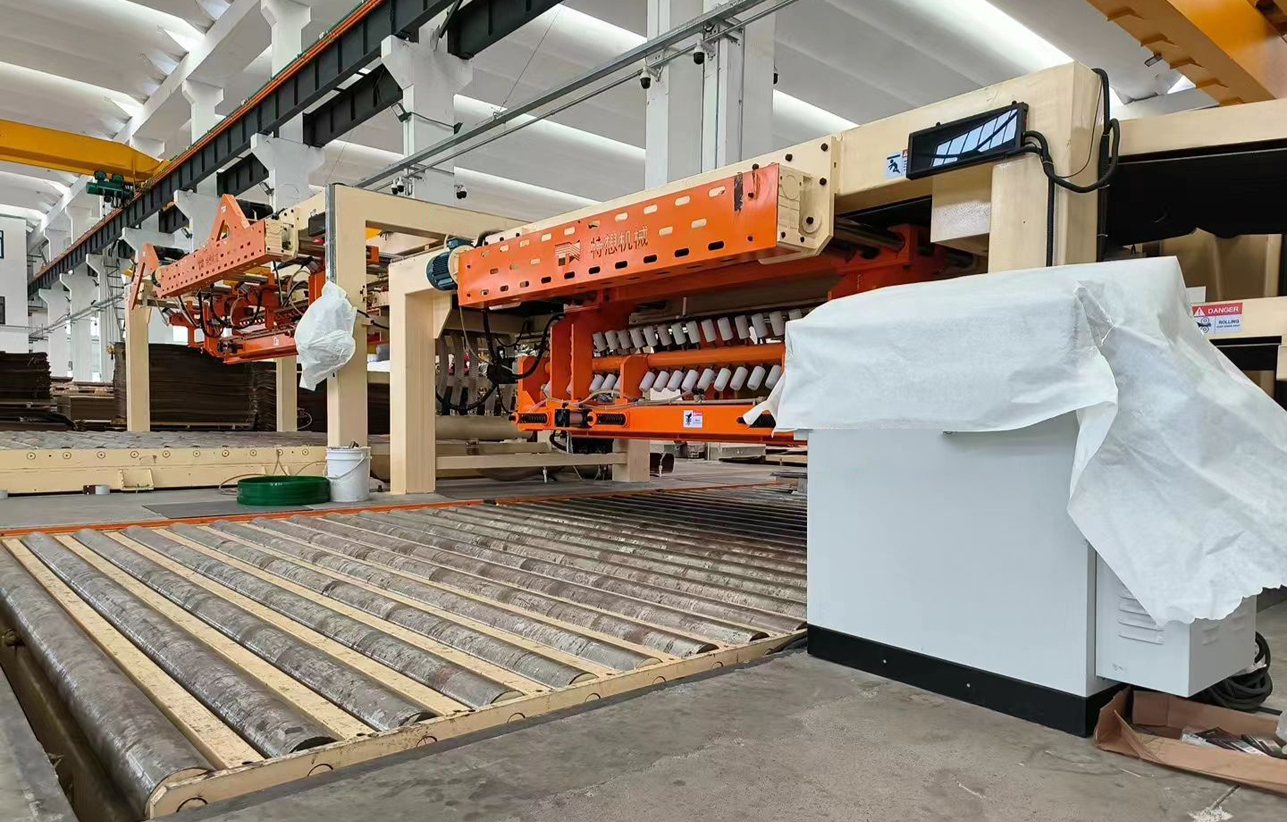
Stainless Steel Plate Bending/Stamping Process
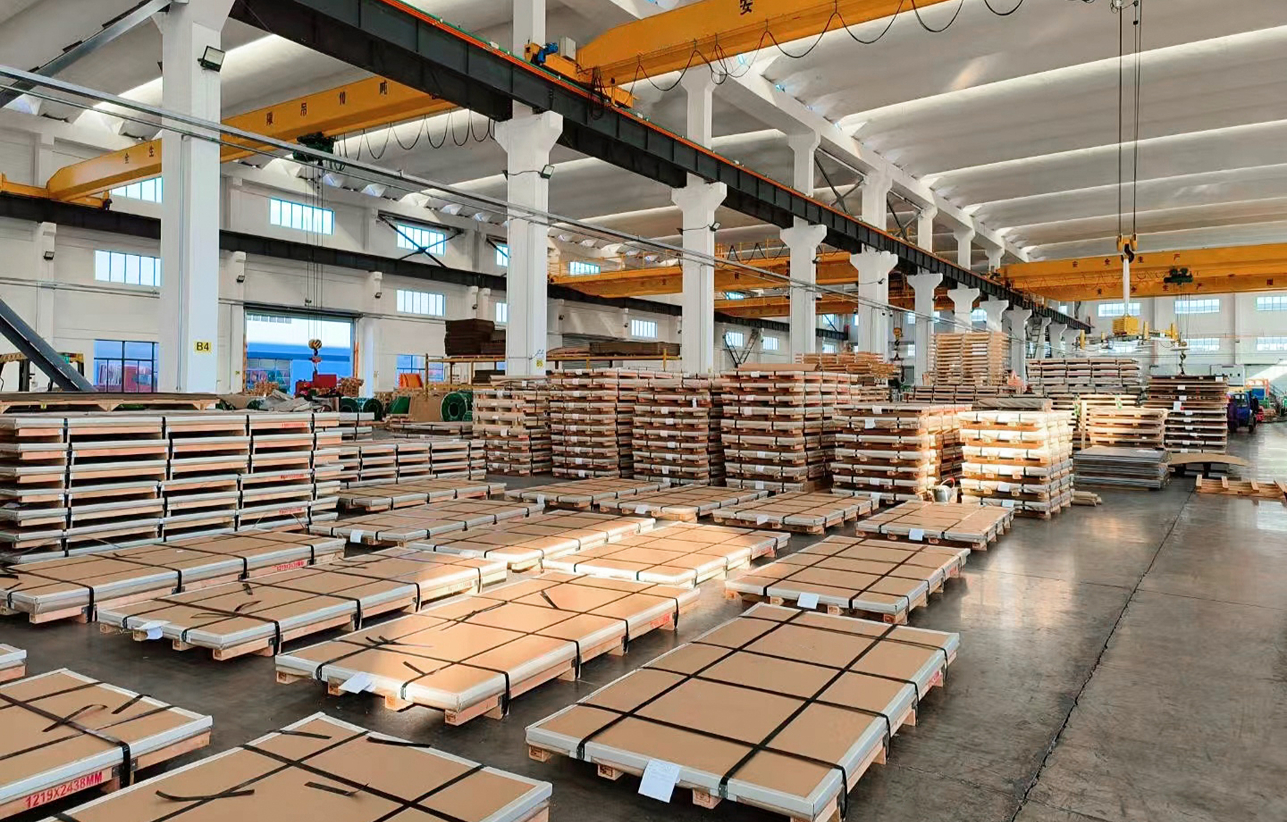
Stainless Steel Plates on Storage Rack
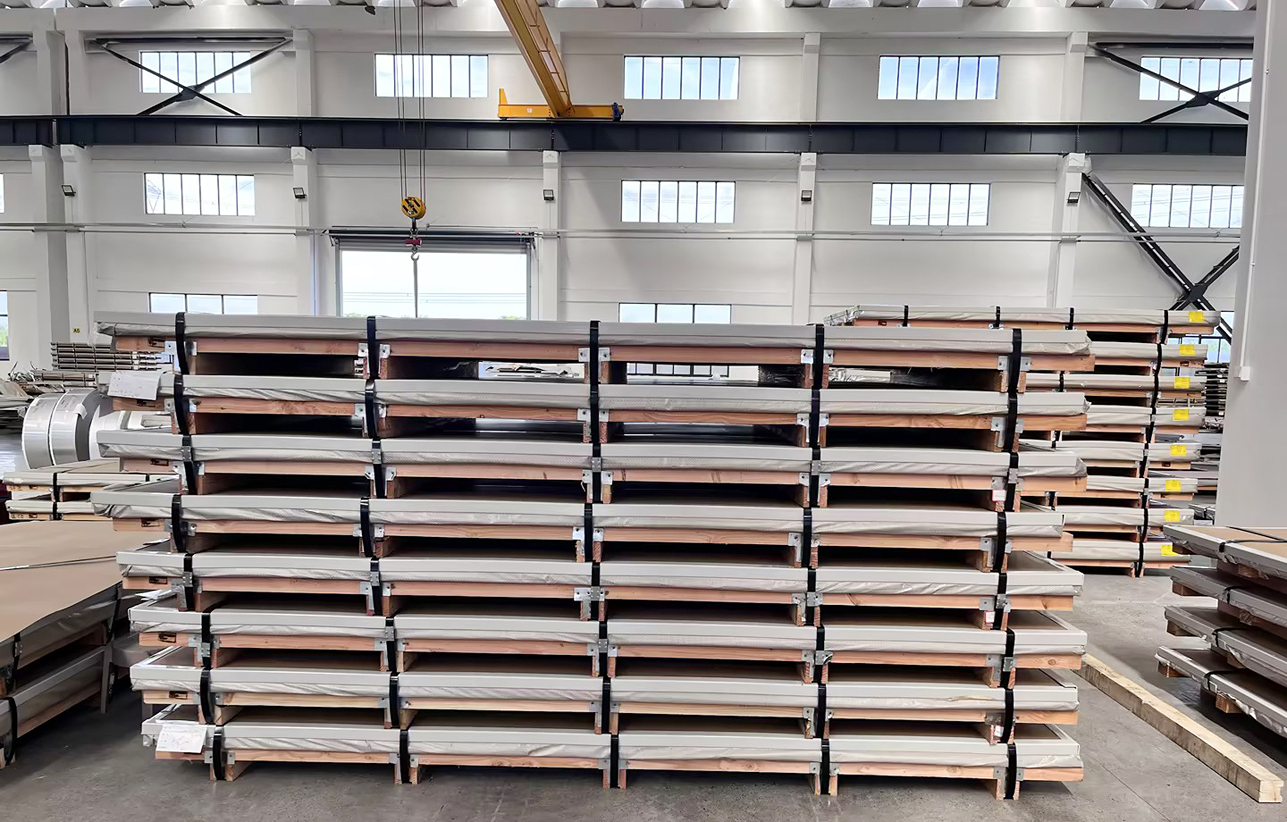
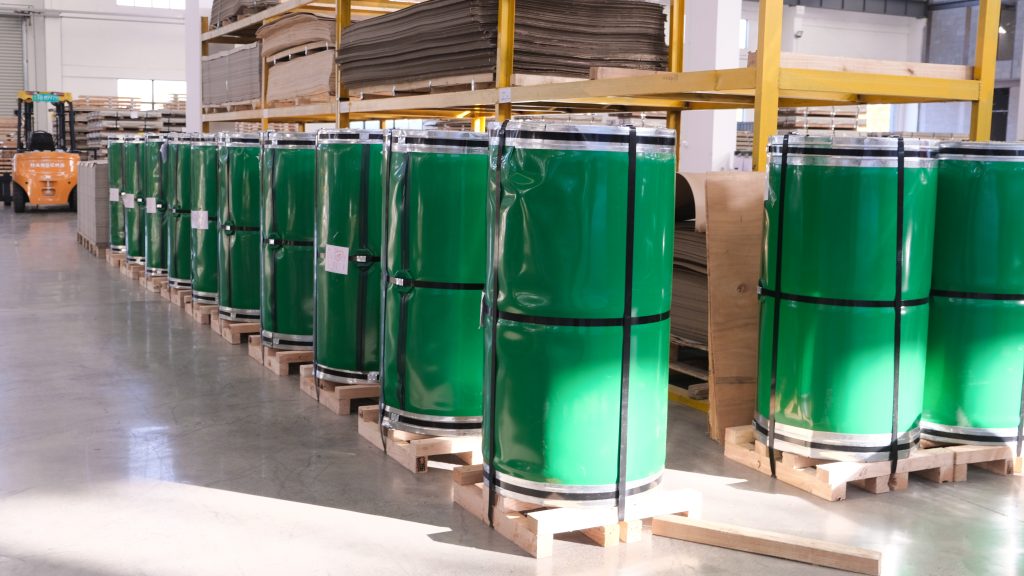
Palletized Stainless Steel Plates
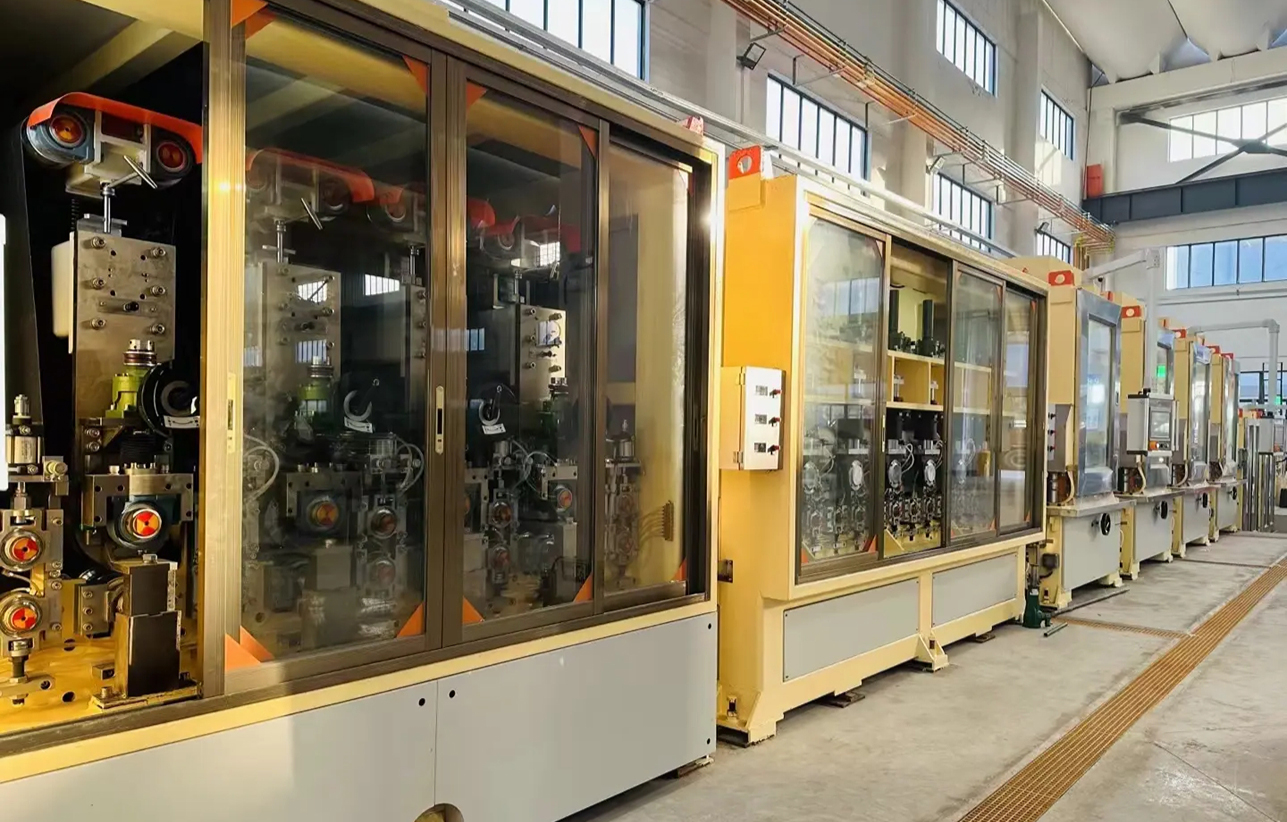
Stainless Steel Plate Rolling Line
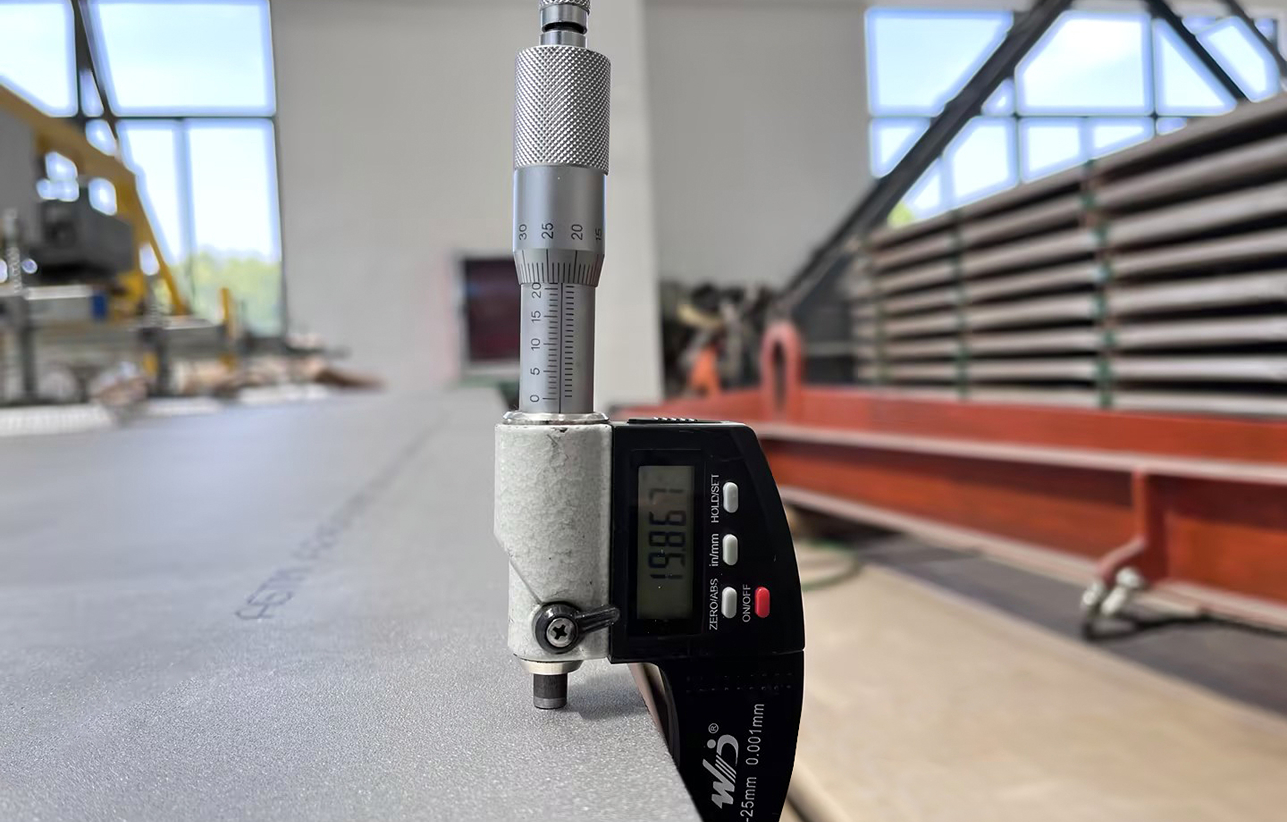
Precision Thickness Inspection of Stainless Steel Plate
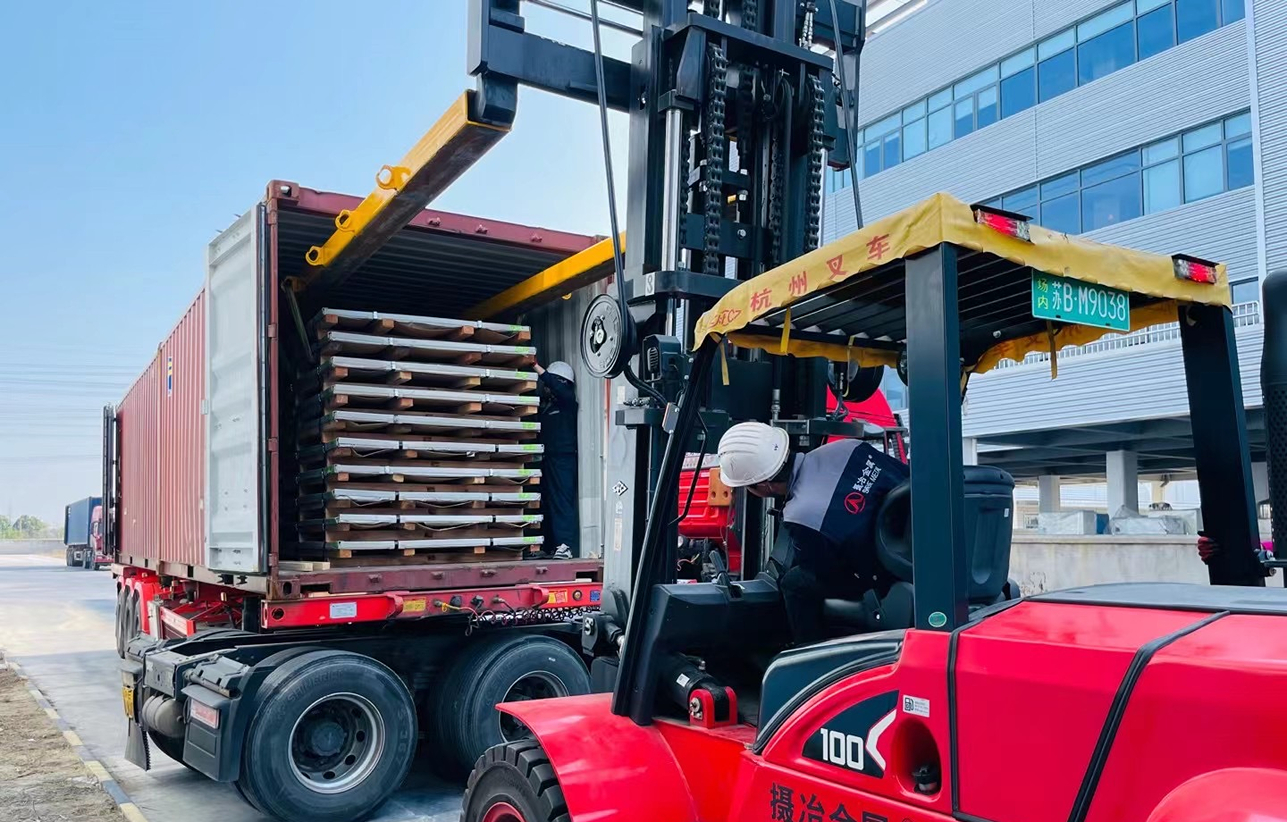
Forklift Loading Stainless Steel Plates for Shipment

Specification: 0.6mm × 1219mm
Advantage: 30% lower cost than 304, stamping yield ≥98%
Case: Haier refrigerator inner panel

Specification: 0.8mm × 1000mm
Advantage: Resistant to edible oil corrosion, bright surface after cleaning
Case: Supor stainless steel steamer shell
GTAW/TIG welding recommended; post-weld annealing (750–800 ℃) required to minimize intergranular corrosion.
Not recommended for humid or wet environments (e.g., bathrooms) unless additional anti-rust treatment is applied.
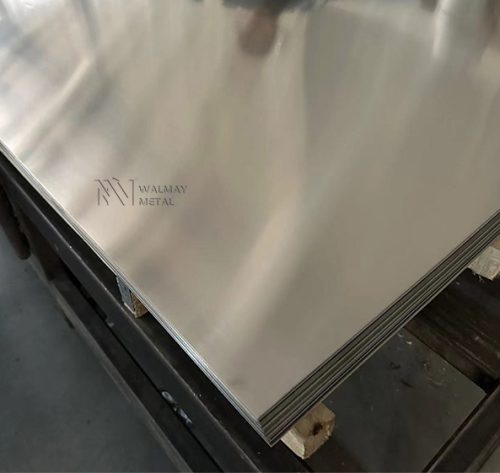


Walmay will help match the right stainless product form and specification for your application, confirm quantities and packing needs, and provide requested documents based on order requirements.