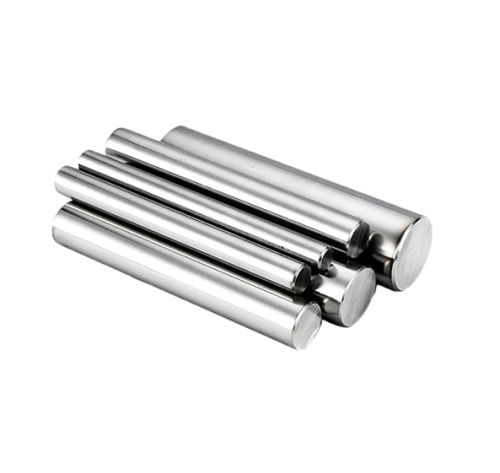
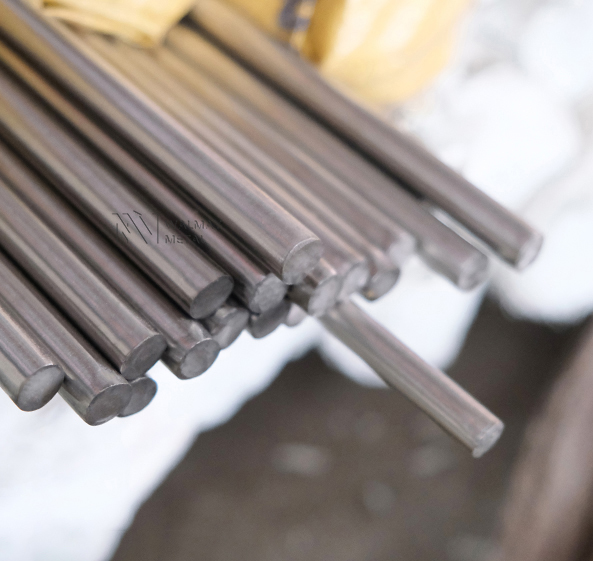
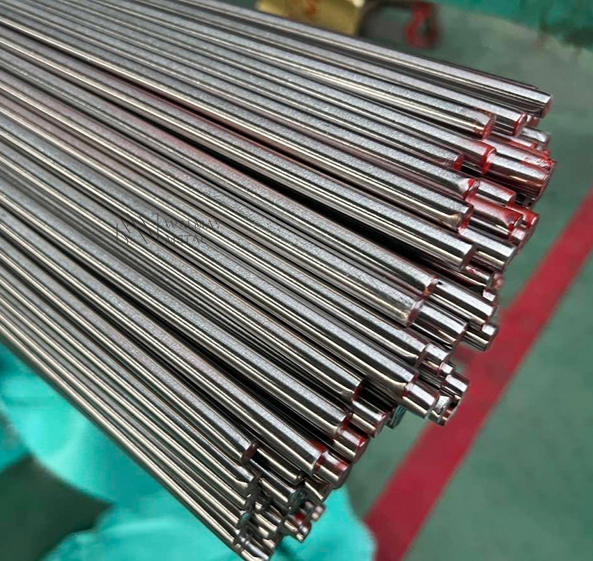
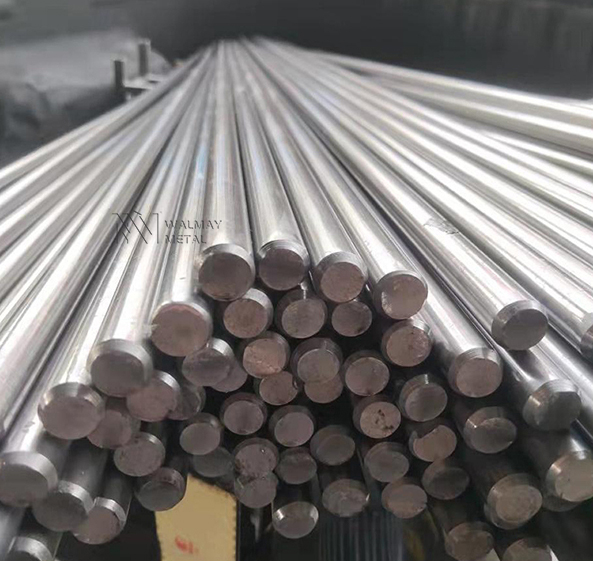
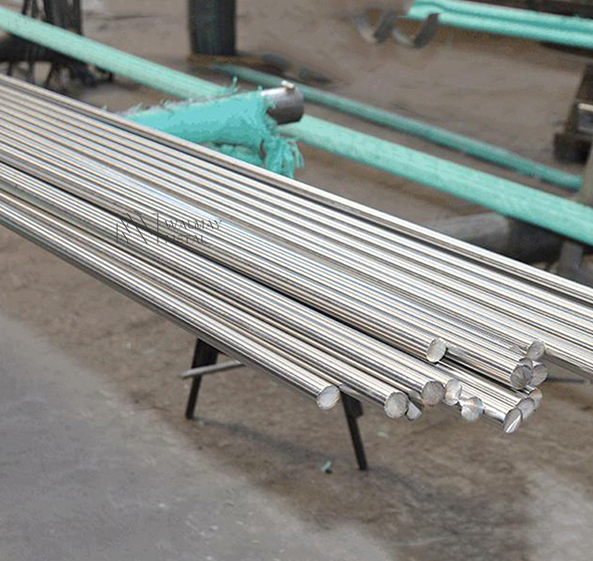
303 stainless steel bar (1Cr18Ni9S) is an austenitic free-machining stainless steel. By adding sulfur (S≥0.15%) and selenium (Se), its machinability is significantly improved.


| Element | C | Si | Mn | P | S | Cr | Ni |
|---|---|---|---|---|---|---|---|
| Content % | ≤0.15 | ≤1.0 | ≤2.0 | ≤0.045 | ≥0.15 | 17.0–19.0 | 8.0–10.0 |
Physical: Density 7.93 g/cm³, Melting Point 1398–1454℃, Thermal conductivity 16 W/(m·K)
Mechanical (annealed): Tensile strength ≥520MPa, Yield strength ≥205MPa, Elongation ≥40%, Hardness ≤90HRB
Diameter: 3–100mm (Cold-drawn ±0.05mm, Hot-rolled ±0.1mm)
Length: 6m standard (customizable)
Surface: Bright (cold-drawn), black (hot-rolled), optional passivation
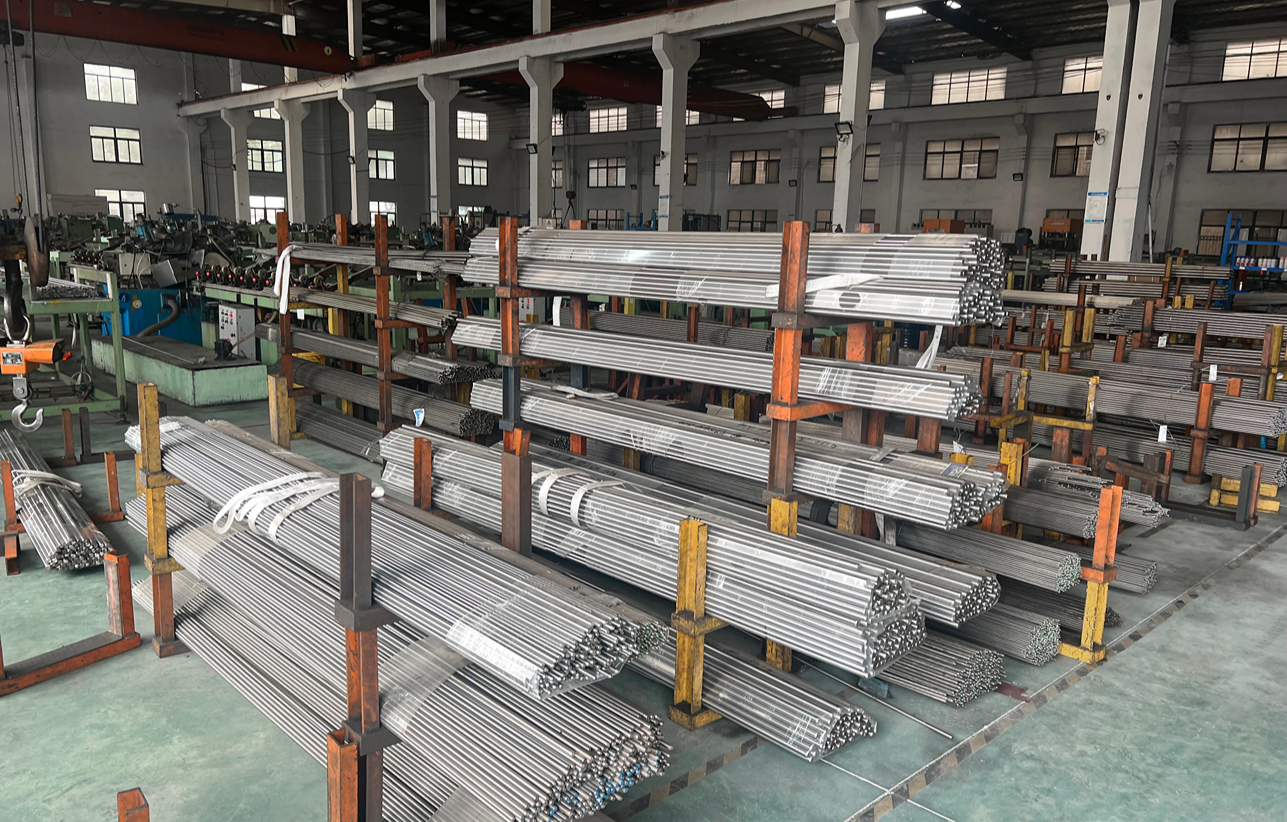
Stainless Steel Bar Inventory Racking System
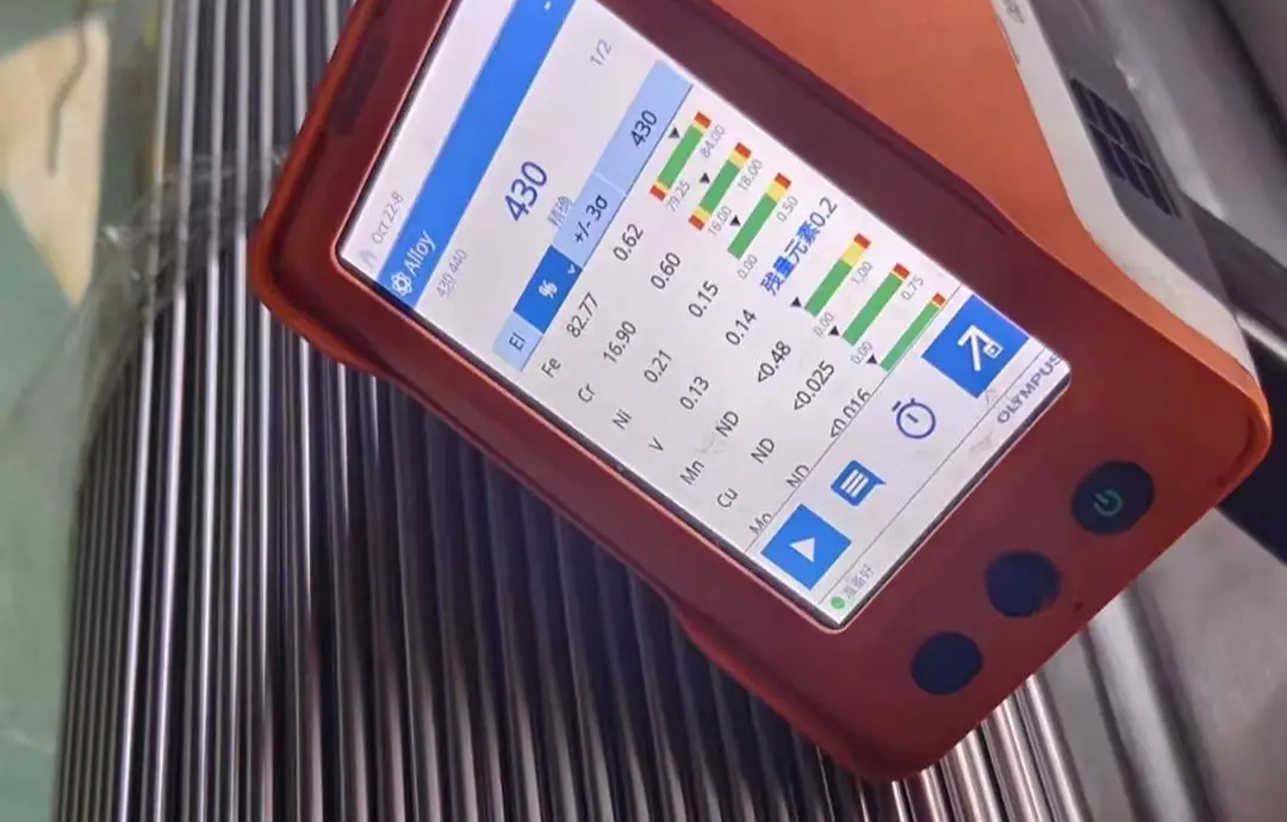
Spectrometer for Alloy Composition Analysis
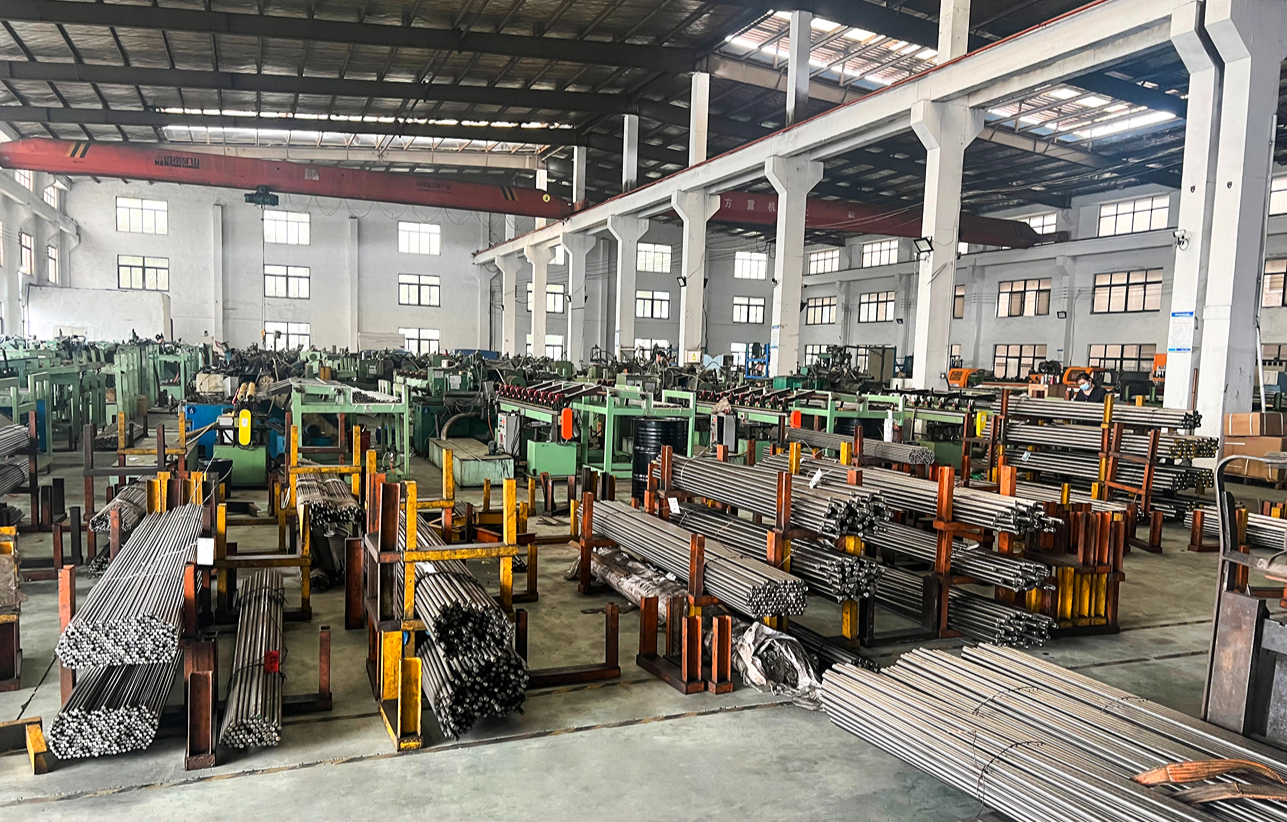
Finished Stainless Steel Bars on Storage Racks
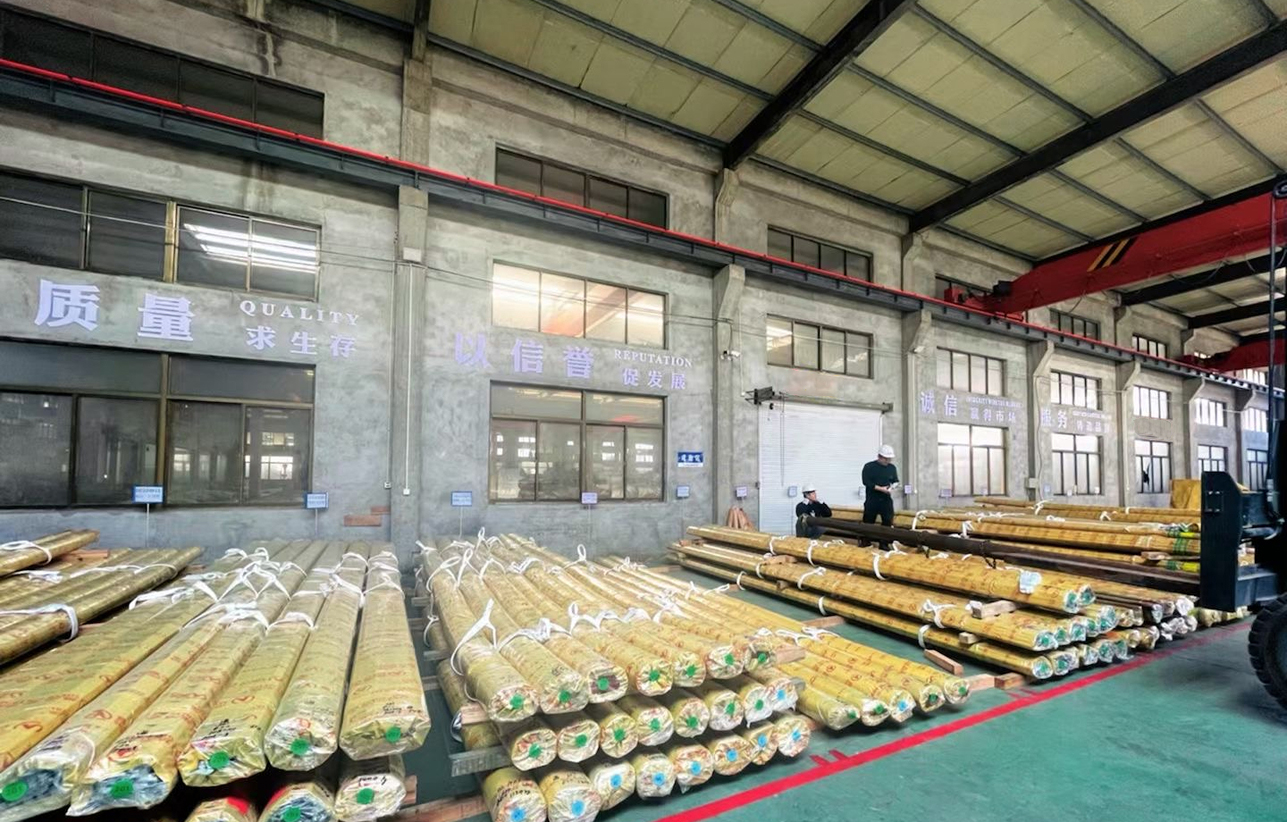
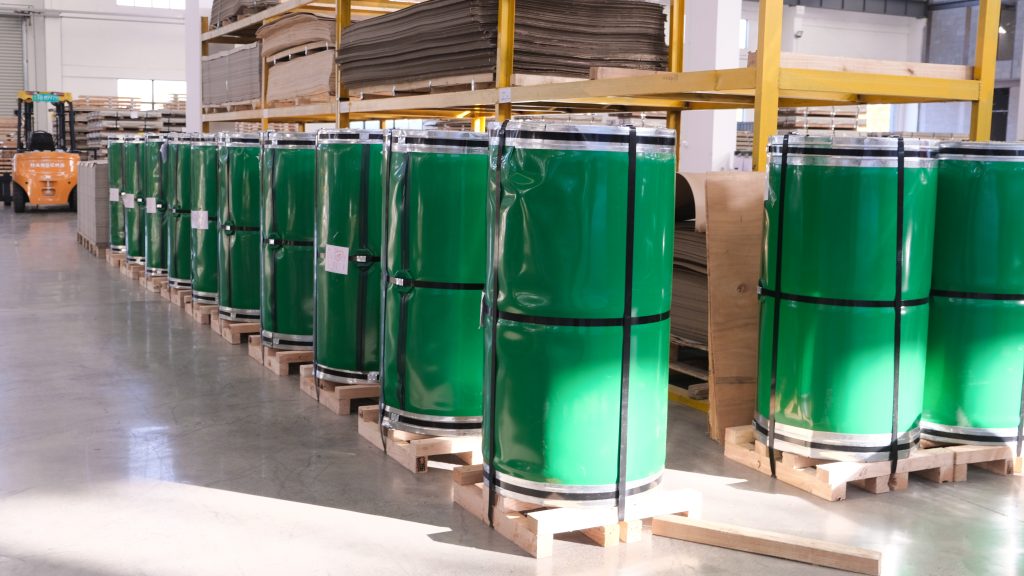
Palletized Stainless Steel Bars on Workshop Floor
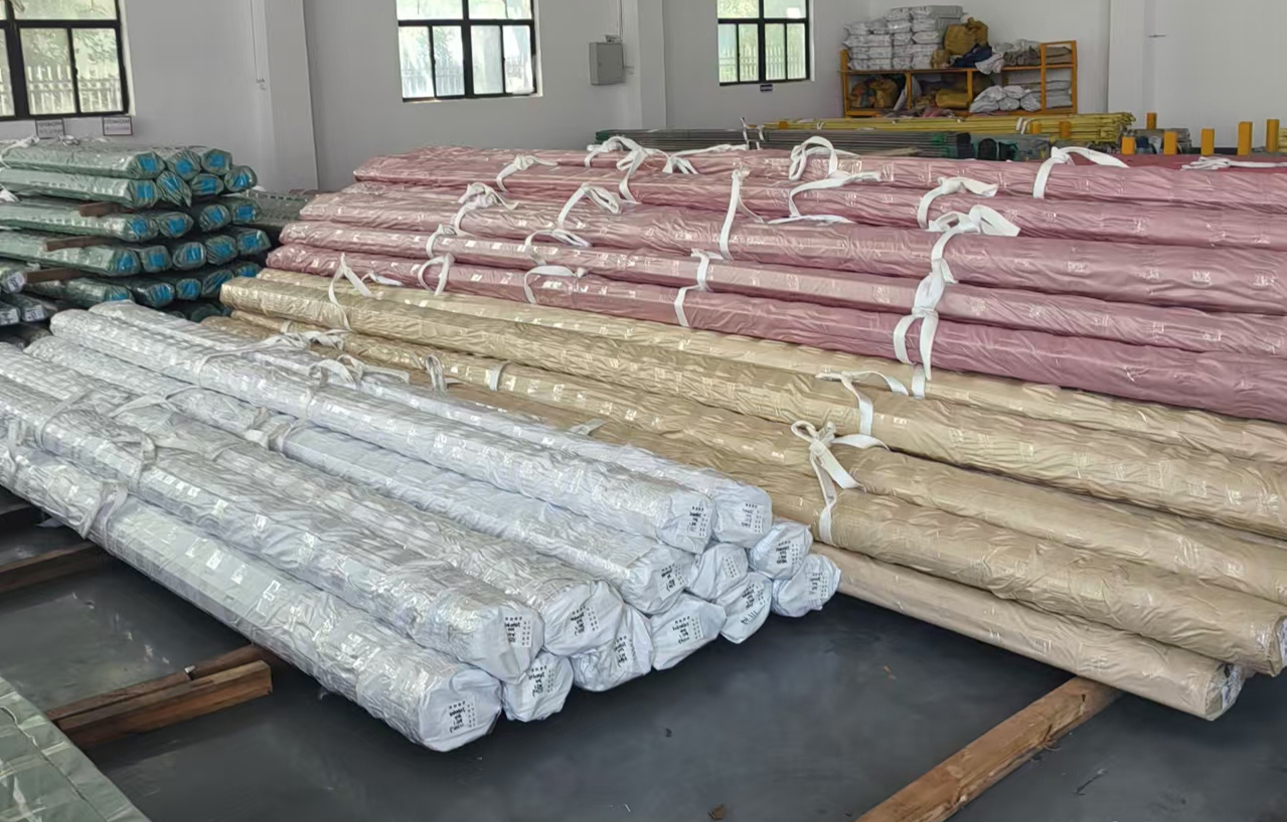
Secured Stainless Steel Bar Bundles for Shipment
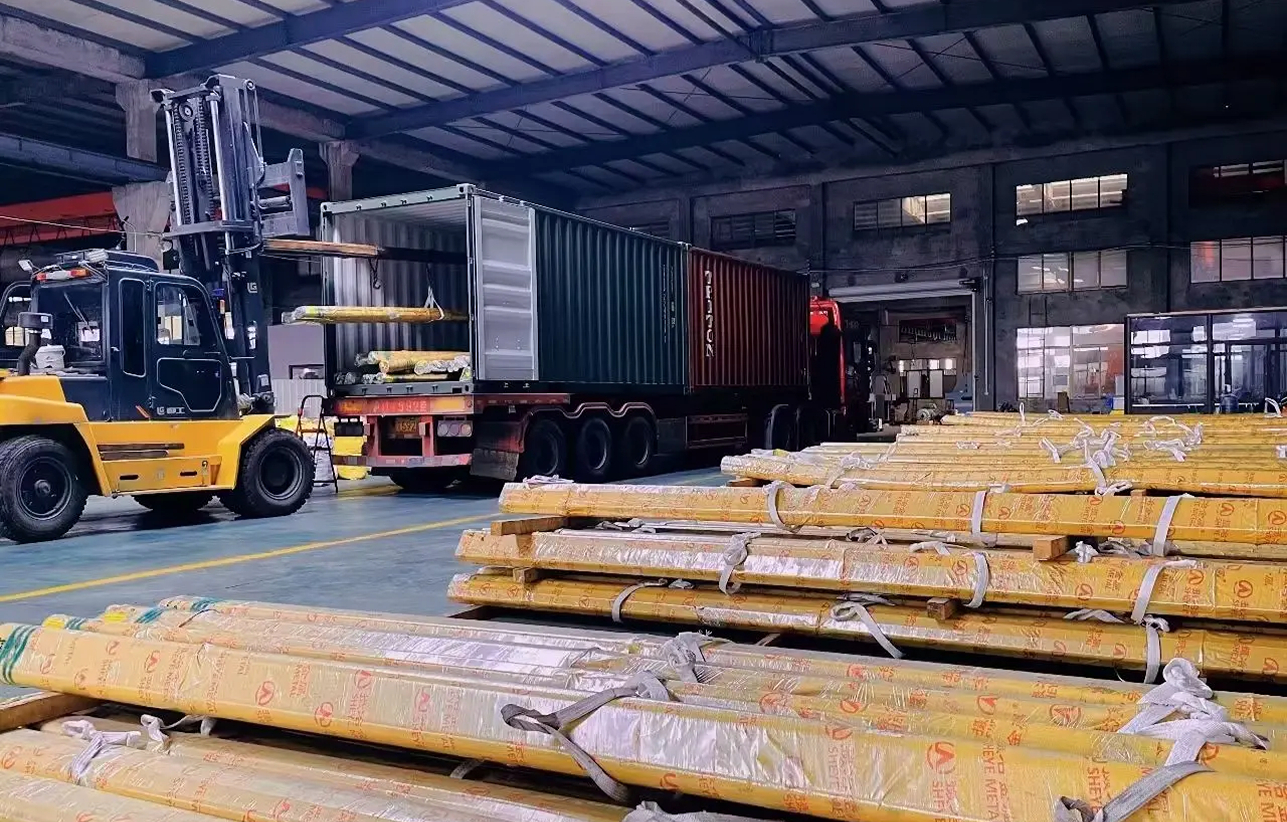
Forklift Loading Bundled Stainless Steel Bars into Freight Truck

Bolts, nuts, shafts (e.g., transmission shafts in electronics)

Non-critical structural components (e.g., surgical instrument housings, polished after machining)

Non-magnetic shielding covers, battery casings
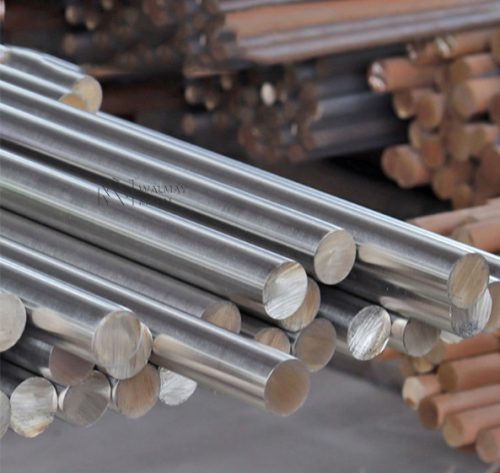
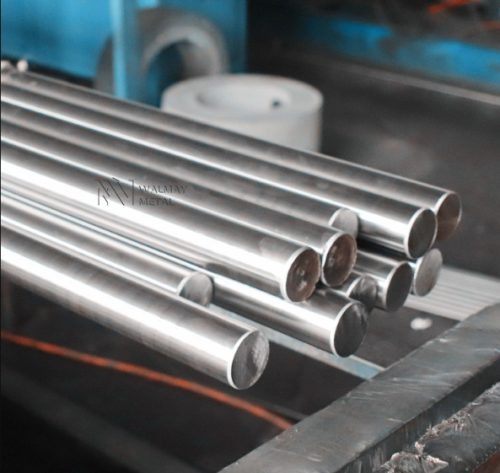


Walmay will help match the right stainless product form and specification for your application, confirm quantities and packing needs, and provide requested documents based on order requirements.