 By Walmay
 03 Sep, 2026
 7 Minutes Read
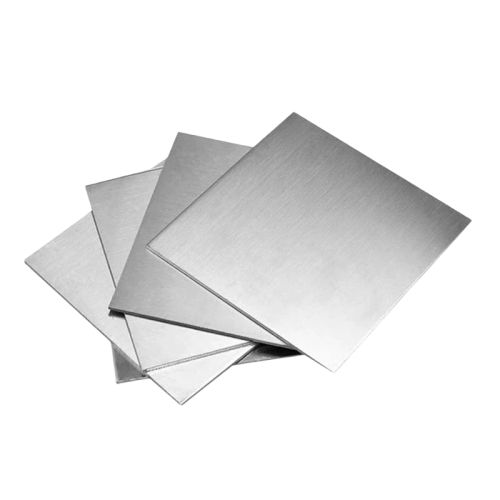
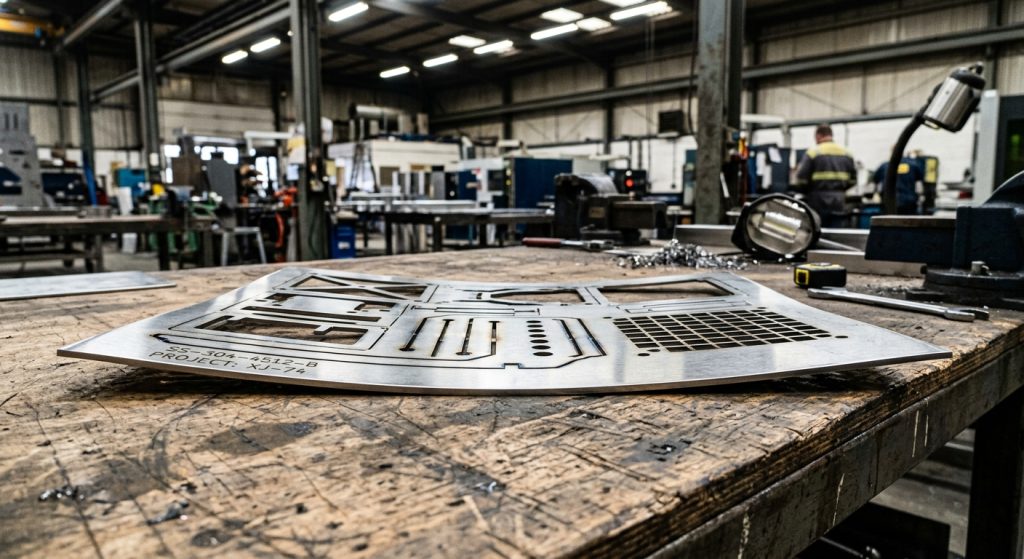
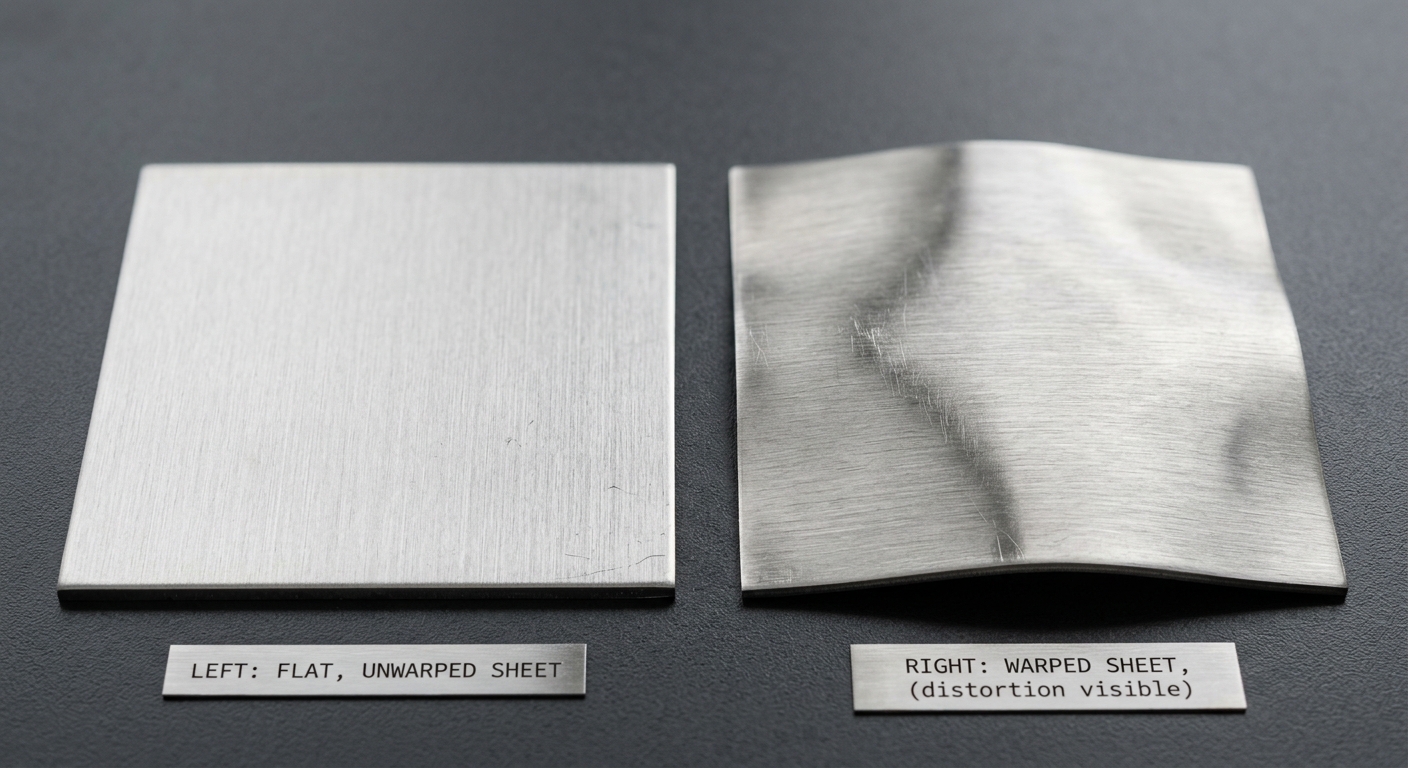
Flatness problems show up after laser cutting because the cutting process doesn’t create the distortion — it releases it. The sheet was never actually stress-free; it just looked flat because the internal stresses from rolling, annealing, and cooling were balanced across the full sheet. The moment a laser cuts a slot, a hole, or trims a profile, that balance breaks, and the trapped stress relaxes into visible warping, bowing, or twist that no amount of incoming inspection would have caught.
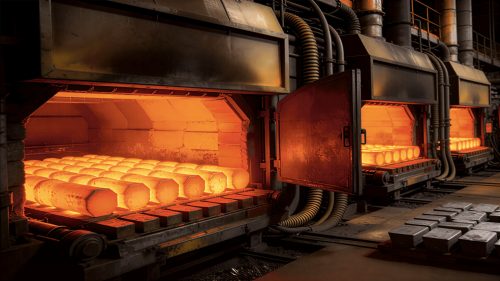
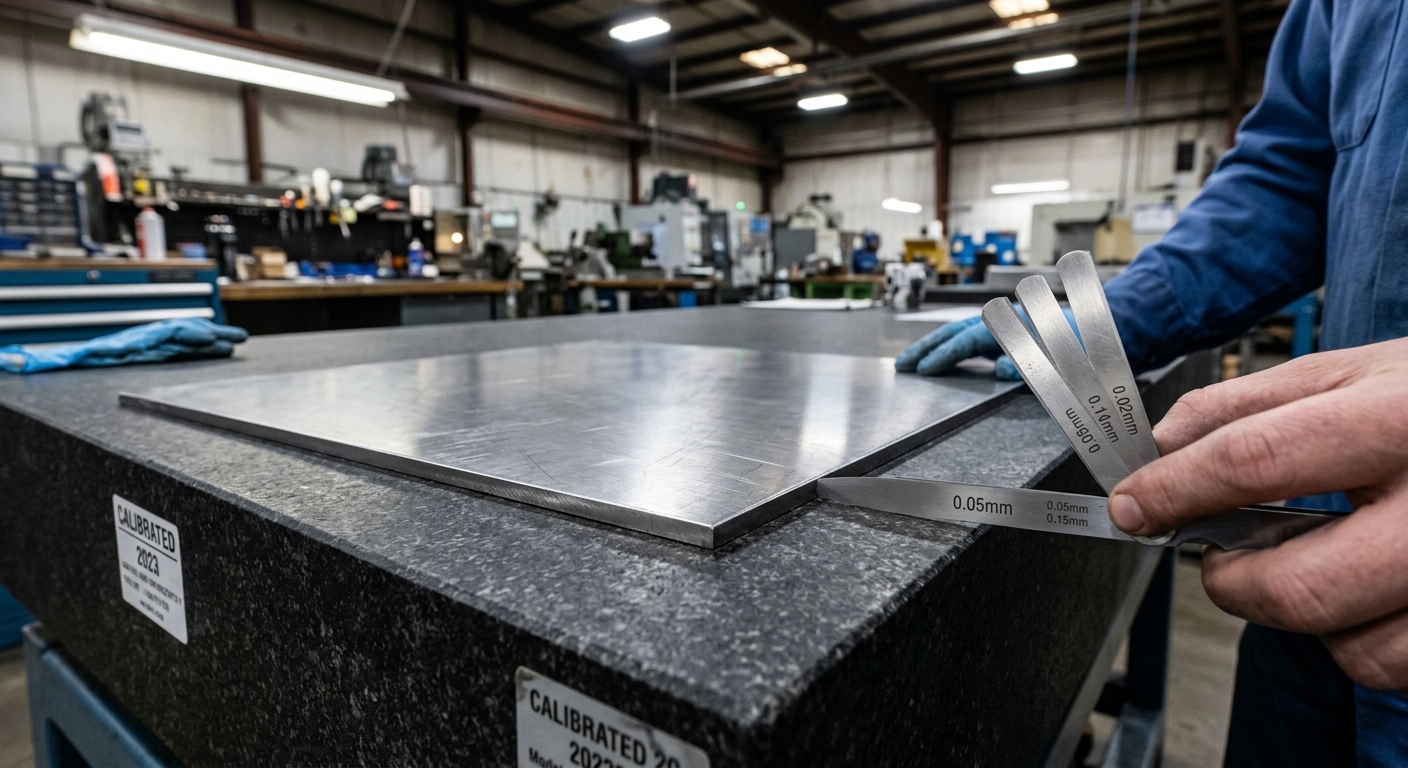
Here’s the uncomfortable truth: a flat sheet on your receiving dock and a stress-free sheet are two different things. Cold-rolled stainless steel carries residual stress from the moment it leaves the rolling mill, baked in further during annealing and pickling if cooling isn’t uniform across the width. As long as the sheet stays in one piece, those internal stresses pull against each other symmetrically and the surface reads flat on a granite table.
Cut that sheet into smaller shapes — especially asymmetric parts, brackets with offset holes, or narrow strips — and you remove the material that was holding the stress in balance. What’s left redistributes itself, and the part bows, twists, or cups. This is standard metallurgy, not a laser cutting defect, but buyers rarely get told this until the fifth rejected batch.
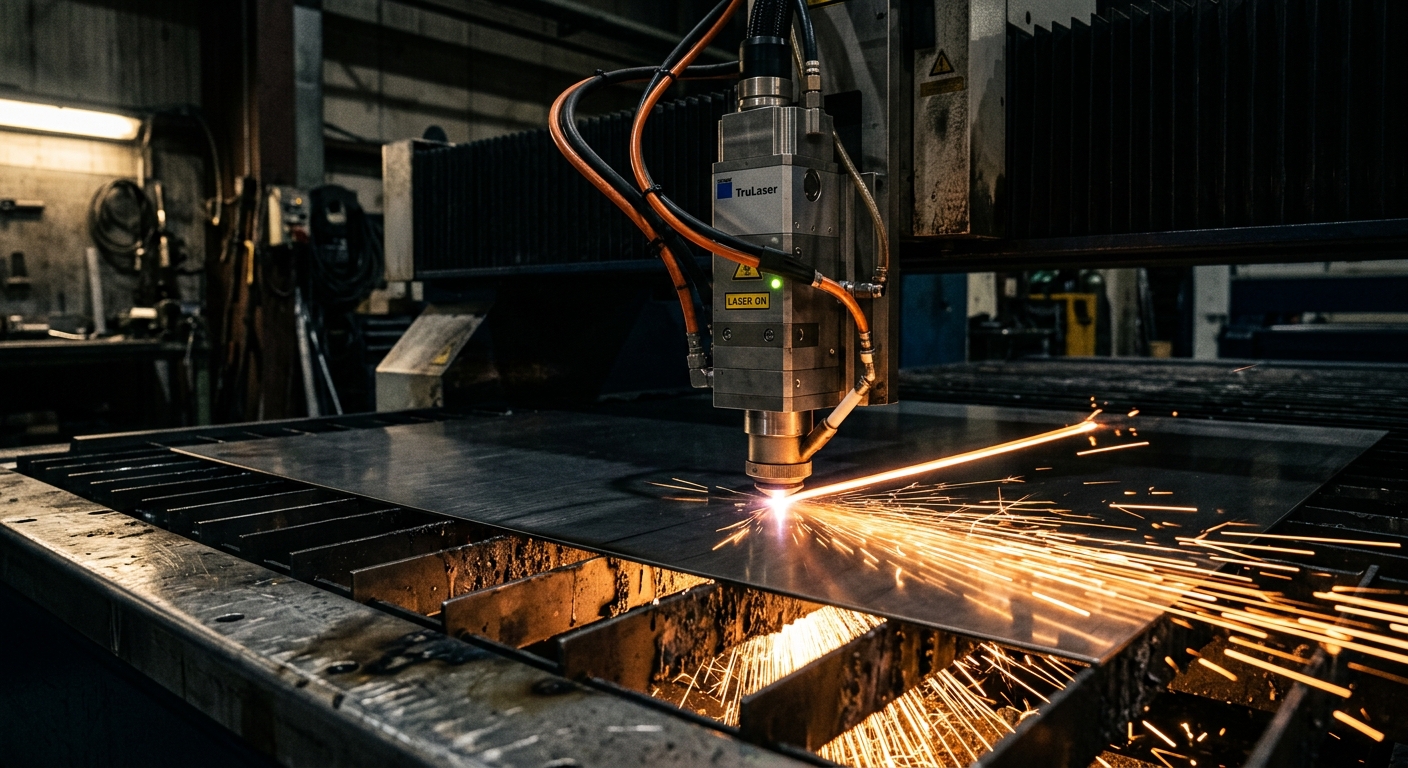
Laser cutting adds a second layer to the problem: localized heat. A fiber laser can hit temperatures above 1,400°C in a cut kerf just a few tenths of a millimeter wide, while the surrounding material stays near room temperature. That thermal gradient creates its own stress field on top of whatever residual stress was already sitting in the coil.
Sheets under 1.5mm thick have very little section stiffness to resist either the pre-existing residual stress or the new heat-affected zone stress. A 0.8mm 304 sheet cut into a long, narrow bracket shape will almost always show more distortion than a 3mm plate cut into the same geometry — not because the laser is more aggressive, but because there’s simply less metal mass to resist bending.
This is one reason material selection and gauge choice matter as much as cutting parameters. For a deeper look at how rolling processes influence internal stress before cutting even happens, see our guide on hot rolled vs cold rolled steel differences.
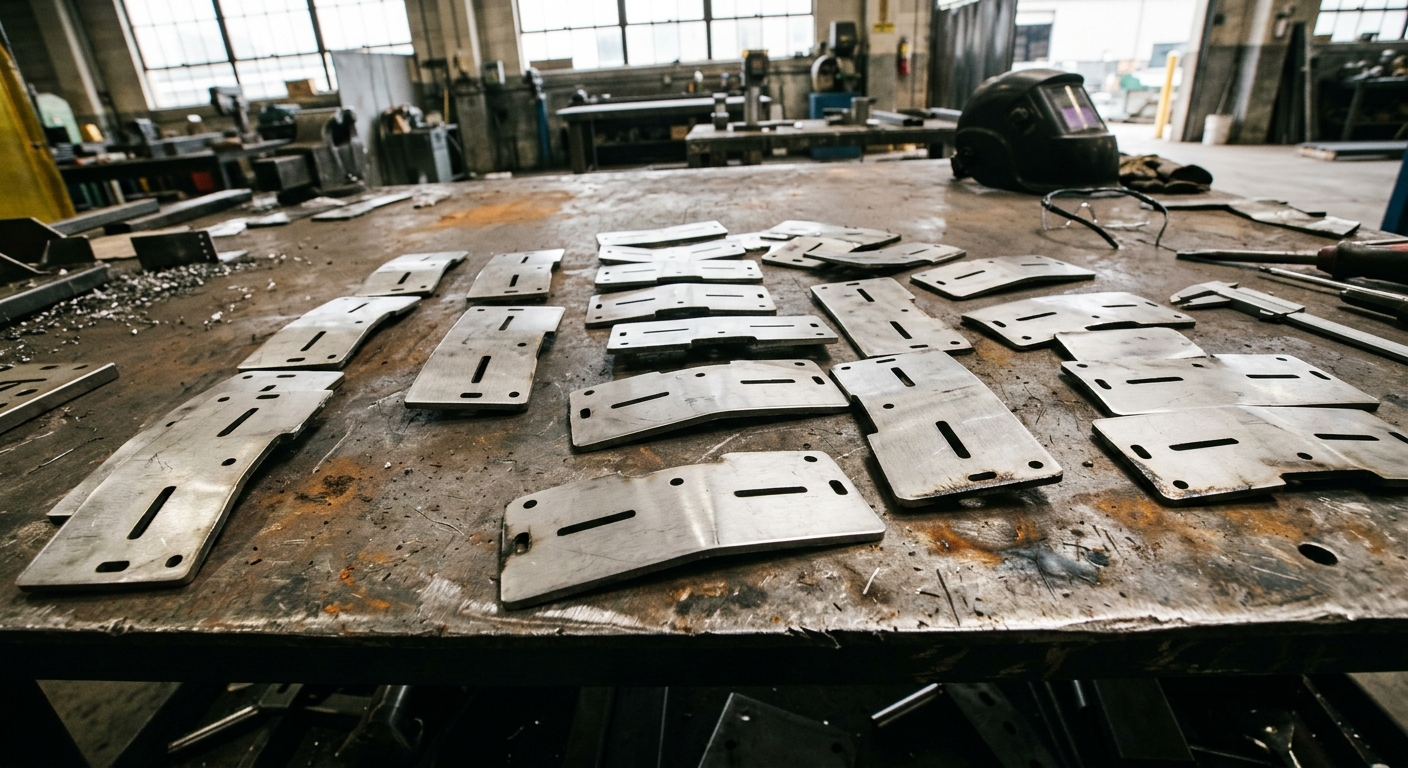
Symmetric parts distort less. Asymmetric parts with holes, slots, or cutouts on one side distort more — sometimes dramatically. If you’re cutting a simple rectangle from the center of a sheet, residual stress release is usually mild and even. But cut an L-bracket with a large notch on one edge, and you’ve created an unbalanced structure that will curl toward the side with less material removed.
For instance, a ventilation equipment fabricator ordering 2mm 316L panels with large mounting cutouts on one edge found that nearly 15% of parts came off the laser table with 2-3mm of bow across a 600mm length — well outside their ±1mm flatness spec. The steel itself tested within standard mechanical properties. The problem was nesting: parts were laid out to maximize yield, not to balance stress release. Reorienting the nest and adding light tab supports at strategic points cut the rejection rate to under 3%.
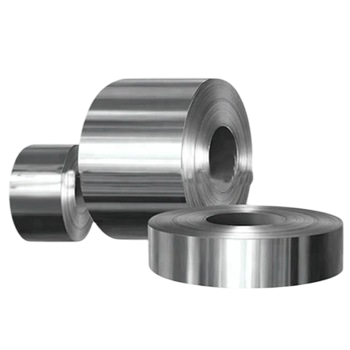
If your sheets come from slit coil rather than mill-cut plate, there’s another factor: coil-set. Strip that’s been wound and unwound retains a slight curvature memory, particularly toward the outer wraps of a coil where bend radius was tighter during winding. This isn’t always visible when the strip is cut flat and laid on a table under its own weight — gravity can mask a mild set. But once a laser removes material and changes the part’s stiffness, that suppressed curvature reasserts itself.
Tension leveling before slitting reduces this, but it doesn’t eliminate it completely, especially on thinner strip gauges. If your supplier can’t tell you whether the coil was tension-leveled, that’s a red flag worth chasing before you commit to a large cutting run. Coil tolerance and processing quality upstream directly affects what happens downstream at the laser table — a topic closely tied to the discussion in our post on choosing the right profile for machining, where dimensional stability through processing is just as critical.
Not all stainless grades behave the same way under thermal and residual stress. Austenitic grades like 304 and 316L have a higher coefficient of thermal expansion than ferritic grades like 430 — roughly 17.3 x 10⁻⁶/°C versus 10.4 x 10⁻⁶/°C. That means the same laser heat input produces noticeably more local expansion and contraction in 304 than in 430, translating into more post-cut warping for otherwise identical part geometry.
If your application can tolerate a ferritic grade — non-structural decorative panels, indoor appliance trim, low-corrosion environments — switching from 304 to 430 can meaningfully reduce flatness complaints on complex laser-cut parts, on top of the cost savings. We cover this trade-off in detail in 430 vs 304 Stainless: Your Practical Guide to Choosing Right.
Skilled laser operators reduce distortion with lower power settings, slower cutting speeds on critical edges, and strategic cut sequencing — starting cuts from the center of a nest and working outward rather than cutting edge-first. Nitrogen assist gas instead of oxygen also reduces heat input and oxide buildup, which helps control the thermal gradient.
None of these techniques undo residual stress that was already locked into the sheet before it reached the laser bed. If the mill delivered material with uneven annealing or inconsistent cooling across the width, no cutting parameter adjustment compensates for that. This is why flatness complaints that seem to be a fabrication problem often trace back to the rolling mill — and why buyers need visibility into how their supplier processes and quality-checks flatness before shipment, not just at final inspection.
None of this is exotic — it’s standard procurement diligence that most buyers skip because flatness rarely gets flagged until it’s a shop-floor problem. Building it into your stainless steel selection process upfront saves scrapped parts, missed deadlines, and awkward conversations with your own customers.
Sometimes what looks like a laser-cutting flatness problem is really a symptom of the wrong grade being used for the job. Magnetic behavior, unexpected hardness, or inconsistent grain structure can all amplify distortion in ways that mimic classic stress-release warping. If you’re seeing flatness failures alongside other anomalies — unexpected magnetism, surface staining, or inconsistent hardness readings — it’s worth confirming the material is actually the grade on the mill certificate. Our post on magnetic stainless steel properties walks through how to spot a mismatch before it costs you a full production run.
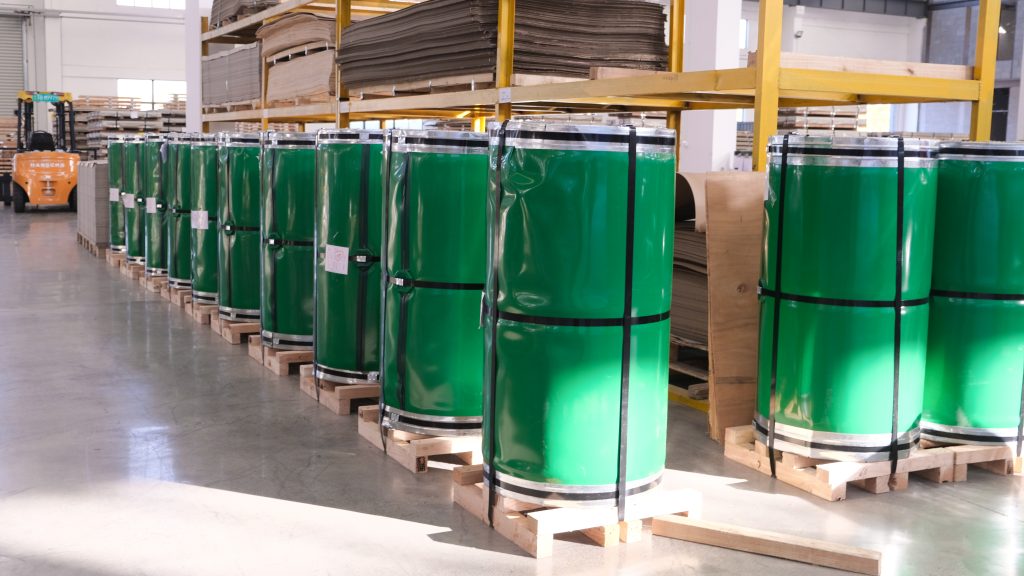
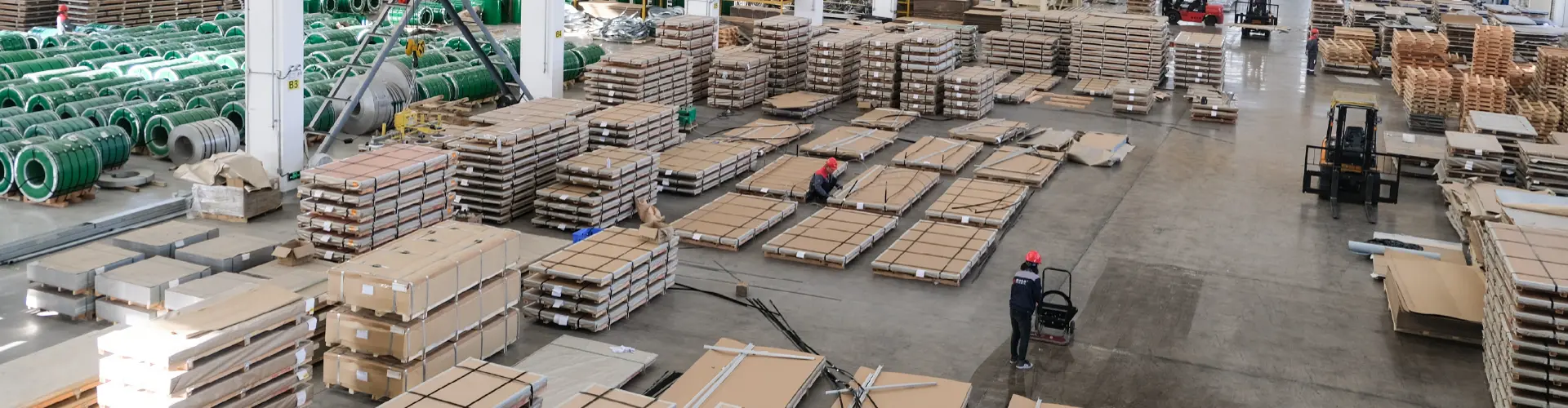
Walmay will help match the right stainless product form and specification for your application, confirm quantities and packing needs, and provide requested documents based on order requirements.