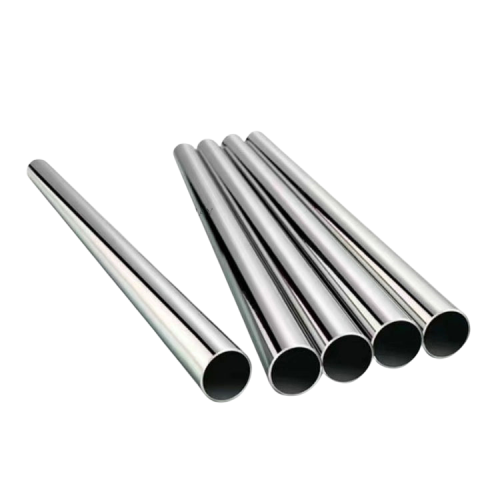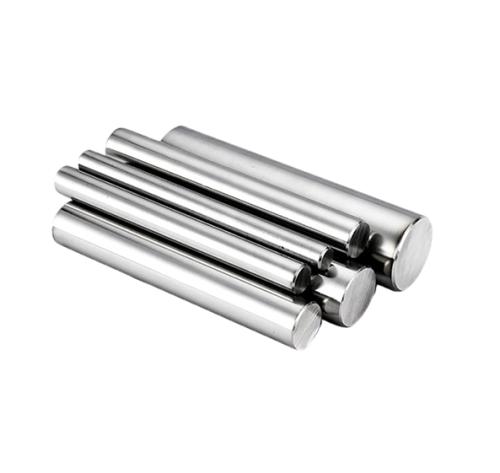
Stainless Steel Applications vary by service environment, fabrication method, and required product form — including stainless steel bar and rod for shafts, fasteners, and precision machined components. Common use cases are grouped by industry sector and application scenario, with grade-family guidance to support efficient specification and product selection.


WALMAY METAL supplies corrosion-resistant grades and customized industry solutions. From daily use to high-tech systems, options like 304, 316L, and 2205 support durability, safety, and efficiency.


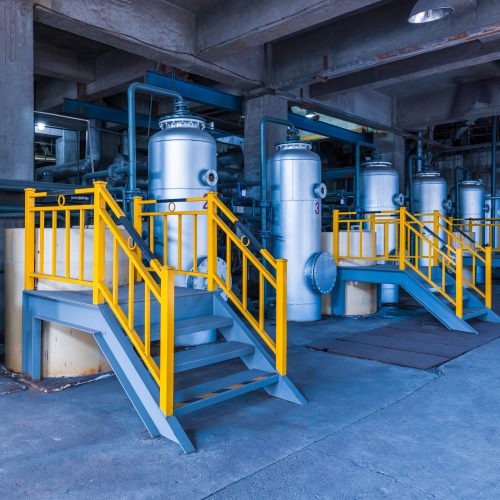

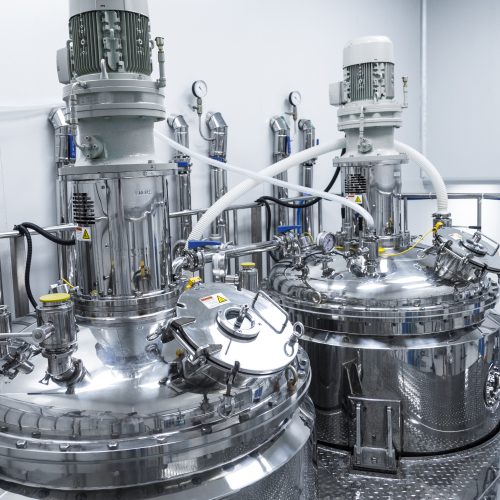

For salts, marine air, or chloride-containing water, shortlisting should prioritize pitting/crevice resistance along with suitable surface condition control.
Cutting, bending, welding, machining, and forming requirements directly affect practical suitability.
Surface condition can influence appearance, cleanability, and corrosion performance in demanding environments.

Austenitic families
Austenitic families with environment-appropriate surface control
Duplex families or chloride-focused options
Martensitic families
Precipitation-hardening families
Ferritic families
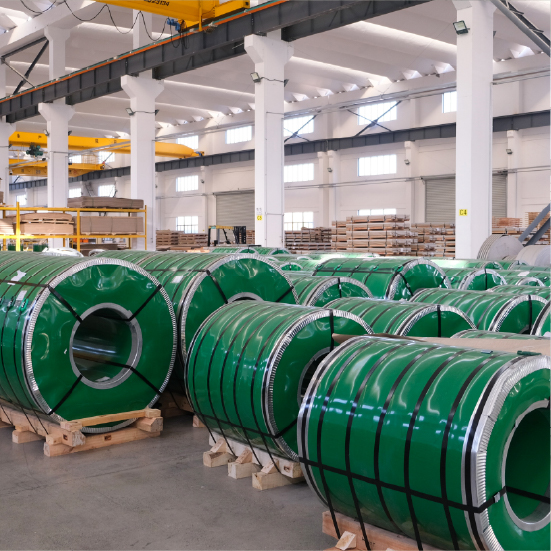
Cut-to-Length and Dimensional Planning
Provide target lengths and tolerances to reduce internal re-cutting, waste, and handling time.
Slitting, Edge Requirements, and Coil Preparation
Define width, edge condition, and packaging preferences to match stamping and forming workflows.
Finish Coordination for Appearance and Performance
Align surface condition targets with end-use requirements where appearance, cleanability, or environmental exposure matters.
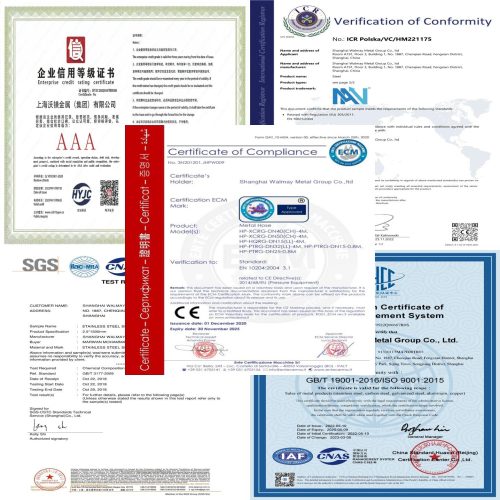
Export Packing, Documentation, and Traceability Workflows
Support shipment planning and documentation needs to meet project-level procurement requirements.
Have a project requiring custom thicknesses or SGS inspection?
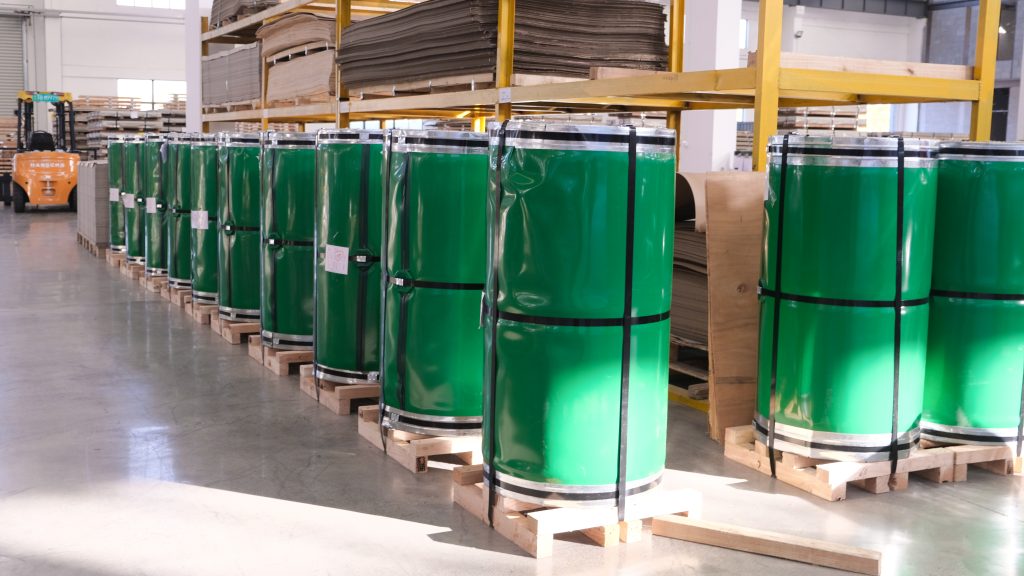
Walmay will help match the right stainless product form and specification for your application, confirm quantities and packing needs, and provide requested documents based on order requirements.
Loading form…