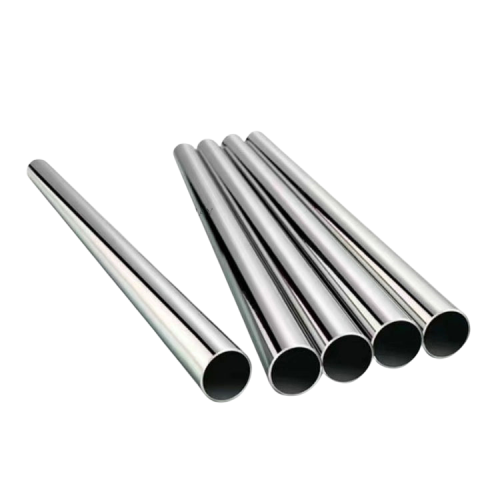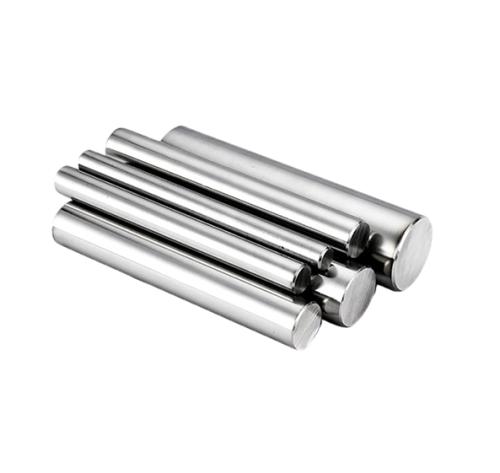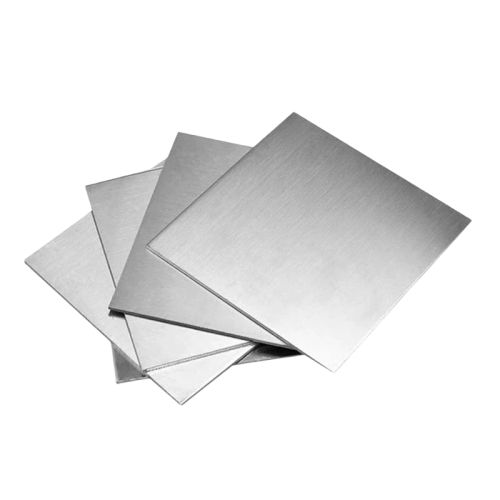
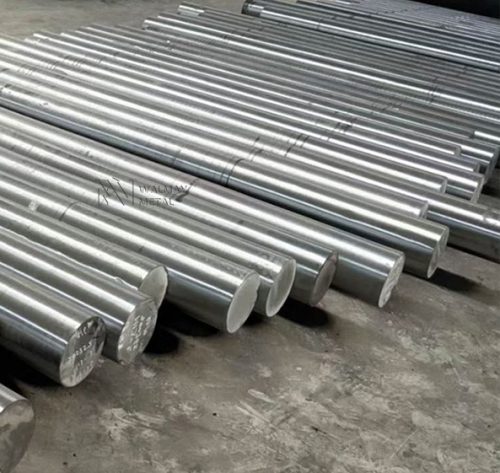
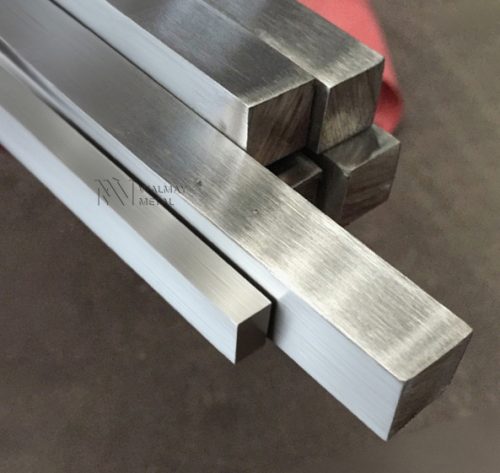
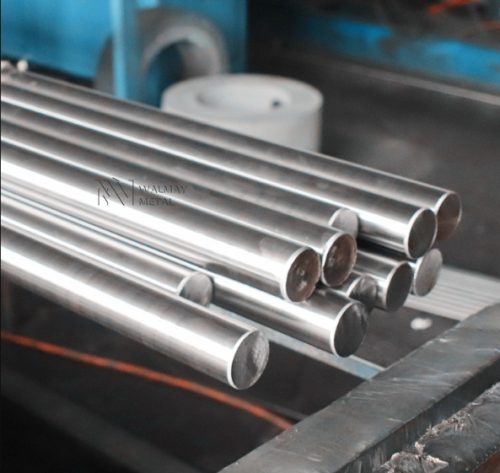
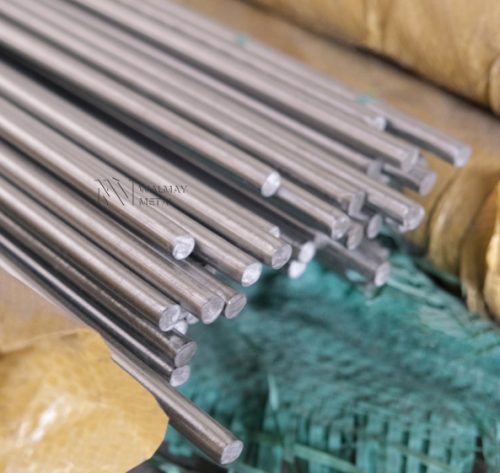
904L super stainless steel bar is manufactured from 00Cr20Ni25Mo4.5Cu and specified for pharmaceutical reactor shafts exposed to concentrated acids; for conveying the same aggressive media through connected lines, the complementary form is stainless steel round tube in 904L seamless grade.


| Element | Content (%) |
|---|---|
| Cr | 19.0–21.0 |
| Ni | 24.0–26.0 |
| Mo | 4.0–5.0 |
| Cu | 1.0–2.0 |
| C | ≤0.02 |
Density: 8.0 g/cm³ (slightly higher than 304 stainless steel at 7.93 g/cm³).
Melting Point: 1350–1400℃, ensuring good high-temperature performance; service temperature range: -196℃ to 400℃.
Thermal Conductivity: 12.9 W/(m·K) at 20℃, increasing to 18.0 W/(m·K) at 300℃.
Coefficient of Thermal Expansion: 15×10⁻⁶/K (20–100℃).
Magnetism: Non-magnetic in solution-annealed condition.
| Property | Value | Advantage vs. 304 SS |
|---|---|---|
| Tensile Strength | ≥490 MPa | Comparable to 304 (≥520 MPa), but maintains strength better under severe corrosion. |
| Yield Strength | ≥215 MPa | Slightly higher than 304 (≥205 MPa); enhanced resistance under combined stress & corrosion. |
| Elongation | ≥35% | Similar to 304, ensuring excellent cold forming ability (bending, stretching). |
| Reduction of Area | ≥50% | Higher than 304; superior toughness, better impact resistance. |
| Brinell Hardness | ≤220 HB | Balanced hardness for machinability and wear resistance; more stable under corrosion. |
| Impact Toughness (-40℃) | ≥27 J | Maintains toughness at low temperatures (better than 304), suitable for polar environments. |
Diameter Range:
Length: Standard 3–6 m; custom cutting available, tolerance ±5 mm.
Surface Finish:
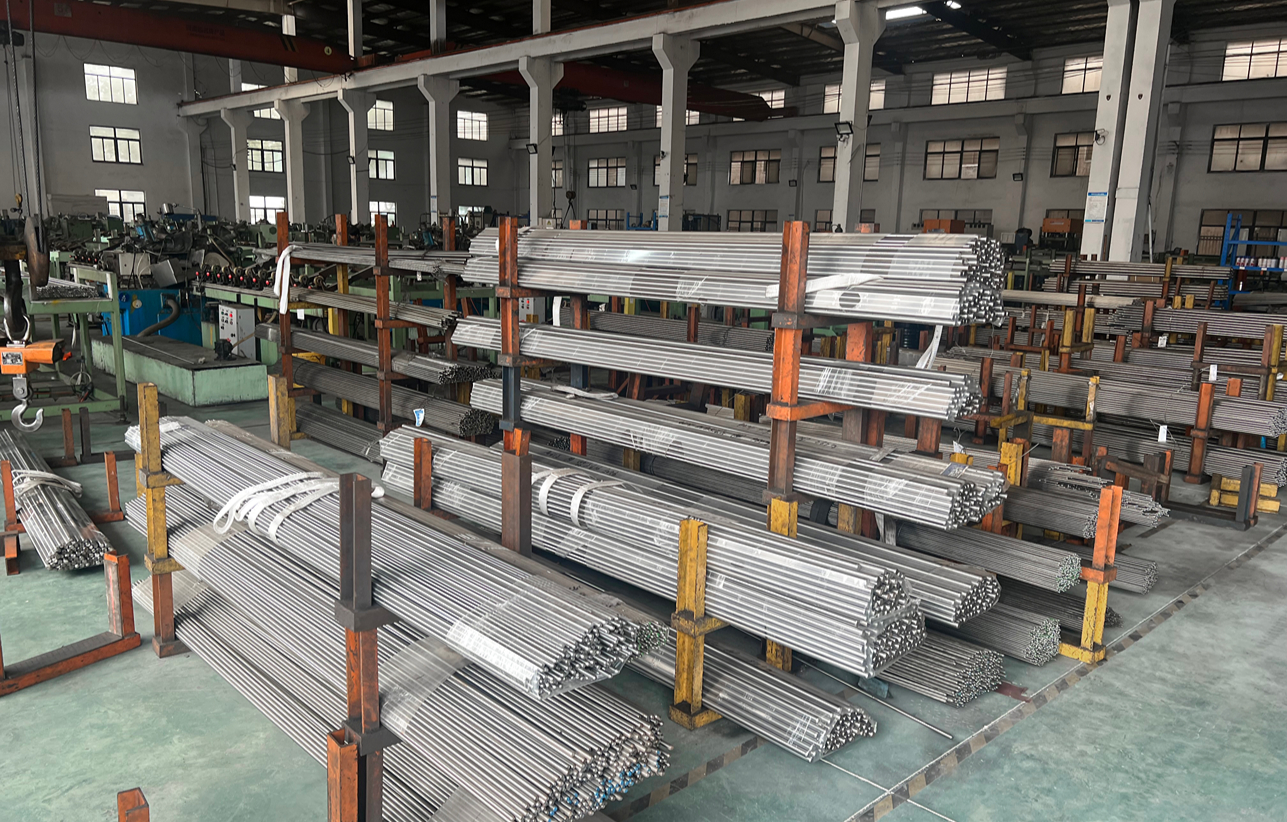
Stainless Steel Bar Inventory Racking System
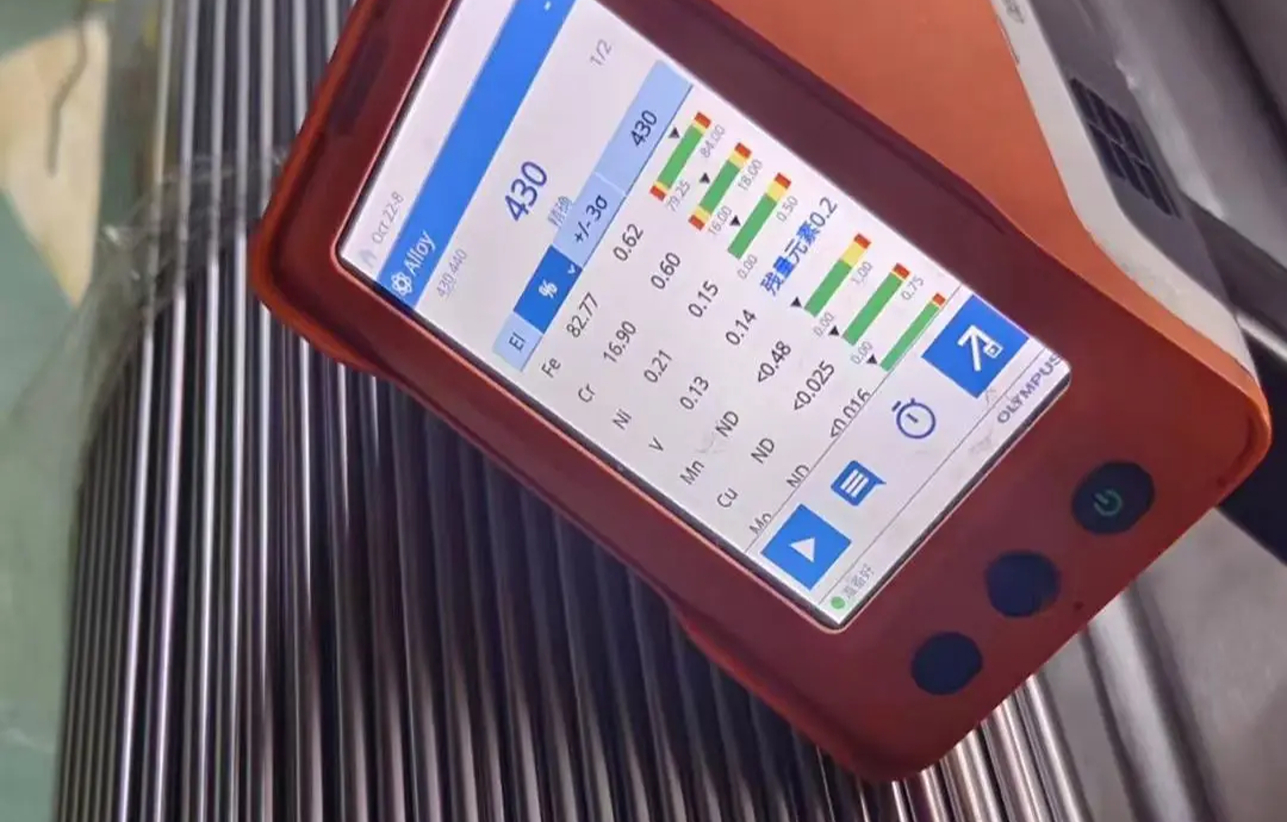
Spectrometer for Alloy Composition Analysis
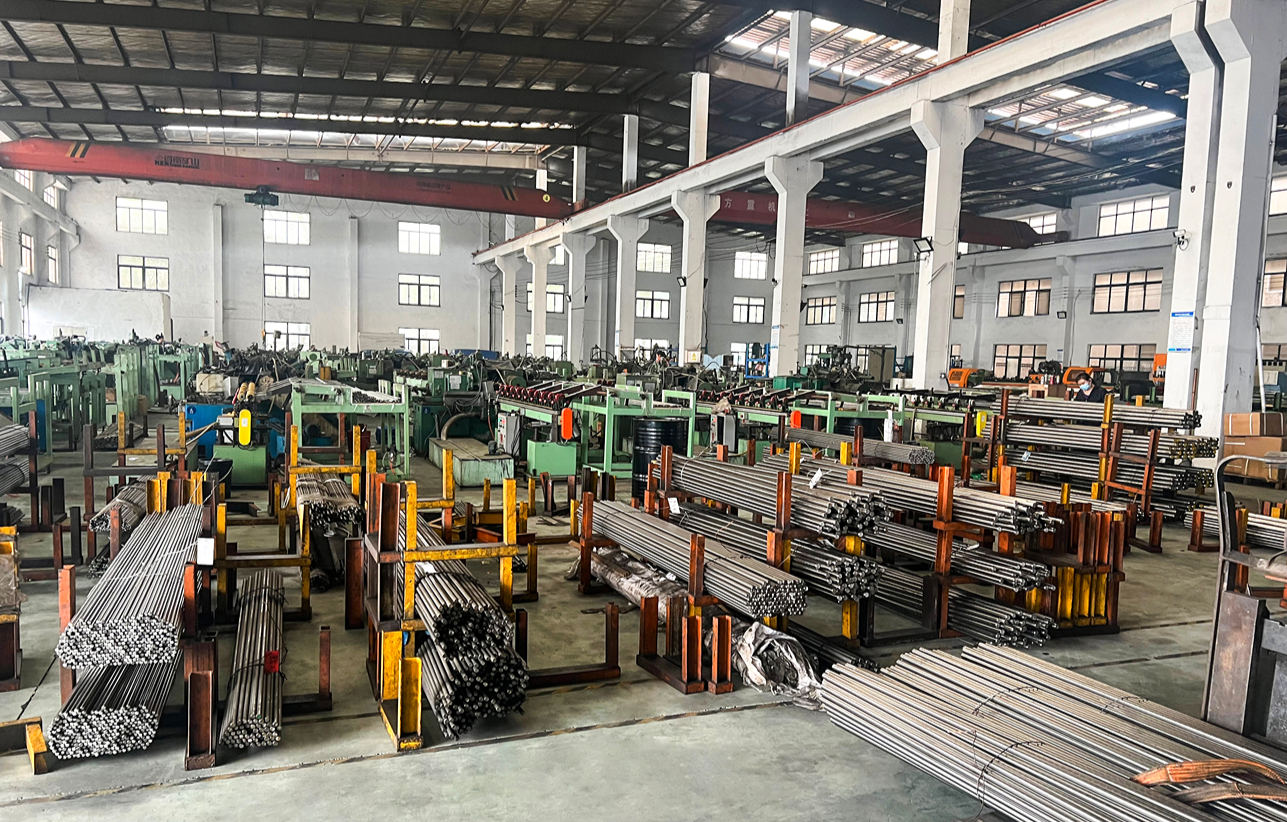
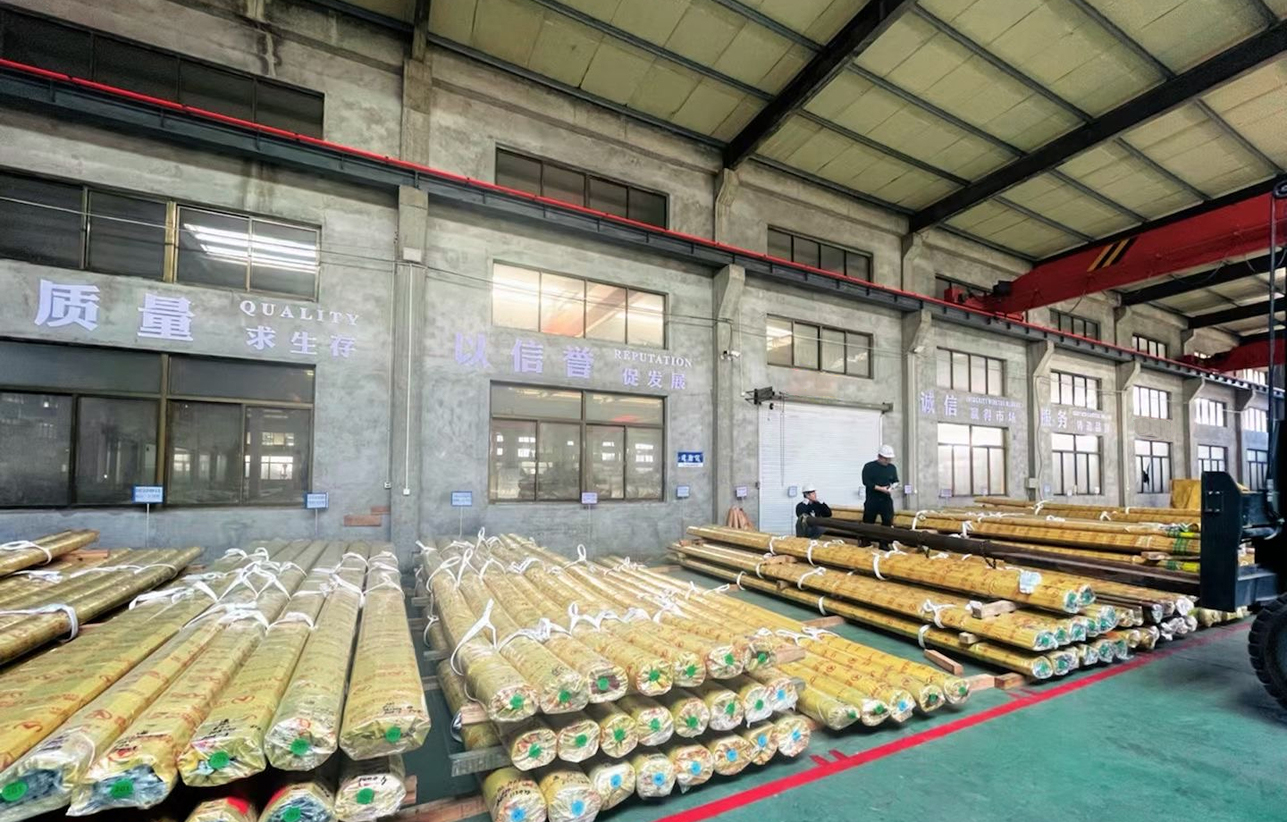
Finished Stainless Steel Bars on Storage Racks
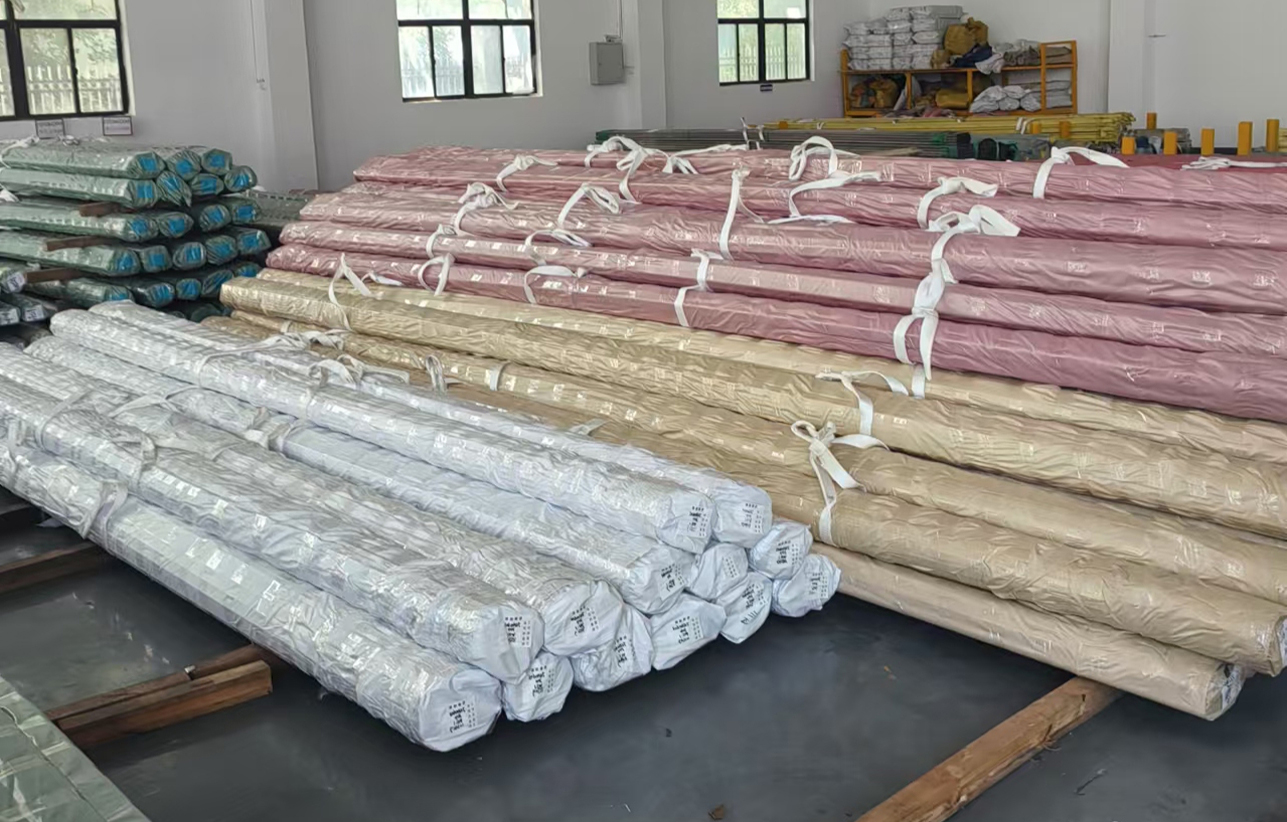
Palletized Stainless Steel Bars on Workshop Floor
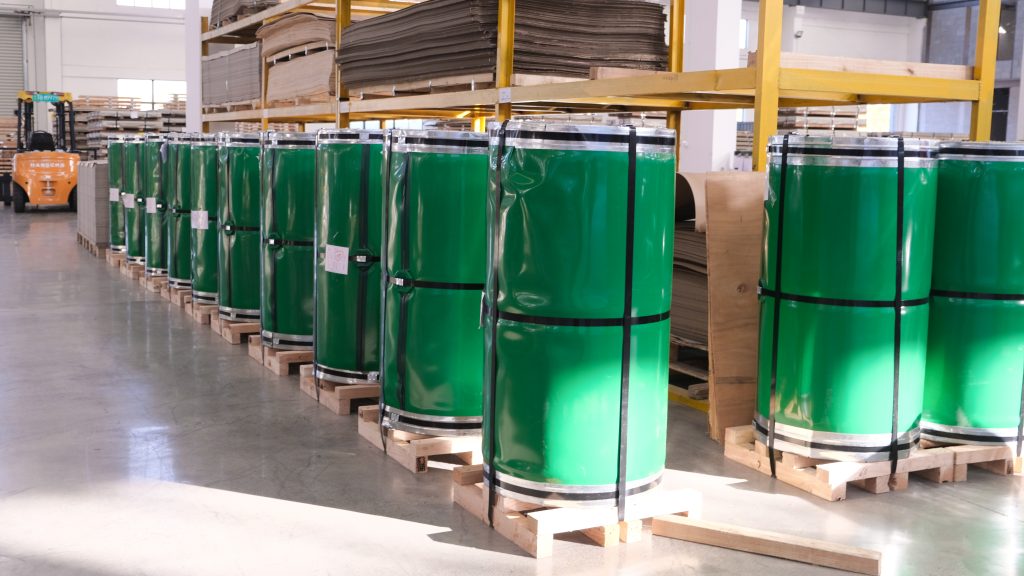
Secured Stainless Steel Bar Bundles for Shipment
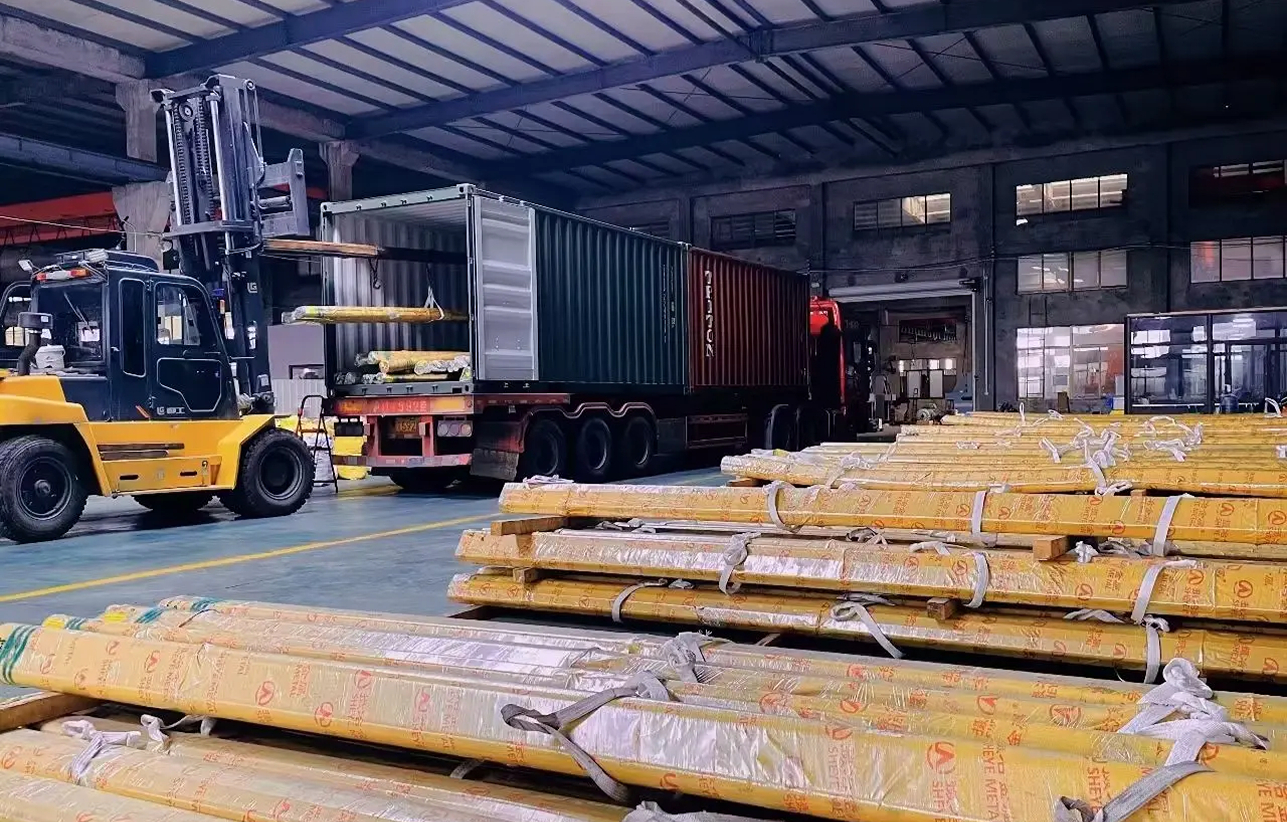
Forklift Loading Bundled Stainless Steel Bars into Freight Truck
Specification: Ø20–80 mm
Advantage: Corrosion rate ≤0.1 mm/year in 50% H₂SO₄ (80℃), far superior to conventional stainless steels.
Case: Reactor agitator shafts (Ø50 mm) in sulfuric acid plants maintain long-term stability; phosphoric acid transport pipelines (Ø60 mm) resist acid attack in chemical production workshops, ensuring process safety.

Specification: Ø30–100 mm
Advantage: Pitting potential ≥+400 mV in 3.5% NaCl; excellent crevice corrosion resistance.
Case: Used in seawater desalination units (e.g., RO membrane support shafts Ø80 mm) and offshore platform bridge supports (Ø100 mm) operating in shipbuilding yards, ensuring long-term resistance to seawater and salt spray corrosion.
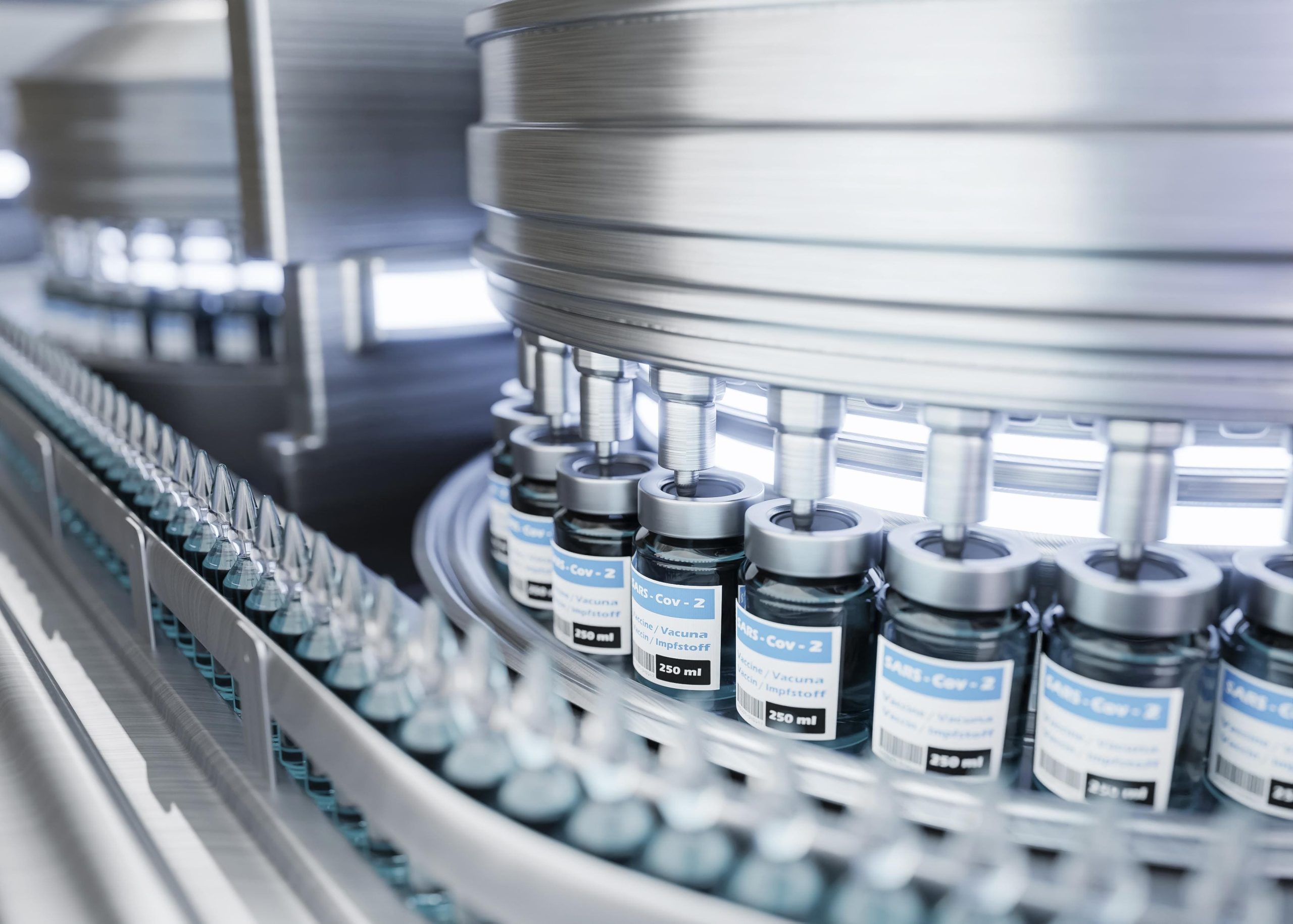
Specification: Ø10–50 mm
Advantage: High surface finish, meets GMP requirements.
Cases: Stirring rods (Ø20 mm) in crystallizers prevent contamination; pharmaceutical transfer pipes (Ø30 mm) used in pharmaceutical and food production areas, ensuring product purity.

Specification: Ø20–60 mm
Advantage: Excellent resistance in acidic, chloride-rich wastewater.
Cases: Aerator drive shafts (Ø40 mm) in wastewater treatment plants and spray pipes (Ø50 mm) used in wastewater treatment plants, resisting acidic exhaust and spray liquid corrosion.
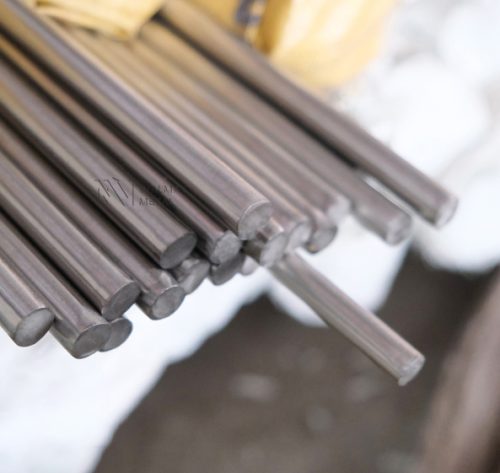
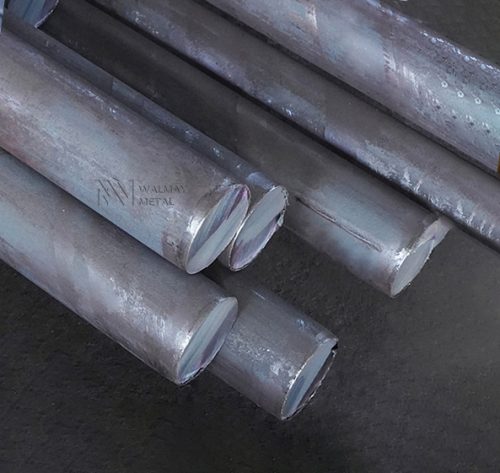

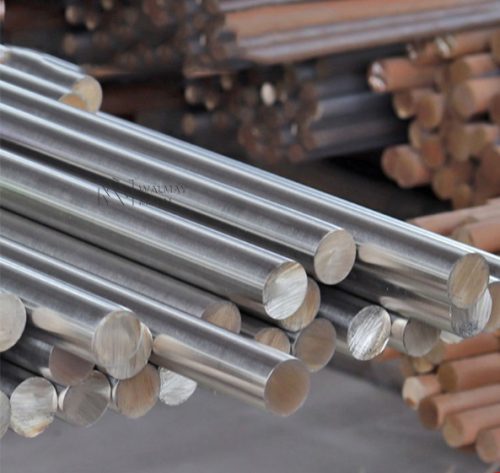

Walmay will help match the right stainless product form and specification for your application, confirm quantities and packing needs, and provide requested documents based on order requirements.
Loading form…