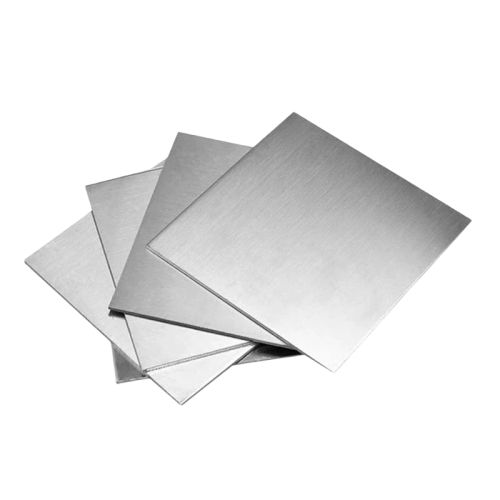

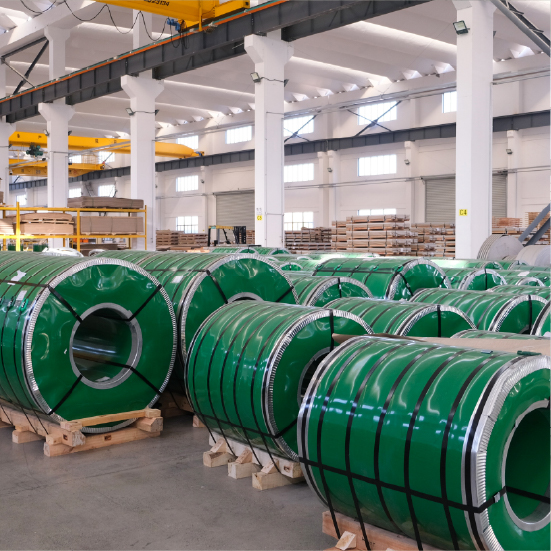

Stainless steel manufacturing turns scrap and ferroalloys into a corrosion-resistant product through melting, refining, casting, hot rolling, annealing and pickling, then cold rolling and finishing. Walmay works at both ends of that chain: we buy production directly from mills including POSCO and Tsingshan, and we run our own cutting, levelling, polishing and heat treatment lines in Wuxi before material ships. This page explains how the material is actually made, then who we are and how we supply it to more than 100 countries.
Modern stainless production is scrap-based. Stainless scrap, carbon steel scrap, ferrochrome, ferronickel and ferromolybdenum are charged into an electric arc furnace and melted at around 1,600 C. Because chromium is the element that makes steel stainless, the charge is calculated to land the heat inside the specification band for the target grade, typically at least 10.5 percent chromium for any stainless and 18 percent for the 300 series.
The molten heat moves to an argon oxygen decarburisation vessel. Injecting oxygen removes carbon, and injecting argon lowers the partial pressure so that carbon is oxidised in preference to chromium, which would otherwise be lost to the slag. This step is what makes low-carbon grades such as 304L and 316L possible, and it is also where nitrogen is added to duplex grades. Final trimming of composition and temperature happens in a ladle furnace or a vacuum oxygen decarburisation unit for the most demanding grades.
The refined heat is cast into slabs for flat products or billets and blooms for long products. Each cast is assigned a heat number, and that number is the thread that ties the finished plate, pipe or bar on your delivery back to the chemical analysis on the certificate.
Slabs are reheated to about 1,250 C and rolled down through a roughing and finishing train to hot band, typically 3 to 8 mm for coil or to plate thickness up to 150 mm. Hot rolling is where the cast structure is broken down and the mechanical properties begin to take shape.
Hot rolling leaves a hard, oxidised surface. Annealing between 1,040 and 1,120 C for austenitic grades puts chromium carbides back into solution and restores ductility and corrosion resistance. Pickling in acid then strips the oxide scale. The result is the No.1 surface that heavy plate and hot-rolled coil are normally supplied in.
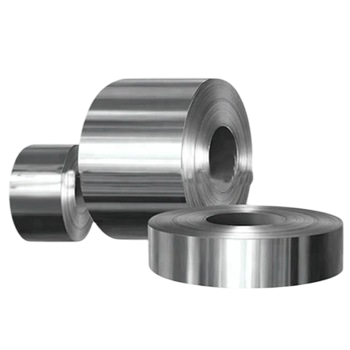
Material destined for sheet, strip and thin coil is cold rolled to final thickness, then annealed and pickled again, and finally skin passed to produce the 2B surface or bright annealed in a controlled atmosphere to produce BA. Mechanical polishing produces No.4 brushed, hairline and No.8 mirror. Cold rolling is what delivers the tight thickness tolerance and the appearance that visible applications require; our guides to hot rolled versus cold rolled steel and annealing go further into both steps.
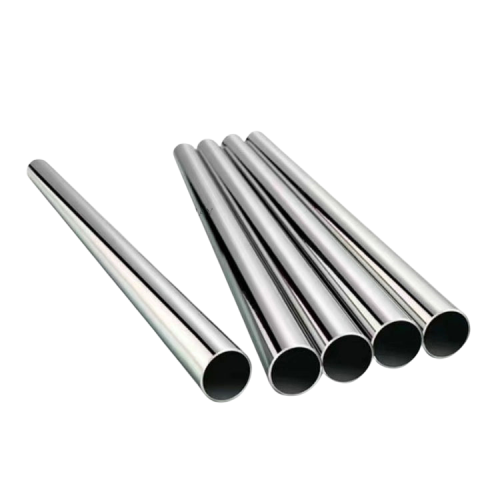
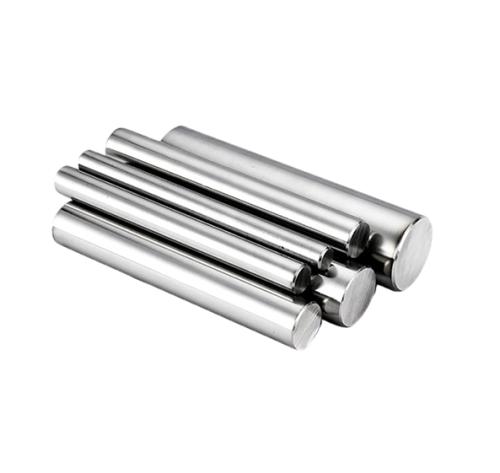
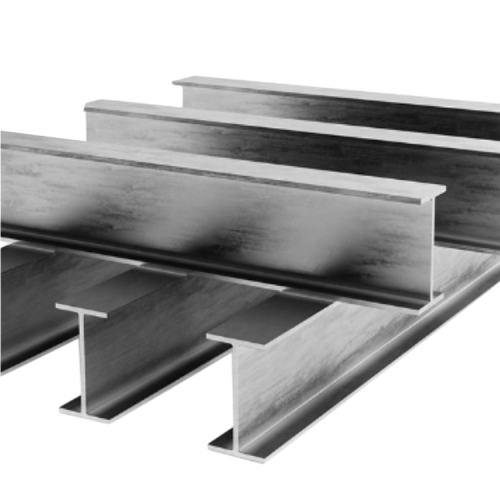
Flat product is slit, cut to length or roll formed. Tube is made either by forming and longitudinally welding strip, or by extruding and cold drawing a hollow for seamless pipe. Bar is hot rolled from billet then peeled, drawn or ground. Each route ends with inspection, marking and packing.
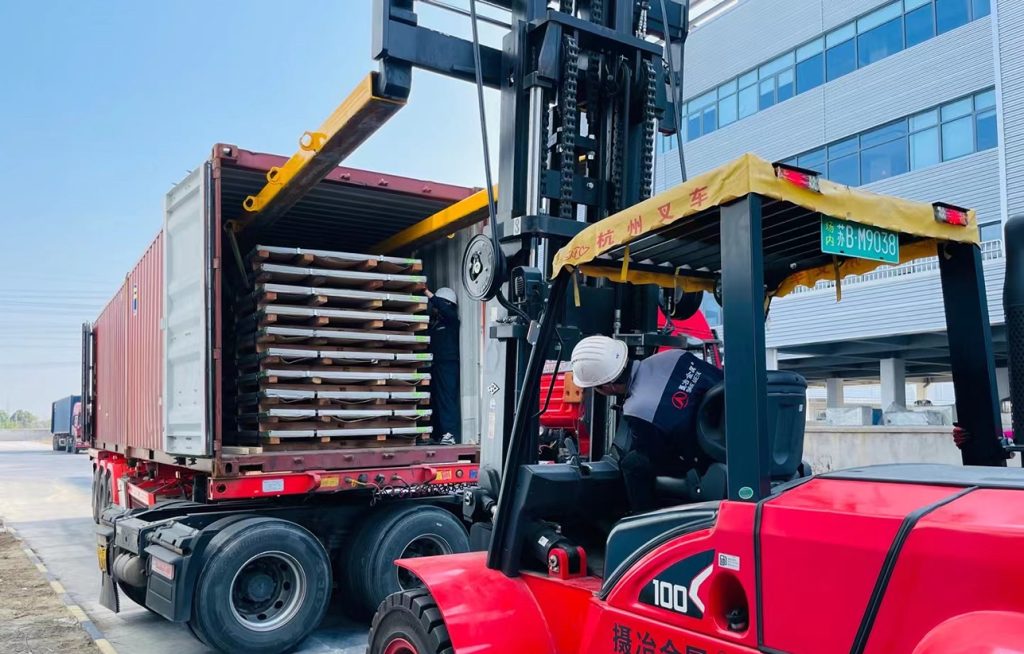
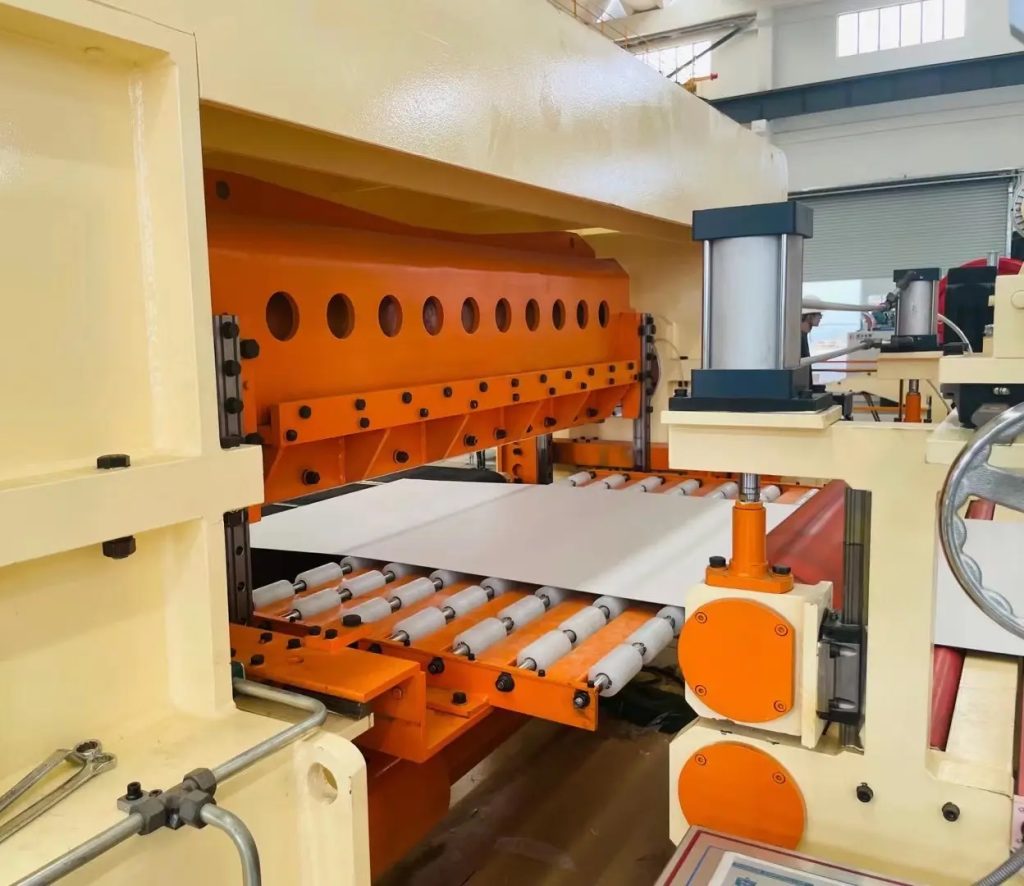
Composition is what separates the families, and it explains most of the price and performance differences buyers encounter. Indicative limits in percent by mass.
| Family | Chromium | Nickel | Other | Character |
|---|---|---|---|---|
| Austenitic 300 series | 16-26 | 6-28 | Molybdenum 0-5 | Non-magnetic, tough, readily welded, not hardenable by heat treatment |
| Austenitic 200 series | 15-18 | 3.5-5.5 | Manganese 5.5-10 | Manganese partly replaces nickel to lower cost |
| Ferritic 400 series | 10.5-18 | Under 1 | - | Magnetic, nickel-free, good oxidation resistance, limited weldability |
| Martensitic | 11.5-18 | 0-2.5 | Carbon 0.15-1.2 | Hardenable by quench and temper, lowest corrosion resistance |
| Duplex | 21-26 | 3.5-8 | Molybdenum 2.5-4, nitrogen 0.1-0.3 | Roughly half austenite and half ferrite, double the yield strength |
Chromium above about 10.5 percent forms the passive chromium oxide film that gives the material its corrosion resistance. Nickel stabilises the austenitic structure and brings toughness and formability. Molybdenum resists chloride pitting, and nitrogen raises strength and pitting resistance in duplex. Our reference on the different types of stainless steel sets out the grade-by-grade detail, and understanding PREN explains how those elements combine into a single corrosion index.
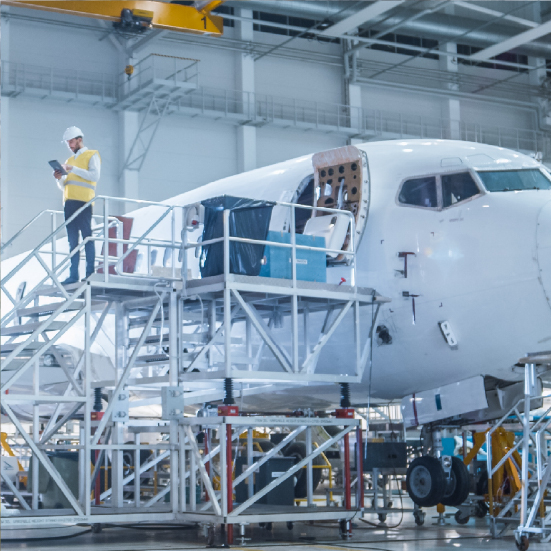
Production is concentrated in Asia. China accounts for well over half of global crude stainless output, with Indonesia now a major producer of nickel pig iron and stainless slab. Other significant producing countries are India, Japan, South Korea, Taiwan, Finland, Spain, Italy, Germany and the United States. The largest single producer is Tsingshan Holding Group, followed by China Baowu Steel Group, then Outokumpu, Acerinox, POSCO, Aperam and Jindal Stainless.
In the United States, North American Stainless in Ghent, Kentucky, part of Acerinox, is the largest producer of flat-rolled stainless, with Outokumpu operating in Calvert, Alabama, and Universal Stainless and Carpenter Technology producing specialty long products. Domestic capacity concentrates on commodity grades, so duplex, 904L, wide plate and pre-processed material are routinely imported.
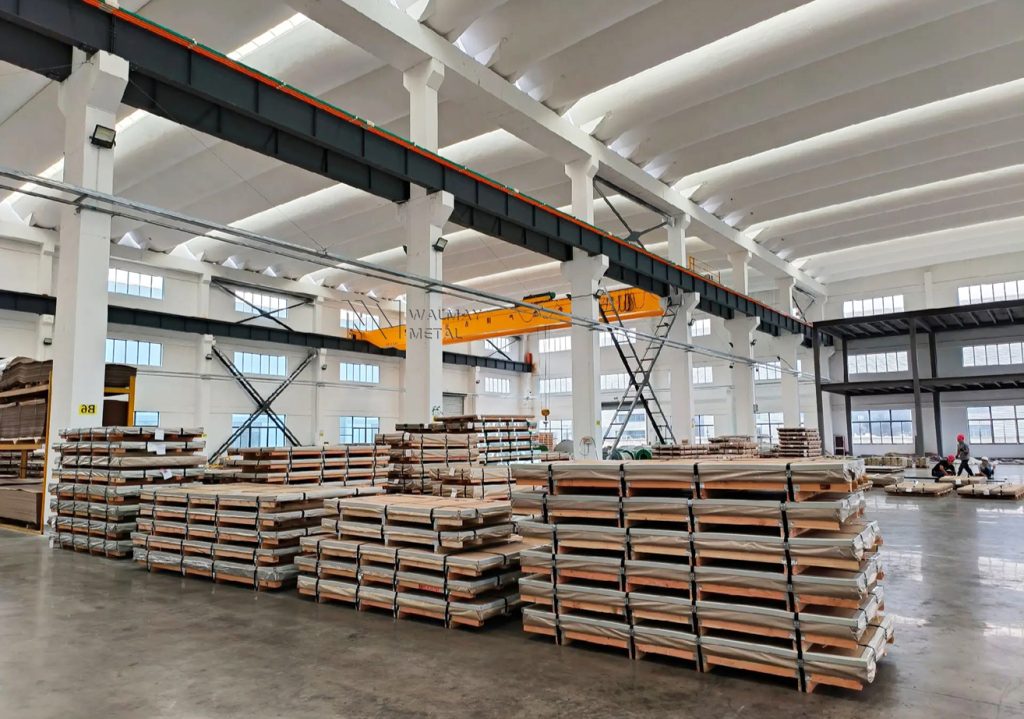
Shanghai Walmay Metal Group has spent over eleven years supplying stainless steel to industrial buyers, and today ships to more than 100 countries from five logistics hubs. We hold more than 300 grade and size combinations in stock and process them in our own facility rather than passing orders straight to a mill.
| Fact | Detail |
|---|---|
| Founded | Shanghai Walmay Metal Group, over eleven years of export trading |
| Locations | Shanghai head office, Wuxi processing and warehousing |
| Stock | 300 plus grade and size combinations across five product forms |
| Mill partners | POSCO, Tsingshan and other major producers |
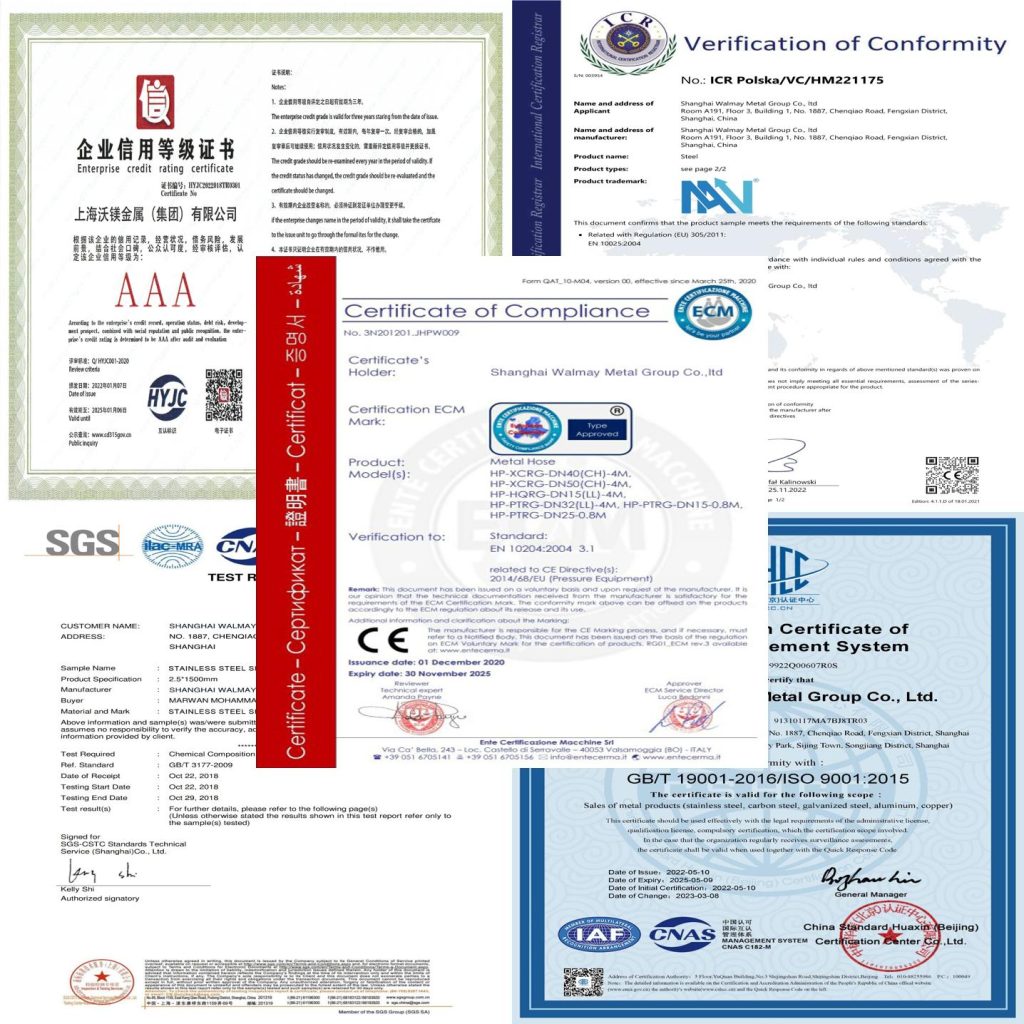
| Standards | ASTM, ASME, EN, DIN, JIS, with ISO 9001 quality management |
| Markets | 100 plus countries across Asia, the Middle East, Europe, Africa and the Americas |
| Ports | Shanghai and Ningbo, with consolidation of mixed-form orders |
A single order can combine sheet and plate, pipe and tube, rod and bar, coil and strip and profiles, consolidated into one container against one certificate set.
Cutting, slitting, levelling, bending, polishing and heat treatment are carried out before packing, described in detail on our stainless steel sheet metal fabrication page. Buying material already at final size normally costs less than buying mill sizes and generating offcut.
We quote against service conditions rather than against a part number. Where a specification looks wrong for the duty, we say so before the order is placed, which is cheaper for both sides than a corrosion failure two years later.
EN 10204 3.1 certification with heat traceability on every shipment, plus hydrostatic, ultrasonic, hardness and salt-spray reports as the product requires, and third-party inspection by SGS, BV or TUV on request.
Shipments consolidate through the Port of Shanghai and the Port of Ningbo, both with weekly sailings to the major trade lanes.
| Destination region | Typical transit |
|---|---|
| Southeast Asia | 15-25 days |
| Middle East and South Asia | 20-30 days |
| Europe | 30-40 days |
| North and South America | 30-45 days |
| Africa | 30-45 days |
We quote FOB, CIF and DAP, and hold stock specifically to shorten the path from enquiry to loading: 7 to 12 days for stock items against 20 to 45 days for a mill run.
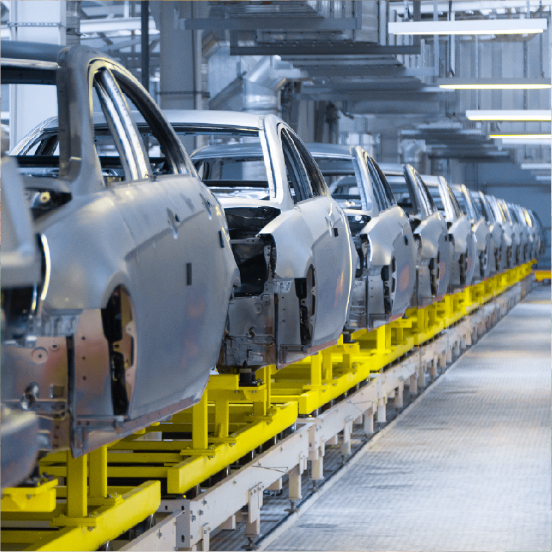
We meet customers face to face at the major regional metal exhibitions, including Metal Expo, Korea Metal Week, ISME Vietnam, EXA for oil and gas, Metal and Steel Middle East and Innoprom in Ekaterinburg.
The product range and grade availability are set out on our stainless steel manufacturers home page and across the product catalogue. To discuss a specification, send the service conditions and dimensions through contact us.
Collaborating with leading enterprises across sectors, ensuring seamless supply for critical projects.






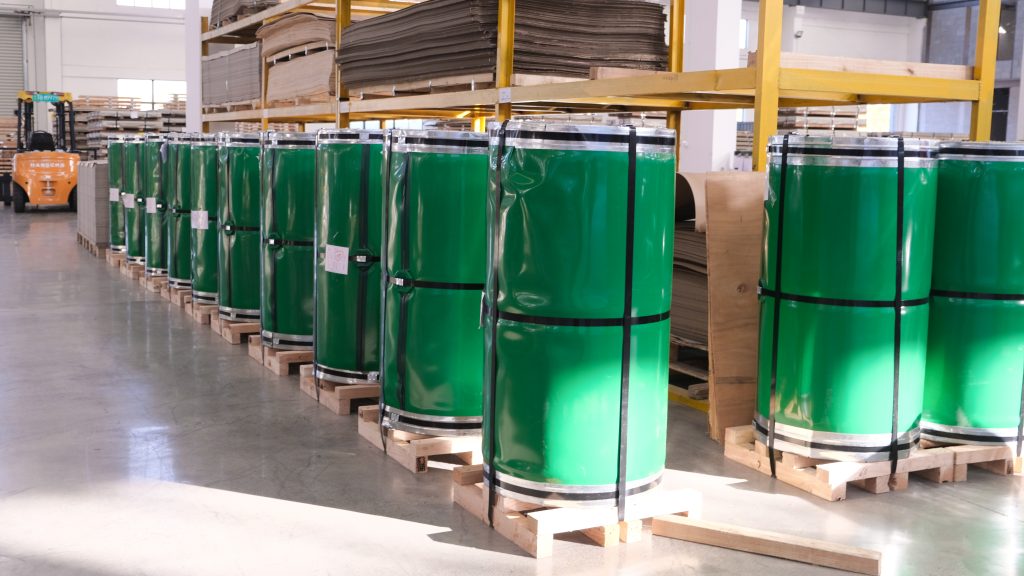
Walmay will help match the right stainless product form and specification for your application, confirm quantities and packing needs, and provide requested documents based on order requirements.
Loading form…