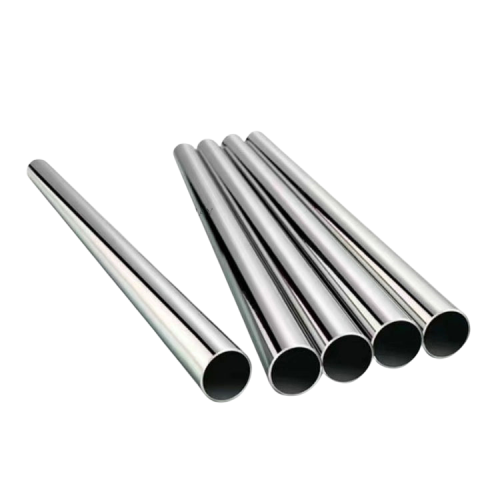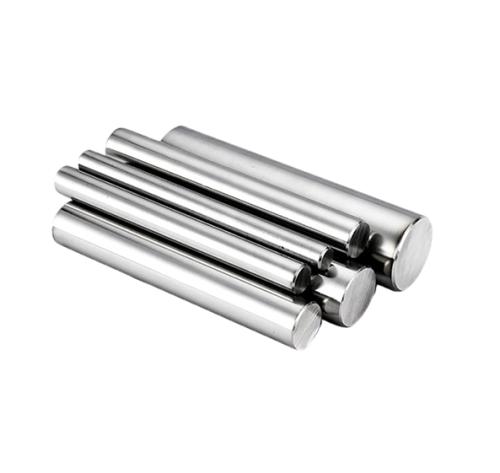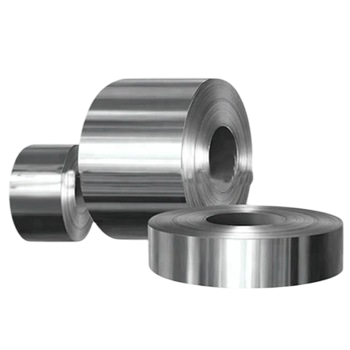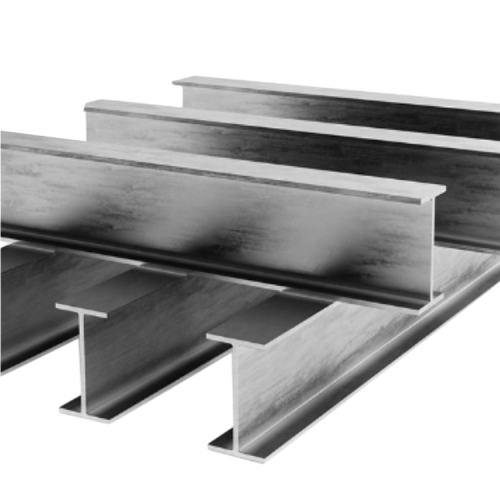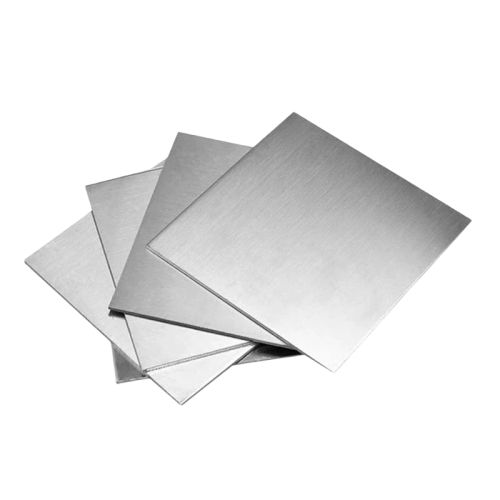
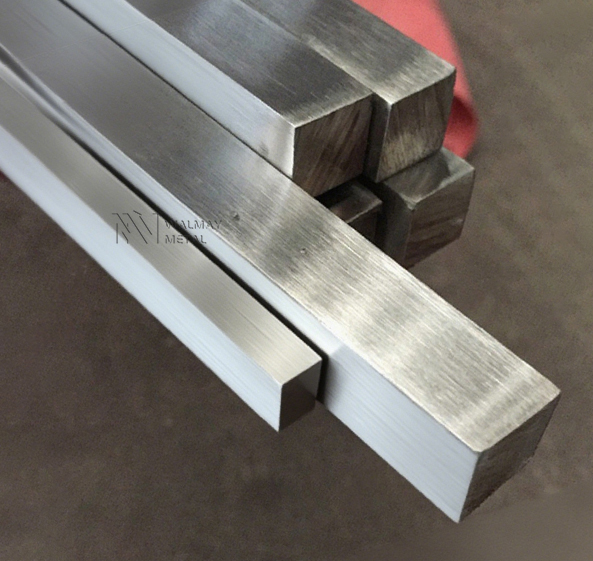
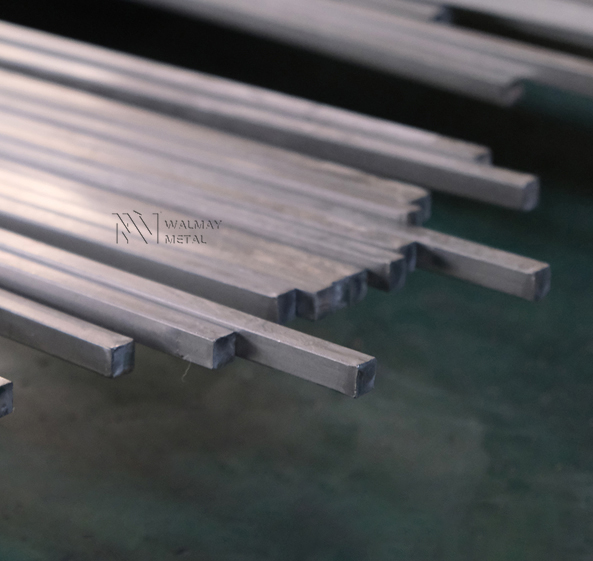
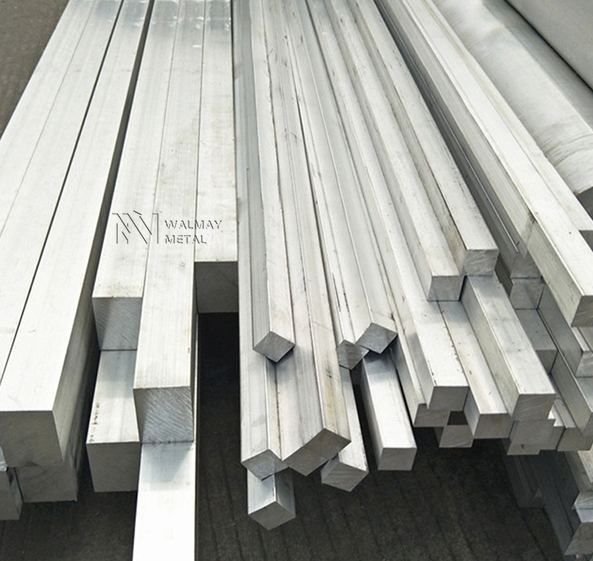
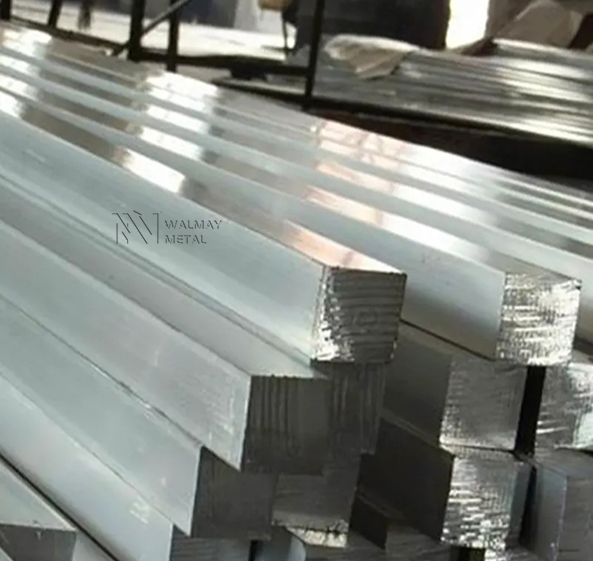
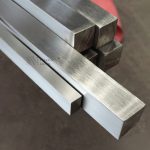
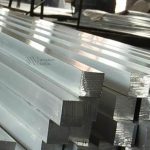
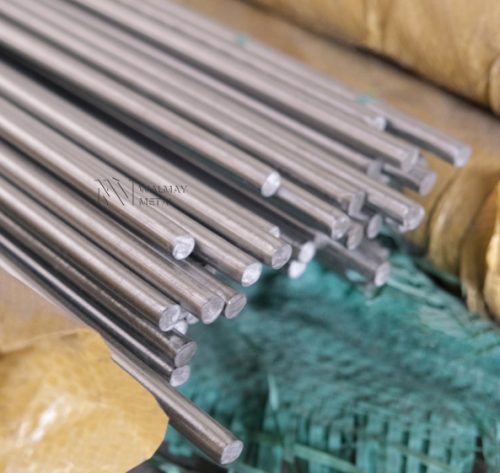
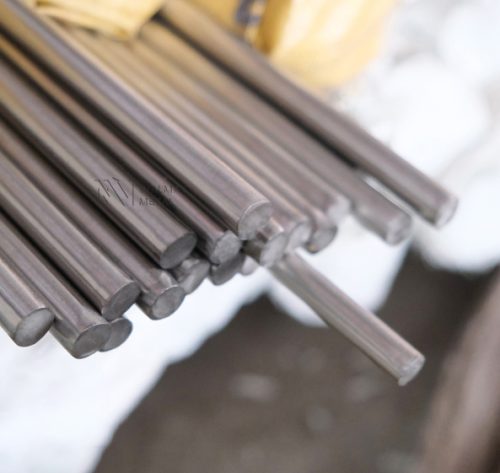
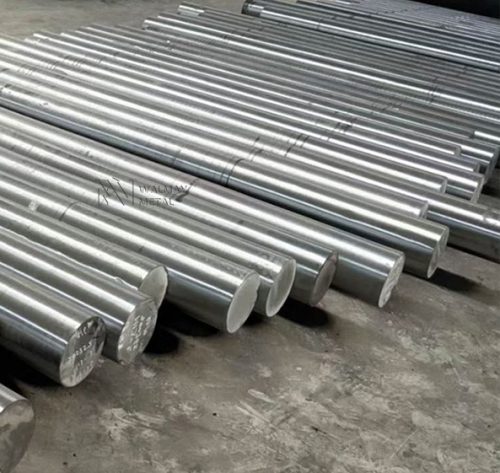
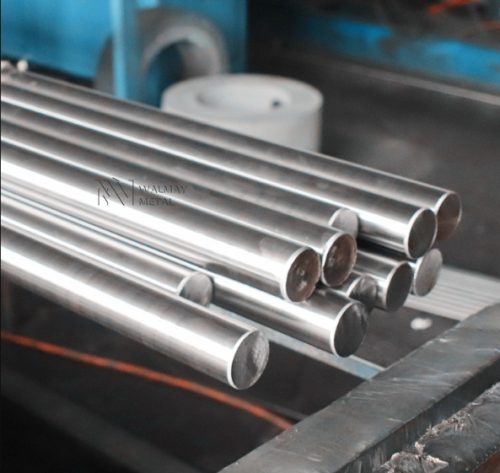
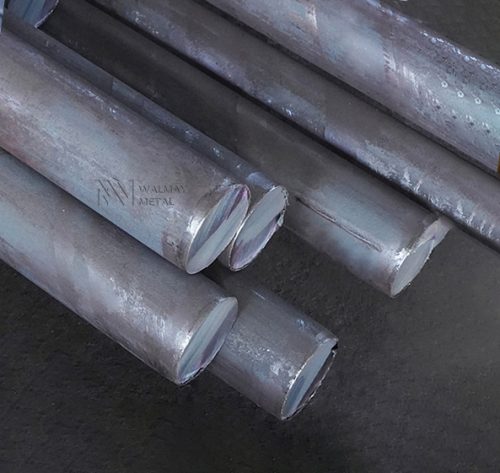
2205 duplex stainless steel square bar, ASTM A789 certified, 50/50 duplex structure. ≥450 MPa yield strength and PREN ≥40 .Designed for offshore platforms, seawater desalination plants, and chemical pressure vessels across Europe, the Middle East, Asia, and Africa. Full MTC traceability and third-party inspection support (SGS/BV).
| Element | Content (%) | Function Description |
|---|---|---|
| Cr (Chromium) | 21.0–23.0 | Forms a passive film; works synergistically with Mo to enhance corrosion resistance, refine grains, and stabilize the duplex structure. |
| Ni (Nickel) | 4.5–6.5 | Stabilizes the austenitic phase; adjusts phase balance to 1:1, optimizing strength-toughness matching and improving low-temperature ductility. |
| Mo (Molybdenum) | 2.5–3.5 | Significantly improves pitting resistance, suppresses pit initiation in chloride media, and enhances crevice corrosion resistance. |
| N (Nitrogen) | 0.08–0.20 | Strengthens the austenitic phase, improves strength and corrosion resistance, partially replaces Ni to reduce cost, and improves weldability. |
| C (Carbon) | ≤ 0.03 | Ultra-low carbon to prevent intergranular corrosion and maintain corrosion resistance in the heat-affected zone after welding. |
Physical Properties:
Density: 7.8 g/cm³, between austenitic stainless steel (7.93 g/cm³) and ferritic stainless steel (7.7 g/cm³), balancing strength and weight reduction.
Melting Point: 1300–1390°C, with better high-temperature strength retention than 304 stainless steel; service temperature range −40°C to 300°C.
Thermal Conductivity: 25 W/(m·K) at 20°C, about 1.5× higher than 304 stainless steel, offering excellent heat dissipation for heat exchanger use.
Thermal Expansion Coefficient: 13.5 × 10⁻⁶/°C (0–100°C), close to carbon steel for easy assembly with other metal components.
Magnetism: Weakly magnetic due to duplex structure, suitable for equipment with magnetic compatibility requirements.
Mechanical Properties (Annealed Condition):
| Property | Value Range | Advantage vs 304 Stainless Steel |
|---|---|---|
| Tensile Strength | ≥ 620 MPa | +20%, suitable for heavy-duty structures |
| Yield Strength | ≥ 450 MPa | +110%, enables 30% wall thickness reduction |
| Elongation | ≥ 25% | Comparable, ensuring formability |
| Reduction of Area | ≥ 60% | +10%, better impact resistance |
| Brinell Hardness | ≤ 290 HB | Higher hardness, improved wear resistance |
| Impact Energy at −40°C | ≥ 27 J | Excellent low-temperature toughness for polar applications |
Side Length Tolerance:
10–30 mm: ±0.05 mm (cold-drawn bright bar) – for precision mechanical parts.
30–80 mm: ±0.1 mm (hot-rolled + annealed) – for structural blanks.
80–100 mm: ±0.2 mm (forged + annealed) – large-size customization available.
Length: Standard 6 m per bar; custom cutting available (cutting tolerance ±3 mm), MOQ 50 kg.
Surface Condition:
Annealed: Black (hot-rolled) or bright (cold-drawn, Ra ≤ 1.6 μm); electrolytic polishing available for bright surface (Ra ≤ 0.8 μm).
Special Treatment: Passivation available to further improve corrosion resistance; passivated surface passes ≥ 1000 h salt spray test without rust spots.
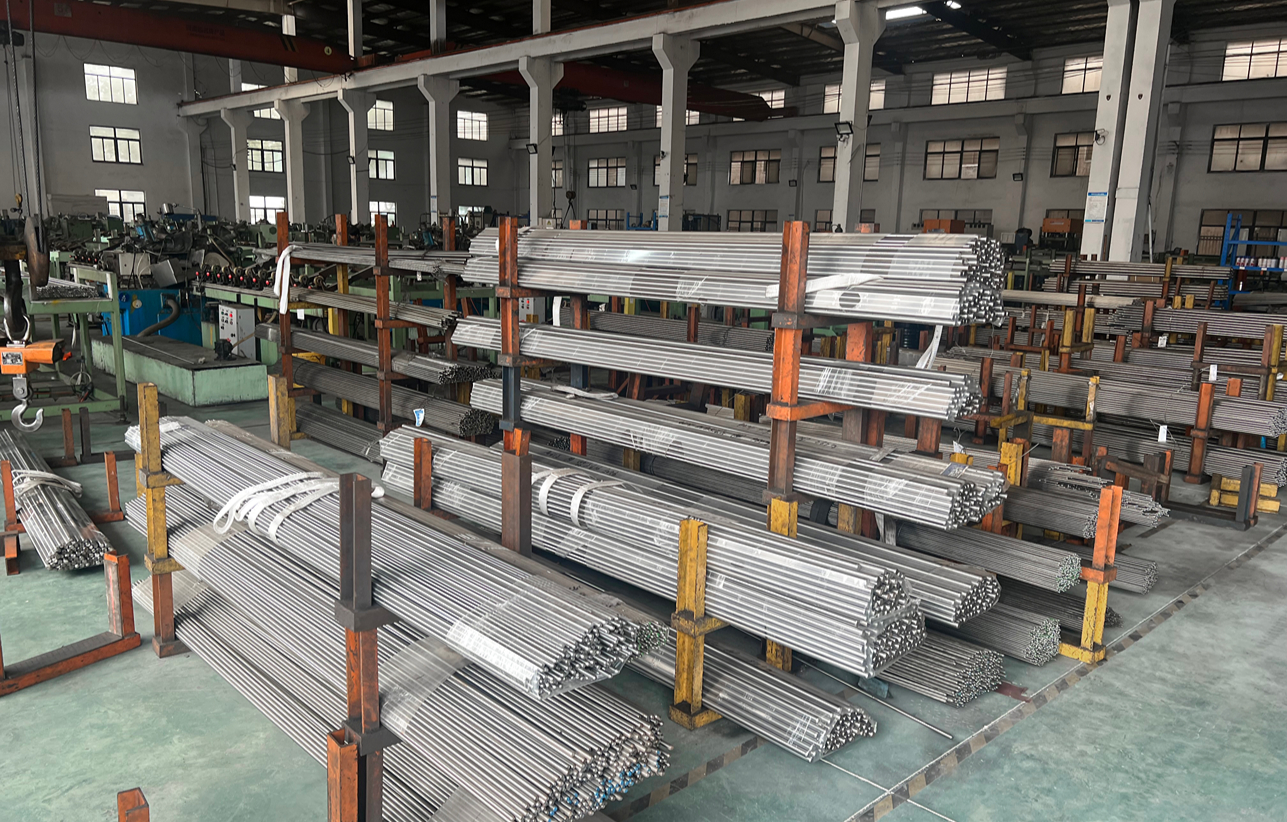
Stainless Steel Bar Inventory Racking System
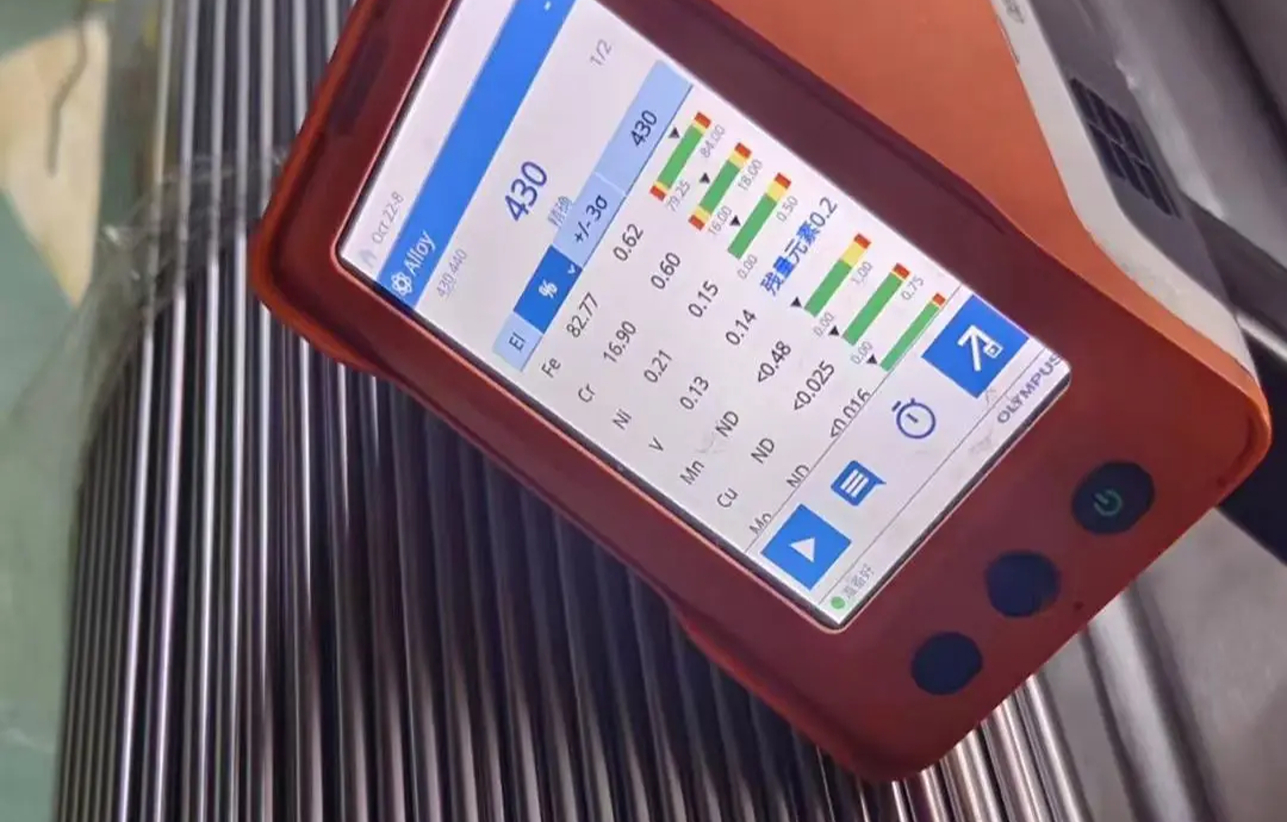
Spectrometer for Alloy Composition Analysis
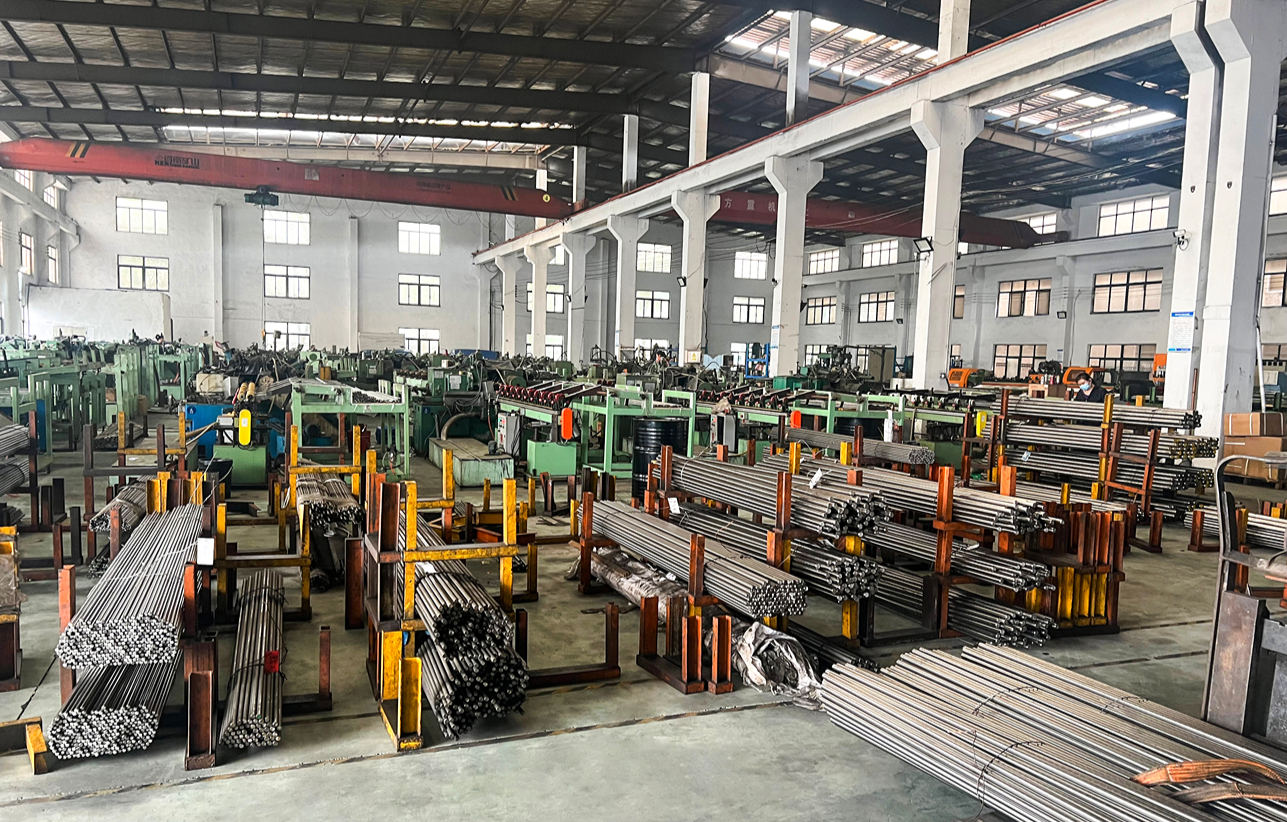
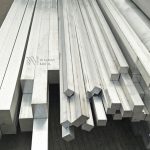
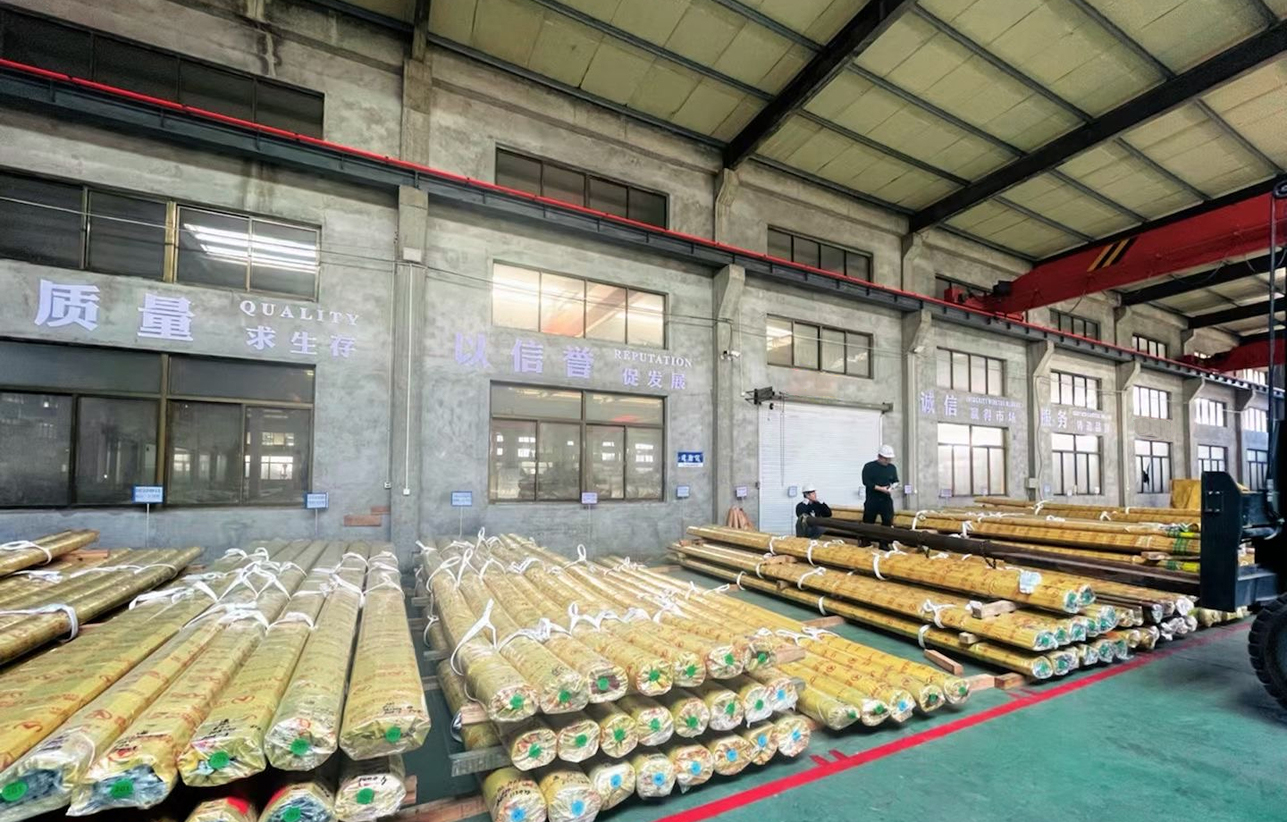
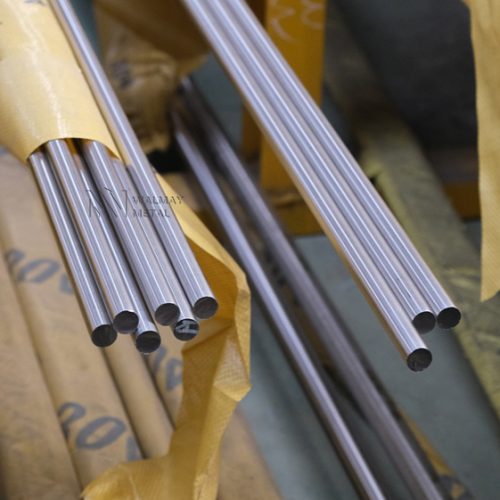
Finished Stainless Steel Bars on Storage Racks
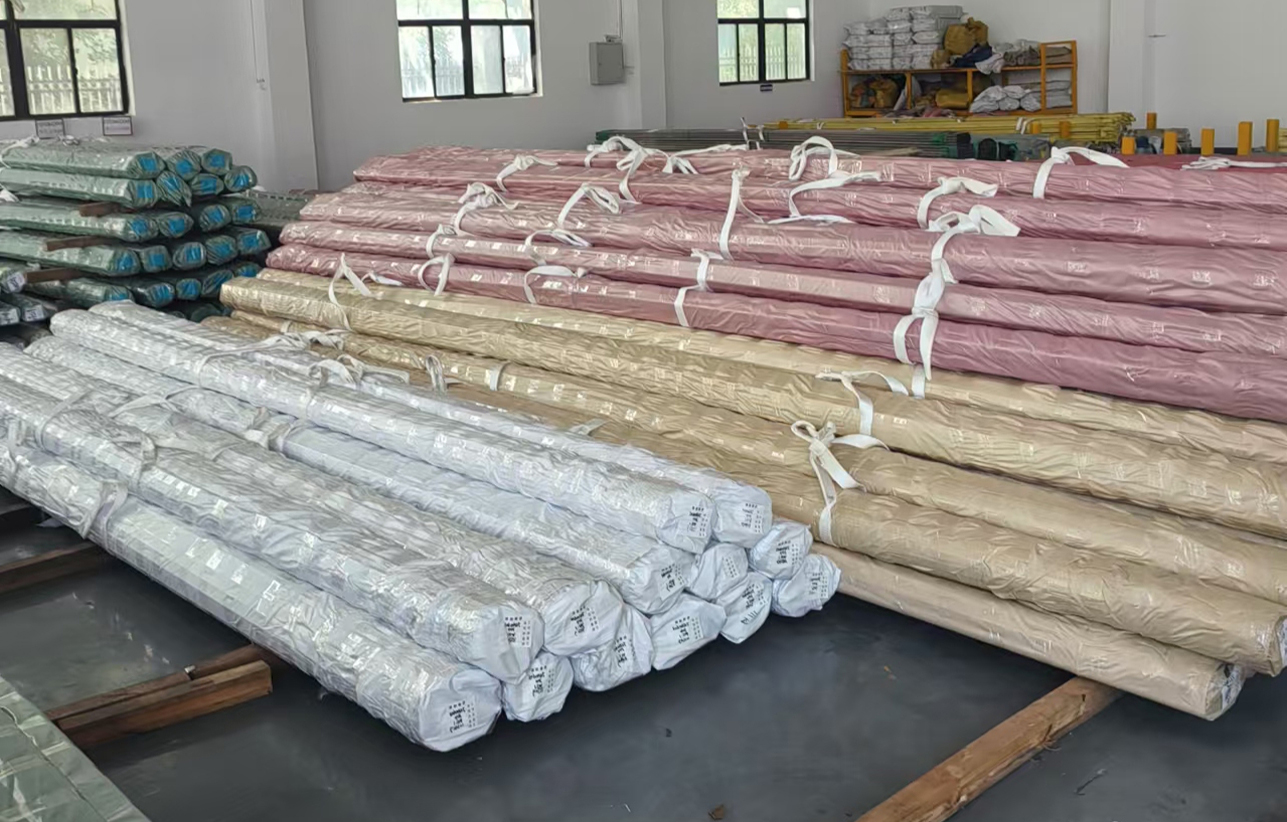
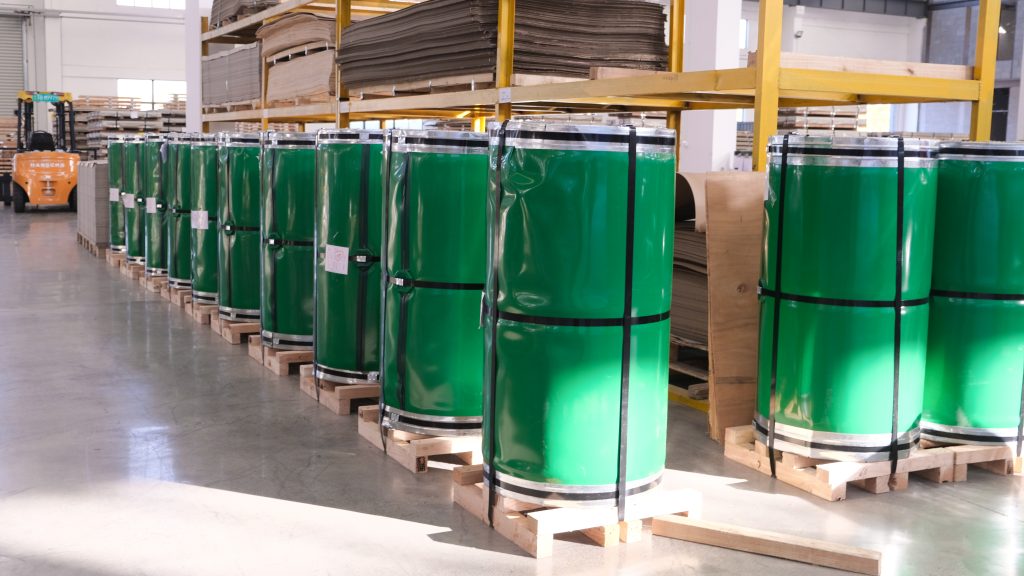
Palletized Stainless Steel Bars on Workshop Floor
Secured Stainless Steel Bar Bundles for Shipment
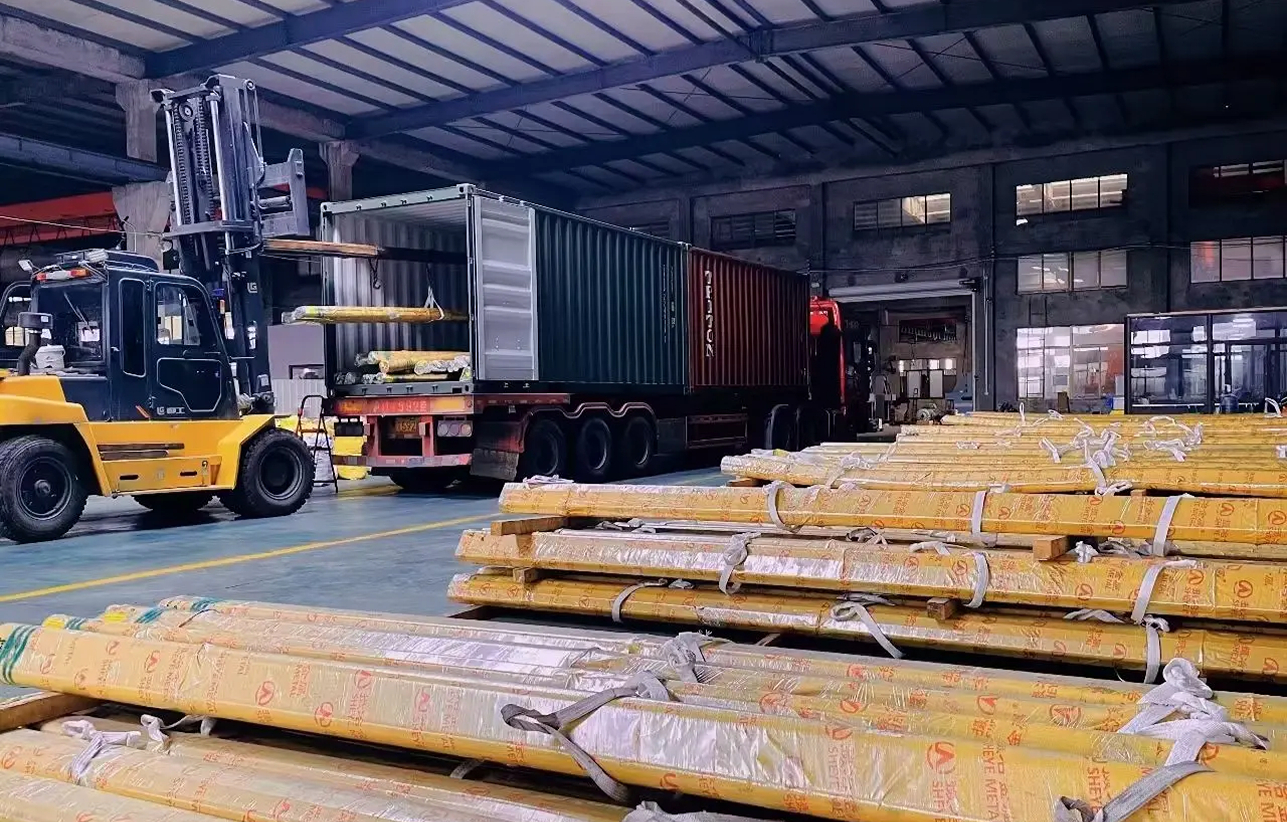
Forklift Loading Bundled Stainless Steel Bars into Freight Truck
Size Selection: 20–50 mm
Performance Data: Corrosion rate ≤ 0.01 mm/year in 20% HCl (25°C)
Typical Cases: Reactor supports, pipeline flanges used in chemical production workshops.
Size Selection: 30–80 mm
Performance Data: No pitting in 3.5% NaCl solution
Typical Cases: Desalination equipment supports, offshore platform bolts used in shipbuilding yards.
Size Selection: 40–100 mm
Performance Data: Pressure resistance ≥ 10 MPa, fatigue life ≥ 10⁷ cycles
Typical Cases: Natural gas pipeline connectors, high-pressure valve components used in energy production plants.
Size Selection: 10–30 mm
Performance Data: Resistant to ClO₂ bleaching agent
Typical Cases: Bleaching stage agitator shafts, dewatering roller shafts used in machinery manufacturing workshops.
Annealing at 1020–1100°C, air cooling. Avoid exposure >1200°C to prevent phase imbalance.
TIG welding with ER2209 filler. No preheating or post-weld heat treatment required. Corrosion resistance of HAZ equals base metal.



Walmay will help match the right stainless product form and specification for your application, confirm quantities and packing needs, and provide requested documents based on order requirements.
Loading form…