 By Walmay
 03 Sep, 2026
 6 Minutes Read
If your chloride exposure is under roughly 50,000 ppm and your process temperature stays below 120°C, duplex 2205 will handle it — and buying super duplex 2507 instead means paying 30-50% more for corrosion margin you’ll never use. Reserve 2507 for genuinely aggressive conditions: seawater injection lines, subsea equipment, or high-chloride/high-temperature chemical processing where 2205’s PREN of 35 leaves too little margin. The decision comes down to one number most buyers never calculate: your actual pitting resistance requirement versus what each alloy delivers.
Pitting Resistance Equivalent Number, or PREN, is the single most useful number in duplex selection — and it’s almost never front-and-center on a supplier’s quote. The formula is straightforward: %Cr + 3.3(%Mo) + 16(%N). Duplex 2205 lands around 35. Super duplex 2507 lands around 42. That gap of seven points sounds small. In chloride service, it isn’t.
Every increase of roughly one PREN point buys you a meaningful jump in critical pitting temperature — the temperature at which localized corrosion starts in a given chloride concentration. A material with PREN 35 might start pitting at 25°C in 6% NaCl solution. Push PREN to 42, and that same solution needs to hit closer to 45-50°C before pitting initiates. That’s the entire argument for 2507: it’s not stronger corrosion resistance in the abstract, it’s a wider safety margin against a specific failure mode in a specific chemistry.
Buyers see “super duplex” on a spec sheet from a previous project — often an offshore job — and copy it onto a new inland chemical plant order. If your actual chloride exposure sits well below 2205’s threshold, you’re paying premium alloy pricing for a safety margin that has zero functional value in your application.
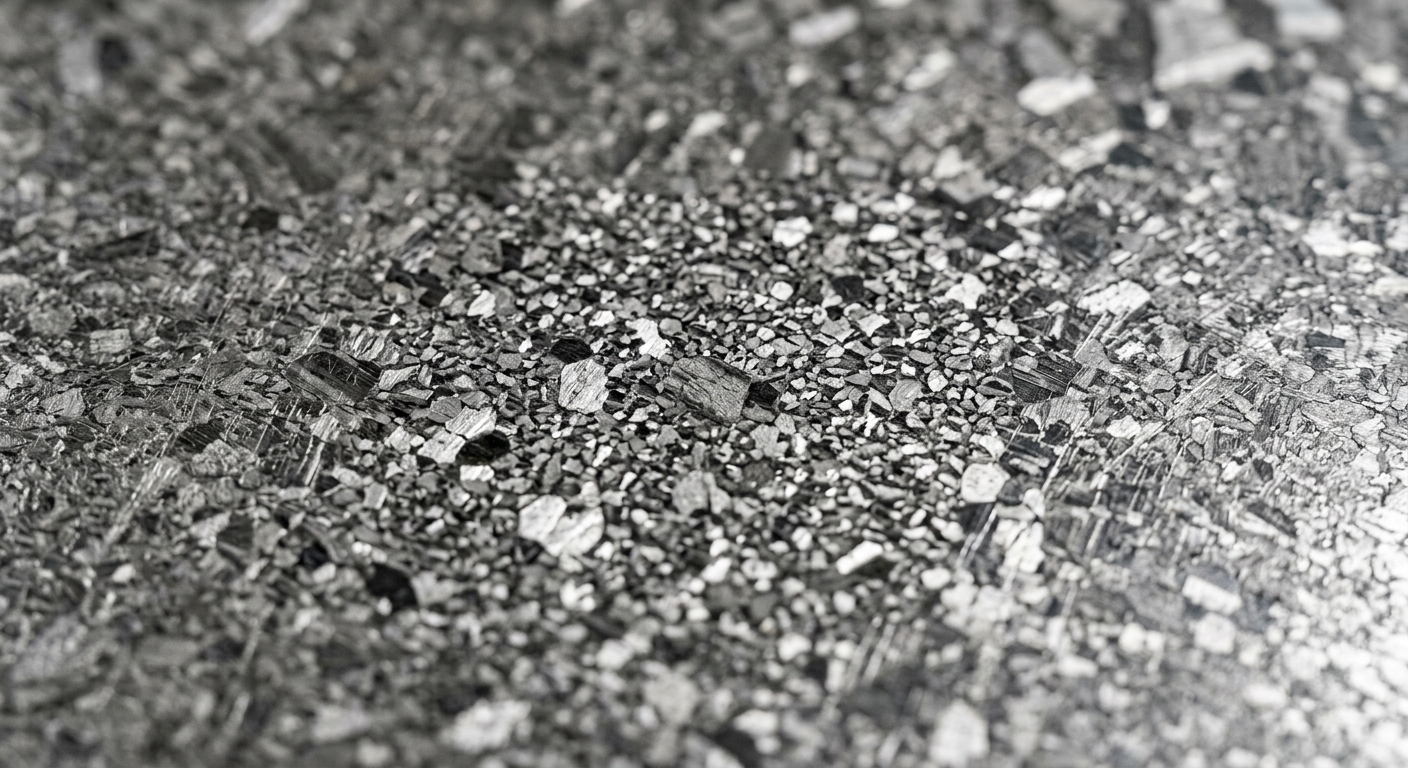
Duplex 2205 is the workhorse of the duplex family for a reason: it delivers roughly double the yield strength of standard 316L, resists chloride stress corrosion cracking that would take down austenitic grades, and costs a fraction of super duplex. For most onshore chemical processing, pulp and paper digesters, brackish water systems, and desalination pre-treatment stages, 2205 isn’t a compromise — it’s the correct answer.
For instance, a chemical distributor supplying tank components for a brackish water treatment facility in the Gulf region specified 2205 plate instead of the 2507 the EPC contractor initially requested. Chloride levels in the feedwater sat around 8,000 ppm at ambient temperature — well within 2205’s comfort zone. The switch saved the project close to 28% on plate cost alone, with zero compromise on service life.
Don’t overlook that 2205’s higher strength-to-weight ratio versus 316L often lets designers reduce wall thickness on pressure vessels and piping. That’s a secondary cost saving that compounds the alloy price advantage — you’re buying less material by mass to hit the same design pressure rating.
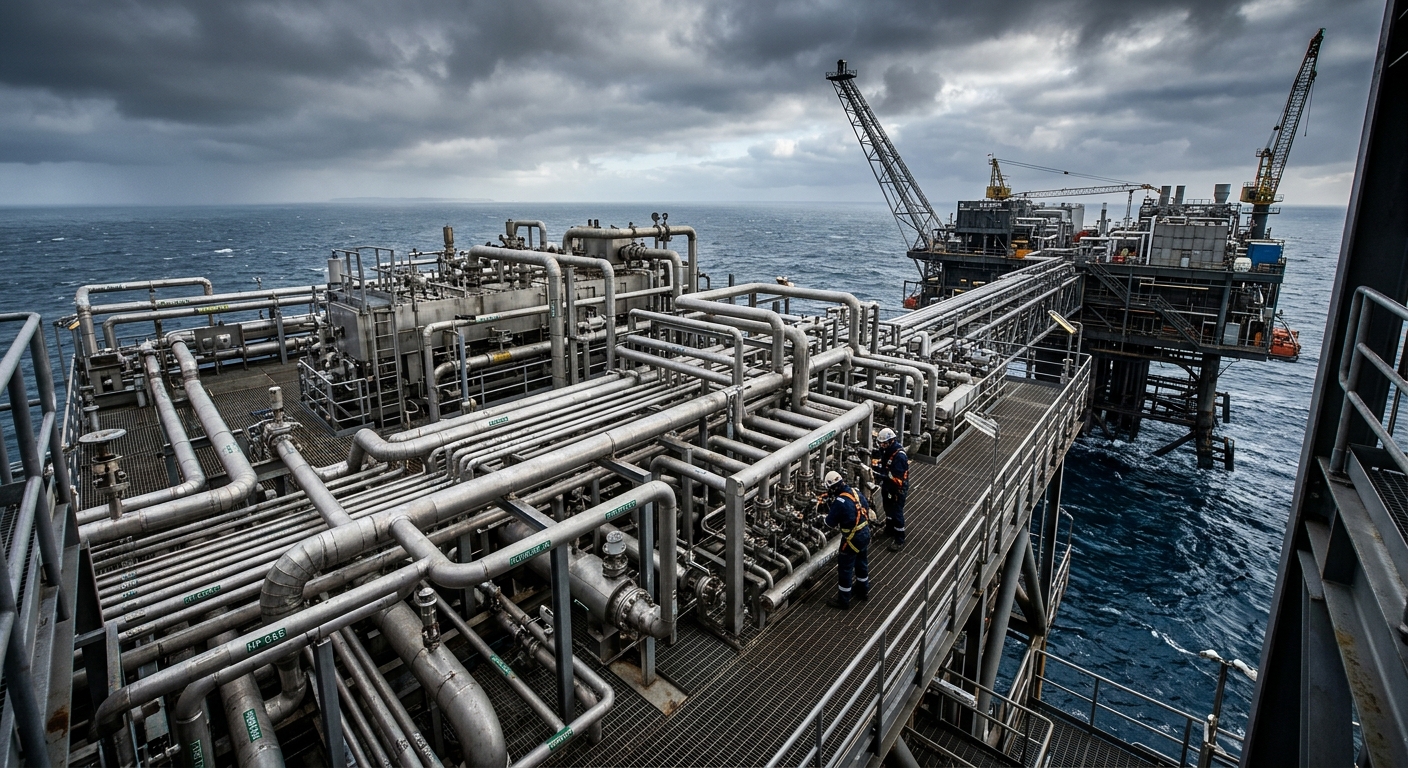
There’s a line where 2205 simply isn’t enough, and pretending otherwise leads to expensive field failures. Seawater injection systems, subsea manifolds, and firewater deluge systems in offshore platforms routinely see chloride concentrations north of 19,000 ppm combined with elevated temperatures and continuous flow — conditions that erode 2205’s margin fast.
Super duplex 2507’s higher molybdenum and nitrogen content isn’t just marginally better here — it’s the difference between a component lasting its 25-year design life and one requiring replacement in five. If you’re sourcing for offshore or subsea scope, our detailed breakdown on duplex vs 316L for offshore and marine projects covers where the corrosion threshold sits in more depth, and our guide on stainless steel in seawater walks through grade selection specifically for marine exposure.
Temperature is the multiplier that changes everything. A chloride level that’s harmless at 20°C can become aggressive at 80°C. If your process combines chlorides above 30,000 ppm with sustained operating temperatures over 60°C — think geothermal brine handling or certain flue gas desulfurization systems — 2507 stops being optional.
Super duplex 2507 typically runs 60-80% more than duplex 2205 on a per-kilogram basis, driven mainly by the higher nickel and molybdenum content and tighter melt control required to hit its composition window. On a large plate or pipe order, that difference isn’t rounding error — it’s a line item that can sink a project budget.
| Factor | 2205 | 2507 |
|---|---|---|
| PREN | ~35 | ~42 |
| Relative cost vs 316L | 1.5–2x | 2.5–3.5x |
| Yield strength | 450 MPa | 550 MPa |
| Best fit | Onshore, brackish, moderate chloride | Offshore, subsea, high chloride/temp |
Here’s the practical exercise: take your actual chloride concentration and operating temperature, plot it against a pitting resistance chart for both alloys, and see where you land. If you’re comfortably inside 2205’s envelope with margin to spare, you have your answer. If you’re at the edge or beyond it, 2507 pays for itself the first time it prevents a shutdown.
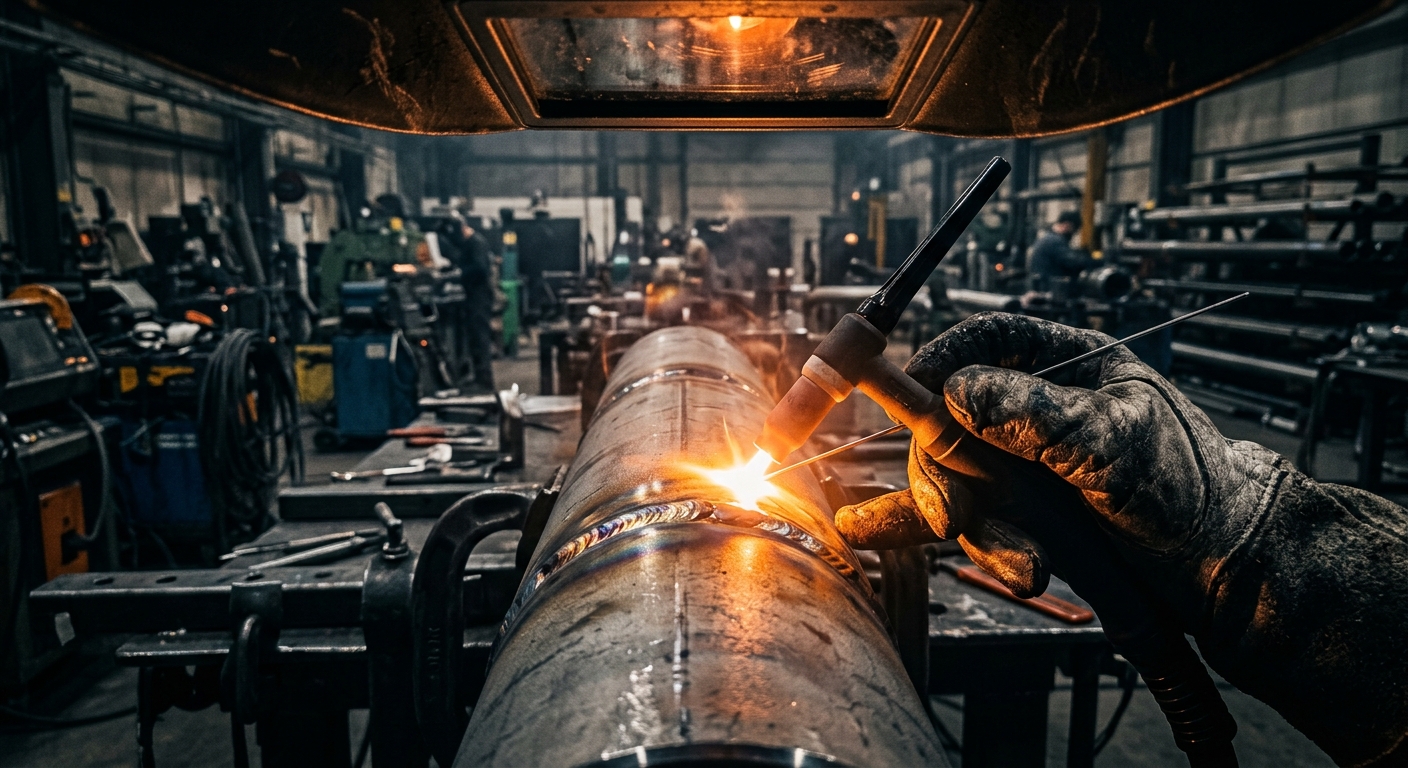
Cost comparisons that stop at raw material price miss half the story. Super duplex 2507 demands tighter heat input control during welding to avoid excessive austenite/ferrite imbalance in the weld zone — get it wrong and you lose the corrosion resistance you paid for. That typically means slower welding speeds, more frequent interpass temperature checks, and welders certified specifically on super duplex procedures.
Fabricators quoting 2507 work often build in 15-25% more labor hours per weld joint compared to 2205, plus the cost of destructive testing to verify ferrite content post-weld. If your fabricator is charging the same labor rate for both alloys, ask why — it usually means corners are being cut somewhere on procedure qualification.
Duplex 2205 is far more forgiving here, which is part of why it’s the default choice whenever the corrosion environment allows it. Our processing capabilities page details the welding and forming procedures we support for both grades if you’re evaluating fabrication partners.
For a broader look at how these tradeoffs apply across other grade families, see our comparison on 904L stainless steel and when 316L isn’t enough — the same margin-versus-cost logic applies there too.
Duplex 2205 is widely stocked in sheet, plate, pipe, and bar form across most major distributors, which means shorter lead times and more competitive pricing through standard supply channels. Super duplex 2507, by contrast, is frequently a mill-order item, especially in heavier plate gauges or larger pipe diameters — expect 8-16 week lead times versus 2-4 weeks for common 2205 stock sizes.
That lead time gap matters for project scheduling. A fabricator building a chemical skid on a tight delivery window might find that switching from 2507 to 2205 — where the chemistry supports it — solves a scheduling problem as much as a budget one. Always confirm actual stock availability and mill certification (EN 10204 3.1 or 3.2) before locking a grade into your spec.
 Industry Knowledge
 Industry Knowledge
 Industry Knowledge
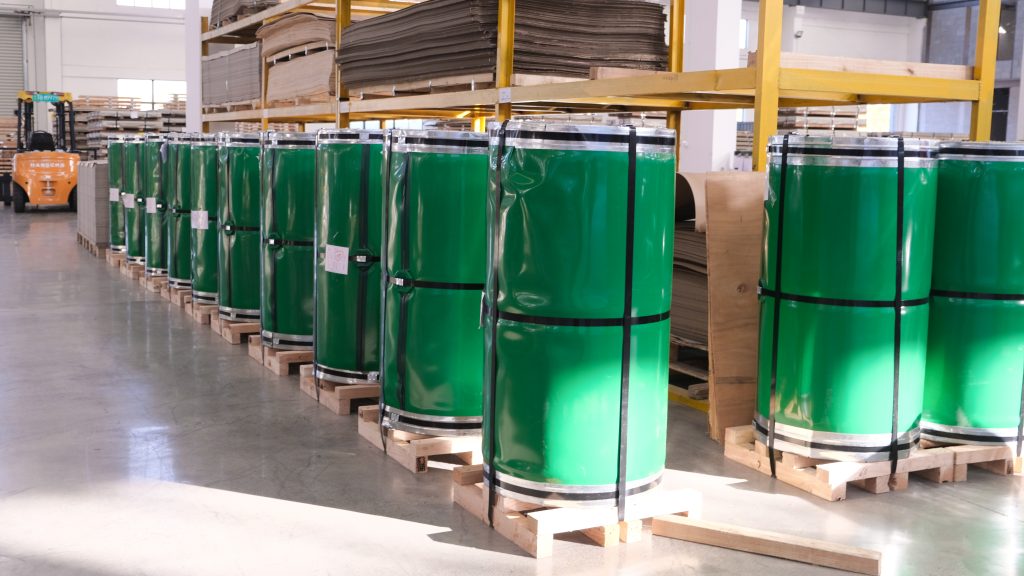
Walmay will help match the right stainless product form and specification for your application, confirm quantities and packing needs, and provide requested documents based on order requirements.