
 By Sytech
 17 Nov, 2025
 4 Minutes Read
Choosing between surgical steel and stainless steel can significantly influence durability, compliance, and performance—especially for B2B buyers in medical, industrial, and manufacturing sectors. Although surgical steel is technically a subset of stainless steel, its alloying, purity, and treatment processes make it suitable for more demanding environments. This guide breaks down grades, composition, biocompatibility mechanisms, and practical considerations so you can make an informed choice.
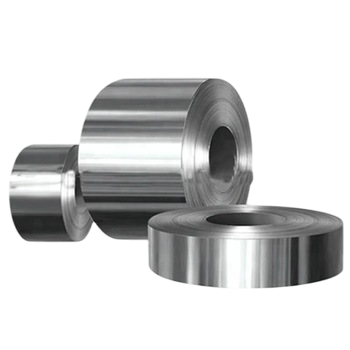
Stainless steel is an iron-based alloy containing ≥10.5% chromium, which forms a passive oxide layer to resist corrosion. It comes in hundreds of grades across Austenitic, Ferritic, and Martensitic families, each engineered for specific industrial applications such as fabrication, industrial machinery, food processing, and heavy-duty components.
| Grade | Type | Key Properties | Typical Applications |
|---|---|---|---|
| 304 | Austenitic | Excellent corrosion resistance, good formability | Food equipment, construction |
| 316 | Austenitic | Contains 2–3% molybdenum for chloride resistance | Marine, chemical processing |
| 410/420 | Martensitic | High hardness, moderate corrosion resistance | Cutting tools, industrial blades |
| 430 | Ferritic | Magnetic, cost-effective, good corrosion resistance | Appliances, automotive trim |
Surgical steel is not a single grade—it refers to specific stainless steels engineered for high corrosion resistance, low impurity levels, and biocompatibility.
| Surgical Grade | Type | Key Functions | Applications |
|---|---|---|---|
| 316L (Low-Carbon Austenitic) | Austenitic | Higher purity, low carbon, excellent pitting resistance; ≤0.03% carbon | Implants, body-contact devices |
| 420, 440A/440C | Martensitic | Hard, wear-resistant, sharp edge retention | Scalpels, surgical instruments |
| ASTM F138 / F139 (Implant-grade 316L) | Austenitic | Ultra-low inclusion content, biocompatible | Long-term implants, bone screws |
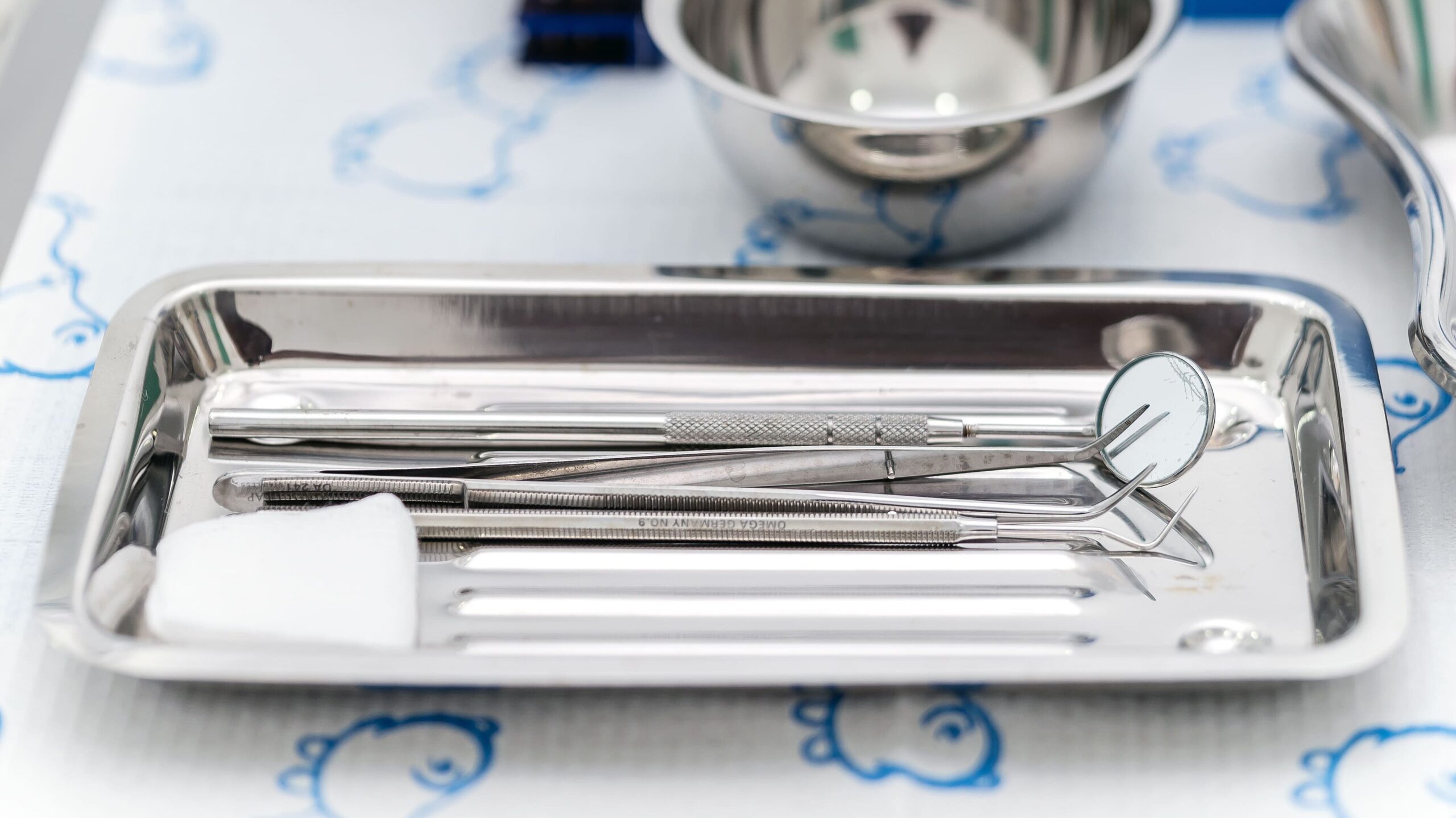
Biocompatibility is the core differentiator between general stainless steel and surgical steel.
| Factor | Stainless Steel | Surgical Steel |
|---|---|---|
| Chromium Content | ≥10.5% | ≥13% or more for medical-grade stability |
| Carbon Content | Varies | Very low (e.g., ≤0.03% in 316L) |
| Biocompatibility | Not guaranteed | Engineered for implants and instruments |
| Corrosion Resistance | High | Very high, resists body fluids & sterilization |
| Machinability | Generally easier | Can be harder due to purity & alloying |
| Cost | Lower | Higher due to processing & certifications |
| Applications | General industrial use | Medical, dental, body-contact use |
To surpass competitors, the article now includes technical explanations:
A chemical treatment that enhances corrosion resistance by thickening the passive chromium-oxide film.
Removes microscopic surface defects and contaminants using controlled electrochemical dissolution.

Surgical steel and stainless steel share common alloy foundations, but their differences are crucial for medical, industrial, and high-performance applications. Surgical steel provides superior corrosion resistance, biocompatibility, and purity, while stainless steel is ideal for broader industrial and mechanical uses. Your choice depends on regulatory needs, budget, operating environment, and long-term durability requirements.
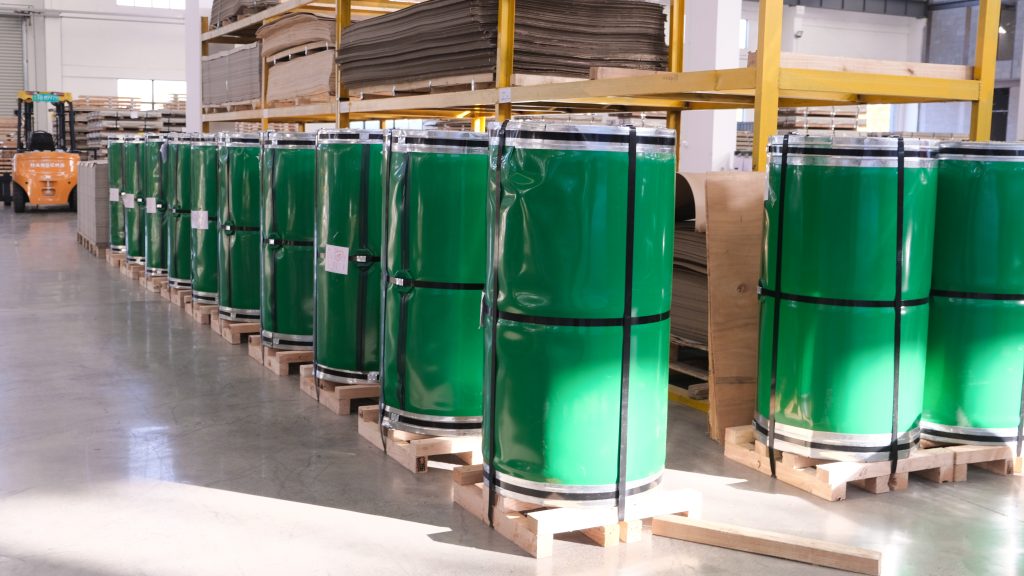
Walmay will help match the right stainless product form and specification for your application, confirm quantities and packing needs, and provide requested documents based on order requirements.