High-Molybdenum Super Austenitic Sheet, Engineered for Severe Chemical Environments such as Phosphoric Acid Equipment and High-Chloride Conditions
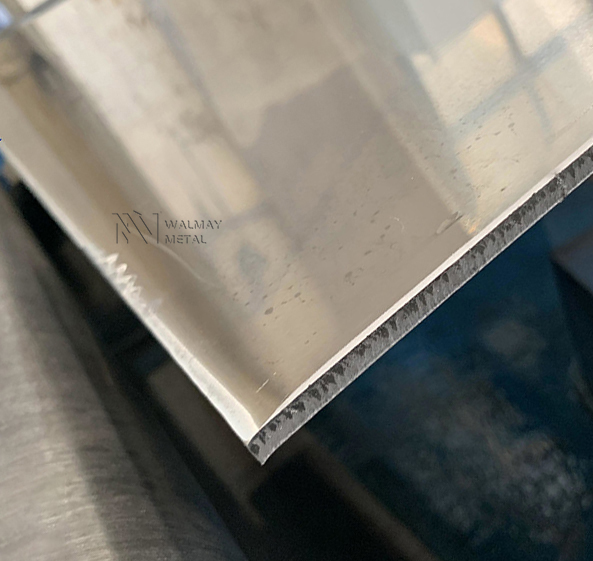




| Element | Content (%) | Role in Corrosion Resistance |
|---|---|---|
| Cr | 18.0–20.0 | Forms passive film, resists oxidation by organic acids; stability of oxide layer in acidic environment improved by 40%. |
| Ni | 11.0–15.0 | Stabilizes austenitic structure, enhances resistance to non-oxidizing acids (e.g., formic acid). |
| Mo | 3.0–4.0 | Enhances resistance to crevice corrosion and organic acids; PREN = Cr% + 3.3×Mo% ≥34, superior to 316L. |
Physical Properties: Density 8.0 g/cm³, melting point 1325–1370℃, thermal conductivity 15 W/(m·K), suitable for ambient-temperature organic acid equipment.
Chemical Performance: In 10% citric acid (60℃), corrosion rate ≤0.01mm/year; chloride ion (10,000 ppm) pitting resistance >5000 hours.
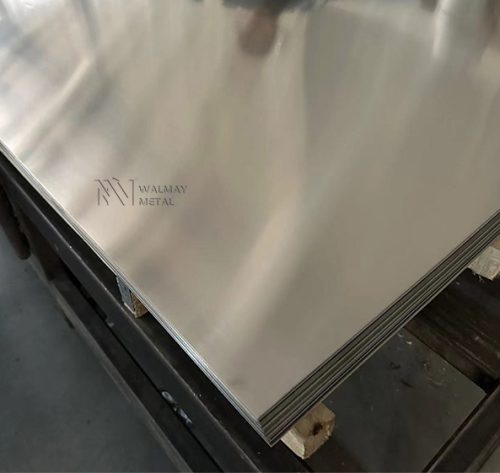
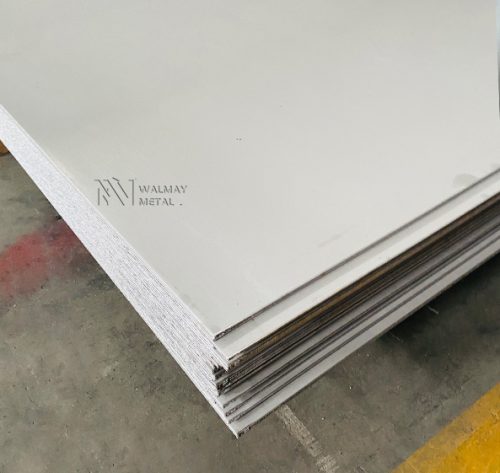
Grade: 317L Stainless Steel (ASTM A240, UNS S31703)
Thickness: 6–25mm (stock: 6–16mm; 25mm custom order)
Width: 1500–2000mm
Length: up to 6000mm
Surface Finish: Solution-annealed and pickled (BA), mechanical polish (2B); optional Teflon coating for enhanced corrosion resistance.
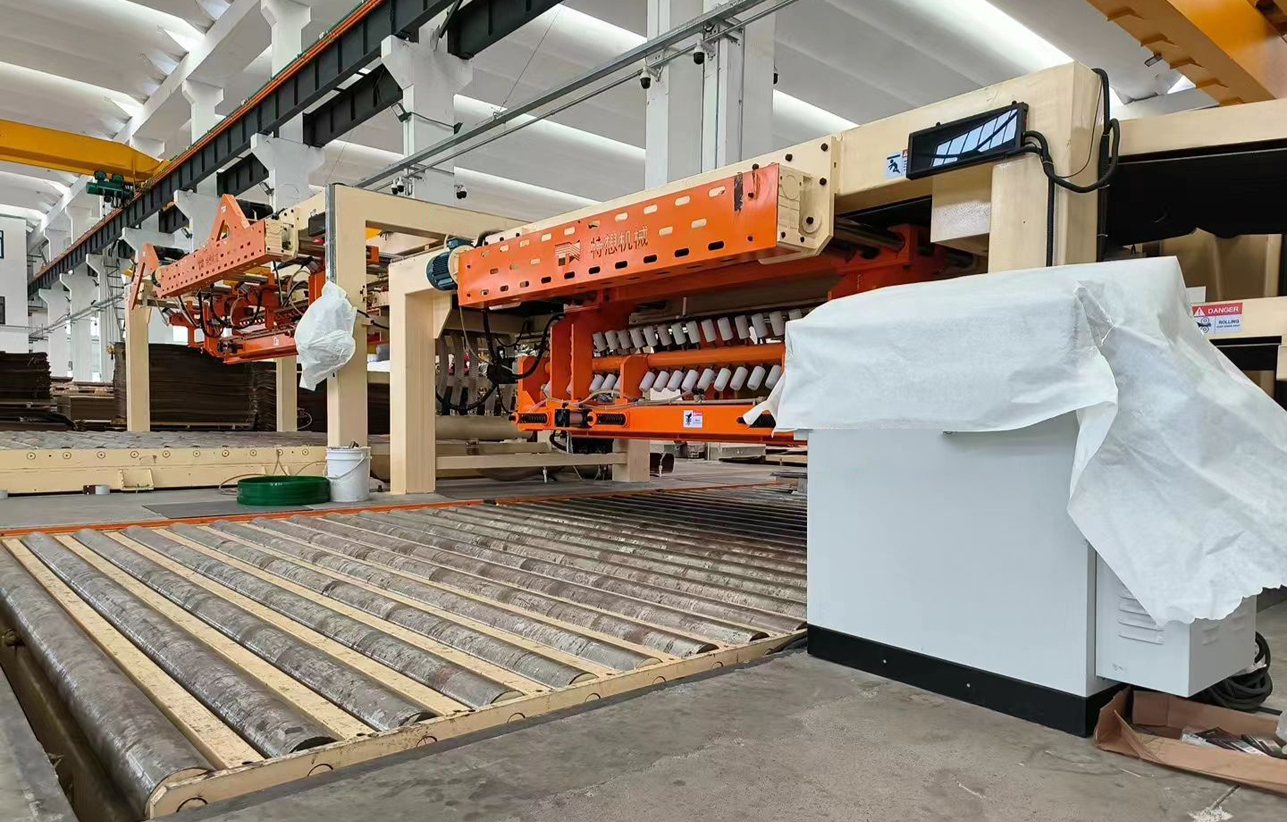
Stainless Steel Plate Bending/Stamping Process
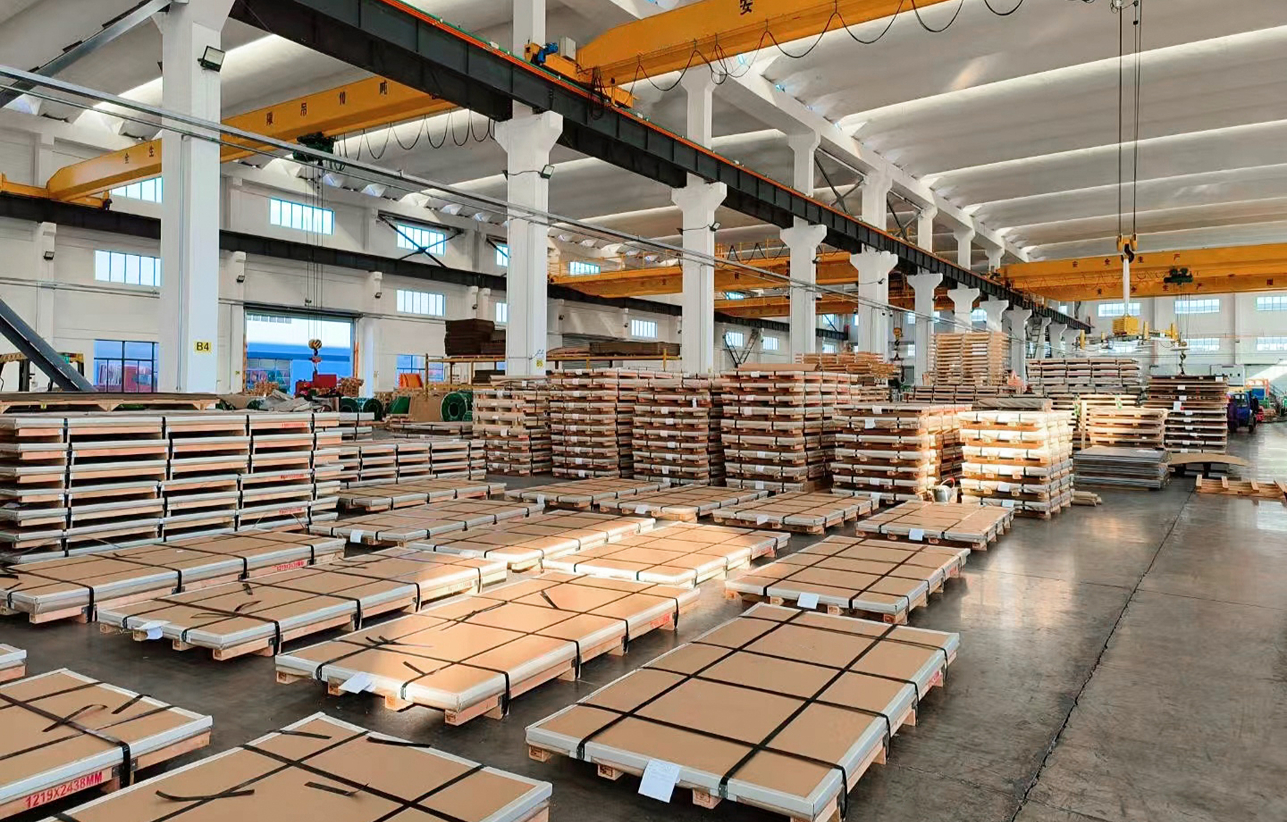
Stainless Steel Plates on Storage Rack
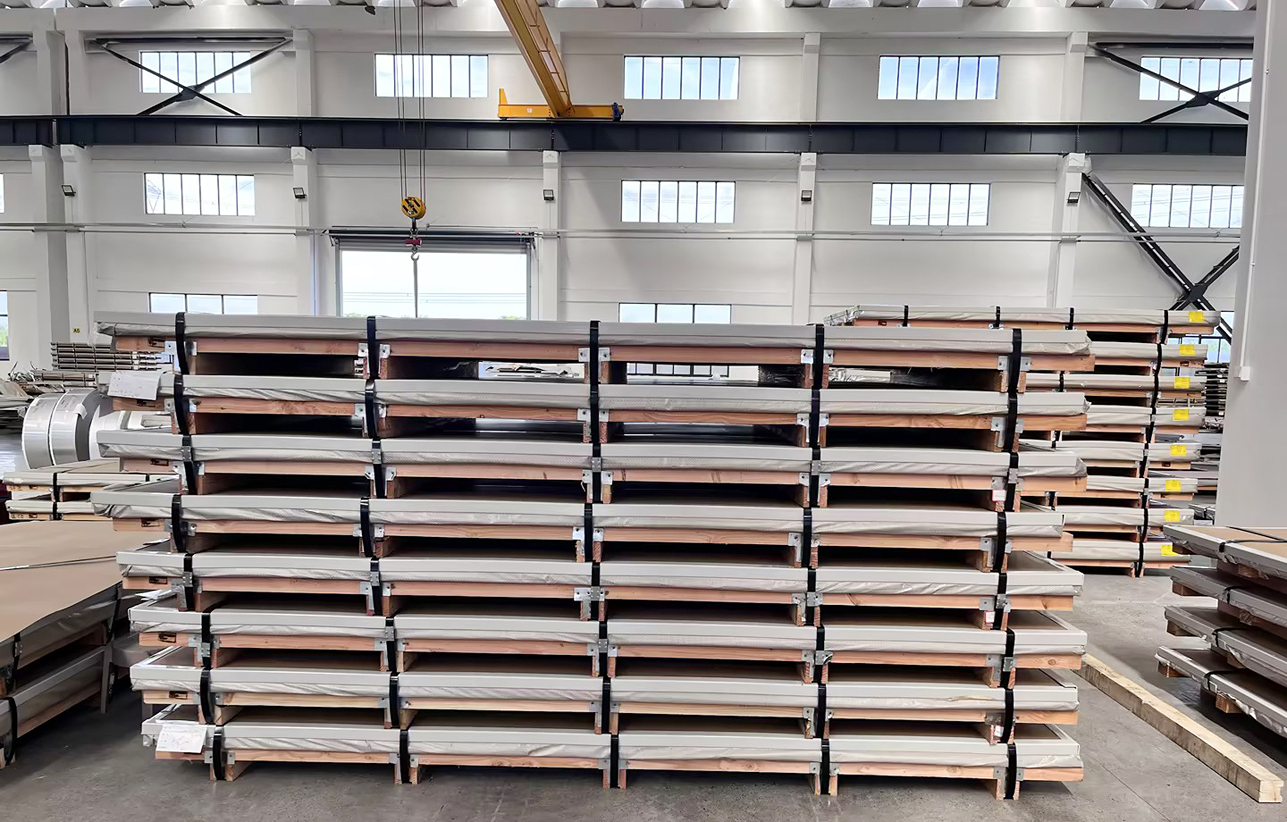
Palletized Stainless Steel Plates
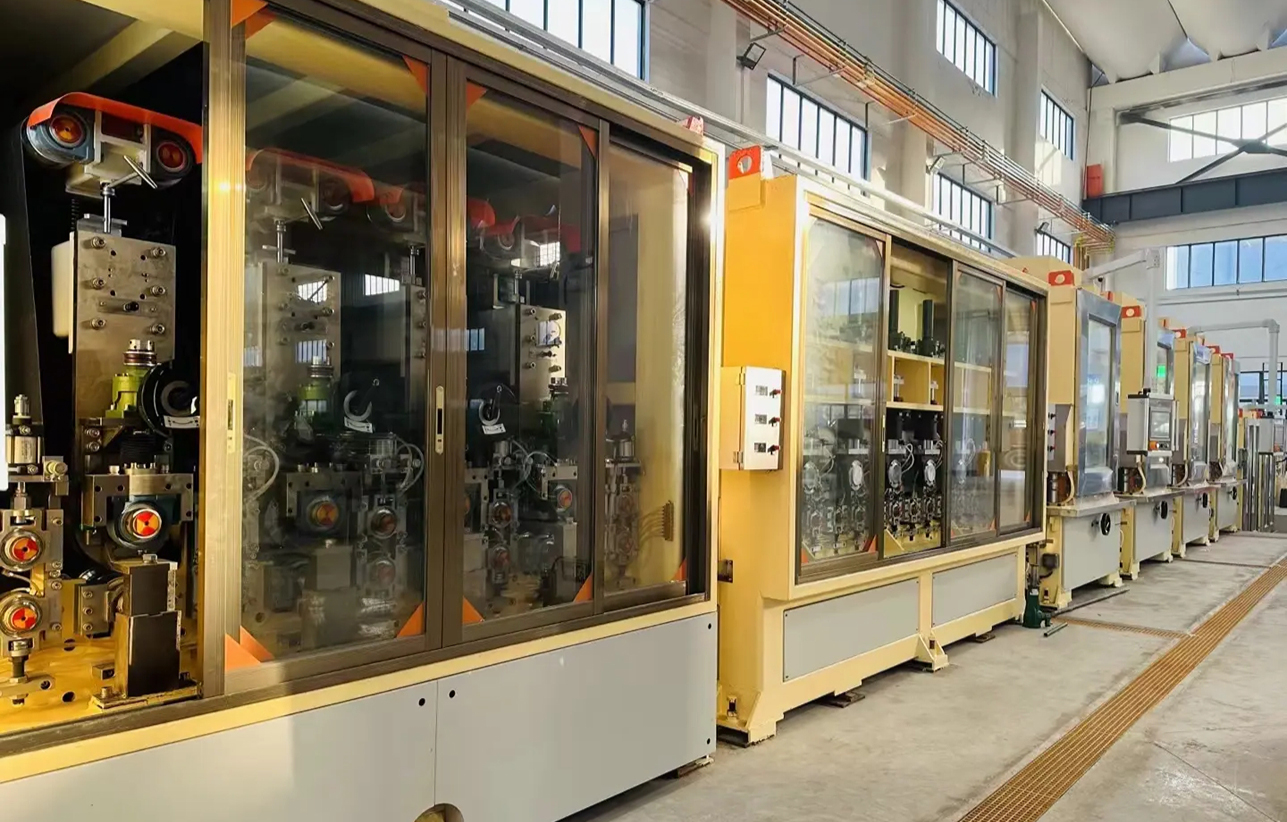
Stainless Steel Plate Rolling Line
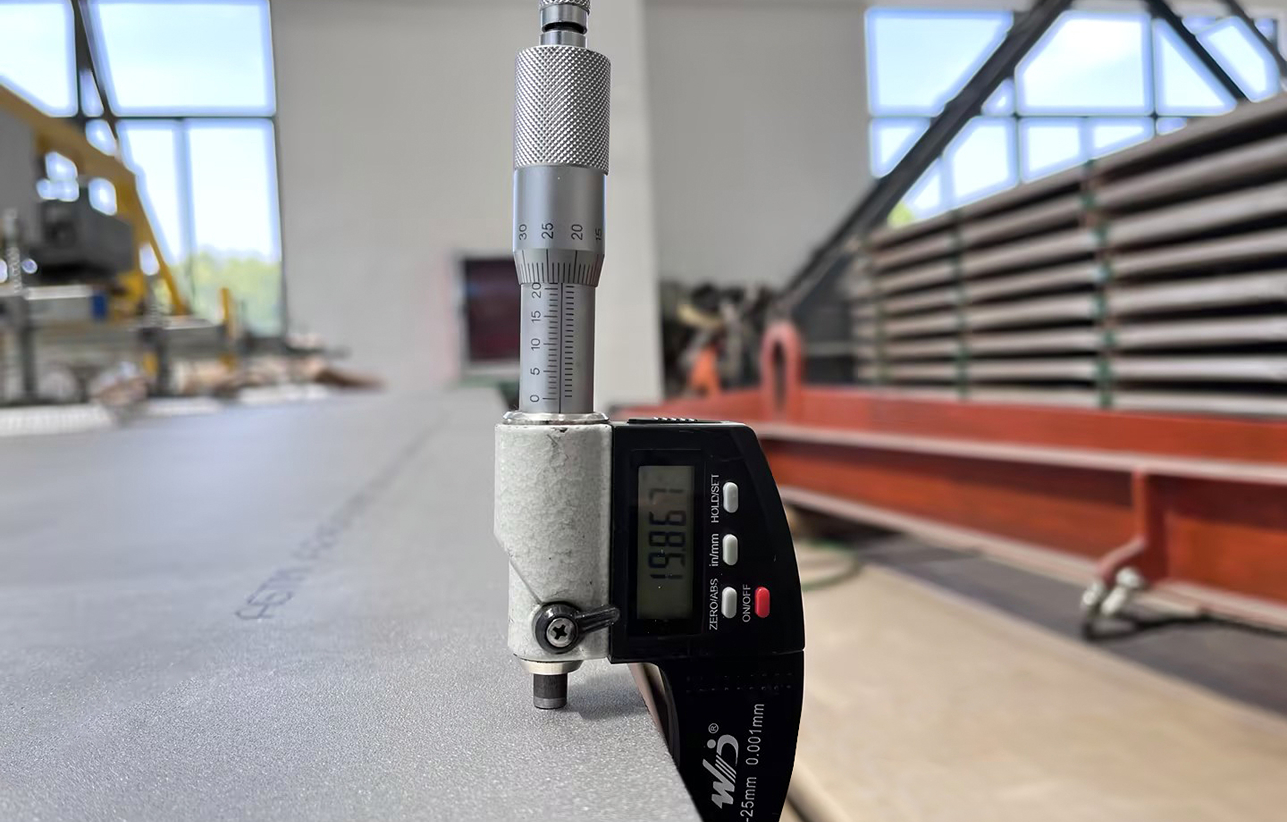
Precision Thickness Inspection of Stainless Steel Plate
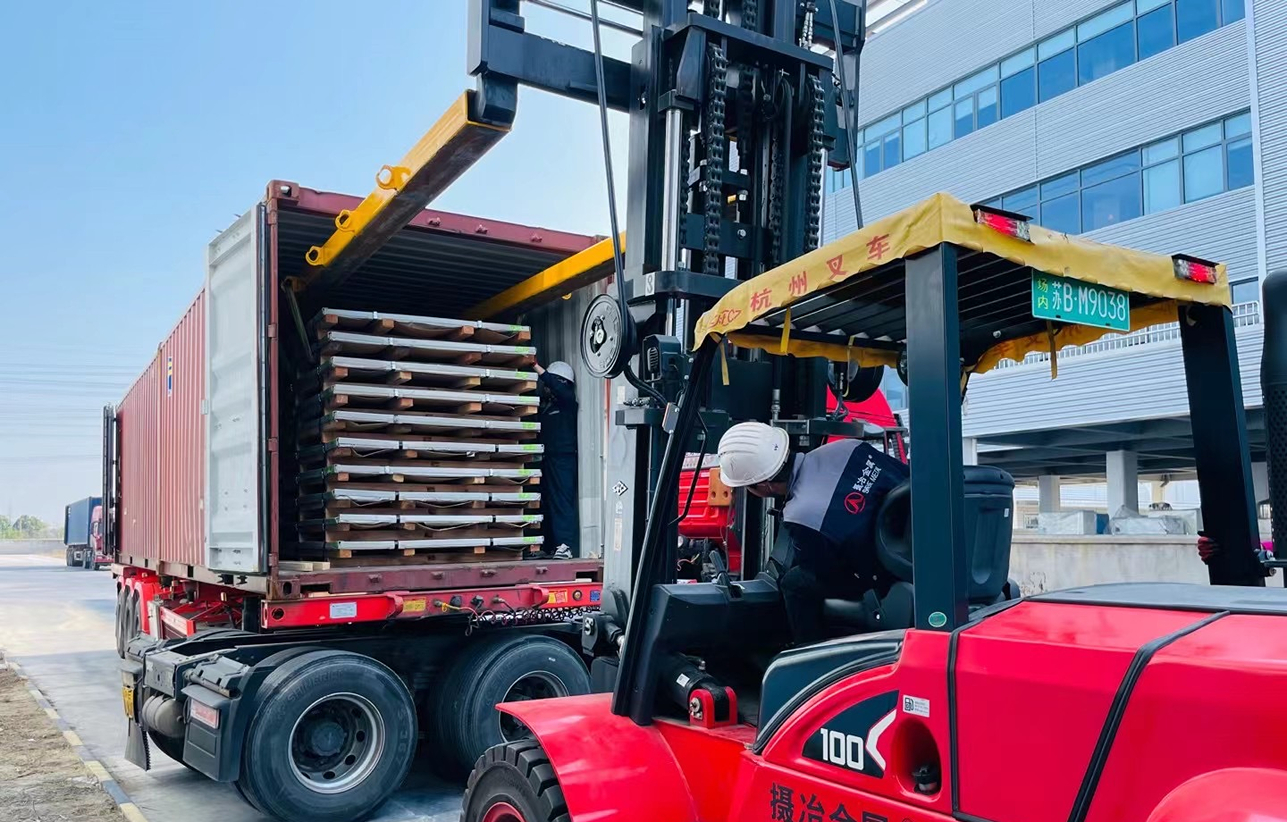
Forklift Loading Stainless Steel Plates for Shipment

Specification: 10mm × 2000mm
Advantage: Resistant to 10% acetic acid for 10 years without perforation
Case: Hengli Petrochemical PTA reactor vessel lining

Specification: 8mm × 1800mm
Advantage: Seawater crevice corrosion resistance >8000 hours
Case: CCCC port crane structures
AOD furnace refined; sulfur ≤0.002%, inclusion rating ≤1, ensuring uniform thick plate performance.
Per ton price 15–20% higher than 316L, but service life in organic acid environments 2–3 times longer.


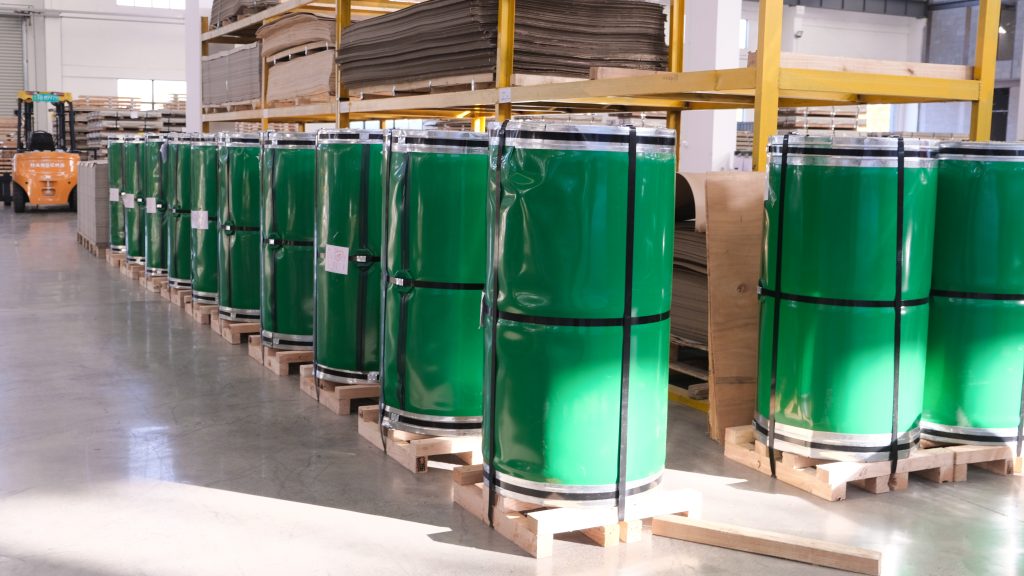
Walmay will help match the right stainless product form and specification for your application, confirm quantities and packing needs, and provide requested documents based on order requirements.