Meets High-Standard Corrosion Resistance for Food Processing, Biopharmaceuticals, and Coastal Architecture

| Element | Content (%) | Medical-Grade Role |
|---|---|---|
| C (Carbon) | ≤0.03 | Ultra-low carbon design; post-weld resistance to intergranular corrosion is 50% higher than 316, preventing stress corrosion in surgical instruments. |
| Mo (Molybdenum) | 2.0–3.0 | Enhances resistance to chloride corrosion (e.g., saline); pitting potential is 200mV higher than 304, preventing surface rusting of instruments. |
| Ni (Nickel) | 12.0–15.0 | Optimizes biocompatibility, reducing tissue rejection reactions; nickel ion migration ≤0.05ppm. |
Physical Properties: Density 7.98g/cm³, melting point 1325–1370℃, elongation ≥40%, impact energy ≥27J at -40℃.
Chemical Properties: Corrosion rate ≤0.005mm/year in 10% glucose solution at 37℃; pitting resistance time >5000 hours in 0.9% sodium chloride solution.
Grade: 316L stainless steel (ASTM A240, UNS S31603).
Thickness: 1–10mm (standard stock 2–5mm; 10mm available on request).
Width: 1000–1500mm (cutting precision ±0.5mm).
Length: up to 3000mm.
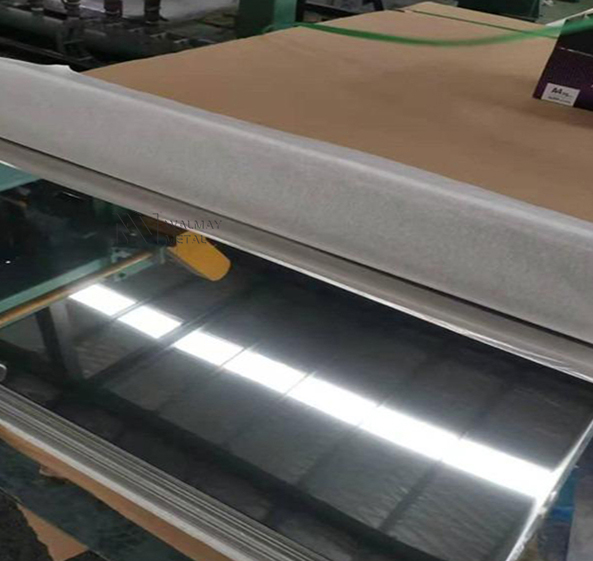
Surface Finish: Electropolished (Ra≤0.4μm) or mechanically polished (Ra≤0.8μm).
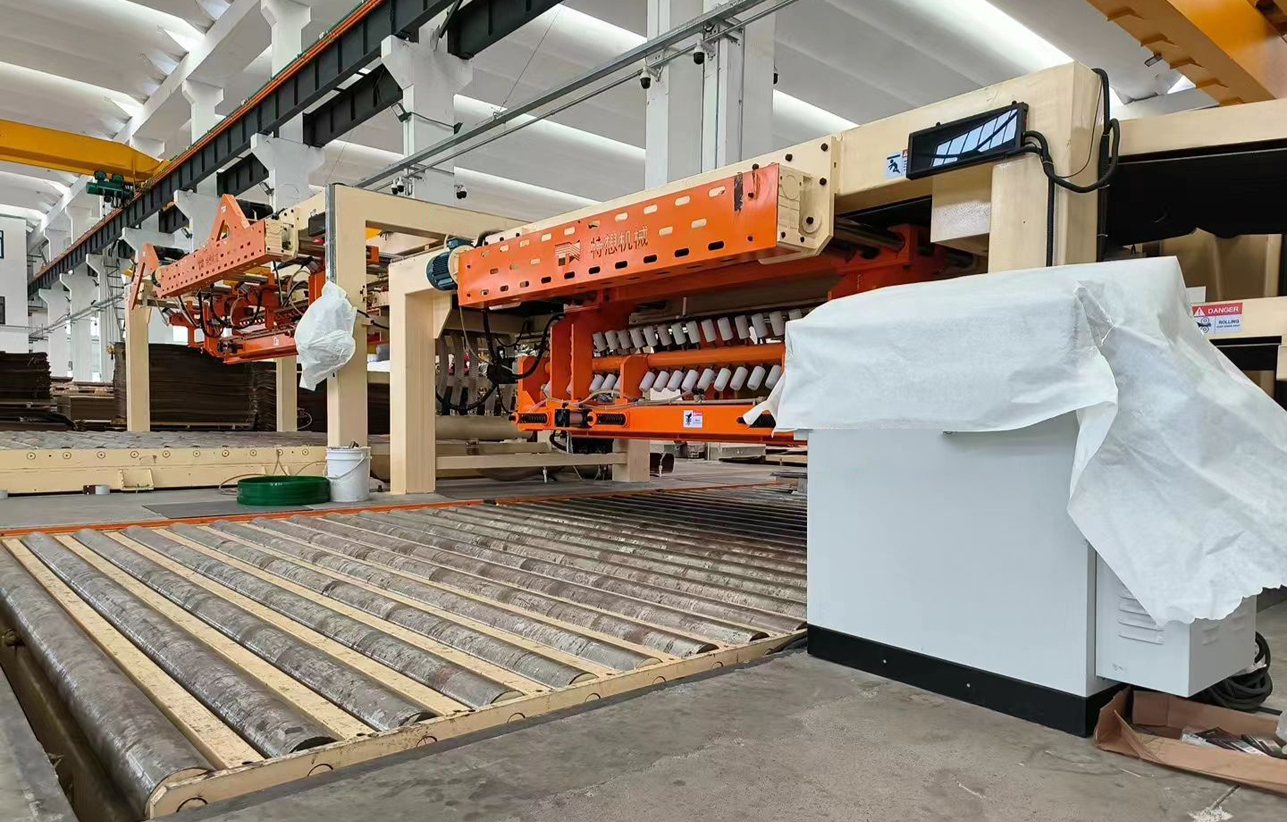
Stainless Steel Plate Bending/Stamping Process
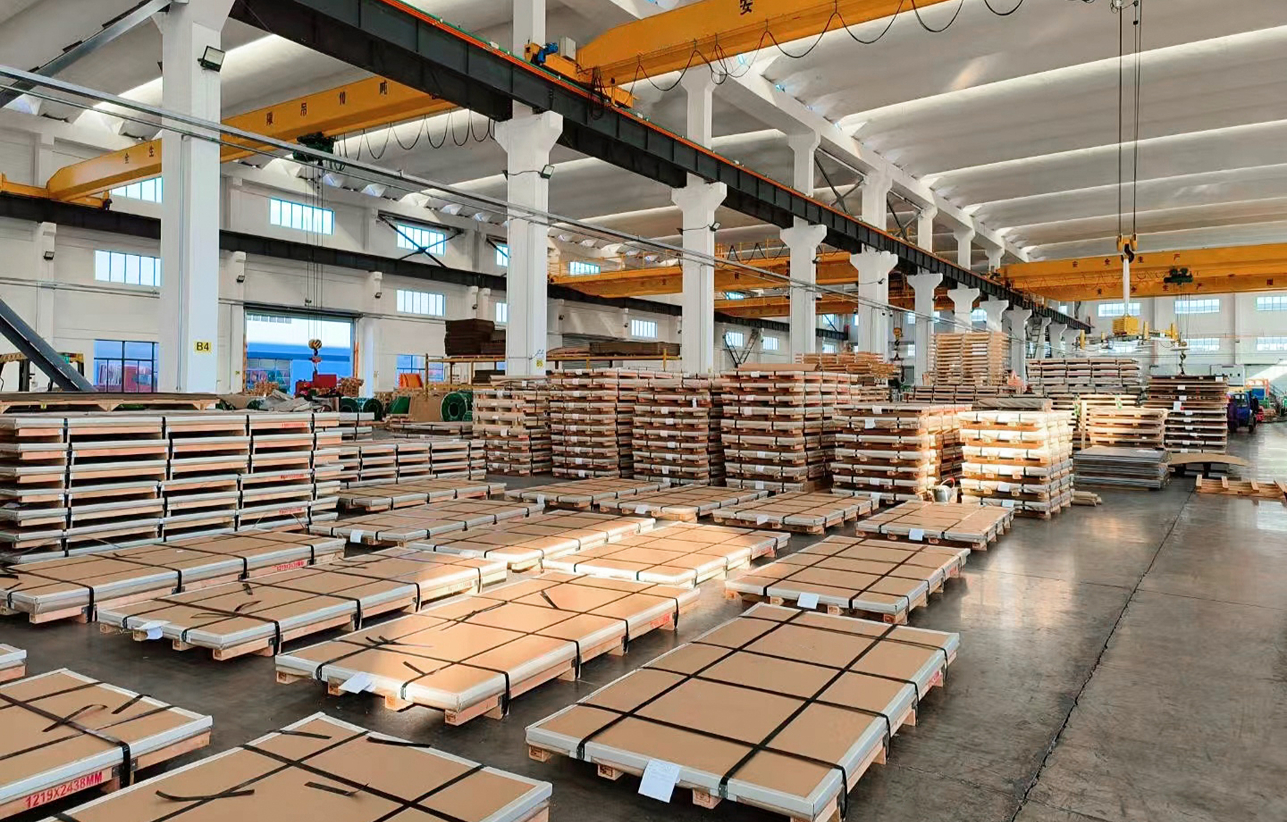
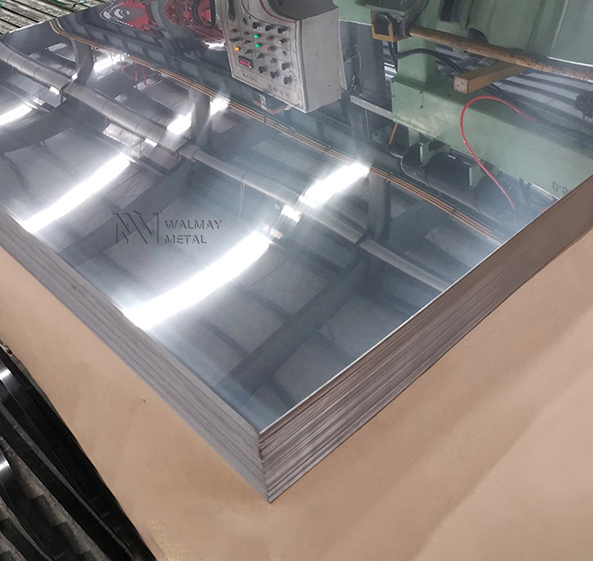
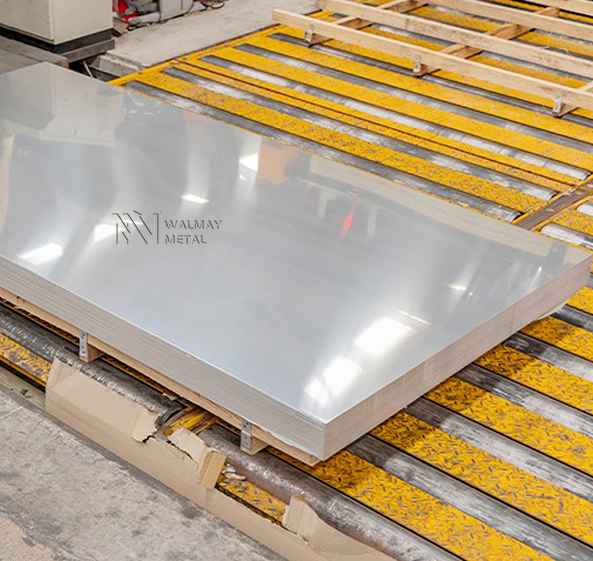
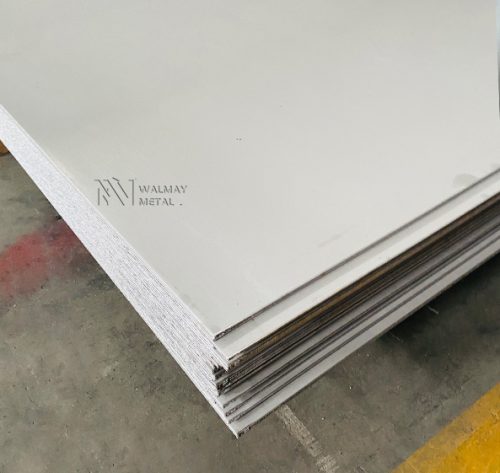
Stainless Steel Plates on Storage Rack
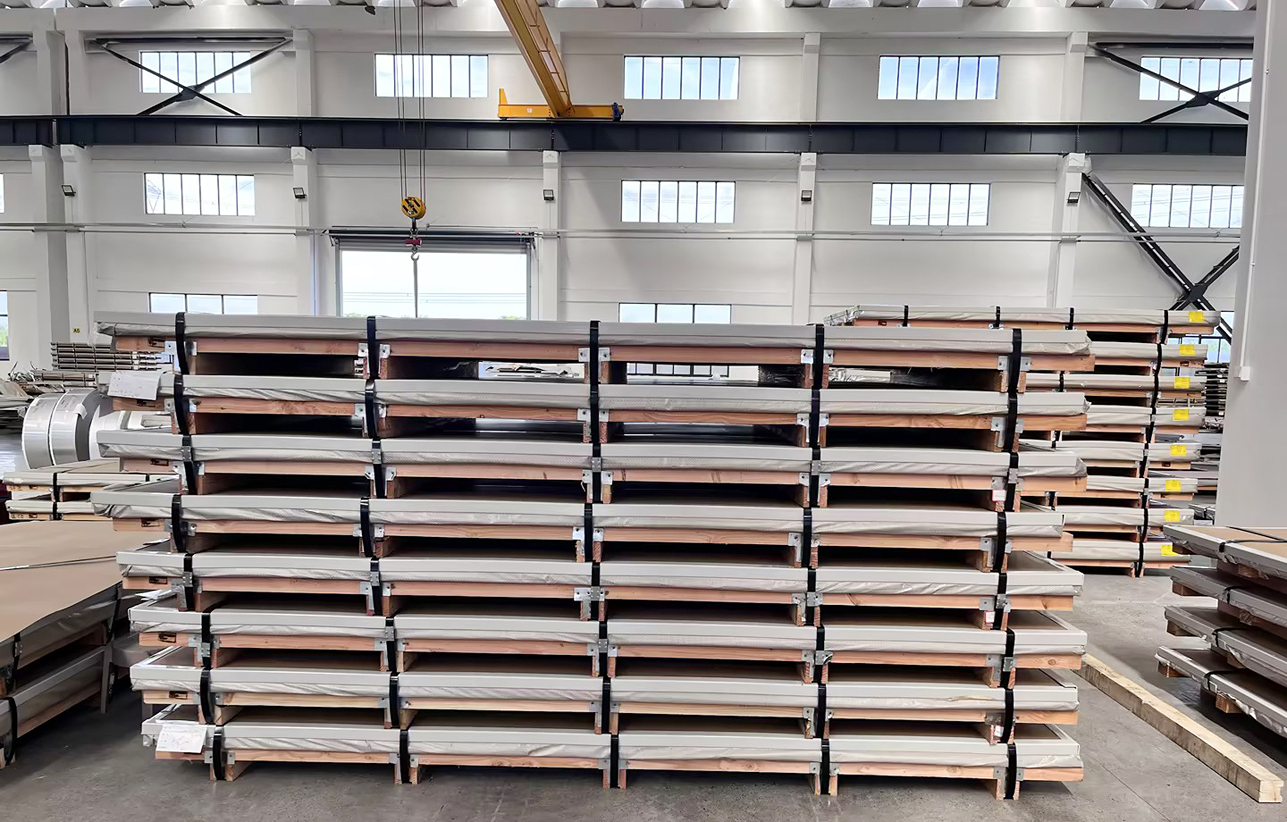
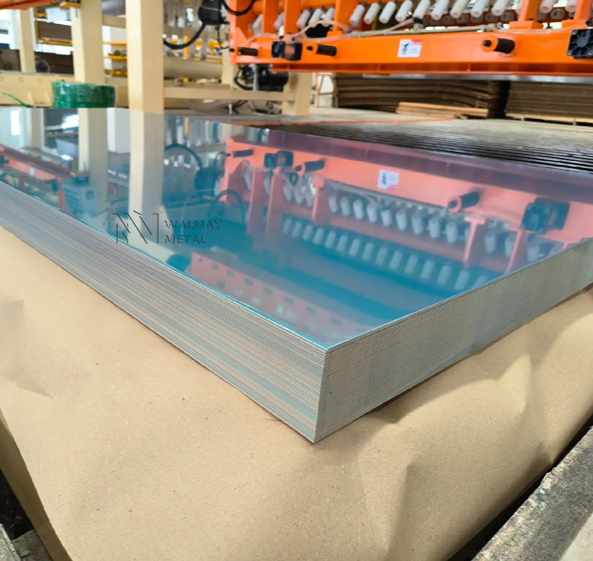
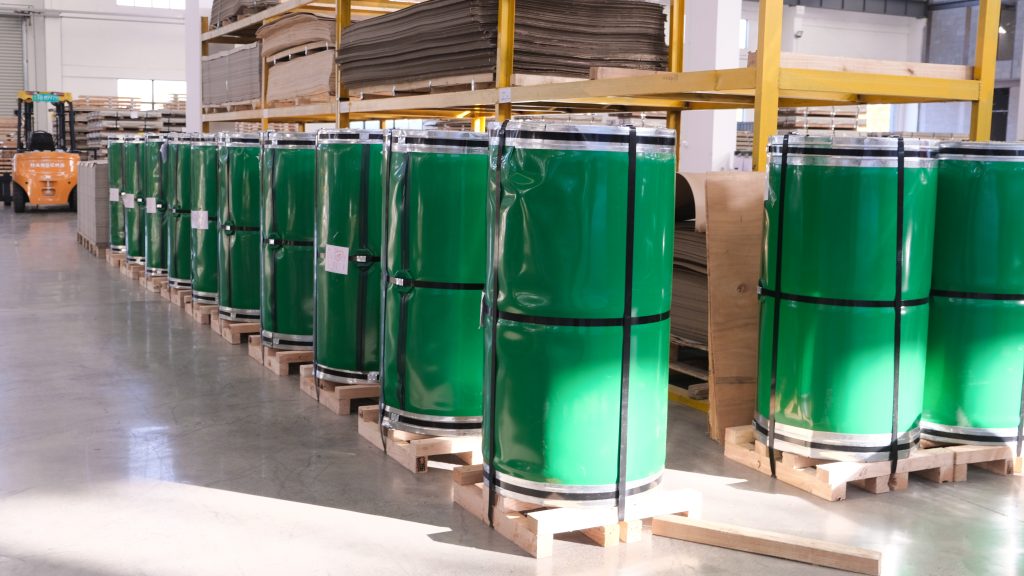
Palletized Stainless Steel Plates
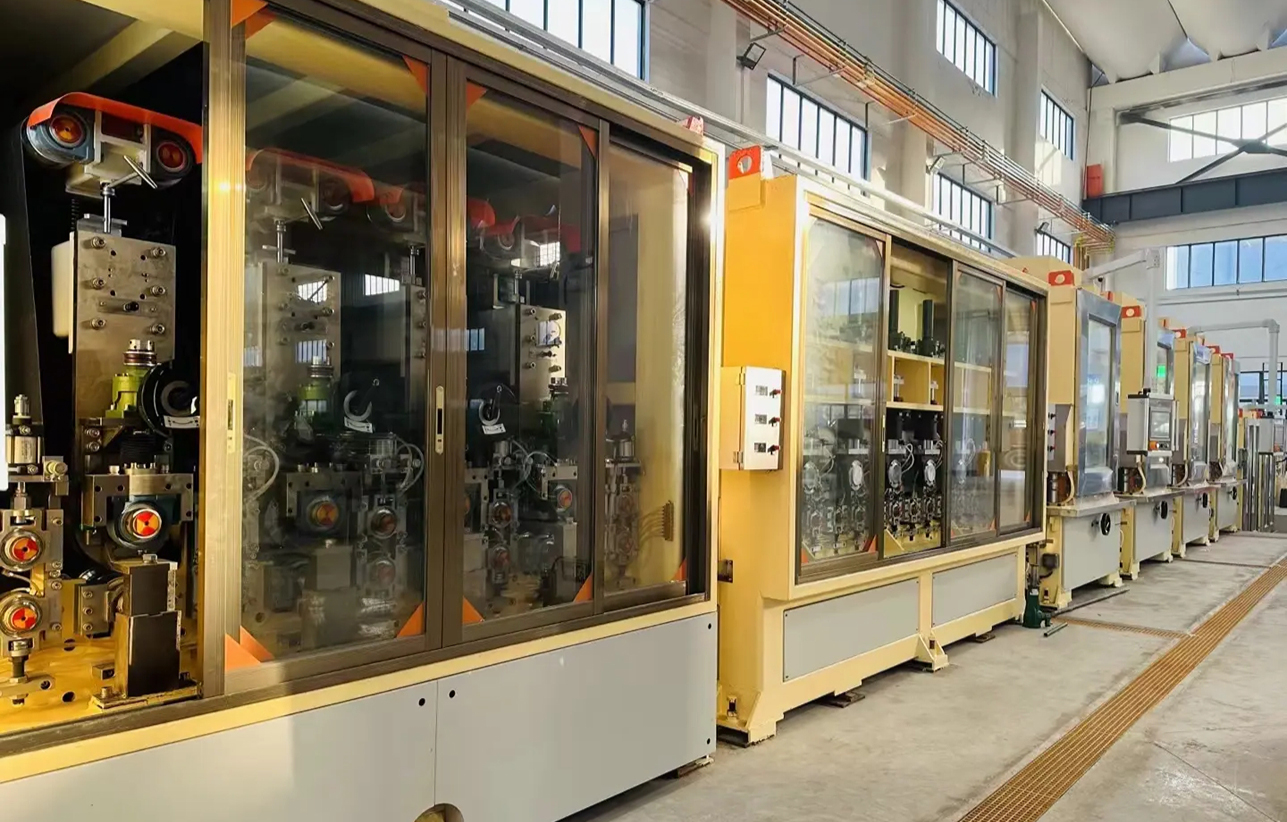
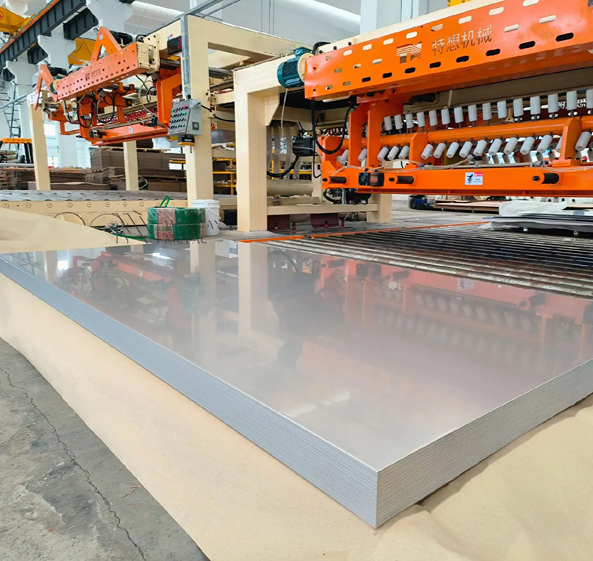
Stainless Steel Plate Rolling Line
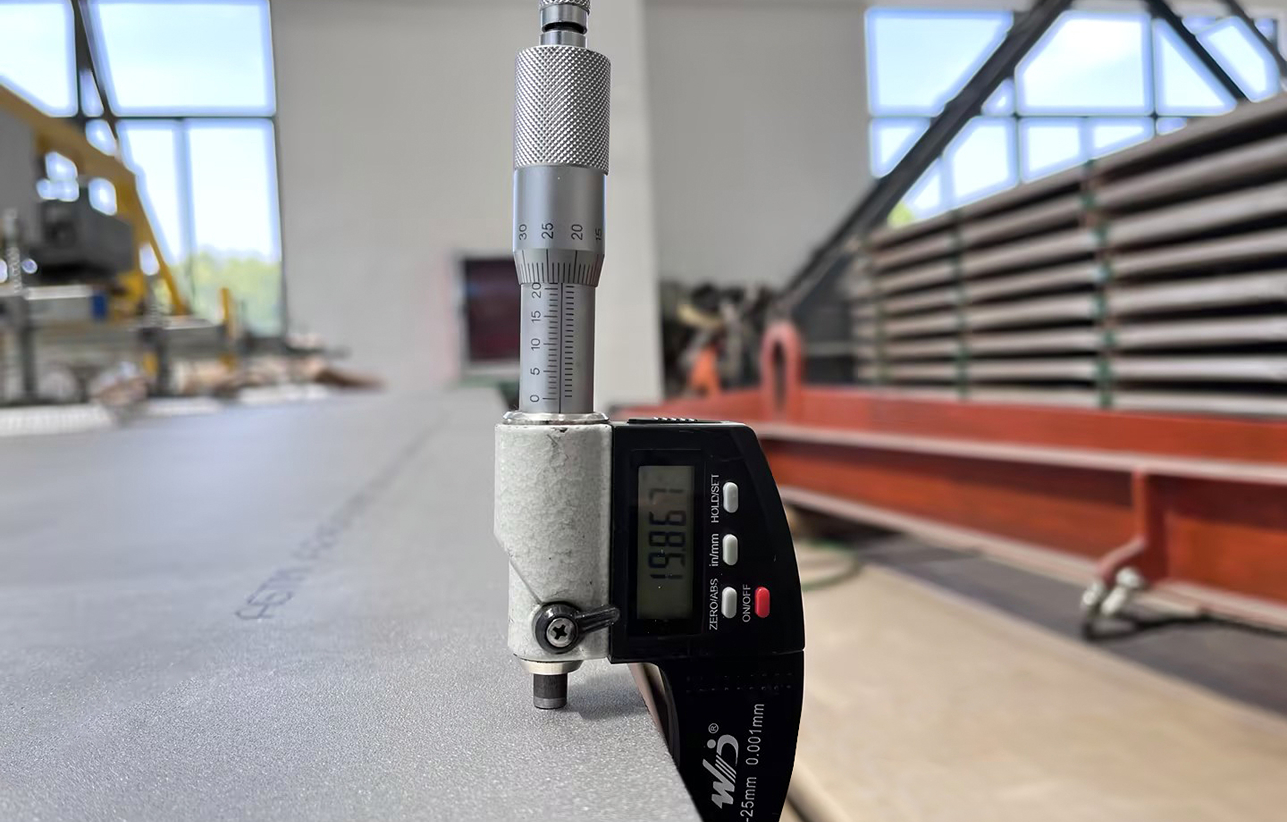
Precision Thickness Inspection of Stainless Steel Plate
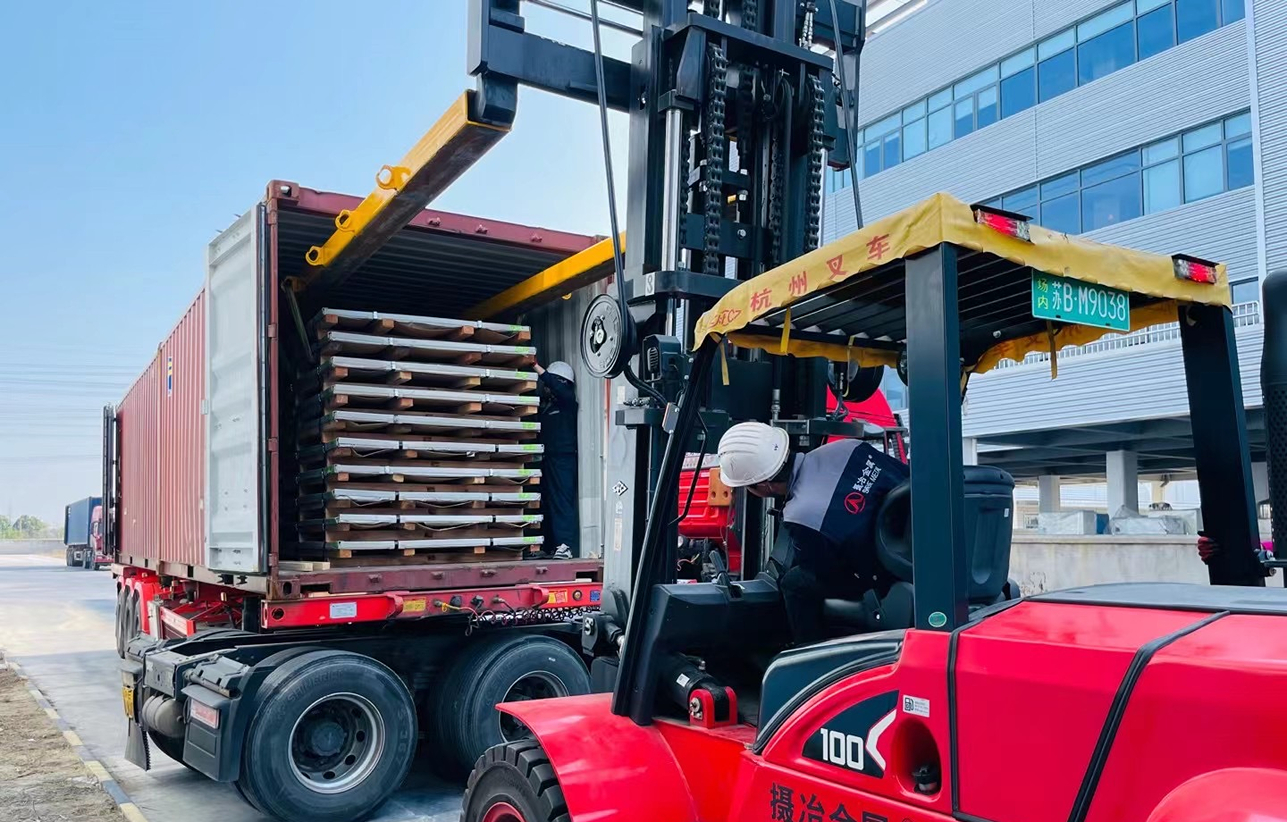
Forklift Loading Stainless Steel Plates for Shipment

Specification: 2.0mm × 1219mm
Advantage: Achieves sterilization rate of 99.99%, resistant to ≥500 disinfection cycles
Case: Mindray laparoscopic component housings

Specification: 3.0mm × 1500mm
Advantage: Withstands 500 cycles of autoclave sterilization at 121℃ without corrosion
Case: Weigao medical reagent storage equipment (Shandong, China)
Electropolishing uses a phosphoric acid–sulfuric acid system, with polishing duration of 15–20 minutes, achieving a surface roughness of Ra 0.2–0.4μm.
Each batch is supplied with biocompatibility test reports (ISO 10993-5/-10) and GMP compliance statements.
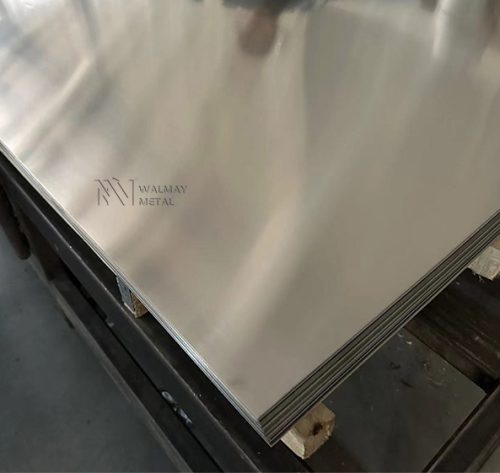


Walmay will help match the right stainless product form and specification for your application, confirm quantities and packing needs, and provide requested documents based on order requirements.