 By Walmay
 20 Jul, 2026
 7 Minutes Read
316L stainless steel is the go-to grade anywhere chlorides, acids, or strict hygiene rules show up — which is why you’ll find it in pharmaceutical reactors, offshore platforms, commercial kitchens, desalination plants, food processing lines, medical implants, and chemical refineries. The 2–3% molybdenum content and ultra-low carbon (≤0.03%) are what separate it from plain 304, and that tiny chemistry tweak is the reason entire industries build their specifications around it.
Strip away the marketing and 316L is really just 316 with the carbon knocked down to 0.03% max. Sounds trivial. It isn’t.
That low carbon prevents chromium carbide precipitation at grain boundaries during welding — the phenomenon engineers call sensitization. Weld a standard 316 pipe for a pharma skid and you risk intergranular corrosion right at the heat-affected zone. Weld 316L and that risk drops dramatically. For any fabrication-heavy application, the “L” is non-negotiable.
Then there’s the molybdenum. The 2–3% Mo is what gives 316L its superpower against chlorides — the ions that chew through 304 in coastal air, pool rooms, or anything touching seawater. If you want a deeper primer on why grade selection matters so much, our guide on different stainless steel grades and their applications covers the full austenitic family.
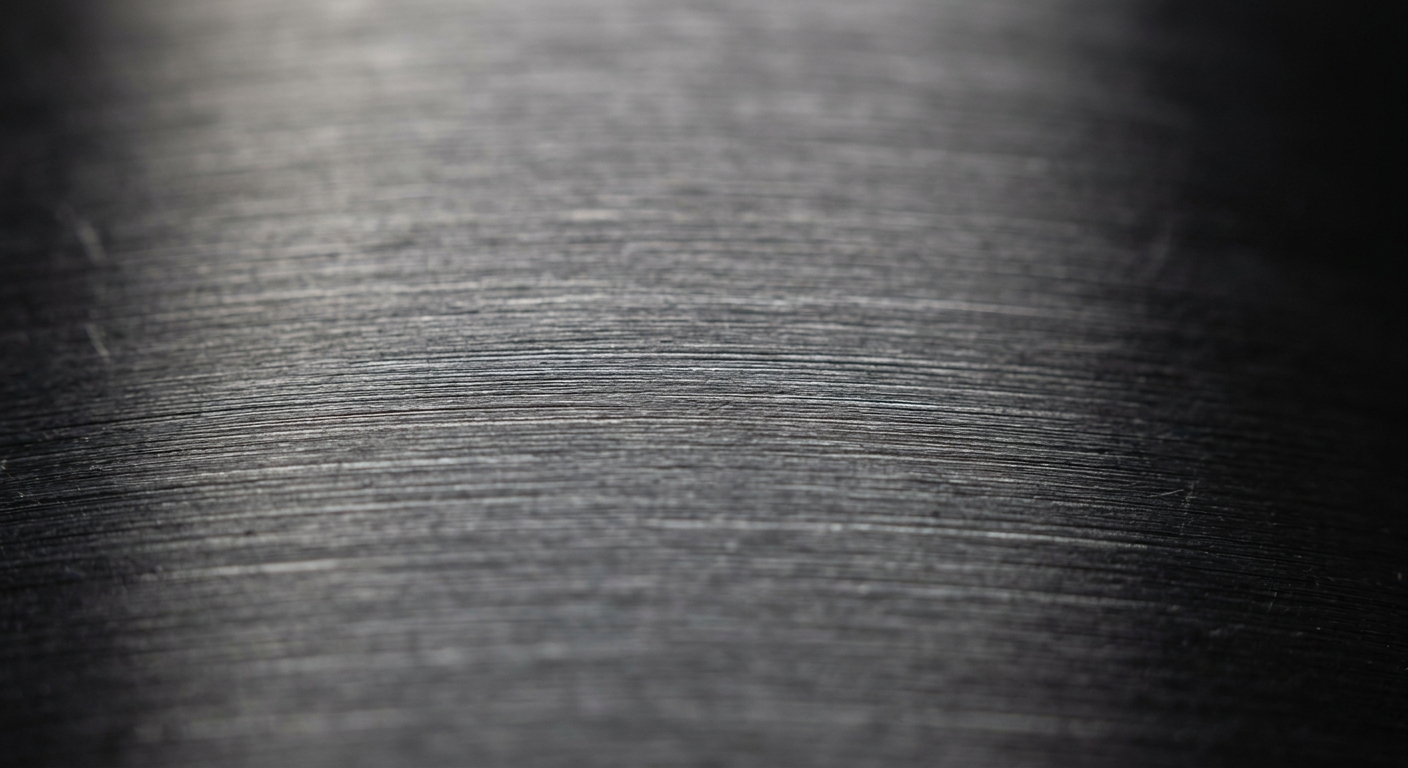
Walk into any GMP cleanroom and the shiny surfaces you see — bioreactors, mixing tanks, WFI (water-for-injection) piping, CIP skids — are almost certainly 316L with an electropolished finish, typically Ra ≤ 0.4 μm.
Why so strict? Pharmaceutical processes use purified water that’s aggressively ion-hungry, plus cleaning cycles with caustic and nitric acid. A rough surface traps bioburden; a sensitized weld becomes a rouging hotspot. 316L with an orbital TIG weld and passivation per ASME BPE is the industry default.
For instance, a mid-sized vaccine manufacturer building a new 2,000-liter bioreactor will typically spec 316L tubing with documented heat numbers, delta ferrite ≤ 0.5%, and mill certs traceable to every weld. Substitute 304 and the FDA audit gets uncomfortable fast.
Here’s a surprise: your neighborhood restaurant’s prep table is probably 304, but the dairy plant across town runs on 316L. The difference is chlorides — specifically salt, tomato acid, and sanitizer residue sitting on surfaces for hours.
Cheese vats, brine tanks, saline injection lines for cured meats, and salad-mix wash systems all see chloride loads that pit 304 within months. 316L handles them for decades. The same logic applies to seafood processing, where fish contact surfaces see concentrated sodium chloride daily.
If you’re debating grades for a specific food application, our breakdown on when stainless steel works and when it doesn’t walks through the failure modes buyers most often miss.
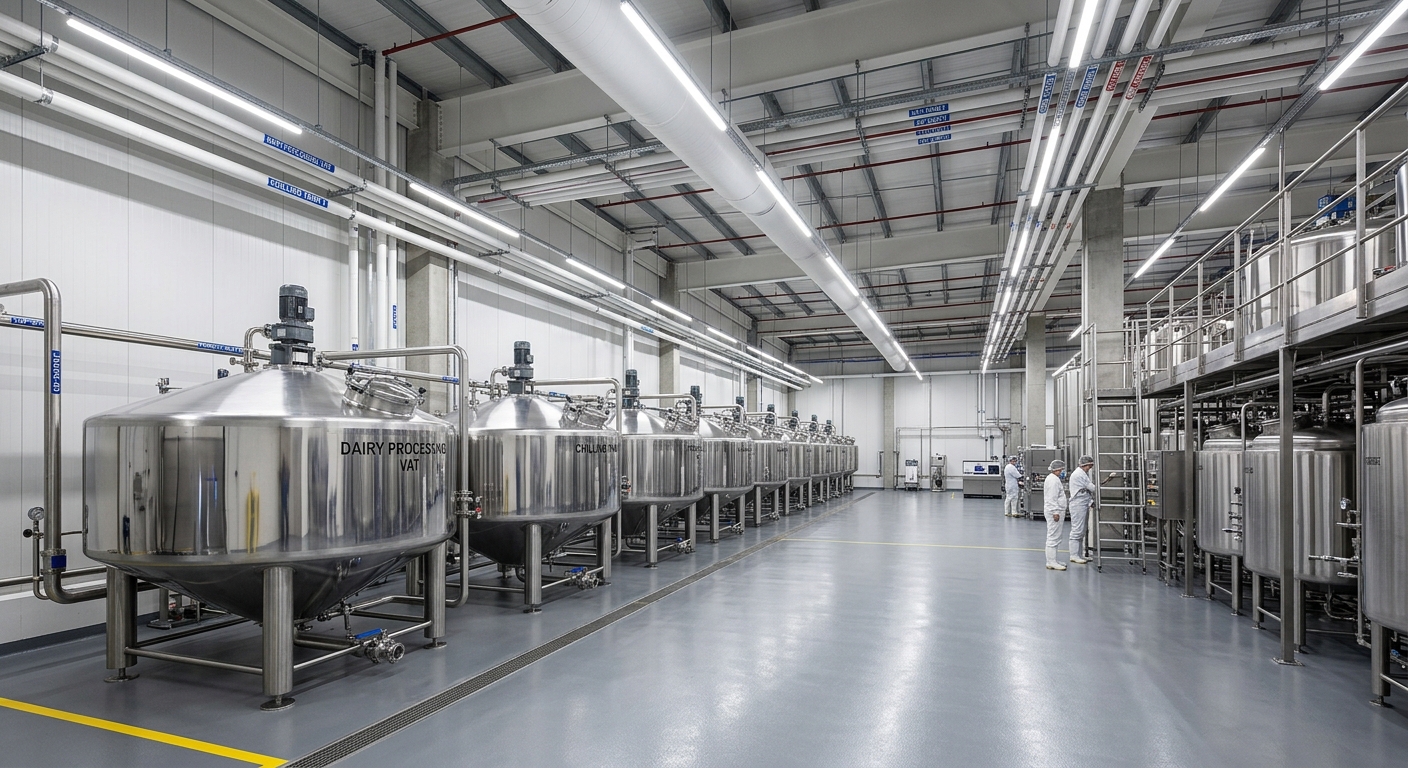
Saltwater is the final boss of corrosion, and 316L is the minimum ticket for entry. Offshore platforms, ship exhaust scrubbers, desalination pretreatment, and splash-zone handrails all lean on 316L — though above roughly 50°C in seawater, engineers often step up to duplex 2205 or super-duplex.
A real example: a platform operator in the North Sea replaced 304 instrument tubing lines that were failing from chloride stress corrosion cracking within 18 months. Switching to 316L tubing with proper passivation extended service life past eight years on the same fittings. The upfront cost difference paid back inside the first shutdown avoided.
For marine-specific guidance, see our detailed piece on stainless steel in seawater — it covers the grades, design rules, and where 316L stops being enough.
Refineries and chemical plants are where 316L earns its keep against dilute sulfuric acid, phosphoric acid, organic acids, and most process streams below 60°C. It’s not universal — hot concentrated sulfuric will eat it, and hydrochloric acid is a hard no at any concentration — but for the vast middle ground of chemistry, 316L is the default.
Typical applications: heat exchanger tubes, reactor internals, distillation column trays, and process piping in fertilizer, petrochemical, and specialty chemical plants. Fabricators favor it because it welds cleanly with standard ER316L filler and passes ASTM A262 Practice E intergranular corrosion tests without drama.
When equipment runs cyclic thermal loads, annealing quality matters. Our overview of how annealing transforms steel properties explains why solution-annealed 316L outlasts as-welded material in service.
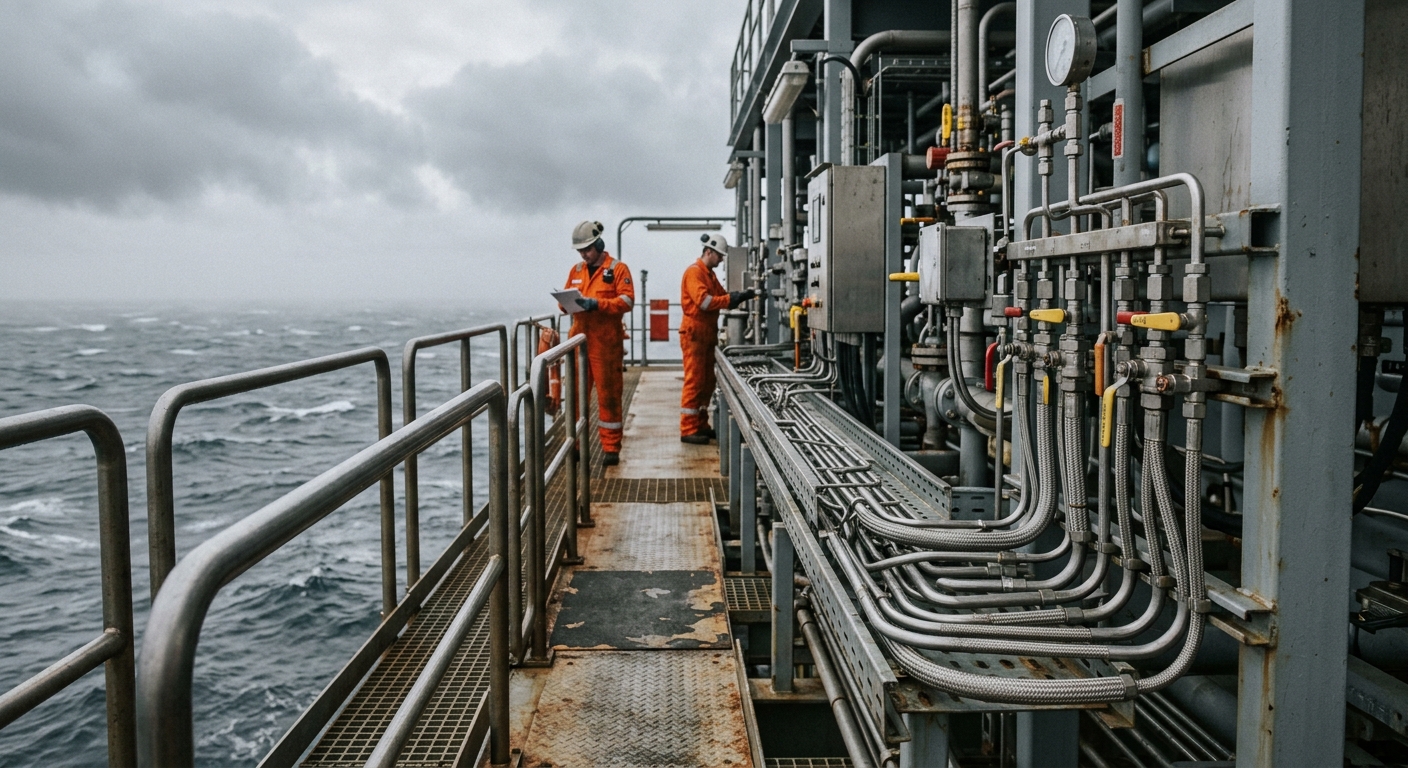
Bone screws, orthopedic plates, surgical instruments, and temporary implants are a massive 316L market, typically spec’d to ASTM F138. The grade is biocompatible, non-magnetic in the annealed state, and polishes to mirror finish without pitting.
For permanent implants the industry is moving toward titanium and cobalt-chrome, but for short-term fixation (weeks to months before removal), 316L dominates on cost and machinability. A single orthopedic contract manufacturer can burn through tons of 316L bar stock per month producing pedicle screws alone.
One nuance buyers miss: implant-grade 316L has tighter inclusion limits and controlled ferrite, so don’t assume standard commercial 316L will pass F138. Always verify the mill cert.
Facades, railings, sculpture, and structural fasteners within a few kilometers of saltwater — or in polluted urban microclimates — need 316L. You’ll see it on landmark projects: the Cloud Gate sculpture in Chicago, the One World Trade Center exterior cladding, countless coastal hotel facades.
Architects sometimes try to save budget by specifying 304 inland and 316L only at exposure points. It backfires. Mixed galvanic couples and inconsistent weathering create ugly tea-staining that’s expensive to remediate. The better move: commit to 316L throughout the envelope and specify a #4 brushed or bead-blasted finish that hides minor staining between maintenance cycles.
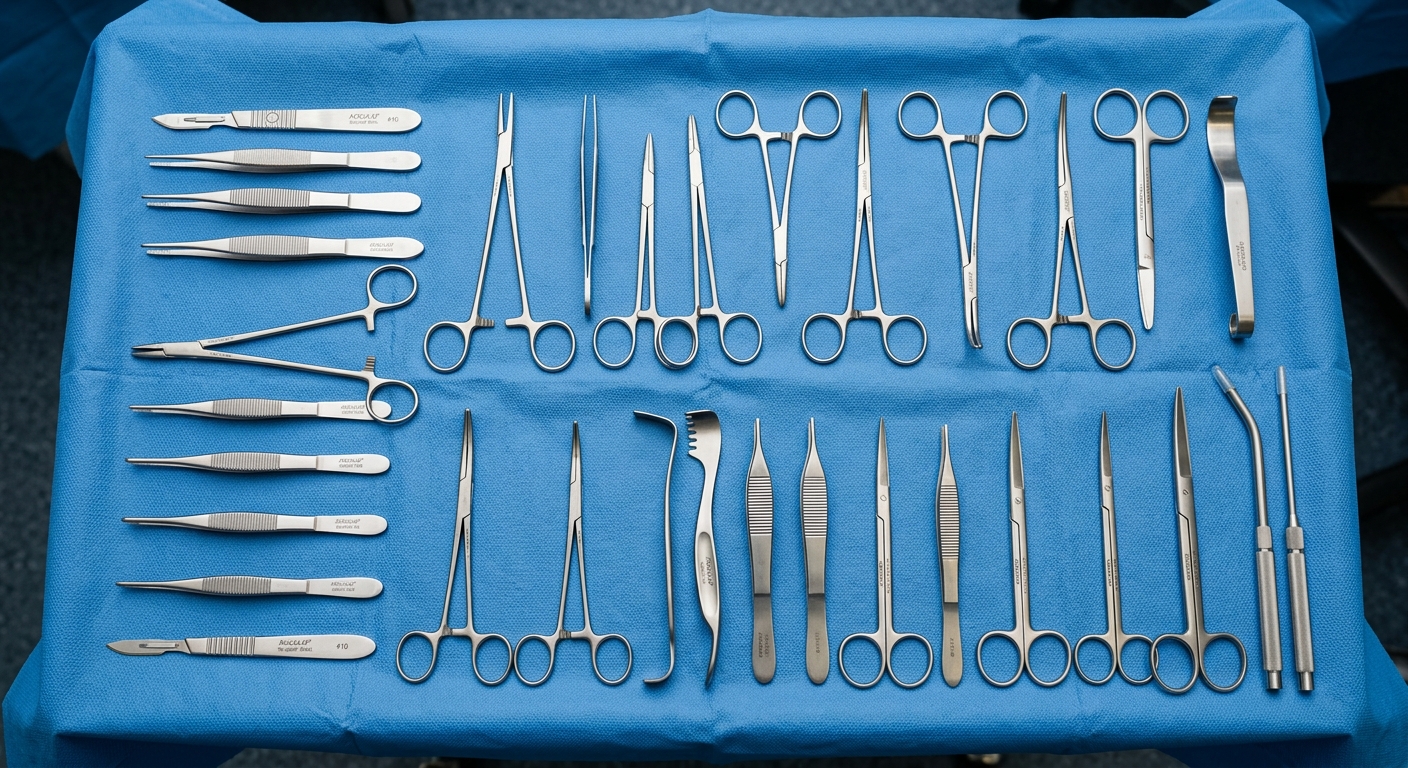
Reverse-osmosis desalination plants run high-pressure pumps, energy recovery devices, and brine-side piping at chloride concentrations of 50,000+ ppm. That’s brutal territory. 316L handles the lower-pressure feedwater side and pretreatment cleanly, while super-duplex takes over on the high-pressure reject stream.
In municipal water treatment, 316L shows up in UV reactor housings, chlorine dosing lines, and dewatering centrifuges. A utility retrofit we’ve seen: a 120 MLD treatment plant replacing carbon steel chlorine contact piping with 316L — the install cost 3x more but eliminated a recurring annual replacement program that was costing them more in labor than material.
316L isn’t a silver bullet. Indoors, dry, no chlorides? 304 saves you 25–40% with identical performance. In hot seawater, FGD scrubbers, or bleach plants? 316L will pit and you need duplex, super-duplex, or nickel alloys like Alloy 825 or C-276.
The rough decision rule:
Whether stainless rusts in your specific setting comes down to this exact kind of environmental match. Our article on whether stainless steel rusts in water walks through the chemistry in plain language.
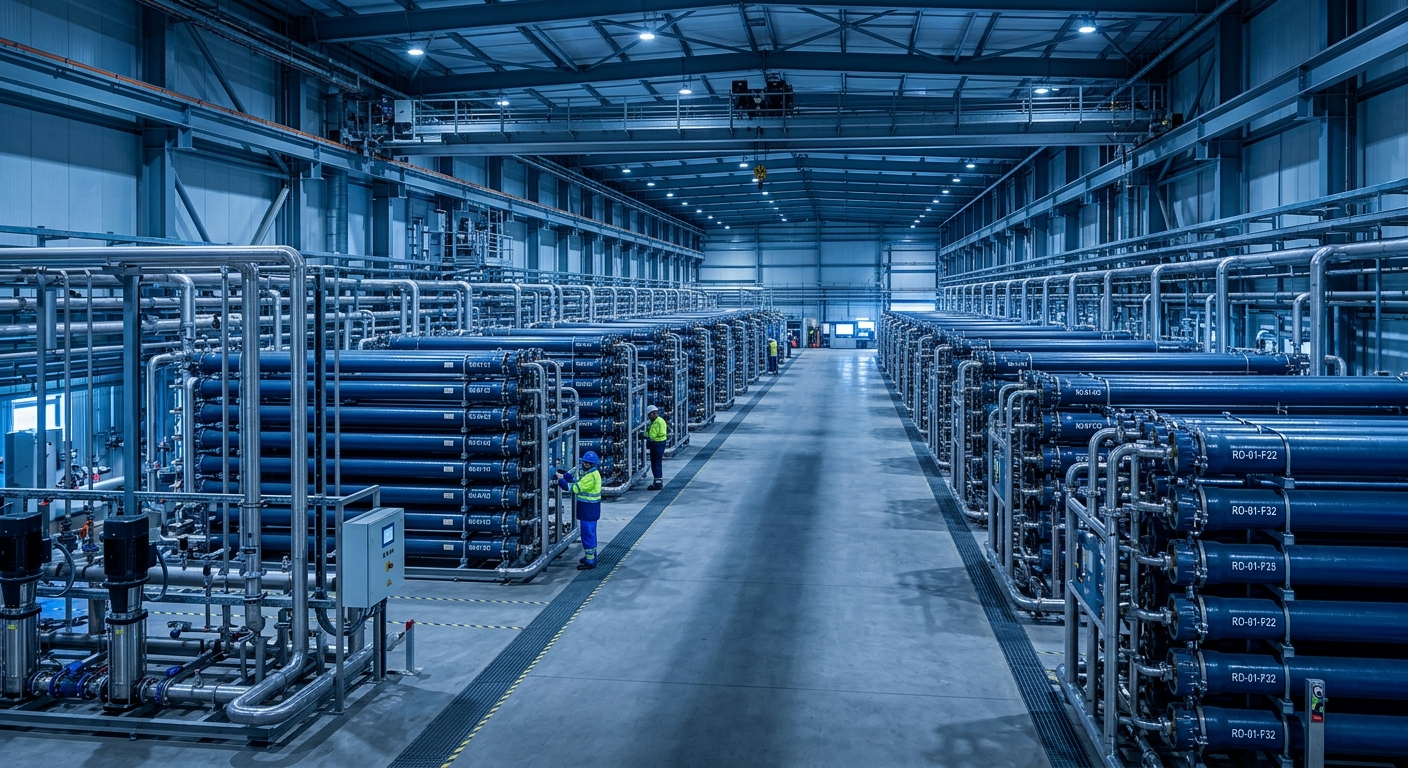
Not all 316L is equal, and the cert sheet tells you more than the grade designation. Things that matter when you’re evaluating a supplier:
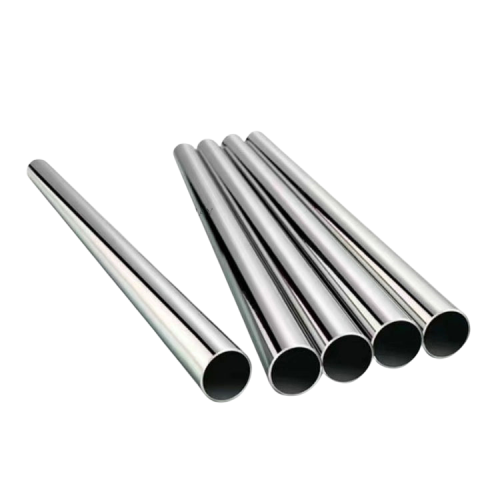
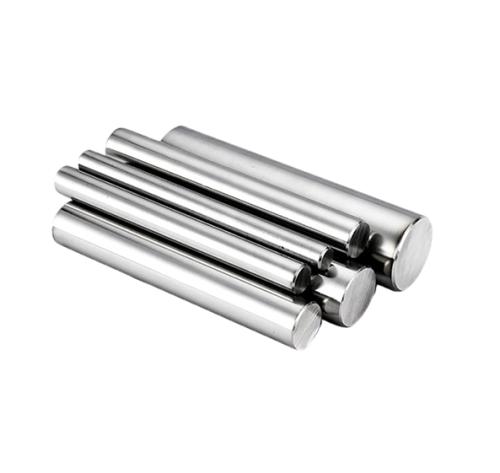
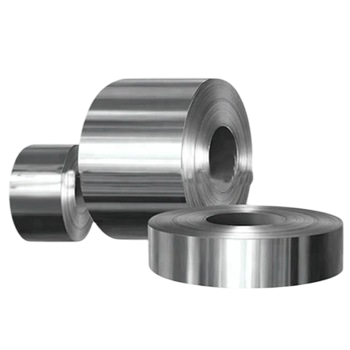
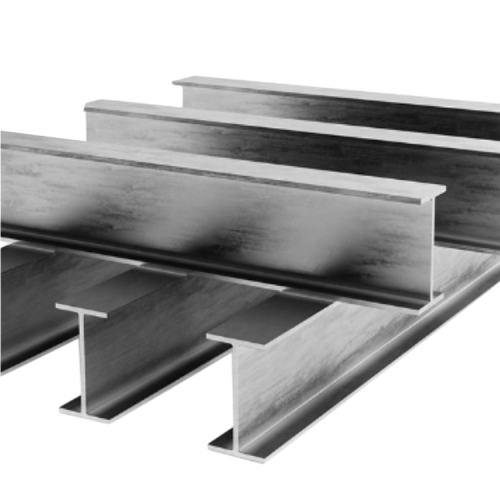
At Walmay we stock 316L sheet, coil, plate, pipe, tube, and bar across the full thickness range, with mill certs on every heat. Whether you’re building a pharma skid, a desalination module, or a coastal facade, our team can match grade, finish, and certification level to your actual service conditions. Browse our product range or reach out through the contact page for a quote — we’re happy to talk spec before you commit to a PO.
 Industry Knowledge
 Industry Knowledge
 Industry Knowledge
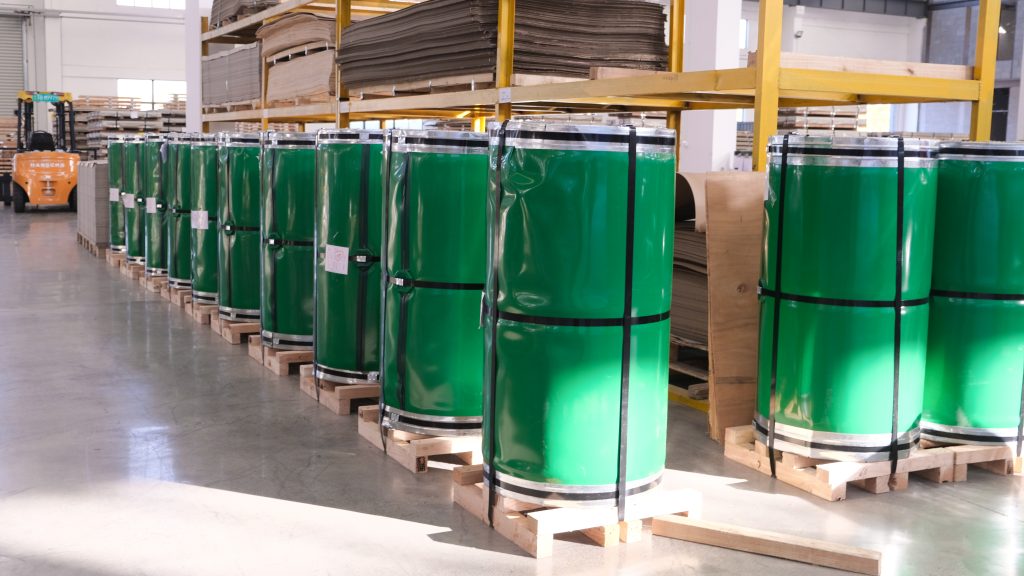
Walmay will help match the right stainless product form and specification for your application, confirm quantities and packing needs, and provide requested documents based on order requirements.