
 By Walmay
 24 Nov, 2025
 5 Minutes Read
Stainless steel is one of the most widely used industrial alloys thanks to its corrosion resistance, mechanical strength, durability, and compatibility with advanced manufacturing processes. For engineers, designers, and procurement teams, understanding the different types of stainless steel, their microstructures, grades, and performance characteristics is essential to selecting the right alloy for industrial environments.
This guide provides a deeper level of clarity than standard overviews, combining metallurgy, grade systems, thermal properties, application matrices, and procurement-level decision frameworks.
Stainless steel is defined by the presence of ≥10.5% chromium, which reacts with oxygen to form a thin, passive chromium-oxide film (Cr₂O₃). This self-repairing layer gives stainless steel its corrosion resistance.
Key alloying elements that modify performance include:
These elements determine microstructure, mechanical performance, weldability, and application suitability.
The foundation for stainless steel began in the 19th century with chromium alloys, but modern stainless steel emerged in 1913 when Harry Brearley discovered that high-chromium steel resisted corrosion.
From there:
Today’s stainless steels are optimized for mechanical performance, corrosion resistance, weldability, and cost efficiency across industrial sectors.
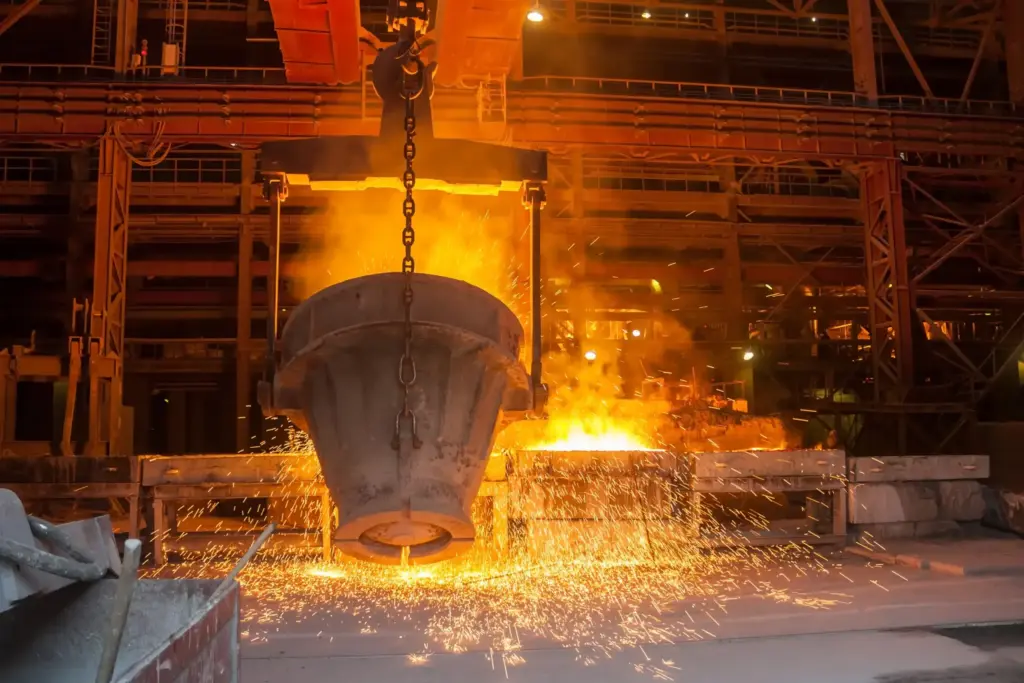
Producing stainless steel involves carefully controlled metallurgy to achieve consistent performance:
Stainless steels are categorized by their microstructures, which determine mechanical behavior and corrosion resistance.
Microstructure: FCC
Characteristics:
Common Grades
Typical Uses
Food processing, chemical equipment, tanks, heat exchangers, marine hardware.
Microstructure: BCC
Characteristics:
Common Grades
Typical Uses
Automotive components, appliances, interior architecture.
Microstructure: BCT
Characteristics:
Common Grades
Typical Uses
Valves, pumps, knives, wear-resistant components.
Microstructure: ~50% austenite + 50% ferrite
Characteristics:
Common Grades
Typical Uses
Offshore structures, pipelines, desalination, petrochemical equipment.
Microstructure: Hardened by precipitation
Characteristics:
Common Grades
Typical Uses
Aerospace hardware, high-strength mechanical components.
Understanding stainless steel grades and their applications is essential for engineering specifications.
Each grade is defined by chemistry, corrosion resistance, strength, and application suitability.
Because duplex stainless steels play a key role in modern industrial design, they deserve a dedicated section.
A combination of austenite + ferrite provides:
Pressure vessels, chemical storage, heat exchangers, marine piping, risers, flanges.
18/10 stainless steel refers to 18% chromium + 10% nickel, commonly seen in high-end cookware.
Other high-performance stainless steels include:
These specialty alloys address specific corrosion, sanitation, or durability needs.

| Grade | Approx. Melting Range (°C) |
| 304 | 1400–1450 |
| 316 | 1375–1400 |
| 410 | 1480–1530 |
| Duplex 2205 | 1350–1450 |
| 17-4 PH | 1400–1440 |
Thermal expansion, conductivity, and creep resistance vary significantly across families, influencing material selection for high-temperature applications.
| Environment / Requirement | Recommended Type | Reason |
| High chloride (marine) | 316, duplex, super duplex | Best pitting resistance |
| High strength | Duplex, PH | High yield strength |
| High wear | Martensitic | Hardness & abrasion resistance |
| Sanitary / food | 304, 316 | Cleanability & corrosion resistance |
| High heat | 310S | Oxidation resistance |
| Cost-sensitive | Ferritic | Good performance at lower cost |
Before selecting a grade, evaluate:
A systematic evaluation ensures optimal material performance and lifecycle value.
Understanding the different types of stainless steel—from austenitic and ferritic to martensitic, duplex, and PH—helps engineers and procurement teams make informed decisions based on corrosion resistance, strength, temperature performance, and fabrication needs.
A structured approach to alloy selection ensures reliability, cost efficiency, and long-term durability across industrial, commercial, marine, and high-temperature environments.
 Industry Knowledge
 Industry Knowledge
 Industry Knowledge
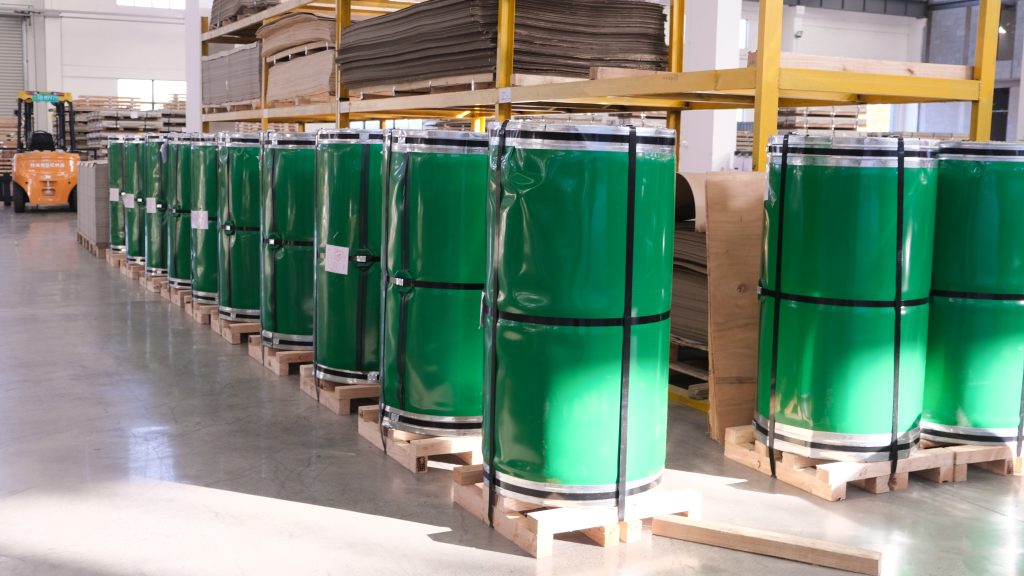
Walmay will help match the right stainless product form and specification for your application, confirm quantities and packing needs, and provide requested documents based on order requirements.
Loading form…