Stainless Steel for Jewelry & Accessories

Grade options commonly specified for wearables where skin contact, appearance stability, and fine processing matter.

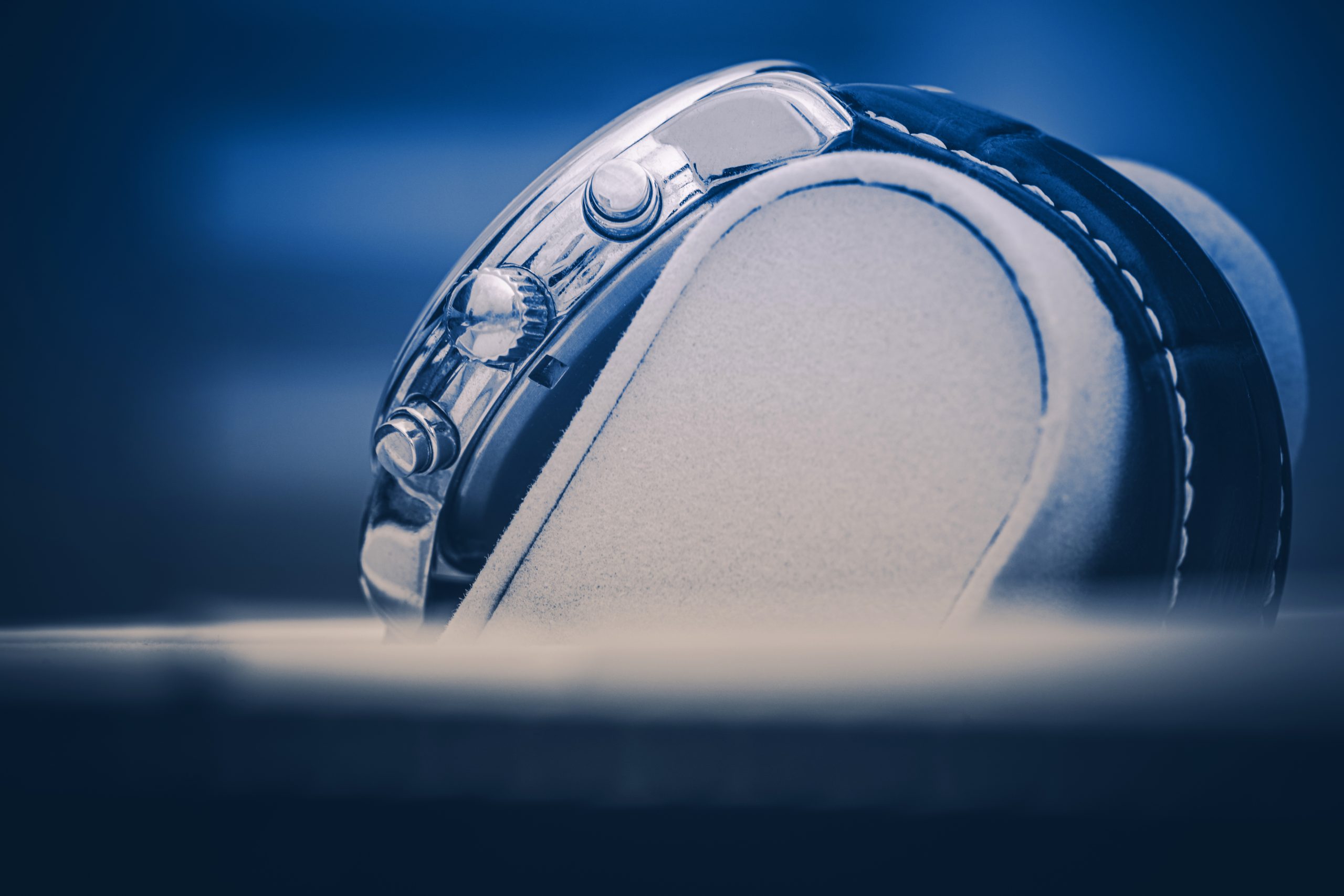
Jewelry & Accessories Manufacturing Featured Image
  • Skin-Contact Grade Options (304 / 316L)

    Grade options commonly used for wearables support long-wear comfort and stable surface performance.

  • Appearance Stability for Daily Wear

    Helps resist tarnish from humidity, sweat, and routine cleaning.

  • Precision Forming for Detailed Designs

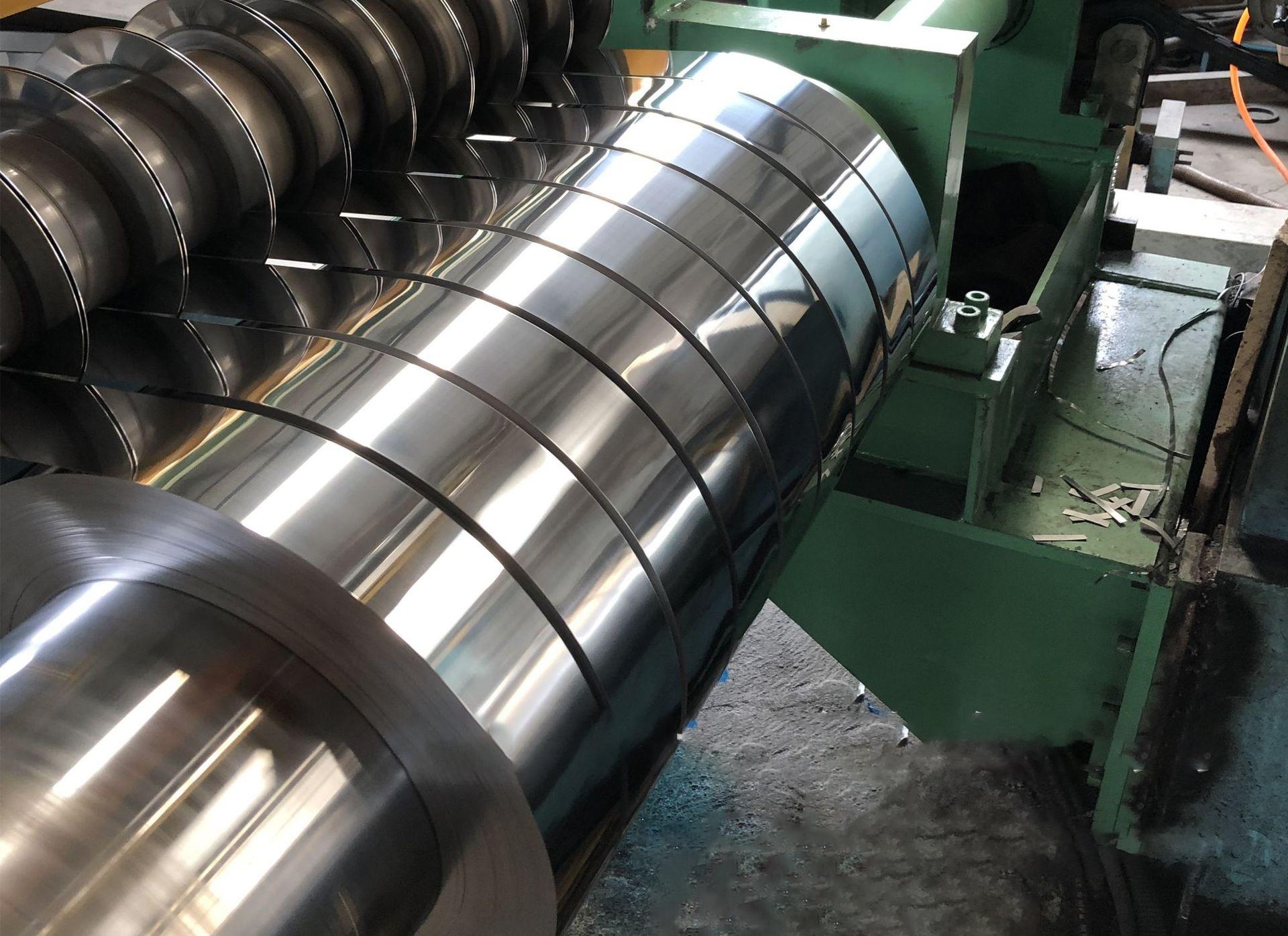
    Thin plates and narrow strips support cutting, engraving, bending, and polishing for intricate parts.

High-End Accessory Core Components

Luxury Watch Cases, Straps & Jewelry

  • Grade: 316L
  • Material Forms: cold-rolled plates (0.2–3 mm) + ultra-thin strips
  • Why for Manufacturers: Non-magnetic behavior and refined surface potential support premium positioning. Tight thickness control helps reduce polishing variability and improves assembly consistency.

Premium Eyewear Frames

  • Grade: 316L
  • Material Forms: high-tensile plates (0.5–1 mm)
  • Why for Manufacturers: Strength-to-weight balance supports lightweight frames while maintaining structural stability for daily handling.

Daily Decor & Functional Pieces

Fashion Jewelry Bases & Clasps

  • Grade: 430 / 304
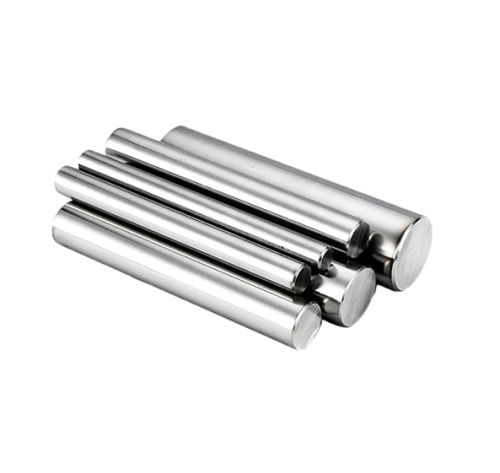
  • Material Forms: formable plates (bases) + round bars (clasps)
  • Why for Manufacturers: Cost-oriented options for volume production where coating, brushing, or color finishing defines appearance.

Accessory Structural Parts

  • Grade: 304
  • Material Forms: small-diameter bars (3–10 mm) + thin plates
  • Why for Manufacturers: Good weldability and mechanical stability help connectors resist deformation during repeated assembly and daily movement.
Get a Quote

Related Stainless Steel Products

Supplying Plates & Bars for Watches, Jewelry & Eyewear

Grade-Based Advantages for Wearable Components

Verification-Ready for Wearable Programs

Traceability and requested documentation can be prepared to align with order requirements for personal accessories.

Finish Options for Premium Appearance

Support mirror, brushed, and color-coated finish targets for fashion and lifestyle designs.

Processing-Friendly Supply Formats

Thin plates and small-section bars fit laser cutting, stamping, and fine machining routes for small parts.
FAQ

Which grade is typically selected for premium watch cases and eyewear frames?

316L is often specified where surface stability, non-magnetic behavior, and appearance consistency are key priorities.

What thickness ranges are common for detailed accessory designs?

Thin plates such as 0.2–1 mm are frequently used for lightweight structures, engraving, and precise forming.

What details help confirm the right grade and form?

Share the product type, target finish, thickness range, fabrication method, and order volume to confirm a practical shortlist.

Are these grades suitable for laser engraving and fine detailing?

Yes. Austenitic options such as 304 and 316L are commonly used for laser engraving, micro-cutting, and fine detailing. Their stable structure helps achieve clean edges and consistent marking results when process parameters are properly controlled.

Will magnetic properties affect watch or eyewear components?

For applications where magnetic behavior matters, non-magnetic austenitic grades like 316L are often selected. This helps reduce interference concerns in precision accessories such as watch cases, frames, and connectors.

Stainless Steel Related Applications

Need more details on stainless steel products? Feel free to contact Walmay anytime.

Walmay will help match the right stainless product form and specification for your application, confirm quantities and packing needs, and provide requested documents based on order requirements.

Have Questions? Need Support? Talk to an Expert

    Your Information How can we help?
    Select Your Language