 By Walmay
 22 Jan, 2026
 4 Minutes Read
Stainless steel is widely valued for its corrosion resistance, especially in environments exposed to moisture and water. However, a common question arises: does stainless steel rust in water? Understanding how stainless steel behaves in different water conditions is crucial for engineers, designers, and maintenance professionals to make informed choices in construction, plumbing, marine, and industrial applications.
This article delves into the science behind stainless steel’s corrosion resistance, the conditions under which rust in water can occur, and best practices to maintain stainless steel’s longevity in wet environments.
Stainless steel is an alloy primarily composed of iron, chromium, and other elements like nickel and molybdenum. To better understand the key properties and characteristics of stainless steel, it helps to examine how these elements influence corrosion resistance. Its hallmark feature is a thin, invisible, and self-healing oxide layer on its surface known as the passive layer. This layer prevents iron in the alloy from reacting with oxygen and moisture, which is the chemical basis of rust formation.
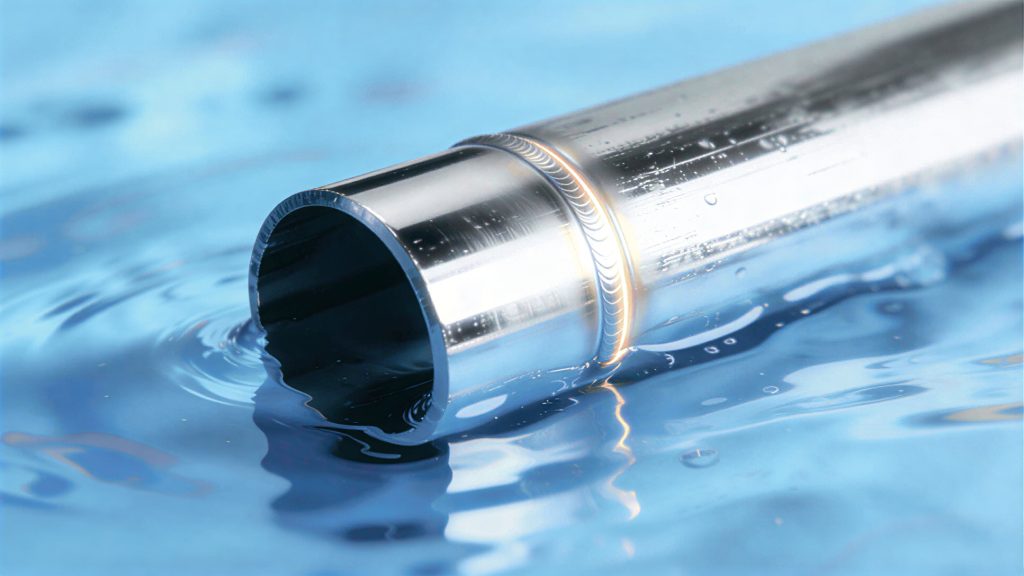
Stainless steel does not rust easily in clean, oxygen-rich water due to its protective passive layer. However, under certain conditions, stainless steel can rust in water or develop corrosion. The likelihood of rust depends on several factors including water chemistry, temperature, exposure time, and mechanical damage to the surface.
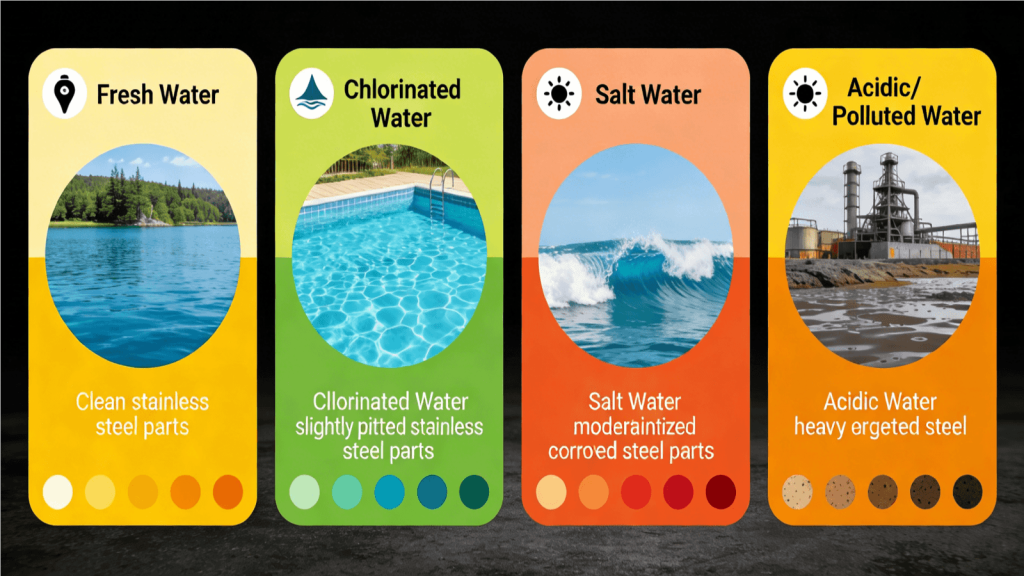
The risk of rust in water for stainless steel varies depending on the water type:
In fresh water that is clean and well-oxygenated, stainless steel generally maintains excellent corrosion resistance. The passive layer remains intact, preventing rust.
Chlorine is aggressive toward stainless steel and can break down the passive layer, leading to chloride-induced corrosion or pitting. This is common in swimming pools or water treatment plants.
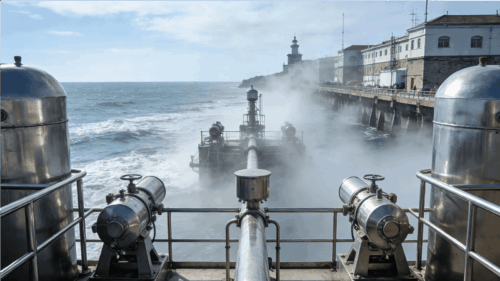
Seawater contains high concentrations of chloride ions, making it highly corrosive. Even stainless steel grades that resist rust in fresh water can suffer pitting and crevice corrosion in seawater without proper grade selection and maintenance.
Water with low pH or containing pollutants and industrial chemicals can damage stainless steel’s passive layer, increasing the risk of rust.
Although stainless steel is highly resistant, the following corrosion types can occur when it rusts in water:
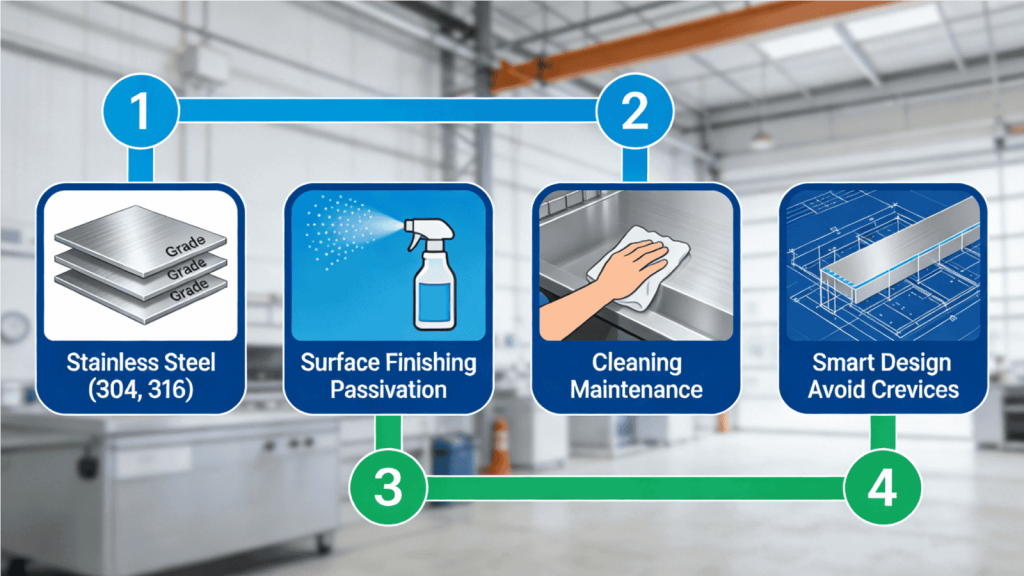
Maintaining stainless steel’s corrosion resistance in water environments involves:
Smooth finishes reduce sites for corrosion initiation. Passivation treatments can restore or improve the passive layer.
Removing deposits, chlorides, and contaminants reduces corrosion risk.
Avoid crevices, ensure good drainage, and allow for proper ventilation to prevent stagnant water accumulation.
Because of its corrosion resistance, stainless steel is widely used in:
Each application requires careful selection of stainless steel grades and proper maintenance to prevent rust in water.
While stainless steel is highly resistant to rust in water due to its protective passive oxide layer, it can rust in water under certain conditions such as exposure to chlorides, seawater, acidic environments, or mechanical damage. Understanding the water type, selecting the right stainless steel grade, and applying good design and maintenance practices are essential to minimizing rust in water environments.
Whether used in marine, industrial, or domestic settings, knowing how and why rust in water occurs on stainless steel helps engineers and facility managers protect assets and ensure long-term durability.
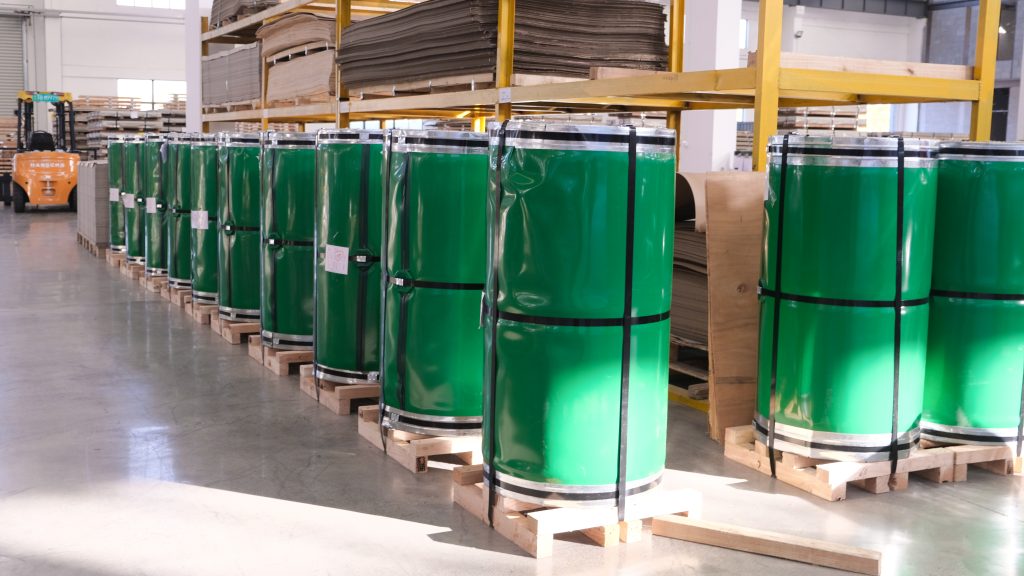
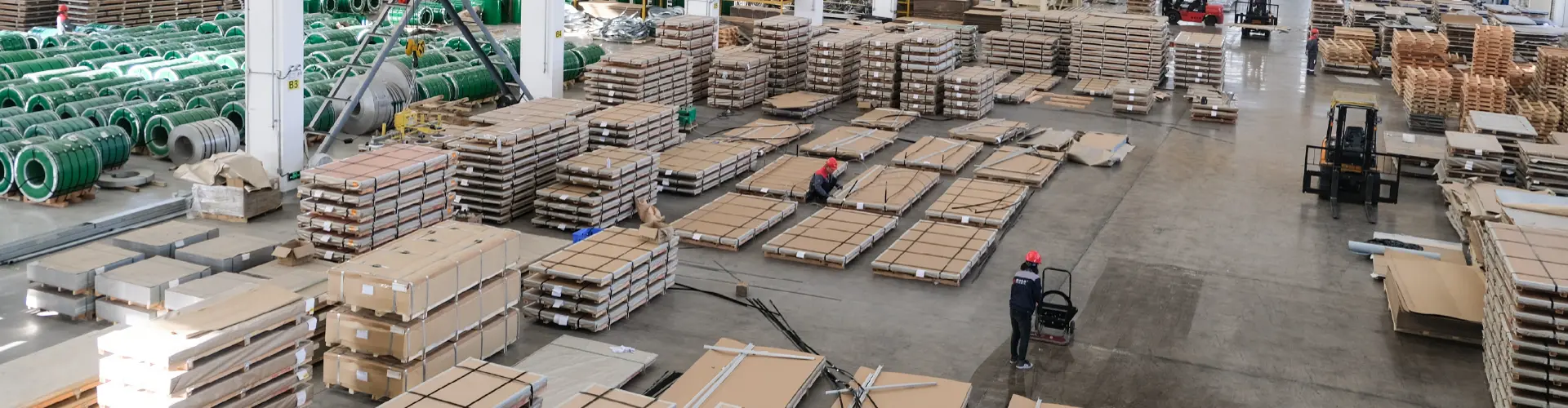
Walmay will help match the right stainless product form and specification for your application, confirm quantities and packing needs, and provide requested documents based on order requirements.
Loading form…