 By Walmay
 14 Nov, 2025
 3 Minutes Read
Stainless steel is everywhere — from kitchen tools to skyscrapers — but not all stainless steel is the same. Different stainless steel grades offer varying levels of strength, corrosion resistance, and cost. Understanding these differences helps you choose materials that perform better and last longer in your specific application.
Every stainless steel grade contains at least 10.5% chromium, which creates the self-healing oxide layer that prevents rust. Grades are classified by their chemical composition and crystal structure, often standardized under systems such as AISI, ASTM, or EN.
| Family | Structure | Key Traits | Common Grades | Typical Applications |
|---|---|---|---|---|
| Austenitic | Non-magnetic | Excellent corrosion resistance, weldable, ductile | 304, 316, 321 | Food, chemical, and marine industries |
| Ferritic | Magnetic | Good stress corrosion resistance, lower cost | 409, 430 | Automotive exhaust, appliances |
| Martensitic | Magnetic | High strength, moderate corrosion resistance | 410, 420 | Cutlery, turbines |
| Duplex | Mixed (Austenitic + Ferritic) | Very high strength, excellent corrosion resistance | 2205, 2507 | Offshore, chemical processing |
| Precipitation Hardening (PH) | Variable | Extremely high strength, heat-treatable | 17-4PH | Aerospace, high-performance equipment |

Here’s a quick comparison of the different stainless steel grades most used in industry:
| Grade | Family | Corrosion Resistance | Strength Level | Magnetic | Notes |
|---|---|---|---|---|---|
| 304 | Austenitic | Excellent corrosion resistance suitable for most environments | Moderate strength | Non-magnetic | Most commonly used stainless steel for general applications |
| 316 | Austenitic | Outstanding corrosion resistance, especially in marine and chemical environments | Moderate strength | Non-magnetic | Contains molybdenum for superior resistance to chlorides |
| 430 | Ferritic | Good resistance to oxidation and mild corrosion | Moderate strength | Magnetic | Cost-effective choice for indoor or decorative applications |
| 410 | Martensitic | Limited corrosion resistance, mainly in dry environments | High strength and hardness | Magnetic | Can be heat-treated; suitable for tools, knives, and mechanical parts |
| 2205 Duplex | Duplex | Excellent corrosion and pitting resistance even in aggressive environments | Very high strength | Slightly magnetic | Ideal for offshore platforms, chemical processing, and structural components |
The best stainless steel grade depends on environment, mechanical load, and appearance requirements.
Here’s a simple guide:
→ Choose 316 or 2205 Duplex for superior salt resistance.
→ Use 304, which offers cleanliness and easy maintenance.
→ Select 430 or 409 for cost-effective strength.
→ Go for 17-4PH, combining high strength and corrosion resistance.
→ Pick 410 or 420 for hardness and durability.
Tip: Always consider both corrosion resistance and mechanical stress. A low-grade stainless steel may save cost initially but fail prematurely in harsh environments.
Q1: What’s the difference between 304 and 316 stainless steel?
316 contains molybdenum, making it more resistant to chloride corrosion — ideal for marine or chemical use.
Q2: Which stainless steel grades are magnetic?
Ferritic and martensitic grades (e.g., 410, 430) are magnetic; austenitic grades (e.g., 304, 316) are not.
Q3: How can I tell which grade I have?
Check the material certificate (EN 1.4301 = 304) or perform a magnet test. Non-magnetic → austenitic.
Q4: What’s the strongest stainless steel grade?
Duplex and precipitation-hardened steels like 2205 and 17-4PH offer the highest strength.
Understanding the different stainless steel grades helps you select the ideal material for performance, longevity, and cost efficiency. By knowing each grade’s strengths — from 304’s versatility to 2205’s durability — you can ensure your project uses the right metal for the right job.
 Industry Knowledge
 Industry Knowledge
 Industry Knowledge
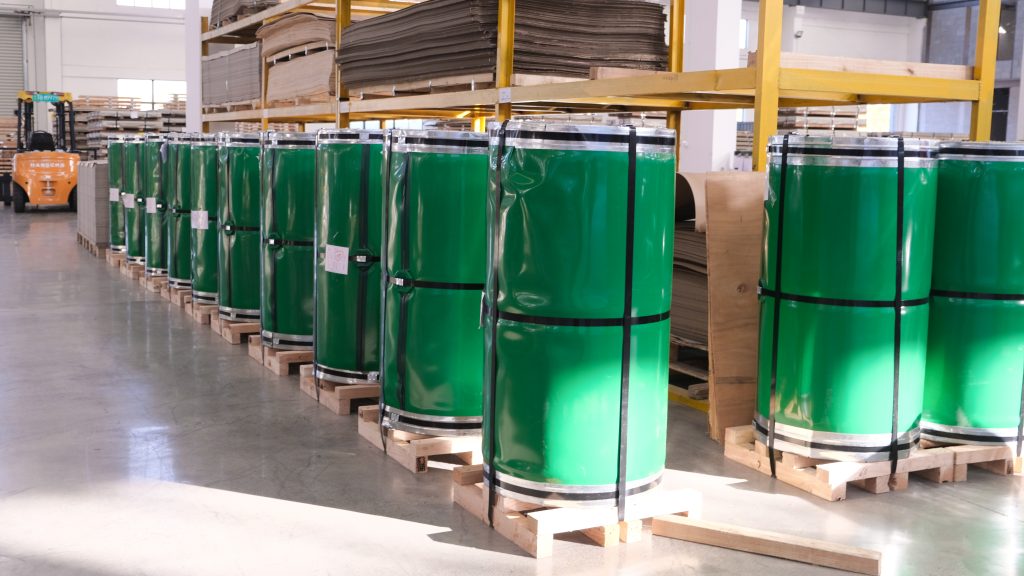
Walmay will help match the right stainless product form and specification for your application, confirm quantities and packing needs, and provide requested documents based on order requirements.