 By Walmay
 21 Sep, 2026
 6 Minutes Read
If your application is dry, indoor, and not heavily formed or welded, 430 stainless steel will save you 30–40% over 304 with no real performance penalty. The catch: 430 contains no nickel, has weaker corrosion resistance, and doesn’t take kindly to deep drawing or aggressive welding. Choose 304 when you need food contact, outdoor exposure, or complex fabrication — choose 430 when you’re paying for shine, not chemistry.
Below is the honest breakdown: composition, cost, where each grade actually fails, and the procurement scenarios where the “cheap” option is the smart one.
430 and 304 aren’t just two numbers on a spec sheet — they belong to entirely different families of stainless steel. 304 is austenitic, which means it relies on nickel (8–10.5%) to lock in a face-centered cubic crystal structure. That structure is what gives 304 its non-magnetic behavior, deep formability, and excellent weldability.
430, on the other hand, is ferritic. No nickel. Just chromium (around 16–18%) and iron. The crystal structure is body-centered cubic, which is why 430 is magnetic and behaves more like carbon steel in some respects — including being trickier to weld and more prone to brittleness in heavy sections.
This isn’t trivia. The family difference drives every other property comparison: price, corrosion behavior, formability, and how the metal responds to heat. If you want a deeper map of how the families fit together, our complete guide to stainless steel types lays it out grade by grade.

The price gap comes down to one element: nickel. 304 is roughly 8% nickel by weight, and nickel is one of the most volatile commodities in metals. When LME nickel spikes — as it did during the 2022 short squeeze and again in 2024 — 304 prices follow within weeks. 430 doesn’t care. It has no nickel surcharge to absorb.
In typical 2026 markets, cold-rolled 430 sheet trades roughly 30–40% below comparable 304. On a 20-tonne order, that’s the difference between budget approval and a redesign meeting. For procurement teams hedging against nickel volatility, switching qualifying parts to 430 is a legitimate cost-engineering tactic — not a downgrade. We covered the underlying mechanics in our breakdown of hot rolled vs cold rolled steel, which also affects final pricing.
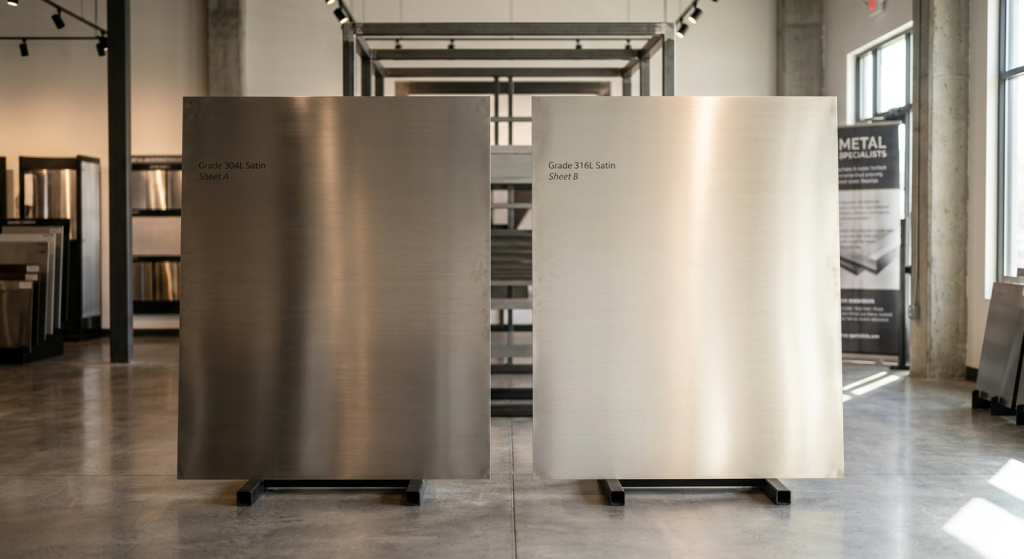
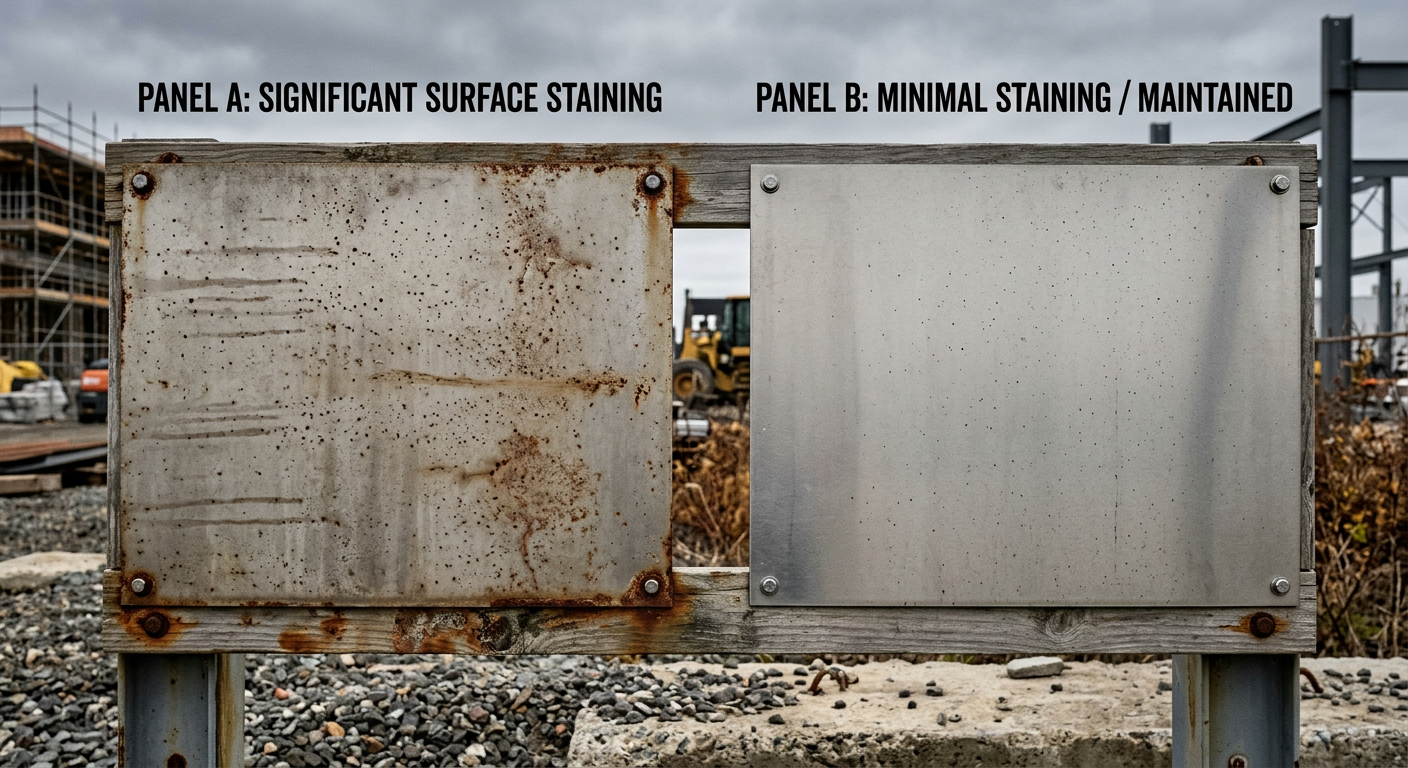
Here’s where buyers get burned. 430 looks identical to 304 on the showroom floor. Same shine, same brushed finish, same “stainless” label. Then it shows up rusty six months later because someone installed it next to a swimming pool.
430 handles dry indoor environments fine — kitchens (away from salt), elevator interiors, appliance panels, dry storage racking. What it doesn’t handle:
304 isn’t bulletproof either, but its higher chromium plus nickel passive layer is dramatically more forgiving. For anything near saltwater, you actually need to step up further — see our notes on stainless steel in seawater for why even 304 isn’t always enough there.
Use this as your quick-reference when sourcing. Numbers are typical mill values; always confirm against your supplier’s mill test certificate.
| Property | 430 Stainless Steel | 304 Stainless Steel |
|---|---|---|
| Family | Ferritic | Austenitic |
| Typical price (vs 304) | ~30–40% cheaper | Baseline |
| Nickel content | 0% | 8–10.5% |
| Chromium content | 16–18% | 18–20% |
| Corrosion resistance | Moderate, indoor only | Excellent, indoor + outdoor |
| Magnetic? | Yes | No (mostly) |
| Weldability | Limited | Excellent |
| Formability (deep draw) | Fair | Excellent |
| Best use case | Appliance panels, decorative trim | Food contact, outdoor, fabrication |
The magnetic test trick — sticking a fridge magnet to a sheet — is real but imperfect. Cold-worked 304 can become slightly magnetic too. For the full nuance, see our piece on magnetism in stainless steel.
This is where buyers who chose 430 purely on price often regret it. 430 has a narrow forgiveness window in the workshop:
430 is weldable, but the heat-affected zone tends to coarsen grain and lose ductility. You’ll need post-weld annealing for structural applications, and even then, weld zones are more corrosion-prone than the parent metal. 304 welds cleanly with standard 308L filler and rarely needs post-weld treatment for indoor use.
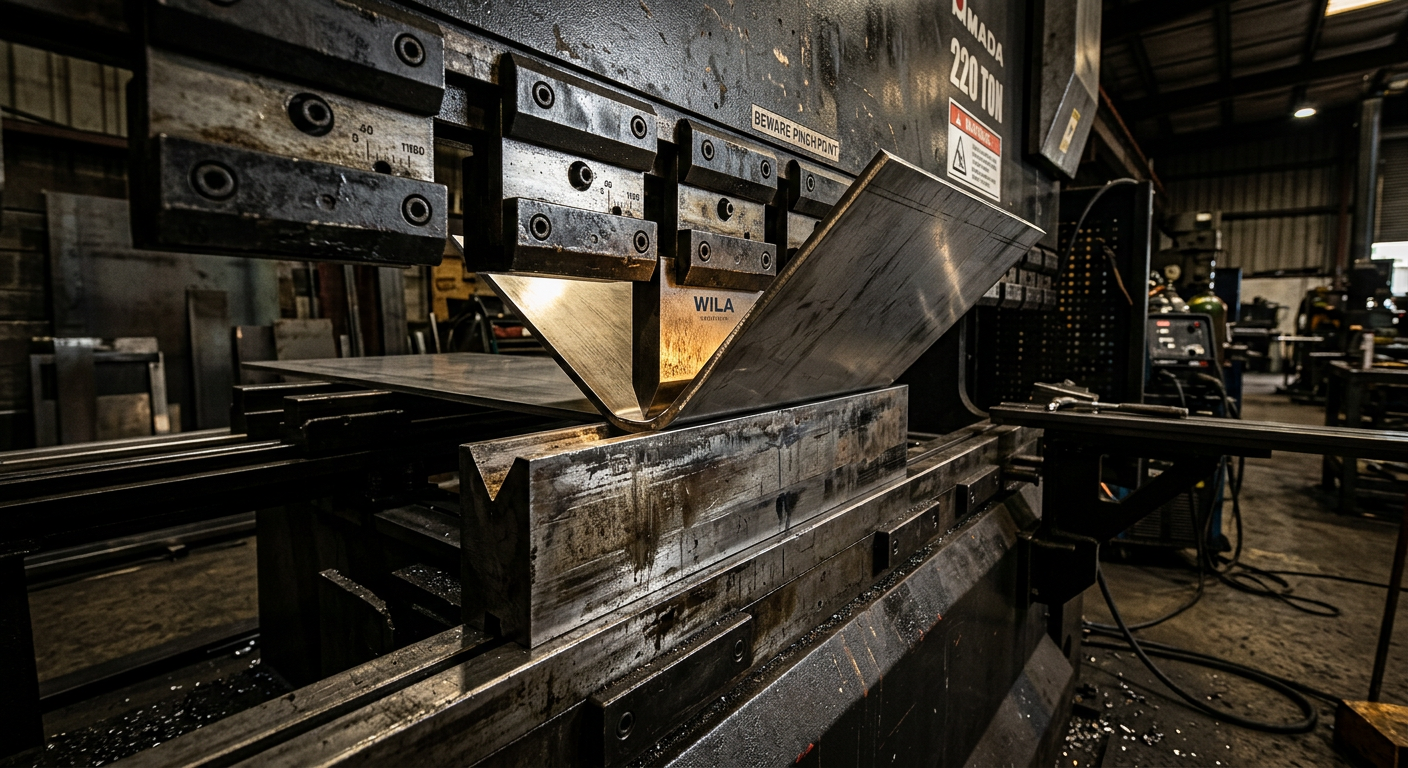
304 can be deep-drawn into sinks, kettles, and complex bowls. 430 will crack on the same dies. For shallow stamping, brake bending, and roll forming — fine. For anything past about 30% reduction, switch to 304 or a forming-grade ferritic like 439.
Counter-intuitively, 430 actually performs well at sustained moderate heat (up to ~815°C scaling temperature) and resists thermal fatigue better than 304 in some cycles — which is why it shows up in muffler trim and oven liners. Heat treatment behavior matters, and our explainer on the tempering process walks through why.
Example: An appliance manufacturer in Vietnam producing 50,000 microwave oven outer cabinets per month switched their non-functional decorative panels from 304 to 430. The panels never see food, never see moisture, and are powder-coated on the back side. The savings: roughly $180,000 annually with zero field complaints over three years.
Other strong 430 applications:
Example: A juice processing plant originally specced 430 piping clamps to save costs during a 2024 retrofit. Within 14 months, citric acid carryover from cleaning cycles caused pitting at every clamp. The replacement bill — labor included — exceeded what 304 would have cost up front by 4×.
Other places where 304 (or higher) is non-negotiable:
A few practical habits separate the buyers who get value from 430 from those who get callbacks:
If you’re navigating multiple grades on a single project, our overview of stainless steel grades and applications helps map material to use case quickly.
430 isn’t a budget compromise — it’s a precision tool for the right job. Use it where the environment is dry, the fabrication is simple, and the budget pressure is real. Use 304 where moisture, food, complex forming, or weldability are in play. Get this match right and you’ll cut material cost without inviting warranty claims.
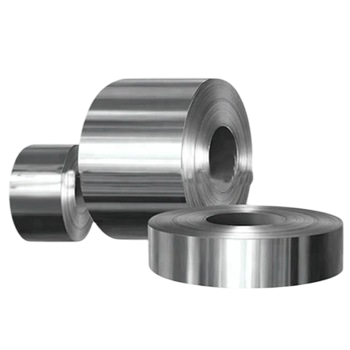
Walmay supplies both grades in cold-rolled coil, sheet, and slit strip with mill test certificates traceable to heat number, and we’ll tell you straight when 430 is the smart pick versus when you should pay up for 304. Send us the application details — coastal or inland, welded or bolted, food or decorative — and we’ll spec it honestly. Browse our stainless steel product range or get in touch for a quote tailored to your project.
 Industry Knowledge
 Industry Knowledge
 Industry Knowledge
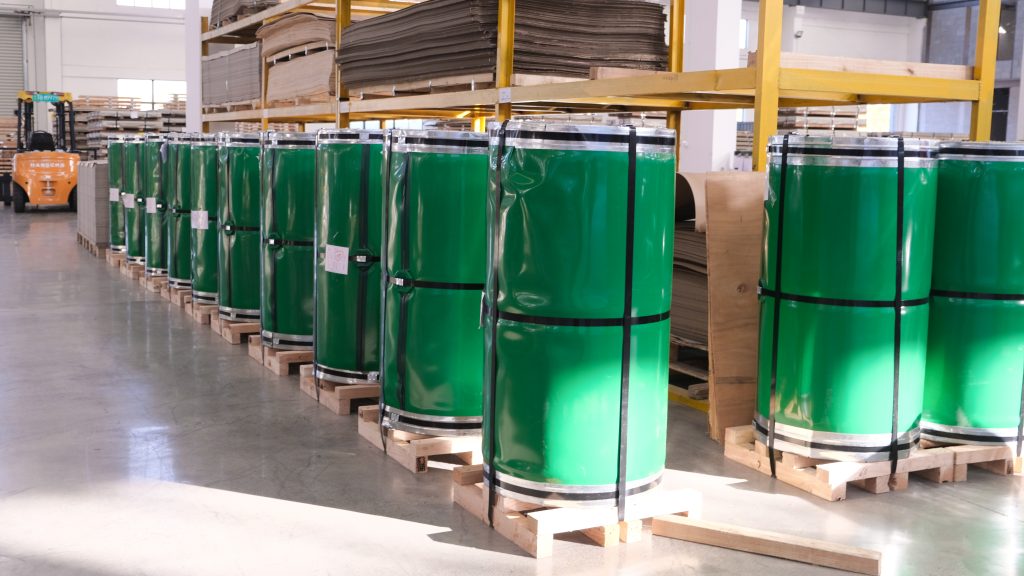
Walmay will help match the right stainless product form and specification for your application, confirm quantities and packing needs, and provide requested documents based on order requirements.