
 By Walmay
 05 Oct, 2026
 7 Minutes Read
Rail and transit buyers specify stainless steel for 30-to-40-year service life under structural load, while automotive buyers specify it for 8-to-15-year parts produced by the millions at the lowest possible cost per unit. That single difference — lifespan versus volume economics — is why a train car body uses 304 or 304L while a car exhaust system uses 409 or 439. Get this distinction wrong and you either overpay for automotive-grade thinking on a rail project, or underspec a transit car with a grade that was never meant to last three decades outdoors.
Everyone assumes grade selection comes down to how aggressive the environment is. That’s only half the story. The bigger driver is how long the part needs to survive and how many units get made.
A passenger rail car is a capital asset. Transit authorities budget for 30+ years of service, multiple refurbishment cycles, and structural recertification. Every stainless steel component on that car — from the body shell to the handrails — gets evaluated against decades of fatigue, not just initial corrosion resistance. That’s why austenitic grades like 304 and 304L dominate rail car bodies: they’re weldable without exotic procedures, ductile enough to form complex panels, and they hold up to repeated thermal cycling from HVAC systems and braking heat without embrittling.
Automotive production runs on a completely different clock. An exhaust system might see 10 years of road salt, heat cycling from 800°C down to ambient, and then get scrapped with the car. Manufacturers aren’t optimizing for century-scale durability — they’re optimizing for cost per part across a production run of hundreds of thousands of units. That’s why ferritic grades like 409 and 439 show up constantly in automotive exhaust: cheaper than austenitic, decent heat resistance, and the corrosion window only needs to outlast the vehicle’s resale value, not a civil infrastructure asset.

If rail cars face coastal routes, tunnel condensation, and de-icing salt, shouldn’t they use 316L like marine projects do? Usually not — and the reason is cost-to-benefit at scale.
316L’s molybdenum addition earns its premium in chloride-saturated environments like seawater immersion or chemical processing. Rail exposure is intermittent — road salt spray, periodic tunnel humidity, seasonal de-icing — not constant submersion. For that exposure profile, 304L’s chromium-nickel balance handles the corrosion load just fine, and the savings matter when you’re ordering structural sheet and tube by the hundreds of tons per fleet order.
Where 316L does show up on rail projects is in specific high-exposure components: undercarriage brackets exposed to direct salt spray, coastal tunnel ventilation housings, or coastal transit systems in places like Hong Kong or coastal Florida corridors. For general car body structure, floor pans, and interior panels, 304L remains the default — and switching to 316L across the whole car for marginal corrosion gain is a budget decision most transit agencies won’t approve. If you’re weighing this tradeoff for a specific route profile, the breakdown in 304 vs 316 stainless steel: which one should you actually buy applies directly here.
409 stainless steel dominates automotive exhaust systems for one reason: it’s the cheapest grade that survives the heat and the short service window. It has no nickel, modest chromium, and a ferritic structure that handles thermal cycling without the cost premium of austenitic alloys.
Try to apply that same logic to a rail car and you’d have a structural failure risk. 409 isn’t rated for the fatigue cycles, impact resistance, or long-term weldability that a rail car body needs over three decades of daily service and periodic overhaul. It also doesn’t form as readily into the large complex panels rail fabricators need — 304’s austenitic ductility is what lets fabricators cold-form car body panels without cracking.
This is the core trap buyers fall into when they move between industries: assuming a grade that works brilliantly in one high-volume, short-lifecycle application will translate to a low-volume, long-lifecycle structural one. It doesn’t. The deeper comparison between these grade families is covered in 430 vs 304 stainless steel: when the cheaper grade is actually the smart choice, which is useful context even though 430 and 409 sit in different applications.

A regional transit operator sourcing stainless steel for new light rail car exteriors received a bid using 430 ferritic sheet instead of 304 austenitic — roughly 15% cheaper per ton. On paper, the corrosion resistance looked adequate for the climate.
The engineering team rejected it. Why? 430’s lower ductility made the complex curved body panels prone to cracking during the forming process, and its weld zones showed reduced toughness in fatigue testing simulating 30 years of vibration and thermal cycling from onboard electrical systems. The cost savings on raw material would have been wiped out by forming scrap rates and warranty risk on welds that needed to pass structural certification.
This is a pattern worth remembering: the cheapest grade that technically meets a corrosion spec isn’t automatically the right buy when forming behavior and long-term fatigue performance matter as much as the initial spec sheet. For a broader look at where this kind of substitution works and where it backfires, see when the application of stainless steel works and when it does not.
Automotive stainless parts are mostly hidden — exhaust systems, structural brackets, under-body components nobody sees. Rail cars are different. Interior panels, handrails, door surrounds, and exterior cladding are constantly visible to riders and need to look presentable after years of hand contact, cleaning chemicals, and graffiti removal attempts.
That’s why rail specifications frequently call out specific finishes: brushed No. 4 for interior panels that need to resist fingerprint visibility and hold up to repeated cleaning, or 2B mill finish for structural components that get painted or cladded over. Compare that to automotive trim, where a mirror or bright finish might only need to survive a shorter aesthetic life before the vehicle is traded in or the part is replaced.
Buyers sourcing rail interior sheet should specify finish tolerance and consistency across the full car order — mismatched brushed finish between panels on the same train car is a common complaint that shows up during final assembly, not during material inspection.

Rail car structural welds often need to meet certification standards like AWS D1.6 or regional rail authority codes, with documented weld procedure qualification and inspection records that follow the car for its service life. That level of traceability doesn’t exist for most automotive stainless welds, which are high-speed robotic spot or laser welds optimized for throughput, not long-term structural certification.
This changes grade selection too. 304L’s low carbon content reduces the risk of carbide precipitation and sensitization during welding — critical when a weld joint needs to perform reliably for decades without re-inspection access. Standard 304 can work, but 304L gives fabricators a wider safety margin on heat input during multi-pass structural welds, which matters when welders are working full car-body seams rather than small automotive brackets.
If weld failures are a recurring concern on your fabrication floor regardless of industry, it’s worth reviewing root causes separately — this is addressed directly in the draft discussion on why stainless steel welds keep failing, a topic every rail fabricator should have on their internal checklist even before material arrives.
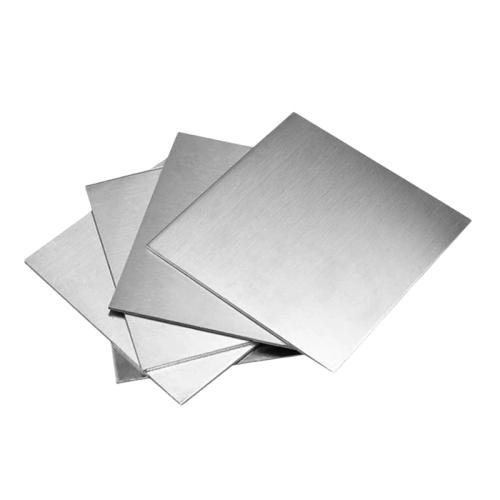
If you’re sourcing stainless for rail or transit structure, start with 304/304L sheet, plate, and tube as your baseline, reserve 316L for direct salt-spray exposure zones, and resist the pull toward automotive-grade thinking just because it’s cheaper per ton. The economics that make 409 and 430 smart choices in automotive don’t transfer to a 30-year structural asset.
Specify finish consistency across the full car order, confirm weld procedure qualification requirements with your supplier before material ships, and don’t treat corrosion resistance as the only variable — formability and fatigue performance carry equal weight in rail applications. For broader grade fundamentals that apply across both industries, the complete engineering and procurement guide to stainless steel types is a useful reference point before finalizing specs.
 Industry Knowledge
 Industry Knowledge
 Industry Knowledge
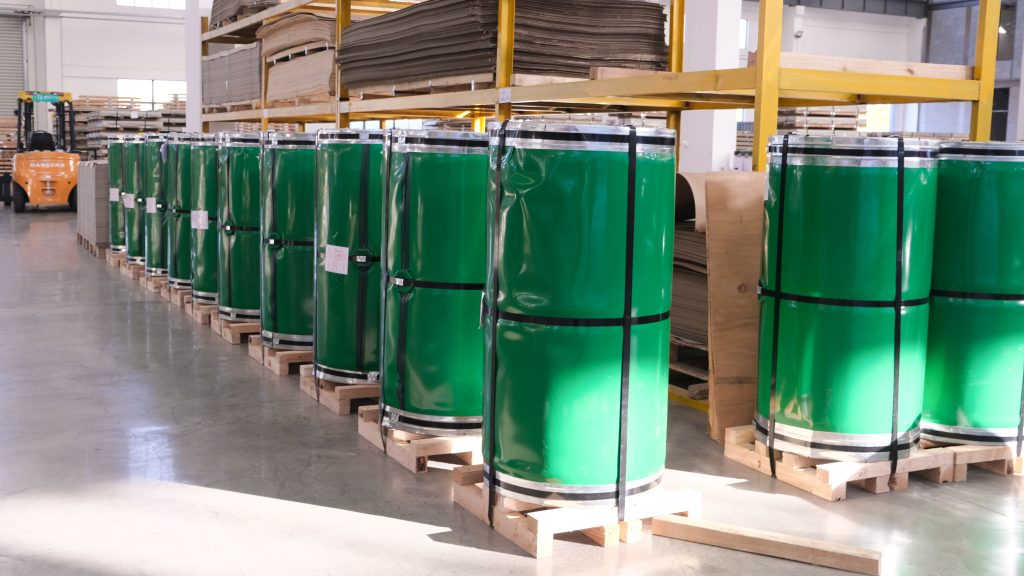
Walmay will help match the right stainless product form and specification for your application, confirm quantities and packing needs, and provide requested documents based on order requirements.