
 By Walmay
 12 Oct, 2026
 8 Minutes Read
For most food processing equipment, 304/304L stainless handles dry goods, dairy, and mildly acidic environments just fine — but the moment you introduce chlorides, brines, hot CIP solutions, or acidic sauces, you should be specifying 316L. Just as important: the surface finish (typically 2B for general equipment and a polished Ra ≤ 0.8 µm for product-contact surfaces) determines whether bacteria can colonize the metal, regardless of how good the grade is. Get both right, and your equipment passes audits and lasts decades. Get one wrong, and you’re rebuilding tanks within five years.
Food processors don’t pick stainless steel because it looks clean. They pick it because the passive chromium-oxide layer self-repairs after every CIP cycle, scrub, and acid wash — and because it stays inert when it meets vinegar, tomato, milk fat, or salt brine. No other metal at this price point checks all those boxes.
The practical implication: when an equipment fabricator quotes you mild steel with food-grade epoxy lining for 30% less, walk away. Linings crack, scratch during cleaning, and harbor pathogens in the breach. Stainless is the only material the FDA, USDA, and EU 1935/2004 frameworks effectively assume by default for repeated contact with wet, acidic, or salty foods.
If you want a refresher on how grade families differ structurally, our overview of stainless steel grades and their applications is a good starting point before specifying a project.


About 80% of the stainless in a typical food plant is 304 or 304L. It’s the default for mixing tanks, conveyor frames, hoppers, and structural supports. The ‘L’ (low carbon, ≤0.03%) version matters specifically when you’re welding — it prevents carbide precipitation at the weld zone, which is exactly where corrosion likes to start.
316L steps in whenever chlorides show up. That includes:
Duplex grades like 2205 are overkill for most kitchens but earn their cost in two scenarios: high-pressure homogenizers and large brine tanks in seafood plants where pitting on 316L starts showing up within three years. For instance, a Norwegian salmon processor we know switched their main brine chiller from 316L to 2205 after replacing the original twice in eight years — the duplex unit is now eleven years in with no pitting.
For a deeper price-versus-performance breakdown, see our practical guide on 430 vs 304 stainless — useful when someone tries to value-engineer your non-contact framing.
Here’s what’s overlooked: a 316L tank with a rough 2D finish can fail a swab test faster than a 304 tank with a properly polished No. 4 finish. Bacteria don’t care about grade — they care about surface roughness (Ra).
EHEDG and 3-A Sanitary Standards both call for product-contact surfaces with Ra ≤ 0.8 µm. Below that threshold, bacterial adhesion drops sharply. Above it, even aggressive CIP can’t reach into the surface valleys. A yogurt plant we worked with traced a recurring contamination issue not to the equipment design, but to a single replacement elbow that had been delivered with a Ra of 1.2 µm — invisible to the eye, fatal to the audit.
Equipment buyers usually get handed a spec sheet listing ‘3-A compliant’ or ‘EHEDG certified’ and assume that covers it. It doesn’t. These are distinct frameworks with different scopes.
Originated in dairy, now covers most wet food processing. Specifies materials (304 minimum, 316 for chloride contact), surface finish (Ra ≤ 0.8 µm on product contact), weld quality, and drainability angles (minimum 3° slope on horizontal surfaces). The 3-A symbol on equipment means a third-party verified the design.
More design-oriented. Focuses on cleanability — radius of internal corners (min 6 mm typically), elimination of dead legs in piping (L/D ratio ≤ 2), and drainability under CIP flow. EHEDG testing actually contaminates equipment and verifies cleaning effectiveness.
These regulate the material itself — what can touch food. Stainless steel is generally accepted, but you need mill test certificates proving composition. Our guide to working with mill-certified suppliers matters here because random-source stainless without traceable MTCs is a common audit failure point.

Most field failures in food plants don’t happen on flat sheet — they happen at welds, threads, and gaskets. The metallurgy of a heat-affected zone is different from the parent metal, and chromium-depleted zones near welds are where pitting starts.
What to specify, not assume:
A meat processor in the US Midwest had a recurring Listeria positive at a single drain swab point for eighteen months. The eventual cause: a poorly purged TIG weld with sugaring on the internal surface, two meters upstream of the drain. Replacing one 30 cm section solved it.
Specifying a single grade for an entire plant is wasteful. Map material to risk instead:
304 with 2B finish is fine. No moisture means no chloride attack. Save your budget for downstream.
304L for tanks and silos. 316L for any plate heat exchanger, since CIP at 85°C with caustic followed by nitric beats up 304 over years.
316L on anything contacting brine, marinades, or chlorinated wash water. 304 acceptable for structural framing and dry conveyor sections.
316L minimum, duplex 2205 for the most aggressive zones (brine chillers, fermentation tanks with high salt + low pH). The combination of chloride + acid + temperature breaks 304 down quickly.
304L sufficient for most tankage. 316L for citrus juice contact and CIP return lines. Beer brewing uses primarily 304 because wort and beer pH (~4–4.5) is well within 304’s tolerance.
Stainless isn’t bulletproof. Three failure modes account for nearly all in-service problems in food plants:
For more on the corrosion mechanisms involved, our piece on whether stainless steel rusts in water walks through the chemistry in detail. And if you’re evaluating where stainless is the right call versus where it isn’t, see when stainless steel works and when it doesn’t.

Buying food-grade stainless isn’t just about ordering ‘316L 2B sheet.’ The paperwork and process controls separate a usable supply chain from a future audit headache:
Counterfeit or downgraded stainless does enter the food equipment supply chain — usually as 304 sold as 316, or as off-spec material with adjusted certificates. PMI testing catches this in under a minute and should be standard on incoming inspection.
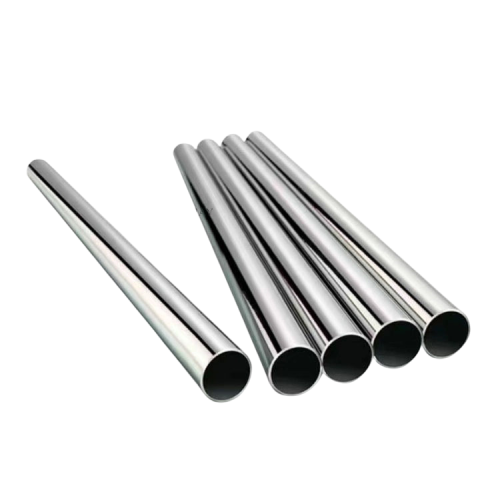
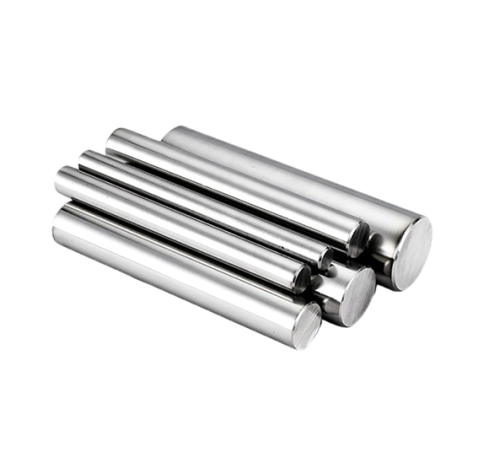
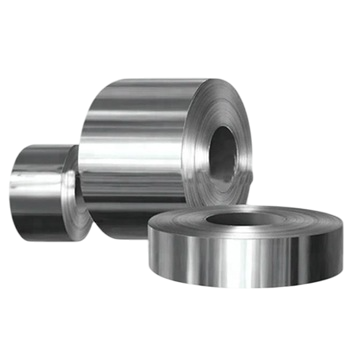
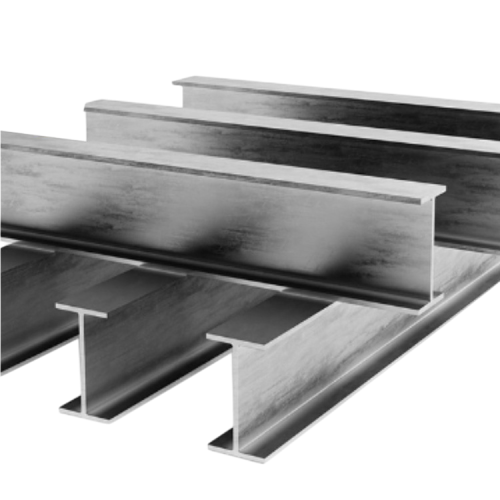
If you’re sourcing stainless for a food processing project — sheet, coil, tube, or fittings — Walmay supplies mill-certified 304/304L, 316/316L, and duplex stocks with documented finishes and traceable heat numbers. Browse our product range, see the food and beverage examples in our applications portfolio, or get in touch with the team for a project-specific quote. Specify the grade, the finish, and the standard you’re building to — we’ll match the material to the job rather than the other way around.
 Industry Knowledge
 Industry Knowledge
 Industry Knowledge
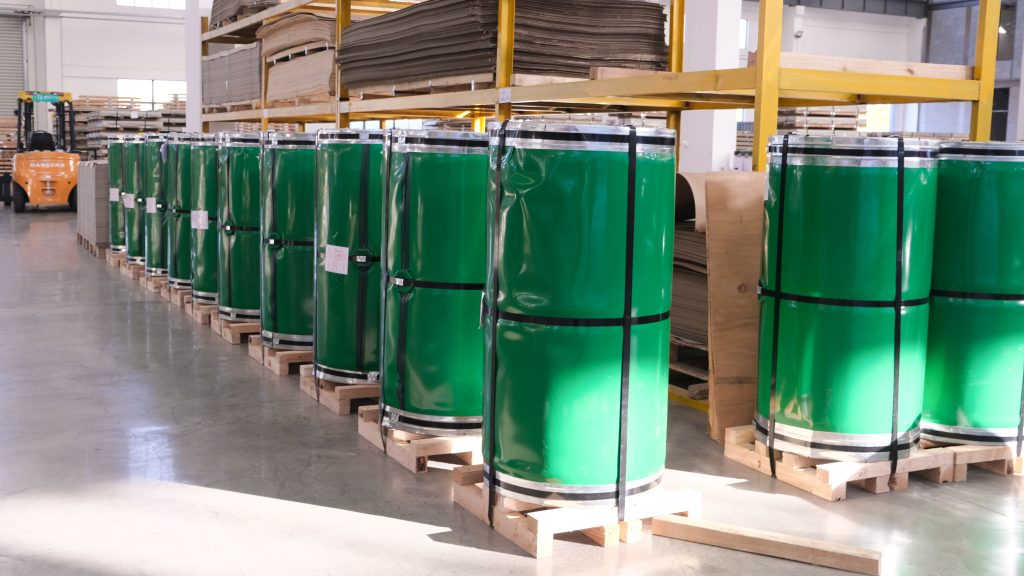
Walmay will help match the right stainless product form and specification for your application, confirm quantities and packing needs, and provide requested documents based on order requirements.